Real Celebrities Never Die!
OR
Search For Past Celebrities Whose Birthday You Share
Died Age: 87
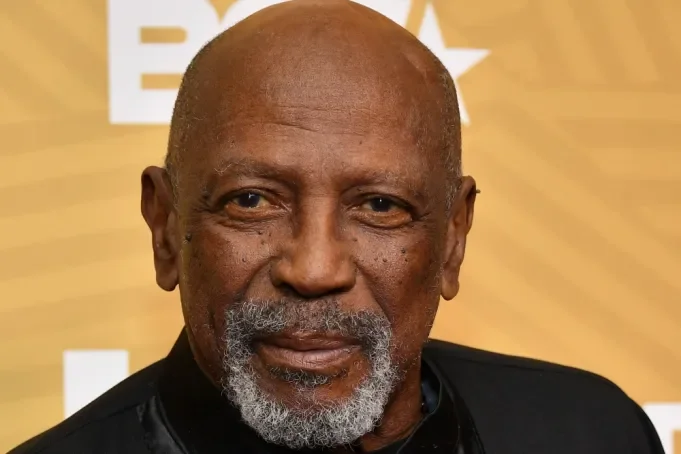
variety.com
Louis Gossett
Birthday:
26 May, 1936
Date of Death:
28 Mar, 2024
Cause of death:
Chronic obstructive pulmonary disease
Nationality:
American
Famous As:
Actor
Age at the time of death:
87
Louis Cameron Gossett Jr.'s Quote's

“We have to be better. We can be better. I believe in us.”
Louis Cameron Gossett Jr.
🔗 deadcelebrityhub.com
Early Life: A Childhood Steeped in Strength and Song
Louis Gossett Jr. brought grace and gravity to every role he touched. But beyond the screen, Gossett lived a life dedicated to breaking barriers and building bridges, embodying a legacy that wove together artistry, activism, and an unyielding sense of purpose.
Born on May 27, 1936, in the heart of Brooklyn, New York, Louis Cameron Gossett Jr. was raised in a working-class African-American family during a time of racial segregation and deep societal change. His mother, Hellen Rebecca, was a nurse, and his father, Louis Sr., was a porter. From them, he inherited a deep sense of discipline, warmth, and an unshakable moral compass.
Louis’s first encounter with acting was serendipitous. At the age of 17, a sports injury sidelined his basketball aspirations, and a teacher encouraged him to audition for a school play. That suggestion would reroute the course of his life. His debut performance in You Can’t Take It With You sparked something elemental, a path forward.
He would later reflect on this pivotal moment: “I was bitten by the bug, not just to perform, but to speak truth through storytelling.”
Education: The Education That Shaped a Legend
Despite his growing love for theatre, Gossett never saw it as a guaranteed career path, at least not at first. He earned a scholarship to New York University, where he studied drama while navigating a city in cultural upheaval. He also briefly attended classes at the prestigious Actors Studio, where he trained alongside future giants like Marilyn Monroe, Paul Newman, and James Dean.
His presence, tall, commanding, and magnetic, caught the attention of directors early. But it wasn’t just his physicality that stood out. Gossett brought a rare emotional intelligence to his roles, shaped by his experiences as a Black man coming of age in mid-20th-century America.
Gossett’s Early Career
In 1953, at just 17, Gossett made his Broadway debut in Take a Giant Step, one of the first plays to explore Black adolescence in a predominantly white society. The performance earned him critical acclaim and set the stage literally for what was to come.
The 1960s brought television appearances and film roles, including a breakout part in A Raisin in the Sun (1961) alongside Sidney Poitier. But his transition from stage to screen wasn’t without turbulence. Gossett frequently encountered the industry’s narrow expectations for Black actors. He was often typecast or overlooked altogether.
One night, while filming in the South, he was harassed by police and forced to sleep in his car, despite being a successful, working actor. “It was a reminder,” he later said, “that no amount of fame could shield you from racism.”
Rather than retreat, he leaned in using his platform to advocate for better roles and deeper representation.
Triumphs in the 1970s and 1980s
Gossett’s career catapulted in the 1970s with a landmark performance in the 1977 television miniseries Roots, where he portrayed Fiddler, a complex, heart-wrenching character who helped shape the series’ emotional centre. The performance earned him an Emmy and cemented his status as a national figure.
Then came An Officer and a Gentleman (1982), where Gossett played the tough-but-compassionate drill sergeant Emil Foley. The role was groundbreaking not only because it defied stereotypes, but because it led Gossett to become the first Black man to win the Academy Award for Best Supporting Actor in a non-race-specific role. His Oscar acceptance speech was humble, powerful, and filled with the gravity of history.
Fun fact: To prepare for An Officer and a Gentleman, Gossett trained with real military personnel, enduring rigorous drills that left even seasoned actors gasping for air. But Gossett thrived, channelling that discipline into a performance that still resonates decades later.
Later Career: Wisdom, Advocacy, and Continued Excellence
Gossett never stopped working. Over the following decades, he appeared in everything from sci-fi cult classics (Enemy Mine, 1985) to social dramas and independent films. He lent his voice to animated series and remained a fixture on both the big and small screens.
But more than ever, he focused on using his voice for change. In 2006, he founded the Eracism Foundation, an organisation committed to eradicating racism through education and cultural understanding. “I’ve played so many roles,” he once said, “but the role I’m most proud of is being a vessel for change.”
Personal Life: The Man Beyond the Roles
Despite his towering public image, Gossett was a deeply introspective man. He was married three times and had one son, Satie, whom he deeply loved. Off-screen, he was known for his gentle demeanour, love of jazz, and spiritual curiosity. Friends often described him as both regal and grounded, a man who could quote Shakespeare one moment and crack a joke the next.
In his later years, he survived a bout with prostate cancer and openly discussed his struggles with addiction, proving once again that his courage extended far beyond his performances.
Legacy: A Life That Mattered
Louis Gossett Jr. passed away on March 29, 2024, at the age of 87. But his legacy endures like an echo in a canyon, resonant, clear, and unforgettable.
He didn’t just open doors but tore them off their hinges. In an industry slow to change, he stood firm, pushing for narratives that reflected the truth of Black lives in all their complexity. He proved that dignity and excellence could change hearts and reshape Hollywood.
And for every young actor of colour stepping into the spotlight today, Gossett’s presence still lingers, showing what’s possible when talent meets purpose.
Profile Snapshot
Name:
Louis Cameron Gossett Jr.
Popular Name:
Louis Gossett
Gender:
Male
Cause of Death:
Chronic obstructive pulmonary disease
Spouse:
Cyndi James Gossett
Christina Mangosing
Hattie Glascoe
Place of Birth:
Coney Island, New York, United States
Place of Death:
Santa Monica, California, United States
Occupation / Profession:
Actor
Director
Film Producer
Personality Type
Advocate: Quiet and mystical, yet very inspiring and tireless idealists. A wise and quietly powerful soul, Louis Gossett Jr. used his strength to uplift others and his talent to inspire change.
Louis Cameron Gossett Jr.'s Interesting Facts
He was a trained martial artist and held a black belt in karate, which he credited for helping him stay focused and disciplined.
Gossett contracted pneumonia during the filming of Roots but continued filming to maintain authenticity and momentum.
He wrote an autobiography titled An Actor and a Gentleman, offering a candid look at racism in Hollywood and his personal journey.
Achievements & Awards
Louis Gossett Jr. made history in 1983 when he became the first Black man to win the Academy Award for Best Supporting Actor for his role in An Officer and a Gentleman.
He also earned an Emmy for his unforgettable performance as Fiddler in the groundbreaking miniseries Roots.
Over his six-decade career, he amassed numerous accolades, including Golden Globe Awards, NAACP Image Awards, and a star on the Hollywood Walk of Fame.
His work not only showcased immense talent but also broke racial barriers in the entertainment industry.
External Links
Latest Profiles
People also viewed
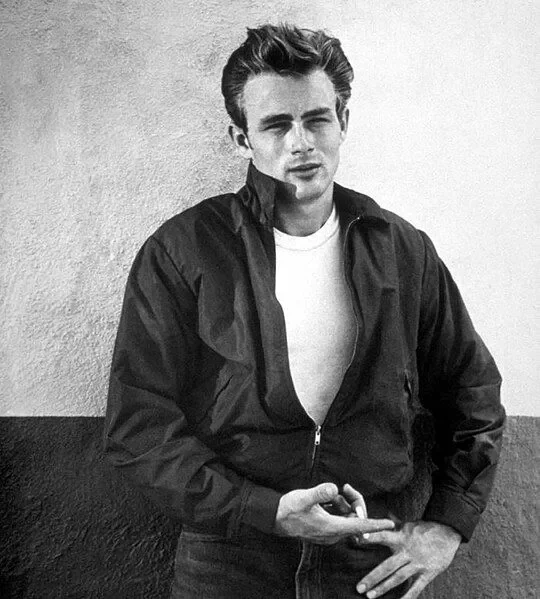
James Dean
Born08 Feb, 1931
Died30 Sep, 1955
NationalityAmerican
Age at time of death24
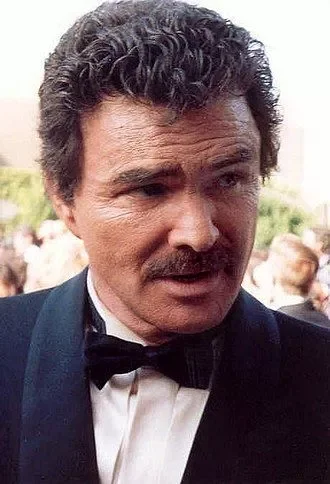
Burt Reynolds
Born11 Feb, 1936
Died06 Sep, 2018
NationalityAmerican
Age at time of death82
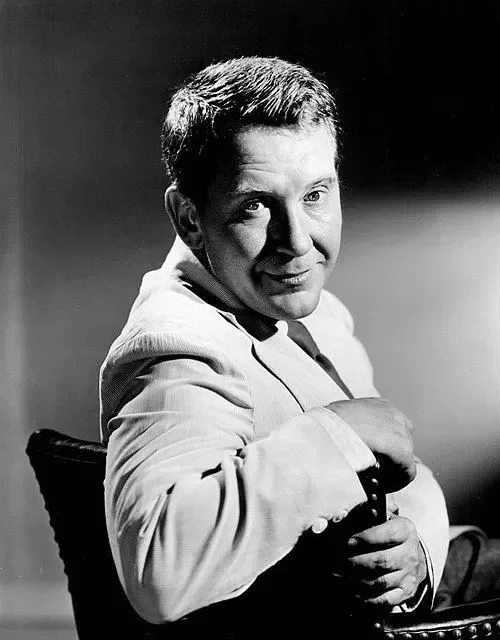
Oliver Burgess Meredith
Born16 Nov, 1907
Died09 Sep, 1997
NationalityAmerican
Age at time of death89
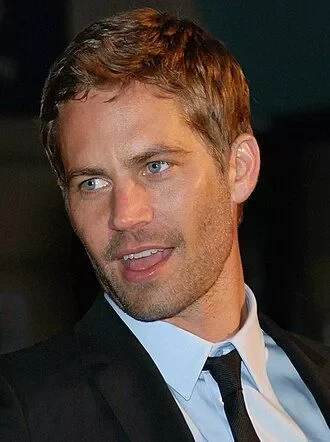
Paul Walker
Born12 Sep, 1973
Died30 Nov, 2013
NationalityAmerican
Age at time of death40
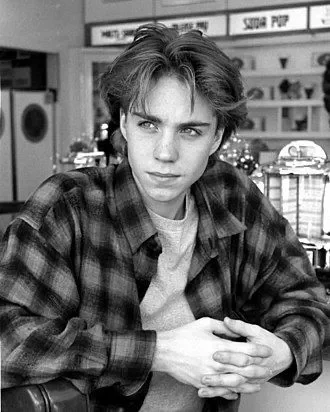
Jonathan Brandis
Born13 Apr, 1976
Died12 Nov, 2003
NationalityAmerican
Age at time of death27
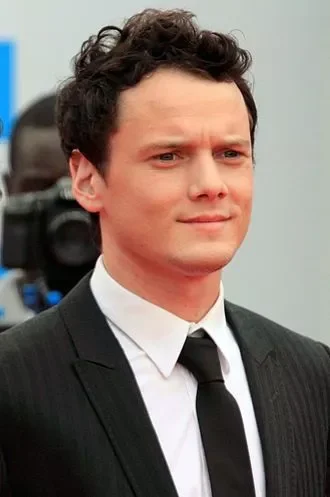
Anton Yelchin
Born11 Mar, 1989
Died19 Jun, 2016
NationalityAmerican
Age at time of death27
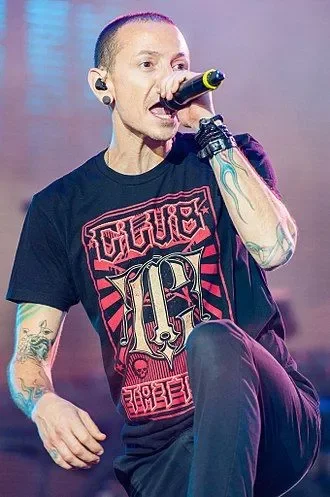
Chester Bennington
Born20 Mar, 1976
Died20 Jul, 2017
NationalityAmerican
Age at time of death41
Peter Fonda
Born23 Feb, 1940
Died16 Aug, 2019
NationalityAmerican
Age at time of death79
Jerry Lewis
Born16 Mar, 1926
Died20 Aug, 2017
NationalityAmerican
Age at time of death91
Marlon Brando
Born03 Apr, 1924
Died01 Jul, 2004
NationalityAmerican
Age at time of death80
James Stewart
Born20 May, 1908
Died02 Jul, 1997
NationalityAmerican
Age at time of death89
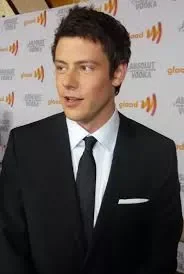
Cory Monteith
Born11 May, 1982
Died13 Jul, 2013
NationalityCanadian
Age at time of death31
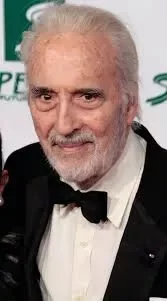
Christopher Lee
Born27 May, 1922
Died07 Jun, 2015
NationalityBritish
Age at time of death93
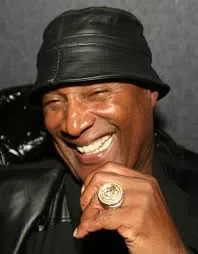
Paul Mooney
Born04 Aug, 1941
Died19 May, 2021
NationalityAmerican
Age at time of death79
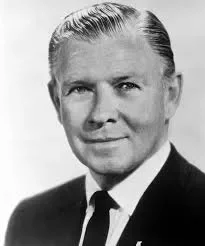
George Murphy
Born04 Jul, 1902
Died03 May, 1992
NationalityAmerican
Age at time of death89
Fred Ward
Born30 Dec, 1942
Died08 May, 2022
NationalityAmerican
Age at time of death79
Frank Sinatra
Born12 Dec, 1915
Died14 May, 1998
NationalityAmerican
Age at time of death82
Eric Morecambe
Born14 May, 1926
Died28 May, 1984
NationalityBritish
Age at time of death58
DMX
Born18 Dec, 1970
Died09 Apr, 2021
NationalityAmerican
Age at time of death50
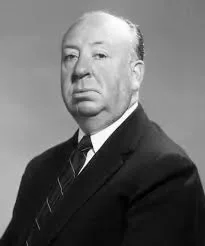
Alfred Hitchcock
Born13 Aug, 1899
Died29 Apr, 1980
NationalityAmerican, British
Age at time of death80