Real Celebrities Never Die!
OR
Search For Past Celebrities Whose Birthday You Share
Died Age: 78
bmkltsly13vb.compat.objectstorage.ap-singapore-1.oraclecloud.com
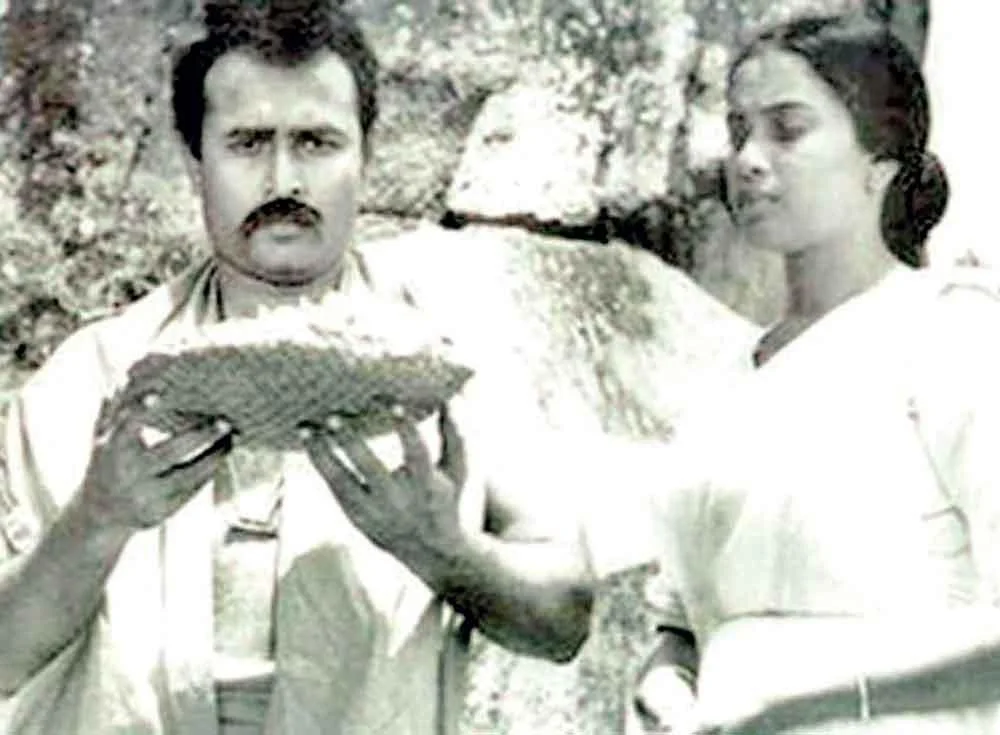
Malini Fonseka
Birthday:
30 Apr, 1947
Date of Death:
24 May, 2025
Cause of death:
Kidney Disease
Nationality:
Sri Lankan
Famous As:
Director
Age at the time of death:
78
Wanniarachchige Malini Senehelatha Fonseka's Quote's
“I have come today in search of love. I have found it. I’ve always received love. I’ve given love. And I will protect that love in every way. I love you all. Thank you very much.”
Wanniarachchige Malini Senehelatha Fonseka
🔗 deadcelebrityhub.com
Early Life: A Girl with Stars in Her Eyes
Malini Fonseka didn’t just act—she embodied. Known affectionately as the “Queen of Sinhala Cinema,” her name became synonymous with grace, emotional depth, and enduring brilliance. For over five decades, Malini has remained a towering presence in Sri Lanka’s cultural landscape, her performances capturing the hopes, heartbreaks, and resilience of a nation. More than a film star, she is a living symbol of artistic integrity and feminine strength.
Born Mary Jean Malini Perera on April 30, 1947, in Kelaniya, Sri Lanka, Malini was the third of eleven children in a deeply rooted Sinhala Buddhist family. Her father worked in the Department of Railways, while her mother managed the bustling household. It was a modest but culturally rich upbringing—tempered by discipline, filled with community values, and quietly nurtured by the arts.
From a young age, Malini showed a fascination with performance. Family anecdotes tell of her mimicking film scenes in the mirror, wrapping sarees around herself, and choreographing impromptu plays with her siblings. The magic of cinema wasn’t just entertainment to her—it was language, expression, escape. Her earliest influences were Bollywood heroines and local theatre stars, but Malini dreamed not just of following them, but of redefining their path.
Education: A Stage Before the Screen
Malini attended St. John's College in Nugegoda, where she actively participated in school dramas and debates. Her teachers quickly recognized her talent and encouraged her to take part in local theater productions. In 1963, at the age of 16, she entered the Minerva Academy, run by the legendary filmmaker B.A.W. Jayamanne. That step became the pivot from a curious student to a professional performer.
Trivia: Malini’s stage debut came when she was just 17, and she was so nervous during her first performance that she forgot her lines—but the audience didn’t notice. Her expressive face told the story all on its own.
Career Journey: A Star Forged in Reels and Resolve
Phase 1: The Rise of a Leading Lady
Malini made her film debut in 1968 with “Punchi Baba”, but it was her role in “Ranmuthu Duwa” that turned heads. Her breakthrough came with “Thushara” (1973)—a romantic drama that catapulted her to fame and firmly positioned her as the leading lady of Sinhala cinema. She brought a new emotional realism to her characters—playing women not just as romantic figures, but as full, conflicted, evolving humans.
Phase 2: The Golden Reign
The 1970s and 1980s were Malini’s golden decades. She starred in hit after hit—“Sath Samudura,” “Eya Dan Loku Lamayek,” “Apeksha,” “Nidhanaya”—films that remain etched in the national memory. Directors loved working with her because of her ability to switch from soft vulnerability to steely resilience in a single scene. She wasn’t just a passive beauty on screen; she inhabited the lives of her characters.
In 1985, she won the Best Actress award at the International Film Festival of India—a landmark moment that brought international acclaim to Sinhala cinema. By the late 1980s, Malini had won more Sarasavi and Presidential Film Awards than any other actress, making her not just a star, but a standard.
Trivia: Malini was so dedicated to authenticity that she once lived in a remote village for two weeks to prepare for a rural role—learning how to cook on firewood stoves and fetch water from a well.
Phase 3: Reinvention and Return
As younger stars emerged, many expected Malini to fade quietly. She did the opposite. In the 2000s, she transitioned into more mature roles—playing mothers, matriarchs, and moral centers in films and TV dramas. Her gravitas deepened, and so did her influence. She also became a director and producer, expanding her artistic range behind the camera.
In 2010, she entered politics, becoming a member of the Sri Lankan Parliament through the National List. Even in government, she carried herself with cinematic poise, advocating for the arts and women's issues with quiet conviction.
Personal Life: The Woman Beyond the Camera
Despite her fame, Malini Fonseka has always maintained a fiercely private personal life. Known for her humility and grounded demeanor, she never married—a decision she once described as a consequence of choosing a “lifetime romance with cinema.”
She is deeply spiritual, often retreating to temple visits and meditation in her downtime. Friends describe her as “generous, meticulous, and deeply loyal,” with a love for gardening and classical music. She is also an avid reader, particularly of Sinhala poetry and historical fiction.
Legacy: A National Icon, A Timeless Inspiration
Few artists have left such a lasting imprint on a country’s cultural soul as Malini Fonseka. Her name evokes a sense of nostalgia, national pride, and artistic excellence. She changed the way women were portrayed in film—bringing agency, complexity, and dignity to roles that might otherwise have been ornamental.
In 2010, she was honored with the Kala Keerthi, one of Sri Lanka’s highest civilian awards. Even today, at film festivals or retrospectives, when Malini walks into a room, the crowd falls silent—not out of obligation, but out of reverence.
Her influence is seen in generations of actors who call her mentor, and in every Sri Lankan who ever felt seen through her characters. As one director once put it: “Malini doesn’t act. She listens to the soul of a character, and then lets it speak through her.”
Profile Snapshot
Name:
Wanniarachchige Malini Senehelatha Fonseka
Popular Name:
Malini Fonseka
Gender:
Female
Cause of Death:
Kidney Disease
Spouse:
Upali Senanayake
Lucky Dias
Place of Birth:
Peliyagoda, Kelaniya, British Ceylon
Place of Death:
Colombo, Sri Lanka
Occupation / Profession:
Director
Politician
Sri Lankan actress
Theatre artist
Personality Type
Executive Excellent administrators, unsurpassed at managing things – or people. Malini Fonseka was a commanding, principled leader who combined unwavering professionalism with fearless passion, shaping Sri Lankan cinema and culture through decades of influence.
Wanniarachchige Malini Senehelatha Fonseka's Interesting Facts
In 2007, the Sri Lankan government honored her with the title "Kala Keerthi" for her outstanding contribution to the arts.
In addition to her film career, she served as a Member of Parliament in Sri Lanka from 2010 to 2015.
Malini Fonseka, known as the "Queen of Sinhala Cinema," has starred in over 150 films since her debut in 1968.
She became the first Sri Lankan actress to receive international recognition when she won the Silver Peacock Award at the International Film Festival of India in 1975.
Achievements & Awards
Malini Fonseka, known as the "Queen of Sinhala Cinema," has received numerous accolades throughout her career, including the prestigious Sarasaviya Best Actress Award multiple times. She was honored with the Sri Lankan national title of "Kala Keerthi" and was awarded a Lifetime Achievement Award at the 2010 International Film Festival of India. In 2011, she was also appointed to the Parliament of Sri Lanka, recognizing her influence beyond the screen.
External Links
Additional Links
Latest Profiles
People also viewed
Gerald Ford
Born14 Jul, 1913
Died26 Dec, 2006
NationalityAmerican
Age at time of death93
Victor Hugo
Born26 Feb, 1802
Died22 May, 1885
NationalityFrench
Age at time of death83
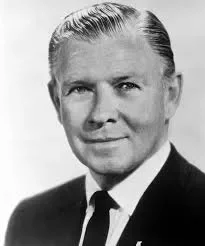
George Murphy
Born04 Jul, 1902
Died03 May, 1992
NationalityAmerican
Age at time of death89
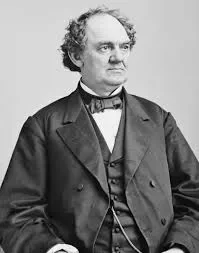
P. T. Barnum
Born05 Jul, 1810
Died07 Apr, 1891
NationalityAmerican
Age at time of death80
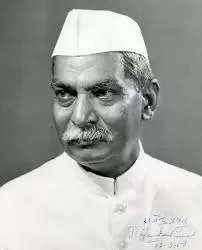
Rajendra Prasad
Born03 Dec, 1884
Died28 Feb, 1963
NationalityIndian
Age at time of death78
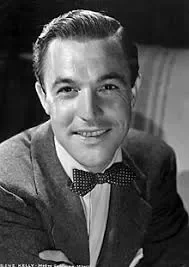
Gene Kelly
Born23 Aug, 1912
Died02 Feb, 1996
NationalityAmerican
Age at time of death83
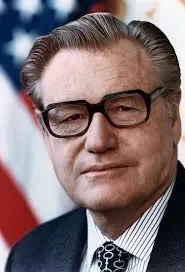
Nelson Rockefeller
Born08 Jul, 1908
Died26 Jan, 1979
NationalityAmerican
Age at time of death70

Ethan Allen
Born21 Jan, 1738
Died12 Feb, 1789
NationalityAmerican
Age at time of death51
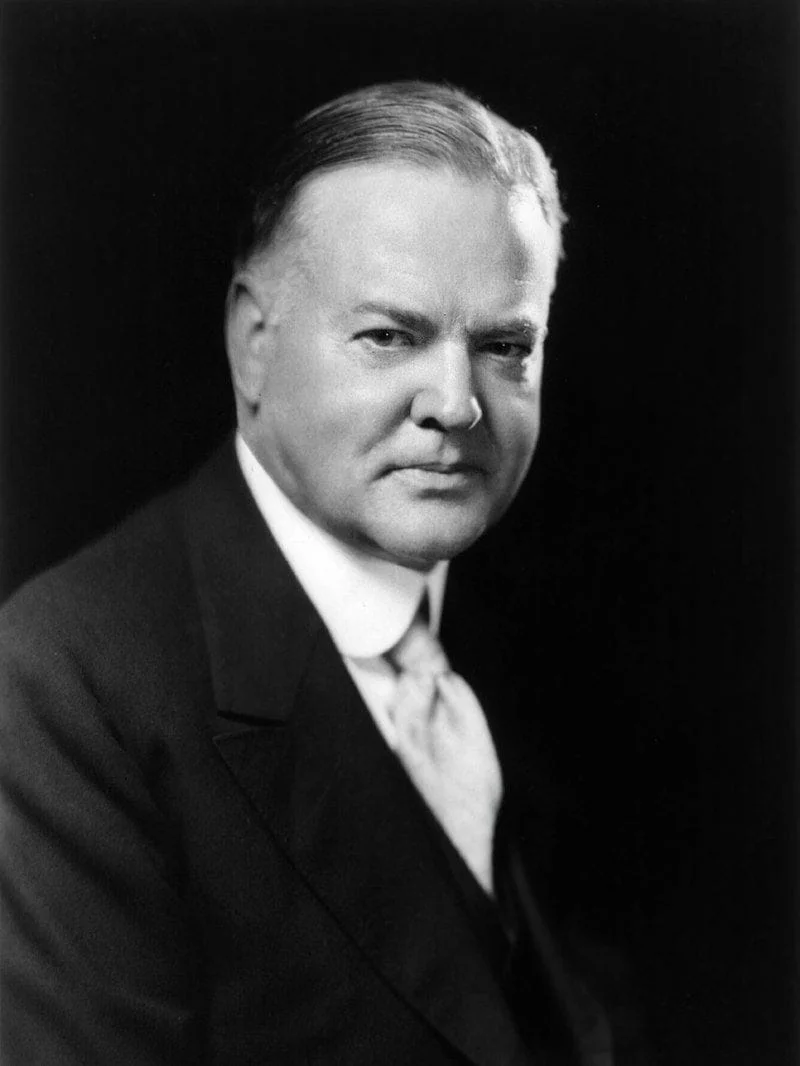
Herbert Hoover
Born10 Aug, 1874
Died20 Oct, 1964
NationalityAmerican
Age at time of death90
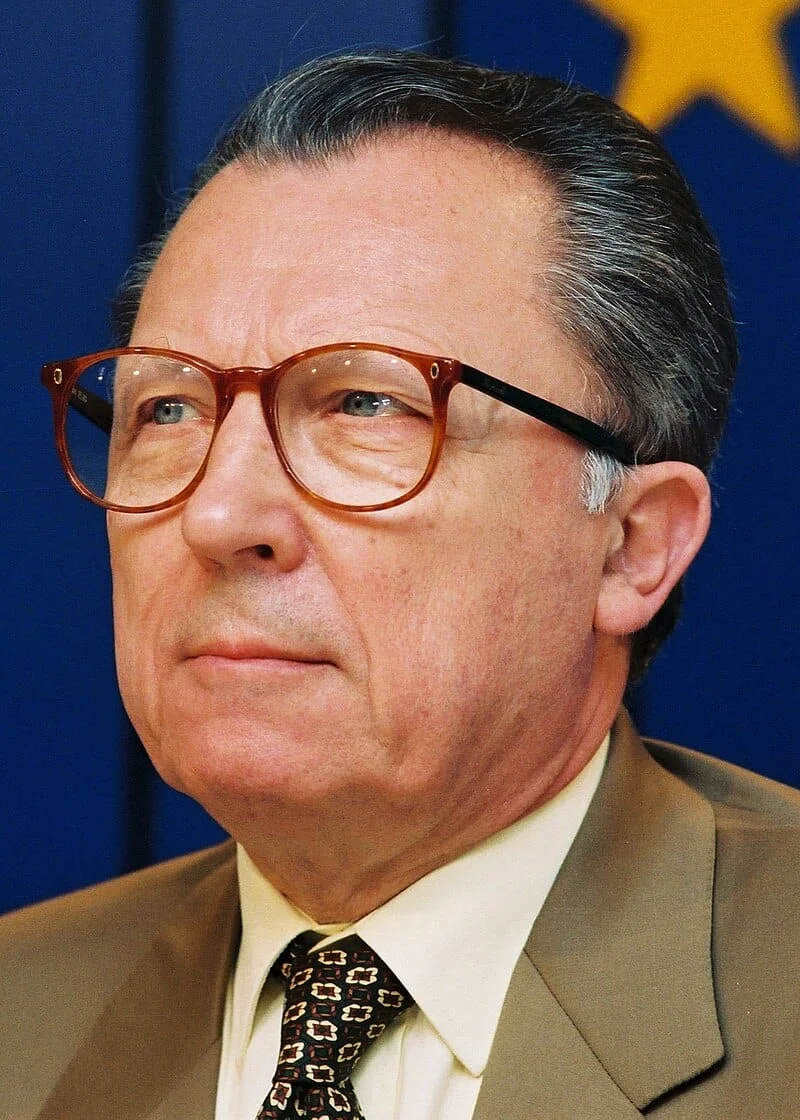
Jacques Delors
Born20 Jul, 1925
Died27 Dec, 2023
NationalityFrench
Age at time of death98
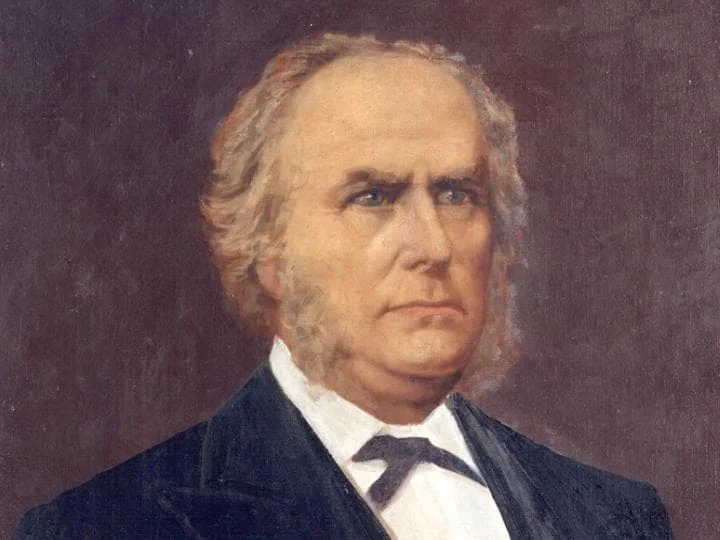
James Harrison
Born17 Apr, 1816
Died03 Sep, 1893
NationalityScottish,Australian
Age at time of death77
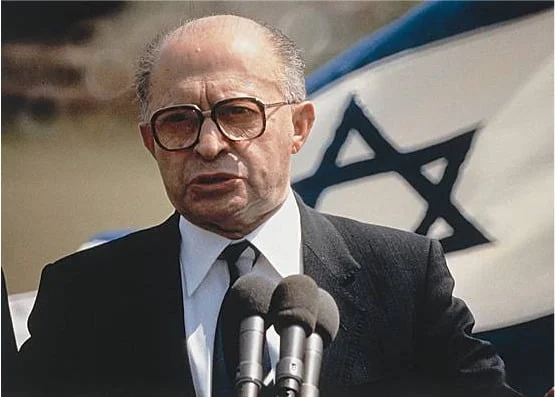
Menachem Begin
Born16 Aug, 1913
Died09 Mar, 1992
NationalityIsraeli
Age at time of death78
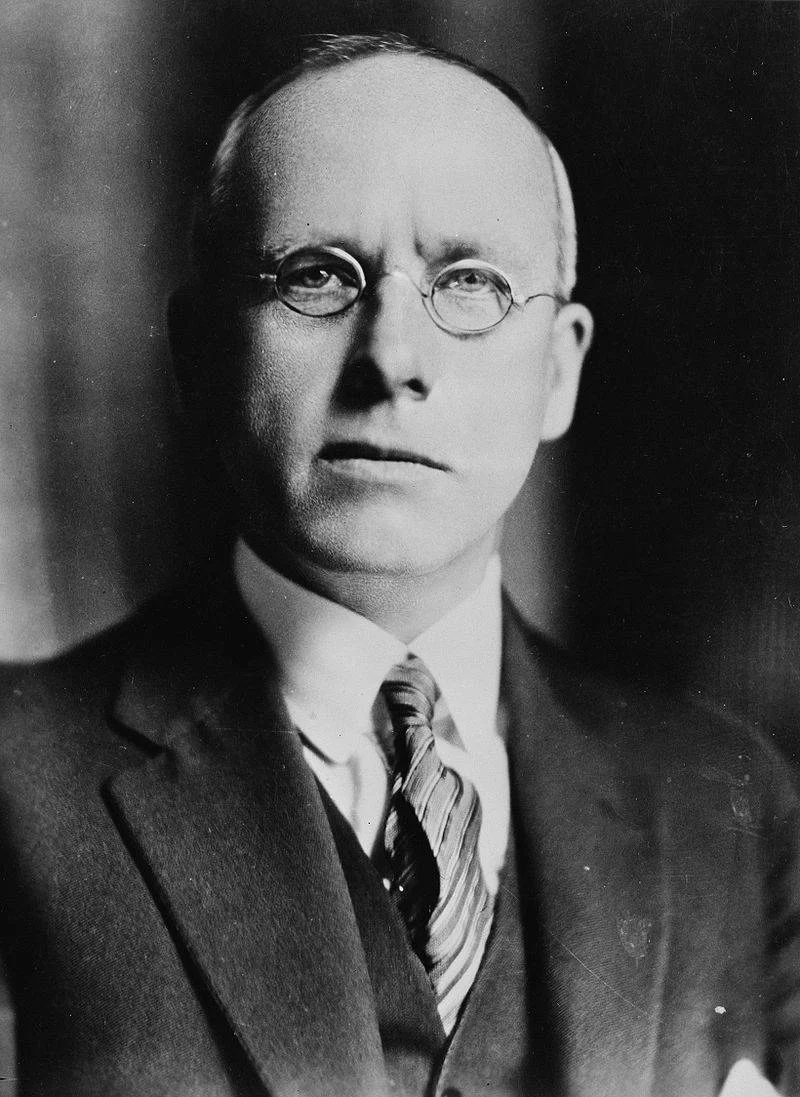
Peter Fraser
Born28 Aug, 1884
Died12 Dec, 1950
NationalityNew Zealand
Age at time of death66
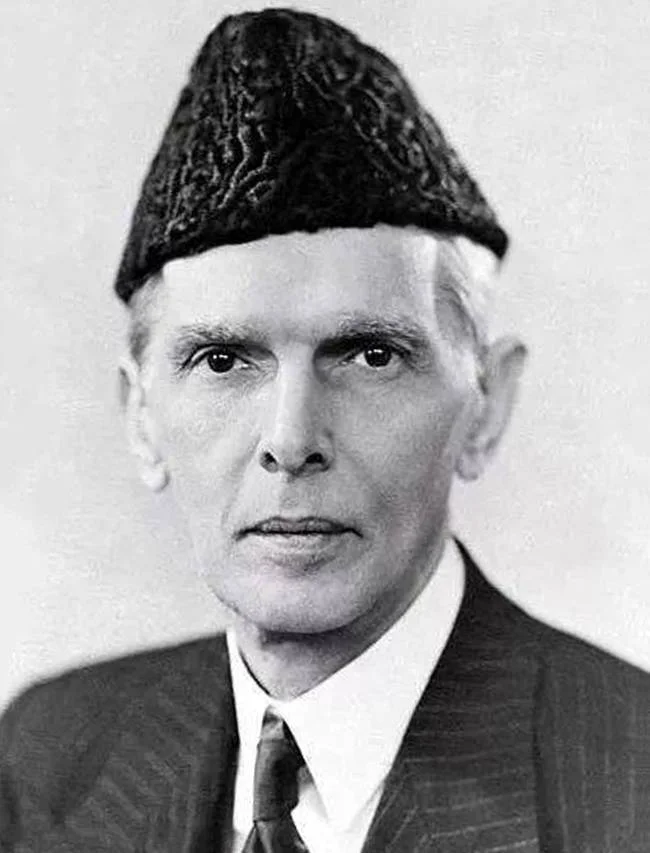
Muhammad Ali Jinnah
Born25 Dec, 1876
Died11 Sep, 1948
NationalityPakistani
Age at time of death71
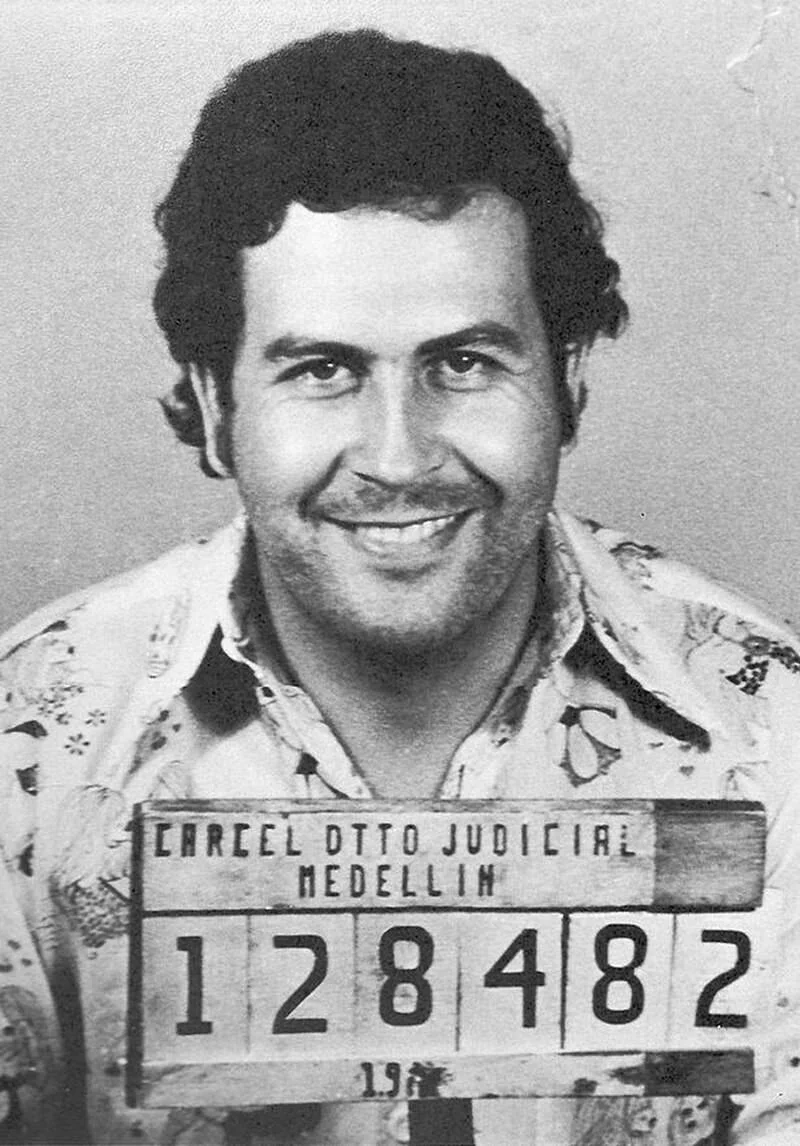
Pablo Escobar
Born01 Dec, 1949
Died02 Dec, 1993
NationalityColombian
Age at time of death44
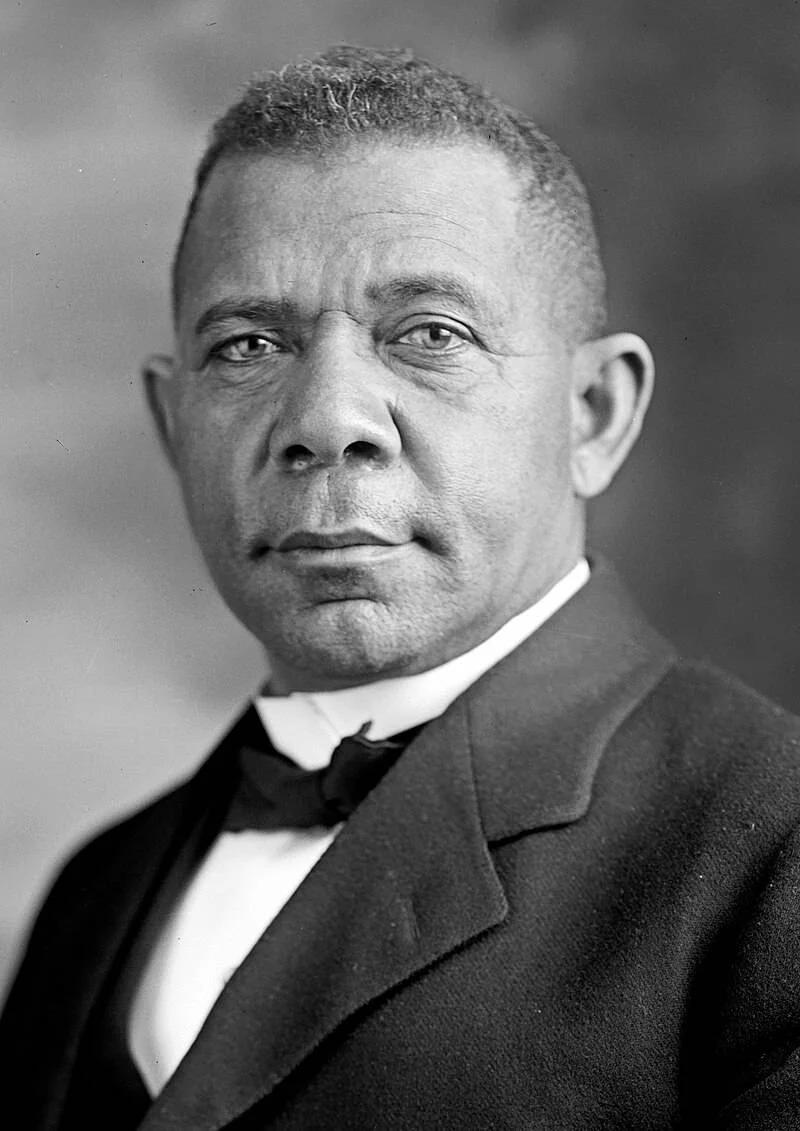
Booker T. Washington
Born05 Apr, 1856
Died14 Nov, 1915
NationalityAmerican
Age at time of death59
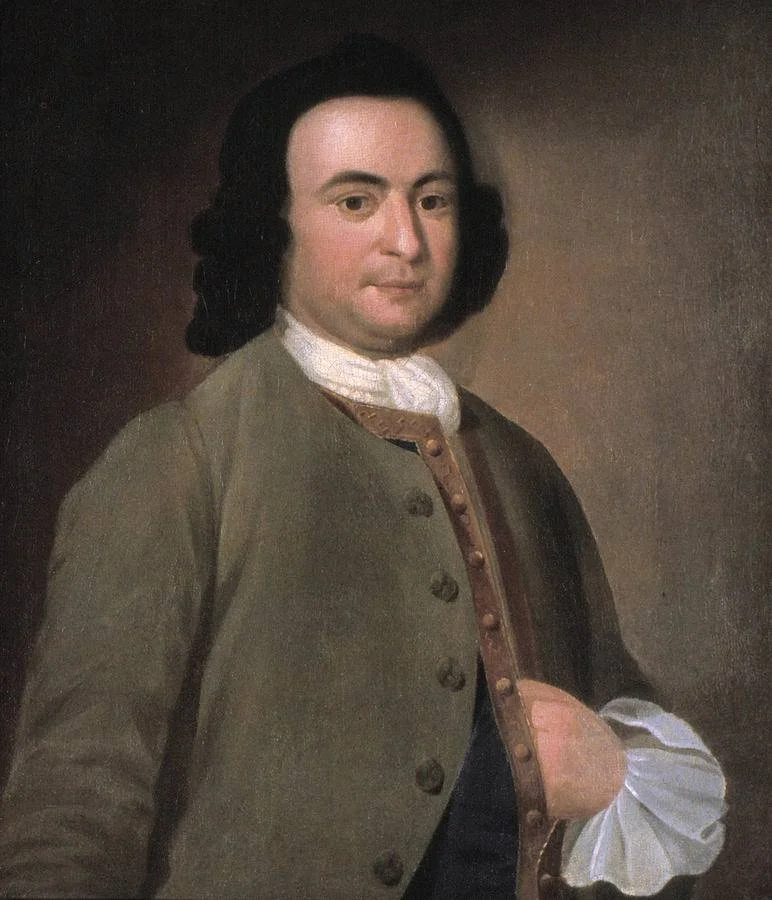
George Mason
Born11 Dec, 1725
Died07 Oct, 1792
NationalityAmerican, British
Age at time of death66
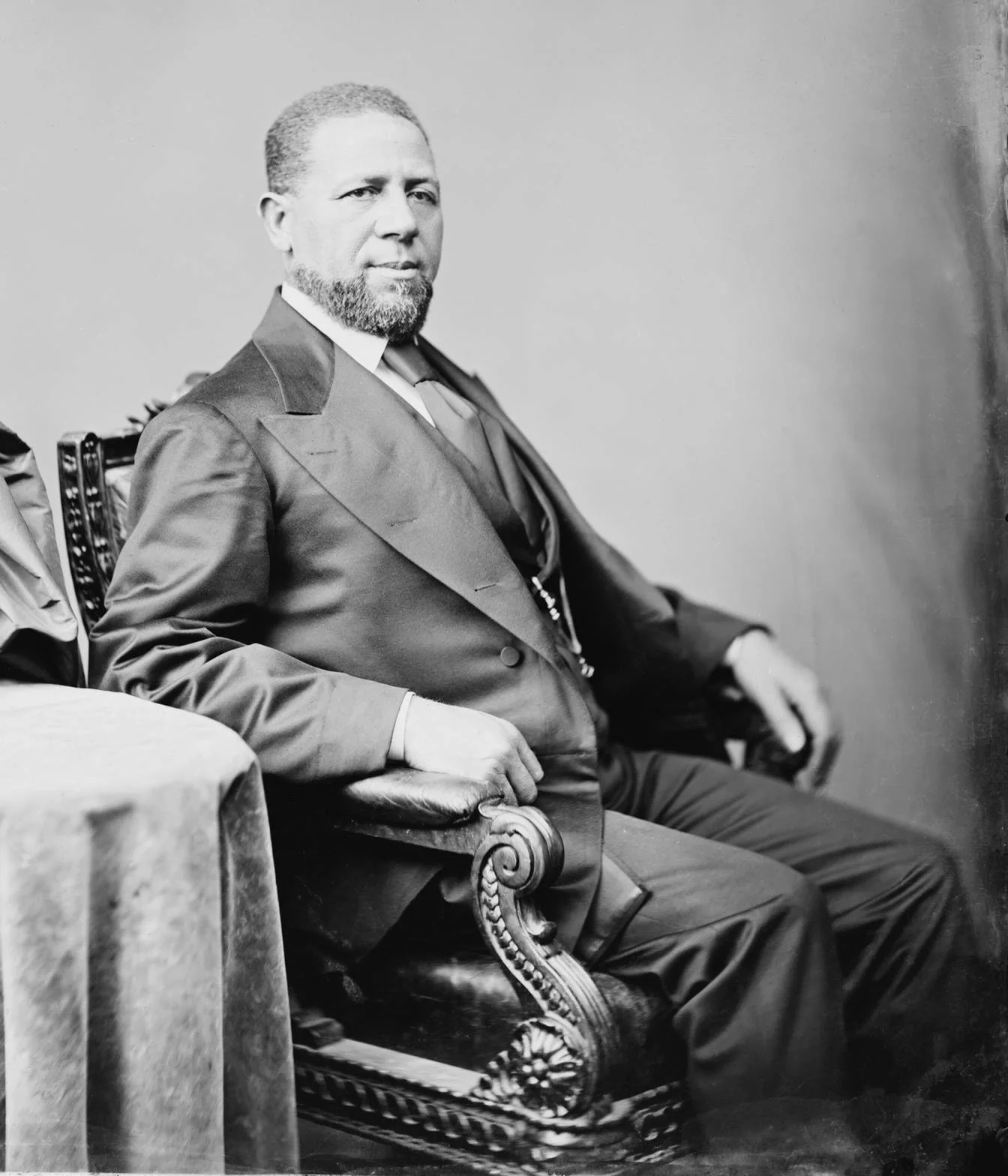
Hiram R. Revels
Born27 Sep, 1827
Died16 Jan, 1901
NationalityAmerican
Age at time of death73
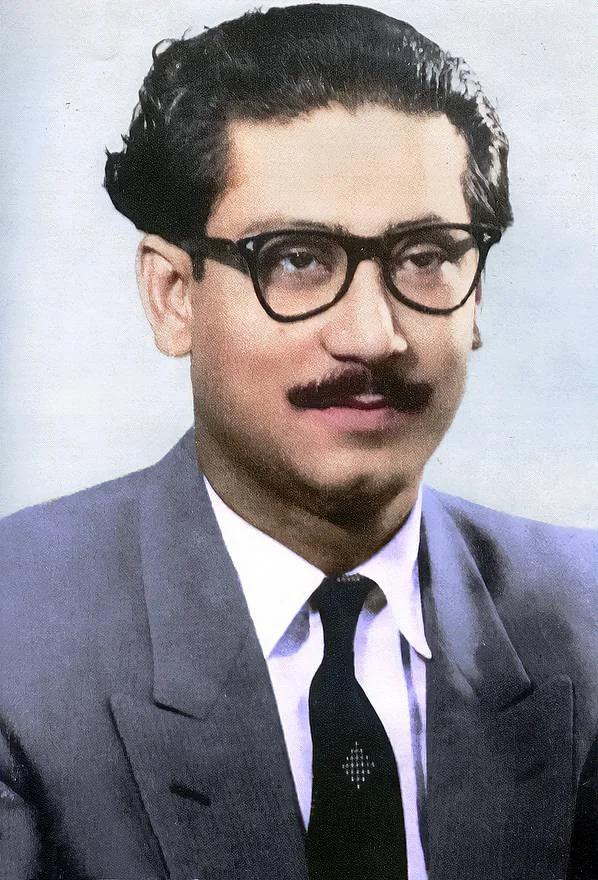
Sheikh Mujibur Rahman
Born17 Mar, 1920
Died15 Aug, 1975
NationalityIndian, Pakistani, Bangladeshi
Age at time of death55
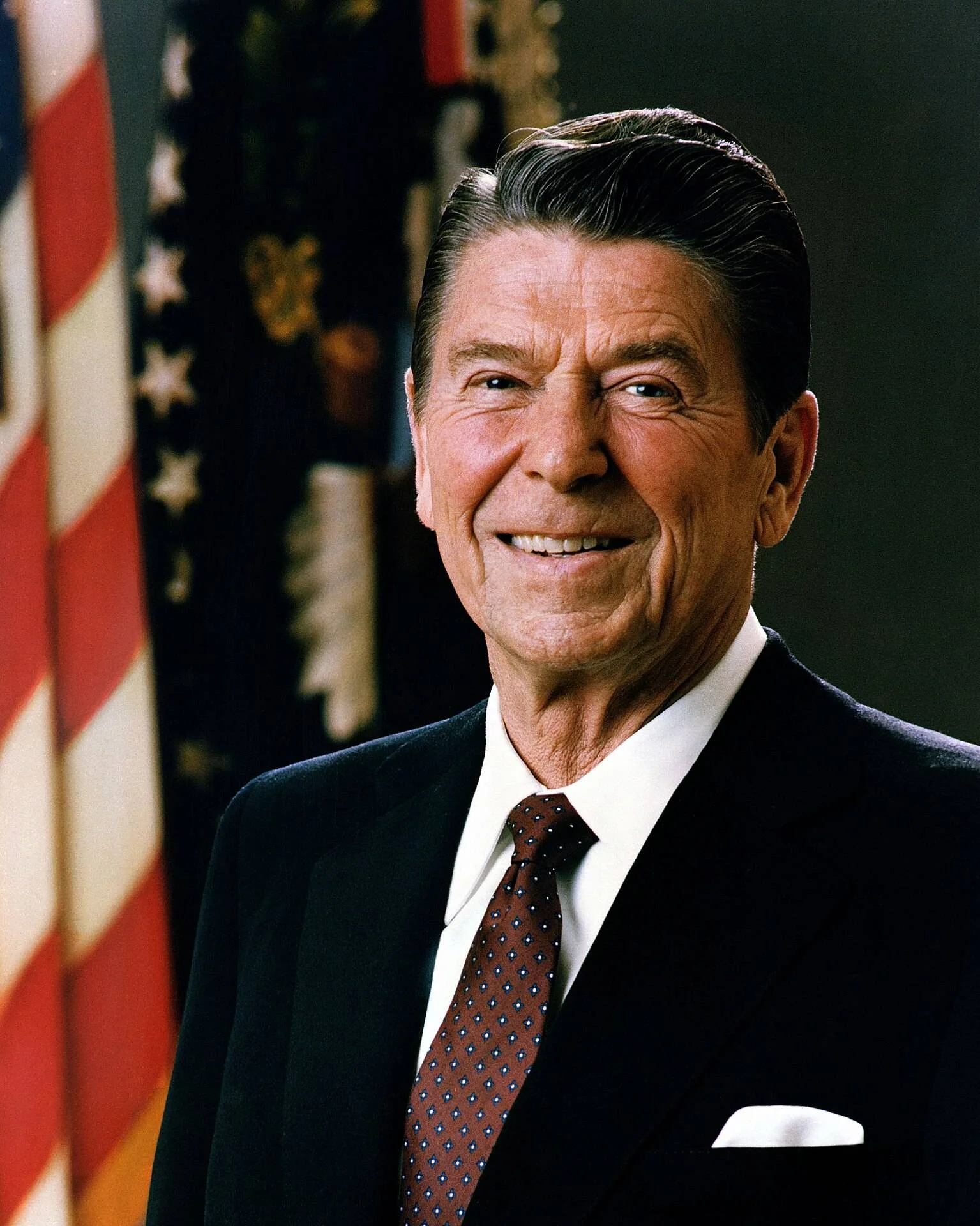
Ronald Reagan
Born06 Feb, 1911
Died05 Jun, 2004
NationalityAmerican
Age at time of death93