Real Celebrities Never Die!
OR
Search For Past Celebrities Whose Birthday You Share
Died Age: 32
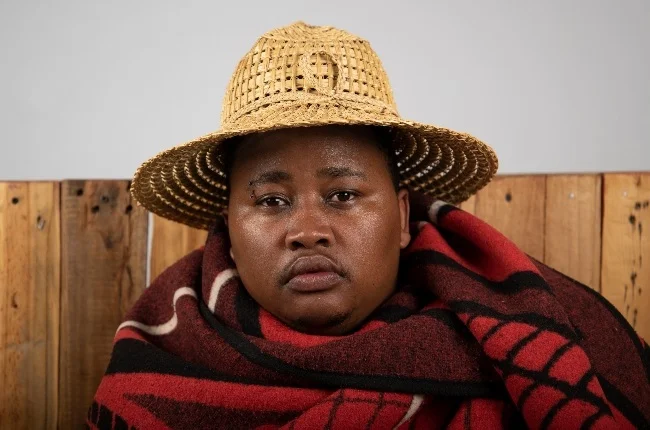
www.news24.com
Malome Vector
Birthday:
03 Jul, 1992
Date of Death:
23 Jul, 2024
Cause of death:
Car accident
Nationality:
Lesotho
Famous As:
Rapper
Age at the time of death:
32
Bokang Moleli's Quote's

“My music is my way of speaking for those who never get heard.”
Bokang Moleli
🔗 deadcelebrityhub.com
Early Life: Humble Beginnings in the Mountain Kingdom
In the highlands of Lesotho, where the air is thin and songs float like echoes through the valleys, a singular voice began its ascent. That voice belonged to Malome Vector, an artist whose music doesn’t just entertain but tells stories, heals wounds, and ignites pride. A fusion of African rhythm, poignant lyricism, and unwavering authenticity,
Born Bokang Moleli in the heart of Lesotho, Malome Vector’s journey began in the small, spirited community of Maseru. Growing up amidst the rhythms of Sesotho folk songs and the hum of traditional life, music was less a hobby and more a way of being. His earliest memories were soundtracked by family gatherings where stories were passed down through song, laughter, and drum beats. His grandfather, a local storyteller, played a quiet but powerful role, often singing verses that lingered in the young boy’s ears long after the fire had died out.
But Lesotho was not without its challenges. A land of vast beauty and deep economic disparities, it shaped Malome’s character early on. Walking long distances to school and returning to help with chores, he found solace in melody. Music became both an escape and a reflection of his reality. He began writing lyrics in notebooks between classes, often scribbling rhymes under the bleachers after soccer practice.
Learning Beyond the Classroom
Formal education, while important, wasn’t where Malome found his truest lessons. Though he attended local schools and later pursued studies in business administration, it was his informal education and his immersion in music circles, community choirs, and impromptu street cyphers that left the deepest imprint.
He would often cite church sessions and open mic nights at local taverns as his “real classrooms.” It was there that he honed his voice, not just in tone, but in message. His lyrical storytelling stood out, earning him a reputation as a gifted wordsmith with a voice that carried emotional weight.
Climbing the Ladder: From Local Talent to National Star
The Early Years: Finding His Footing
In the early 2010s, Malome Vector began releasing tracks independently, many of them blending traditional Basotho sounds with contemporary hip hop. His unique sound caught the attention of underground music lovers in both Lesotho and neighbouring South Africa.
A defining moment came when he relocated to South Africa to expand his reach. Armed with nothing but demos and dreams, he began knocking on studio doors in Johannesburg. It was tough because many doors stayed shut, but he remained undeterred. His breakthrough came in 2020 when Ambitiouz Entertainment, a major South African label, signed him, giving him the platform he had fought for.
Major Breakthrough: “Dumelang” and a New Sound
His debut single under the label, “Dumelang,” featuring Blaq Diamond, was more than a hit, it was a declaration. The song seamlessly wove Sesotho and isiZulu lyrics with a beat that felt both ancient and modern. It was a celebration of African identity, and fans across southern Africa responded with overwhelming enthusiasm.
This period marked a creative high. Songs like “Nobody,” “Follow,” and “Ya Costa” showcased his range, from love ballads to socio-political commentary. But what truly set him apart was his refusal to chase trends. Instead, he created his own lane into what many have come to call “Lesotho Soultrap.”
Challenges, Courage, and Creative Control
While success brought fame, it also came with its tests. Industry politics, creative differences, and the pressures of fame weighed heavily on the rising star. In 2023, he made a bold move by parting ways with Ambitiouz Entertainment to regain creative control over his music.
It was a risk many thought would stall his career, but it turned out to be a turning point. His first independent releases post-Ambitiouz reflected deeper storytelling, more personal themes, and an evolved sound that critics hailed as “mature and genre-defying.”
Personal Life: The Man Behind the Music
Offstage, Malome Vector is introspective, soft-spoken, and fiercely proud of his roots. A lover of poetry and African literature, he often credits authors like Chinua Achebe and Thomas Mofolo as inspirations for his lyrical depth. Despite fame, he remains connected to his hometown, frequently returning to support youth initiatives and local artists.
He’s known for quirky habits, like sipping rooibos tea before every performance or always wearing a piece of traditional Basotho attire on stage. “It reminds me who I am,” he once said in an interview.
Though private about his romantic life, he’s open about his role as a mentor, seeing it as a responsibility to uplift emerging talent in both Lesotho and South Africa.
A Voice Etched in the Hills: Legacy and Cultural Impact
Malome Vector didn’t just bring Lesotho’s sound to a wider audience, he also redefined how it could be heard. Through him, a new generation discovered pride in their heritage, and young artists saw that global success was possible without compromising authenticity.
He is more than a musician. He is a cultural ambassador, a storyteller, and a bridge between tradition and innovation. In his songs, listeners hear not just beats but history, identity, and hope.
As his story continues to unfold, one truth remains clear: from the hills of Maseru to the global stage, Malome Vector has etched his name in the tapestry of African music.
Profile Snapshot
Name:
Bokang Moleli
Popular Name:
Malome Vector
Gender:
Male
Cause of Death:
Car accident
Spouse:
Duduzile Mlangeni
Place of Birth:
Maseru, Lesotho
Place of Death:
N1, South Africa
Occupation / Profession:
Rapper
Singer
Songwriter
Personality Type
Advocate: Quiet and mystical, yet very inspiring and tireless idealists. A quiet visionary who leads with heart, creates with purpose, and stays true to his roots.
Bokang Moleli's Interesting Facts
He writes most of his songs at night, claiming the quiet helps him “hear emotions more clearly.”
He once turned down a high-paying commercial deal because it didn’t align with his values.
Before fame, he was known locally as a poet and used to perform spoken word at community events.
Achievements & Awards
Malome Vector rose to continental recognition with his debut single “Dumelang”, which dominated charts across southern Africa and earned him multiple award nominations.
He became one of the few Lesotho-born artists to sign with a major South African label, Ambitiouz Entertainment, elevating the visibility of Basotho music on a larger stage.
His debut album “Karabo” solidified his place in the Afro-soul and hip-hop scene, earning critical acclaim for its originality and cultural depth.
He has been nominated for SAMA (South African Music Awards) and Basadi in Music Awards, affirming both his artistry and influence.
External Links
Latest Profiles
People also viewed
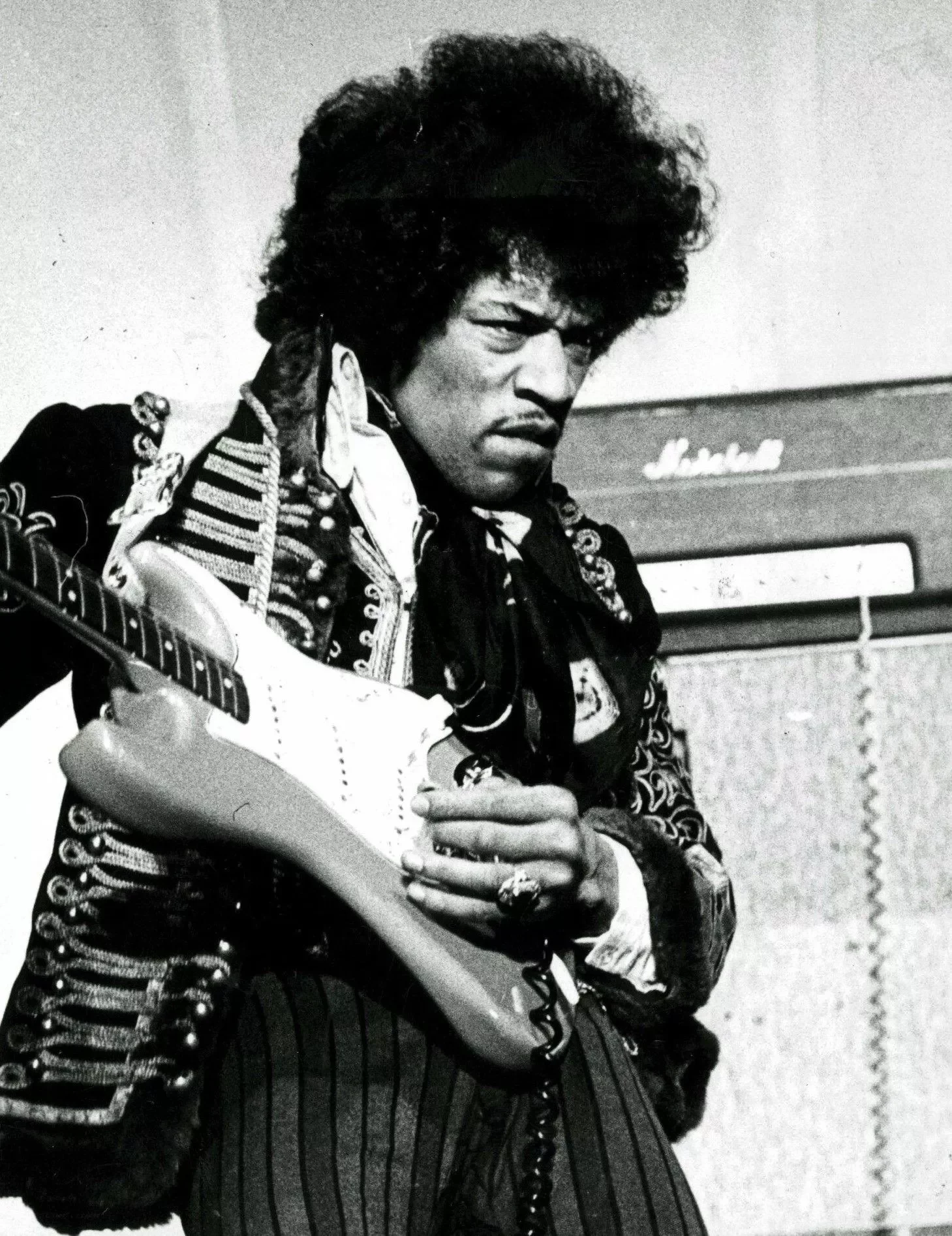
Jimi Hendrix
Born27 Nov, 1942
Died18 Sep, 1970
NationalityAmerican
Age at time of death27
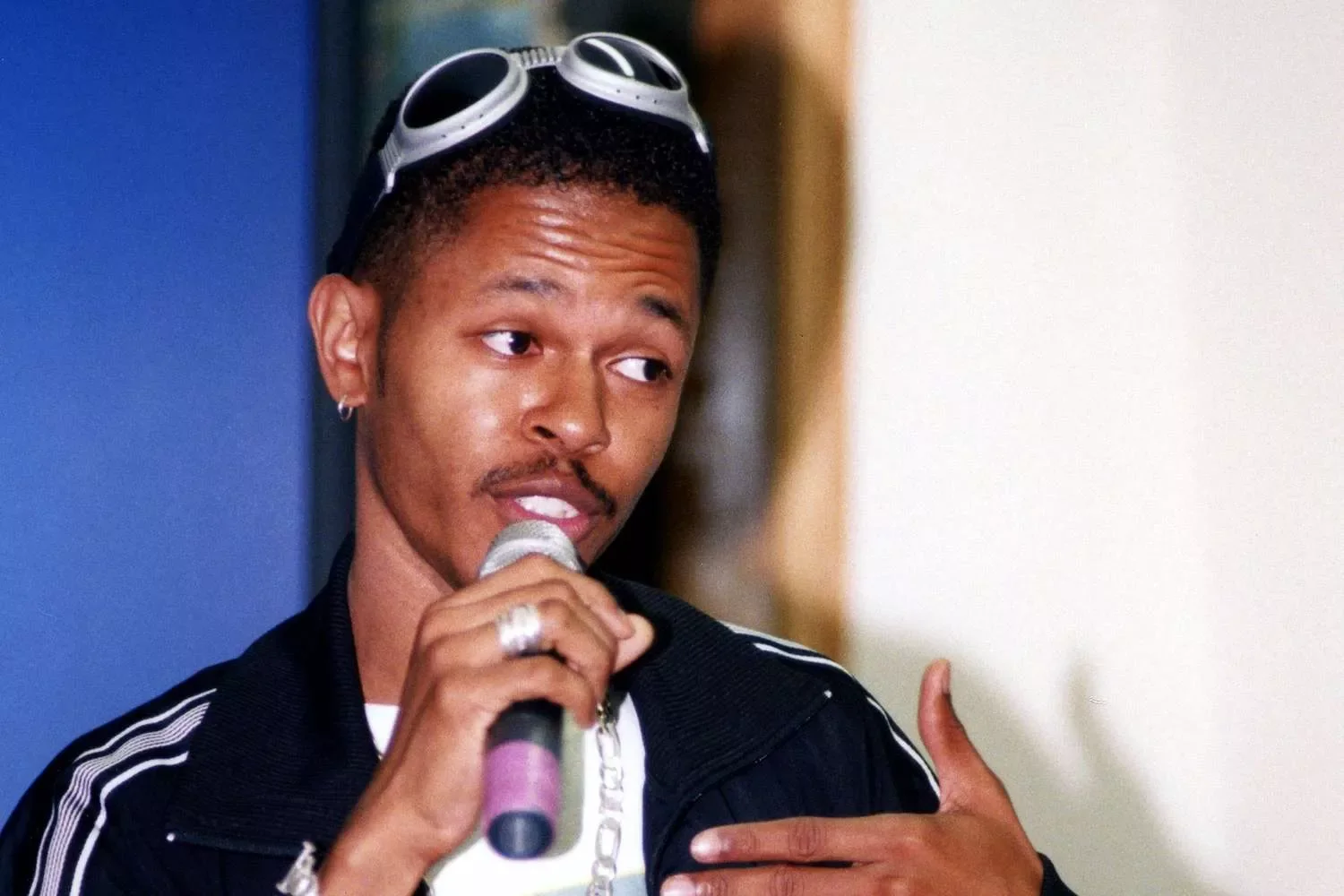
Jesse Powell
Born12 Sep, 1971
Died13 Sep, 2022
NationalityAmerican
Age at time of death51
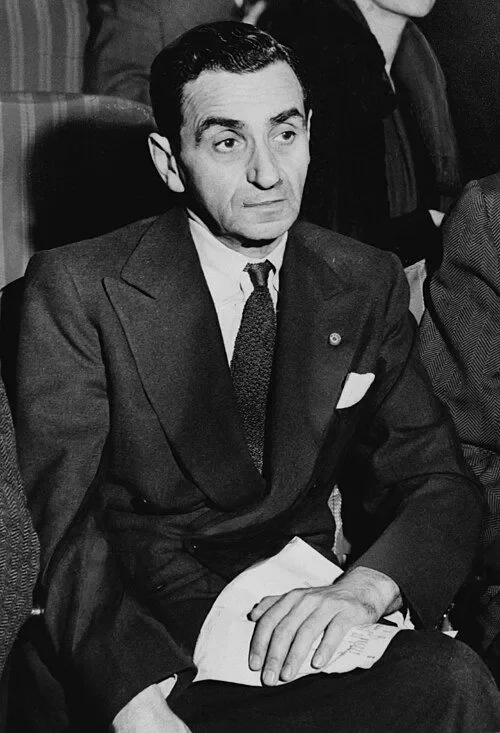
Irving Berlin
Born11 May, 1888
Died22 Sep, 1989
NationalityAmerican
Age at time of death101
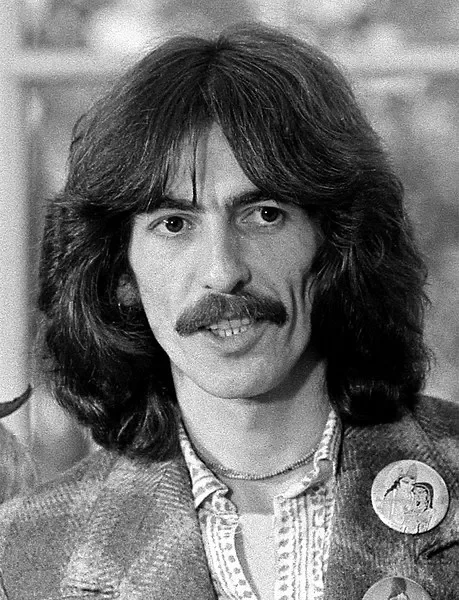
George Harrison
Born25 Feb, 1943
Died29 Nov, 2001
NationalityBritish
Age at time of death58
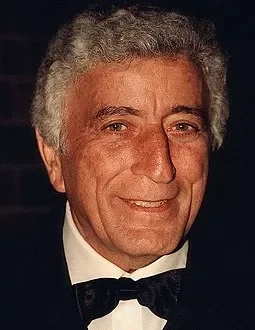
Tony Bennett
Born03 Aug, 1926
Died21 Jul, 2023
NationalityAmerican
Age at time of death96
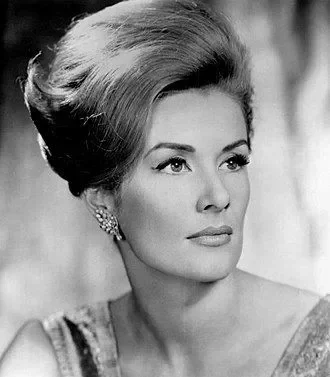
Sally Ann Howes
Born20 Jul, 1930
Died19 Dec, 2021
NationalityBritish, American
Age at time of death91
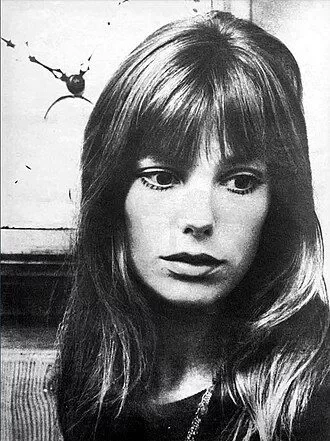
Jane Birkin
Born14 Dec, 1946
Died16 Jul, 2023
NationalityBritish, French
Age at time of death76
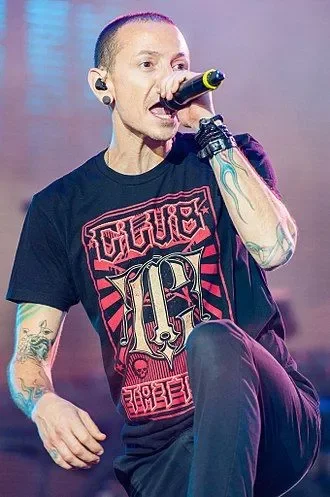
Chester Bennington
Born20 Mar, 1976
Died20 Jul, 2017
NationalityAmerican
Age at time of death41
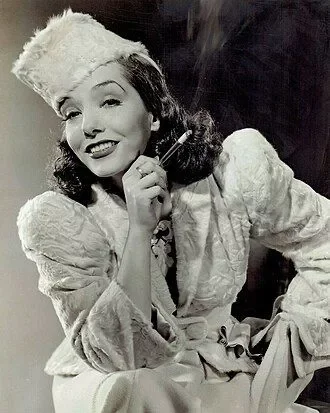
Lupe Vélez
Born18 Jul, 1908
Died14 Dec, 1944
NationalityMexican
Age at time of death36
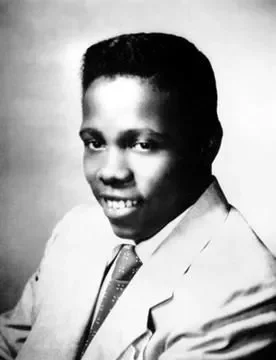
Johnny Ace
Born09 Jun, 1929
Died25 Dec, 1954
NationalityAmerican
Age at time of death25
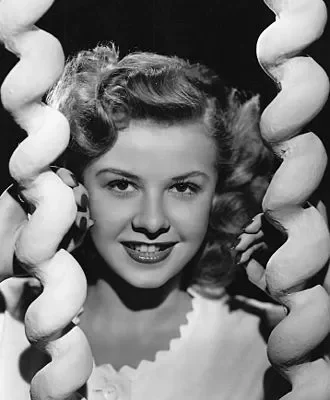
Vera-Ellen
Born16 Feb, 1921
Died30 Aug, 1981
NationalityAmerican German
Age at time of death60
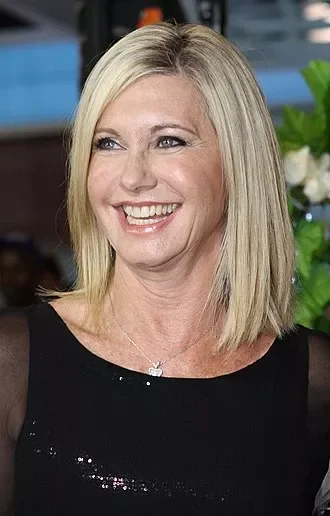
Olivia Newton-John
Born26 Sep, 1948
Died08 Aug, 2022
NationalityBritish, Australian
Age at time of death73
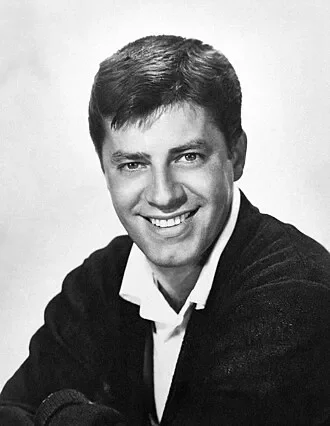
Jerry Lewis
Born16 Mar, 1926
Died20 Aug, 2017
NationalityAmerican
Age at time of death91
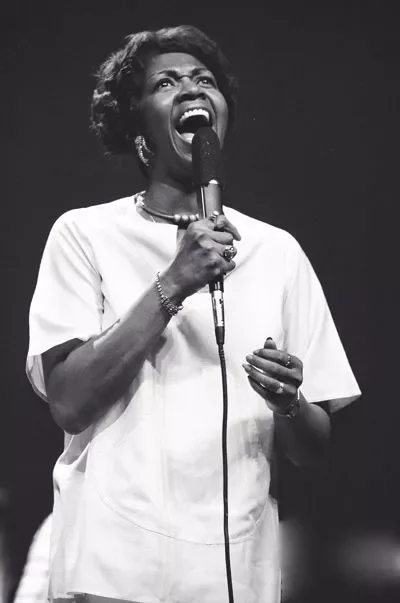
Cissy Houston
Born30 Sep, 1933
Died07 Oct, 2024
NationalityAmerican
Age at time of death91
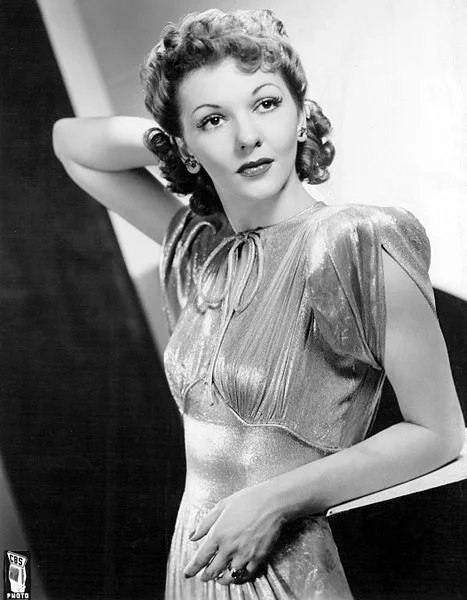
Mary Martin
Born01 Dec, 1913
Died03 Nov, 1990
NationalityAmerican
Age at time of death76
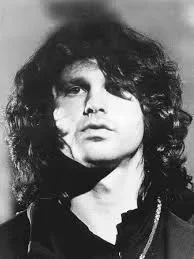
Jim Morrison
Born08 Dec, 1943
Died03 Jul, 1971
NationalityAmerican
Age at time of death27
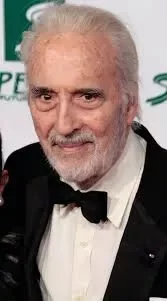
Christopher Lee
Born27 May, 1922
Died07 Jun, 2015
NationalityBritish
Age at time of death93
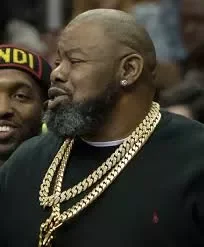
Biz Markie
Born08 Apr, 1964
Died16 Jul, 2021
NationalityAmerican
Age at time of death57
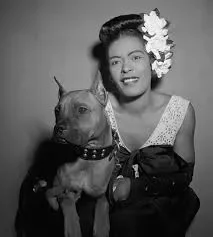
Billie Holiday
Born07 Apr, 1915
Died17 Jul, 1959
NationalityAmerican
Age at time of death44
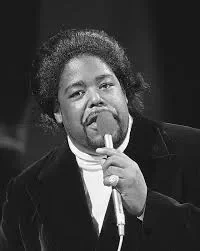
Barry White
Born12 Sep, 1944
Died04 Jul, 2003
NationalityAmerican
Age at time of death58