Real Celebrities Never Die!
OR
Search For Past Celebrities Whose Birthday You Share
Died Age: 29
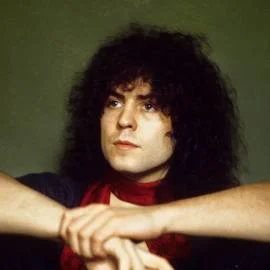
encrypted-tbn3.gstatic.com
Marc Bolan
Birthday:
30 Sep, 1947
Date of Death:
16 Sep, 1977
Cause of death:
Traffic Collision
Nationality:
British
Famous As:
Composer
Age at the time of death:
29
Marc Feld's Quote's

“Life is the same, and it always will be / Easy as picking foxes from a tree.”
Marc Feld
🔗 deadcelebrityhub.com
The Boy from Stoke Newington
Marc Bolan wasn’t just a musician, he was a spark that lit the fire of glam rock, a glitter-dusted troubadour whose words danced with myth and magic. With corkscrew curls, platform boots, and a voice that could swing from whisper to wildfire, Bolan didn’t just perform, he enchanted. Behind the glitter and guitars was a soul steeped in poetry, steeped in ambition, and driven by a singular vision: to become a star. And he did, not just in music, but in the broader constellation of pop culture, leaving behind a trail that still shimmers.
Born Mark Feld on September 30, 1947, in Hackney, East London, Bolan grew up in the working-class neighbourhood of Stoke Newington. His father was a truck driver, his mother a homemaker, and their home was filled with modest comforts—but not without dreams. As a child, Bolan was a whirlwind of imagination. He devoured fantasy novels, idolised James Dean, and had already formed a personal mythology that revolved around fame and self-expression by age nine.
A defining moment came when he discovered rock and roll. He was only eight when he heard Elvis Presley for the first time, and it was like a door flung wide open. He soon took to strumming a guitar and styling himself after the stars he admired. His Jewish heritage and Cockney upbringing gave him a grounded sense of identity, but it was clear early on—Marc was never going to live a quiet life.
His Education
School wasn’t where Bolan shined. Though bright and imaginative, he was often distracted, more interested in sketching guitars in the margins of his notebooks than solving math problems. He attended Northwold Primary School and later left school at 15, diving headfirst into modelling and odd creative jobs. What he lacked in academic accolades, he made up for in a voracious appetite for literature, particularly Tolkien, Byron, and Blake. These influences would later swirl through his lyrics in verses about unicorns, mystic ladies, and cosmic dancers.
He briefly attended drama school, and though he didn’t pursue acting professionally, the theatricality of that training seeped into his future stage presence. Every strut, every glimmer of eyeliner—Bolan wore his art like armour.
From Acoustic Dreams to Electric Stardom
Bolan’s musical career began humbly, performing in skiffle and blues bands in the early ’60s. But it was in 1967 that he found his voice—quietly, at first—as part of the acoustic duo Tyrannosaurus Rex. With bongos, guitars, and a bard-like mysticism, Bolan spun lyrics that were half-fantasy, half-inner world. The band became a darling of the underground scene, catching the attention of DJ John Peel and cultivating a cult following. Even then, Bolan had Stardust in his veins. But something was missing.
In 1970, Tyrannosaurus Rex evolved into T. Rex and everything changed. Out went the bongos; in came the electric guitar. With the release of “Ride a White Swan”, Bolan sparked a new sound—part rock 'n' roll revival, part mystic poetry, all attitude. And then came “Get It On (Bang a Gong)”, a swaggering anthem that catapulted T. Rex into global stardom.
He didn’t just play music—he became music. Onstage, Bolan was glittering, draped in boas and velvet, his smile like a secret. He helped shape the glam rock movement alongside David Bowie, but while Bowie was the alien outsider, Bolan was the faerie king—earthier, sexier, and often more accessible.
Between 1970 and 1973, T. Rex dominated the UK charts with hits like “Telegram Sam,” “Metal Guru,” and “20th Century Boy.” Teenage fans dubbed it “T. Rextasy.”
The Shimmer and the Shadows
Offstage, Bolan was thoughtful, witty, and often introspective. He had a sharp sense of humour and a lifelong love of poetry. He was a father to one son, Rolan Bolan, with Gloria Jones, his backup singer. Though his relationships were marked by complexity, there was a softness to him that those close to him often remarked on.
He also had quirks; he reportedly believed in fairies, always travelled with a tarot deck, and once claimed he’d lived a past life as a druid.
But as quickly as he ascended, the glitter began to fade. The mid-1970s brought shifting tastes, and Bolan struggled to maintain his chart dominance. He battled with weight gain, addiction, and self-doubt, all while the glam era waned.
Still, Bolan never stopped creating. He experimented with funk and soul, and in 1977, he began hosting a TV music show, “Marc,” which showcased up-and-coming punk acts like The Jam and Generation X—demonstrating his keen eye for the next wave. It was during this period that his artistic confidence began to resurface. He was only 29, and once again full of ideas. It felt like a comeback was coming.
Legacy
Marc Bolan didn’t just change music—he changed what it meant to be a rock star. He brought poetry to pop, glam to grit, and mysticism to the mainstream. His fingerprints are all over modern music, from the flamboyant swagger of Prince to the glam sensibilities of artists like Lady Gaga and Harry Styles.
In 2020, decades after his passing, Bolan was inducted into the Rock and Roll Hall of Fame with T. Rex—a testament to his enduring impact.
Though he left the world too soon, Bolan remains forever young in the minds of fans. His voice still echoes through speakers, his lyrics still shimmer with strange beauty, and his spirit—wild, glittering, uncontainable—still dances among the stars.
Profile Snapshot
Name:
Marc Feld
Popular Name:
Marc Bolan
Gender:
Male
Cause of Death:
Traffic Collision
Spouse:
June Child
Place of Birth:
Barnes, London, UK
Place of Death:
Southwest, London
Occupation / Profession:
Composer
Guitarist
Poet
Singer
Songwriter
Personality Type
Campaigner: Marc Bolan was a free-spirited dreamer who turned fantasy into music, making the world sparkle a little brighter just by being himself.
Marc Feld's Interesting Facts
David Bowie and Marc Bolan had a friendly rivalry
He couldn’t drive and had a fear of cars
He was obsessed with elves, fairies, and all things magical
Achievements & Awards
During his lifetime, Marc Bolan achieved phenomenal success as the frontman of T. Rex, becoming a defining figure of the glam rock movement in the early 1970s.
He scored multiple chart-topping hits in the UK, including “Get It On” and “Metal Guru,” and sparked a cultural phenomenon known as “T. Rextasy.”
His posthumous induction into the Rock and Roll Hall of Fame in 2020 affirmed his lasting impact on music history.
Though he didn't receive major industry awards during his career, his influence was widely recognised by fans and peers alike, with his flair and sound shaping the direction of modern pop and rock.
Latest Profiles
People also viewed
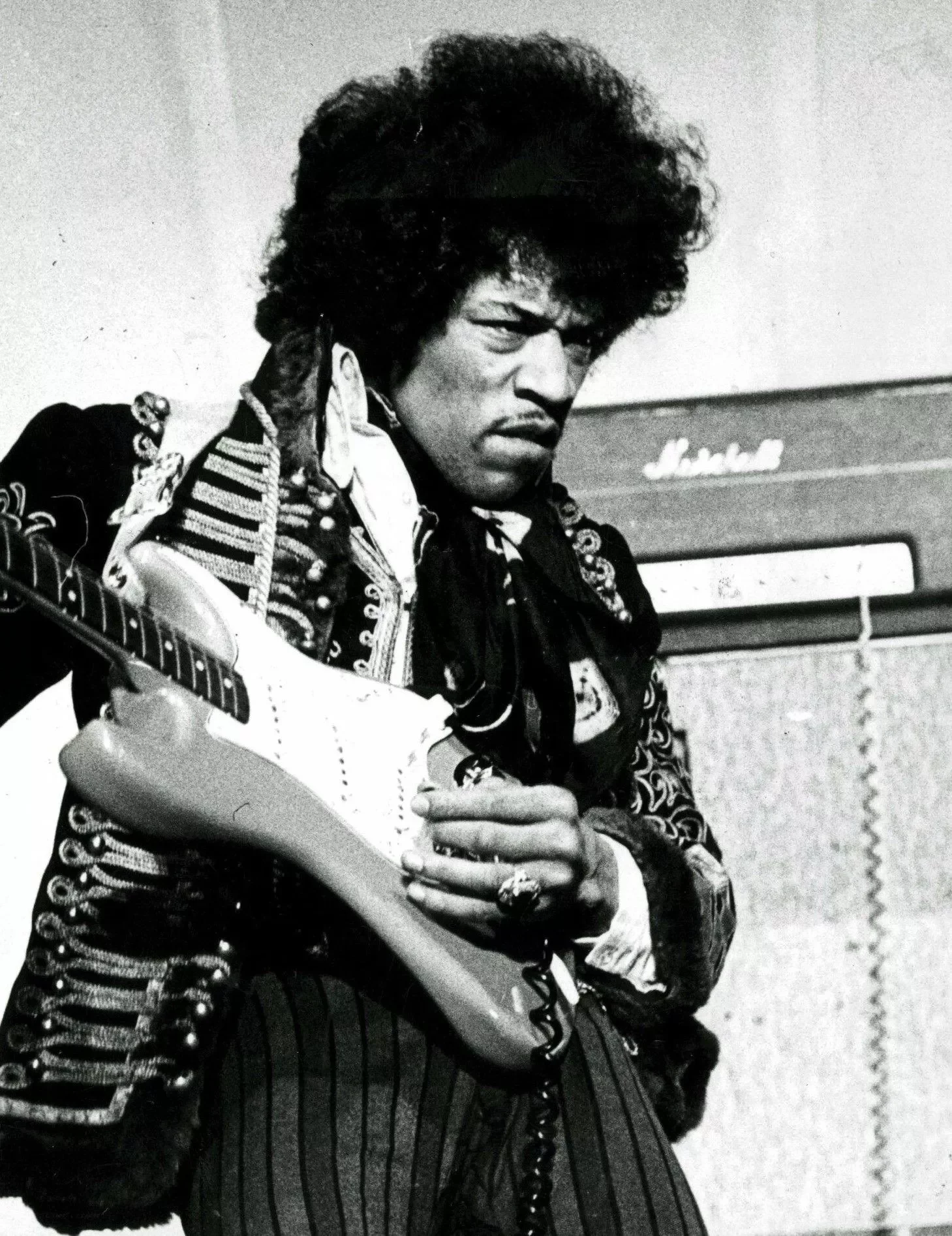
Jimi Hendrix
Born27 Nov, 1942
Died18 Sep, 1970
NationalityAmerican
Age at time of death27
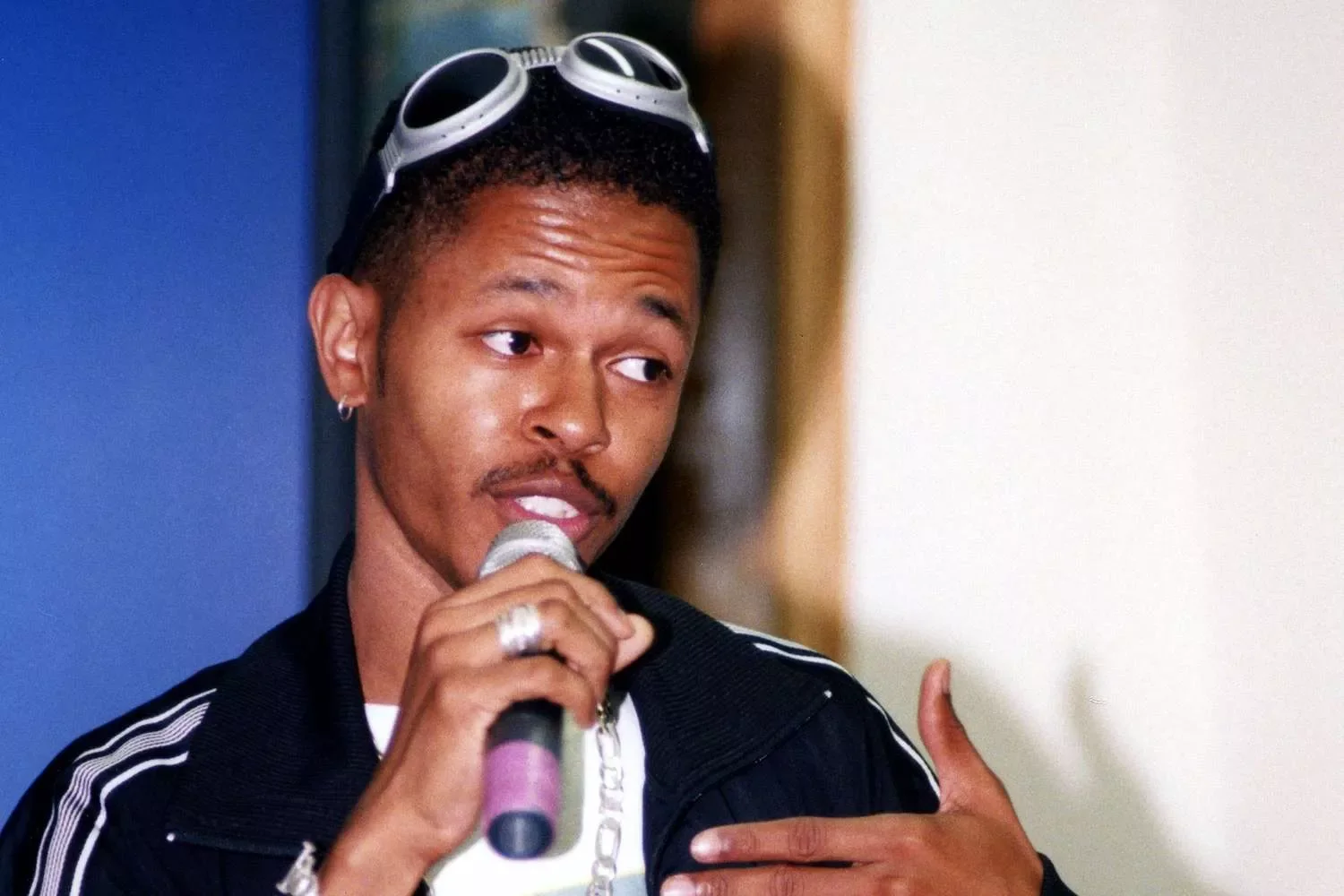
Jesse Powell
Born12 Sep, 1971
Died13 Sep, 2022
NationalityAmerican
Age at time of death51
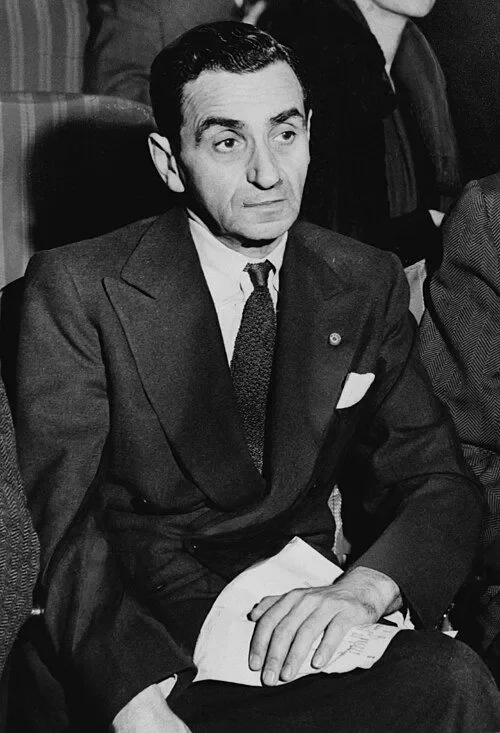
Irving Berlin
Born11 May, 1888
Died22 Sep, 1989
NationalityAmerican
Age at time of death101
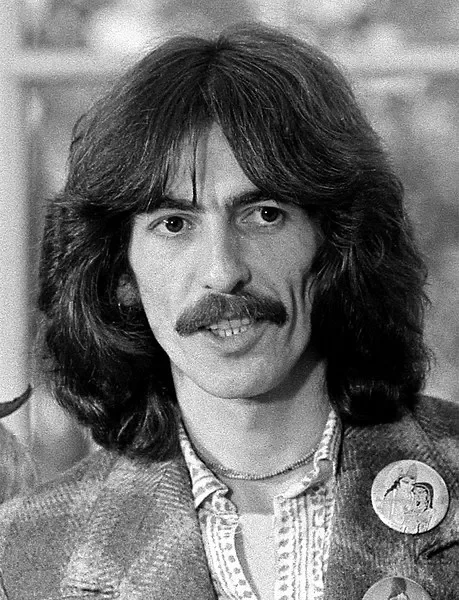
George Harrison
Born25 Feb, 1943
Died29 Nov, 2001
NationalityBritish
Age at time of death58
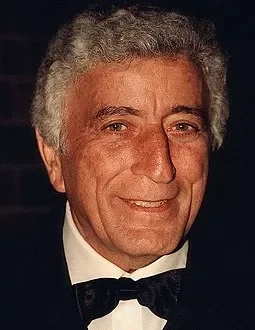
Tony Bennett
Born03 Aug, 1926
Died21 Jul, 2023
NationalityAmerican
Age at time of death96
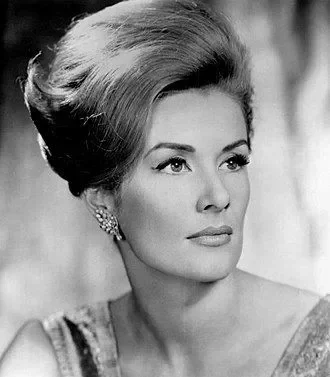
Sally Ann Howes
Born20 Jul, 1930
Died19 Dec, 2021
NationalityBritish, American
Age at time of death91
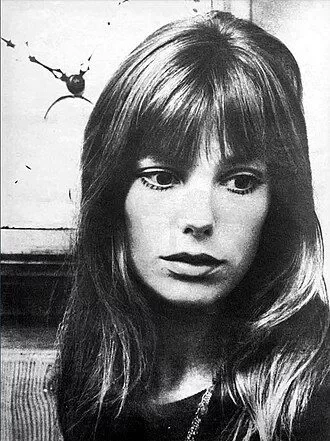
Jane Birkin
Born14 Dec, 1946
Died16 Jul, 2023
NationalityBritish, French
Age at time of death76

Chester Bennington
Born20 Mar, 1976
Died20 Jul, 2017
NationalityAmerican
Age at time of death41
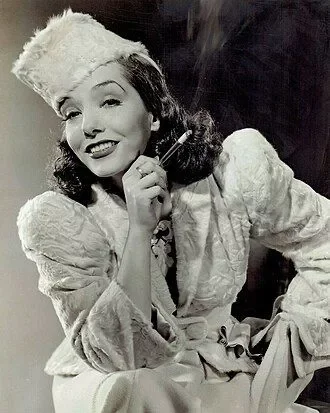
Lupe Vélez
Born18 Jul, 1908
Died14 Dec, 1944
NationalityMexican
Age at time of death36
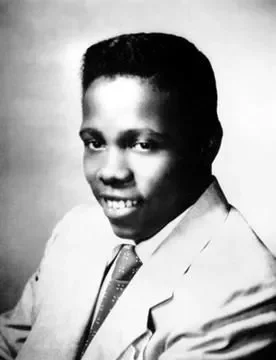
Johnny Ace
Born09 Jun, 1929
Died25 Dec, 1954
NationalityAmerican
Age at time of death25
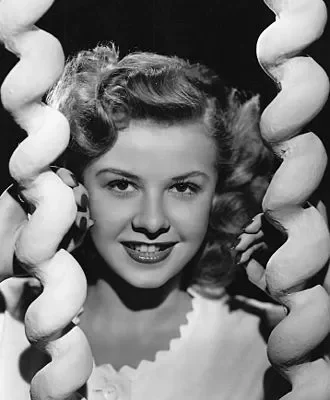
Vera-Ellen
Born16 Feb, 1921
Died30 Aug, 1981
NationalityAmerican German
Age at time of death60
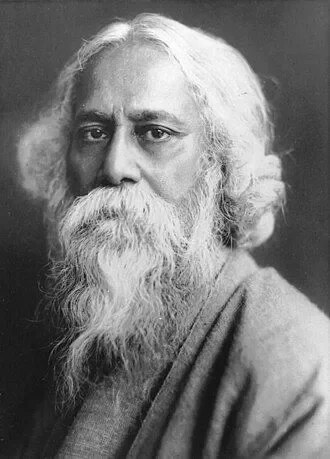
Rabindranath Tagore
Born07 May, 1861
Died08 Aug, 1941
NationalityIndian
Age at time of death80
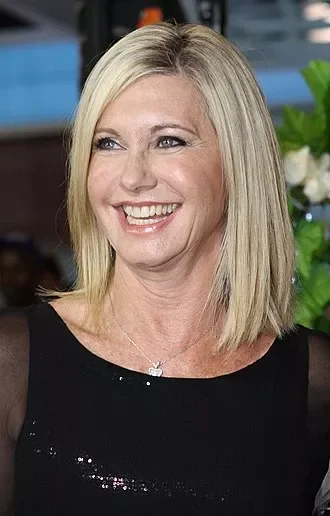
Olivia Newton-John
Born26 Sep, 1948
Died08 Aug, 2022
NationalityBritish, Australian
Age at time of death73
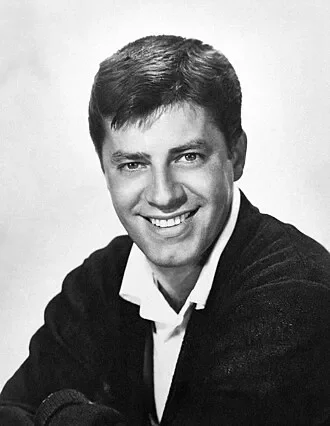
Jerry Lewis
Born16 Mar, 1926
Died20 Aug, 2017
NationalityAmerican
Age at time of death91
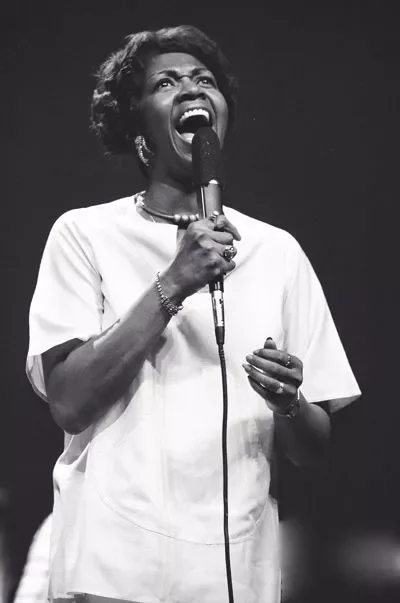
Cissy Houston
Born30 Sep, 1933
Died07 Oct, 2024
NationalityAmerican
Age at time of death91
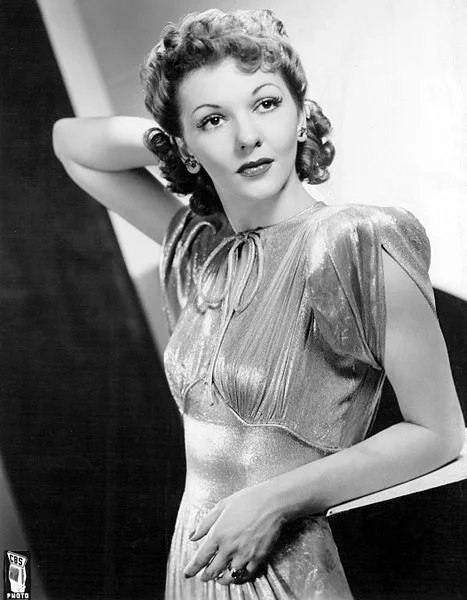
Mary Martin
Born01 Dec, 1913
Died03 Nov, 1990
NationalityAmerican
Age at time of death76
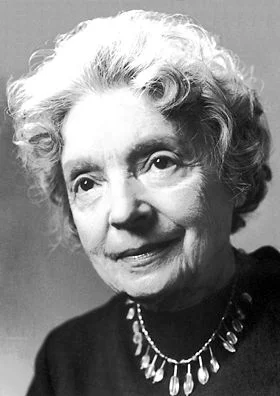
Leonie Nelly Sachs
Born10 Dec, 1891
Died12 May, 1970
NationalityGerman, Swedish
Age at time of death78
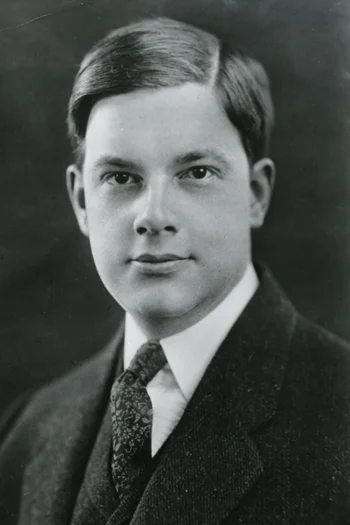
Joyce Kilmer
Born06 Dec, 1886
Died30 Jul, 1918
NationalityAmerican
Age at time of death31
Jim Morrison
Born08 Dec, 1943
Died03 Jul, 1971
NationalityAmerican
Age at time of death27
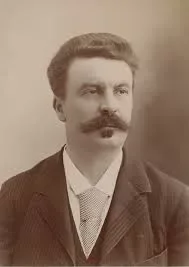
Guy de Maupassant
Born05 Aug, 1850
Died06 Jul, 1893
NationalityFrench
Age at time of death42