Real Celebrities Never Die!
OR
Search For Past Celebrities Whose Birthday You Share
Died Age: 93
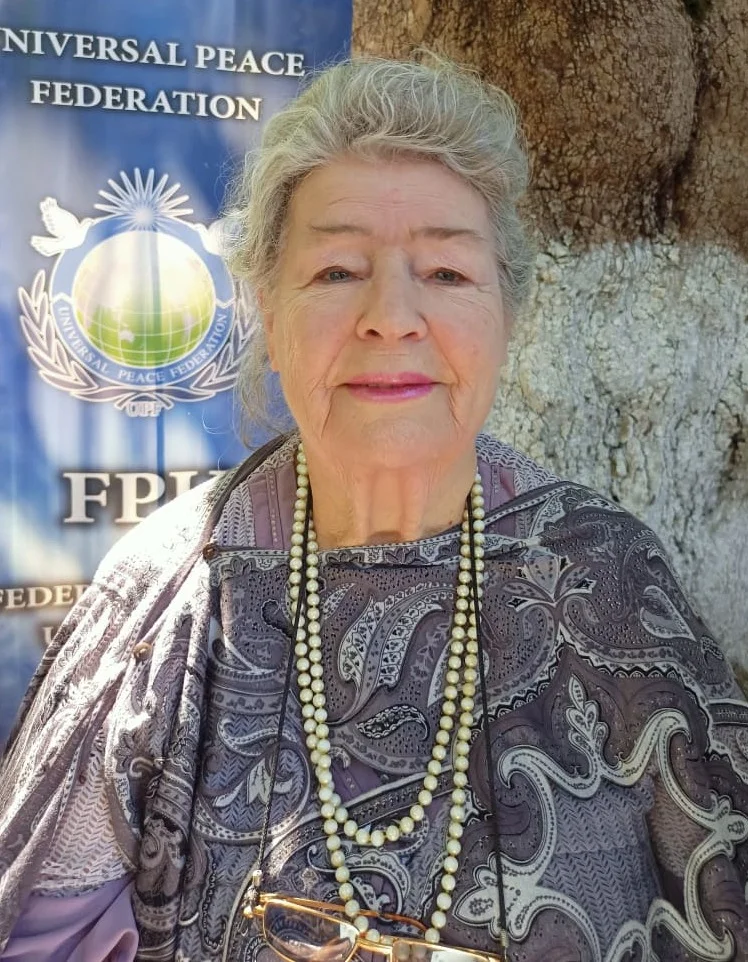
shekulli.com.al
Margarita Xhepa
Birthday:
01 Apr, 1932
Date of Death:
02 Apr, 2025
Cause of death:
Natural Causes
Nationality:
Albanian
Famous As:
Albanian actress
Age at the time of death:
93
Margarita Zoi Xhepa 's Quote's

“Never say ‘Oh God, I have a pain,’ but rather, ‘Oh pain, I have a God!”
Margarita Zoi Xhepa
🔗 deadcelebrityhub.com
Early Life: A Child of War, A Spirit Born for Stage
Margarita Xhepa is more than a grand dame of Albanian theater—she is its living memory, a luminous figure who carried the nation's cultural identity through decades of transformation, turbulence, and rebirth. With her expressive eyes and timeless presence, she captivated generations, transforming scripts into soul, characters into mirrors. Her story is not just that of an actress—it is that of Albanian art itself, surviving and shining through the shadows.
Born on April 2, 1932, in the small town of Lushnjë, Albania, Margarita Xhepa came into the world during a time of uncertainty. Her early childhood unfolded under the looming threat of World War II and eventual political shifts that would reshape the country for decades. Her family was modest, of Aromanian (Vlach) descent, with a strong sense of tradition and resilience. These dual identities—Albanian and Aromanian—would later inform her ability to traverse different emotional and cultural landscapes with authenticity.
From a young age, Margarita showed signs of an uncanny emotional sensitivity. Her voice—gentle, melodious, yet commanding—stood out. Teachers noticed her talent for storytelling and recitation, often inviting her to read poetry aloud in school. But it wasn’t just her diction; it was her soul behind the words.
A defining moment came during a school play when she was barely in her teens. Margarita stepped into a tragic role with such instinctive intensity that even adults in the audience were moved to tears. That evening, it was clear: this girl was not pretending. She was becoming.
Education: A Student of the Stage
Recognizing her talent, Margarita was sent to the Jordan Misja Artistic Lyceum in Tirana, one of the few institutions in Communist Albania devoted to nurturing artistic talent. She trained in theater, voice, and literature, studying the works of Albanian poets and European dramatists alike. The school became her sanctuary—a place where she could dream freely, even as the country’s political climate tightened around expression.
It was here that Margarita began to refine the quiet force that would define her performances: stillness layered with storm, and elegance underlined by empathy.
Career Journey: A Voice for the Ages
Phase 1: The Early Bloom
Margarita joined the National Theatre of Albania in the early 1950s, at a time when art was both revered and censored. She quickly stood out among her peers, not because she sought the spotlight, but because the spotlight seemed to find her. Her debut roles were in socialist realist plays, but even within the restrictions of propaganda-driven narratives, she found ways to elevate her characters—giving depth to otherwise flat roles.
Her performance in "Gjenerali i ushtrisë së vdekur" (The General of the Dead Army), based on Ismail Kadare’s novel, was particularly lauded. In it, she played a grieving Albanian widow with such aching realism that critics began calling her “the conscience of the stage.”
Phase 2: A Cultural Anchor Through Turbulent Times
The 1960s through 1980s were Margarita’s most prolific years. At a time when artists were often pawns of the regime, she managed to uphold the dignity of the profession. She starred in over 150 plays, balancing state-approved works with subtle, subversive performances that hinted at deeper truths.
She also became a prominent voice in Albanian cinema, starring in films such as "Toka Jonë" (Our Land) and "Zonja nga Qyteti" (The Lady from the City), where her nuanced portrayals offered rare glimpses into the interior lives of Albanian women. With each role, she became both artist and archivist—preserving the soul of a people under pressure.
Phase 3: Later Years, Lasting Power
Even as Albania transitioned out of communism and into the uncertain terrain of democracy, Margarita remained a revered constant. In the 2000s and beyond, she took on roles of matriarchs, mentors, and mythic figures in both film and theater. She performed in modern works, poetry recitals, and even appeared in experimental productions—proving that her artistry knew no expiration.
Trivia: Margarita once turned down a prestigious foreign film role because it conflicted with her rehearsal schedule at the National Theatre. “Theater is my home,” she said. “I don’t leave it for anything.”
Personal Life: Poise, Principle, and Private Grace
Known for her reserved and thoughtful nature, Margarita has always kept her personal life discreet. She married fellow actor Xhavit Xhepa, with whom she shared a creative and occasionally stormy partnership. Their son, Sokol Xhepa, would also go on to become a respected actor, continuing the family’s theatrical lineage.
Beyond the stage, Margarita is known for her love of classical music, her deep interest in Albanian folklore, and her daily ritual of reading poetry—often by the sea or in the quiet of her garden. She never chased fame; instead, it followed her, gently and enduringly.
Legacy: The First Lady of Albanian Theatre
Margarita Xhepa's legacy is not built on celebrity, but on substance. She is not only a national treasure in Albania but also a cultural matriarch—representing the possibility of artistic truth even under constraint. Her performances taught generations of Albanians how to feel, how to grieve, how to hope. She was—and still is—a voice of emotional integrity in a country that has seen its share of silence.
She has been honored with numerous awards, including the People’s Artist of Albania and the Golden Naim Frashëri, but no trophy could truly measure her impact. Today, younger actors speak of her with a mix of awe and affection. Directors still quote her rehearsals. Audiences, even decades later, still recall the way her voice could hush an entire theater.
As one critic wrote: “To watch Margarita Xhepa is to watch Albania itself—weathered, wise, and deeply alive.
Profile Snapshot
Name:
Margarita Zoi Xhepa
Popular Name:
Margarita Xhepa
Gender:
Female
Cause of Death:
Natural Causes
Spouse:
Xhavit Xhepa
Place of Birth:
Lushnja, Albania
Place of Death:
Tirana, Albania
Occupation / Profession:
Albanian actress
Personality Type
Consul: Extraordinarily caring, social and popular people, always eager to help. Margarita Xhepa was a nurturing, dedicated —a cultural pillar whose heartfelt performances and steadfast professionalism inspired generations.
Margarita Zoi Xhepa 's Interesting Facts
Margarita Xhepa is one of Albania’s most celebrated actresses, with a career spanning over six decades in theater and film.
She made her stage debut at just 16 years old and quickly became a leading figure in Albanian drama.
Xhepa was awarded the title of "People's Artist of Albania" for her outstanding contributions to the arts.
Despite her long career, she remains active and respected in Albanian cultural life well into her 80s.
Achievements & Awards
Margarita Xhepa has received some of Albania’s highest honors, including the title of People’s Artist and the Honor of the Nation for her remarkable contributions to theater and cinema. In 2007, she was awarded a Lifetime Achievement Award for her performance in the Chekhov monodrama The Swan Song. Internationally, she won the Actor of Europe award and received recognition at the Mediterranean Film Festival for her role in the film Goodbye.
External Links