Real Celebrities Never Die!
OR
Search For Past Celebrities Whose Birthday You Share
Died Age: 100
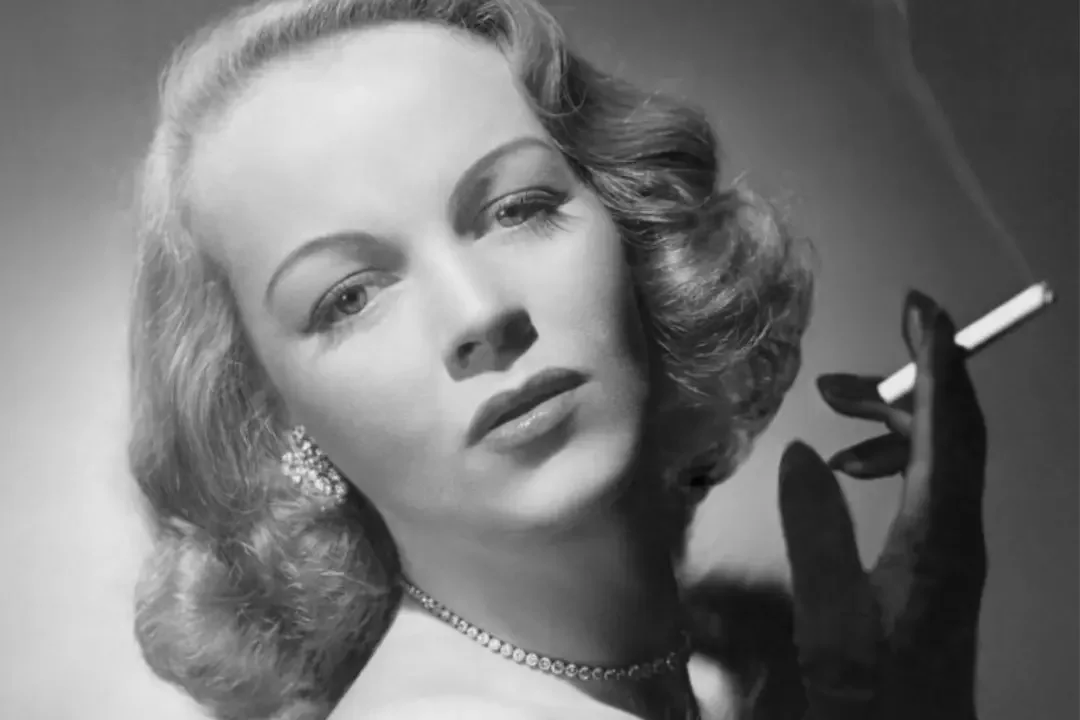
www.theepochtimes.com
Maria Riva
Birthday:
12 Dec, 1924
Date of Death:
28 Oct, 2025
Cause of death:
Natural Causes
Nationality:
American
Famous As:
Actress
Age at the time of death:
100
Maria Elisabeth Sieber's Quote's
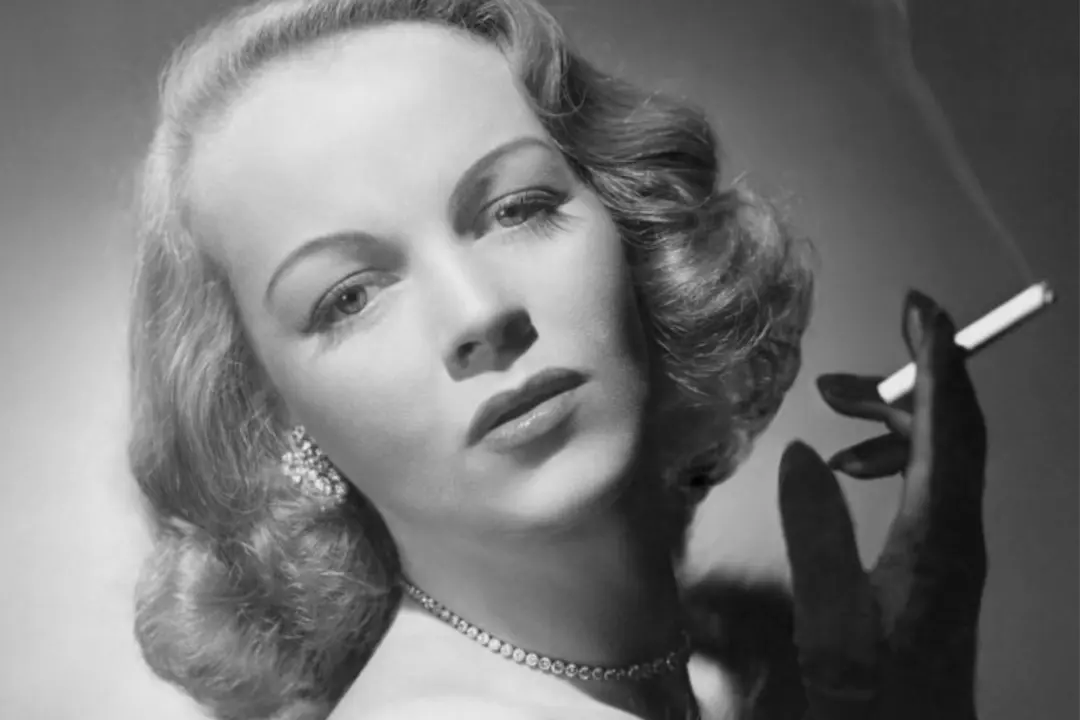
“I had to grow up with a mother who was a star and learn that love and fame are not always the same thing.”
Maria Elisabeth Sieber
🔗 deadcelebrityhub.com
Early Life
Maria Riva was a woman born into starlight who grew up to tell the truths that even fame could not wash away. Daughter of Marlene Dietrich, she carved her own path as a pioneer of early television and later as an intimate chronicler of her mother, revealing the complexities behind the legendary glamour.
Maria Elisabeth Sieber was born on December 13, 1924, in Berlin, the only child of screen icon Marlene Dietrich and her husband, assistant director Rudolf Sieber. From the start, her life was framed by show business: her mother’s magnetism, her father’s quiet presence, and the swirl of admirers that surrounded them. When she was just five, Marlene moved the family to Los Angeles — not simply as a mother, but as a star who needed her daughter close.
Growing up, Maria was more companion than child; instead of a typical school, she was mostly educated by governesses so she could remain near her mother. Yet even as a young girl, she stepped into the world of performance — at nine, she played the young Catherine the Great in her mother’s film The Scarlet Empress, a role that foreshadowed the tension and admiration she would later explore in her writings about her mother. Beneath the golden-glamour façade, her childhood was complicated by emotional neglect, experiences that would shape both her art and her understanding of fame.
Education
Rather than a traditional school, Maria’s education came through private tutors and a brief stint at an international school in Switzerland. She later trained in acting at the Max Reinhardt Academy in her mid-teens. This unconventional education mirrored her life: always orbiting around her mother, yet quietly yearning to define her own identity.
Career Journey
Early Years and Television
After her training, Maria Riva stepped into the public eye as a performer for the USO during World War II, bringing comfort to troops in Europe. Upon returning to the United States, she joined the emerging world of television. In the 1950s, she became a mainstay of live television, starring in hundreds of teleplays including Studio One, Lux Video Theatre, and The Philco Television Playhouse. Her work earned her Emmy nominations in 1952 and 1953, marking her as one of the medium’s pioneering talents.
Despite her success, Maria often described herself with wry humility as a “poor man’s Dietrich,” noting that she never sought stardom for herself. Her steady presence and skill, however, made her a respected figure in television’s early, experimental years.
Turning Points and Later Career
By the late 1950s, Maria gradually stepped away from acting. She had married William Riva, a scenic designer, in 1947, and together they raised four sons. The demands of family and the shadow of her mother led her to new roles behind the scenes, as she became Marlene’s manager, organizing tours and one-woman shows around the world.
After her mother’s death in 1992, Maria turned to writing. Her memoir-biography of Marlene Dietrich offered a candid portrait, unflinchingly detailing the coldness and manipulations she experienced, alongside the brilliance of her mother’s career. Later in life, she also published a novel exploring themes of displacement and belonging, showing her talent for storytelling extended well beyond biography.
Personal Life
Maria Riva’s life beyond the spotlight was defined by family and devotion. Her marriage to William lasted more than fifty years, and she raised four sons who would carry forward the family’s artistic legacy. She was known for her quiet warmth and loyalty, balancing the complexities of her childhood and her mother’s fame with her own grounded values.
Legacy
Maria Riva’s legacy is twofold: as a pioneering television actress and as a fearless chronicler of one of Hollywood’s greatest icons. She bridged eras — from the golden age of live TV to the reflective clarity of her later writings — all while grappling with the shadows of fame. Her biography of Marlene Dietrich broke the myth of glamour to reveal a human, complicated woman, offering readers a nuanced view of legacy, family, and resilience.
When Maria Riva passed away on October 29, 2025, just shy of her 101st birthday, she left behind a life defined by honesty, courage, and self-definition. Even in the most dazzling shadows of Hollywood, she demonstrated that living truthfully is the brightest legacy of all.
Profile Snapshot
Name:
Maria Elisabeth Sieber
Popular Name:
Maria Riva
Gender:
Female
Cause of Death:
Natural Causes
Spouse:
William Riva
Dean Goodman
Place of Birth:
Berlin, Germany
Place of Death:
Gila, New Mexico, United States
Occupation / Profession:
Actress
Memoirist
Personality Type
Entrepreneur: Quietly fierce and honest, Maria Riva lived a life in the shadows of fame with grace, courage, and an unwavering commitment to truth.
Maria Elisabeth Sieber's Interesting Facts
As a child, she appeared in The Scarlet Empress as the young Catherine the Great, effectively acting alongside a younger version of her mother’s iconic presence.
She lived to be nearly 101, witnessing almost a century of cinematic and television history.
Despite being Marlene Dietrich’s daughter, she often referred to herself humorously as a “poor man’s Dietrich” due to her modest approach to fame.
Achievements & Awards
Maria Riva was a pioneering figure in early television, starring in hundreds of live teleplays and earning Emmy nominations in 1952 and 1953 for her performances.
She also managed her mother, Marlene Dietrich's, tours and one-woman shows, showcasing her talent for organisation and showmanship behind the scenes.
Later in life, she became a celebrated author, publishing a candid memoir-biography of her mother and a novel that explored themes of family, identity, and belonging.
Her work across multiple media highlighted her versatility and lasting impact on entertainment and literature.
Latest Profiles
People also viewed
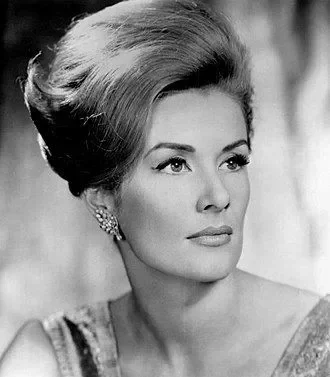
Sally Ann Howes
Born20 Jul, 1930
Died19 Dec, 2021
NationalityBritish, American
Age at time of death91
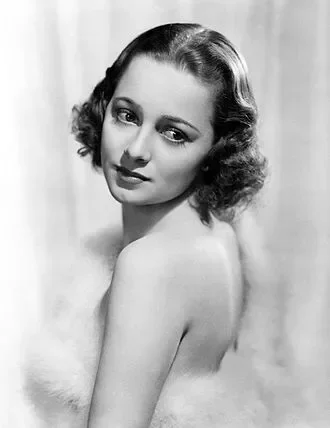
Olivia de Havilland
Born01 Jul, 1916
Died26 Jul, 2020
NationalityBritish, American
Age at time of death104
Jane Birkin
Born14 Dec, 1946
Died16 Jul, 2023
NationalityBritish, French
Age at time of death76
Lupe Vélez
Born18 Jul, 1908
Died14 Dec, 1944
NationalityMexican
Age at time of death36
Vera-Ellen
Born16 Feb, 1921
Died30 Aug, 1981
NationalityAmerican German
Age at time of death60
Phyllis Diller
Born17 Jul, 1917
Died20 Aug, 2012
NationalityAmerican
Age at time of death95
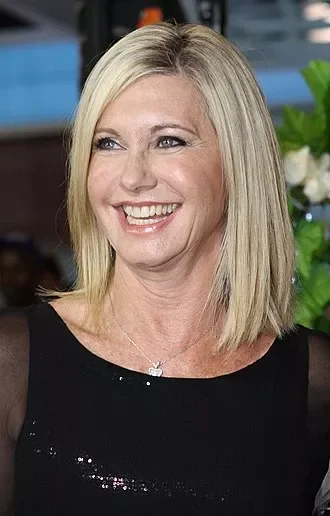
Olivia Newton-John
Born26 Sep, 1948
Died08 Aug, 2022
NationalityBritish, Australian
Age at time of death73
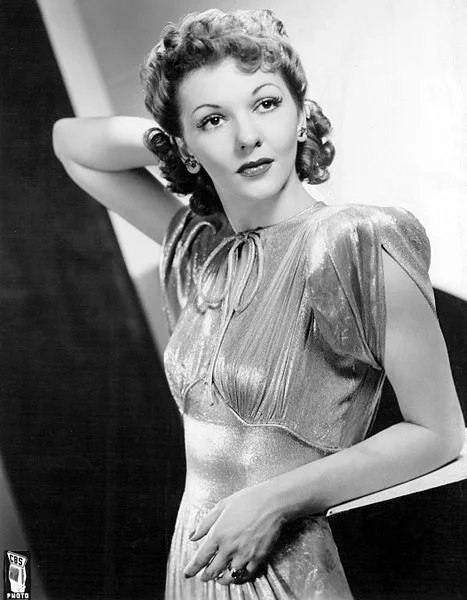
Mary Martin
Born01 Dec, 1913
Died03 Nov, 1990
NationalityAmerican
Age at time of death76
Tina Turner
Born26 Nov, 1939
Died24 May, 2023
NationalityAfrican, American
Age at time of death83
Tawny Kitaen
Born05 Aug, 1961
Died07 May, 2021
NationalityAmerican
Age at time of death59
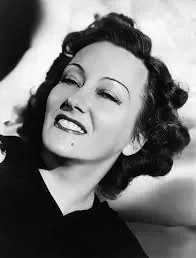
Gloria Swanson
Born27 Mar, 1899
Died04 Apr, 1983
NationalityAmerican
Age at time of death84
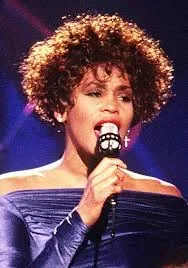
Whitney Houston
Born09 Aug, 1963
Died11 Feb, 2012
NationalityAmerican
Age at time of death48

Caroline Flack
Born09 Nov, 1979
Died15 Feb, 2020
NationalityBritish
Age at time of death40
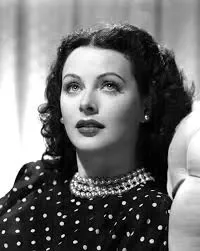
Hedy Lamarr
Born09 Nov, 1914
Died19 Jan, 2000
NationalityAmerican
Age at time of death85
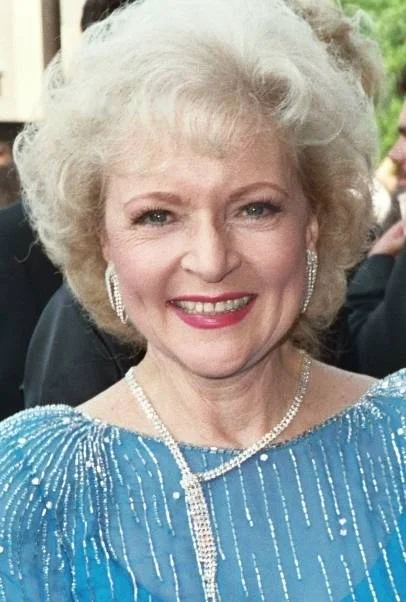
Betty White
Born30 Nov, 1922
Died31 Dec, 2021
NationalityAmerican
Age at time of death99
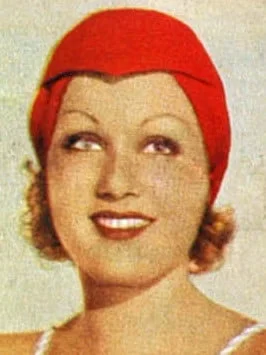
Grace Bradley
Born21 Sep, 1913
Died21 Sep, 2010
NationalityAmerican
Age at time of death97

Brittany Murphy
Born10 Nov, 1977
Died20 Dec, 2009
NationalityAmerican
Age at time of death32
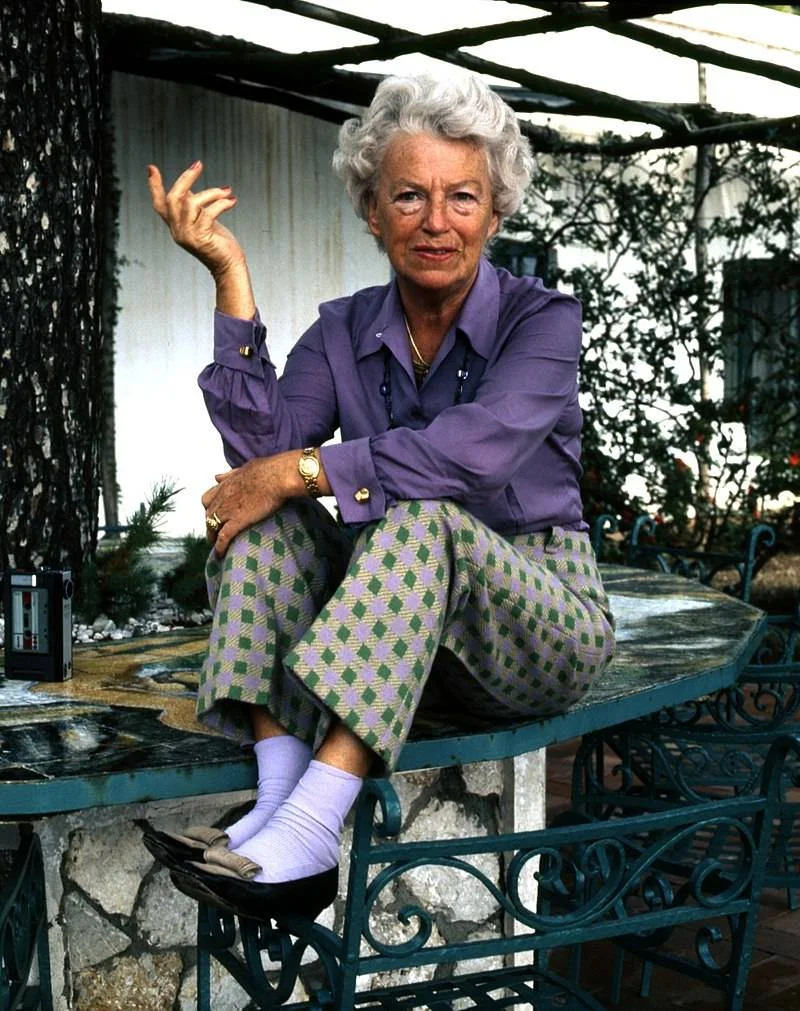
Gracie Fields
Born09 Jan, 1898
Died27 Sep, 1979
NationalityBritish, Italian
Age at time of death81
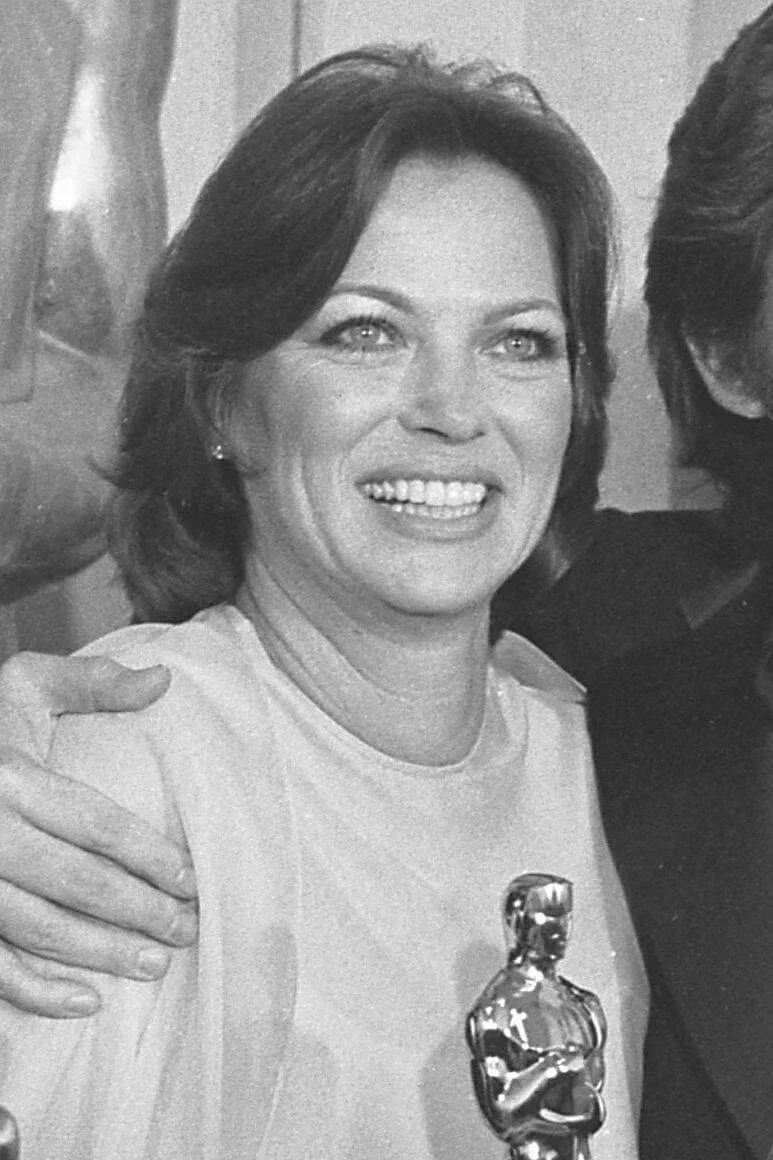
Louise Fletcher
Born22 Jul, 1934
Died23 Sep, 2022
NationalityAmerican
Age at time of death88
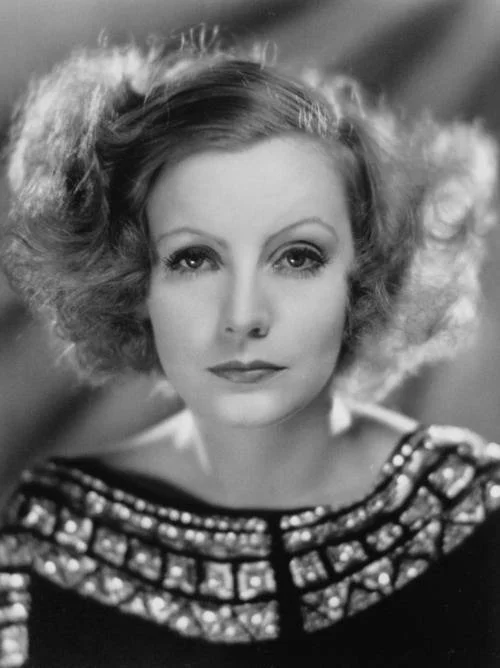
Greta Garbo
Born18 Sep, 1905
Died15 Apr, 1990
NationalitySwedish, American
Age at time of death84