Real Celebrities Never Die!
OR
Search For Past Celebrities Whose Birthday You Share
Died Age: 78
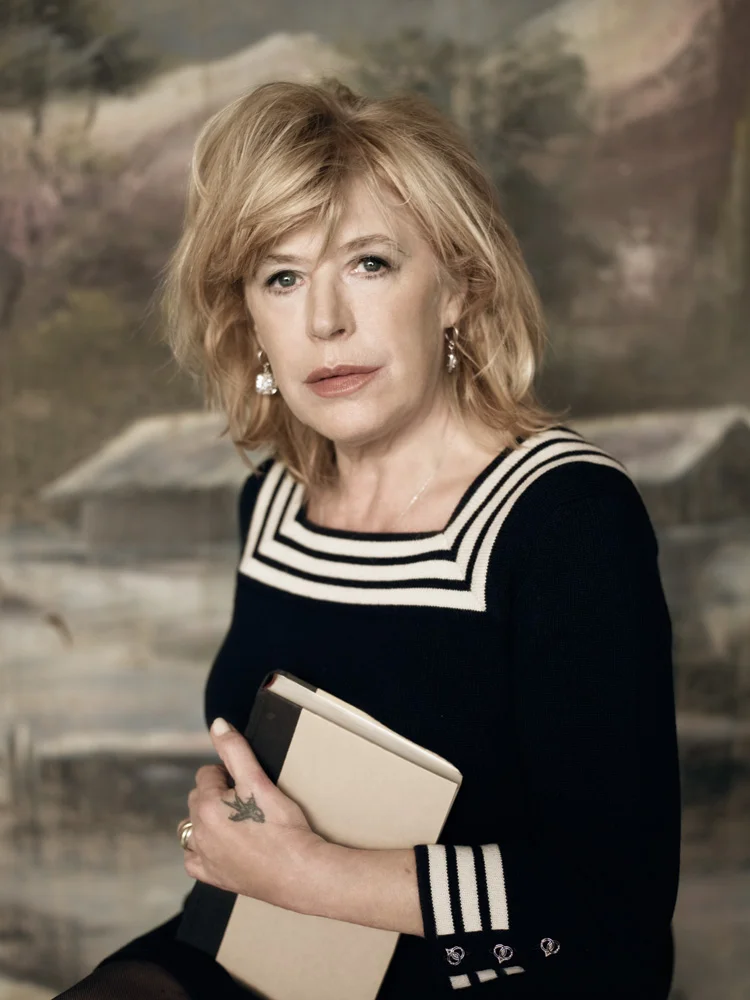
interviewmagazine.com
Marianne Faithfull
Birthday:
29 Dec, 1946
Date of Death:
30 Jan, 2025
Cause of death:
Multiple health problems
Nationality:
British
Famous As:
Actress
Age at the time of death:
78
Marianne Evelyn Gabriel Faithfull's Quote's

“The eyes are the windows of the soul... but the voice is the door.”
Marianne Evelyn Gabriel Faithfull
🔗 deadcelebrityhub.com
Early Life: Aristocracy, Art, and Alienation
Marianne Faithfull is more than a name woven into the annals of rock history; she is a living testament to the wild romance of fame, the resilience of spirit, and the haunting power of her voice. A muse, rebel, survivor, and artist in her own right, Faithfull’s story is not one of linear stardom but a spiralling journey through brilliance and despair, always punctuated by reinvention. From a convent-educated teenager discovered at a party to an icon of 1960s counterculture and beyond, Marianne Faithfull’s life is a kaleidoscope of contradictions: ethereal and gritty, fragile and fierce, faded and timeless.
Born on December 29, 1946, in Hampstead, London, Marianne Evelyn Gabriel Faithfull entered the world already balanced between contrast and complexity. Her lineage was a curious blend: her father, Major Glynn Faithfull, was a British army officer and former spy turned university professor; her mother, Eva von Sacher-Masoch, was an Austrian baroness and a ballerina who descended, intriguingly, from Leopold von Sacher-Masoch, whose name gave rise to the term “masochism.”
Marianne’s early years were steeped in duality. Raised Roman Catholic and educated at a convent school, her upbringing was strict and culturally rich, with music and literature forming a strong part of her identity. After her parents’ divorce, she lived with her mother in Reading, Berkshire, a quieter world that still could not contain her rebellious curiosity. It was this mix of convent discipline and bohemian blood that would come to define much of her future.
Education: Where Conformity Met the Creative Spark
Faithfull’s formal education followed a traditional path until her spirit began to chafe against its constraints. Though her academic life never became her central stage, it was at St. Joseph's Convent School that she first discovered her voice, both literally and metaphorically. She immersed herself in theatre and literature, gravitating towards poetry and performance.
Later, at Reading's St. Mary's Catholic School, she was known not only for her intelligence but also for her otherworldly presence. The classroom may not have shaped her career directly, but the act of learning, particularly her passion for Romantic poets, would later echo in her songwriting and interpretations. Words mattered to Faithfull, and her early literary devotions sharpened her lyrical storytelling.
Career: Stardust, Silence, and the Resurrection of a Legend
The Swinging Sixties and Sudden Stardom
Marianne Faithfull's life changed forever in 1964 at a party thrown by Rolling Stones manager Andrew Loog Oldham. She was just 17. Discovered amid the noise and glamour, she was quickly offered a recording contract. Her debut single, As Tears Go By, penned by Mick Jagger, Keith Richards, and Oldham himself, soared into the charts. With her angelic voice and delicate features, she became an instant symbol of the Swinging Sixties, which was part ingénue, part rebel.
She released a string of hits in the following years—Come and Stay With Me, This Little Bird, and Summer Nights—each carrying her breathy soprano and ethereal charm. But success, for Faithfull, was both a crown and a curse.
Muse, Madwoman, and the Myth of the Stones
By the late '60s, Faithfull was no longer just a pop star. She was Mick Jagger’s muse, wrapped in fur coats, controversy, and headlines. Her relationship with the Rolling Stones' frontman became the stuff of legend. She inspired songs like Wild Horses and Sympathy for the Devil, and was often photographed as the ultimate rock 'n' roll consort who was mysterious, tragic, and glamorous.
But beneath the tabloids, Faithfull was unravelling. She endured a miscarriage, addiction, and homelessness. In the early 1970s, she was sleeping rough on the streets of Soho, her voice and career seemingly lost to heroin and heartbreak. The world had all but written her off.
Comeback and Reinvention: The Gravel-Gold Years
Then came 1979 and with it, Broken English. The album was nothing short of a rebirth. Gone was the fragile soprano. In its place was a cracked, smoked-out voice forged by years of living hard. The album’s raw honesty and post-punk defiance stunned critics. Songs like The Ballad of Lucy Jordan and the searing title track reintroduced her not as a pop puppet but as a formidable artist with something to say and a voice the world couldn’t ignore.
She would go on to release over a dozen albums, including Strange Weather (1987), Before the Poison (2005), and Give My Love to London (2014), working with collaborators like Nick Cave, PJ Harvey, and Damon Albarn. Each project reflected her evolving sound and refusal to be pinned down.
Acting Career: A Shadow Stage of Expression
While music was her main channel, acting gave Marianne Faithfull another lens through which to explore identity and emotion. She began acting early, appearing in films like Girl on a Motorcycle (1968), where she played a leather-clad antiheroine in a role that became iconic for its rebellious sensuality. In the 1970s and '80s, even as she struggled personally, she found refuge in theatre, taking on Shakespearean roles such as Ophelia and later, the Duchess of York in Richard III.
Her stage presence was unapologetic, much like her voice. In the 2004 film Irina Palm, she played a grieving grandmother in a performance that critics hailed as quietly powerful and deeply moving. Faithfull’s acting work, often overlooked, reflected the same themes as her music: survival, vulnerability, and defiance.
Personal Life
Marianne’s personal life has always been as dramatic as her lyrics. Married young to artist John Dunbar (with whom she had her only child, Nicholas), her relationships, especially with Mick Jagger, often overshadowed her artistry. She also had affairs with Keith Richards and producer Andrew Loog Oldham, among others, but ultimately her longest relationship was with survival.
Battles with addiction, anorexia, cancer, and even a severe case of COVID-19 in 2020 never silenced her for long. Her wit, self-awareness, and literary inclinations kept her grounded. She's published several memoirs, including Faithfull: An Autobiography and Memories, Dreams & Reflections, offering candid reflections on a life both enchanted and tormented.
Fun fact: Despite her often melancholic image, Faithfull is known among friends for her sharp humour and love of gossip, as well as her lifelong passion for opera.
Legacy: The Woman Who Lived Every Lyric
Marianne Faithfull is no longer just a footnote in the story of the Rolling Stones or a faded muse of the '60s. She is a woman who defied the script written for her, transcending the angelic stereotype, crawling out of the abyss, and turning pain into poetry.
She remains a revered figure in music, not for the perfection of her voice, but for its truth. That gravelly tone, once dismissed as damaged, has become her signature, a symbol of a life truly lived. Faithfull showed the world that falling isn’t the end of the story; getting back up, especially with art in hand, is where the legacy is forged.
Profile Snapshot
Name:
Marianne Evelyn Gabriel Faithfull
Popular Name:
Marianne Faithfull
Gender:
Female
Cause of Death:
Multiple health problems
Spouse:
Giorgio Della Terza
Ben Brierly
John Dunbar
Place of Birth:
Hampstead, London, United Kingdom
Place of Death:
London, United Kingdom
Occupation / Profession:
Actress
Singer
Personality Type
Adventurer Flexible and charming artists, always ready to explore and experience something new. A soulful, fearless artist who lived by her emotions, expressed her truth through art, and never stopped reinventing herself.
Marianne Evelyn Gabriel Faithfull's Interesting Facts
Faithfull has a photographic memory and often recites long poems from memory in interviews.
In the early 2000s, she played God in a stage production of Absolut Faustus in London, wearing a gold suit and smoking a cigarette.
She once auditioned for the role of Ophelia in Hamlet opposite Richard Burton, before becoming famous as a singer.
Achievements & Awards
Her voice and life story also earned her a place in the Rock and Roll Hall of Fame’s influential list, though she remains famously unbothered by mainstream accolades.
Marianne Faithfull’s critically acclaimed comeback album Broken English (1979) is considered a landmark in post-punk and new wave music, earning her global respect as a serious artist.
Over her career, she released over 20 albums, spanning pop, rock, blues, and experimental genres, and collaborated with legends like Nick Cave, PJ Harvey, and Hal Willner.
She received the World Lifetime Achievement Award at the Women’s World Awards in 2009 and was named a Commander of the Order of Arts and Letters by the French government.
External Links
Latest Profiles
People also viewed
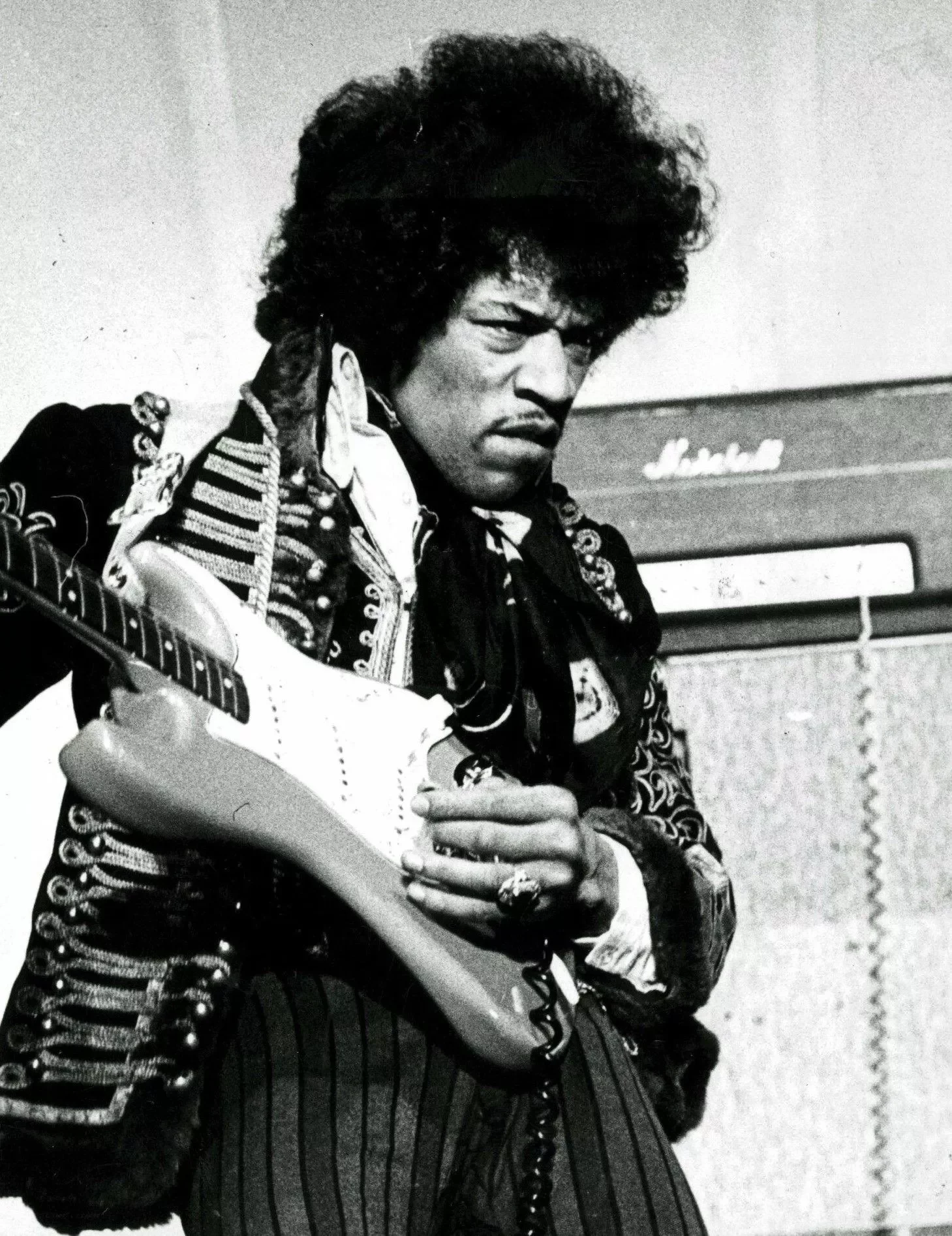
Jimi Hendrix
Born27 Nov, 1942
Died18 Sep, 1970
NationalityAmerican
Age at time of death27
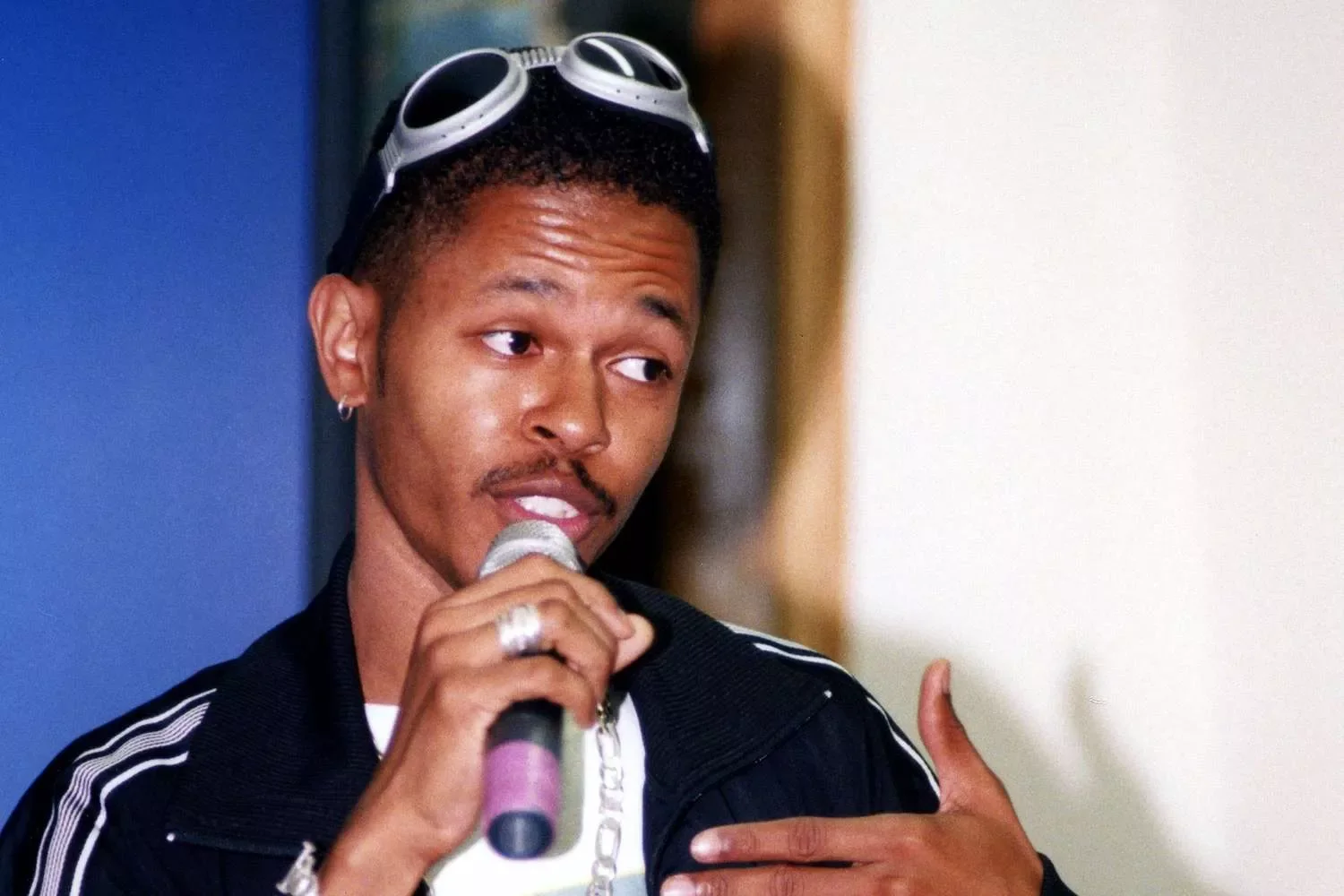
Jesse Powell
Born12 Sep, 1971
Died13 Sep, 2022
NationalityAmerican
Age at time of death51
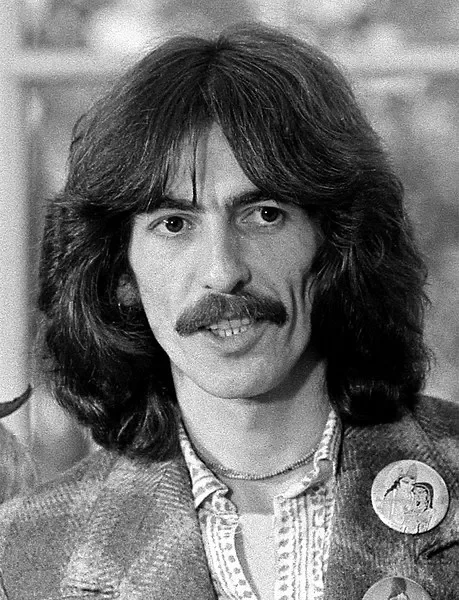
George Harrison
Born25 Feb, 1943
Died29 Nov, 2001
NationalityBritish
Age at time of death58
Tony Bennett
Born03 Aug, 1926
Died21 Jul, 2023
NationalityAmerican
Age at time of death96
Sally Ann Howes
Born20 Jul, 1930
Died19 Dec, 2021
NationalityBritish, American
Age at time of death91
Olivia de Havilland
Born01 Jul, 1916
Died26 Jul, 2020
NationalityBritish, American
Age at time of death104
Jane Birkin
Born14 Dec, 1946
Died16 Jul, 2023
NationalityBritish, French
Age at time of death76
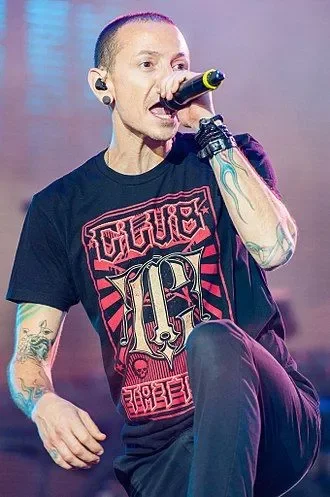
Chester Bennington
Born20 Mar, 1976
Died20 Jul, 2017
NationalityAmerican
Age at time of death41
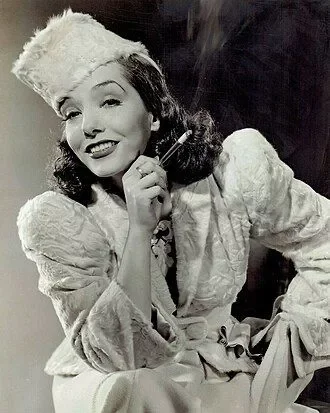
Lupe Vélez
Born18 Jul, 1908
Died14 Dec, 1944
NationalityMexican
Age at time of death36
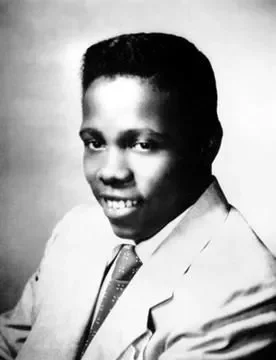
Johnny Ace
Born09 Jun, 1929
Died25 Dec, 1954
NationalityAmerican
Age at time of death25
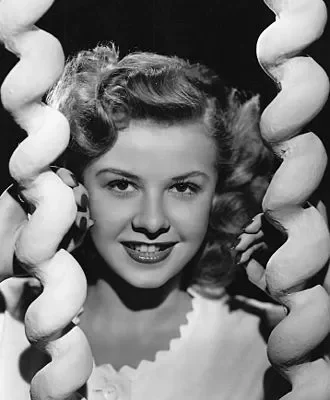
Vera-Ellen
Born16 Feb, 1921
Died30 Aug, 1981
NationalityAmerican German
Age at time of death60
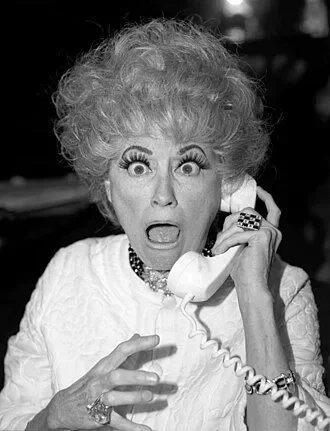
Phyllis Diller
Born17 Jul, 1917
Died20 Aug, 2012
NationalityAmerican
Age at time of death95
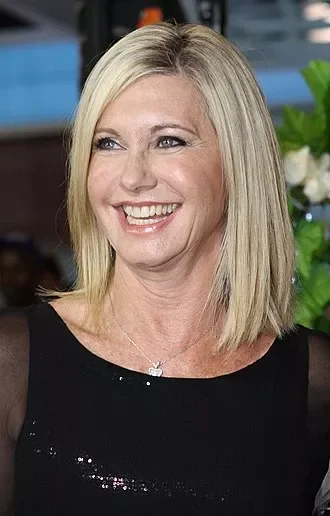
Olivia Newton-John
Born26 Sep, 1948
Died08 Aug, 2022
NationalityBritish, Australian
Age at time of death73
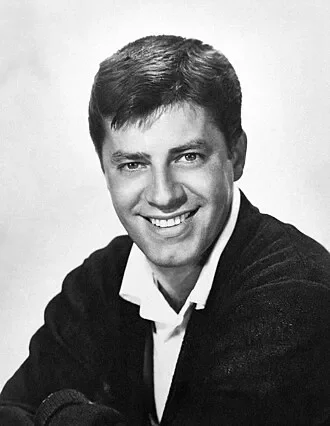
Jerry Lewis
Born16 Mar, 1926
Died20 Aug, 2017
NationalityAmerican
Age at time of death91
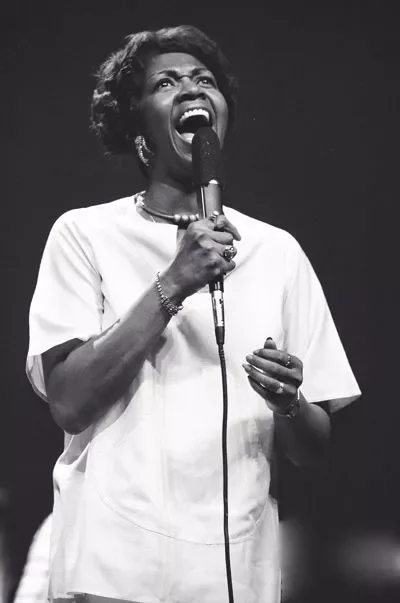
Cissy Houston
Born30 Sep, 1933
Died07 Oct, 2024
NationalityAmerican
Age at time of death91
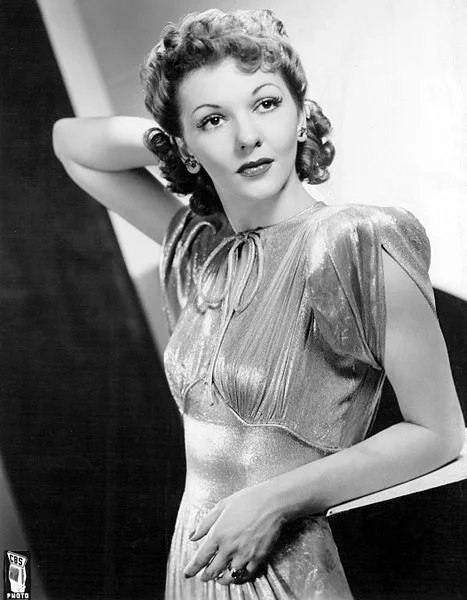
Mary Martin
Born01 Dec, 1913
Died03 Nov, 1990
NationalityAmerican
Age at time of death76
Jim Morrison
Born08 Dec, 1943
Died03 Jul, 1971
NationalityAmerican
Age at time of death27
Christopher Lee
Born27 May, 1922
Died07 Jun, 2015
NationalityBritish
Age at time of death93
Biz Markie
Born08 Apr, 1964
Died16 Jul, 2021
NationalityAmerican
Age at time of death57
Billie Holiday
Born07 Apr, 1915
Died17 Jul, 1959
NationalityAmerican
Age at time of death44