Real Celebrities Never Die!
OR
Search For Past Celebrities Whose Birthday You Share
Died Age: 78
alchetron.com
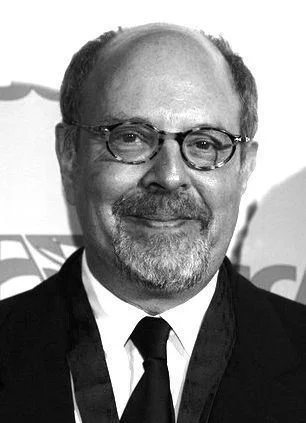
Mark Snow
Birthday:
25 Aug, 1946
Date of Death:
03 Jul, 2025
Cause of death:
Blood cancer
Nationality:
American
Famous As:
Singer
Age at the time of death:
78
Martin Fulterman's Quote's

“It was such a happy accident—the theme just came out of me in about ten minutes.”
Martin Fulterman
🔗 deadcelebrityhub.com
Early Life: A New Yorker Surrounded by Music
Mark Snow is a composer who taught audiences to hear the unseen. Best known for creating the haunting, whistling theme of The X-Files, Snow’s music has become inseparable from the mood of mystery, suspense, and wonder that defined a generation of television. His career, spanning more than five decades, reflects both discipline and invention—qualities that have made him one of the most recognisable names in television scoring.
Born Martin Fulterman in Brooklyn in 1946, Mark Snow grew up in a household that valued the arts. Music flowed naturally into his world, and it didn’t take long for him to pick up the oboe, an instrument that would become his first calling. His early immersion in classical training gave him a foundation of precision and discipline—qualities that would later anchor his creative experiments in sound.
Snow’s family encouraged his artistic inclinations, but he wasn’t just a quiet student practising scales. He also absorbed the cultural rhythms of mid-century New York: jazz drifting from clubs, the swirl of Broadway scores, the vibrancy of a city alive with artistic ferment. This eclectic backdrop planted seeds for the genre-blending voice that would later define his work.
Education: From Juilliard to Collaboration
Snow’s formal training came at the prestigious Juilliard School, where he studied under the exacting tutelage of oboist Robert Bloom. At Juilliard, he not only sharpened his craft but also found himself surrounded by peers who would shape his artistic journey. Among them was Michael Kamen, who would go on to become a celebrated film composer in his own right. Together, Snow and Kamen co-founded the New York Rock & Roll Ensemble, a band that fused classical instrumentation with rock energy.
This bold experiment foreshadowed Snow’s future—bridging seemingly incompatible worlds of sound to create something fresh. While his Juilliard education gave him rigour, his ensemble experience taught him adaptability, showmanship, and a taste for innovation.
Career Journey
Early Career: Finding a Voice in Television
Snow’s career as a composer began in earnest in the 1970s, when he transitioned from performer to television scorer. His early work included composing for shows such as Hart to Hart and T.J. Hooker. These projects may not have carried the cult status of his later work, but they honed his skills in writing music that could subtly shape a story without overwhelming it.
Breakthrough: The X-Files and Beyond
Snow’s defining moment came in the 1990s with The X-Files. The eerie, whistling theme he created became instantly iconic—an auditory shorthand for mystery and paranoia. Interestingly, the sound was born out of experimentation with a simple keyboard effect, a reminder that sometimes the simplest choices resonate most powerfully.
His score did more than accompany the series; it became part of its identity. The opening notes signalled to viewers that they were about to step into a world of uncertainty and shadow. The theme grew so recognisable that it entered pop culture far beyond the show itself, echoed in parodies, references, and even ringtones.
Beyond The X-Files, Snow lent his talents to other major series, including Millennium, Smallville, and Blue Bloods. Each project demonstrated his range—whether evoking the darkness of psychological thrillers, the optimism of superhero storytelling, or the grit of modern police dramas.
Later Career: A Lasting Presence
Even as television evolved, Snow remained a consistent presence. His adaptability enabled him to score across genres, never confined by a single style. By the time he had written for hundreds of episodes of television, he had become one of the most prolific composers in the medium. His work earned multiple Emmy nominations and solidified his place among television’s most enduring musical voices.
Personal Life
Outside the studio, Mark Snow has lived a life anchored in family. He married fellow Juilliard alumna Glynn Turman, with whom he shared a passion for the arts. Known for his humility despite his fame, Snow is often described by colleagues as approachable and deeply committed to his craft rather than the spotlight.
A fun bit of trivia: despite composing some of the most chilling music in television, Snow himself is said to be warm and witty—a sharp contrast to the atmosphere of his scores.
Legacy: Giving Sound to Suspense
Mark Snow’s legacy is one of resonance—not just in sound, but in cultural memory. His work on The X-Files alone ensured him a place in television history, but his broader career reflects something even greater: a mastery of music as storytelling. He showed that a few carefully chosen notes could carry entire worlds of feeling—fear, curiosity, wonder.
Today, Snow is remembered not only as a prolific composer but as an innovator who gave suspense its voice. For anyone who ever felt chills the moment his theme music began, Mark Snow is more than a composer; he is the sound of the unknown.
Profile Snapshot
Name:
Martin Fulterman
Popular Name:
Mark Snow
Gender:
Male
Cause of Death:
Blood cancer
Spouse:
Glynn Daly
Place of Birth:
Brooklyn, New York, United States
Place of Death:
Connecticut, United States
Occupation / Profession:
Singer
Personality Type
Logistician: Mark Snow was a quiet architect of television’s most haunting soundscapes, a visionary who turned mystery into music with precision and imagination.
Martin Fulterman's Interesting Facts
He originally played the oboe professionally before turning to composition.
His first name is actually Martin; “Mark Snow” was adopted as a professional pseudonym.
The famous whistle in The X-Files theme came from experimenting with a keyboard preset rather than traditional instrumentation.
Achievements & Awards
Mark Snow’s achievements span more than five decades of composing, with his most famous work being the iconic theme for The X-Files, which became a cultural phenomenon.
He has scored music for hundreds of television episodes across series like Millennium, Smallville, and Blue Bloods, showcasing his remarkable versatility.
His work has earned him over twenty Emmy Award nominations, cementing his reputation as one of television’s most accomplished and enduring composers
External Links
Latest Profiles
People also viewed
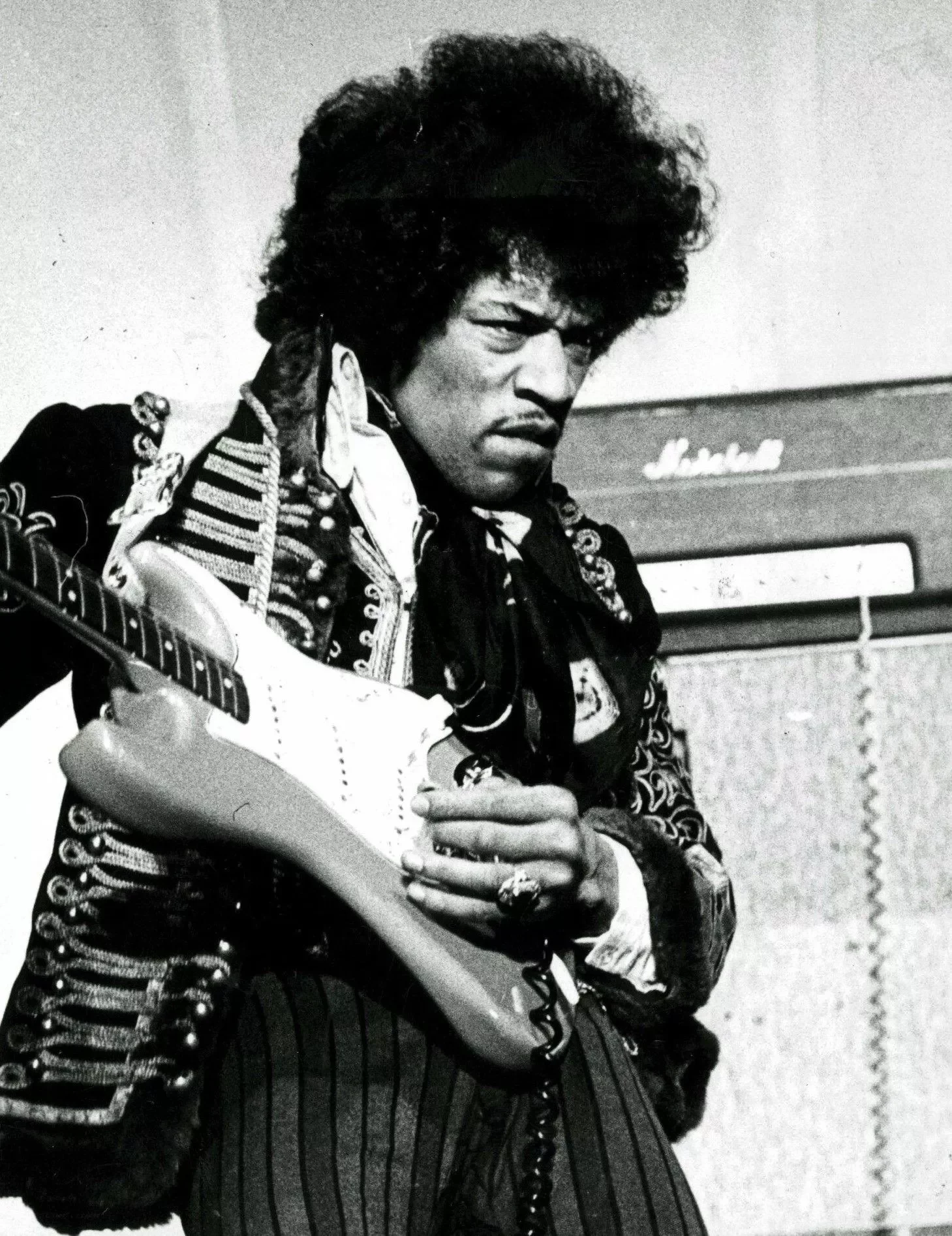
Jimi Hendrix
Born27 Nov, 1942
Died18 Sep, 1970
NationalityAmerican
Age at time of death27

Jesse Powell
Born12 Sep, 1971
Died13 Sep, 2022
NationalityAmerican
Age at time of death51
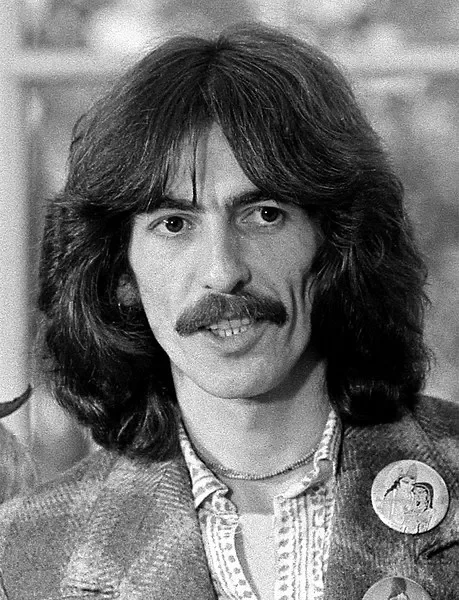
George Harrison
Born25 Feb, 1943
Died29 Nov, 2001
NationalityBritish
Age at time of death58
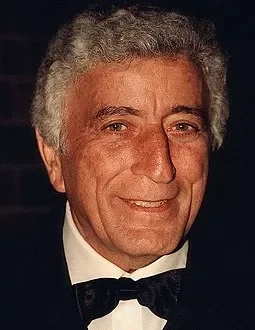
Tony Bennett
Born03 Aug, 1926
Died21 Jul, 2023
NationalityAmerican
Age at time of death96
Sally Ann Howes
Born20 Jul, 1930
Died19 Dec, 2021
NationalityBritish, American
Age at time of death91
Jane Birkin
Born14 Dec, 1946
Died16 Jul, 2023
NationalityBritish, French
Age at time of death76

Chester Bennington
Born20 Mar, 1976
Died20 Jul, 2017
NationalityAmerican
Age at time of death41

Lupe Vélez
Born18 Jul, 1908
Died14 Dec, 1944
NationalityMexican
Age at time of death36
Johnny Ace
Born09 Jun, 1929
Died25 Dec, 1954
NationalityAmerican
Age at time of death25

Vera-Ellen
Born16 Feb, 1921
Died30 Aug, 1981
NationalityAmerican German
Age at time of death60
Olivia Newton-John
Born26 Sep, 1948
Died08 Aug, 2022
NationalityBritish, Australian
Age at time of death73
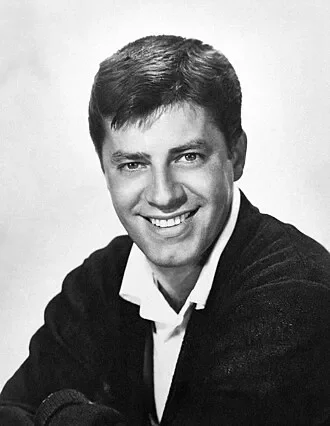
Jerry Lewis
Born16 Mar, 1926
Died20 Aug, 2017
NationalityAmerican
Age at time of death91
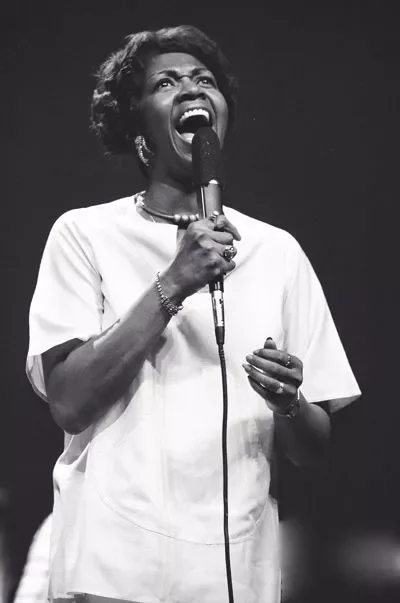
Cissy Houston
Born30 Sep, 1933
Died07 Oct, 2024
NationalityAmerican
Age at time of death91

Mary Martin
Born01 Dec, 1913
Died03 Nov, 1990
NationalityAmerican
Age at time of death76

Jim Morrison
Born08 Dec, 1943
Died03 Jul, 1971
NationalityAmerican
Age at time of death27
Christopher Lee
Born27 May, 1922
Died07 Jun, 2015
NationalityBritish
Age at time of death93

Biz Markie
Born08 Apr, 1964
Died16 Jul, 2021
NationalityAmerican
Age at time of death57
Billie Holiday
Born07 Apr, 1915
Died17 Jul, 1959
NationalityAmerican
Age at time of death44
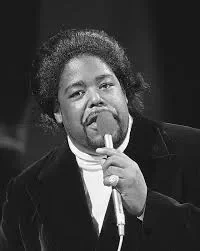
Barry White
Born12 Sep, 1944
Died04 Jul, 2003
NationalityAmerican
Age at time of death58

Tina Turner
Born26 Nov, 1939
Died24 May, 2023
NationalityAfrican, American
Age at time of death83