Real Celebrities Never Die!
OR
Search For Past Celebrities Whose Birthday You Share
Died Age: 80
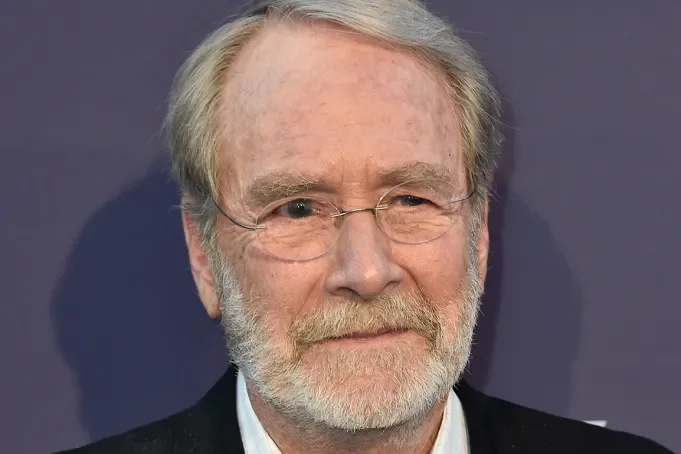
variety.com
Martin Mull
Birthday:
17 Aug, 1943
Date of Death:
26 Jun, 2024
Cause of death:
Long illness
Nationality:
American
Famous As:
Actor
Age at the time of death:
80
Martin Eugene Mull's Quote's
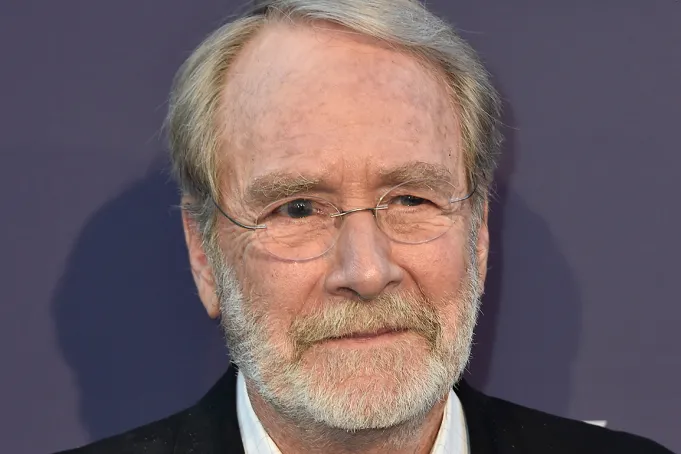
“Writing about music is like dancing about architecture.”
Martin Eugene Mull
🔗 deadcelebrityhub.com
Early Life: A Wandering Spirit Finds His Stage
Martin Mull was a man who seemed to have dipped his brush into every shade of creativity. An actor with impeccable timing, a comedian whose satire cut through cultural noise, a musician with a country twang and a painter with a sharp eye for the absurdities of suburban life. Mull lived like an artist who refused to be boxed in. With a career that darted across mediums and decades, he became a quiet but unmistakable fixture in American entertainment: quirky, clever, and always a step to the side of convention.
Born on August 18, 1943, in Chicago, Illinois, Martin Eugene Mull came into a world that was mid-war and mid-transformation. His early years were peripatetic as his family moved frequently due to his father's job as a carpenter and travelling salesman. From Chicago, they headed east to North Ridgeville, Ohio, and eventually settled in New Canaan, Connecticut. This nomadic childhood introduced Mull to a range of environments, feeding a sharp observational eye that would later colour his comedy and painting alike.
Mull once joked that being uprooted so many times trained him early in the art of adaptation, a skill that would later define his career. He was the kind of kid who could observe a room and know exactly when to play the class clown or when to retreat into sketching, two instincts that stayed with him for life.
Education: The Palette Expands
Though comedy and acting would eventually become his public signature, Martin Mull’s first love was visual art. He pursued this passion seriously, enrolling at the Rhode Island School of Design (RISD), where he earned both a Bachelor's and Master's of Fine Arts in painting. It was here that he honed not just his technical ability, but his conceptual wit.
RISD gave Mull the tools to paint and the intellectual freedom to challenge norms and experiment. He developed an aesthetic that was as tongue-in-cheek as it was technically refined, often skewering the cultural clichés of middle-class Americana. His work would later be featured in galleries and museum collections, but at the time, few could have predicted just how wide his creative reach would become.
Career: From Satirical Crooner to Cult Comedy Icon
Early Career: Songs with a Wink
Martin Mull’s first entrance into the public eye wasn’t through a screen or a canvas but with a guitar. In the early 1970s, he emerged as a musical satirist, performing original songs that blended country, lounge, and folk influences with a dry, ironic twist. Tracks like “Jesus Is Easy” and “Duelling Tubas” turned folk conventions on their head, earning Mull a cult following.
His concerts were anything but conventional. He’d perform seated in an overstuffed chair, cigarette in hand, delivering his lyrics with mock seriousness. He was once described as “a lounge singer lost in a Kurt Vonnegut novel.” In a time when musicians often took themselves seriously, Mull made it clear that he didn’t and that was the point.
Rise to TV Fame: Fernwood to Fame
In 1977, Mull found his perfect vehicle: Fernwood 2 Night, a parody talk show spun off from Mary Hartman, Mary Hartman. Playing the slick and clueless host Barth Gimble, Mull delivered satire so dry it bordered on desert air. The show was subversive and ahead of its time, a forerunner to the kind of meta-comedy that would become mainstream decades later.
This role opened the door to television and film. Over the years, Mull became a reliable scene-stealer in everything from Roseanne (as the openly gay boss, Leon) to Sabrina the Teenage Witch, where he played the delightfully grumpy Principal Kraft. On Arrested Development, he brought absurd gravitas to Gene Parmesan, the bumbling private investigator who always appeared in outlandish disguises.
One of Mull’s gifts was his ability to mock while remaining deeply likeable. His comedy was observational, cerebral, and often tinged with melancholy.
Later Work: A Multidisciplinary Legacy
Even as his TV and film credits piled up, Mull never abandoned his roots in visual art. His paintings, which were sly, elegant send-ups of suburban life and American iconography, were exhibited in respected galleries, including L.A. Louvre and the Whitney Museum. He described painting as “a way to get to the punchline without using words.”
By the 2000s and 2010s, Mull became one of those faces viewers instantly recognised, even if they didn’t always know his name. His versatility made him a favourite of directors and showrunners who needed someone who could elevate a role with quiet brilliance.
Personal Life: A Private Satirist
Despite a career spent in the public eye, Martin Mull led a relatively private personal life. He was married to Wendy Haas, a fellow musician, and the two shared a daughter, Maggie. Off-screen, he was known for being thoughtful, witty, a touch reserved and more introverted than a showman, despite his on-stage persona.
He loved dogs, jazz, and vintage Americana, many of which found their way into his paintings. Friends noted his dry wit never turned off, even in casual conversation, and his home was described as “part studio, part time capsule, part comedy sketch waiting to happen.”
Legacy: The Quiet Genius of Cultural Commentary
Martin Mull never chased stardom, and perhaps that’s why his work has aged so well. His art, whether on canvas, in character, or through a satirical lyric, was always pointed, perceptive, and just a little off-kilter in the best possible way. He carved out a space in American culture as a Renaissance man who refused to specialise, and in doing so, reminded us that creativity doesn’t have to stay in one lane.
He’s remembered not just for the laughs he delivered, but for the intelligence behind them, for being the rare performer who made us think even as we chuckled. Mull once said, “I think humour is the truth told faster.” If that’s the case, then Martin Mull spent his life running laps around the truth and having a great time doing it.
A true original, Martin Mull’s legacy lives on in the laughter he sparked, the art he made, and the irreverent wit he brought to everything he touched.
Profile Snapshot
Name:
Martin Eugene Mull
Popular Name:
Martin Mull
Gender:
Male
Cause of Death:
Long illness
Spouse:
Wendy Haas
Sandra Baker
Kristin Johnson
Place of Birth:
Chicago, Illinois, United States
Place of Death:
Los Angeles, California, United States
Occupation / Profession:
Actor
Comedian
Musician
Painter
Personality Type
Logician: Innovative inventors with an unquenched thirst for knowledge. A quiet genius who used wit and creativity to see and show the world differently.
Martin Eugene Mull's Interesting Facts
Mull designed album covers before his performing career took off, including for Frank Zappa's Over-Nite Sensation.
He once joked that he pursued a career in show business primarily so he wouldn’t have to wear a tie to work.
Despite being known for his comic timing, Mull was colorblind, which was an ironic twist for a professional painter.
Achievements & Awards
Martin Mull carved a singular path through entertainment, earning acclaim as an actor, comedian, musician, and visual artist.
He gained cult status with Fernwood 2 Night, left a memorable mark on hit shows like Roseanne, Sabrina the Teenage Witch, and Arrested Development, and had his paintings exhibited in major galleries, including the Whitney Museum.
While he didn’t chase awards, his multifaceted career earned him deep respect from peers across multiple disciplines.
In 1999, he received a TV Land Award nomination, and his visual art is included in several notable collections.
External Links
Latest Profiles
People also viewed
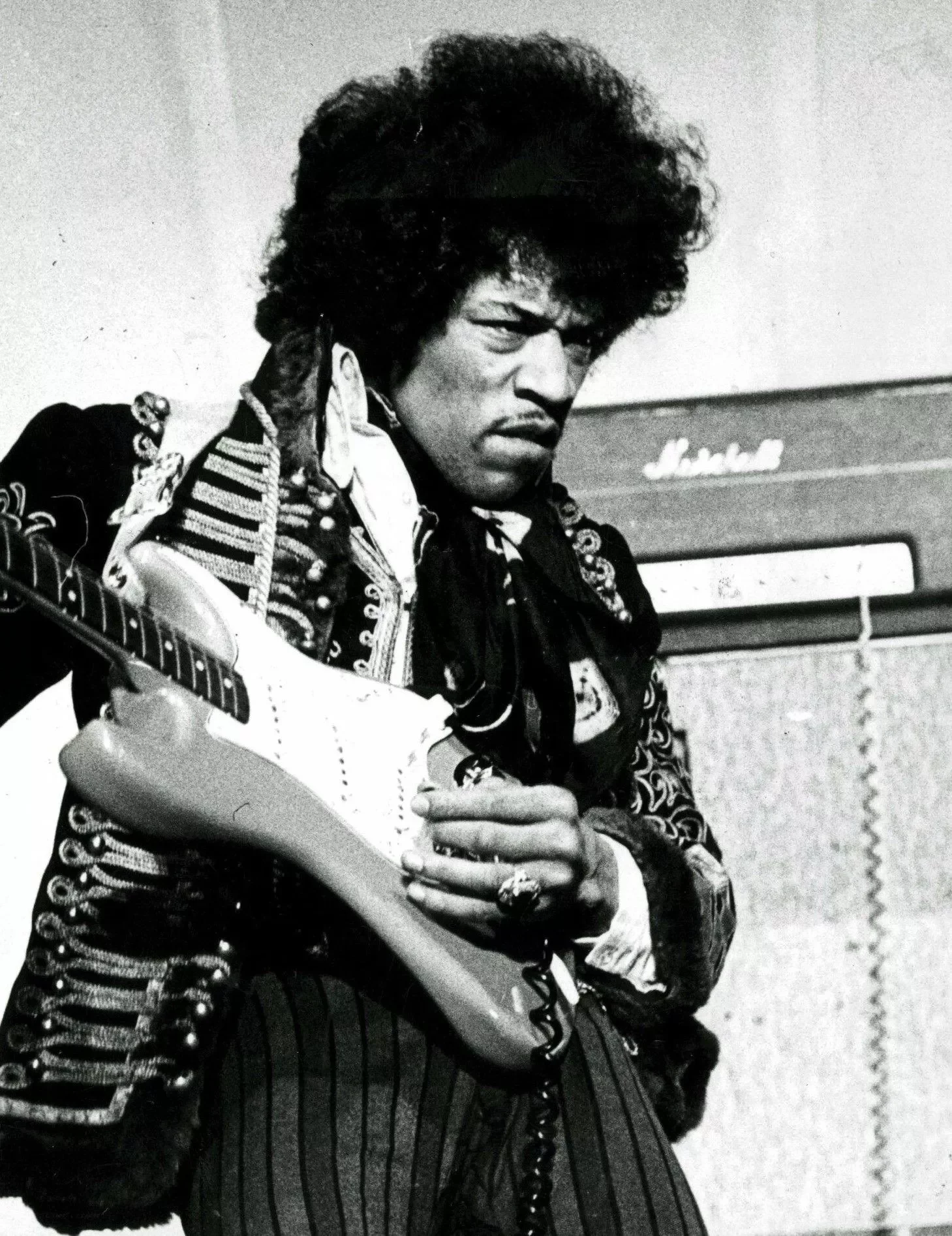
Jimi Hendrix
Born27 Nov, 1942
Died18 Sep, 1970
NationalityAmerican
Age at time of death27
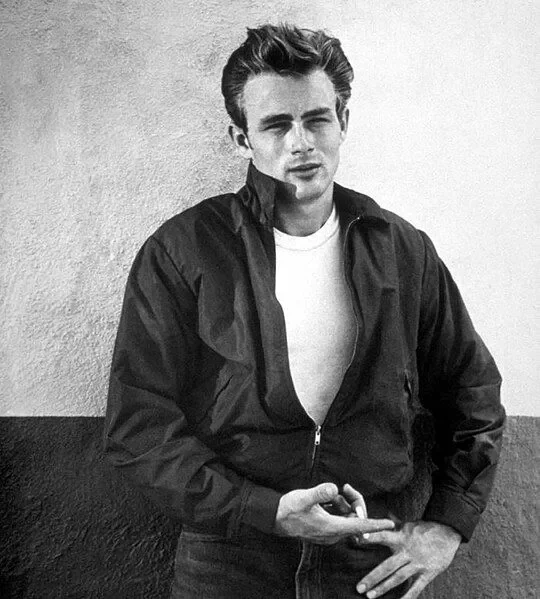
James Dean
Born08 Feb, 1931
Died30 Sep, 1955
NationalityAmerican
Age at time of death24
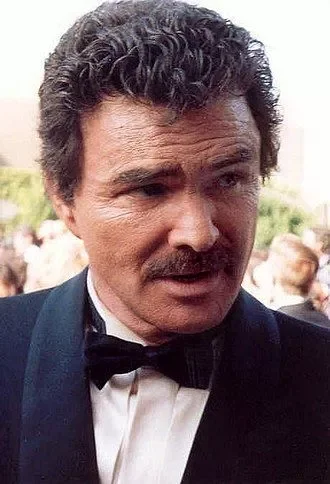
Burt Reynolds
Born11 Feb, 1936
Died06 Sep, 2018
NationalityAmerican
Age at time of death82
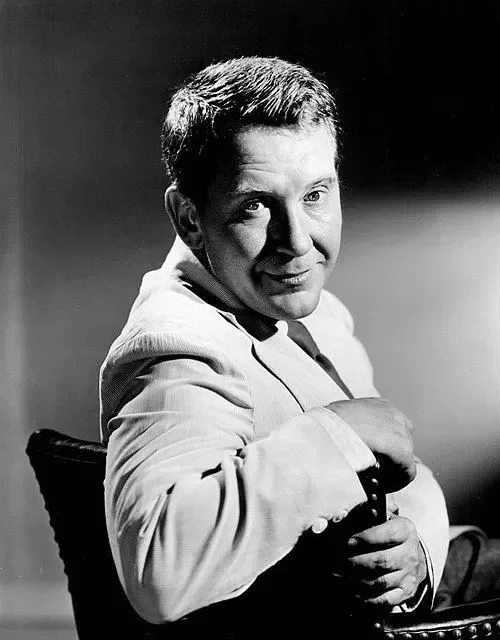
Oliver Burgess Meredith
Born16 Nov, 1907
Died09 Sep, 1997
NationalityAmerican
Age at time of death89
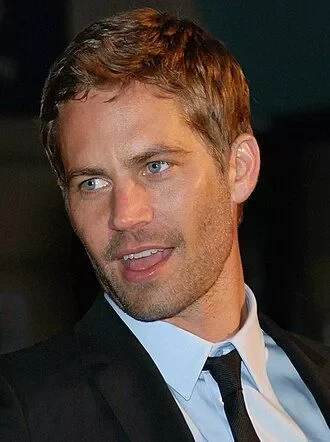
Paul Walker
Born12 Sep, 1973
Died30 Nov, 2013
NationalityAmerican
Age at time of death40
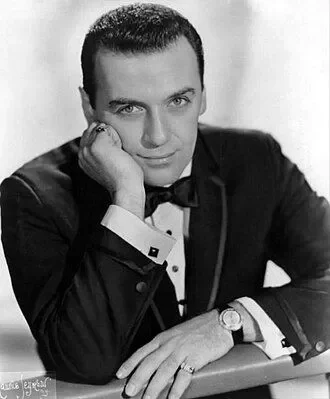
Norm Crosby
Born15 Sep, 1927
Died07 Nov, 2020
NationalityAustralian
Age at time of death93
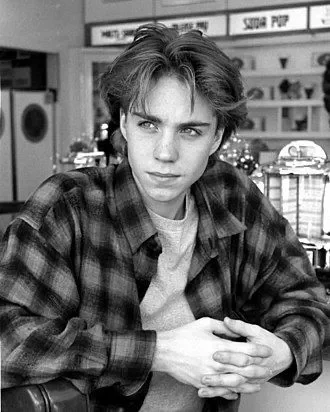
Jonathan Brandis
Born13 Apr, 1976
Died12 Nov, 2003
NationalityAmerican
Age at time of death27
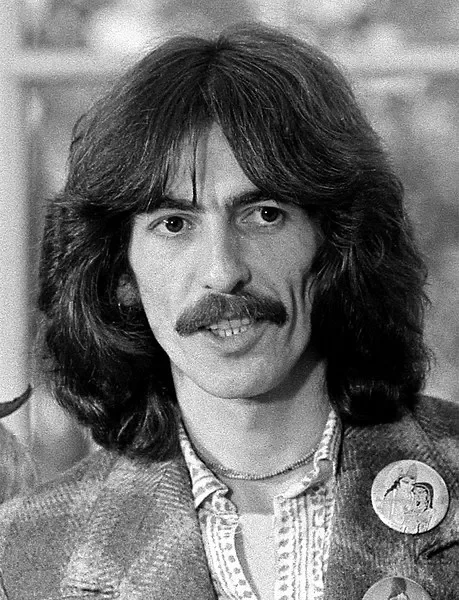
George Harrison
Born25 Feb, 1943
Died29 Nov, 2001
NationalityBritish
Age at time of death58
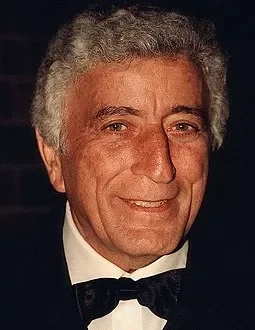
Tony Bennett
Born03 Aug, 1926
Died21 Jul, 2023
NationalityAmerican
Age at time of death96
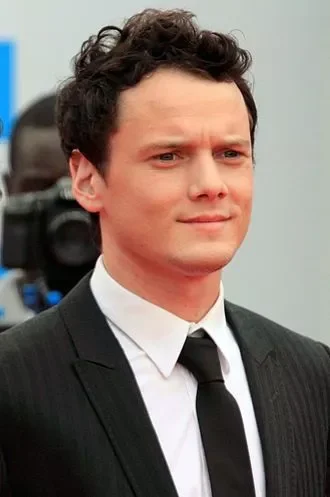
Anton Yelchin
Born11 Mar, 1989
Died19 Jun, 2016
NationalityAmerican
Age at time of death27

Chester Bennington
Born20 Mar, 1976
Died20 Jul, 2017
NationalityAmerican
Age at time of death41
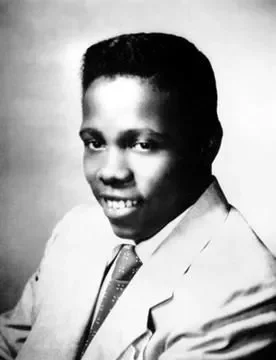
Johnny Ace
Born09 Jun, 1929
Died25 Dec, 1954
NationalityAmerican
Age at time of death25
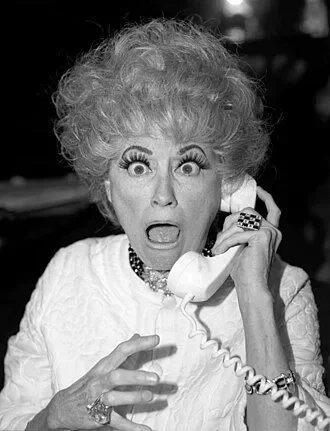
Phyllis Diller
Born17 Jul, 1917
Died20 Aug, 2012
NationalityAmerican
Age at time of death95
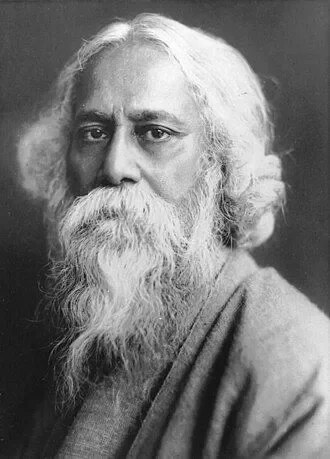
Rabindranath Tagore
Born07 May, 1861
Died08 Aug, 1941
NationalityIndian
Age at time of death80
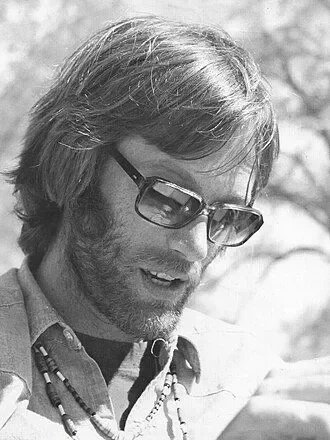
Peter Fonda
Born23 Feb, 1940
Died16 Aug, 2019
NationalityAmerican
Age at time of death79
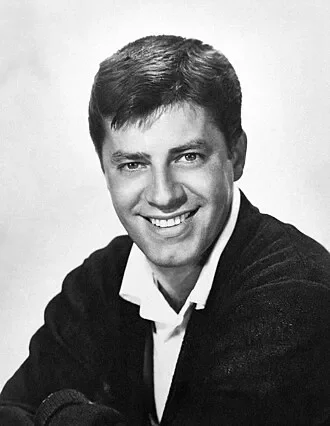
Jerry Lewis
Born16 Mar, 1926
Died20 Aug, 2017
NationalityAmerican
Age at time of death91
Marlon Brando
Born03 Apr, 1924
Died01 Jul, 2004
NationalityAmerican
Age at time of death80
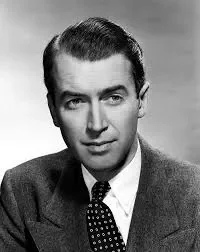
James Stewart
Born20 May, 1908
Died02 Jul, 1997
NationalityAmerican
Age at time of death89
Guy de Maupassant
Born05 Aug, 1850
Died06 Jul, 1893
NationalityFrench
Age at time of death42
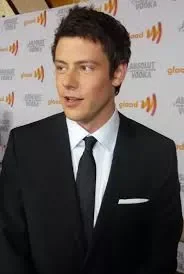
Cory Monteith
Born11 May, 1982
Died13 Jul, 2013
NationalityCanadian
Age at time of death31