Real Celebrities Never Die!
OR
Search For Past Celebrities Whose Birthday You Share
Died Age: 80
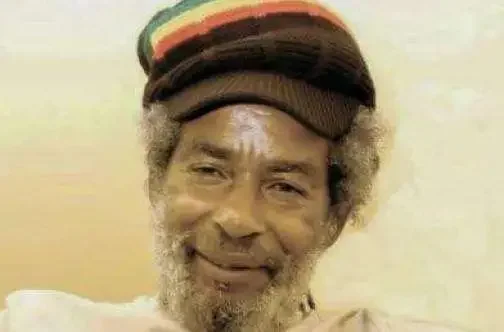
jamaicaobserver.com
Max Romeo
Birthday:
22 Nov, 1944
Date of Death:
11 Apr, 2025
Cause of death:
Heart complications
Nationality:
Jamaican
Famous As:
Jamaican reggae
Age at the time of death:
80
Maxwell Livingston Smith's Quote's

“Reggae music is not just entertainment; it’s a message of truth and rights.”
Maxwell Livingston Smith
🔗 deadcelebrityhub.com
Early Life: A Runaway with a Dream
Max Romeo’s voice rang out like thunder across Jamaica’s hills and into the hearts of global listeners. Provocative, poetic, and spiritually charged, he stood at the crossroads of rebellion and reflection. From cheeky beginnings to prophetic masterpieces, Romeo was more than a singer—he was a chronicler of struggle, a vessel of Rastafari, and a relentless truth-teller whose music left an indelible mark on reggae history.
Born Maxwell Livingston Smith in the Jamaican countryside, Max Romeo’s early life was one of hardship and self-discovery. Growing up in a humble, rural community, he was drawn to music from an early age. At just 14, he ran away from home and made his way to Kingston, where he began working in a record shop. The bustling streets and vibrant sound systems of the capital became his classroom, and soon, his voice—gritty yet melodic—caught the attention of local musicians.
After winning a talent contest as a teenager, Romeo found himself drawn deeper into the music scene. He joined a vocal trio and released his first regional hits, but it was clear he had a solo fire waiting to burn brighter.
Education Through Experience
Romeo didn’t follow a formal academic path; instead, his education came through lived experience—on the streets of Kingston, in smoky studios, and on stages across the island. He learned from elders in the reggae community and absorbed the political tides of post-colonial Jamaica. These lessons in survival, spirituality, and sound would become the bedrock of his lyrical voice.
Career Journey
Phase One: Provocative Start
Romeo shot to fame in the late 1960s with a bold, tongue-in-cheek track that raised eyebrows and dominated the UK charts. Its suggestive lyrics stirred controversy but also catapulted him into international recognition. Beneath the humor, however, lay a singer capable of much more than shock value.
Phase Two: Conscious Awakening
By the early 1970s, Romeo had transformed his music into a vessel of social commentary and Rastafari philosophy. One of his songs became the soundtrack to a major political campaign in Jamaica, signaling his growing role as a voice for the people. This period marked a turn toward spiritually rooted and politically charged music, driven by a deepening connection to the struggles of his homeland.
Phase Three: Roots Reggae Renaissance
Romeo’s collaboration with a visionary producer in the mid-1970s led to what many consider one of the finest reggae albums ever made. It was an era-defining work—both mystical and militant—with tracks that tackled oppression, poverty, and spiritual resilience. One particular song from this album, featuring a call to “chase the devil,” would go on to influence generations of artists across genres, sampled in everything from hip-hop to electronic music.
Phase Four: Broadway, Beyond, and Artistic Expansion
In the late '70s, Romeo moved abroad and brought his message to new audiences. He starred in a reggae-themed musical in New York and collaborated with major rock musicians on studio albums. Though these projects didn’t replicate his earlier commercial success, they revealed his range and curiosity as an artist—unafraid to blend cultures, styles, and voices.
Phase Five: Later Years and Legacy Building
Romeo eventually returned to Jamaica and continued to record, perform, and mentor. In his later years, he toured with his children—who inherited his musical talent—and released an album that reflected the wisdom of his life journey. Even in his seventies, his voice retained its conviction, and his performances—filled with reverence and fire—never lost their potency.
Personal Life: Soul of a Gentleman
Away from the spotlight, Max Romeo was soft-spoken, generous, and deeply spiritual. He balanced his activist persona with warmth and humility, often preferring quiet moments with family and friends. He was a devoted father, and his collaborations with his children in his final years added a touching generational thread to his story.
Legacy: Prophet, Poet, Pioneer
Max Romeo didn’t just ride the wave of reggae—he helped carve its deepest channels. His early provocations sparked attention, but it was his mature work—rooted in conscience, resistance, and Rastafari—that defined his legacy. He gave voice to the voiceless, questioned authority, and reminded the world that music could be both beautiful and brave.
Today, his songs remain anthems of truth. Artists across the globe continue to draw from his catalog, echoing his rhythms and revering his message. But Max Romeo was never just a singer—he was a witness to injustice, a preacher of spiritual strength, and a craftsman of sonic revolution.
Max Romeo sang not for fame, but for freedom. His voice—fierce, wise, unforgettable—will echo wherever people fight for dignity and dream of liberation.
Profile Snapshot
Name:
Maxwell Livingston Smith
Popular Name:
Max Romeo
Gender:
Male
Cause of Death:
Heart complications
Spouse:
Unknown
Place of Birth:
Saint Ann Parish, Jamaica
Place of Death:
Saint Andrew Parish, Jamaica
Occupation / Profession:
Jamaican reggae
Musician
Personality Type
Mediator Poetic, kind and altruistic people, always eager to help a good cause. Max Romeo is a poetic, deeply reflective, and idealistic soul who uses his music as a heartfelt expression of justice, spirituality, and personal truth.
Maxwell Livingston Smith's Interesting Facts
Before his solo career, he started out singing with local vocal groups in Jamaica during the 1960s.
His 1971 album War Ina Babylon is considered a classic and features collaborations with the famous group The Upsetters.
Max Romeo is a legendary Jamaican reggae singer known for his politically charged and socially conscious lyrics.
Max Romeo’s song “Chase the Devil” has been widely sampled in hip-hop and electronic music over the years.
Achievements & Awards
His achievements are more about lasting influence and respect in the music community than just trophies
Max Romeo, the legendary reggae artist, has earned recognition for his influential role in the reggae music scene, especially during the 1970s.
While he may not have a long list of formal awards, his impact and classic hits like "Chase the Devil" have cemented his status as a reggae icon.
External Links
Additional Links
Latest Profiles
People also viewed
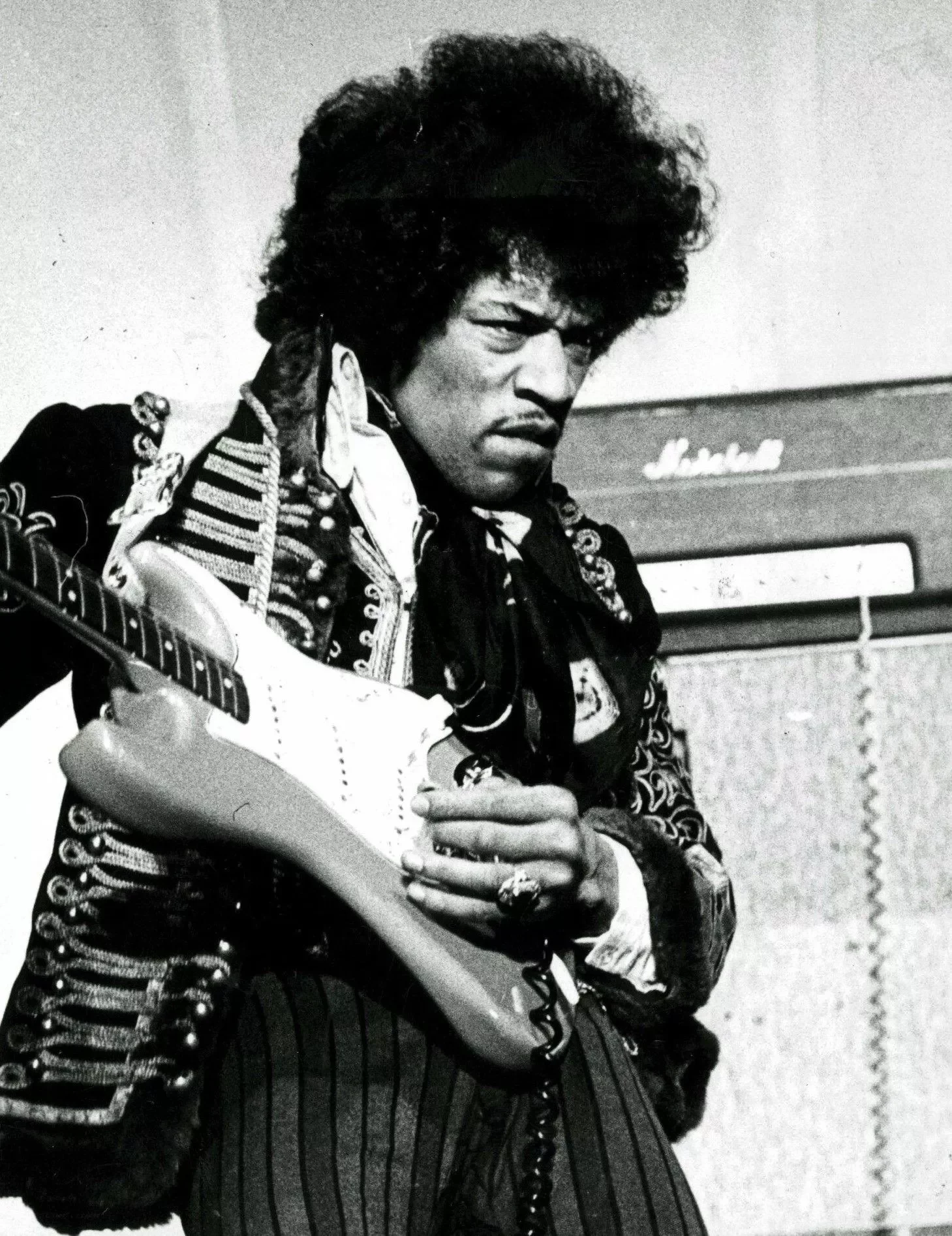
Jimi Hendrix
Born27 Nov, 1942
Died18 Sep, 1970
NationalityAmerican
Age at time of death27
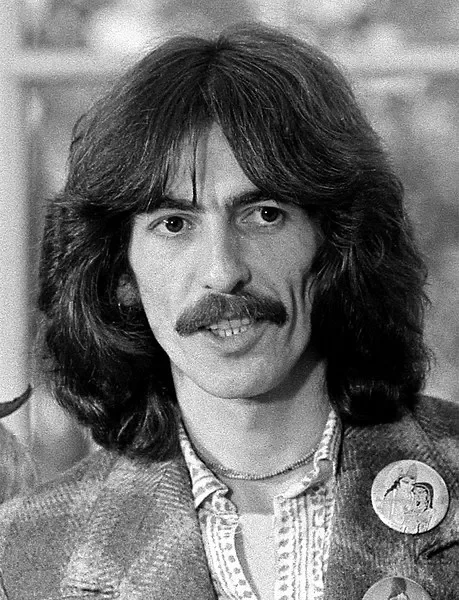
George Harrison
Born25 Feb, 1943
Died29 Nov, 2001
NationalityBritish
Age at time of death58
Johnny Ace
Born09 Jun, 1929
Died25 Dec, 1954
NationalityAmerican
Age at time of death25
Phyllis Diller
Born17 Jul, 1917
Died20 Aug, 2012
NationalityAmerican
Age at time of death95

Cory Monteith
Born11 May, 1982
Died13 Jul, 2013
NationalityCanadian
Age at time of death31
Adam Yauch
Born05 Aug, 1964
Died04 May, 2012
NationalityAmerican
Age at time of death47
Waylon Jennings
Born15 Jun, 1937
Died13 Feb, 2002
NationalityAmerican
Age at time of death64
Chuck Berry
Born18 Oct, 1926
Died18 Mar, 2017
NationalityAmerican
Age at time of death90
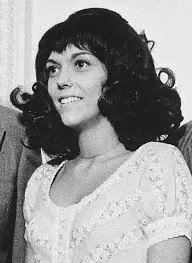
Karen Carpenter
Born02 Mar, 1950
Died04 Feb, 1983
NationalityAmerican
Age at time of death32
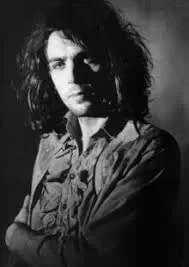
Syd Barrett
Born06 Jan, 1946
Died07 Jul, 2006
NationalityEnglish
Age at time of death60
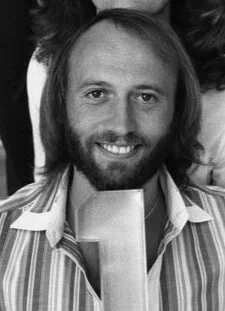
Maurice Gibb
Born22 Dec, 1949
Died12 Jan, 2003
NationalityBritish
Age at time of death53
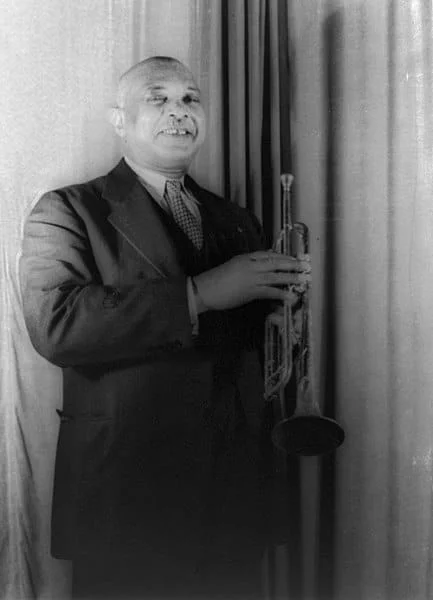
W.C. Handy
Born16 Nov, 1873
Died28 Mar, 1958
NationalityAmerican
Age at time of death84
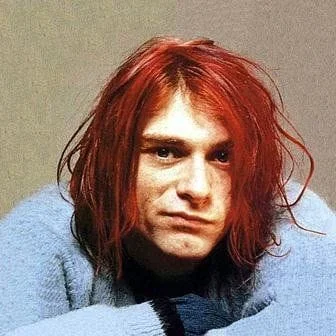
Kurt Cobain
Born20 Feb, 1967
Died05 Apr, 1994
NationalityAmerican
Age at time of death27
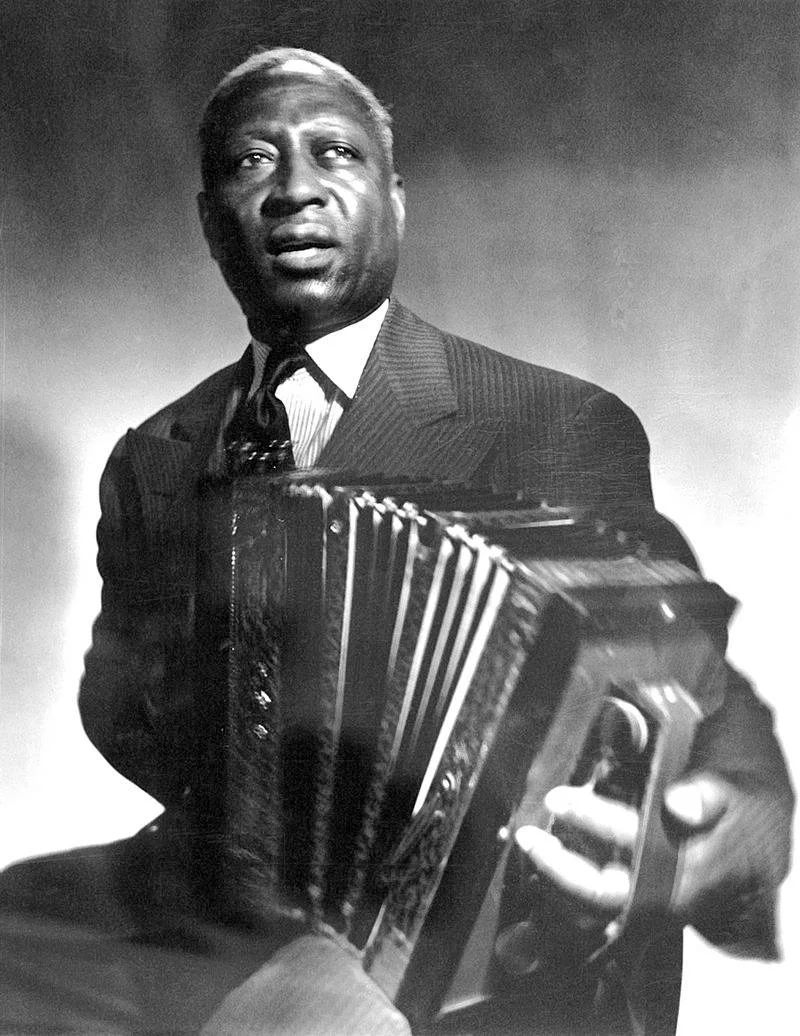
Lead Belly
Born20 Jan, 1888
Died06 Dec, 1949
NationalityAmerican
Age at time of death61
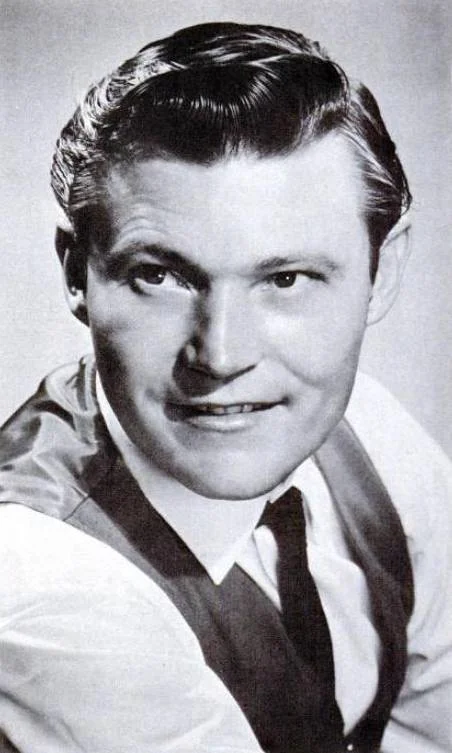
Stonewall Jackson
Born06 Nov, 1932
Died04 Dec, 2021
NationalityAmerican
Age at time of death89
Johnny Otis
Born28 Dec, 1921
Died17 Jan, 2012
NationalityAmerican
Age at time of death90
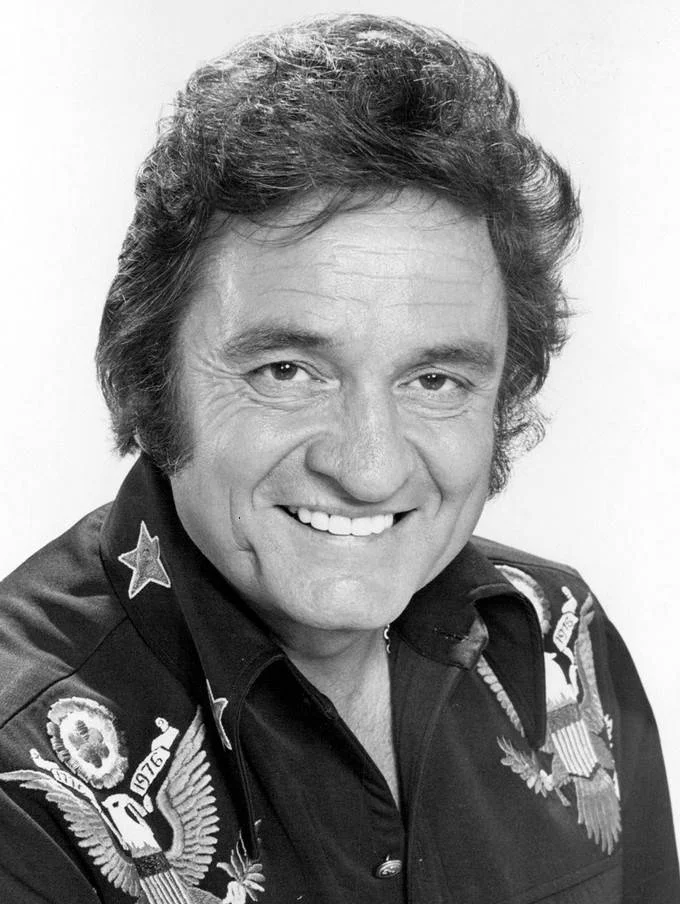
Johnny Cash
Born26 Feb, 1932
Died12 Sep, 2003
NationalityAmerican
Age at time of death71
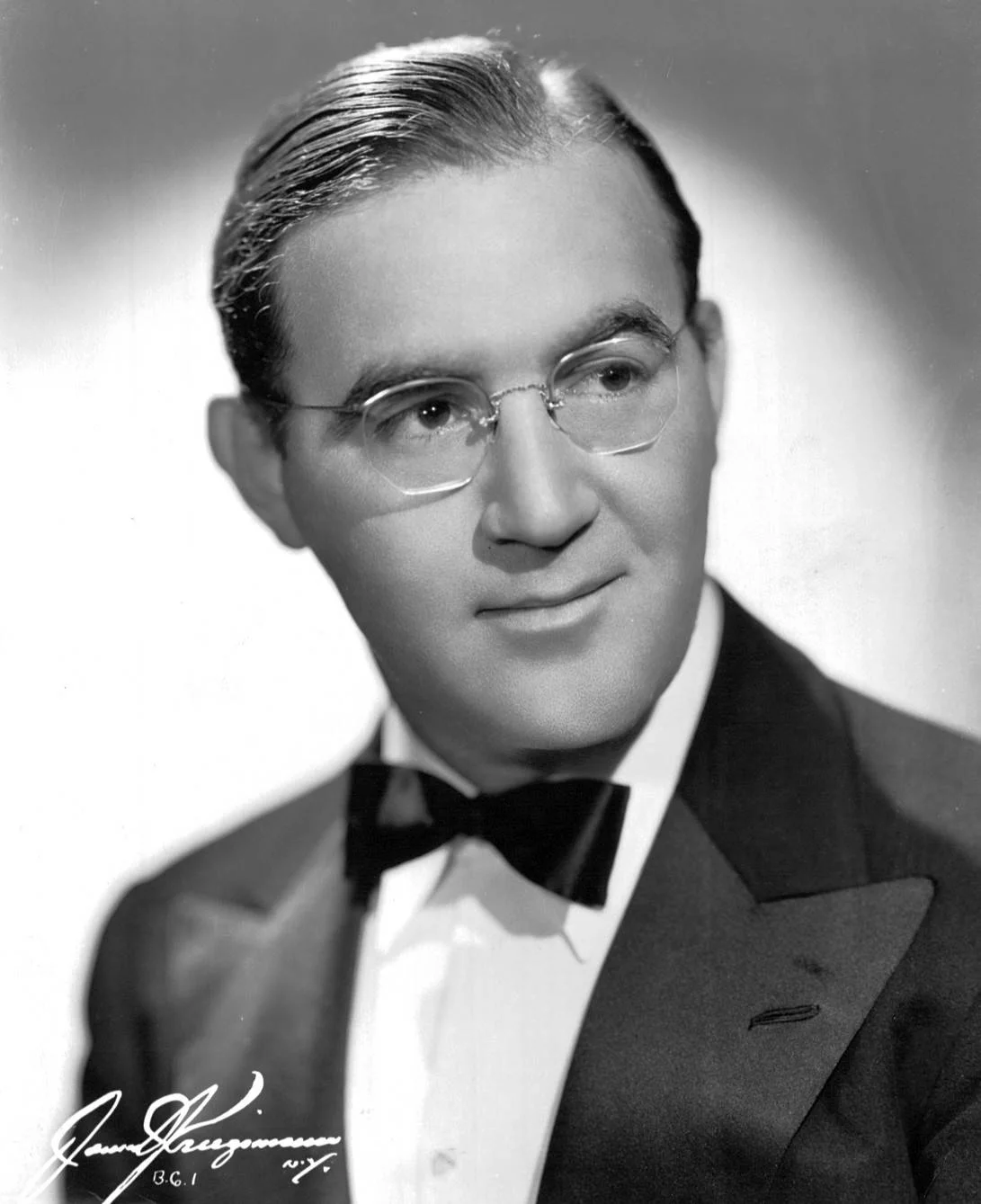
Benny Goodman
Born30 May, 1909
Died13 Jun, 1986
NationalityAmerican
Age at time of death77
Roger Miller
Born02 Jan, 1936
Died25 Oct, 1992
NationalityAmerican
Age at time of death56
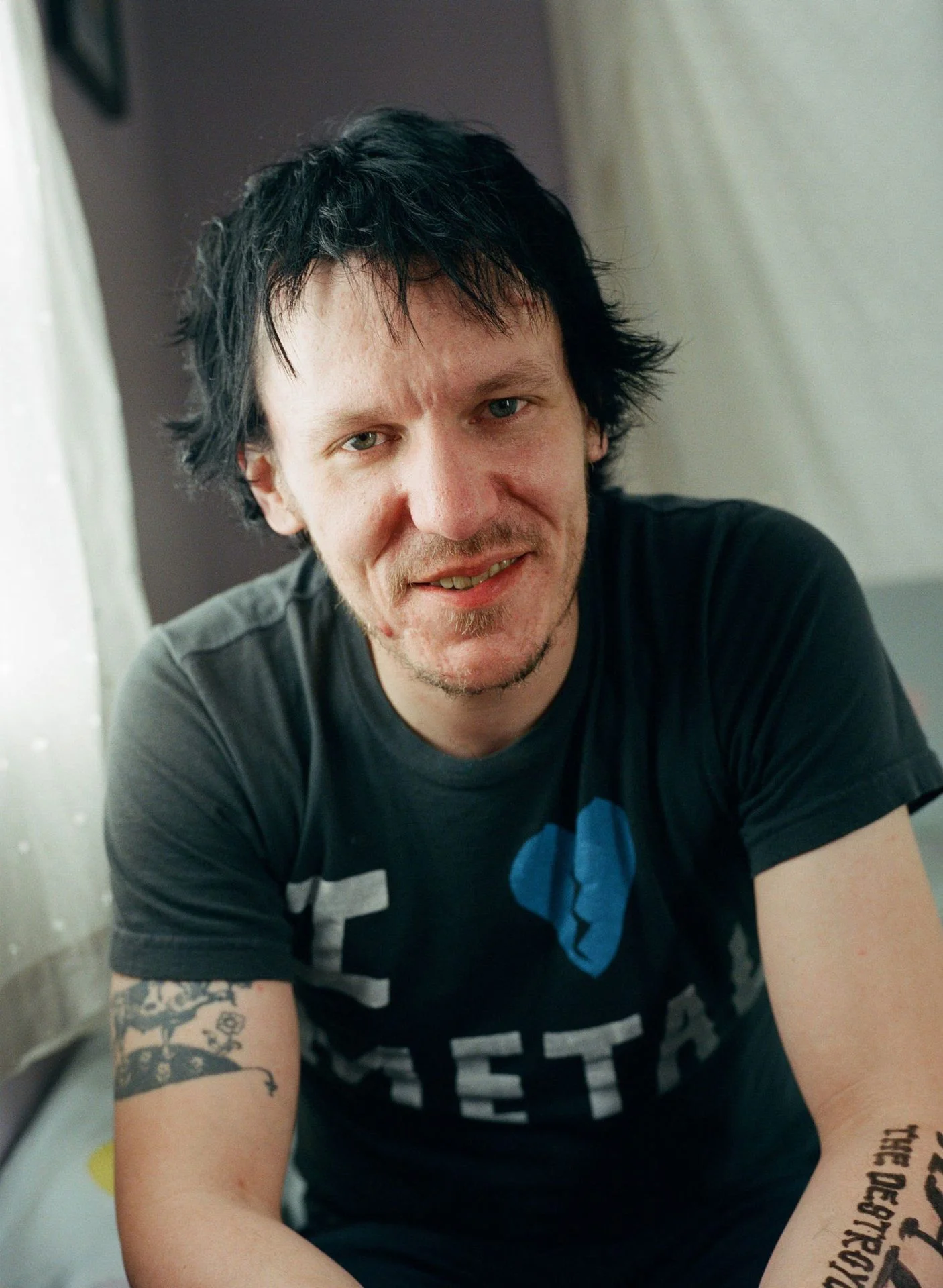
Elliot Smith
Born06 Aug, 1969
Died21 Oct, 2003
NationalityAmerican
Age at time of death34