Real Celebrities Never Die!
OR
Search For Past Celebrities Whose Birthday You Share
Died Age: 27
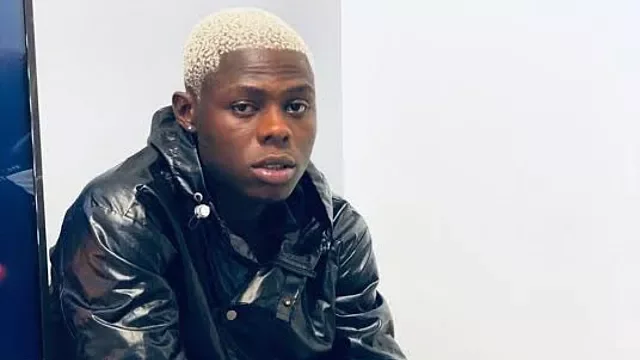
www.africanews.com
MohBad
Birthday:
02 Jan, 1996
Date of Death:
11 Sep, 2023
Cause of death:
Illness
Nationality:
Nigerian
Famous As:
Nigerian rapper
Age at the time of death:
27
Ilerioluwa Oladimeji Aloba 's Quote's

“A light that shines cannot hide itself.”
Ilerioluwa Oladimeji Aloba
🔗 deadcelebrityhub.com
Early Life: Roots in the Rough
MohBad was more than a musician—he was a movement. With a voice laced in grit and vulnerability, and lyrics that mirrored the harsh realities of his generation, he became the soundtrack of resilience for Nigeria’s youth. In a music industry dominated by gloss, MohBad brought rawness. He didn’t just sing to be heard—he sang to survive, and in doing so, became a voice for those who felt invisible.
Born Ilerioluwa Oladimeji Aloba on June 8, 1996, in Ketu, Lagos State, MohBad was raised in the densely populated streets of Ikorodu, where hardship and hustle went hand-in-hand. He grew up in a modest household that valued integrity and community but struggled against the odds. His early life was marked by economic scarcity, yet rich in the oral storytelling traditions that would later seep into his music.
Nicknamed “Imole” (meaning “Light” in Yoruba), young Ilerioluwa was introspective, often retreating into notebooks where he scribbled rhymes inspired by the chaos and colors of Lagos life. His voice—husky, honest, and cracked with emotion—was already his weapon before he knew how to wield it.
Fun fact: As a child, MohBad would freestyle with neighborhood friends using beats banged out on school desks, often winning local “rap battles” before he ever entered a studio.
Education: A Short-Lived Detour
MohBad attended local schools in Lagos and showed early academic promise, especially in English and Literature. But the pull of the streets, the weight of poverty, and the lure of music proved stronger than the traditional path. He eventually dropped out of school to pursue music full-time—much to the dismay of some family members who feared the risk.
In retrospect, the classroom could never contain a mind as restless as his. Music was his syllabus, the studio his sanctuary.
Career Journey: Rise, Resistance, and Reverberation
Phase 1: Street Cred and Breakthrough
MohBad’s early music drew from the street-hop tradition, blending Yoruba with Nigerian Pidgin, and layering gritty storytelling over aggressive beats. He gained underground fame with tracks like “Real Hustlers” and “Oja,” which resonated with a young, hustling demographic. But his major breakthrough came when he was signed to Marlian Records, the controversial label owned by Nigerian artist Naira Marley, in 2019.
With Marlian Records, MohBad released a string of hits, most notably “KPK (Ko Por Ke)” with Rexxie—an anthem that exploded across Nigeria and the diaspora in 2020. The song was more than a hit; it was a declaration of street empowerment, of not just surviving but thriving.
Phase 2: Strained Ties and Standing Alone
Success came, but so did shadows. Tensions began to rise between MohBad and Marlian Records. In 2022, he publicly accused the label of manipulation, threats, and suppression. He alleged physical assault and interference with his career—claims that made headlines and stirred public concern.
Despite the risks, MohBad chose independence. He left the label, determined to own his voice and truth. His 2022 EP “Blessed” was his artistic rebirth: more melodic, more introspective, and tinged with melancholy. Tracks like “Peace” and “Feel Good” reflected a man navigating trauma, fame, and freedom.
Trivia: Even after leaving Marlian Records, MohBad often recorded music in one-take sessions, valuing emotional spontaneity over polish. He once said, “If I cry in the booth, leave it in.”
Phase 3: A Legacy Interrupted
On September 12, 2023, the world was stunned by news of MohBad’s death at just 27 years old. Details surrounding his passing were murky, sparking outrage and speculation across Nigeria. His fans, self-titled the #JusticeForMohBad movement, launched peaceful protests and demanded a thorough investigation, citing his previous public distress and industry struggles.
In a tragic twist, his death only amplified his message: that artists, especially street-rooted ones, deserve protection, autonomy, and care.
Personal Life: Gentle Soul, Fierce Spirit
Behind the microphone, MohBad was surprisingly soft-spoken and reflective. He was deeply spiritual, often referencing God and fate in his interviews. A devoted father, he had a young son who became the center of his universe. Friends described him as thoughtful, loyal, and humorous—a man who never forgot where he came from.
He loved football, Fuji music, and long walks at night through Lagos, where he said he got most of his inspiration. He also kept a journal of lyrics and prayers—a private glimpse into a mind constantly negotiating light and darkness.
Legacy: Light in the Face of Shadows
MohBad’s story is one of painful brilliance. He didn’t just entertain; he exposed the underbelly of an industry, the fractures in fame, and the resilience of Lagos street culture. His music—marked by themes of betrayal, ambition, and survival—now echoes louder in his absence.
His sudden death galvanized a nation. Artists, fans, and activists rallied not only to honor him, but to advocate for the mental health and safety of creatives in Nigeria. Candlelight vigils were held across multiple states, his lyrics printed on placards like scripture.
Imole, the name he so often called himself, became a symbol not just of light, but of truth—uncomfortable, unfiltered, unforgettable.
As one fan wrote on a mural in Lagos: “You gave us truth when it was risky. You were light, and you still are.
Profile Snapshot
Name:
Ilerioluwa Oladimeji Aloba
Popular Name:
MohBad
Gender:
Male
Cause of Death:
Illness
Spouse:
Omawunmi Aloba
Place of Birth:
Ikorodu, Nigeria
Place of Death:
Nigeria
Occupation / Profession:
Nigerian rapper
Singer
Songwriter
Personality Type
Entertainer: Spontaneous, energetic and enthusiastic people – life is never boring around them. MohBad was an energetic and heartfelt performer who connected deeply with audiences, thrived on spontaneity, and brought vibrant street energy and emotional authenticity to his music.
Ilerioluwa Oladimeji Aloba 's Interesting Facts
MohBad, born Ilerioluwa Oladimeji Aloba, was a Nigerian street-pop singer and rapper known for blending Afrobeats with street-hop and trap influences.
He rose to fame under Naira Marley's Marlian Music label, where he released hits like “KPK (Ko Por Ke)” with Rexxie.
MohBad's music often addressed street life and personal struggles, earning him a cult following among Nigerian youth.
His unexpected death in September 2023 sparked nationwide protests and investigations, highlighting issues in the Nigerian music industry.
Achievements & Awards
MohBad received several notable awards during his career. In 2021, he won Producer of the Year and Mixing & Mastering Engineer of the Year for his songs "KPK" and "Feel Good."
After his passing, he was honored at the 2025 Headies Awards with Best Street-Hop Artiste for "Ask About Me" and the Viewers’ Choice award for "Egwu" with Chike.
External Links
Latest Profiles
People also viewed
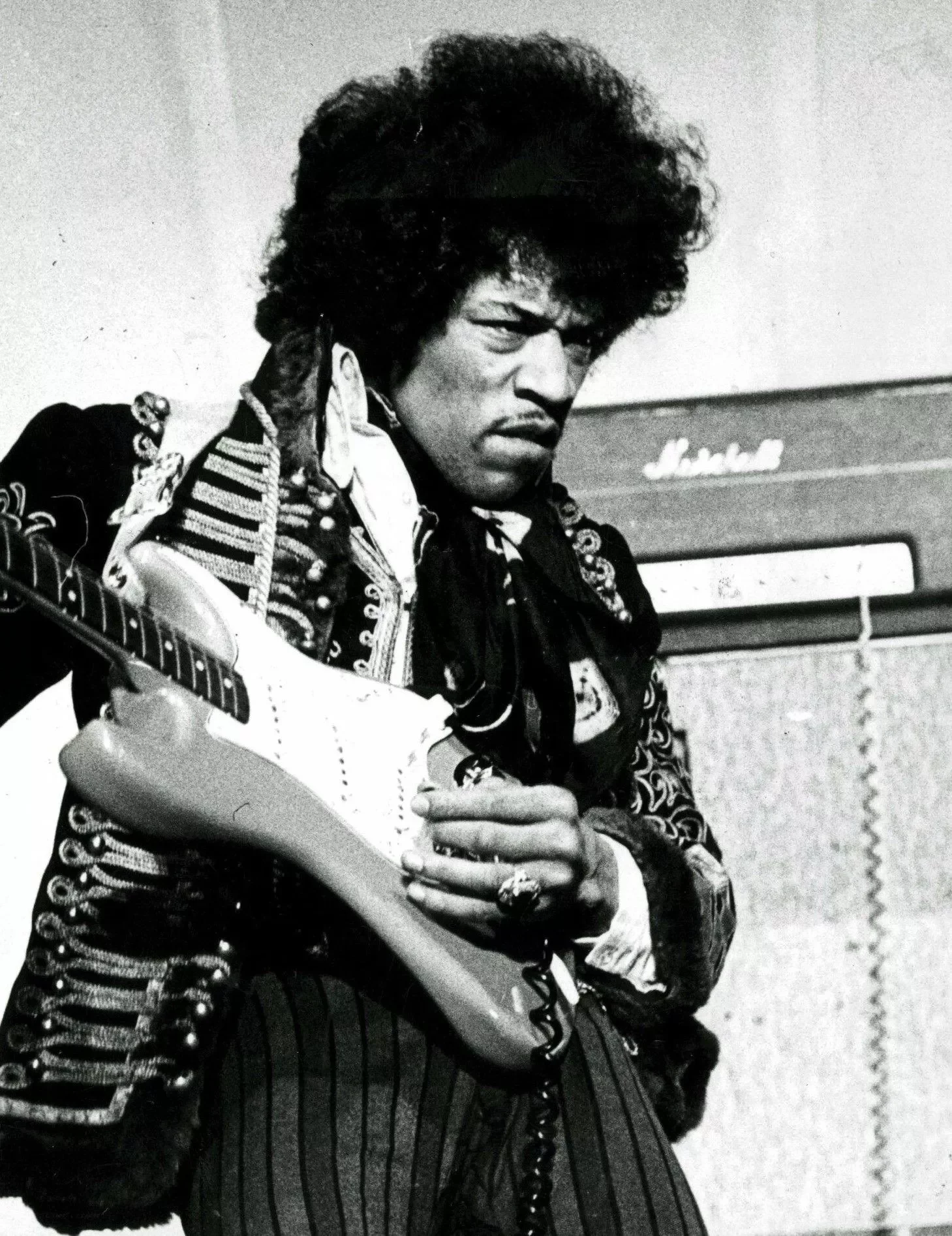
Jimi Hendrix
Born27 Nov, 1942
Died18 Sep, 1970
NationalityAmerican
Age at time of death27
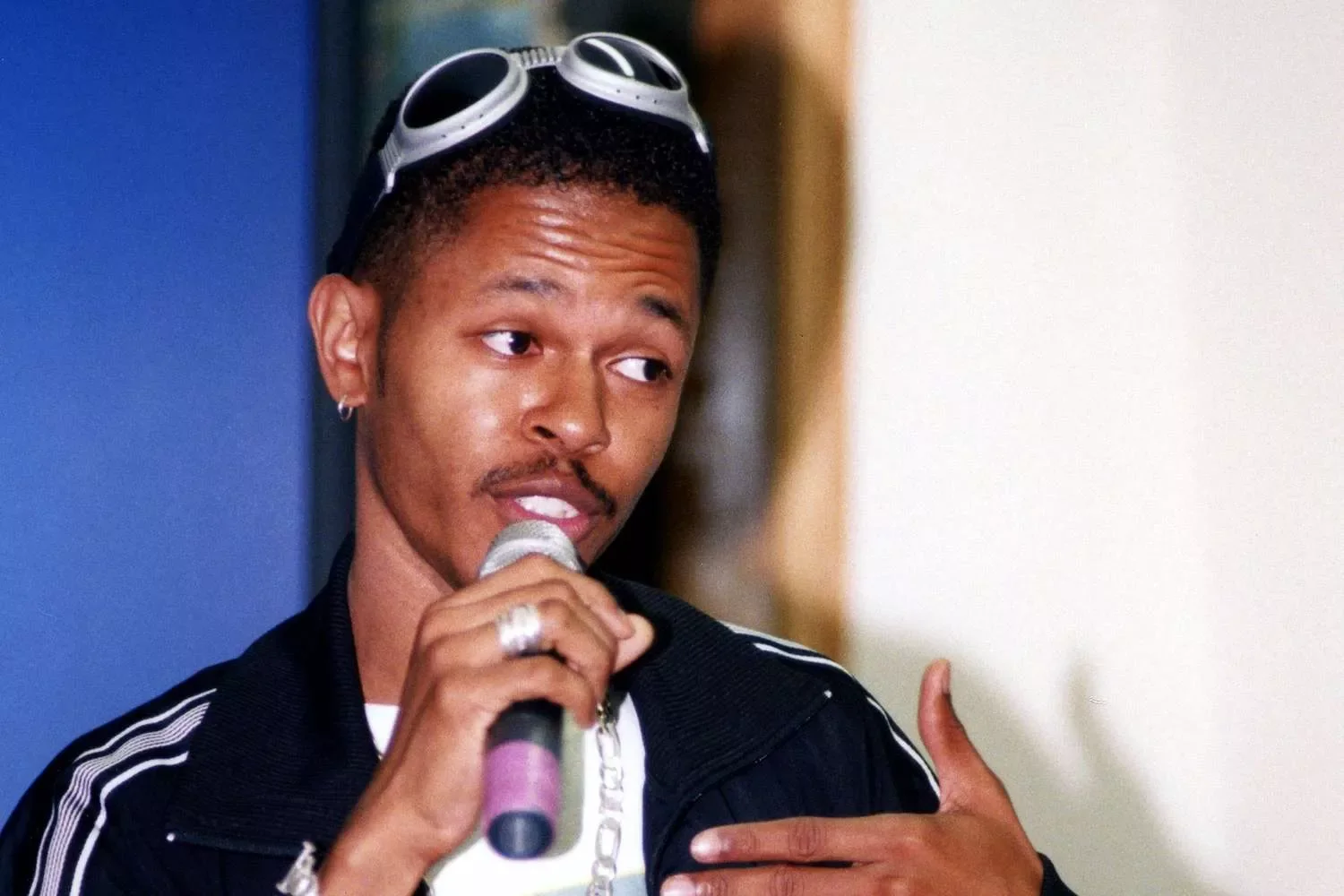
Jesse Powell
Born12 Sep, 1971
Died13 Sep, 2022
NationalityAmerican
Age at time of death51
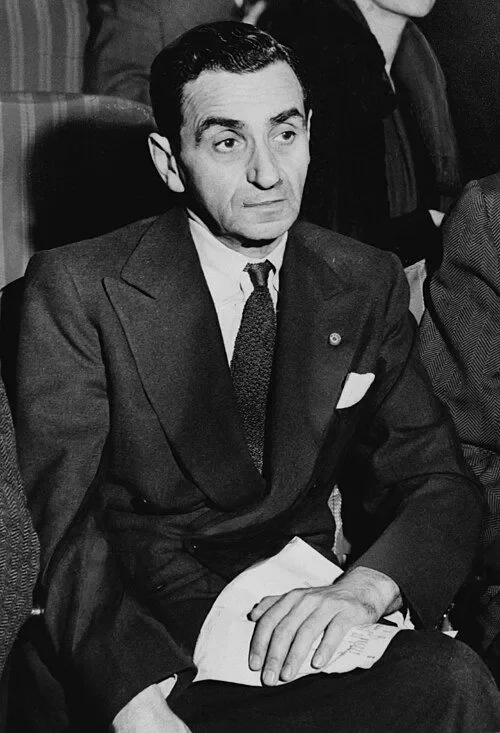
Irving Berlin
Born11 May, 1888
Died22 Sep, 1989
NationalityAmerican
Age at time of death101
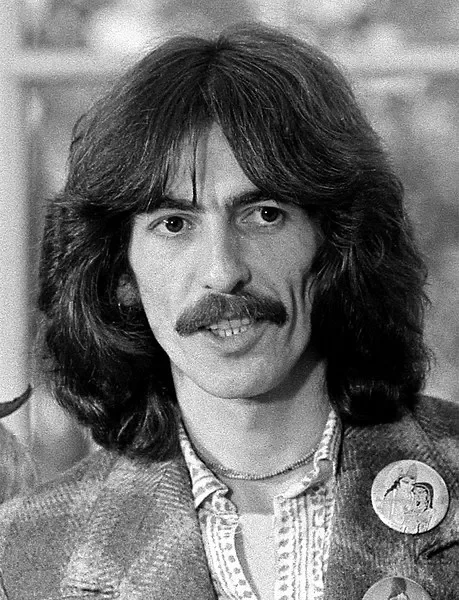
George Harrison
Born25 Feb, 1943
Died29 Nov, 2001
NationalityBritish
Age at time of death58
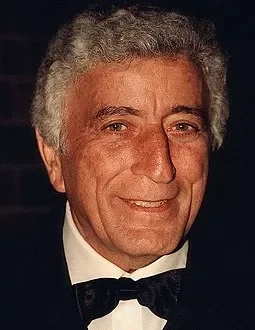
Tony Bennett
Born03 Aug, 1926
Died21 Jul, 2023
NationalityAmerican
Age at time of death96
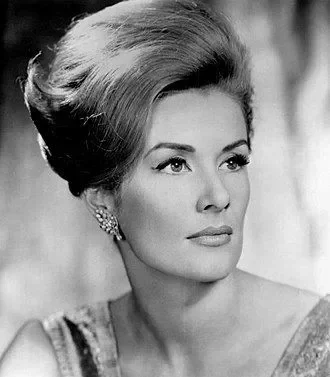
Sally Ann Howes
Born20 Jul, 1930
Died19 Dec, 2021
NationalityBritish, American
Age at time of death91
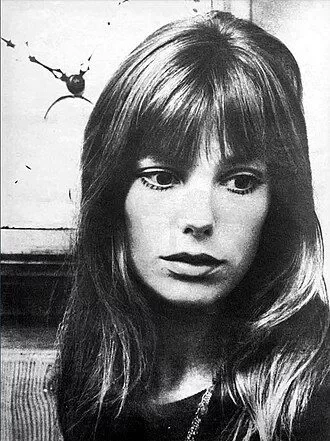
Jane Birkin
Born14 Dec, 1946
Died16 Jul, 2023
NationalityBritish, French
Age at time of death76
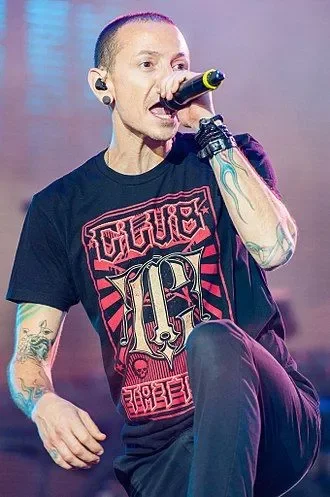
Chester Bennington
Born20 Mar, 1976
Died20 Jul, 2017
NationalityAmerican
Age at time of death41
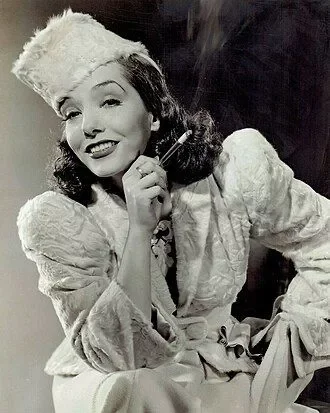
Lupe Vélez
Born18 Jul, 1908
Died14 Dec, 1944
NationalityMexican
Age at time of death36
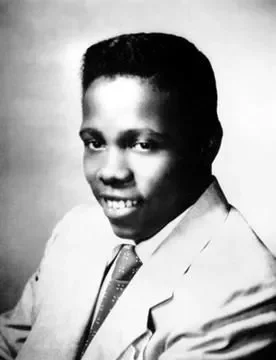
Johnny Ace
Born09 Jun, 1929
Died25 Dec, 1954
NationalityAmerican
Age at time of death25
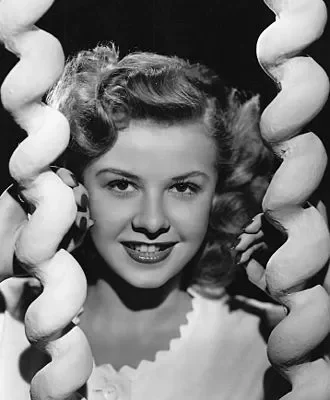
Vera-Ellen
Born16 Feb, 1921
Died30 Aug, 1981
NationalityAmerican German
Age at time of death60
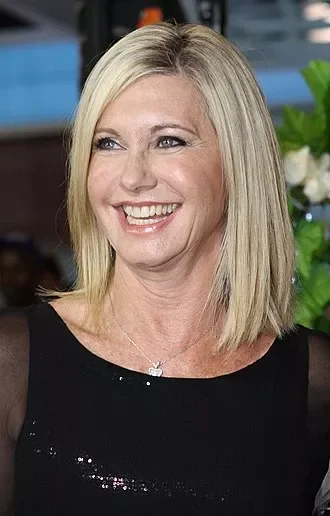
Olivia Newton-John
Born26 Sep, 1948
Died08 Aug, 2022
NationalityBritish, Australian
Age at time of death73
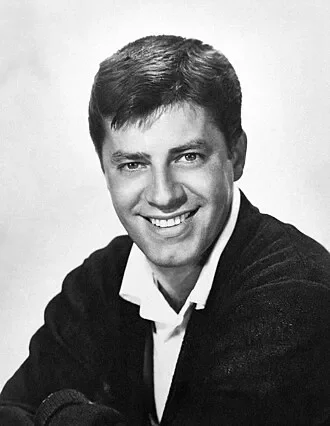
Jerry Lewis
Born16 Mar, 1926
Died20 Aug, 2017
NationalityAmerican
Age at time of death91
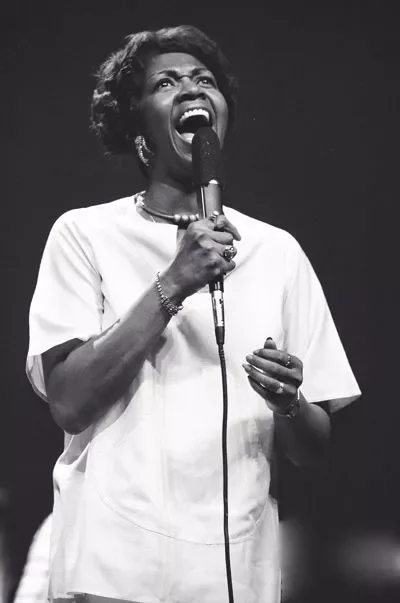
Cissy Houston
Born30 Sep, 1933
Died07 Oct, 2024
NationalityAmerican
Age at time of death91
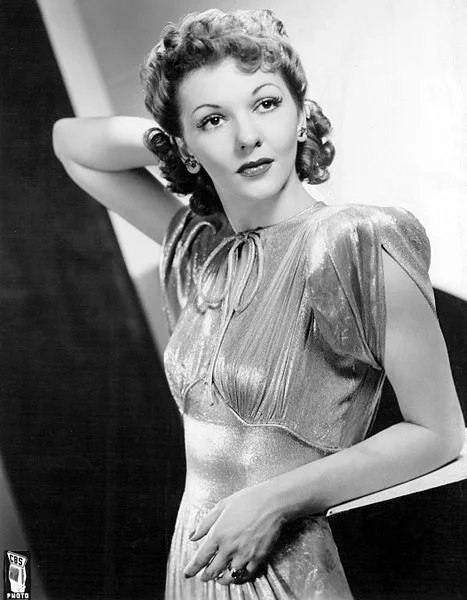
Mary Martin
Born01 Dec, 1913
Died03 Nov, 1990
NationalityAmerican
Age at time of death76
Jim Morrison
Born08 Dec, 1943
Died03 Jul, 1971
NationalityAmerican
Age at time of death27
Christopher Lee
Born27 May, 1922
Died07 Jun, 2015
NationalityBritish
Age at time of death93
Biz Markie
Born08 Apr, 1964
Died16 Jul, 2021
NationalityAmerican
Age at time of death57
Billie Holiday
Born07 Apr, 1915
Died17 Jul, 1959
NationalityAmerican
Age at time of death44
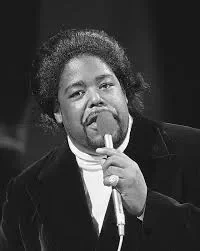
Barry White
Born12 Sep, 1944
Died04 Jul, 2003
NationalityAmerican
Age at time of death58