Real Celebrities Never Die!
OR
Search For Past Celebrities Whose Birthday You Share
Died Age: 92

albawaba.com
Najah Salam
Birthday:
13 Mar, 1931
Date of Death:
28 Sep, 2023
Cause of death:
Undisclosed
Nationality:
Lebanese
Famous As:
Film actress
Age at the time of death:
92
Najah Salam's Quote's

“Ana al-nīl muqbarat lil-ghāzī (“I Am the Nile, a Cemetery for Invaders”)”
Najah Salam
🔗 deadcelebrityhub.com
Early Life: From Beirut Roots to Cairo’s Call
Najah Salam’s voice was more than melody—it was the heartbeat of a nation and the anthem of Arab solidarity. Spanning more than two decades at the height of her craft, she blended artistry with activism, carrying songs of resistance, love, and unity across the Arab world. As both singer and actress, she became a symbol of pride and a voice for identity, her legacy echoing in every corner of Middle Eastern culture.
Born in Beirut in 1931 to a renowned composer and oud player, Najah grew up steeped in music from the moment she could sing. Her father’s home felt like an artistic salon, filled with poets, musicians, and composers—an environment that nurtured her gift. In her teens, she traveled with him to Cairo, where she met musical icons and honed her voice. Before long, she was recording her first songs—fully immersing in the world of tradition, politics, and performance.
Education: Learning Art from Masters
Najah didn’t follow a traditional academic path. Instead, her education was shaped by mentorships and collaborations with the greatest composers of her era—Farid al-Atrash, Riad al-Sunbati, Kamal Al-Tawil, and more. They taught her technique, emotion, and the power of cultural expression. Technical mastery and cultural depth combined in her palette, forging a voice that could carry poetry, lament, and revolution.
Career Journey
Phase One: Early Stardom and Patriotic Awakening
By the late 1940s she was recording in Cairo and appearing at major theatres. But it was during the Suez Crisis of 1956 that her voice turned into a weapon of resistance. Songs like “O Most Precious Name in Existence, O Egypt” and “I Am the Nile, a Cemetery for Invaders” resonated across countries and languages, inspiring solidarity at a pivotal moment in Arab history. Her impassioned performances led to her being granted honorary Egyptian citizenship—the first Lebanese singer to achieve such recognition.
Phase Two: Film, Fame, and a Voice That Spelled Influence
In the 1950s and early ’60s, Najah became a film star, appearing in more than a dozen Arabic-language films across Egypt and Lebanon. She starred alongside the biggest comedic and dramatic talents of her era—her voice and screen presence opening new dimensions of celebrity for women in Arab entertainment. Songs from these films—like “I Want Your Answers” and “Barhoum Hakini”—became timeless hits.
Phase Three: Melody, Message, and Pan Arab Identity
Her artistry grew bolder—she recorded songs celebrating Lebanon, Syria, and Arab unity, addressing colonial wars and social change. She performed across the Arab diaspora—in Baghdad, Damascus, Tunis—becoming known as “the Egyptian lover,” beloved across borders. Her music gave voice to shared cultural struggle and hope.
Phase Four: Legacy Years, Honors, and Later Silence
By the 1970s, she gradually stepped back from performing romantic songs, focusing instead on hymn-like spiritual music and traditional chant. In 1993 she received Lebanon’s Order of Merit with the rank of Knight in recognition of her cultural contributions. Though she largely retreated from the public eye, her music remained part of the public psyche. She passed away peacefully at age 92 in Beirut—her final moments marked with gratitude and reverence.
Personal Life: Poet, Partner, and Progenitor of Art
Najah married Lebanese comedian and actor Muhammad Salman in the mid 1950s. Though their marriage eventually ended, they remained close and raised two daughters together. Generous with her time and proud of her roots, Najah lived modestly—guided by values of dignity, grace, and artistic integrity. Close to her family until the end, she remained deeply loved in private circles as much as she was celebrated on stage.
Legacy: Voice of an Era, Song of Solidarity
Najah Salam’s legacy is immense: she sang as a patriot, acted as an icon, and carried an era of Arab aspiration in her voice. Her music became entwined with pivotal moments in modern Arab history—especially the resistance movements of the 1950s—and symbolized pride, identity, and cultural dignity. Today, her songs remain beloved classics across generations. She inspired countless artists who followed, proving a woman’s voice could be both powerful and poetic in a region of patriarchal tradition.
Najah Salam didn’t just sing—she united, uplifted, and ennobled. In her melody lived the soul of Arab artistic expression. Her voice, steeped in conviction and beauty, remains a beacon in the firmament of Middle Eastern music.
Profile Snapshot
Name:
Najah Salam
Popular Name:
Najah Salam
Gender:
Female
Cause of Death:
Undisclosed
Spouse:
Mohamed Salam
Place of Birth:
Beirut, Lebanon
Place of Death:
Beirut, Lebanon
Occupation / Profession:
Film actress
Lebanese singer
Personality Type
Protagonist: Charismatic and inspiring leaders, able to mesmerize their listeners. Najah Salam was a warm, charismatic leader who inspired through her passion, emotional connection, and dedication to artistic and societal causes.
Najah Salam's Interesting Facts
Her songs often reflected themes of love, patriotism, and social issues, making her a beloved cultural icon.
Najah Salam also appeared in several Lebanese and Egyptian films, showcasing her versatile talent.
Najah Salam was a famous Lebanese singer and actress known for her powerful voice and emotional performances.
She gained popularity in the 1960s and was one of the pioneers of Arabic pop music.
Achievements & Awards
Among her most notable recognitions was a national honor from the Lebanese government, acknowledging her role in promoting patriotic and cultural values through her art.
Her legacy continues to be celebrated as a symbol of artistic excellence in the Arab world.
Najah Salam, the celebrated Lebanese singer and actress, was honored with numerous awards throughout her career for her contributions to music and cinema.
External Links
Latest Profiles
People also viewed
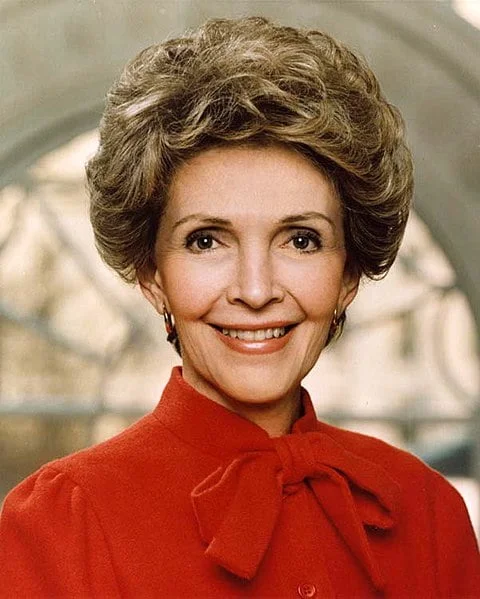
Nancy Reagan
Born06 Jul, 1921
Died06 Mar, 2016
NationalityAmerican
Age at time of death94

Jany Gastaldi
Born09 May, 1948
Died24 Nov, 2024
NationalityFrench
Age at time of death76