Real Celebrities Never Die!
OR
Search For Past Celebrities Whose Birthday You Share
Died Age: 85
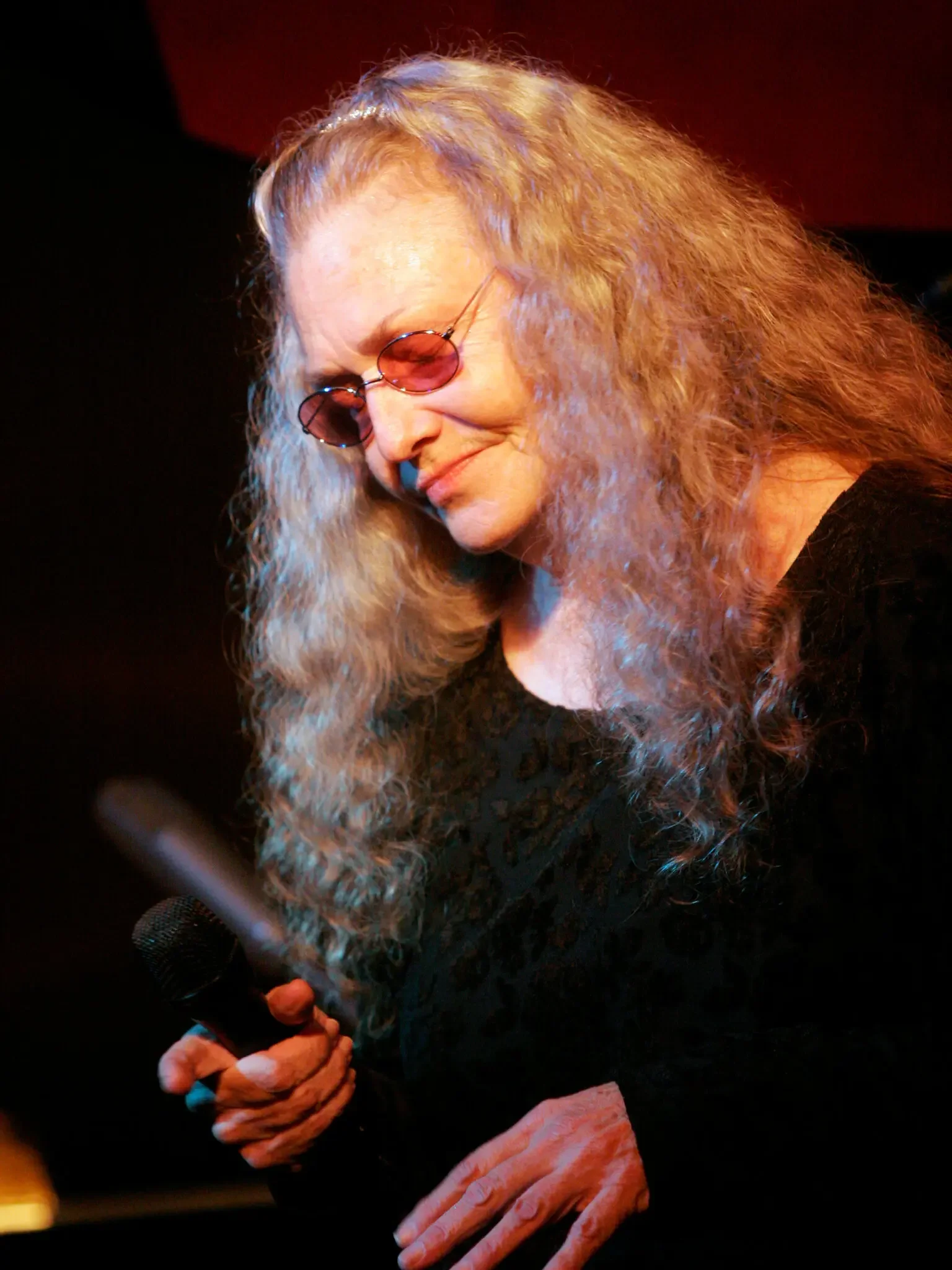
static01.nyt.com
Nancy King
Birthday:
14 Jun, 1940
Date of Death:
04 Aug, 2025
Cause of death:
Breast Cancer
Nationality:
American
Famous As:
Jazz singer
Age at the time of death:
85
Nancy Ellen King's Quote's

“I sing in any key the band calls and I make it work.”
Nancy Ellen King
🔗 deadcelebrityhub.com
Early Life: Rhythm on the Farm
From the Oregon countryside to the glowing lights of the nation’s jazz stages, Nancy Ellen King carved out a musical life defined not by fame or marketing trends, but by unshakeable artistry. With her fluid scat lines, fearless improvisation, and warm, signature rose-tinted glasses, she built a legacy as one of the most inventive and respected jazz vocalists of her generation. Hers was a voice that never imitated—it conversed, explored, and dared.
Nancy Ellen Whalley was born on June 15, 1940, on a farm in Lane County, Oregon. Music surrounded her from the beginning—her parents were both musicians, and the farmhouse continually pulsed with the presence of instruments and rehearsals. These early years shaped her deeply. Long before she ever stepped on a stage, Nancy understood rhythm almost instinctively. As a child, she famously mimed playing brushes on a snare drum while singing, an early glimpse of the rhythmic acuity that would define her scat singing later on.
When she was eight, the family moved to Eugene, opening the door to more structured musical opportunities. Even in those formative years, people noticed her natural musicality and the ease with which she moved through sound. Jazz wasn’t yet her path—but the seeds were unmistakably there.
Education: Discovering Her Voice
Nancy arrived at the University of Oregon in 1959, where her musical world widened dramatically. The campus was a hub for talented young improvisers—among them future jazz luminaries Ralph Towner and Glen Moore, with whom she played in student ensembles.
These were pivotal years. In college clubs and rehearsal rooms, she discovered the freedom of improvisation, the thrill of shaping melodies in the moment, and the boldness required to use the voice as if it were a horn. Her future career wasn’t planned yet, but its foundation was being chiseled one performance at a time.
Career Journey
Early Career: The San Francisco Scene
In 1960, shortly after leaving Eugene, Nancy moved to San Francisco, placing herself directly inside one of the most dynamic jazz environments of the era. She began performing in clubs, quickly gaining a reputation for her swinging scat lines and instinctive command of rhythm.
At the famed Jazz Workshop, she met saxophonist Sonny King, who became her partner both personally and musically. Together they headlined Monday nights there for two years. During this time, Nancy also studied with celebrated vocalist Jon Hendricks, whose influence deepened her already adventurous approach to improvisation.
Her early-career collaborations read like a who’s who of West Coast jazz. She sang with Vince Guaraldi, John Handy, and Flip Nunez, among many others. She also spent time touring the Playboy Club circuit in the mid-1960s and worked as a production singer in Las Vegas, where she took part in elaborate revue shows. She later joined “C. Smalls & Company,” a group led by Charlie Smalls, long before he went on to compose the score for The Wiz.
Rooting Back Home: Art and Family
In the early 1970s, Nancy made a conscious decision to step away from touring to raise her three sons back in Oregon. The choice marked a shift from the national spotlight to a more grounded local life, but her artistry continued to flourish.
She performed frequently in Portland’s intimate jazz spaces, including weekend sets at the Benson Hotel’s lounge, often accompanied by musicians such as Ralph Towner and bassist Dave Friesen. These performances were smaller in scale but rich in musical experimentation—spaces where she could explore freely without commercial pressure.
In 1978, she released her first recording, “First Date,” in collaboration with saxophonist Steve Wolfe, joined by major jazz figures including Ray Brown and Jack Sheldon. The album signaled her emergence as a recording artist and elevated her visibility in the wider jazz world.
A Defining Partnership: King & Christofferson
Also in 1978, Nancy began working with pianist Steve Christofferson, a musical partnership that would last decades. Together, they performed widely, taught at jazz workshops, and recorded albums that blended classic jazz sensibilities with contemporary openness.
Their 1993 album, “Perennial,” featured a collection of notable guest musicians and demonstrated the depth and intimacy of their musical chemistry.
During the 1990s, Nancy expanded her influence as an educator. She taught at the Stanford Jazz Workshop, Jazz Camp West, Bud Shank’s Centrum Jazz Workshop, and other programs, mentoring aspiring vocalists who were drawn to her fearless improvisation and generous teaching style.
Later Career: Recognition at Last
In 2004, Nancy recorded a live set at Jazz Standard in New York City with pianist Fred Hersch. The collaboration captured her voice at its most expressive—playful, vulnerable, and daring. Released in 2006 as “Live at Jazz Standard,” the album earned her a Grammy nomination for Best Jazz Vocal Album.
More than a decade later, she received her second Grammy nomination for her work on the album “Porter Plays Porter,” a collaboration with the Randy Porter Trio honoring the music of Cole Porter.
Even as recognition grew, Nancy remained devoted to Portland’s jazz scene. She performed regularly, mentored young musicians, and remained an essential presence in the city’s musical identity.
Personal Life
Nancy shared her early adult life with saxophonist Sonny King, with whom she had three sons. Though they never married, their partnership was a defining part of her early artistic journey.
Her rose-colored glasses were more than an accessory—they became a trademark, symbolizing the warmth, optimism, and softness she brought to both her music and her presence.
In later years, she faced significant health challenges, including a hip replacement, but continued performing and teaching as long as she could. Music was not something she turned off—it was a lifelong companion.
Legacy: A Voice That Still Echoes
Nancy King left behind a legacy not measured in commercial chart success, but in artistic bravery and the deep respect she earned from musicians across generations. She was a master improviser—an artist who could transform a melody in an instant, shaping it with humor, tenderness, and fearless intuition.
Her influence lives on in the countless students she mentored, the recordings that continue to circulate among jazz vocalists, and the memories held by Portland’s music community, where she remained a beloved figure for decades.
Nancy never chased trends or diluted her artistry. She sang with honesty, curiosity, and courage—and in doing so, became a model for what it means to be truly, authentically musical.
Her legacy endures in every improvisation that dares to leap, every vocalist who experiments with playful swing, and every musician who chooses artistry over expectation.
Profile Snapshot
Name:
Nancy Ellen King
Popular Name:
Nancy King
Gender:
Female
Cause of Death:
Breast Cancer
Spouse:
Sonny King
Place of Birth:
Eugene, Oregon, United States
Place of Death:
Portland, Oregon, United States
Occupation / Profession:
Jazz singer
Personality Type
Entrepreneur: Nancy King carried a warm, fearless spirit into every room, blending humility, playfulness, and bold musical curiosity into a presence as unforgettable as her voice.
Nancy Ellen King's Interesting Facts
Nancy famously wore rose-colored glasses, and they became part of her iconic stage image.
She once said she could “sing in any key the band calls,” reflecting her extraordinary flexibility.
In a StoryCorps interview, she recalled meeting someone while hauling boxes in the summer heat — she described her body language as not “in for any chit chat,” revealing a down-to-earth, no-nonsense side.
Achievements & Awards
Nancy King was nominated twice for Grammy Awards in the Best Jazz Vocal Album category — first in 2006 for her live duo recording with Fred Hersch, and again in 2017 for Porter Plays Porter with the Randy Porter Trio.
Beyond her recordings, she was highly regarded by her peers for her inventive scat singing, elastic range, and improvisational fearlessness, earning her a revered place in the jazz world.
She also made a lasting impact as an educator, mentoring many up-and-coming vocalists through workshops and festival programs.
Over her long career, she collaborated with jazz greats like Ray Brown, Jon Hendricks, Ralph Towner, and Glen Moore, solidifying her reputation as a musician’s vocalist.
External Links