Real Celebrities Never Die!
OR
Search For Past Celebrities Whose Birthday You Share
Died Age: 65
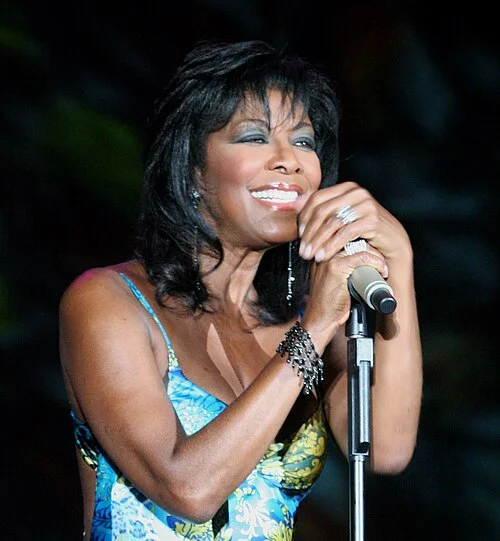
wikipedia.org
Natalie Cole
Birthday:
06 Feb, 1950
Date of Death:
31 Dec, 2015
Cause of death:
Congestive heart failure
Nationality:
American
Famous As:
Actor
Age at the time of death:
65
Natalie Maria Cole's Quote's
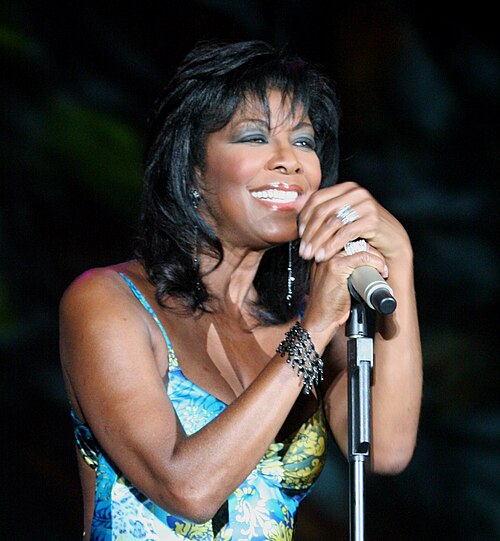
“Music saved my life more than once. It was the one place I could go where I was never judged.”
Natalie Maria Cole
🔗 deadcelebrityhub.com
A Childhood Steeped in Sound
Natalie Cole was a bridge between eras, a woman who turned legacy into liberation and pain into platinum. Born into music royalty but determined not to be defined by it, she carved out her own space in a world that expected her to echo someone else’s tune. Through trials, triumphs, and timeless music, Natalie became a legend in her own right.
Natalie Maria Cole was born on February 6, 1950, into a world where melodies flowed like water. Her father, Nat King Cole, was a jazz icon whose velvet voice was known in households across America. Her mother, Maria Hawkins Ellington, was an accomplished jazz singer in her own right. Music was not just background noise, it was the air the Coles breathed.
But life in the Cole household wasn’t always glamorous. Though their Beverly Hills home stood in one of the wealthiest neighbourhoods, the Coles were still a Black family navigating fame in a racially tense America. Natalie’s upbringing was a balancing act: private school education, family picnics with the likes of Sammy Davis Jr., but also whispered warnings about prejudice and pressure.
When Natalie was just 15, the world lost Nat King Cole to lung cancer. For Natalie, the grief was seismic. The man who had sung lullabies and taught her how to sing was gone. Yet his absence would eventually become the source of her deepest strength.
Her Education: Books, Rebellion, and a Musical Awakening
Natalie’s academic path began with promise. She attended the University of Massachusetts Amherst, majoring in child psychology—a choice that hinted at her introspective nature and early desire to help others. But college wasn’t just about academics. It was also where she sharpened her voice both musically and politically.
Immersed in the counterculture of the late ’60s, Natalie performed with rock and R&B bands, far from her father’s jazz stylings. She didn’t want to be “Nat King Cole’s daughter” singing his hits; she wanted to be her unique self. Her performances at college parties and small clubs revealed something electric: a voice that could soar over soul, dig into funk, and still shimmer with jazz nuance.
Early Career: Breaking Through the Shadows
In 1975, Natalie Cole exploded onto the music scene with her debut album Inseparable. The album changed the game. Her breakout single, “This Will Be (An Everlasting Love),” was an instant classic, earning her a Grammy for Best New Artist. She was the first African-American woman to win that award since its inception.
Critics were quick to draw comparisons to Aretha Franklin, but Natalie held her ground. She wasn’t a copycat; she was an original. Her voice had bite and polish, her lyrics told stories, and her charisma lit up every stage she touched.
Over the next few years, she released a string of gold and platinum albums. Hits like “I’ve Got Love on My Mind” and “Our Love” dominated R&B charts. Yet behind the glitter, Natalie was wrestling with the weight of success and the ghosts of expectation.
The Climb, the Fall, and the Comeback
The 1980s were a turbulent chapter. Natalie’s fame masked a growing addiction to drugs. Cocaine and heroin became her secret companions. By 1983, she had hit rock bottom. A near-overdose and intervention forced her into rehab. She emerged not just sober, but reborn.
Her 1987 album Everlasting was a statement: Natalie was back, and better than ever. The single “Pink Cadillac” became a pop hit, reaching new audiences and reigniting her career.
But it was 1991’s Unforgettable... with Love that became her defining moment. In a move that once seemed unimaginable, Natalie embraced her father’s legacy, not as a shadow, but as a celebration. The album featured digitally remastered duets with Nat King Cole, including the title track “Unforgettable.” It was haunting, poignant, and pure magic. The album won six Grammy Awards and sold over seven million copies.
She had finally found a way to honour her past without losing herself in it.
Behind the Music: A Personal Portrait
Natalie Cole’s personal life was as layered as her voice. She was married three times and had one son, Robbie, whom she adored. She was known for her grace, candour, and warmth, but also her resilience. She spoke openly about her struggles with addiction, her battle with hepatitis C, and the kidney transplant she underwent in 2009.
Natalie had a quirky love for horror movies and once dreamed of being a screenwriter. She also had a razor-sharp sense of humour—those who knew her well said she could light up a room with laughter just as easily as with song.
A Legacy that Echoes On
Natalie Cole passed away on December 31, 2015, at the age of 65. Her death felt like the closing note of a symphony that spanned decades and genres. But her legacy continues to reverberate.
She was a Grammy-winning artist who forged her own path, blending R&B, pop, and jazz into something unmistakably hers. She was a survivor who spoke her truth. A voice that healed, defied, and uplifted.
Natalie Cole’s story is one of reinvention, redemption, and resonance. Her music lives on not just in records, but in the hearts of those who found strength in her songs. In life and in art, she was unforgettable.
Profile Snapshot
Name:
Natalie Maria Cole
Popular Name:
Natalie Cole
Gender:
Female
Cause of Death:
Congestive heart failure
Spouse:
Kenneth Dupree
Andre Fischer
Marvin Yancy
Place of Birth:
Los Angeles, California, United States
Place of Death:
Cedars-Sinai Medical Centre, Los Angeles, California, United States
Occupation / Profession:
Actor
Singer
Songwriter
Personality Type
Protagonist Natalie Cole was a radiant and resilient soul who led with heart, transformed pain into purpose, and used her voice to both heal and empower others.
Natalie Maria Cole's Interesting Facts
She kept a journal during rehab that later became the foundation for her memoir
She once performed at Nelson Mandela’s 70th birthday tribute concert
She was fluent in multiple languages, including Spanish and some German
Achievements & Awards
Her breakout single “This Will Be (An Everlasting Love)” won her the Grammy for Best New Artist in 1976, making her the first African-American woman to receive that honour.
Natalie Cole achieved remarkable success across multiple decades, earning nine Grammy Awards, including the prestigious Album of the Year for her 1991 tribute album Unforgettable... with Love.
She released numerous gold and platinum albums, seamlessly blending R&B, pop, and jazz. Perhaps most memorably, her virtual duet with her late father on “Unforgettable” became an iconic musical moment, solidifying her place in music history.
Latest Profiles
People also viewed
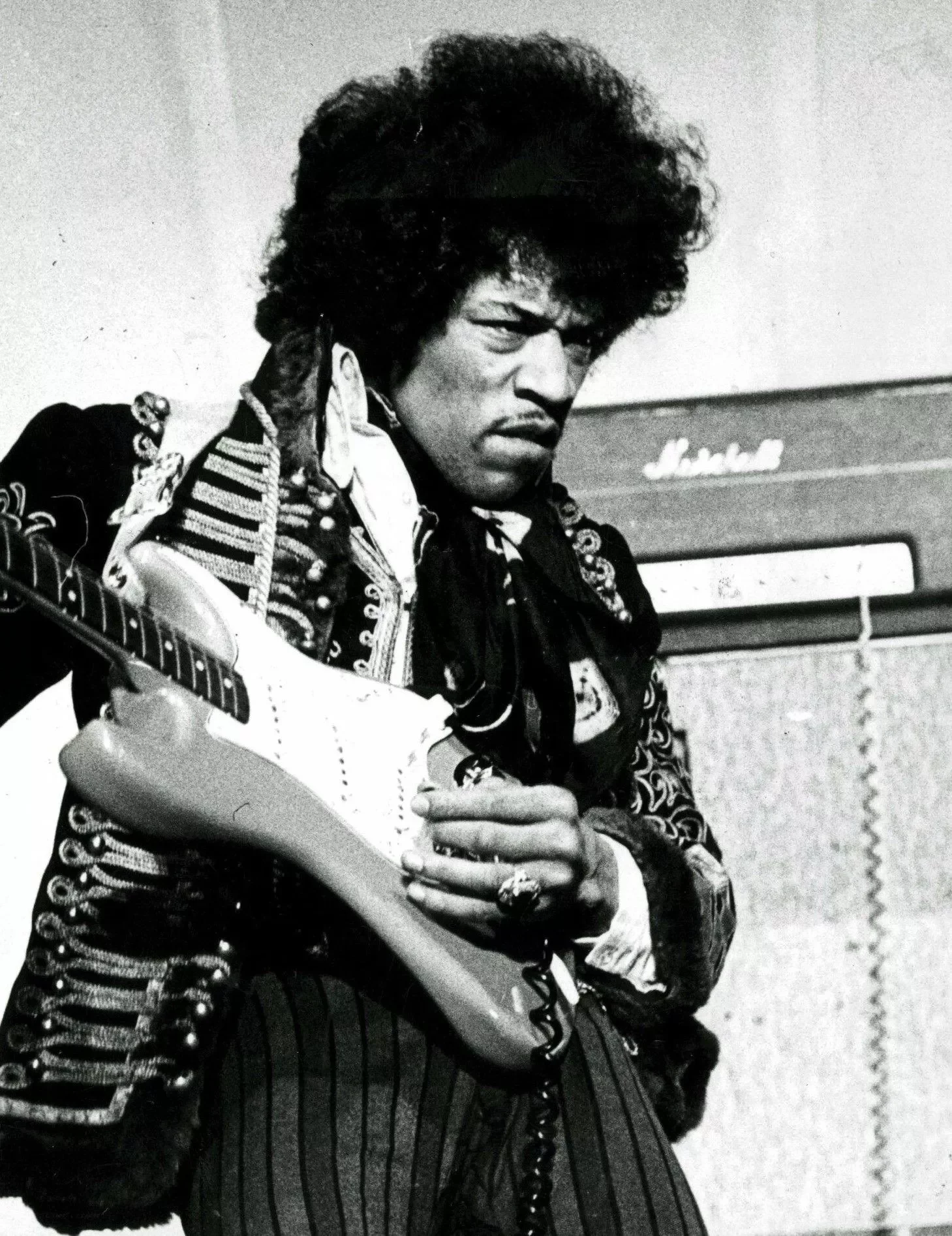
Jimi Hendrix
Born27 Nov, 1942
Died18 Sep, 1970
NationalityAmerican
Age at time of death27
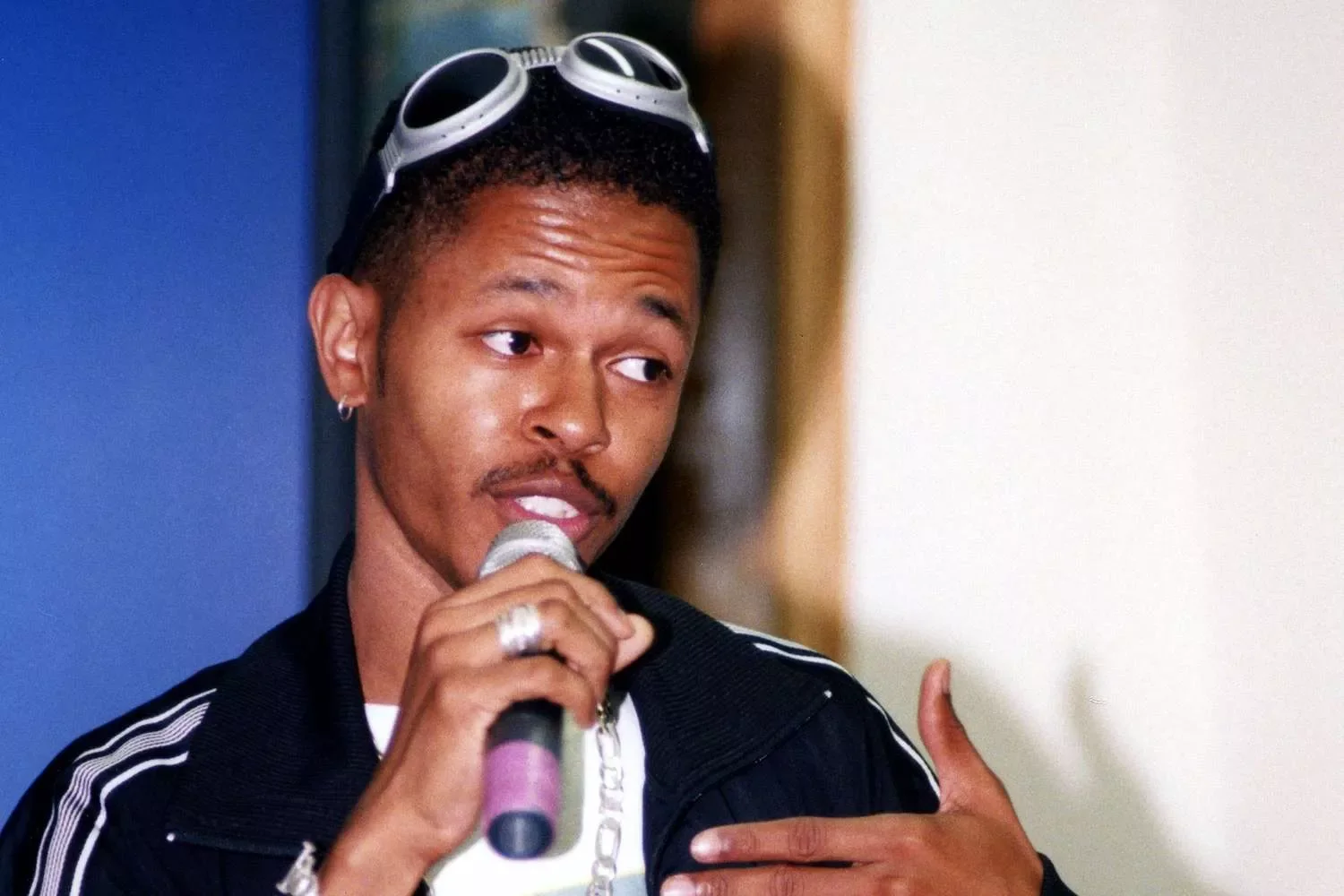
Jesse Powell
Born12 Sep, 1971
Died13 Sep, 2022
NationalityAmerican
Age at time of death51
James Dean
Born08 Feb, 1931
Died30 Sep, 1955
NationalityAmerican
Age at time of death24
Irving Berlin
Born11 May, 1888
Died22 Sep, 1989
NationalityAmerican
Age at time of death101
Burt Reynolds
Born11 Feb, 1936
Died06 Sep, 2018
NationalityAmerican
Age at time of death82
Oliver Burgess Meredith
Born16 Nov, 1907
Died09 Sep, 1997
NationalityAmerican
Age at time of death89
Paul Walker
Born12 Sep, 1973
Died30 Nov, 2013
NationalityAmerican
Age at time of death40
Jonathan Brandis
Born13 Apr, 1976
Died12 Nov, 2003
NationalityAmerican
Age at time of death27
George Harrison
Born25 Feb, 1943
Died29 Nov, 2001
NationalityBritish
Age at time of death58
Tony Bennett
Born03 Aug, 1926
Died21 Jul, 2023
NationalityAmerican
Age at time of death96
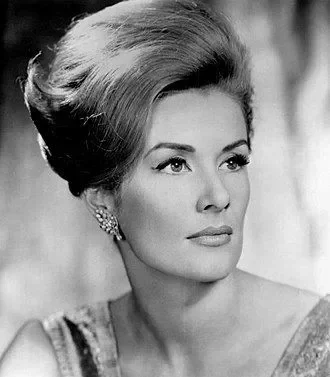
Sally Ann Howes
Born20 Jul, 1930
Died19 Dec, 2021
NationalityBritish, American
Age at time of death91

Anton Yelchin
Born11 Mar, 1989
Died19 Jun, 2016
NationalityAmerican
Age at time of death27
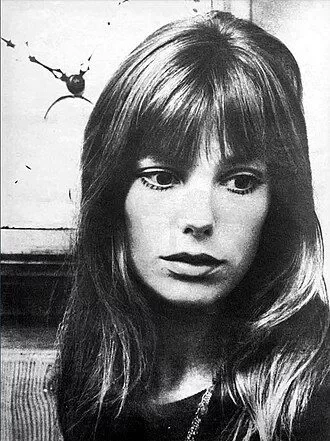
Jane Birkin
Born14 Dec, 1946
Died16 Jul, 2023
NationalityBritish, French
Age at time of death76

Chester Bennington
Born20 Mar, 1976
Died20 Jul, 2017
NationalityAmerican
Age at time of death41
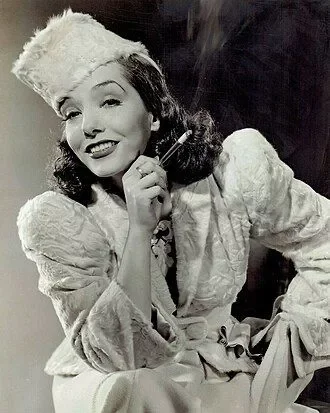
Lupe Vélez
Born18 Jul, 1908
Died14 Dec, 1944
NationalityMexican
Age at time of death36
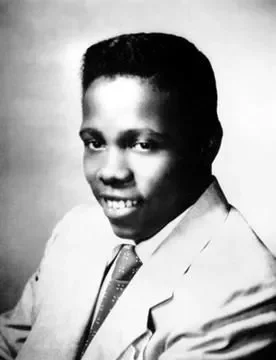
Johnny Ace
Born09 Jun, 1929
Died25 Dec, 1954
NationalityAmerican
Age at time of death25
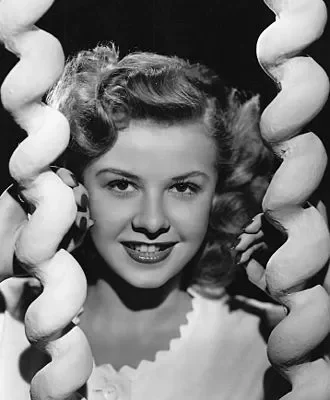
Vera-Ellen
Born16 Feb, 1921
Died30 Aug, 1981
NationalityAmerican German
Age at time of death60
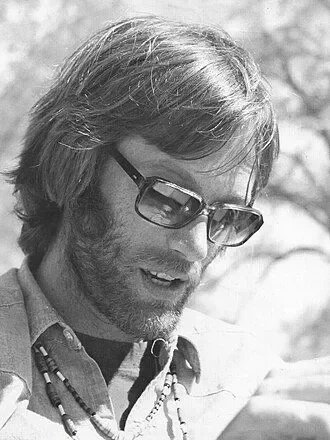
Peter Fonda
Born23 Feb, 1940
Died16 Aug, 2019
NationalityAmerican
Age at time of death79
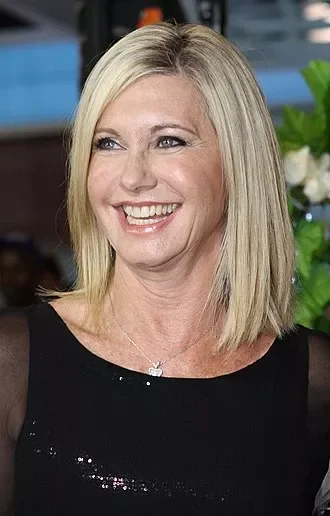
Olivia Newton-John
Born26 Sep, 1948
Died08 Aug, 2022
NationalityBritish, Australian
Age at time of death73
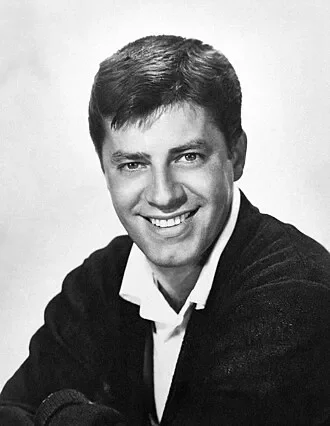
Jerry Lewis
Born16 Mar, 1926
Died20 Aug, 2017
NationalityAmerican
Age at time of death91