Real Celebrities Never Die!
OR
Search For Past Celebrities Whose Birthday You Share
Died Age: 71
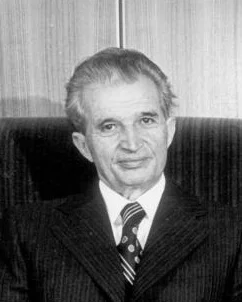
wikipedia.org
Nicolae Ceaușescu
Birthday:
26 Jan, 1918
Date of Death:
25 Dec, 1989
Cause of death:
Execution by firing squad
Nationality:
Romanian
Famous As:
Dictator
Age at the time of death:
71
Nicolae Ceaușescu's Quote's

“The people love me; they will never turn against me.”
Nicolae Ceaușescu
🔗 deadcelebrityhub.com
Early Life and Background
Nicolae Ceaușescu, a prominent figure in Romanian history, was born on January 26, 1918, in the small village of Scornicești, located in Olt County. Rising from humble beginnings, he became a major political leader in Romania. His childhood in a rural Romanian peasant family was marked by the region’s socio-economic difficulties.
Childhood Struggles and Education
Ceaușescu experienced a difficult childhood. His father worked as a farmer and later as a laborer, which instilled in him a strong work ethic. The family’s financial problems worsened because of the political unrest, affecting Ceaușescu’s future political goals. He started his schooling at a nearby school but had to leave early to assist his family. This lack of formal education would later be compensated by his involvement in the Romanian Communist youth movement, where he gained political awareness and experience.
Early Political Involvement
In his formative years, Ceaușescu became actively involved in politics and joined the Romanian Communist Party in 1932. His early political activities led to multiple arrests; he spent time in prisons and internment camps during World War II for his opposition to the fascist regime. These experiences solidified his commitment to communism and shaped his future leadership style.
Marriage and Family Life
In 1946, Nicolae Ceaușescu married Elena Petrescu, who would become both his confidante and a key political partner. The couple had three children together: Nicu, Nicușor, and Nicuța. Elena played a significant role in her husband’s political career, rising to hold several high-ranking positions within the Romanian government.
Rise to Power
Ceaușescu’s professional career took off after World War II when he rose through the ranks of the Communist Party under Gheorghe Gheorghiu-Dej’s leadership. Following Gheorghiu-Dej’s death in 1965, Ceaușescu became the General Secretary of the Romanian Communist Party. His rise to power was a major turning point in Romanian politics. He first gained popularity due to his independent foreign policy views, notably his criticism of the Warsaw Pact’s 1968 invasion of Czechoslovakia.
Economic Policies and Authoritarian Rule
Ceaușescu’s time in power saw the implementation of many policies designed to upgrade Romania’s economy and infrastructure. He attempted to advance industrialization and collectivize agriculture, leading to some early achievements. These policies, however, frequently resulted in serious economic mismanagement and widespread poverty. Over time, his increasingly authoritarian regime used the Securitate, Romania’s secret police, to enforce extensive censorship and repression.
Cult of Personality and Urban Development
Ceaușescu’s most notable contributions included his attempts to create a cult of personality around himself and his ambitious plans for urban development, which included demolishing villages to build large agrotechnical centers. While these initiatives were grandiose, they often resulted in social upheaval and discontent among the populace.
The Romanian Revolution and Downfall
Nicolae Ceaușescu’s reign ended abruptly and tragically in the Romanian Revolution of December 1989. Amid widespread protests against his regime’s oppressive policies and economic hardships, he ordered security forces to fire upon demonstrators. Following this brutal response, further unrest ensued, finally resulting in both him and Elena being captured. On December 25, 1989, they were executed by firing squad after a hastily arranged trial that charged them with crimes against humanity.
Legacy and Impact
Ceaușescu’s legacy remains controversial; while some remember him for promoting national pride and independence from Soviet influence during his early years. Many criticize him for his oppressive regime that led to significant suffering among Romanians. His execution marked a pivotal moment in Romania’s transition from communism to democracy.
Profile Snapshot
Name:
Nicolae Ceaușescu
Popular Name:
Nicolae Ceaușescu
Gender:
Male
Cause of Death:
Execution by firing squad
Spouse:
Elena Petrescu
Place of Birth:
Scornicești, Olt County, Romania
Place of Death:
Târgoviște, Dâmbovița County, Romania
Occupation / Profession:
Dictator
Politician
Personality Type
Commander: Bold, imaginative and strong-willed leaders, always finding a way – or making one. He was known for leadership, ambition, and a commanding presence.
Nicolae Ceaușescu's Interesting Facts
Ceaușescu banned abortion and contraception, leading to a population boom and orphanages.
He and his wife were executed on Christmas Day after a swift trial.
He razed parts of Bucharest to build the massive Palace of the Parliament.
He was known for his lavish lifestyle while Romanians faced food shortages.
Achievements & Awards
Became General Secretary of the Romanian Communist Party in 1965.
Initially gained international praise for opposing the 1968 Soviet invasion of Czechoslovakia.
Oversaw construction of the Palace of the Parliament.
Received the Order of Lenin from the Soviet Union (1978).
Served as President of Romania (1974–1989).
External Links
Additional Links
https://digitalarchive.wilsoncenter.org/people/ceausescu-nicolaehttps://en.wikipedia.org/wiki/Nicolae_Ceau%C8%99escuhttps://simple.wikipedia.org/wiki/Nicolae_Ceau%C8%99escuhttps://www.biography.com/political-figure/nicolae-ceausescuhttps://www.britannica.com/biography/Nicolae-Ceausescuhttps://www.ebsco.com/research-starters/history/nicolae-ceausescuhttps://www.marxists.org/archive/ceausescu/index.htm
Latest Profiles
People also viewed
Gerald Ford
Born14 Jul, 1913
Died26 Dec, 2006
NationalityAmerican
Age at time of death93
Victor Hugo
Born26 Feb, 1802
Died22 May, 1885
NationalityFrench
Age at time of death83
George Murphy
Born04 Jul, 1902
Died03 May, 1992
NationalityAmerican
Age at time of death89
P. T. Barnum
Born05 Jul, 1810
Died07 Apr, 1891
NationalityAmerican
Age at time of death80
Rajendra Prasad
Born03 Dec, 1884
Died28 Feb, 1963
NationalityIndian
Age at time of death78
Nelson Rockefeller
Born08 Jul, 1908
Died26 Jan, 1979
NationalityAmerican
Age at time of death70

Ethan Allen
Born21 Jan, 1738
Died12 Feb, 1789
NationalityAmerican
Age at time of death51
Herbert Hoover
Born10 Aug, 1874
Died20 Oct, 1964
NationalityAmerican
Age at time of death90
Jacques Delors
Born20 Jul, 1925
Died27 Dec, 2023
NationalityFrench
Age at time of death98
James Harrison
Born17 Apr, 1816
Died03 Sep, 1893
NationalityScottish,Australian
Age at time of death77
Menachem Begin
Born16 Aug, 1913
Died09 Mar, 1992
NationalityIsraeli
Age at time of death78
Peter Fraser
Born28 Aug, 1884
Died12 Dec, 1950
NationalityNew Zealand
Age at time of death66
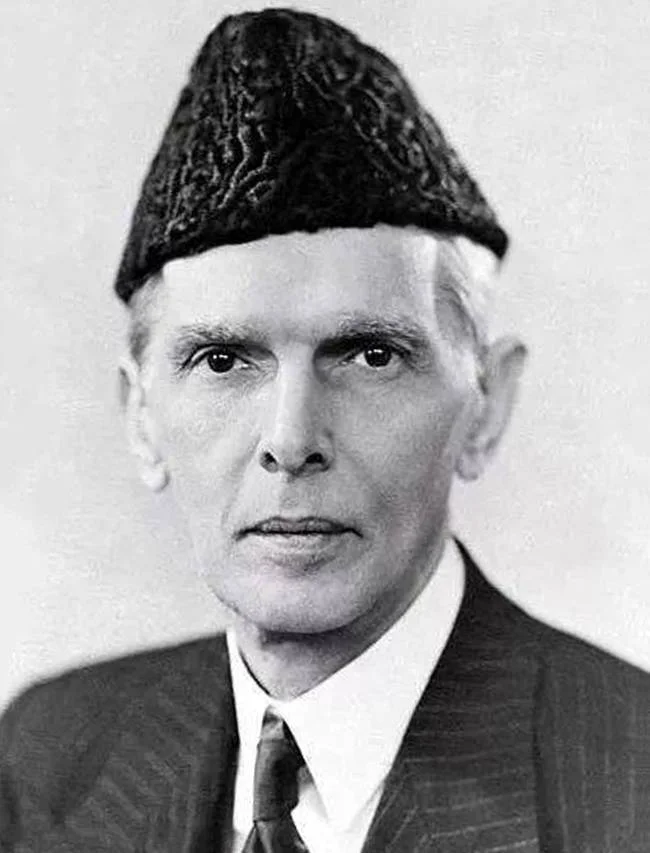
Muhammad Ali Jinnah
Born25 Dec, 1876
Died11 Sep, 1948
NationalityPakistani
Age at time of death71
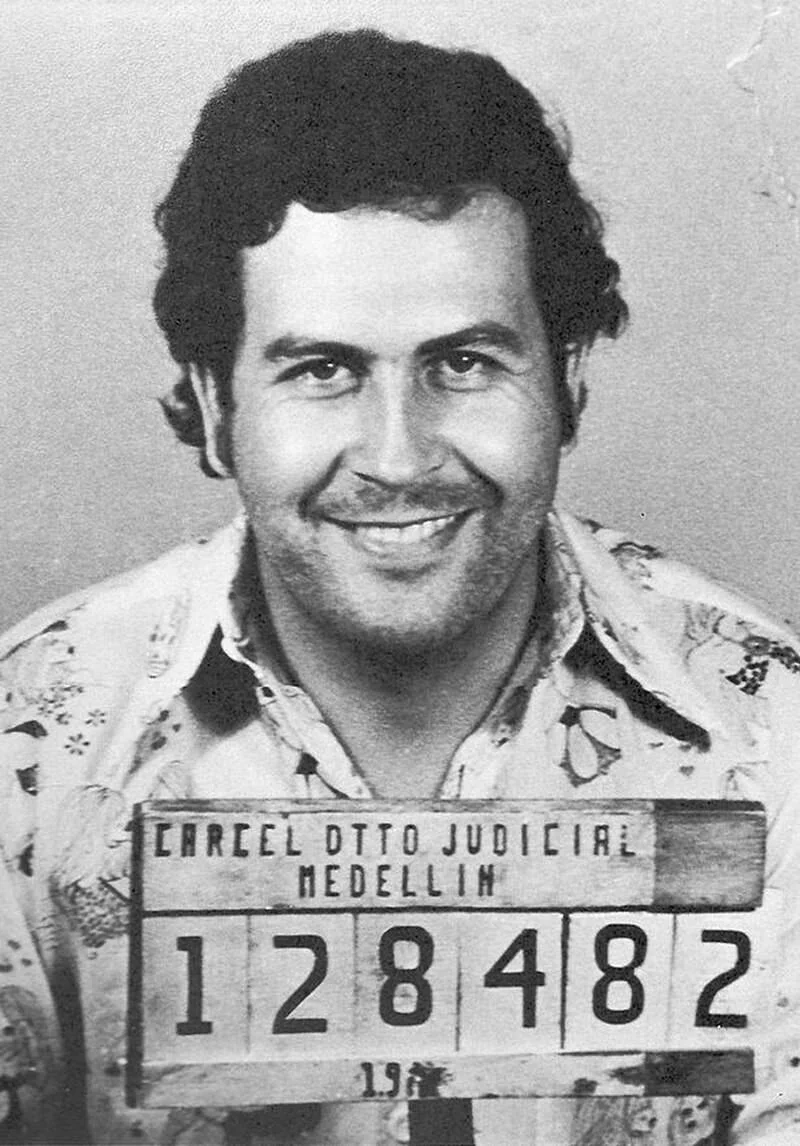
Pablo Escobar
Born01 Dec, 1949
Died02 Dec, 1993
NationalityColombian
Age at time of death44
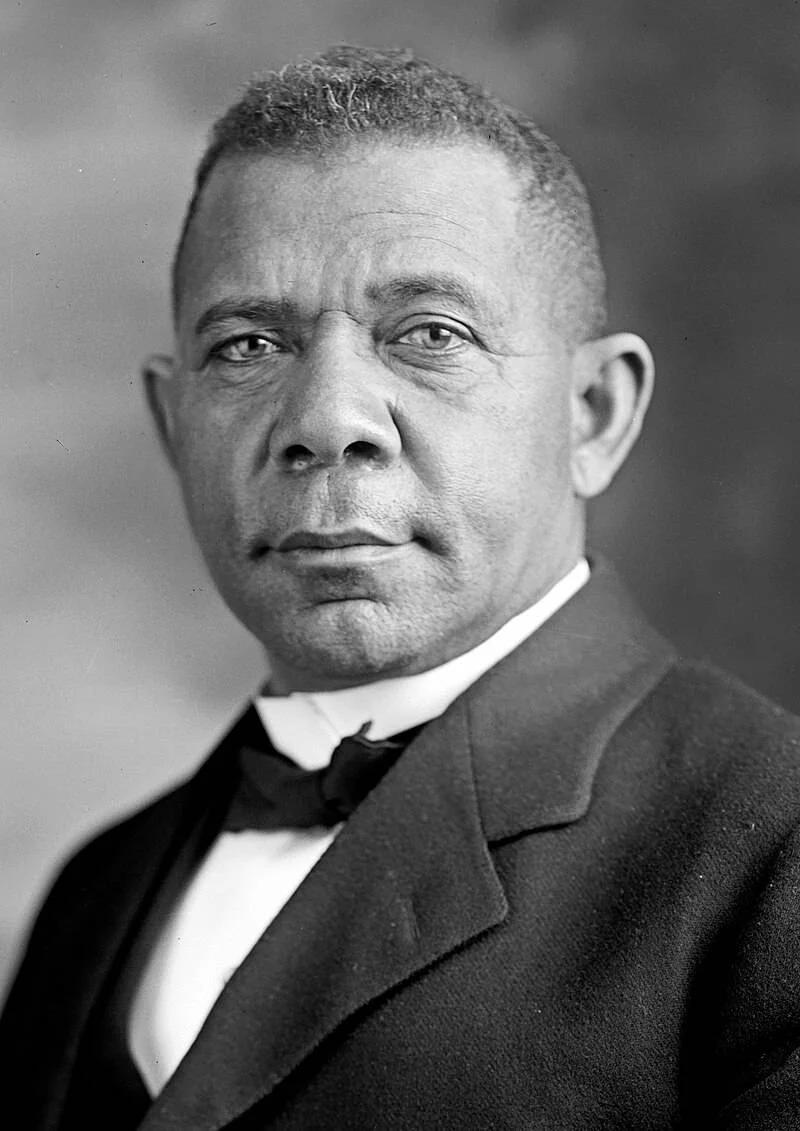
Booker T. Washington
Born05 Apr, 1856
Died14 Nov, 1915
NationalityAmerican
Age at time of death59
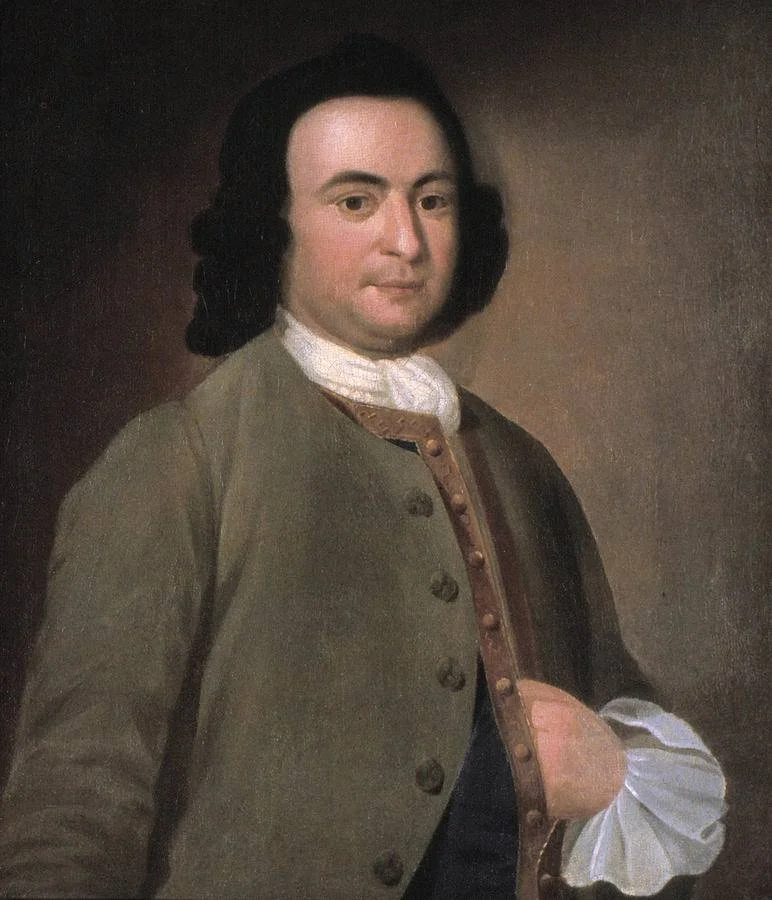
George Mason
Born11 Dec, 1725
Died07 Oct, 1792
NationalityAmerican, British
Age at time of death66
Hiram R. Revels
Born27 Sep, 1827
Died16 Jan, 1901
NationalityAmerican
Age at time of death73
Sheikh Mujibur Rahman
Born17 Mar, 1920
Died15 Aug, 1975
NationalityIndian, Pakistani, Bangladeshi
Age at time of death55
Ronald Reagan
Born06 Feb, 1911
Died05 Jun, 2004
NationalityAmerican
Age at time of death93
Robert Menzies
Born20 Dec, 1894
Died15 May, 1978
NationalityAustralian
Age at time of death83