Real Celebrities Never Die!
OR
Search For Past Celebrities Whose Birthday You Share
Died Age: 81
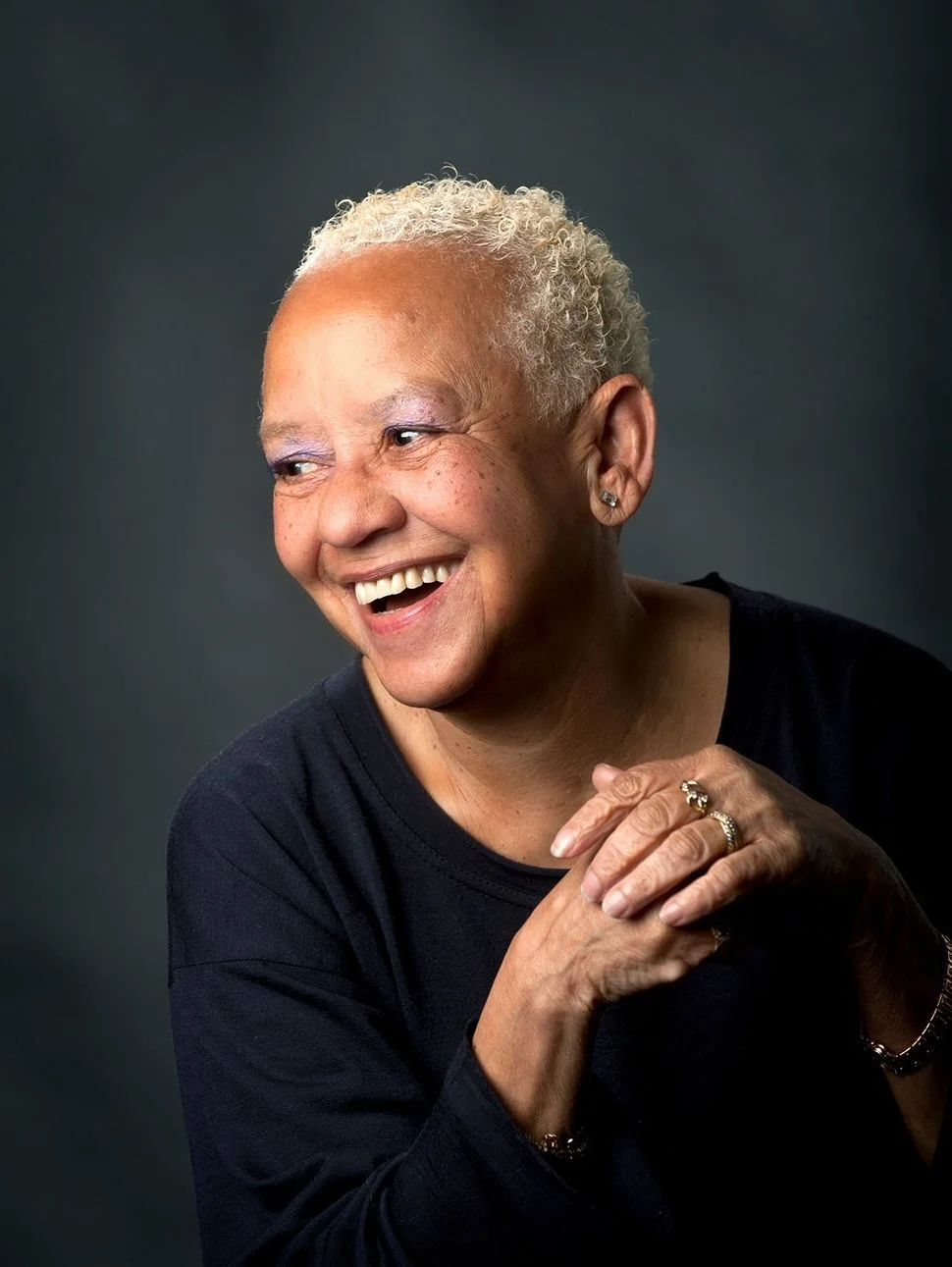
www.poetryfoundation.org
Nikki Giovanni
Birthday:
06 Jun, 1943
Date of Death:
08 Dec, 2024
Cause of death:
Lung Cancer
Nationality:
American
Famous As:
Activist
Age at the time of death:
81
Yolande Cornelia Giovanni, Jr.'s Quote's

“Mistakes are a fact of life. It is the response to the error that counts.”
Yolande Cornelia Giovanni, Jr.
🔗 deadcelebrityhub.com
Early Life: Born to Blaze
Nikki Giovanni wielded poetry like a sword, carved it like sculpture, and whispered it like prayer. For over five decades, she has been a lightning rod of truth, tenderness, and transformation. Fierce, funny, and fearless, Giovanni shaped not only American poetry but the conscience of a nation. Whether challenging racial injustice or celebrating Black love and life, her words pulse with urgency and elegance. To read Giovanni is to be stirred to laugh, ache, think, and act.
Yolande Cornelia “Nikki” Giovanni Jr. was born on June 7, 1943, in Knoxville, Tennessee, to a proud Black family steeped in storytelling and strength. Though born in the segregated South, her roots extended into the revolutionary soil of Cincinnati, Ohio, where her family moved during her childhood. She was raised in a household full of contradictions and love by a spirited grandmother who quoted the Bible and Black history with equal reverence, a mother who encouraged independence, and a father with a journalist’s eye for truth.
Giovanni’s bond with her grandmother, Louvenia Watson, was especially formative. After returning to Knoxville in high school to live with her grandparents, she absorbed the cadence and culture of Southern Black life. Louvenia's stories, memories of slavery’s shadow, and unwavering dignity would all echo in Giovanni’s future poetry. “I am a daughter of Louvenia,” Giovanni often said. That identity, rooted in survival and Black pride, would fuel her voice for life.
Education: Finding Her Fire
Giovanni’s path through education wasn’t a straight one. She enrolled at Fisk University, a historically Black college in Nashville, where she battled institutional norms and narrowly escaped expulsion for challenging outdated rules. Yet, it was at Fisk that her radical consciousness sharpened. She joined the Writer’s Workshop, found her poetic footing, and graduated with honours in history in 1967.
Fisk didn't tame her; it ignited her. Giovanni emerged not just as a student of history but as a maker of it. She pursued further studies at the University of Pennsylvania and Columbia University, deepening her literary range. But her real education came from the streets, the struggle, and the spoken word.
Career Journey
Early Career: Revolutionary Rhythms
In 1968, in the wake of Malcolm X’s assassination and Dr. King’s murder, Giovanni published Black Feeling, Black Talk, a self-published, searing collection that sold thousands by word of mouth alone. She followed it quickly with Black Judgement (1968), where her poems rang out like protest songs. Her voice, incendiary yet intimate, placed her at the forefront of the Black Arts Movement. Giovanni wasn’t just a poet; she was a cultural force. She gave readings on college campuses, performed on national television, and turned poetry into activism.
She once said, “If now isn’t a good time for the truth, I don’t see when we’ll get to it.” That ethos saturated her early work—urgent, militant, proud. Her poem “Nikki-Rosa,” where she recalls the joy in Black childhood despite poverty and pain, remains one of her most beloved, often recited by teachers, activists, and even future President Barack Obama.
Rise and Recognition: Building a Literary Legacy
By the 1970s and ‘80s, Giovanni expanded her voice, publishing children’s books, essays, and expanding into more introspective territory without losing her social edge. Her works like Cotton Candy on a Rainy Day and Those Who Ride the Night Winds explored love, loss, and loneliness with unflinching grace.
Her interviews were as iconic as her poetry. She held conversations with James Baldwin which felt intellectual, raw, and unscripted. Her presence became a mainstay on television and radio, and she was affectionately dubbed “the poet of the people.”
She recorded spoken-word albums, earning a Grammy nomination for The Nikki Giovanni Poetry Collection in 2003. Her earthy, musical, and unapologetic voice made poetry accessible and alive for new generations.
Later Career: Teaching, Healing, and Timelessness
As Poet-in-Residence and Distinguished Professor at Virginia Tech since 1987, Giovanni has influenced generations of students. She became a vital presence on campus, not just a teacher, but a healer.
After the devastating 2007 Virginia Tech shooting, Giovanni delivered a stirring convocation speech that brought a shaken community to its feet. Her closing words, “We will prevail,” echoed across the nation, reaffirming the power of language in the face of tragedy.
Over the years, she’s continued writing, releasing collections like A Good Cry and Make Me Rain, which reflect on ageing, family, race, and hope. Her pen never dulls as she remains one of the few poets whose work is both politically charged and deeply personal.
Personal Life: Roots, Joys, and Quiet Spaces
Giovanni’s personal life has always been grounded in independence and authenticity. She is a cancer survivor, a mother, and a fierce protector of her solitude. Her son, Thomas, whom she raised as a single mother, is one of her greatest joys. She collects hippos (over 600 of them) and loves space science, often weaving cosmic imagery into her poetry. She has a tattoo of a moon and a shooting star on her left shoulder, a quiet testament to her wonder at the universe.
A vegetarian, jazz lover, and passionate supporter of the arts, Giovanni has also been candid about struggles with health, ageing, and the complexities of love. Her honesty is part of what makes her so enduring: she writes not just for the movement, but for the messy, magical experience of being human.
Legacy: The Living Flame
Nikki Giovanni’s legacy isn’t just found in bookshelves or syllabi; it lives in the hearts of those she’s moved, mentored, and mobilised. She broke ground as one of the most influential voices of the Black Arts Movement, but her reach has stretched far beyond that era. She's a literary icon whose work has inspired civil rights leaders, classroom teachers, hip-hop artists, and young poets finding their voices.
She has received seven NAACP Image Awards, over twenty honorary degrees, and was named one of Oprah Winfrey’s 25 Living Legends. But perhaps her greatest legacy is the clarity with which she’s always spoken truth, whether to power, pain, or joy.
Giovanni once wrote, “We write because we believe the human spirit cannot be tamed and should not be trained.” That spirit, her spirit, continues to shine untamed, untrained, and unforgettable.
Profile Snapshot
Name:
Yolande Cornelia Giovanni, Jr.
Popular Name:
Nikki Giovanni
Gender:
Female
Cause of Death:
Lung Cancer
Spouse:
Virginia C. Fowler
Place of Birth:
Knoxville, Tennessee, United States
Place of Death:
Blacksburg, Virginia, United States
Occupation / Profession:
Activist
Educator
Poet
Writer
Personality Type
Debater: Smart and curious thinkers who cannot resist an intellectual challenge. Nikki Giovanni is a fearless thinker who uses words to challenge, inspire, and spark change.
Yolande Cornelia Giovanni, Jr.'s Interesting Facts
She once named a cat "Washtub" after a character from Li'l Abner, reflecting her playful side.
Nikki is an avid space enthusiast and even interviewed astronaut Mae Jemison, weaving space metaphors into her later work.
In the 1970s, she appeared on Sesame Street to read poems, making poetry accessible to children nationwide.
Achievements & Awards
Nikki Giovanni has published over 30 books, including poetry, essays, and children's literature, earning her a place as one of the most influential voices in American letters.
She has received seven NAACP Image Awards, the Langston Hughes Medal, and was named a Living Legend by the Library of Congress.
Giovanni has also been awarded more than 20 honorary doctorates from universities across the country.
Her spoken word album The Nikki Giovanni Poetry Collection received a Grammy nomination, making her one of the few poets recognised at that level.
External Links
Latest Profiles
People also viewed
July 11, 1899
Born11 Jul, 1899
Died01 Oct, 1985
NationalityAmerican
Age at time of death86
Dale Carnegie
Born24 Nov, 1888
Died01 Nov, 1955
NationalityAmerican
Age at time of death66
Xie Xide
Born19 Mar, 1921
Died04 Mar, 2000
NationalityChinese
Age at time of death78
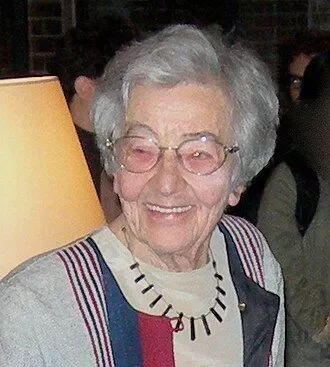
Ursula Franklin
Born16 Sep, 1921
Died22 Jul, 2016
NationalityGerman, Canadian
Age at time of death94
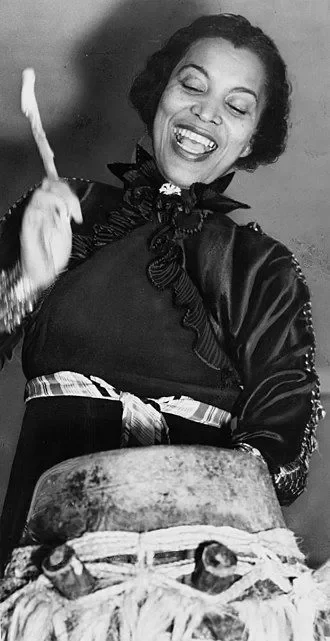
Zora Neale Hurston
Born07 Jan, 1891
Died28 Jan, 1960
NationalityAmerican
Age at time of death69
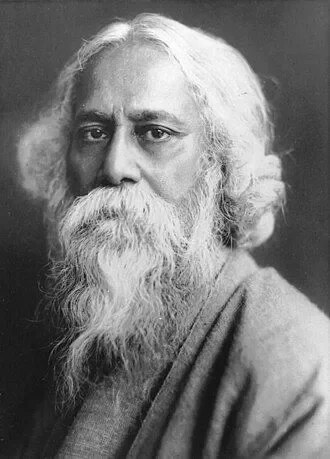
Rabindranath Tagore
Born07 May, 1861
Died08 Aug, 1941
NationalityIndian
Age at time of death80
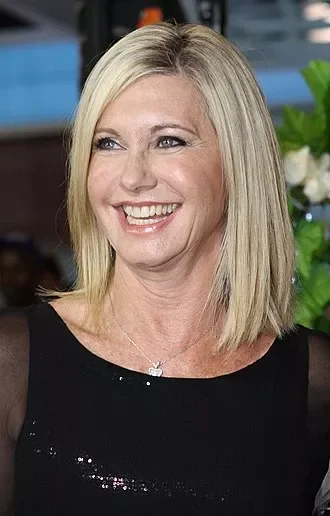
Olivia Newton-John
Born26 Sep, 1948
Died08 Aug, 2022
NationalityBritish, Australian
Age at time of death73
Lily Ebert
Born29 Dec, 1923
Died09 Oct, 2024
NationalityHungarian, British
Age at time of death100
Leonie Nelly Sachs
Born10 Dec, 1891
Died12 May, 1970
NationalityGerman, Swedish
Age at time of death78
Joyce Kilmer
Born06 Dec, 1886
Died30 Jul, 1918
NationalityAmerican
Age at time of death31
Richard Feynman
Born11 May, 1918
Died15 Feb, 1988
NationalityAmerican
Age at time of death69
Marlon Brando
Born03 Apr, 1924
Died01 Jul, 2004
NationalityAmerican
Age at time of death80
Jim Morrison
Born08 Dec, 1943
Died03 Jul, 1971
NationalityAmerican
Age at time of death27
Guy de Maupassant
Born05 Aug, 1850
Died06 Jul, 1893
NationalityFrench
Age at time of death42
Cicely Saunders
Born22 Jun, 1918
Died14 Jul, 2005
NationalityEnglish
Age at time of death87
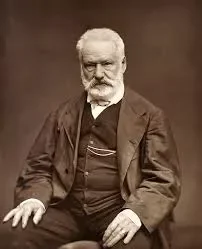
Victor Hugo
Born26 Feb, 1802
Died22 May, 1885
NationalityFrench
Age at time of death83
Joseph Pilates
Born09 Dec, 1883
Died09 Oct, 1967
NationalityGerman
Age at time of death83
Nina Simone
Born21 Feb, 1933
Died21 Apr, 2003
NationalityAmerican
Age at time of death70
Mark Twain
Born30 Nov, 1835
Died21 Apr, 1910
NationalityAmerican
Age at time of death74
Jules Verne
Born08 Feb, 1828
Died24 Mar, 1905
NationalityFrench
Age at time of death77