Real Celebrities Never Die!
OR
Search For Past Celebrities Whose Birthday You Share
Died Age: 71
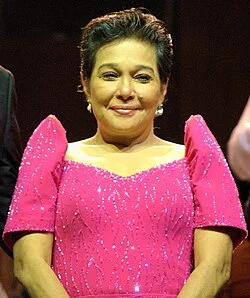
en.wikipedia.org
Nora Aunor
Birthday:
20 May, 1953
Date of Death:
15 Apr, 2025
Cause of death:
Acute respiratory failure
Nationality:
Filipino
Famous As:
Actress
Age at the time of death:
71
Nora Cabaltera Villamayor 's Quote's

“I don’t want to be famous for being famous; I want my work to speak for me.”
Nora Cabaltera Villamayor
🔗 deadcelebrityhub.com
Early Life
Nora Aunor was a phenomenon whose voice and presence have shaped generations. Rising from humble beginnings, she became a multi-award-winning actress, singer, and cultural icon, celebrated for her raw talent, emotional depth, and unwavering dedication to her craft.
Born Nora Cabaltera Villamayor on May 21, 1953, in Iriga City, Camarines Sur, she grew up in a modest household. The youngest of eight siblings, Nora experienced the challenges of a working-class upbringing firsthand, witnessing her family’s perseverance in the face of hardship. Music and performance found her early: even as a child, she would sing for family and friends, her voice carrying a clarity and emotion that hinted at the remarkable talent to come. Her early environment instilled in her a strong sense of discipline and determination, qualities that would guide her through the highs and lows of show business.
Education
Education played a role in shaping Nora’s resilience. Though she did not have a formal conservatory-style training, her early schooling in Manila exposed her to a broader cultural landscape and nurtured her innate performance skills. She participated in local singing contests, honing her craft and gaining confidence—a prelude to the national stage that awaited her.
Career Journey
Nora’s career began in earnest in the late 1960s. Her breakthrough came when she won the national singing competition “Tawag ng Tanghalan” in 1967, a pivotal moment that catapulted her from a small-town girl to a rising star in the Philippines. Her unique ability to convey deep emotion through song quickly made her a household name, earning her the affectionate nickname “Superstar.” By the early 1970s, she had expanded her talents into acting, bringing the same authenticity and vulnerability to the silver screen.
Her film career unfolded in distinct phases. The early years saw Nora taking on a variety of roles in dramas and musicals, quickly earning critical acclaim. She won her first acting awards in the 1970s, distinguishing herself from her contemporaries with performances that were both nuanced and powerful. The 1980s marked a peak period: films such as Himala and Bona showcased her ability to embody complex, emotionally charged characters, earning her international recognition and cementing her status as one of the Philippines’ greatest actresses. Despite facing industry challenges, including shifting trends in cinema and personal controversies, Nora’s talent remained undeniable, allowing her to transition smoothly into later career stages that included television, music revival, and continued film work.
Personal Life
Beyond her professional achievements, Nora Aunor’s personal life reflects a woman of quiet strength and introspection. Known for her humility and preference for privacy, she has navigated fame with grace, balancing family life with a demanding career. Her dedication to her craft often meant personal sacrifices, yet she maintained close bonds with her loved ones and remained deeply connected to her roots.
Legacy
Nora Aunor’s legacy is profound. She is remembered not only as a consummate performer but as a symbol of perseverance and artistic integrity. Her voice, her performances, and her unwavering commitment to authentic storytelling have left an indelible mark on Philippine culture. Fans and peers alike revere her as the embodiment of talent that transcends generations—a true superstar whose story continues to inspire.
Profile Snapshot
Name:
Nora Cabaltera Villamayor
Popular Name:
Nora Aunor
Gender:
Female
Cause of Death:
Acute respiratory failure
Spouse:
Christopher de Leon
Place of Birth:
Iriga City, Philippines
Place of Death:
Pasig, Philippines
Occupation / Profession:
Actress
Producer
Singer
Personality Type
Campaigner: Nora Aunor had empathy and artistic integrity, which illuminated every stage and screen she graced.
Nora Cabaltera Villamayor 's Interesting Facts
Nora was the first female singer to win the “Tawag ng Tanghalan” competition in 1967, which launched her career.
Despite her fame, she prefers a private life and is known for her humility and simple lifestyle.
She has a unique singing style called “dramatic belting,” which allows her to convey deep emotion effortlessly.
Achievements & Awards
Nora Aunor’s career is marked by groundbreaking achievements in both music and film.
She has won numerous acting awards, including multiple FAMAS and Gawad Urian Best Actress trophies, and earned international recognition for films like Himala and Thy Womb.
In music, she has released dozens of albums, becoming one of the most iconic voices in the Philippines.
Her contributions have made her a cultural icon and a trailblazer for Filipino performers.
Latest Profiles
People also viewed
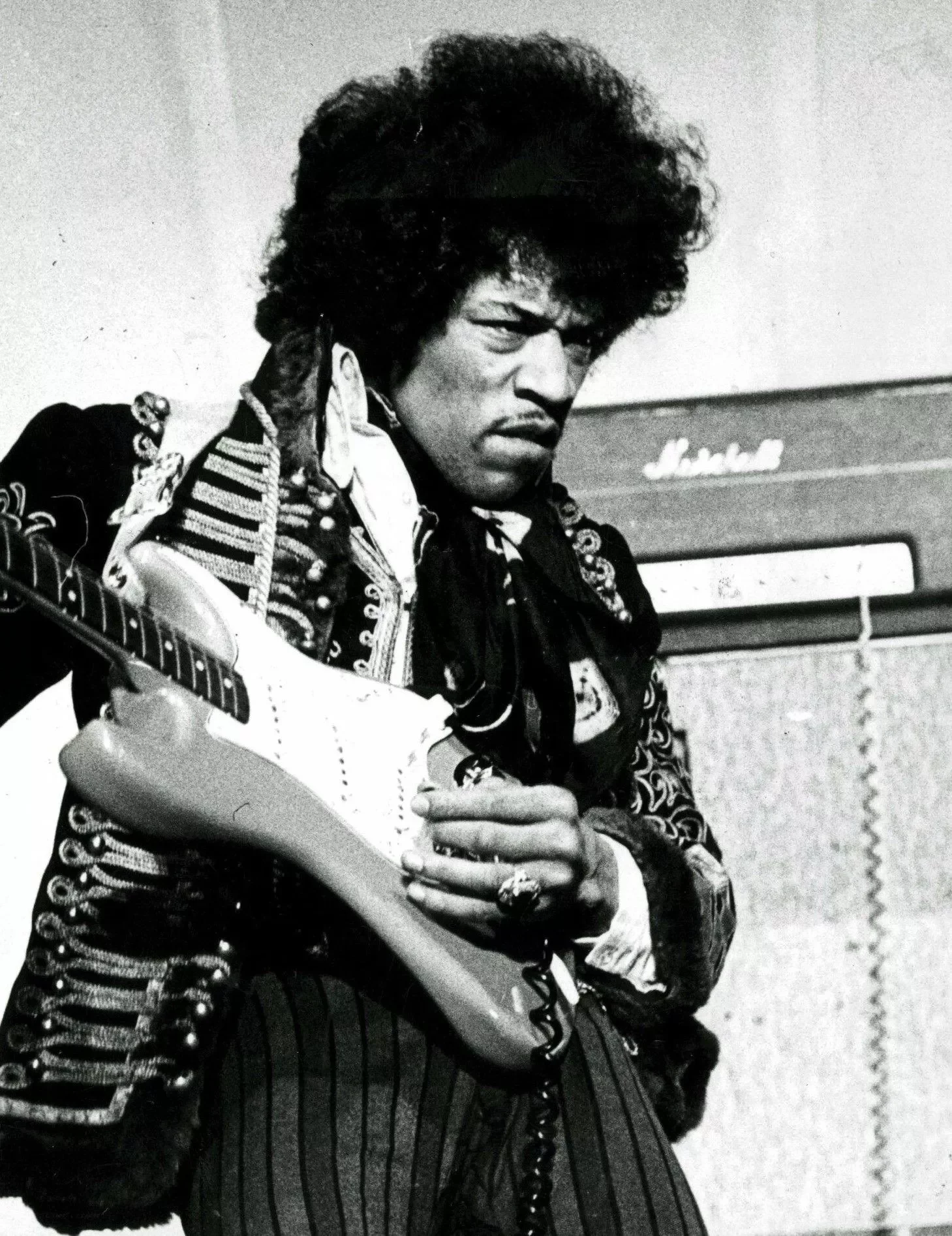
Jimi Hendrix
Born27 Nov, 1942
Died18 Sep, 1970
NationalityAmerican
Age at time of death27

Jesse Powell
Born12 Sep, 1971
Died13 Sep, 2022
NationalityAmerican
Age at time of death51
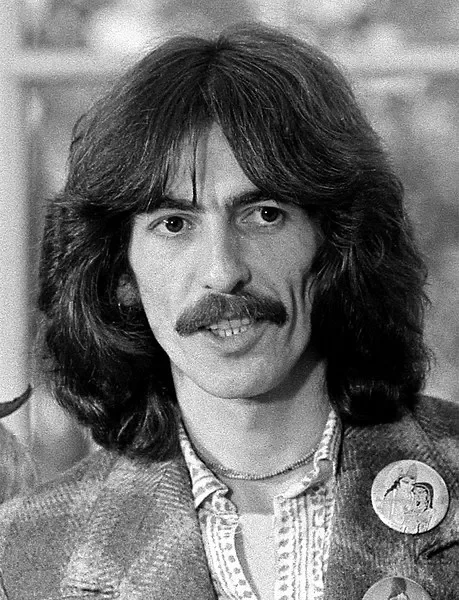
George Harrison
Born25 Feb, 1943
Died29 Nov, 2001
NationalityBritish
Age at time of death58
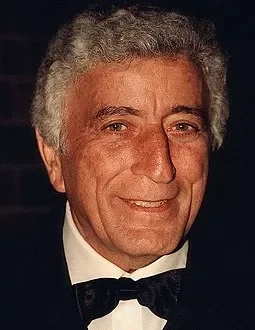
Tony Bennett
Born03 Aug, 1926
Died21 Jul, 2023
NationalityAmerican
Age at time of death96
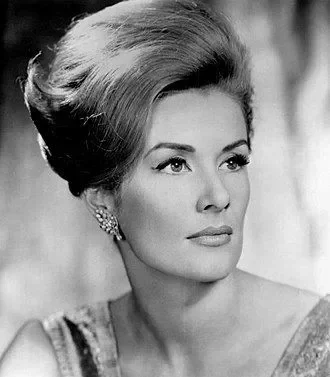
Sally Ann Howes
Born20 Jul, 1930
Died19 Dec, 2021
NationalityBritish, American
Age at time of death91
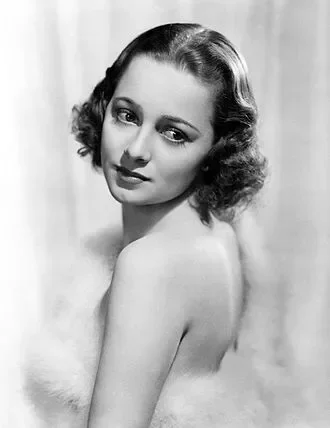
Olivia de Havilland
Born01 Jul, 1916
Died26 Jul, 2020
NationalityBritish, American
Age at time of death104
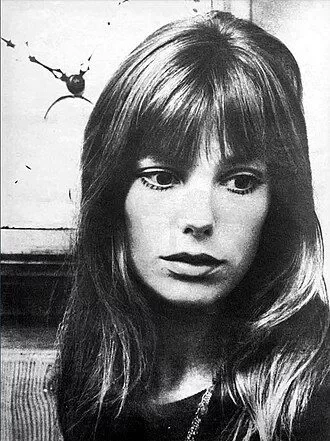
Jane Birkin
Born14 Dec, 1946
Died16 Jul, 2023
NationalityBritish, French
Age at time of death76

Chester Bennington
Born20 Mar, 1976
Died20 Jul, 2017
NationalityAmerican
Age at time of death41
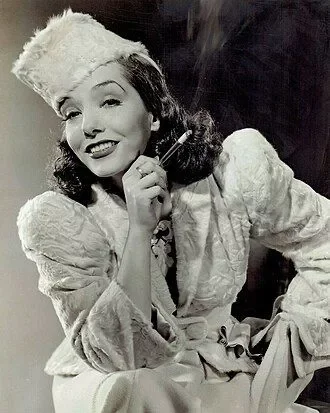
Lupe Vélez
Born18 Jul, 1908
Died14 Dec, 1944
NationalityMexican
Age at time of death36
Johnny Ace
Born09 Jun, 1929
Died25 Dec, 1954
NationalityAmerican
Age at time of death25
Vera-Ellen
Born16 Feb, 1921
Died30 Aug, 1981
NationalityAmerican German
Age at time of death60
Phyllis Diller
Born17 Jul, 1917
Died20 Aug, 2012
NationalityAmerican
Age at time of death95
Olivia Newton-John
Born26 Sep, 1948
Died08 Aug, 2022
NationalityBritish, Australian
Age at time of death73
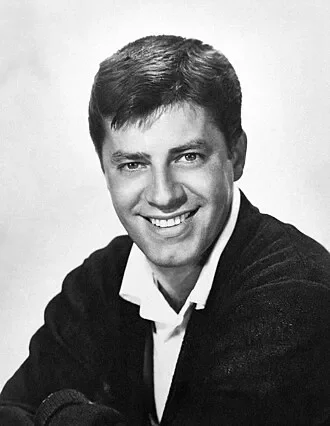
Jerry Lewis
Born16 Mar, 1926
Died20 Aug, 2017
NationalityAmerican
Age at time of death91
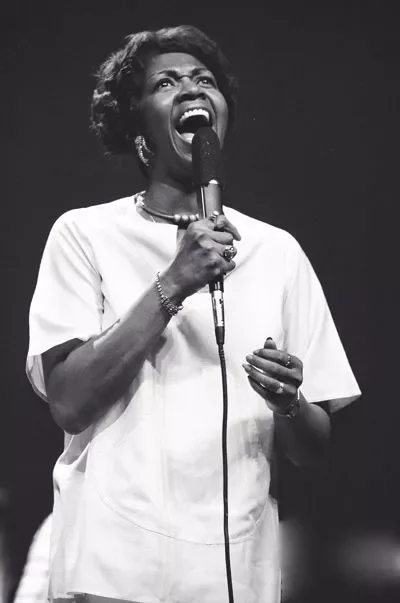
Cissy Houston
Born30 Sep, 1933
Died07 Oct, 2024
NationalityAmerican
Age at time of death91
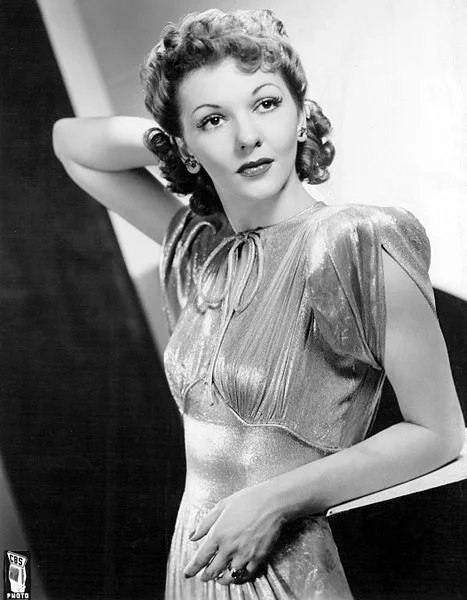
Mary Martin
Born01 Dec, 1913
Died03 Nov, 1990
NationalityAmerican
Age at time of death76
Jim Morrison
Born08 Dec, 1943
Died03 Jul, 1971
NationalityAmerican
Age at time of death27

Christopher Lee
Born27 May, 1922
Died07 Jun, 2015
NationalityBritish
Age at time of death93

Biz Markie
Born08 Apr, 1964
Died16 Jul, 2021
NationalityAmerican
Age at time of death57
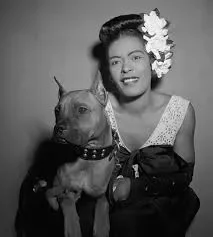
Billie Holiday
Born07 Apr, 1915
Died17 Jul, 1959
NationalityAmerican
Age at time of death44