Real Celebrities Never Die!
OR
Search For Past Celebrities Whose Birthday You Share
Died Age: 97
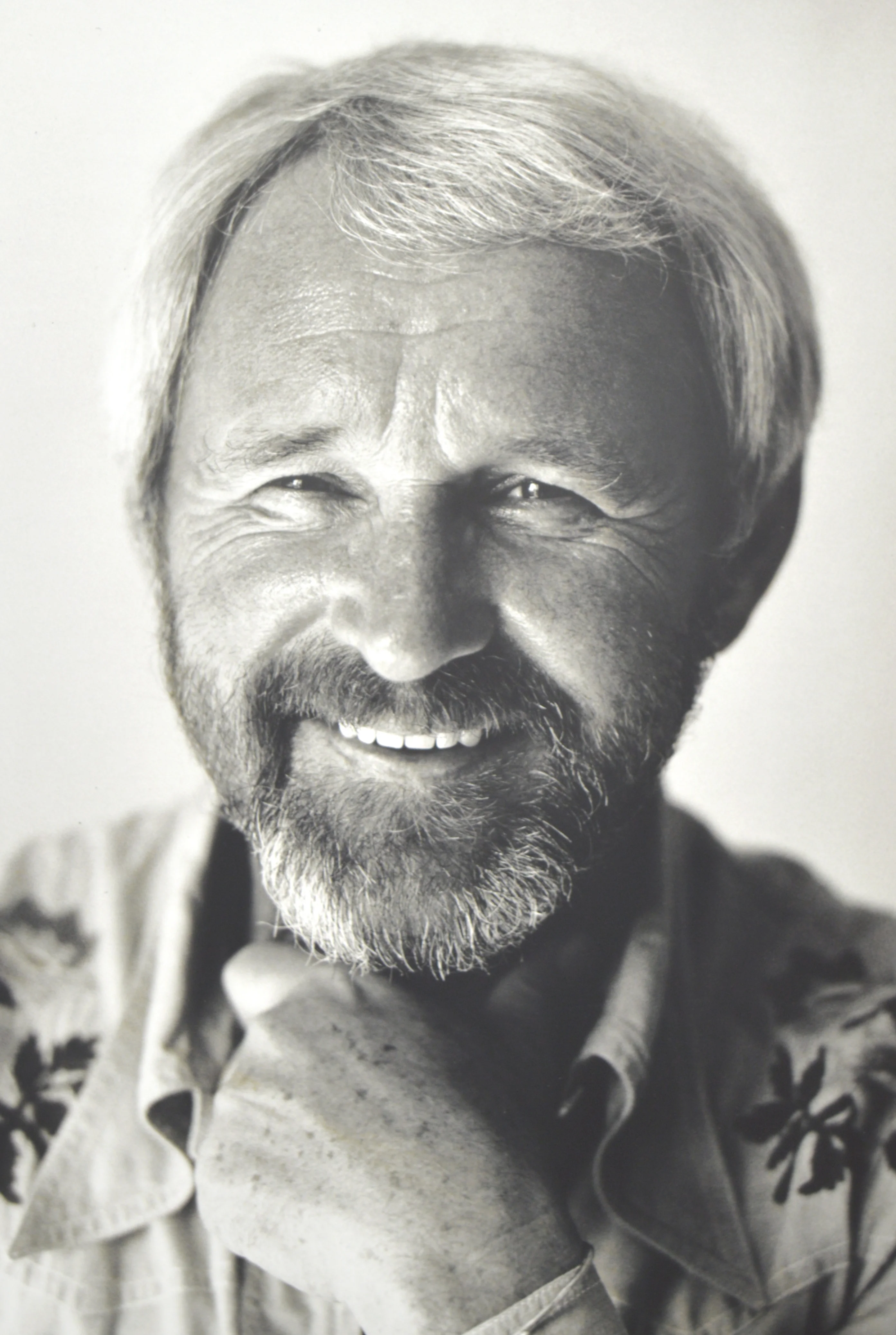
wikimedia.org
Norman Jewison
Birthday:
21 Jul, 1926
Date of Death:
20 Jan, 2024
Cause of death:
Natural causes
Nationality:
Canadian
Famous As:
Film director
Age at the time of death:
97
Norman Frederick Jewison's Quote's

“I’m a storyteller, not a preacher.”
Norman Frederick Jewison
🔗 deadcelebrityhub.com
Biography of Norman Jewison
Norman Jewison, one of Canada’s most beloved filmmakers, came into the world on July 21, 1926, in Toronto, Ontario. Born to Dorothy Irene (née Weaver) and Percy Joseph Jewison, who ran a convenience store and post office, Norman grew up in a simple home during the tough years of the Great Depression. Even with times being hard, his parents taught him the value of hard work and a deep appreciation for stories. As a kid, he got hooked on theater and performing, setting the stage for a lifelong love affair with the arts.
Early Life and Education
Jewison went to Kew Beach School and Malvern Collegiate Institute, where he started dabbling in acting and writing. When World War II rolled around, he joined the Royal Canadian Navy, serving from 1944 to 1945. After the war, he took a trip through the American South and saw racial segregation up close—an experience that stuck with him and shaped the films he’d make later on. In 1949, he wrapped up his studies at Victoria College at the University of Toronto, earning a degree in political science. While there, he threw himself into theater, writing, directing, and acting in student shows. Fresh out of school, he headed to London to chase opportunities in TV and film. He landed a gig at the BBC writing scripts for kids’ programs and picked up small acting roles to pay the bills. Money got tight, though, and by 1951, he found himself back in Canada.
Personal Life
In 1953, Norman tied the knot with Margaret Ann "Dixie" Dixon, a former model. They built a life together that lasted over 50 years until she passed away in 2004. The couple had three kids—Michael, Kevin, and Jennifer—who all ended up working in entertainment. In 2010, Jewison married Lynne St. David. Friends and family knew him as a humble guy who always made time for the people he loved, even with a big career in film.
Professional Career and Achievements
Jewison kicked off his career at CBC Television in Toronto in the early 1950s. He made a name for himself directing lively variety shows like The Big Revue and The Barris Beat. By 1958, he’d moved to New York to work for NBC, where he helmed popular programs like Your Hit Parade and The Andy Williams Show. That success paved the way to Hollywood. His first feature film, 40 Pounds of Trouble (1962), got him started, but The Cincinnati Kid (1965) with Steve McQueen really put him on the map. Over the next 40 years, Jewison churned out films that tackled big social and political questions while still winning over audiences. Standouts include In the Heat of the Night (1967), which snagged five Oscars, including Best Picture; Fiddler on the Roof (1971), a take on the classic musical; and Moonstruck (1987), a romantic comedy that nabbed three Academy Awards. Jewison had a knack for weaving themes like racial injustice (A Soldier’s Story, The Hurricane), religious identity (Jesus Christ Superstar), and human grit (Agnes of God) into his work. He could mix heavy topics with warmth and humor, making him one of Hollywood’s most well-rounded directors.
Contributions and Legacy
Jewison didn’t just make movies—he gave back to Canada’s creative scene. In 1988, he started the Canadian Film Centre (CFC) in Toronto to help new filmmakers find their footing and push the industry forward. His efforts earned him a slew of honors, from honorary degrees at Canadian universities to lifetime achievement awards from the Directors Guild of America and Canada. His films racked up 46 Oscar nominations and took home 12 wins. Though he never snagged a Best Director Oscar despite three nods (In the Heat of the Night, Fiddler on the Roof, Moonstruck), his impact on film is crystal clear. In 1999, the Academy gave him the Irving G. Thalberg Memorial Award for his lasting contributions to movies.
Death and Legacy
Norman Jewison passed away quietly at his home in Malibu, California, on January 20, 2024, at 97 years old. His family didn’t share a specific cause of death, but his loss felt like the close of a chapter for Canadian cinema. Jewison’s legacy lives on in his films, which still strike a chord with people everywhere. He had a gift for tackling tricky social issues with care and imagination, leaving a lasting imprint on Hollywood and Canadian filmmaking alike. His work stands as proof of his belief that movies should push audiences to think while capturing what it means to be human.
Profile Snapshot
Name:
Norman Frederick Jewison
Popular Name:
Norman Jewison
Gender:
Male
Cause of Death:
Natural causes
Spouse:
Margaret Ann Dixon
Lynne St. David-Jewison
Place of Birth:
Toronto, Ontario, Canada
Place of Death:
Malibu, California, USA
Occupation / Profession:
Film director
Film producer
Screenwriter
Personality Type
Protagonist: Charismatic and inspiring leaders, able to mesmerize their listeners. Jewison’s ability to inspire actors, address social issues, and connect with audiences suggests a “Protagonist” personality type. His warmth, leadership, and focus on meaningful storytelling align with this personality’s traits.
Norman Frederick Jewison's Interesting Facts
Despite his last name and frequent assumptions, Jewison was actually raised as a Protestant and often had to clarify that he was not Jewish.
He directed classics like In the Heat of the Night, Fiddler on the Roof, Moonstruck, and The Thomas Crown Affair, earning multiple Oscar nominations.
In 1988, he founded the Canadian Film Centre (CFC) to support and develop new Canadian talent in film, television, and digital media.
Many of his films addressed racial injustice, war, and civil rights, making him one of Hollywood’s most socially conscious filmmakers.
Norman Jewison was a Canadian film director, producer, and screenwriter known for tackling complex social issues through mainstream cinema.
Achievements & Awards
Directed In the Heat of the Night, which won Best Picture in 1967.
Earned three Oscar nominations for Best Director.
Received a star on the Hollywood Walk of Fame in 1988.
Received the Irving G. Thalberg Memorial Award in 1999.
Won a Genie Award for The Statement in 2003.
External Links
Additional Links
https://kids.kiddle.co/Norman_Jewisonhttps://simple.wikipedia.org/wiki/Norman_Jewisonhttps://stylerug.net/in-news/filmmaker-norman-jewison-dies-aged-97/https://www.bbc.com/news/world-us-canada-68064514https://www.thecanadianencyclopedia.ca/en/article/jewison-norman-frederickhttps://www.wikidata.org/wiki/Q309214
Latest Profiles
People also viewed
Alfred Hitchcock
Born13 Aug, 1899
Died29 Apr, 1980
NationalityAmerican, British
Age at time of death80
Stanley Kubrick
Born26 Jul, 1928
Died07 Mar, 1999
NationalityAmerican, British
Age at time of death70
William Peter Blatty
Born07 Jan, 1928
Died12 Jan, 2017
NationalityAmerican
Age at time of death89
Andy Warhol
Born06 Aug, 1928
Died22 Feb, 1987
NationalityAmerican
Age at time of death58
Samuel Goldwyn
Born27 Jul, 1882
Died31 Jan, 1974
NationalityPolish, American
Age at time of death91
Paul Allen
Born21 Jan, 1953
Died15 Oct, 2018
NationalityAmerican
Age at time of death65
Bob Clark
Born05 Aug, 1939
Died04 Apr, 2007
NationalityAmerican
Age at time of death67
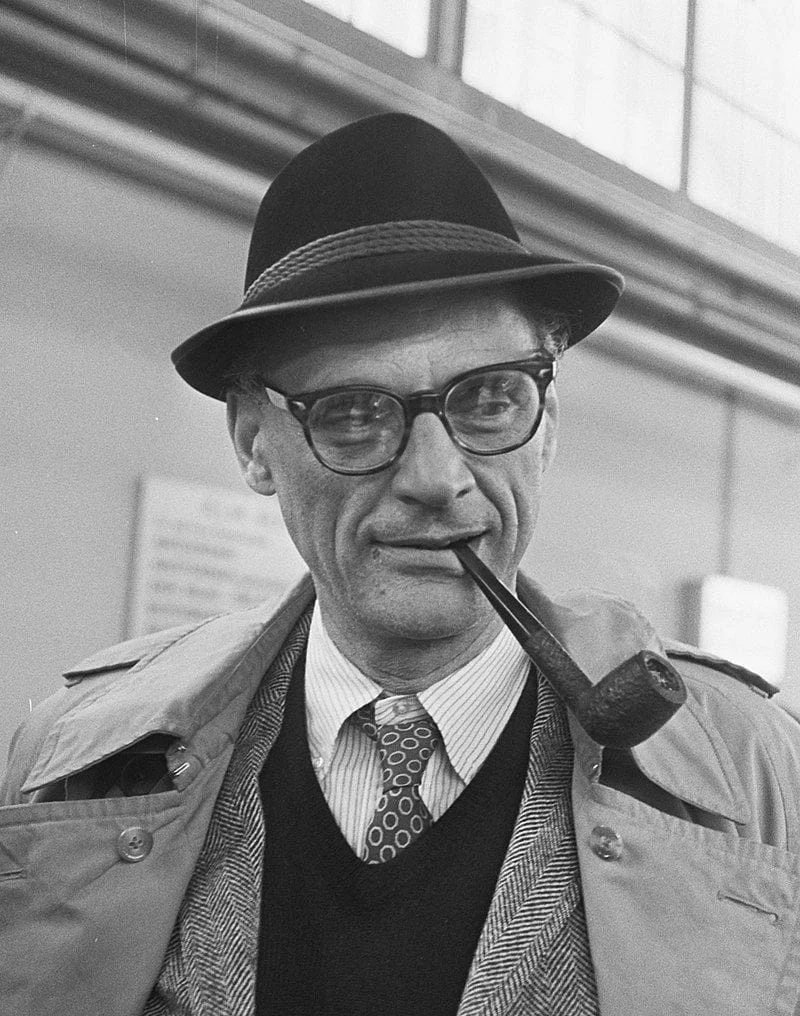
Arthur Miller
Born17 Oct, 1915
Died10 Feb, 2005
NationalityAmerican
Age at time of death89
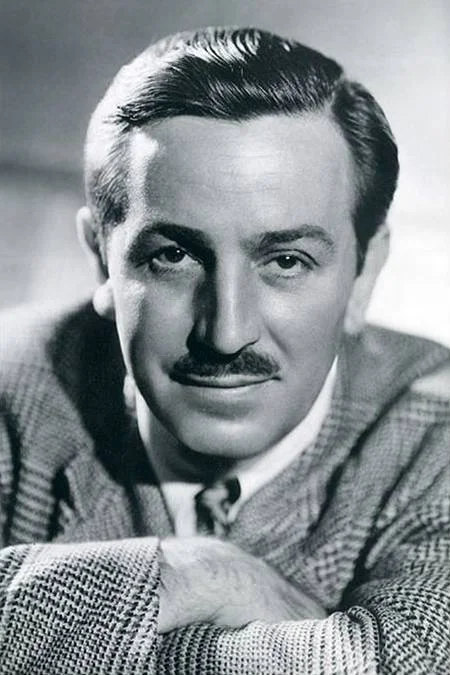
Walt Disney
Born05 Dec, 1901
Died15 Dec, 1966
NationalityAmerican
Age at time of death65
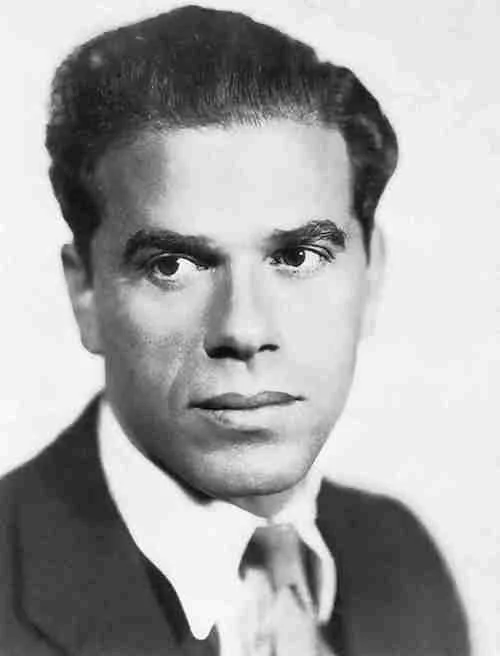
Frank Capra
Born18 May, 1897
Died03 Sep, 1991
NationalityItalian, American
Age at time of death94
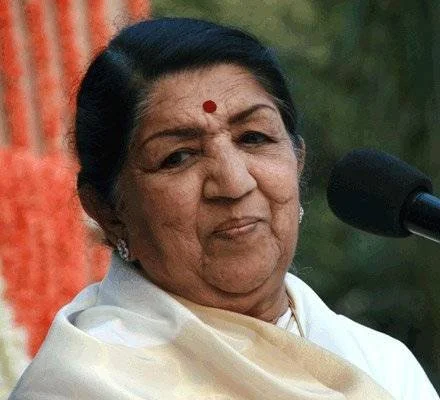
Lata Mangeshkar
Born28 Sep, 1929
Died06 Feb, 2022
NationalityIndian
Age at time of death92
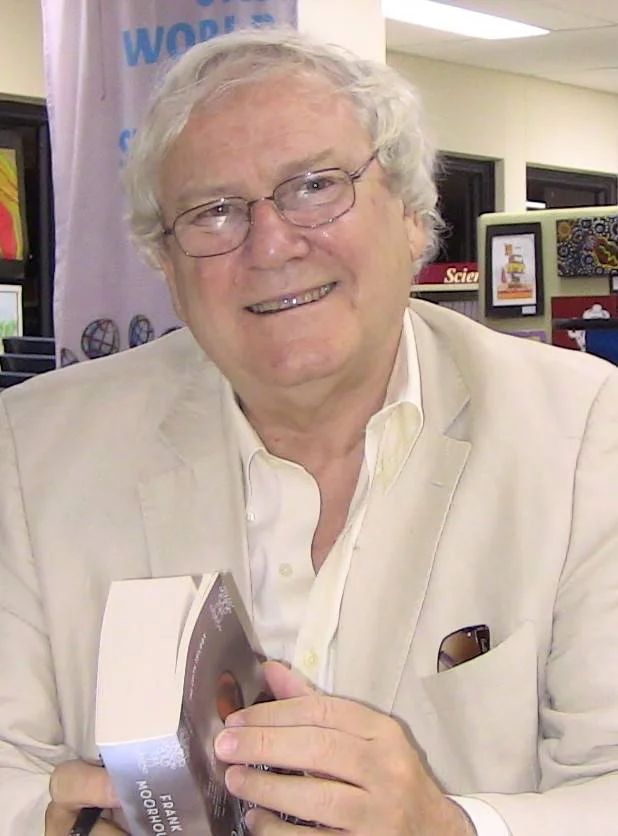
Frank Moorhouse
Born21 Dec, 1938
Died26 Jun, 2022
NationalityAustralian
Age at time of death83
Zoe Akins
Born30 Oct, 1886
Died29 Oct, 1958
NationalityAmerican
Age at time of death71
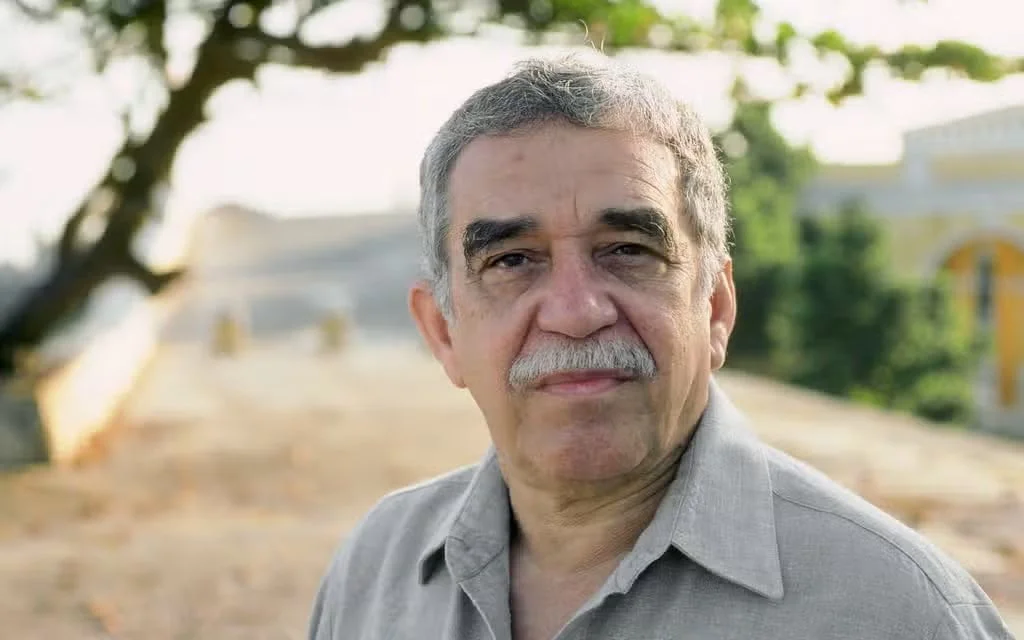
Gabriel Márquez
Born06 Mar, 1927
Died17 Apr, 2014
NationalityColombian, Mexican
Age at time of death87
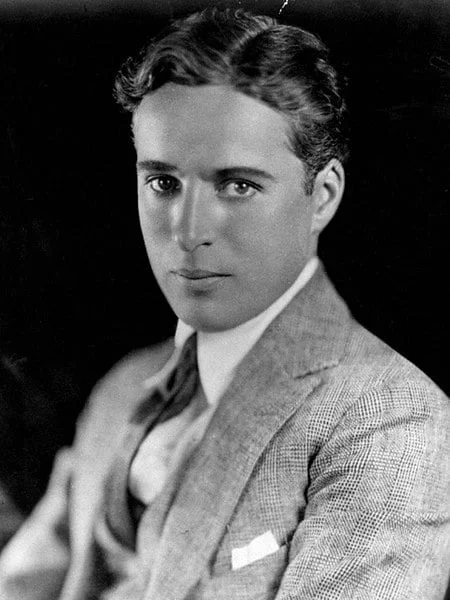
Charlie Chaplin
Born16 Apr, 1889
Died25 Dec, 1977
NationalityBritish
Age at time of death88
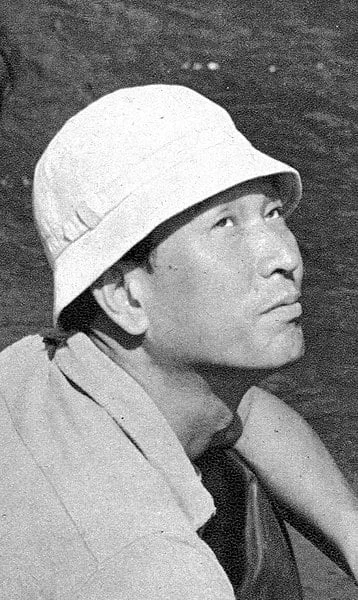
Akira Kurosawa
Born23 Mar, 1910
Died06 Sep, 1998
NationalityJapanese
Age at time of death88
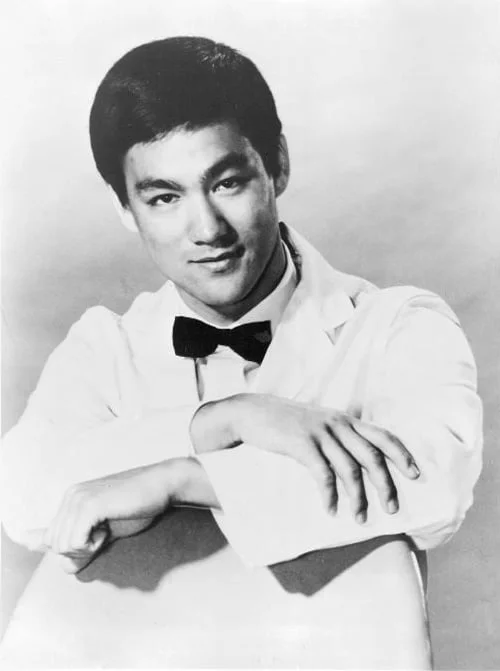
Bruce Lee
Born27 Nov, 1940
Died20 Jul, 1973
NationalityAmerican
Age at time of death32
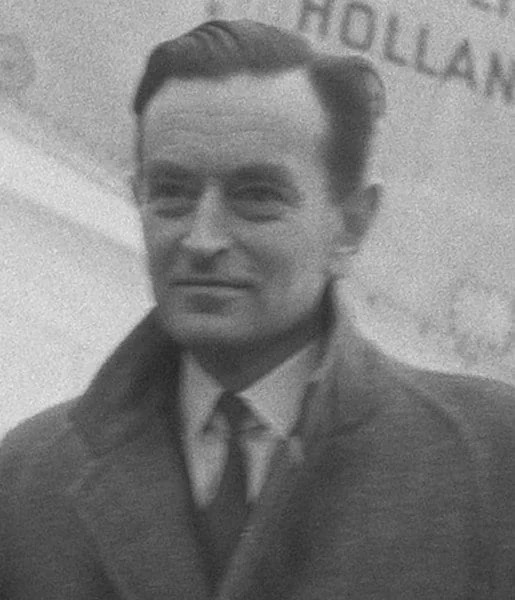
David Lean
Born25 Mar, 1908
Died16 Apr, 1991
NationalityBritish
Age at time of death83
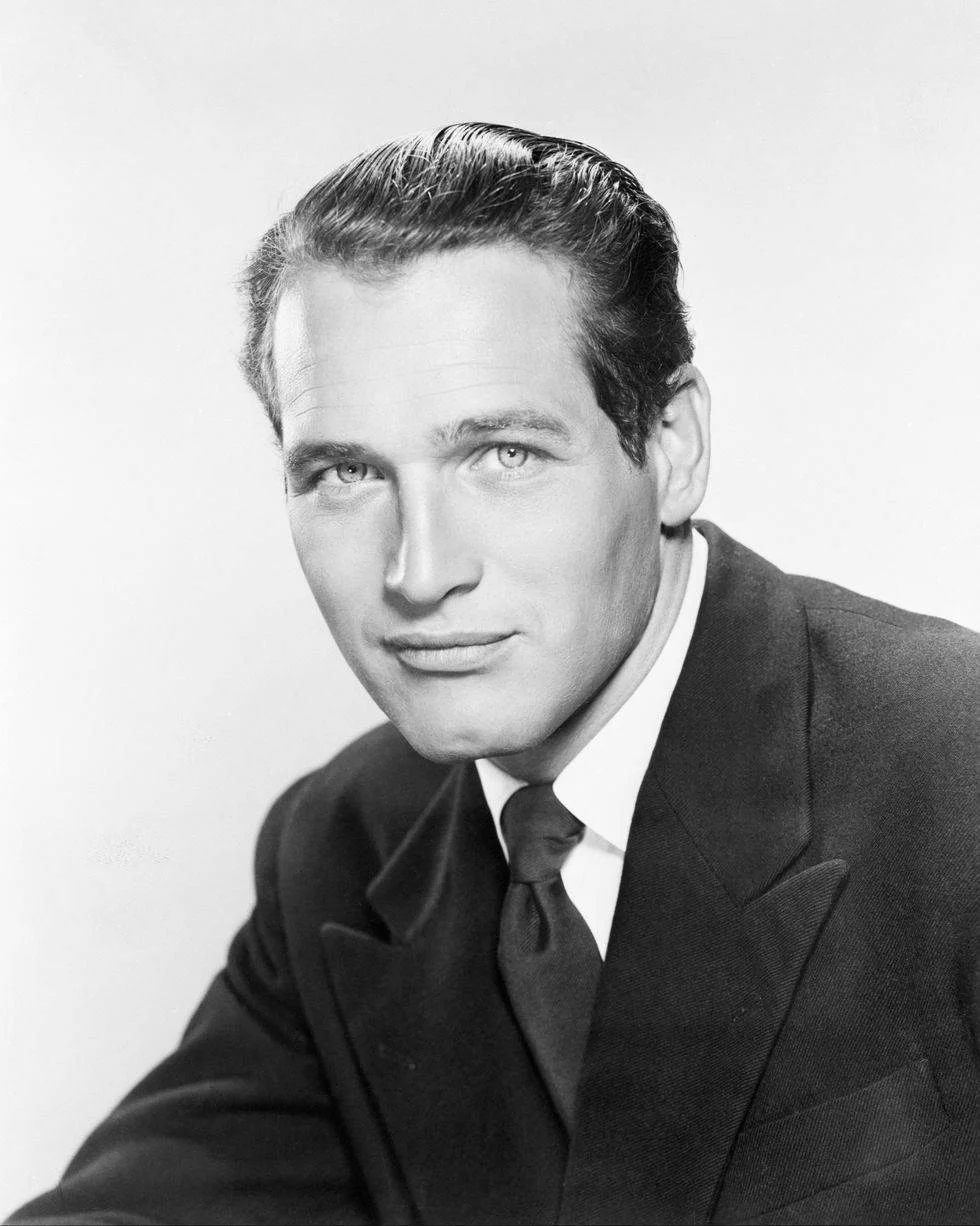
Paul Newman
Born26 Jan, 1925
Died26 Sep, 2008
NationalityAmerican
Age at time of death83
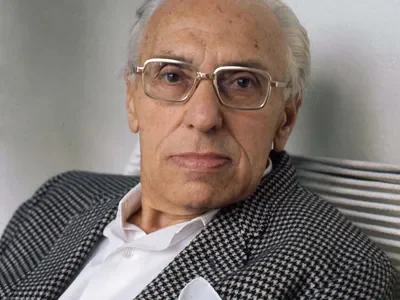
George Cukor
Born07 Jul, 1899
Died24 Jan, 1983
NationalityAmerican
Age at time of death83