Real Celebrities Never Die!
OR
Search For Past Celebrities Whose Birthday You Share
Died Age: 72
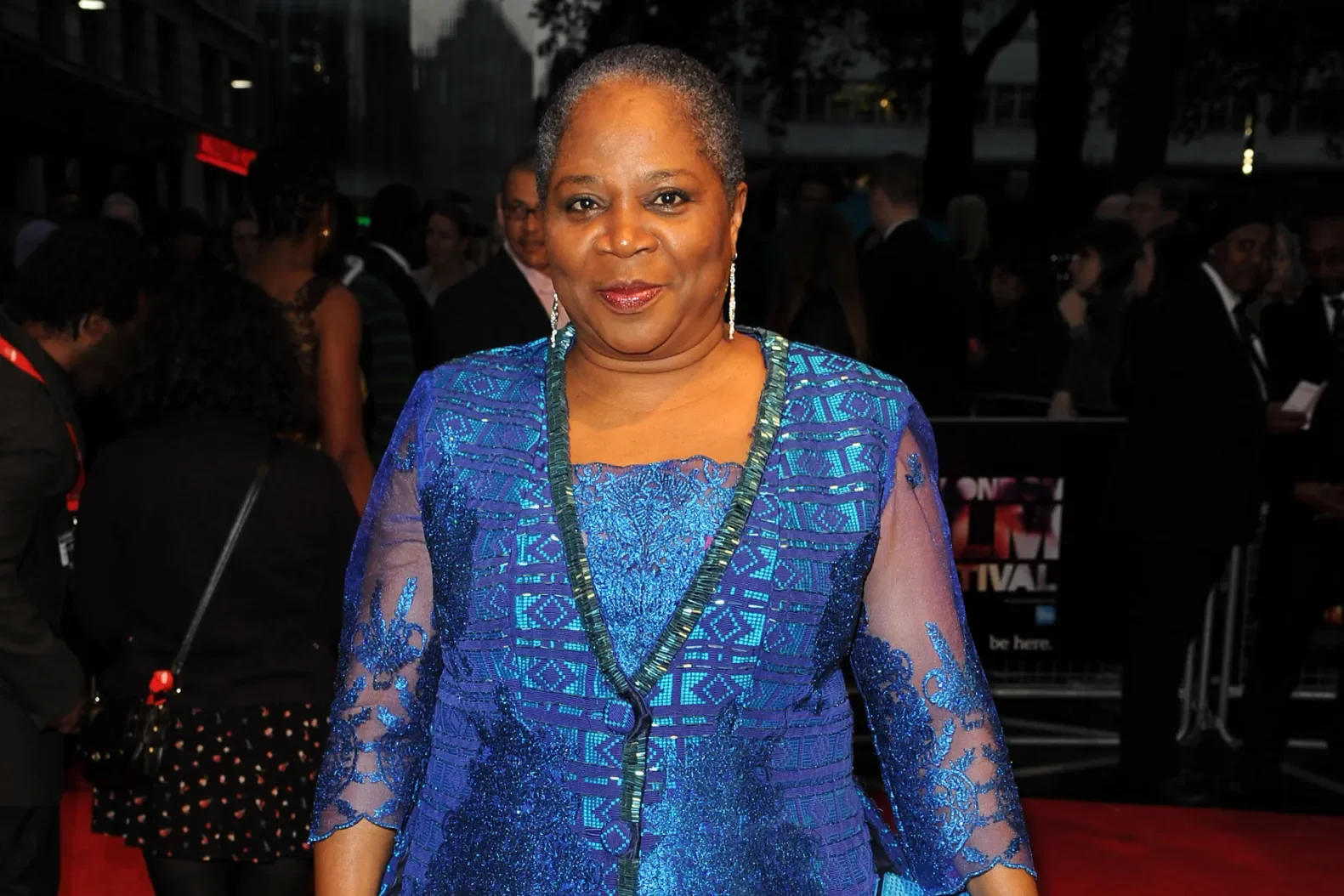
www.rollingstone.com
Onyeka Onwenu
Birthday:
30 May, 1952
Date of Death:
29 Jul, 2024
Cause of death:
Slumped
Nationality:
Nigerian
Famous As:
Actress
Age at the time of death:
72
Onyeka Onwenu's Quote's

“I believe in Nigeria. I believe in our people. I believe that if we can just do the right thing, this country will be great.”
Onyeka Onwenu
🔗 deadcelebrityhub.com
Early Life: Born into Legacy, Raised with Purpose
Onyeka Onwenu is a rare force—an artist whose voice transcends music, an actress who commands the screen, and a public figure whose grace and strength have inspired generations. Nicknamed “The Elegant Stallion,” Onwenu is one of Nigeria’s most enduring cultural icons, blending artistry with activism, and elegance with fierce conviction. Whether singing soulful ballads, challenging injustice, or serving her country, she has always stood tall—unyielding, eloquent, and unforgettable.
Onyeka Onwenu was born on May 17, 1952, in Obosi, Anambra State, Nigeria, into a well-educated and politically conscious family. Her father, D.K. Onwenu, was a prominent educationist and politician who tragically died in a car accident when Onyeka was only four. This early loss left an indelible mark on her life, shaping her resilience and sharpening her empathy—two qualities that would later echo through her art.
Raised primarily by her mother, who was also an educationist, Onyeka grew up in a household that valued integrity, education, and service. As a child, she was both bookish and expressive—just as likely to bury her nose in a novel as she was to sing at a school assembly.
Trivia: She was known among her peers as “the little professor” because of her confident diction and precocious vocabulary.
Education: A Scholar Before the Spotlight
Onyeka’s academic journey took her far from home. After completing her early education in Nigeria, she moved to the United States, where she earned a Bachelor’s degree in International Relations and a Master’s in Media and Communications from the Wellesley College and The New School for Social Research in New York City.
This global exposure gave her a sophisticated worldview. She returned to Nigeria not just with degrees, but with a passion for storytelling and a desire to contribute meaningfully to her country’s narrative—on screen, through journalism, and eventually through music.
Career Journey: From Documentarian to Cultural Powerhouse
Phase 1: Journalism and Public Affairs
Onyeka began her professional life as a journalist with the Nigerian Television Authority (NTA) in the early 1980s, where she produced hard-hitting documentaries that explored Nigeria’s social and political challenges. One of her most notable documentaries, Nigeria: A Squandering of Riches, exposed government corruption and mismanagement, sparking national debate.
This work marked her as a bold voice unafraid to confront uncomfortable truths. But Onyeka had more to say—and music gave her a new stage.
Phase 2: Musical Stardom and Cultural Revolution
In 1981, Onyeka released her debut album, Endless Life, which began her ascent as a music star. But it was her decision to blend highlife with contemporary pop, soul, and traditional Igbo rhythms that set her apart. Her breakout album One Love (1986) featured the title track that would become an anthem of unity across Nigeria.
Her music was sensual without being exploitative, political without being preachy, and spiritual without being sanctimonious. She sang of love, justice, motherhood, and womanhood in a voice that carried both vulnerability and strength.
Fun Fact: Onyeka once turned down a major international record deal because it required her to change her sound and image. She refused to compromise her roots.
She collaborated with legends like King Sunny Adé and Sonny Okosun, becoming one of the few Nigerian artists to successfully bridge the gap between traditional African music and global pop.
Phase 3: Film, Public Service, and National Influence
Not content to remain confined to music, Onyeka turned to acting in the '90s and quickly became a fixture in Nollywood. Her roles in films like Half of a Yellow Sun and Widows Cot displayed a compelling range, often portraying strong, complex Nigerian women.
Beyond the arts, she stepped into public service. Onyeka served as Director General of the National Centre for Women Development from 2013 to 2015, where she advocated for gender equity and the empowerment of rural women.
Personal Life: A Private Strength
Despite her fame, Onyeka Onwenu has always guarded her private life closely. A devoted mother to her two sons, she has balanced her public persona with the quiet dignity of a woman who values home and family. She speaks openly about her Christian faith, her Igbo identity, and the importance of mental wellness and emotional resilience.
She is also a tireless advocate for women’s rights, having spoken at numerous conferences about gender-based violence, single motherhood, and the need for more representation in leadership.
Legacy: The Woman Who Sang—and Lived—‘One Love’
Onyeka Onwenu’s legacy is not simply artistic—it is deeply cultural and national. She stands as a symbol of grace, courage, and pan-African pride. Her songs continue to play at weddings, protests, and national celebrations. Her documentaries are studied. Her acting resonates across generations.
She has received numerous awards, including national honors, and remains a revered figure across Africa. Yet, she is never static. Even into her 70s, she continues to write, perform, and mentor young artists—often emphasizing the power of storytelling in shaping identity.
Her memoir, My Father’s Daughter (2020), is a deeply personal and political reflection on her life, family, and Nigeria’s evolution.
Profile Snapshot
Name:
Onyeka Onwenu
Popular Name:
Onyeka Onwenu
Gender:
Female
Cause of Death:
Slumped
Spouse:
Place of Birth:
Port-Harcourt, Nigeria
Place of Death:
Lagos, Nigeria
Occupation / Profession:
Actress
Human rights
Journalist
Nigerian singer-songwriter
Politician
Social activist
Personality Type
Protagonist: Onyeka Onwenu was a deeply empathetic and visionary leader whose heartfelt advocacy and graceful creativity united voices, championed justice, and inspired generations.
Onyeka Onwenu's Interesting Facts
Onyeka Onwenu is a legendary Nigerian singer, songwriter, and actress often referred to as the "Elegant Stallion" for her poise and influence in the entertainment industry.
She began her career as a journalist and worked with the Nigerian Television Authority before transitioning into music and film.
Onyeka is known for blending Igbo highlife with modern pop and gospel, and her hit songs like "One Love" became anthems of unity and peace in Nigeria.
In addition to her artistic work, she has been an active advocate for women's rights and once served as the Director General of the National Centre for Women Development.
Achievements & Awards
Onyeka Onwenu has received several prestigious awards throughout her career. She was honored with national awards like the Member of the Order of the Federal Republic (MFR) and Member of the Order of the Niger (MON).
Her achievements also include winning Best Female Vocalist at the Nigerian Music Awards, a Lifetime Achievement Award from the Africa Movie Academy, and the AMAA Best Supporting Actress Award for her role in Widow’s Cot.
External Links
Additional Links
Latest Profiles
People also viewed
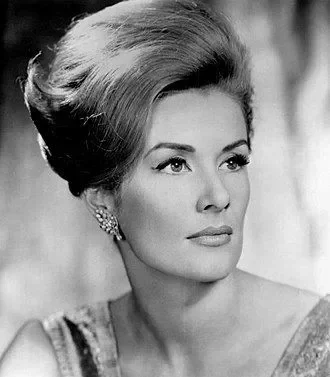
Sally Ann Howes
Born20 Jul, 1930
Died19 Dec, 2021
NationalityBritish, American
Age at time of death91
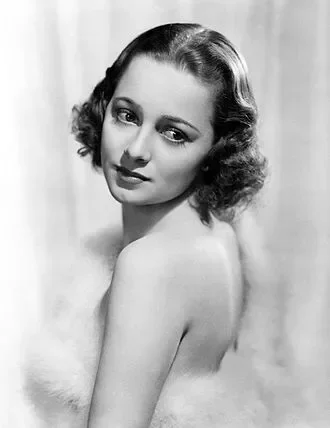
Olivia de Havilland
Born01 Jul, 1916
Died26 Jul, 2020
NationalityBritish, American
Age at time of death104
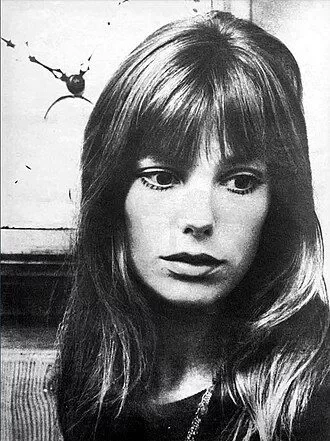
Jane Birkin
Born14 Dec, 1946
Died16 Jul, 2023
NationalityBritish, French
Age at time of death76
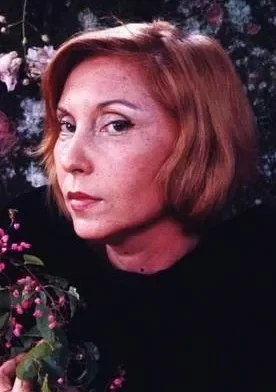
Clarice Lispector
Born10 Dec, 1920
Died09 Dec, 1977
NationalityBrazilian
Age at time of death56
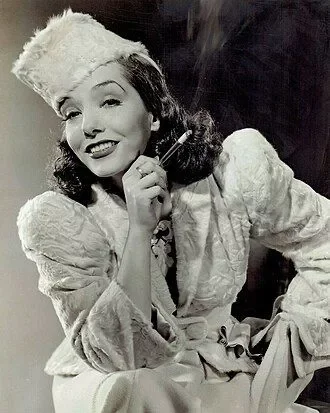
Lupe Vélez
Born18 Jul, 1908
Died14 Dec, 1944
NationalityMexican
Age at time of death36
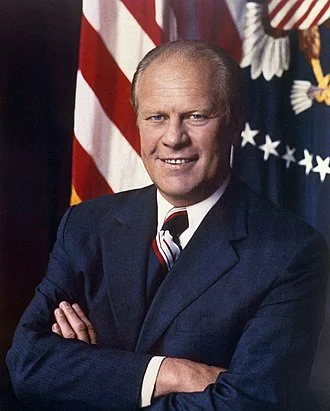
Gerald Ford
Born14 Jul, 1913
Died26 Dec, 2006
NationalityAmerican
Age at time of death93
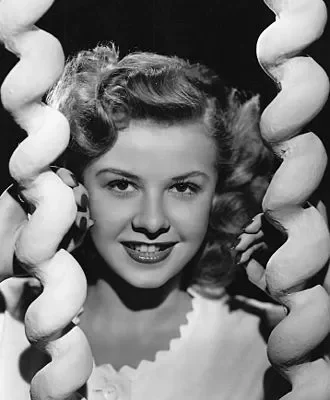
Vera-Ellen
Born16 Feb, 1921
Died30 Aug, 1981
NationalityAmerican German
Age at time of death60
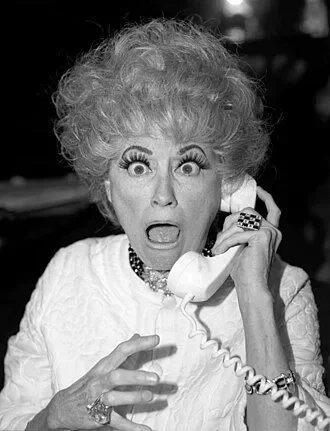
Phyllis Diller
Born17 Jul, 1917
Died20 Aug, 2012
NationalityAmerican
Age at time of death95
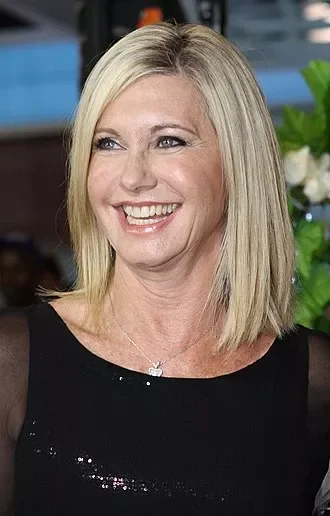
Olivia Newton-John
Born26 Sep, 1948
Died08 Aug, 2022
NationalityBritish, Australian
Age at time of death73
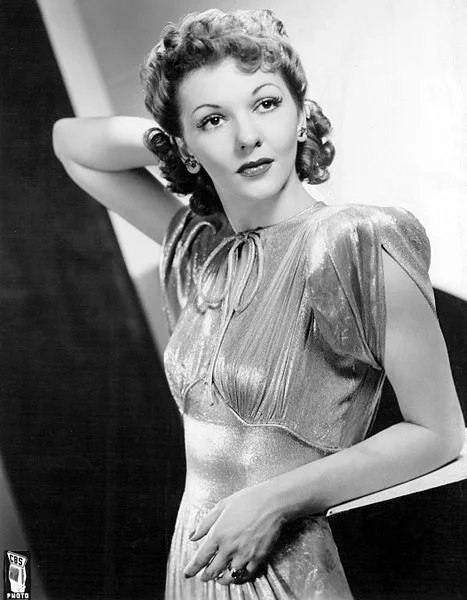
Mary Martin
Born01 Dec, 1913
Died03 Nov, 1990
NationalityAmerican
Age at time of death76
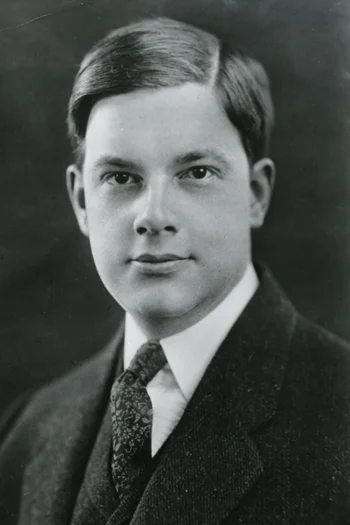
Joyce Kilmer
Born06 Dec, 1886
Died30 Jul, 1918
NationalityAmerican
Age at time of death31
Victor Hugo
Born26 Feb, 1802
Died22 May, 1885
NationalityFrench
Age at time of death83
Tina Turner
Born26 Nov, 1939
Died24 May, 2023
NationalityAfrican, American
Age at time of death83
Tawny Kitaen
Born05 Aug, 1961
Died07 May, 2021
NationalityAmerican
Age at time of death59
George Murphy
Born04 Jul, 1902
Died03 May, 1992
NationalityAmerican
Age at time of death89
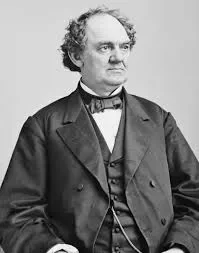
P. T. Barnum
Born05 Jul, 1810
Died07 Apr, 1891
NationalityAmerican
Age at time of death80
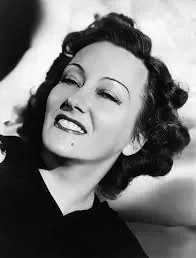
Gloria Swanson
Born27 Mar, 1899
Died04 Apr, 1983
NationalityAmerican
Age at time of death84
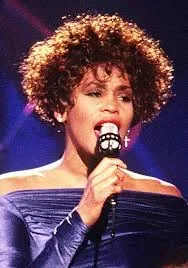
Whitney Houston
Born09 Aug, 1963
Died11 Feb, 2012
NationalityAmerican
Age at time of death48
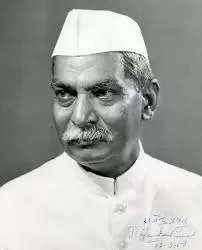
Rajendra Prasad
Born03 Dec, 1884
Died28 Feb, 1963
NationalityIndian
Age at time of death78

Caroline Flack
Born09 Nov, 1979
Died15 Feb, 2020
NationalityBritish
Age at time of death40