Real Celebrities Never Die!
OR
Search For Past Celebrities Whose Birthday You Share
Died Age: 81

specials-images.forbesimg.com
Patrick Adiarte
Birthday:
01 Aug, 1943
Date of Death:
14 Apr, 2025
Cause of death:
Complications of Pneumonia
Nationality:
American
Famous As:
Actor
Age at the time of death:
81
Early Life
From surviving the chaos of World War II in the Philippines to shining under Broadway’s spotlights and gracing television screens across America, Patrick Adiarte lived a life marked by tenacity and artistry. A dancer and actor with a striking presence, he bridged cultures at a time when few Asian performers had access to leading roles. His journey was not only about performing but about quietly expanding the space for others to follow.
Patrick Robert Adiarte was born on August 2, 1943, in Manila, into a family already entwined with performance and service. His mother, Purita, was an actress and dancer, while his father, Isidro, served as a captain in the U.S. Army Corps of Engineers. His earliest years were shaped by the war: he, his mother, and his sister were held captive by Japanese forces on Cebu Island. In 1945, their prison camp came under attack, leaving his sister severely injured. His father, meanwhile, was captured and killed before the war ended.
In 1946, the surviving family immigrated to the United States, arriving in New York Harbour. They brought with them both the scars of war and the determination to start anew. While his sister endured surgeries for her injuries, Patrick discovered dance as both a refuge and a calling, guided by his mother’s artistry and discipline.
Education
Settling in New York, Patrick attended the Professional Children’s School, a haven for young performers balancing academic work with stage commitments. Surrounded by peers equally committed to the arts, he developed the discipline and confidence that would serve him as he moved from the classroom to the stage. Dance was his strongest language, and it carried him into opportunities far beyond what he might have imagined as a child in Manila.
Career Journey
Early Career: Broadway and Hollywood Breakthroughs
Patrick’s first major opportunities came through Broadway. As a young performer, he appeared in The King and I, eventually earning the role of Prince Chulalongkorn in the 1956 film adaptation opposite Yul Brynner. His graceful presence and command of movement made him a natural for such roles.
He continued to blaze a path on Broadway and in film with Flower Drum Song, first on stage in 1958 and then in the 1961 movie version. These works placed him at the forefront of Asian representation in American musicals, giving audiences rare chances to see Asian characters portrayed with depth and dignity.
Around the same time, he was featured on television alongside Gene Kelly in a celebrated dance segment, where Kelly himself praised his talent and potential. For Patrick, this was both a milestone and a validation from one of the greatest dancers of his era.
Major Achievements and Screen Roles
Patrick soon found himself cast in films like High Time (1960), where he played an Indian exchange student opposite Bing Crosby, and John Goldfarb, Please Come Home! (1965), where he portrayed a prince. His versatility allowed him to cross cultural boundaries, though Hollywood often limited him to ethnically typecast roles.
On television, he made memorable appearances in popular series such as Bonanza, Hawaii Five-O, Ironside, The Brady Bunch, and Kojak. Perhaps his most enduring television role was as Ho-Jon in MASH*, a young Korean man connected to the 4077th camp. Though he appeared in only a handful of episodes, his character resonated with audiences, symbolising the human cost of war.
Later Career and Transition
By the mid-1970s, Patrick’s screen appearances slowed. He shifted his energy to teaching dance and choreography, joining the faculty at Santa Monica College, where he worked for more than a decade. Through teaching, he passed on the same discipline and joy that had defined his own performances, mentoring students who may not have realised the breadth of his legacy on stage and screen.
Personal Life
In 1975, Patrick married singer and actress Loni Ackerman. Their marriage lasted until 1992. Though they did not have children, Patrick remained close with extended family, nieces, and nephews. Friends and colleagues often remembered him as generous with his time and deeply committed to the craft of performance, whether on stage or in the studio.
Legacy
Patrick Adiarte’s life was one of quiet trailblazing. He brought visibility to Asian performers in American musicals at a time when opportunities were rare, leaving indelible marks in The King and I and Flower Drum Song. His television work, especially in MASH*, ensured that his artistry reached millions of homes. And his years as a teacher extended his influence into the lives of countless students.
When he passed away in Los Angeles on April 15, 2025, at the age of 81, the world lost a performer who had embodied grace, resilience, and representation. His story—rooted in survival, lifted by talent, and carried forward by dedication—remains a testament to the power of art to transcend borders and endure through generations.
Profile Snapshot
Name:
Patrick Napoleon Adiarte
Popular Name:
Patrick Adiarte
Gender:
Male
Cause of Death:
Complications of Pneumonia
Spouse:
Loni Ackerman
Place of Birth:
Manila, Philippines
Place of Death:
Greater Los Angeles, California, United States.
Occupation / Profession:
Actor
Personality Type
Campaigner: Patrick Adiarte was a gentle spirit whose grace in performance and tenacity in life quietly expanded what was possible for others.
Patrick Napoleon Adiarte's Interesting Facts
He was once singled out by Gene Kelly on television as a dancer with the potential to be “the next Fred Astaire.”
He immigrated to the United States through Ellis Island in 1946, just four years old.
Beyond acting, he found fulfilment in choreography and teaching, shaping lives in the classroom as much as he did on stage.
Achievements & Awards
Patrick Adiarte made his mark as one of the first Filipino-born actors to gain visibility on both Broadway and Hollywood.
He starred in landmark productions such as The King and I (1956) and Flower Drum Song (1961), helping pave the way for Asian representation in American musicals.
On television, he became widely recognised for his role as Ho-Jon in MASH*, alongside appearances in Bonanza, The Brady Bunch, and Hawaii Five-0.
Later in life, he was celebrated as a dedicated dance teacher at Santa Monica College, influencing a new generation of performers.
Latest Profiles
People also viewed
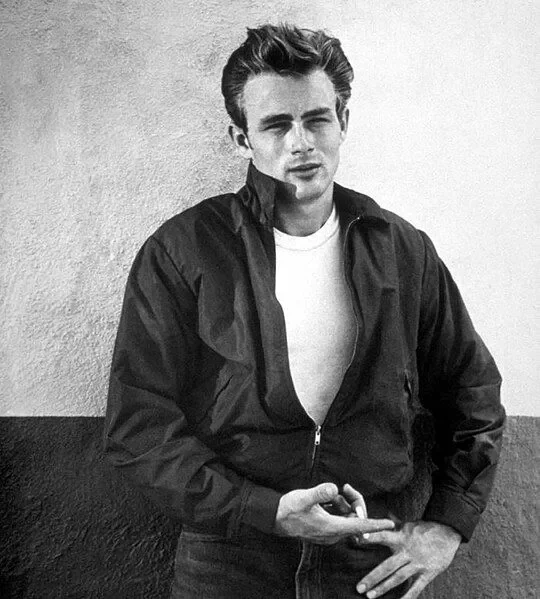
James Dean
Born08 Feb, 1931
Died30 Sep, 1955
NationalityAmerican
Age at time of death24
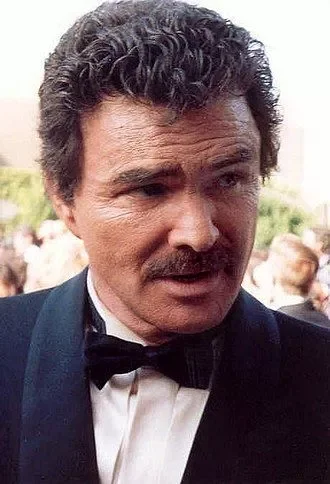
Burt Reynolds
Born11 Feb, 1936
Died06 Sep, 2018
NationalityAmerican
Age at time of death82
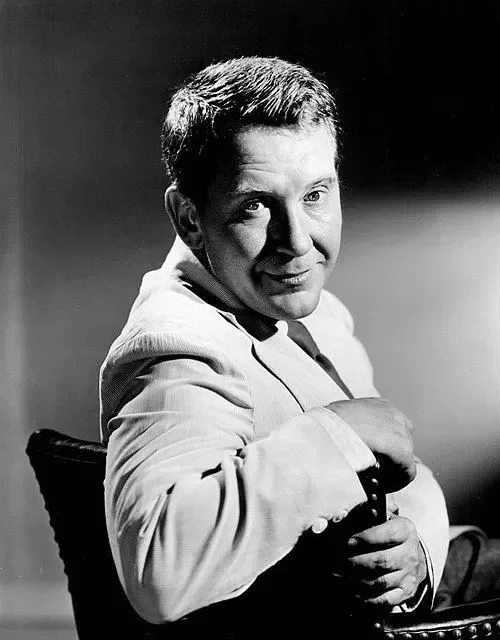
Oliver Burgess Meredith
Born16 Nov, 1907
Died09 Sep, 1997
NationalityAmerican
Age at time of death89

Paul Walker
Born12 Sep, 1973
Died30 Nov, 2013
NationalityAmerican
Age at time of death40
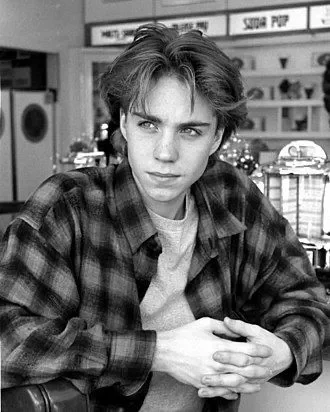
Jonathan Brandis
Born13 Apr, 1976
Died12 Nov, 2003
NationalityAmerican
Age at time of death27

Anton Yelchin
Born11 Mar, 1989
Died19 Jun, 2016
NationalityAmerican
Age at time of death27

Chester Bennington
Born20 Mar, 1976
Died20 Jul, 2017
NationalityAmerican
Age at time of death41
Peter Fonda
Born23 Feb, 1940
Died16 Aug, 2019
NationalityAmerican
Age at time of death79
Jerry Lewis
Born16 Mar, 1926
Died20 Aug, 2017
NationalityAmerican
Age at time of death91
Marlon Brando
Born03 Apr, 1924
Died01 Jul, 2004
NationalityAmerican
Age at time of death80
James Stewart
Born20 May, 1908
Died02 Jul, 1997
NationalityAmerican
Age at time of death89

Cory Monteith
Born11 May, 1982
Died13 Jul, 2013
NationalityCanadian
Age at time of death31

Christopher Lee
Born27 May, 1922
Died07 Jun, 2015
NationalityBritish
Age at time of death93
Paul Mooney
Born04 Aug, 1941
Died19 May, 2021
NationalityAmerican
Age at time of death79
George Murphy
Born04 Jul, 1902
Died03 May, 1992
NationalityAmerican
Age at time of death89

Fred Ward
Born30 Dec, 1942
Died08 May, 2022
NationalityAmerican
Age at time of death79
Frank Sinatra
Born12 Dec, 1915
Died14 May, 1998
NationalityAmerican
Age at time of death82

Eric Morecambe
Born14 May, 1926
Died28 May, 1984
NationalityBritish
Age at time of death58

DMX
Born18 Dec, 1970
Died09 Apr, 2021
NationalityAmerican
Age at time of death50
Alfred Hitchcock
Born13 Aug, 1899
Died29 Apr, 1980
NationalityAmerican, British
Age at time of death80