Real Celebrities Never Die!
OR
Search For Past Celebrities Whose Birthday You Share
Died Age: 35
discogs.com
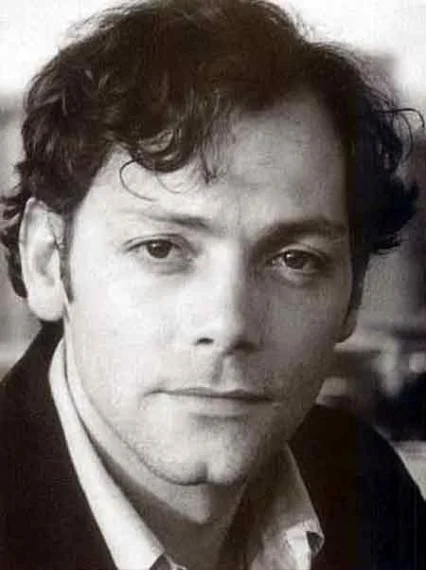
Patrick Dewaere
Birthday:
26 Jan, 1947
Date of Death:
16 Jul, 1982
Cause of death:
Suicide
Nationality:
French
Famous As:
Actor
Age at the time of death:
35
Patrick Jean Marie Henri Bourdeaux's Quote's

“Je suis un acteur de l'instinct, pas de la réflexion“I am an actor of instinct, not of reflection.”)”
Patrick Jean Marie Henri Bourdeaux
🔗 deadcelebrityhub.com
Early Life: A Childhood on the Stage
Patrick Dewaere was the kind of actor with a raw vulnerability and a searing intensity that few dared to match. He became one of France’s most beloved and tragic cinematic figures. In a career that burned bright and ended far too soon, Dewaere left a legacy that continues to haunt and inspire, a testament to the beauty and fragility of a true artist’s soul.Born Patrick Maurin on January 26, 1947, in Saint-Brieuc, Brittany, Dewaere was destined for the spotlight from the very beginning. His mother, Mado Maurin, was a celebrated actress, and young Patrick grew up backstage, surrounded by the magical chaos of theatres and film sets. Acting was not just a career he chose but the air he breathed.
Patrick was one of six siblings, all of whom would eventually dip their toes into acting, but it was clear early on that he had something different, something electric. Childhood was not always easy; despite the bright lights, there were shadowsuncertainties at home, and the heavy expectations of carrying on a family tradition. These tensions would later seep into his performances, giving his characters a depth that felt achingly real.
An interesting detail: before taking on the surname "Dewaere" professionally—a name he pulled from an old family connection—he performed as Patrick Maurin, appearing in films as young as four years old.
Education: Learning by Doing
Formal schooling never held much sway over Dewaere; instead, his education came through relentless experience. His classrooms were the film sets and stages of post-war France, where he learned to embody characters with instinct rather than theory. He studied briefly at acting conservatories but quickly realised that traditional methods couldn't contain his explosive talent.
It was his apprenticeship in the famed theatre troupe "Café de la Gare" in the late 1960s which was a creative hub for avant-garde French theatre, that truly shaped him. There, Dewaere developed his improvisational skills, learned the power of ensemble work, and forged collaborations that would define much of his career.
Career Journey: From Rising Star to Cultural Icon
Patrick’s early film work in the late 1960s and early '70s showed promise but little of the raw magnetism he would later command. It wasn’t until 1974, when he starred in Bertrand Blier’s groundbreaking comedy-drama Les Valseuses (Going Places) alongside Gérard Depardieu and Miou-Miou, that Dewaere exploded into public consciousness. Playing a wayward, anarchic youth with shocking emotional honesty, he embodied the disillusionment and rebellious spirit of an entire generation.
Vulnerability as Power
Throughout the 1970s, Dewaere carved a niche as the actor who wasn’t afraid to bleed on screen. Films like Série noire (1979) and Coup de tête (1979) showcased his ability to blend brutality with tenderness. In Série noire, he portrayed a hapless traveling salesman sucked into a noirish world of crime and despair; it remains one of the most haunting performances in French cinema. Critics hailed his portrayals as revolutionary: he didn’t act emotions—he lived them, often at great personal cost.
Challenges and Turning Points
Yet with fame came turbulence. Dewaere battled inner demons. Depression and substance abuse led to a profound sense of alienation from the glossy, superficial aspects of stardom. His intense method of acting sometimes blurred the line between role and reality, leaving him emotionally drained after projects. Unlike many of his contemporaries, he refused to compromise or chase commercial success, often choosing complex, difficult roles over safer bets.
Tragically, the lines between Patrick Dewaere’s characters and his own life became heartbreakingly thin. On July 16, 1982, at just 35 years old, Dewaere died by suicide. It was a loss that sent shockwaves through the French artistic community and left a scar that has never truly healed.
Personal Life: A Man of Contradictions
Off-screen, Dewaere was as complex as the characters he portrayed. He had a volatile yet generous spirit, capable of immense tenderness but also quick to anger when confronted with hypocrisy or injustice. He was deeply attached to his daughter, Lola, born from his relationship with actress Miou-Miou—a love that gave him brief periods of joy amid inner turmoil.
Music was another hidden passion: Dewaere was an accomplished guitarist and singer, even dreaming at times of swapping film sets for concert stages. Few know he recorded demos and toyed with the idea of a musical career, a fact that adds another bittersweet layer to his unfinished story.
Legacy: The Eternal Outsider
Patrick Dewaere’s death robbed French cinema of one of its most vital, restless spirits. Yet in the decades since, his legacy has only grown. He became a symbol of artistic authenticity, the actor who gave everything and asked for nothing in return. His work influenced generations of French actors who cite him as the ultimate benchmark of emotional truth on screen.
In 1983, an award was established in his honor—the Prix Patrick Dewaere—recognizing young acting talent, keeping his spirit alive in every new face daring enough to chase truth over glamour.
Today, watching a Patrick Dewaere film feels like opening a window into a soul that still burns with urgency, tenderness, and rage. He remains the eternal outsider, the wounded angel of French cinema, whose brief, blazing career reminds us of the unbearable beauty and the cost of true artistry.
Profile Snapshot
Name:
Patrick Jean Marie Henri Bourdeaux
Popular Name:
Patrick Dewaere
Gender:
Male
Cause of Death:
Suicide
Spouse:
Élisabeth Malvina Chalier
Sotha
Place of Birth:
Saint-Brieuc, France
Place of Death:
Paris, France
Occupation / Profession:
Actor
Singer
Songwriter
Personality Type
Mediator: Patrick Dewaere lived through his art, forever seeking truth in a world that often felt too heavy for him.
Patrick Jean Marie Henri Bourdeaux's Interesting Facts
He changed his name from Maurin to Dewaere to create his own path.
He used intense method acting, often staying in character off-camera
Patrick Dewaere was a talented guitarist and secretly recorded songs.
Achievements & Awards
Although he never won a César Award during his lifetime despite several nominations, his performances in films like Les Valseuses, Série noire, and Coup de tête are considered masterpieces of French film.
His influence was so profound that after his death, the Prix Patrick Dewaere was created in 1983 to honour outstanding young French actors.
oday, he is remembered not just for awards but for setting a new standard of emotional authenticity on screen.
Patrick Dewaere was celebrated for his raw, emotionally charged performances that redefined naturalistic acting in French cinema during the 1970s.
External Links
Latest Profiles
People also viewed
Jimi Hendrix
Born27 Nov, 1942
Died18 Sep, 1970
NationalityAmerican
Age at time of death27
Jesse Powell
Born12 Sep, 1971
Died13 Sep, 2022
NationalityAmerican
Age at time of death51
James Dean
Born08 Feb, 1931
Died30 Sep, 1955
NationalityAmerican
Age at time of death24
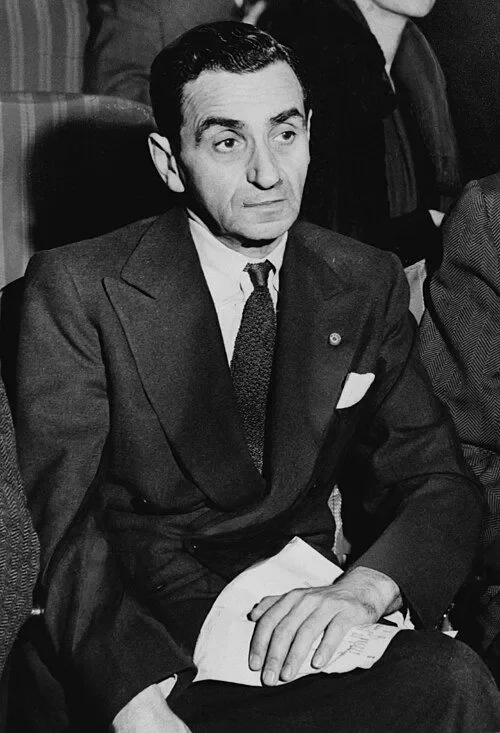
Irving Berlin
Born11 May, 1888
Died22 Sep, 1989
NationalityAmerican
Age at time of death101
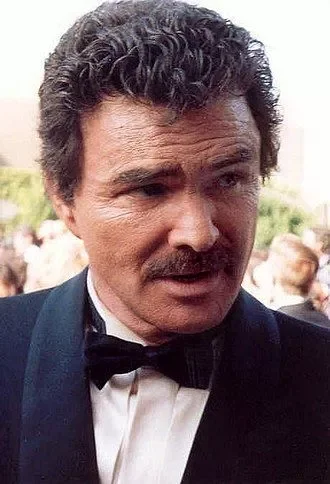
Burt Reynolds
Born11 Feb, 1936
Died06 Sep, 2018
NationalityAmerican
Age at time of death82
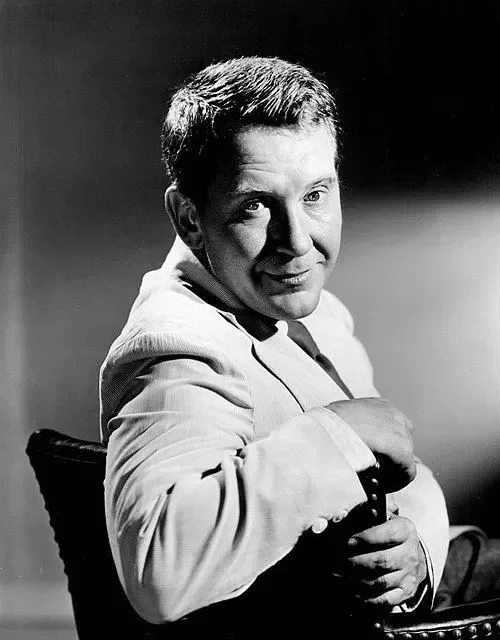
Oliver Burgess Meredith
Born16 Nov, 1907
Died09 Sep, 1997
NationalityAmerican
Age at time of death89
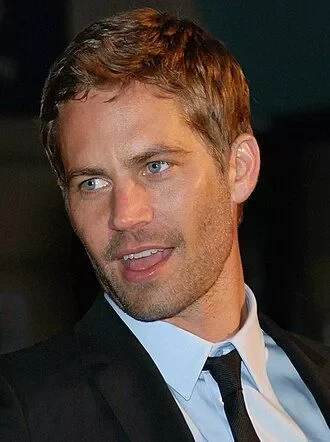
Paul Walker
Born12 Sep, 1973
Died30 Nov, 2013
NationalityAmerican
Age at time of death40
Jonathan Brandis
Born13 Apr, 1976
Died12 Nov, 2003
NationalityAmerican
Age at time of death27
George Harrison
Born25 Feb, 1943
Died29 Nov, 2001
NationalityBritish
Age at time of death58
Tony Bennett
Born03 Aug, 1926
Died21 Jul, 2023
NationalityAmerican
Age at time of death96
Sally Ann Howes
Born20 Jul, 1930
Died19 Dec, 2021
NationalityBritish, American
Age at time of death91
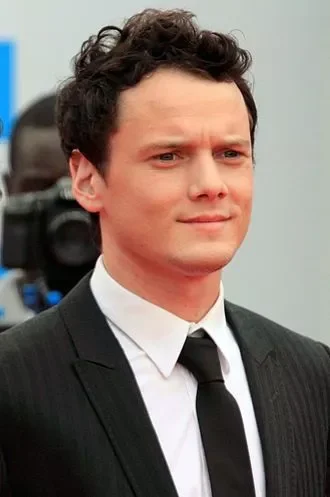
Anton Yelchin
Born11 Mar, 1989
Died19 Jun, 2016
NationalityAmerican
Age at time of death27
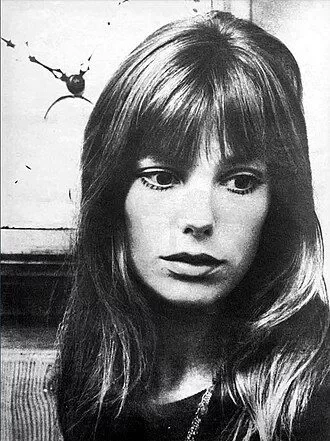
Jane Birkin
Born14 Dec, 1946
Died16 Jul, 2023
NationalityBritish, French
Age at time of death76
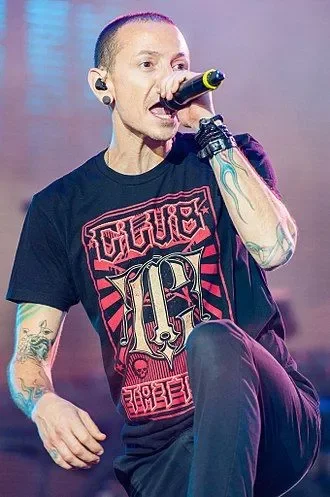
Chester Bennington
Born20 Mar, 1976
Died20 Jul, 2017
NationalityAmerican
Age at time of death41
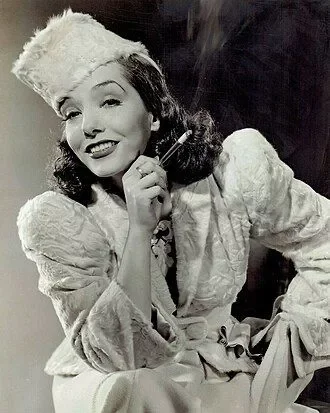
Lupe Vélez
Born18 Jul, 1908
Died14 Dec, 1944
NationalityMexican
Age at time of death36
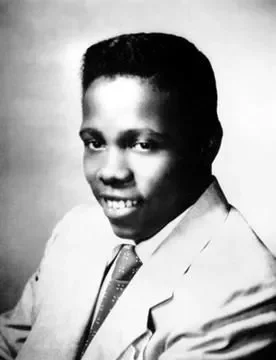
Johnny Ace
Born09 Jun, 1929
Died25 Dec, 1954
NationalityAmerican
Age at time of death25
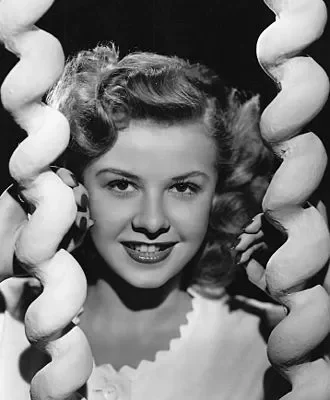
Vera-Ellen
Born16 Feb, 1921
Died30 Aug, 1981
NationalityAmerican German
Age at time of death60
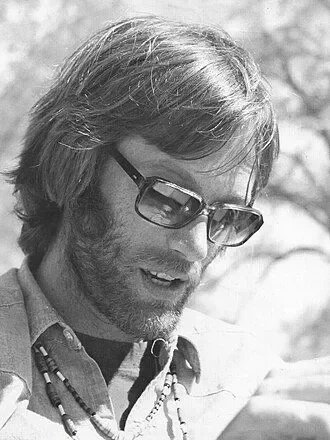
Peter Fonda
Born23 Feb, 1940
Died16 Aug, 2019
NationalityAmerican
Age at time of death79
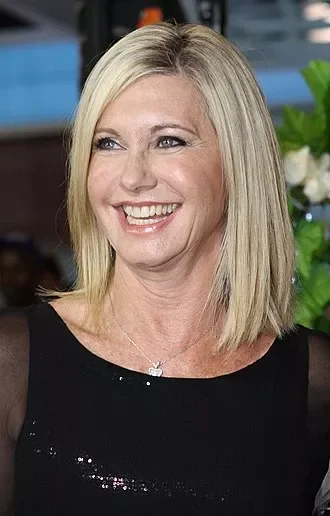
Olivia Newton-John
Born26 Sep, 1948
Died08 Aug, 2022
NationalityBritish, Australian
Age at time of death73
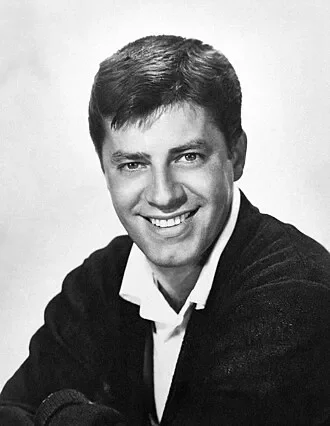
Jerry Lewis
Born16 Mar, 1926
Died20 Aug, 2017
NationalityAmerican
Age at time of death91