Real Celebrities Never Die!
OR
Search For Past Celebrities Whose Birthday You Share
Died Age: 89
www.mrmark.co.id
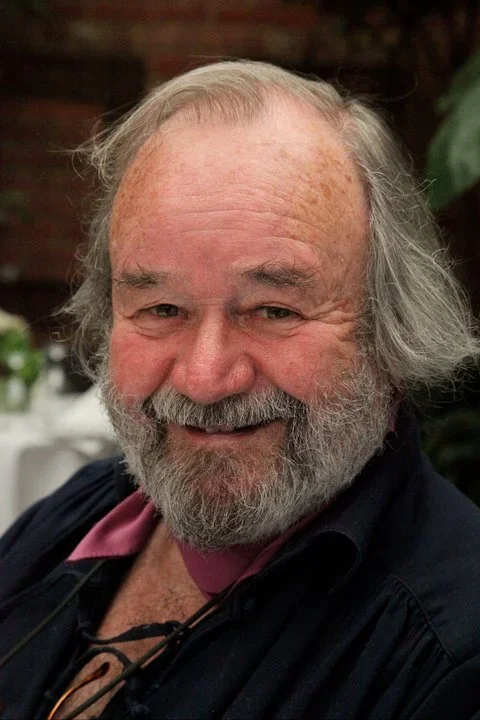
Peter Russell-Clarke
Birthday:
18 Sep, 1935
Date of Death:
03 Jul, 2025
Cause of death:
Stroke
Nationality:
Australian
Famous As:
Author
Age at the time of death:
89
Peter Russell-Clarke's Quote's

“Cooking is not just following recipes; it’s mucking around with colour, form, texture, and shape.”
Peter Russell-Clarke
🔗 deadcelebrityhub.com
Early Life: From Ballarat to the Big Smoke
Peter Russell Clarke lived a life as rich and colourful as the dishes he lovingly prepared — part artist, part storyteller, part culinary pioneer. By the time of his passing in July 2025, he had carved out a legacy as Australia’s first television celebrity chef, a beloved “Aussie larrikin,” and a consummate creative whose work spanned cooking, writing, painting, and illustration.
Peter was born on 19 September 1935 in Ballarat, Victoria — a historic gold rush town where the echoes of Australia’s frontier past met the quietly persistent rhythms of everyday life. His childhood wasn’t without hardship: after his parents separated, he spent time in foster homes and, at one point, even on the streets of Melbourne. It was a difficult period, but one that would leave an indelible mark on him. He later recalled how, as a young man, he scavenged food scraps from Victoria Market and stitched together meals — a humble beginning that first awakened his deep appreciation for food and its power to nourish not just the body, but the spirit.
It was also during his early years that Peter discovered two lifelong passions: art and food. He once joked that even as a toddler in his high chair, he was “painting the walls,” a whimsical hint that his creative instincts surfaced very early.
At just 14 years old, he was already doing professional work — hired as a junior artist at one of Australia’s leading advertising agencies. That early opportunity marked the start of what would become a remarkably versatile and enduring creative career.
Education and the Rise of an Artist
Though Peter didn’t follow a traditional academic path in the liberal arts, his apprenticeship in commercial art gave him critical skills in drawing, design, and visual storytelling. He honed his craft through hands on experience, moving from agency assignments to freelance work, where he began producing political cartoons and comic strips for newspapers.
One of his earliest notable successes was taking over the Australian comic strip Ben Bowyang — a whimsical but pointed rural drawing that had roots in Australian culture. Under his pen, the strip continued its life, blending humour with commentary in a way that would presage his later media work.
Over decades, he would publish dozens of books, contribute illustrations to magazines, and build a reputation not only as a cook, but as a serious artist whose palette extended far beyond food.
Career Journey
The Early Years – Art, Humour, and Food Consulting
In the years after leaving formal employment, Peter carved a modest but creative living as a freelance artist and food consultant. He contributed to magazines writing about food, illustrating recipes, and gently advocating for simple, honest cooking. He also worked with government agencies and industry boards, helping promote local produce and healthy eating.
Through this work, Peter developed a unique voice: approachable, warm, and down-to-earth. He spoke often about using good, natural ingredients — leftovers, market produce, humble staples — and transforming them into nourishing meals.
Television Stardom — Come and Get It and the Birth of “Celebrity Chef”
In 1983, Peter brought his love of food and flair for communication to television, launching the ABC cooking show Come and Get It, a modest five minute segment where he would demonstrate simple, wholesome recipes. Over the next nine years, he fronted more than 900 episodes, becoming one of the first true celebrity chefs in Australia.
His signature was more than just his cooking: it was his personality. With warmth and humour, he greeted viewers with a friendly “G’day,” and peppered his segments with endearing catchphrases like “You beaut” and “Where’s the cheese?” He wore a neckerchief and came across not as a haughty gourmet, but as a neighbour inviting you over for a meal. His on-screen presence was so distinctive that many Australians still remember those touches decades later.
Culinary Prestige and Cultural Influence
Peter’s talent and commitment to food didn’t go unnoticed by dignitaries. In 1977, he was invited to cook the Silver Jubilee dinner for the then Prince of Wales — a rare honour that spoke to his growing reputation beyond mainstream media. Over the years, he also cooked for Australian prime ministers, state premiers, and other notable figures.
At the same time, he was prolific as an author and illustrator. Across his life, he penned around 35 cookbooks and food books — covering everything from quick family meals to deeper reflections on food, health, and Australian ingredients. He also illustrated children’s books and produced artwork that was exhibited both in Australia and abroad.
Even while cooking, he remained devoted to painting. In interviews late in life, he reflected on the deep connections between cooking and painting — both, he said, were about “mucking around with colour, form, texture, shape.” He saw cooking not as following recipes, but as letting one’s imagination guide the ingredients — much like laying brush strokes on a canvas.
Later Years: Art, Mentorship, and Enduring Influence
In his later years, Peter returned in part to his first love: painting. He held exhibitions across Australia and internationally, showing vibrant works that drew on both the Australian landscape and his life experiences.
His creative life remained active up until his final years. In 2004, the National Portrait Gallery in Canberra requested a self-portrait of him — a recognition of his artistic stature.
Even as cooking shows grew more polished and celebrity-chef culture evolved, many of Peter’s early lessons retained their relevance: use good, natural ingredients; cook with love; let creativity guide you. His emphasis on simple, fresh, honest food predated later “farm-to-table” and healthy eating movements by decades.
Personal Life
Away from the camera and the canvas, Peter was a family man. He was married to his wife, Jan, for 65 years — a quiet, lasting partnership behind the flamboyance of his public persona. They had two children, Peter and Wendy, and several grandchildren. When he passed away on 4 July 2025, in Melbourne, he was surrounded by his loved ones — a small comfort to a life lived in the spotlight.
Despite his fame, those who knew him often described him as generous, down-to-earth, and passionate about good food — in part because of his childhood struggles. His experiences of hunger and scarcity early in life deepened his empathy, and his belief that food should be nourishing, accessible, and shared became a guiding principle in both his professional and personal life.
He was also fiercely proud of his identity as an Australian — his accent, his vernacular, his colloquialisms (“G’day,” “ripper,” “you beaut”) were not merely affectations, but expressions of a cultural voice that resonated with ordinary people.
Legacy: More Than a Chef — A Cultural Icon
Peter Russell Clarke did more than cook dishes on television: he helped redefine what it meant to eat, to cook, and to enjoy food in Australian households. With his warmth, humour, and no-fuss approach, he demystified cooking. He made it possible for the everyday person to approach food with creativity — to see cooking as an act of love and artistry, not just nutrition or necessity.
Through his cookbooks, television shows, and artwork, he championed healthy eating long before it was fashionable; he celebrated Australian ingredients and encouraged a kind of home cooking that felt real and attainable.
As an artist, he bridged the worlds of illustration, fine art, and culinary presentation, reminding us that cooking and painting share the same creative impulse: the desire to transform simple elements into something beautiful.
When he passed, tributes spoke of a “lovable larrikin” — a phrase that captures much of what made him special. But beneath the easy charm was a creative force, a generous spirit, and a quiet drivenness to enrich people’s lives — whether through a hearty meal, a joyful brushstroke, or a shared laugh on television.
In the final analysis, Peter Russell Clarke’s legacy is not just recipes or paintings — it’s a distinctly Australian attitude toward food and creativity: inclusive, warm, imaginative, and rooted in humility. Generations of cooks, artists, and everyday home chefs will keep hearing his “G’day” long after the kitchen lights go down.
Profile Snapshot
Name:
Peter Russell-Clarke
Popular Name:
Peter Russell-Clarke
Gender:
Male
Cause of Death:
Stroke
Spouse:
Janet
Place of Birth:
Ballarat, Australia
Place of Death:
Melbourne, Australia
Occupation / Profession:
Author
Chef
Comic Artist
TV show Host
Personality Type
Entertainer: Warm, witty, and endlessly creative, Peter Russell‑Clarke was the quintessential Aussie larrikin who could turn any simple meal into a joyful celebration.
Peter Russell-Clarke's Interesting Facts
Peter was an accomplished painter and illustrator before he became a household name as a chef.
He often combined humour and food in his cartoons, showing that cooking and art could coexist creatively.
Known for his flamboyant neckerchiefs, he considered them his “signature accessory” on television.
Achievements & Awards
Peter Russell‑Clarke was a pioneering figure in Australian television as the country’s first celebrity chef, hosting over 900 episodes of Come and Get It.
He authored around 35 cookbooks and food books, blending practical cooking advice with wit and artistry.
In 1977, he had the distinction of cooking for the Prince of Wales’ Silver Jubilee, and his work as an artist was recognised with exhibitions nationally and internationally, including a self-portrait commissioned by the National Portrait Gallery in Canberra.
External Links
Additional Links
Latest Profiles
People also viewed
Eva Crane
Born12 Jun, 1912
Died06 Sep, 2007
NationalityBritish
Age at time of death95
Ursula Franklin
Born16 Sep, 1921
Died22 Jul, 2016
NationalityGerman, Canadian
Age at time of death94
Phyllis Diller
Born17 Jul, 1917
Died20 Aug, 2012
NationalityAmerican
Age at time of death95
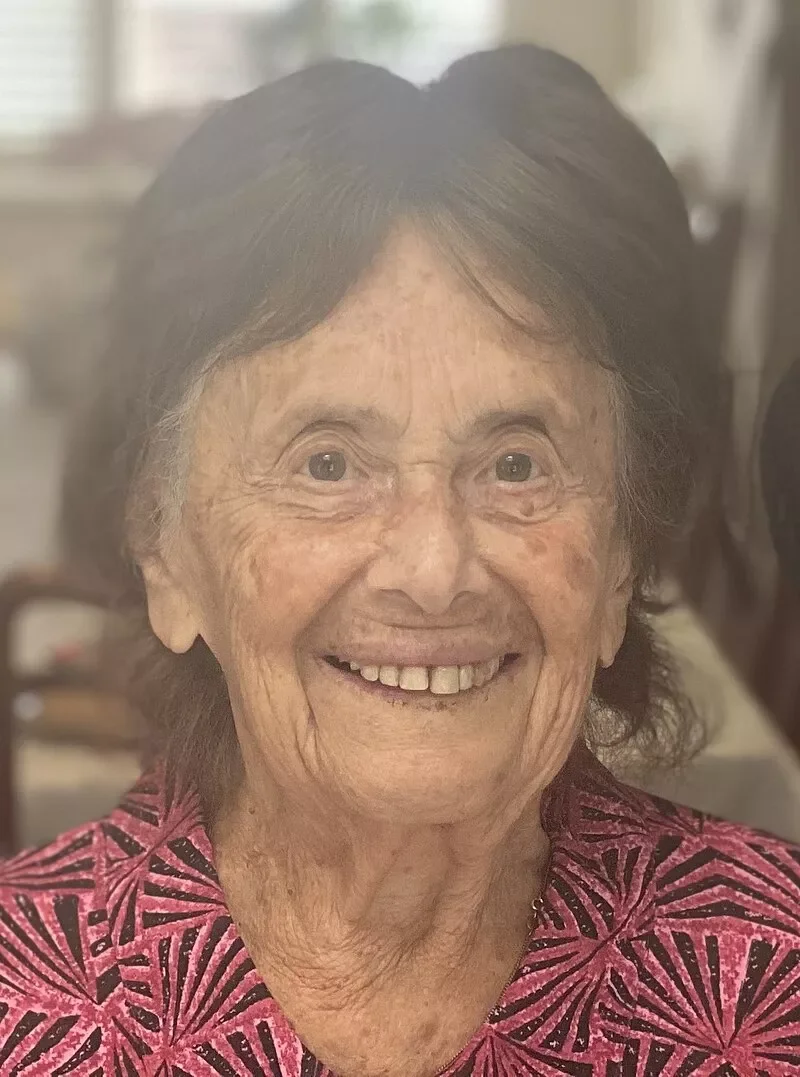
Lily Ebert
Born29 Dec, 1923
Died09 Oct, 2024
NationalityHungarian, British
Age at time of death100
Jonas Cohn
Born01 Dec, 1869
Died28 Jan, 1947
NationalityGerman
Age at time of death77
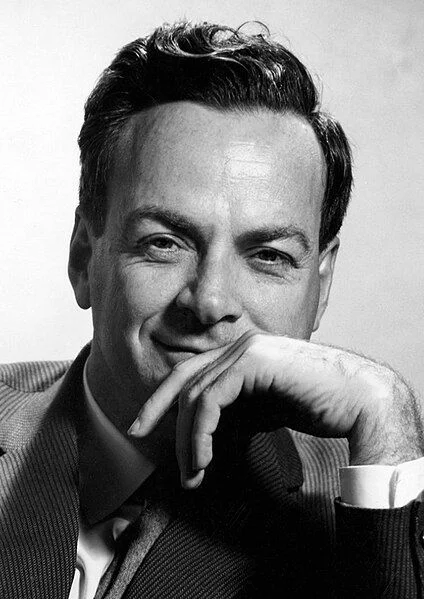
Richard Feynman
Born11 May, 1918
Died15 Feb, 1988
NationalityAmerican
Age at time of death69
Marshall Brain
Born17 May, 1961
Died20 Nov, 2024
NationalityAmerican
Age at time of death63
Tina Turner
Born26 Nov, 1939
Died24 May, 2023
NationalityAfrican, American
Age at time of death83
Eric Morecambe
Born14 May, 1926
Died28 May, 1984
NationalityBritish
Age at time of death58
A. W. Tozer
Born21 Apr, 1897
Died12 May, 1963
NationalityAmerican, Canadian
Age at time of death66
P. T. Barnum
Born05 Jul, 1810
Died07 Apr, 1891
NationalityAmerican
Age at time of death80
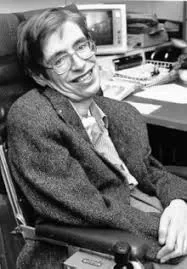
Stephen Hawking
Born08 Jan, 1942
Died14 Mar, 2018
NationalityEnglish
Age at time of death76
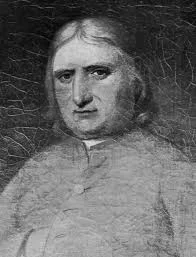
George Fox
Born04 Jul, 1624
Died13 Jan, 1691
NationalityEnglish
Age at time of death66
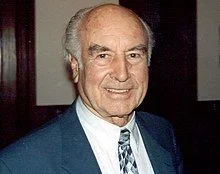
Albert Hofmann
Born11 Jan, 1906
Died29 Apr, 2008
NationalitySwiss
Age at time of death102
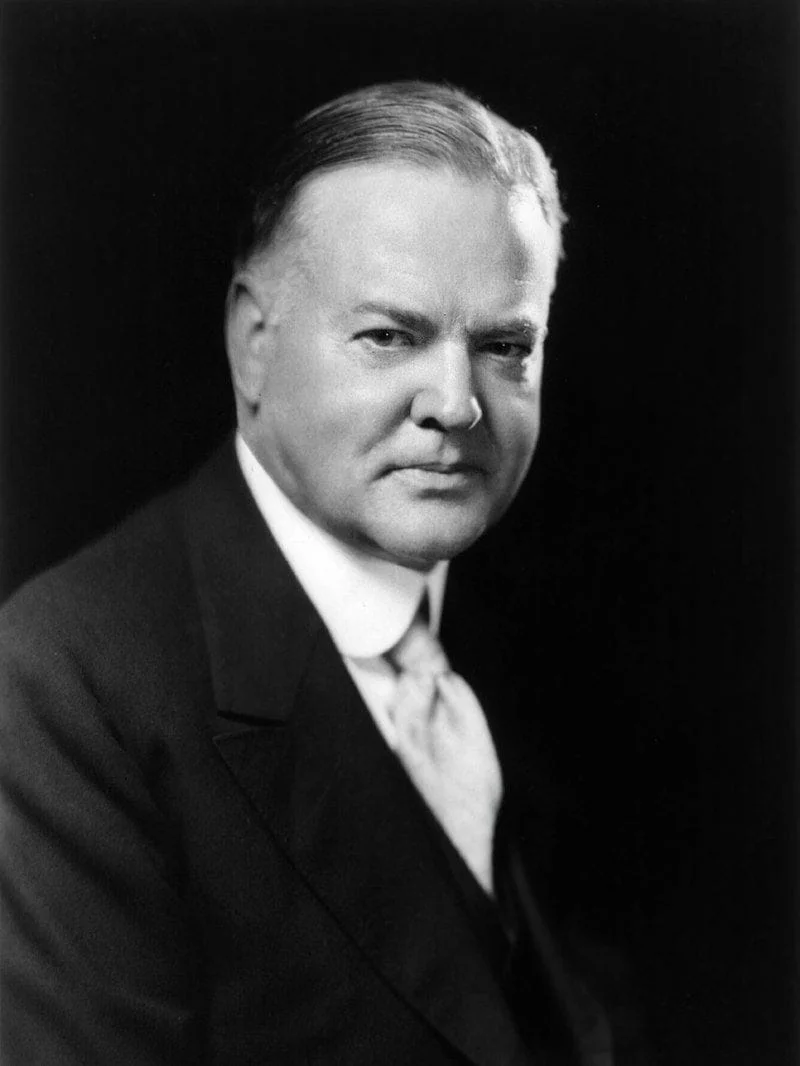
Herbert Hoover
Born10 Aug, 1874
Died20 Oct, 1964
NationalityAmerican
Age at time of death90
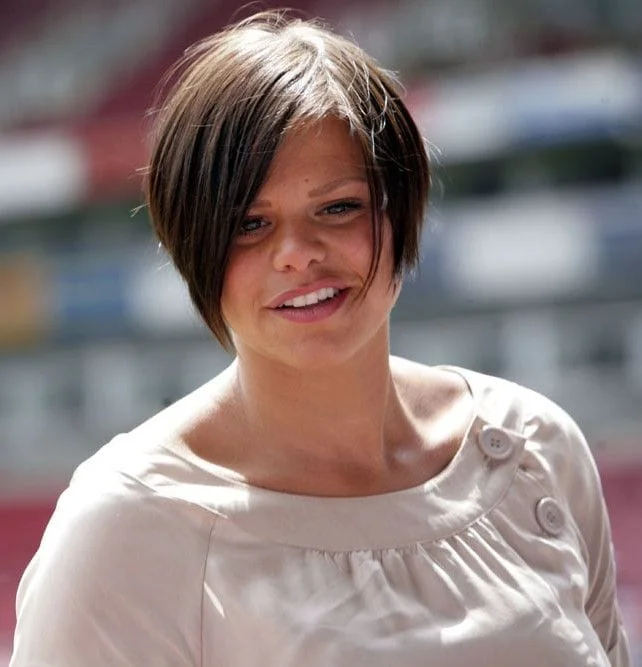
Jade Goody
Born05 Jun, 1981
Died22 Mar, 2009
NationalityBritish
Age at time of death27
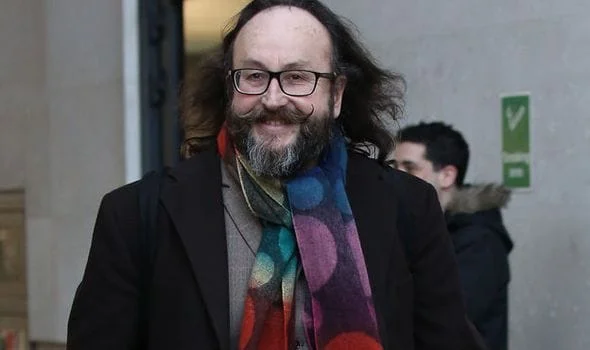
Dave Myers
Born08 Sep, 1967
Died28 Feb, 2024
NationalityBritish
Age at time of death56
Larry King
Born19 Nov, 1933
Died23 Jan, 2021
NationalityAmerican
Age at time of death87
Ruth Wakefield
Born17 Jun, 1903
Died10 Jan, 1977
NationalityAmerican
Age at time of death73
Carolyn Keene
Born20 Oct, 1925
Died28 May, 2002
NationalityAmerican
Age at time of death76