Real Celebrities Never Die!
OR
Search For Past Celebrities Whose Birthday You Share
Died Age: 86
variety.com
Peter Yarrow
Birthday:
31 May, 1938
Date of Death:
07 Jan, 2025
Cause of death:
Bladder cancer
Nationality:
American
Famous As:
Actor
Age at the time of death:
86
Peter Yarrow's Quote's
“You don't have to be loud to be strong, you just have to be clear and full of heart.”
Peter Yarrow
🔗 deadcelebrityhub.com
Early Life: A Song Begins in Brooklyn
Peter Yarrow's life has been one long, passionate chorus full of activism and soul-stirring humanity. Best known as one-third of the iconic folk trio Peter, Paul and Mary, Yarrow didn’t just sing about peace and justice but lived it. From civil rights marches to anti-war rallies, and lullabies to classrooms, Yarrow’s voice carried meaning beyond melody. He didn’t simply ride the wave of the 1960s folk revival; he helped compose its soundtrack, and through it, carved a legacy that resonated far beyond the stage.
Born on May 31, 1938, in Manhattan but raised in Brooklyn, Peter Yarrow was steeped in a world of cultural richness and intellectual rigour. His parents, Vera Wisebrode and Bernard Yarrow, were Ukrainian Jewish immigrants who brought with them old-world values and a deep respect for education and justice. His father, a social scientist and a teacher, worked for the Office of War Information during World War II and later helped prosecute Nazi war criminals at the Nuremberg Trials—a powerful legacy that surely shaped Peter’s moral compass.
From an early age, Peter showed signs of artistic flair and emotional sensitivity. He gravitated toward music not as mere entertainment, but as a vessel for meaning. While his peers were drawn to pop songs and jukebox jingles, Peter found refuge in folk ballads and traditional melodies, which were songs that told stories, carried history, and demanded empathy.
Education: Finding Voice and Vision at Cornell
Peter’s intellectual curiosity led him to Cornell University, where he majored in psychology—a fitting discipline for someone so attuned to the human condition. But while he studied behaviour in classrooms, he explored emotion through music in campus cafés and student gatherings. It was at Cornell that his identity as a musician-activist began to crystallise. He became involved in the burgeoning folk scene and often performed at local venues, already showing signs of the charisma and conviction that would define his career.
A fun, lesser-known detail: Yarrow once admitted that his early performances at Cornell helped him overcome shyness and stage fright. Singing was his way of stepping into the world.
Career Journey: From Coffeehouses to the Capitol Steps
The Formation of Peter, Paul and Mary
In the early 1960s, Peter Yarrow returned to New York and found himself swept up in Greenwich Village’s folk revival, a cultural hotspot pulsing with political urgency and creative electricity. Manager Albert Grossman saw potential in Peter’s warm tenor and heartfelt presence, and in 1961, he paired him with Paul Stookey and Mary Travers. The chemistry was instant. Thus was born Peter, Paul and Mary—three voices blending in harmony, not just musically, but ideologically.
Their debut album, released in 1962, included songs like “Lemon Tree,” “500 Miles,” and “If I Had a Hammer”—the latter becoming an anthem for the civil rights movement. But it was “Puff, the Magic Dragon,” co-written by Yarrow and based on a poem by his friend Leonard Lipton, that cemented his place in the hearts of millions. Though often misunderstood as a veiled reference to drugs, the song was actually a wistful tale of lost innocence and childhood imagination—a reflection of Peter’s poetic soul.
A Voice for Justice
While many artists remained apolitical, Yarrow leaned in. He and his bandmates marched alongside Dr. Martin Luther King Jr. in Selma, sang at the 1963 March on Washington just before King’s “I Have a Dream” speech, and performed at countless rallies against the Vietnam War. Their music was protest with a lullaby’s grace—firm, but never angry; hopeful, never cynical.
When the group disbanded in 1970, Yarrow didn't fade into obscurity. He channelled his energy into solo work and advocacy. One of his most impactful contributions came in 2000, when he co-founded Operation Respect, a nonprofit that uses music and educational tools to combat bullying and foster emotional learning in schools. His song “Don’t Laugh at Me” became the campaign’s unofficial anthem, sung in classrooms from New York to New Delhi.
Personal Life: The Man Behind the Music
Away from the spotlight, Yarrow was and remains a deeply introspective and empathetic man. He married Mary Beth McCarthy, niece of the late Senator Eugene McCarthy, a fellow progressive voice of the 1960s. The couple had two children, and Peter often drew inspiration from fatherhood, using music to soothe, educate, and inspire the next generation.
In private, he was known for his humility, warmth, and occasional mischief. Friends recall that he was never happier than when he was strumming a guitar at a backyard gathering or reading a poem aloud to a child.
Like many public figures, Yarrow’s life has not been without controversy, but his enduring commitment to social justice and peace has remained unwavering.
Legacy: A Song That Still Echoes
Peter Yarrow’s legacy is not defined by chart-topping hits or platinum records, though he has plenty of those, but by the enduring emotional and cultural resonance of his work. He used his art not to escape the world, but to confront it, and in doing so, helped generations find their voice.
He showed that music could be a call to conscience, a balm for the weary, and a beacon for the hopeful. Whether on the steps of the Lincoln Memorial or in a second-grade classroom, Yarrow’s voice remains a reminder that change, like song, often begins with a single, brave note.
In the annals of American folk and activism, Peter Yarrow is cherished. A troubadour of truth, a bard of compassion, and a gentle warrior for justice, he reminds us still: if we have a hammer, or a song, or a heart, let us use it.
Profile Snapshot
Name:
Peter Yarrow
Popular Name:
Peter Yarrow
Gender:
Male
Cause of Death:
Bladder cancer
Spouse:
Mary Beth McCarthy
Place of Birth:
New York, New York, United States
Place of Death:
Upper West Side, New York, United States
Occupation / Profession:
Actor
Film producer
Singer
Songwriter
Personality Type
Mediator Poetic, kind and altruistic people, always eager to help a good cause. Peter Yarrow is a gentle, creative soul who uses music and compassion to make the world a kinder, fairer place.
Peter Yarrow's Interesting Facts
He once reunited with Mary Travers and Paul Stookey to sing at anti-war protests decades after the group's peak.
He’s an accomplished painter and illustrator, often gifting original artwork to friends and fans.
Yarrow performed at the White House for multiple presidents, including John F. Kennedy and Jimmy Carter.
Achievements & Awards
His commitment to peace and justice earned him numerous humanitarian honours over the decades, including the National Peace Foundation Award.
Peter Yarrow, as part of Peter, Paul and Mary, helped shape the American folk music movement and brought civil rights issues to mainstream audiences.
The trio’s work earned them five Grammy Awards and multiple gold and platinum albums.
Yarrow was also a co-founder of Operation Respect, a national initiative using music to foster emotional learning and anti-bullying education in schools.
External Links
Additional Links
Latest Profiles
People also viewed
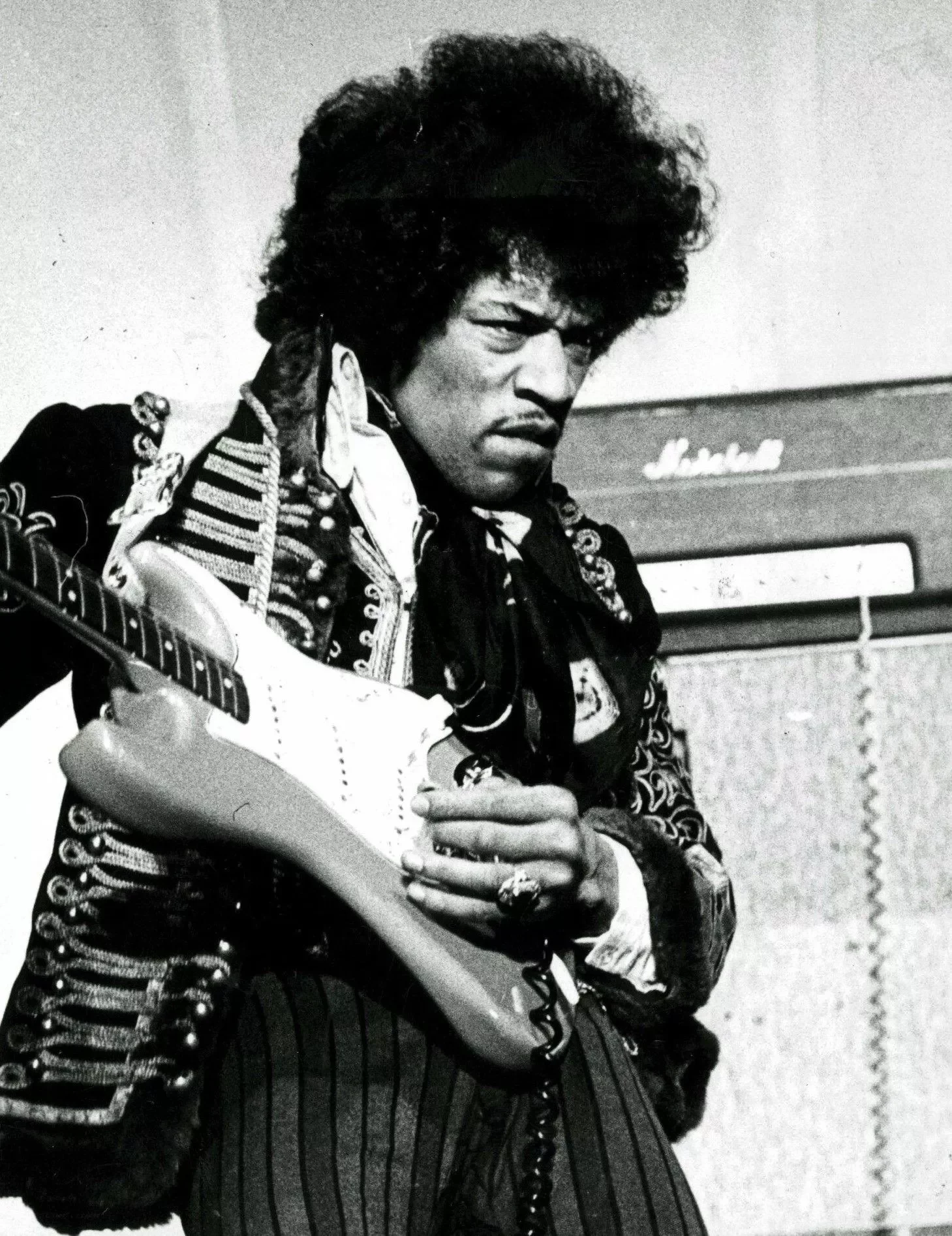
Jimi Hendrix
Born27 Nov, 1942
Died18 Sep, 1970
NationalityAmerican
Age at time of death27
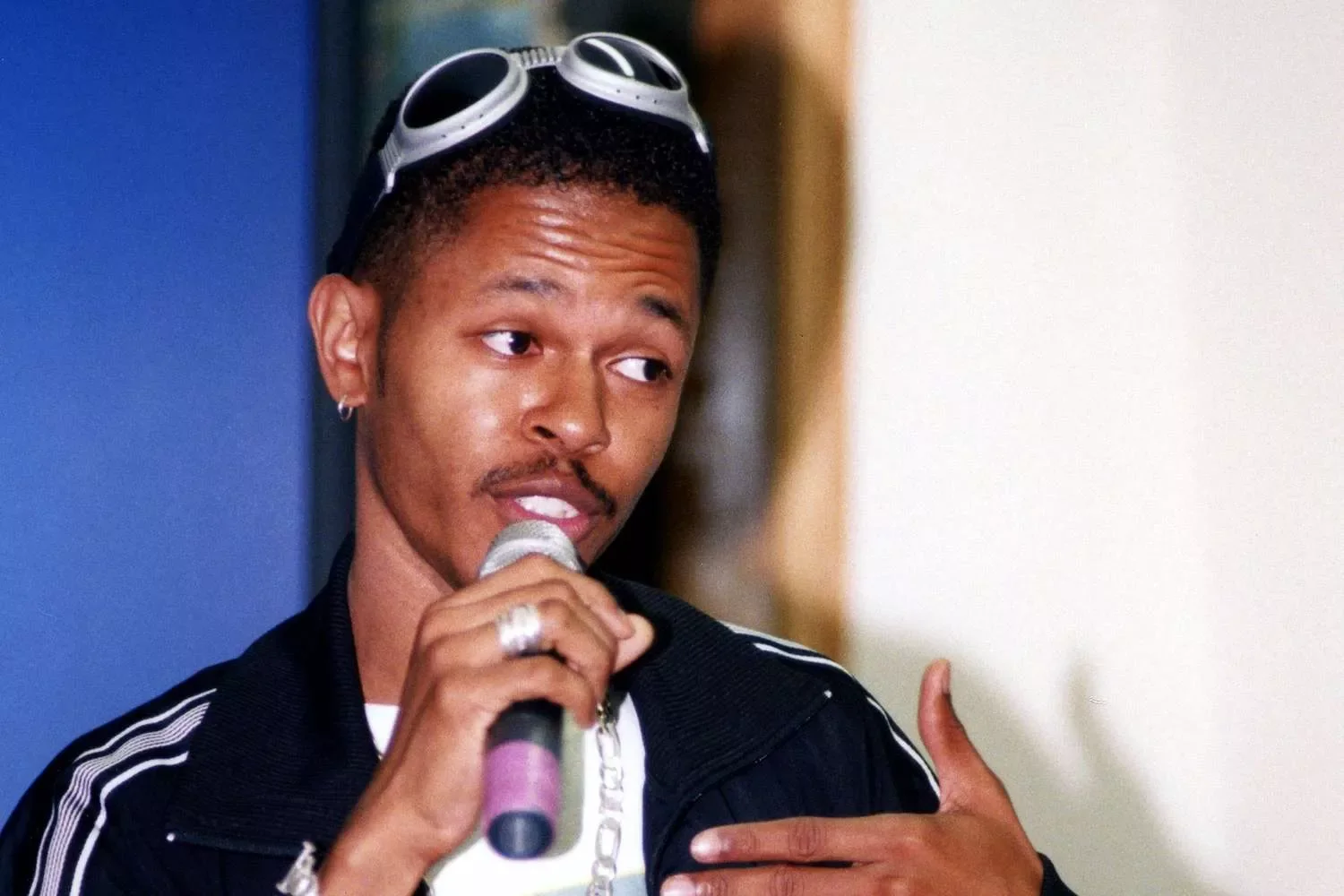
Jesse Powell
Born12 Sep, 1971
Died13 Sep, 2022
NationalityAmerican
Age at time of death51
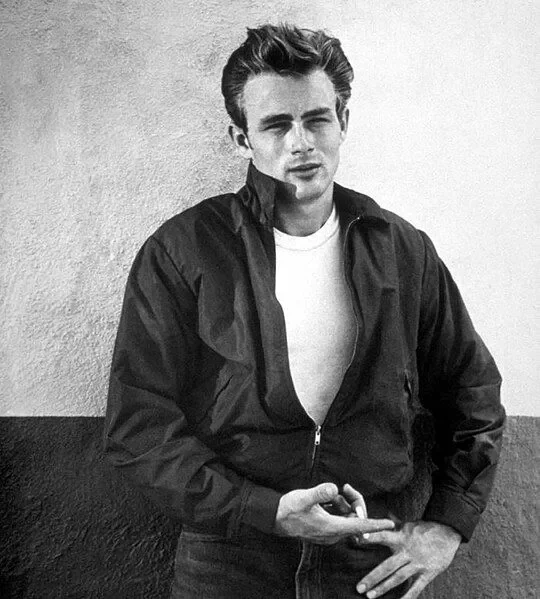
James Dean
Born08 Feb, 1931
Died30 Sep, 1955
NationalityAmerican
Age at time of death24
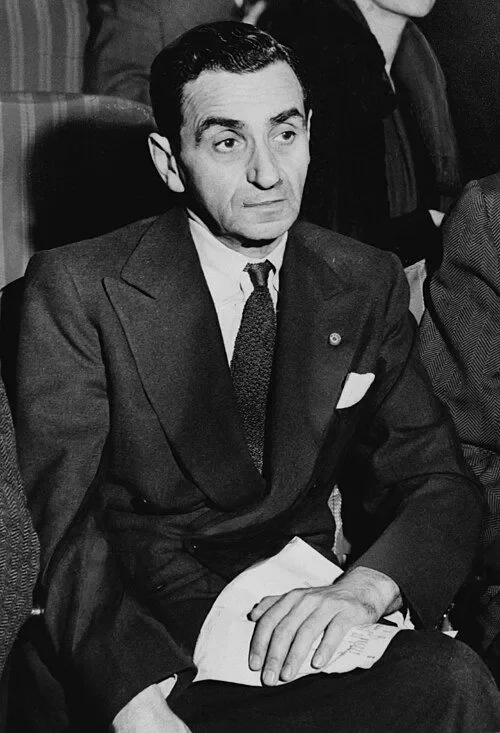
Irving Berlin
Born11 May, 1888
Died22 Sep, 1989
NationalityAmerican
Age at time of death101
Burt Reynolds
Born11 Feb, 1936
Died06 Sep, 2018
NationalityAmerican
Age at time of death82
Oliver Burgess Meredith
Born16 Nov, 1907
Died09 Sep, 1997
NationalityAmerican
Age at time of death89
Paul Walker
Born12 Sep, 1973
Died30 Nov, 2013
NationalityAmerican
Age at time of death40
Jonathan Brandis
Born13 Apr, 1976
Died12 Nov, 2003
NationalityAmerican
Age at time of death27
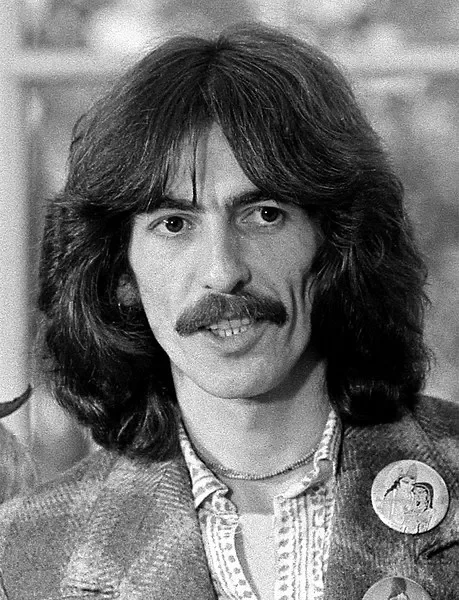
George Harrison
Born25 Feb, 1943
Died29 Nov, 2001
NationalityBritish
Age at time of death58
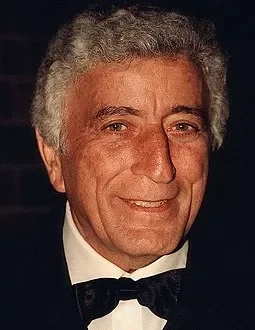
Tony Bennett
Born03 Aug, 1926
Died21 Jul, 2023
NationalityAmerican
Age at time of death96
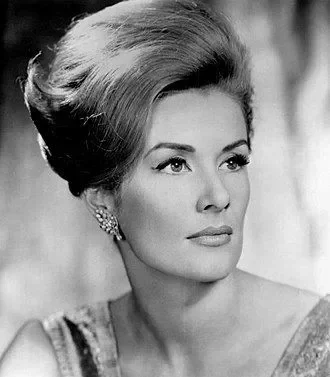
Sally Ann Howes
Born20 Jul, 1930
Died19 Dec, 2021
NationalityBritish, American
Age at time of death91
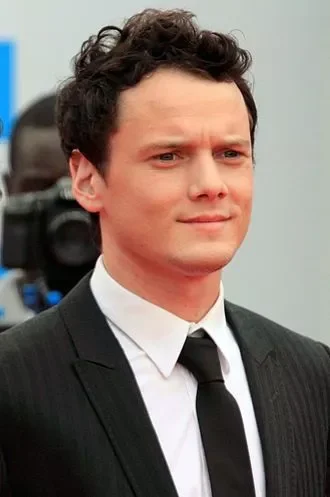
Anton Yelchin
Born11 Mar, 1989
Died19 Jun, 2016
NationalityAmerican
Age at time of death27
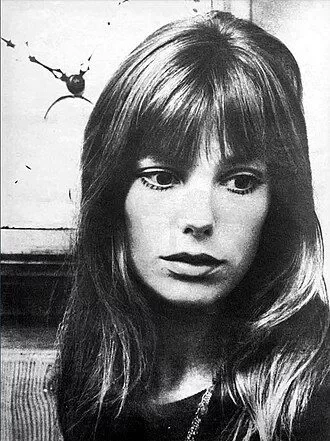
Jane Birkin
Born14 Dec, 1946
Died16 Jul, 2023
NationalityBritish, French
Age at time of death76
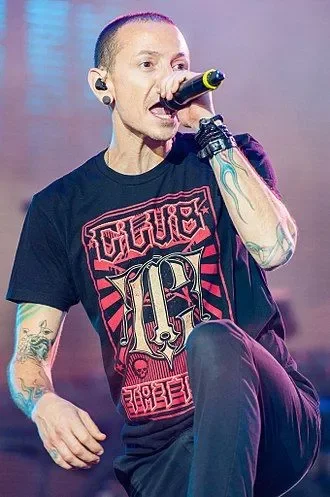
Chester Bennington
Born20 Mar, 1976
Died20 Jul, 2017
NationalityAmerican
Age at time of death41
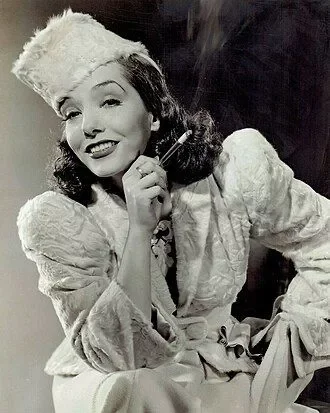
Lupe Vélez
Born18 Jul, 1908
Died14 Dec, 1944
NationalityMexican
Age at time of death36
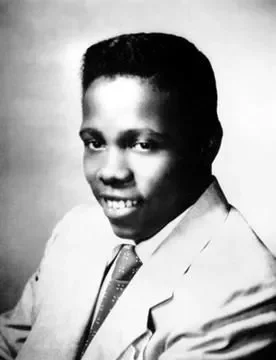
Johnny Ace
Born09 Jun, 1929
Died25 Dec, 1954
NationalityAmerican
Age at time of death25
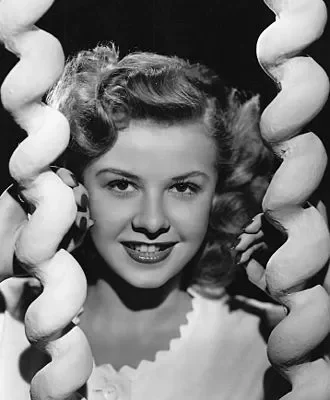
Vera-Ellen
Born16 Feb, 1921
Died30 Aug, 1981
NationalityAmerican German
Age at time of death60
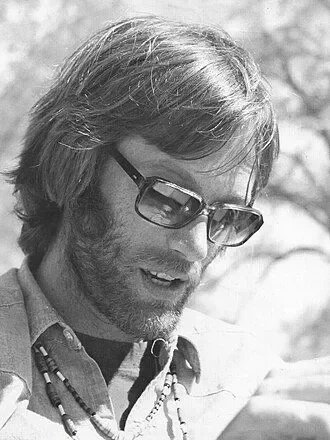
Peter Fonda
Born23 Feb, 1940
Died16 Aug, 2019
NationalityAmerican
Age at time of death79
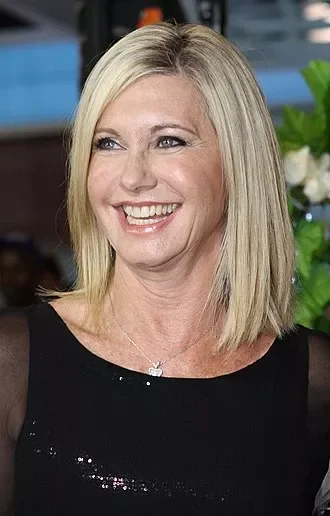
Olivia Newton-John
Born26 Sep, 1948
Died08 Aug, 2022
NationalityBritish, Australian
Age at time of death73
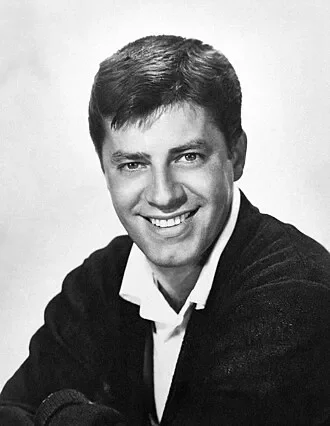
Jerry Lewis
Born16 Mar, 1926
Died20 Aug, 2017
NationalityAmerican
Age at time of death91