Real Celebrities Never Die!
OR
Search For Past Celebrities Whose Birthday You Share
Died Age: 84
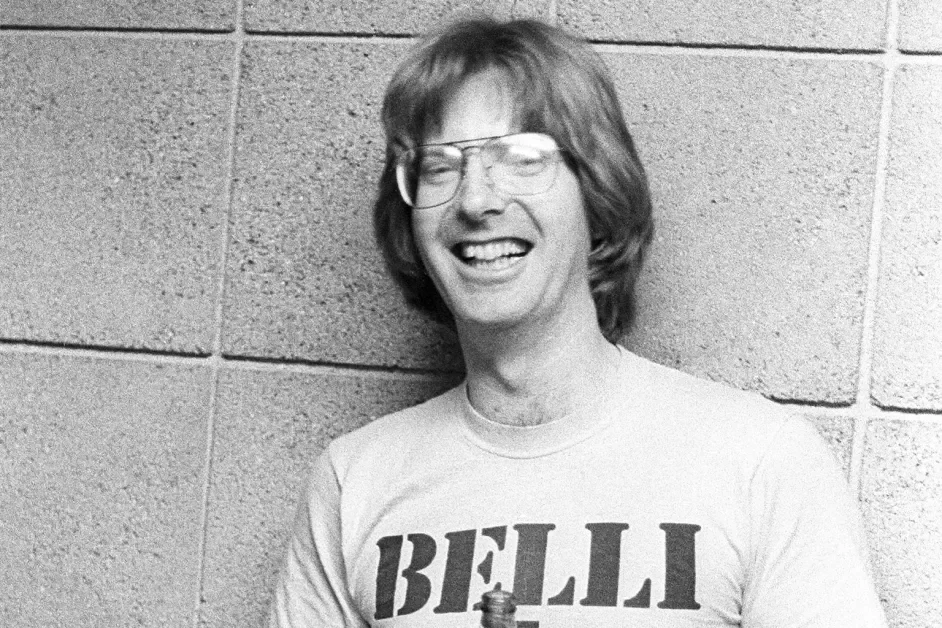
www.billboard.com
Phil Lesh
Birthday:
14 Mar, 1940
Date of Death:
24 Oct, 2024
Cause of death:
Unknown
Nationality:
American
Famous As:
Musician
Age at the time of death:
84
Philip Chapman Lesh's Quote's

“Sometimes you don’t choose the music, it chooses you.”
Philip Chapman Lesh
🔗 deadcelebrityhub.com
Early Life: A Curious Mind in Suburban California
Phil Lesh was an architect of sound who rewrote the rules of what a band could be. As the sonic backbone of the Grateful Dead, Lesh transformed improvisation into a living, breathing language. More than a musician, he became a symbol of artistic exploration, spiritual freedom, and lifelong curiosity. A man who never took the easy route, Lesh pursued the edges of music, always looking for the note that hadn’t yet been played.
Born Philip Chapman Lesh on March 15, 1940, in Berkeley, California, Phil grew up in a household steeped in structure and subtle discipline. His father worked for the federal government, while his mother was a homemaker who quietly encouraged his curiosity. From a young age, Phil wasn’t content with the ordinary. While other kids kicked around baseballs, he was mesmerised by classical records and the mathematical symmetry of Bach.
His childhood in the San Francisco Bay Area was marked by a deep yearning to understand sound, how it worked, how it moved people, and how it could be bent into new dimensions. That curiosity, more than talent alone, became the foundation of his life’s work.
Education: A Classical Foundation Meets Experimental Fire
Phil's formal musical journey began not with rock ’n’ roll, but with classical trumpet. He enrolled in trumpet studies at the College of San Mateo before transferring to UC Berkeley and later attending Mills College in Oakland, a hotbed of avant-garde composition. There, he studied under the maverick Italian composer Luciano Berio, known for pushing boundaries in electronic and experimental music.
This background made Phil a musical oddity when he entered the rock scene as a classically trained musician with a deep appreciation for abstract sound. He wasn’t playing with the music; he was inside it, reshaping its internal logic.
A fun, lesser-known detail? Lesh had never played bass guitar before joining the Grateful Dead. He picked it up at the suggestion of Jerry Garcia, who saw potential in Phil’s unconventional mindset. Within weeks, Lesh reimagined the instrument as a lead voice.
The Career: From Acid Tests to Acoustic Wisdom
The Early Years: Sound and Chaos
When Phil Lesh joined the Warlocks in 1965, soon to become the Grateful Dead, he brought with him a fearless commitment to exploration. This was the era of the Acid Tests, communal happenings in which music, psychedelics, and light shows blurred into one immersive experience. Lesh’s bass playing became a central component of that sonic tapestry, utterly unpredictable.
Rather than simply "hold the groove," Lesh treated the bass like a conversation partner, weaving around the guitars and drums, sometimes leading, sometimes following, always listening.
The Golden Era: Innovation and Iconography
By the early 1970s, the Grateful Dead had transcended the counterculture. Albums like Workingman’s Dead and American Beauty cemented their legacy, but it was in their live performances, often stretching into hours, that Lesh’s genius truly emerged.
One of his most iconic contributions was to the “Wall of Sound,” an innovative PA system designed by sound engineer Owsley Stanley. Lesh played a pivotal role in conceptualising a setup that would allow the band to project clean, distortion-free music to massive crowds. It was less a stage and more a sonic cathedral.
Challenges and Turning Points
The 1980s were tumultuous. Health issues, internal tensions, and the relentless grind of touring took a toll on Lesh and the band. In 1998, Phil underwent a liver transplant, a result of chronic hepatitis C. The experience left him transformed and deeply reflective.
Ever the alchemist, he reemerged with a mission. Phil began advocating for organ donation and became a vocal supporter of liver disease awareness. His recovery marked not the end of a career, but the start of a new chapter.
Later Career: Phil Lesh & Friends, and the Pursuit of Pure Sound
Following Jerry Garcia’s death in 1995, Lesh helped carry the Grateful Dead’s spirit forward. With Phil Lesh & Friends, he created a rotating collective of musicians, each iteration a new experiment in sound. Unlike a traditional band, this project thrived on impermanence, where no two shows were alike, and each setlist was a tribute to spontaneity.
He also helped launch Terrapin Crossroads in San Rafael, a venue that became a community hub for jam-band lovers and up-and-coming artists. More than just a club, Terrapin was Lesh’s musical sanctuary.
Personal Life: Roots and Rhythms Beyond the Stage
Phil married his wife Jill in 1985, and together they raised two sons, Grahame and Brian, both of whom have followed their father into music. Despite his ethereal career, Lesh is grounded, known for his dry wit, philosophical mind, and deep love for literature and science fiction.
A favourite pastime? Stargazing. Lesh has often likened music to the cosmos, which was expansive, infinite, and deeply interconnected. He once said that playing music with the Dead was like “tapping into a frequency that’s always been out there, waiting to be heard.”
Legacy: The Pulse Beneath the Psychedelia
Phil Lesh changed the way we hear music. Not just what notes are played, but how they’re played, why they’re played, and where they take us. He redefined the bass as a tool for exploration, not just support. And in doing so, he helped shape the soundscape of an era defined by risk-taking, rebellion, and raw beauty.
More than five decades after the first jam in a Palo Alto living room, Lesh’s influence ripples through modern improvisational music—from jam bands like Phish and Widespread Panic to genre-bending composers and sound engineers.
To this day, his playing invites listeners to get lost in the music to find themselves in the process.
Profile Snapshot
Name:
Philip Chapman Lesh
Popular Name:
Phil Lesh
Gender:
Male
Cause of Death:
Unknown
Spouse:
Jill Lesh
Place of Birth:
Berkeley, California, United States
Place of Death:
Ross, Marin County, California
Occupation / Profession:
Musician
Personality Type
Logician: Innovative inventors with an unquenched thirst for knowledge. A quiet explorer of sound and ideas, always chasing the next uncharted note.
Philip Chapman Lesh's Interesting Facts
Phil once studied under avant-garde composer Luciano Berio, who also taught famed minimalist Steve Reich.
Despite being an iconic bassist, Lesh didn’t even pick up the bass until he was in his mid-20s.
He's a passionate advocate for organ donation as his own life was saved by a liver transplant in 1998.
Achievements & Awards
Phil Lesh is best known as the pioneering bassist of the Grateful Dead, where he redefined the role of bass guitar in rock through improvisational, melodic playing.
As a founding member, he was inducted into the Rock and Roll Hall of Fame in 1994 with the band.
Beyond the Dead, his Phil Lesh & Friends project, earned acclaim for keeping the spirit of experimental live music alive, while his venue, Terrapin Crossroads, became a creative haven for musicians.
He has also published a memoir, Searching for the Sound, offering a rare insider’s perspective on the band’s storied history.
Latest Profiles
People also viewed
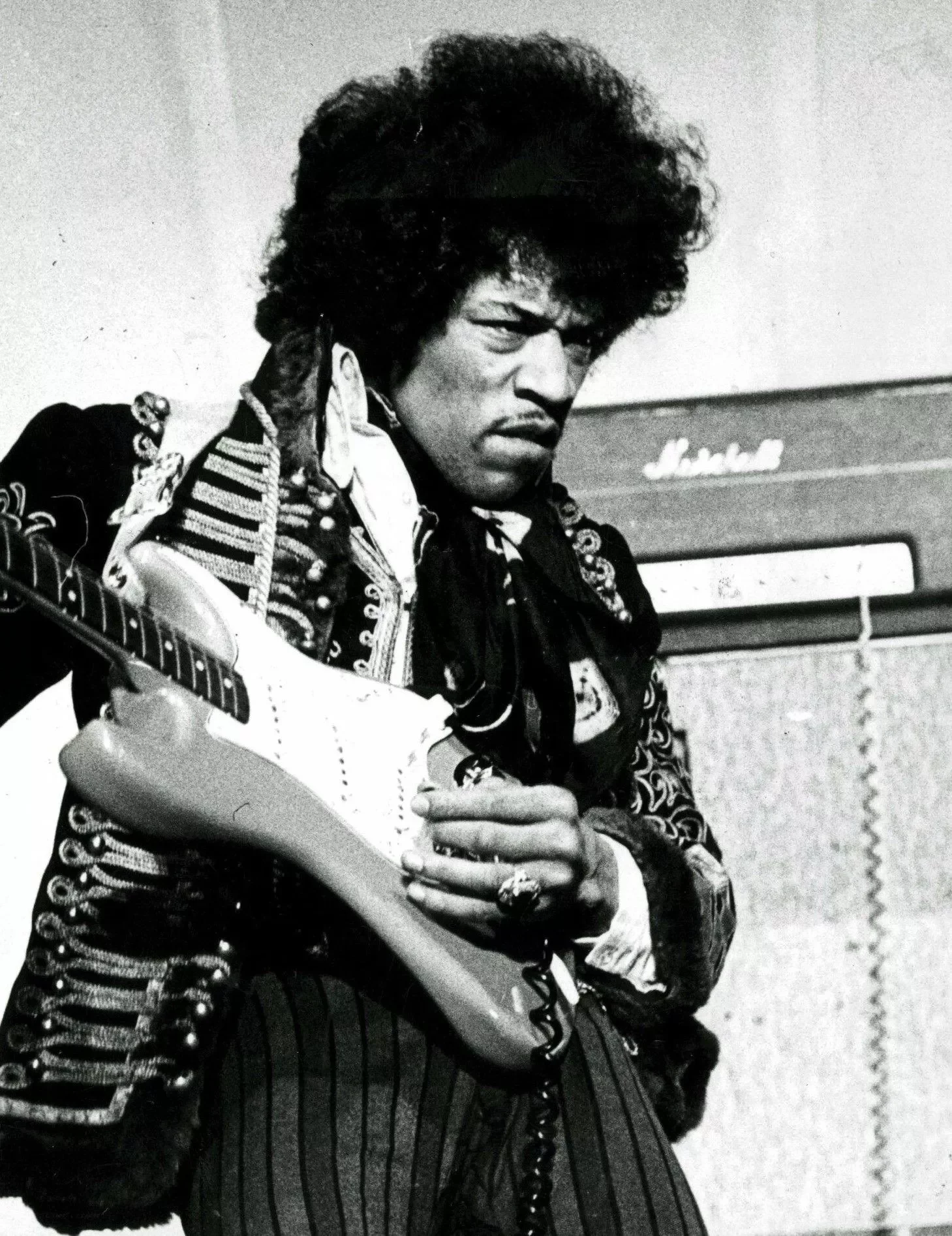
Jimi Hendrix
Born27 Nov, 1942
Died18 Sep, 1970
NationalityAmerican
Age at time of death27
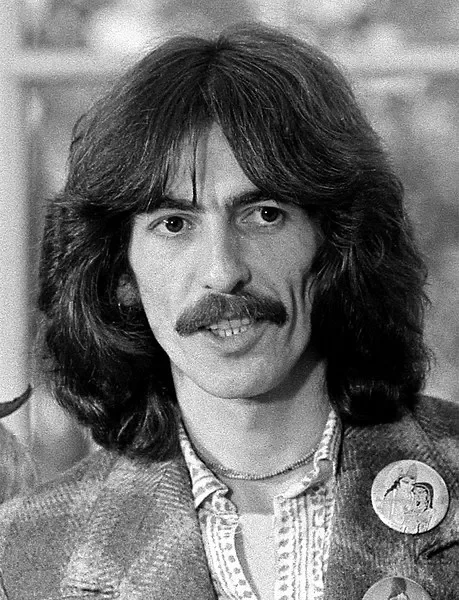
George Harrison
Born25 Feb, 1943
Died29 Nov, 2001
NationalityBritish
Age at time of death58
Johnny Ace
Born09 Jun, 1929
Died25 Dec, 1954
NationalityAmerican
Age at time of death25
Phyllis Diller
Born17 Jul, 1917
Died20 Aug, 2012
NationalityAmerican
Age at time of death95

Cory Monteith
Born11 May, 1982
Died13 Jul, 2013
NationalityCanadian
Age at time of death31
Adam Yauch
Born05 Aug, 1964
Died04 May, 2012
NationalityAmerican
Age at time of death47
Waylon Jennings
Born15 Jun, 1937
Died13 Feb, 2002
NationalityAmerican
Age at time of death64
Chuck Berry
Born18 Oct, 1926
Died18 Mar, 2017
NationalityAmerican
Age at time of death90
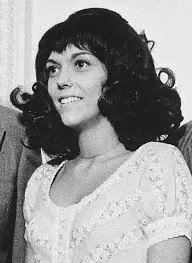
Karen Carpenter
Born02 Mar, 1950
Died04 Feb, 1983
NationalityAmerican
Age at time of death32
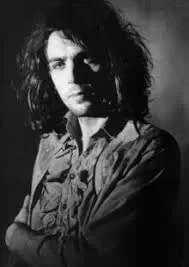
Syd Barrett
Born06 Jan, 1946
Died07 Jul, 2006
NationalityEnglish
Age at time of death60
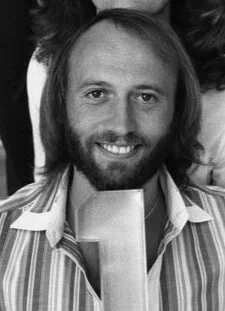
Maurice Gibb
Born22 Dec, 1949
Died12 Jan, 2003
NationalityBritish
Age at time of death53
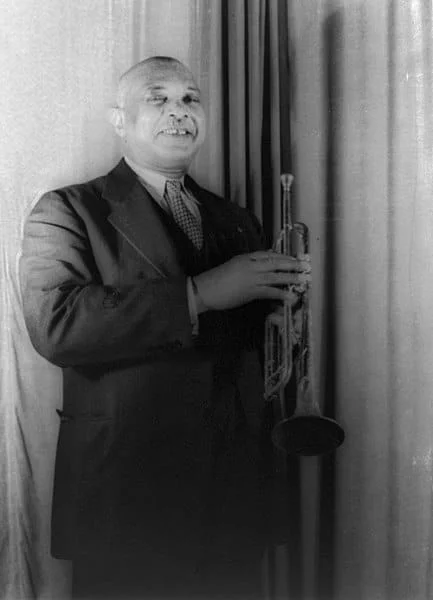
W.C. Handy
Born16 Nov, 1873
Died28 Mar, 1958
NationalityAmerican
Age at time of death84
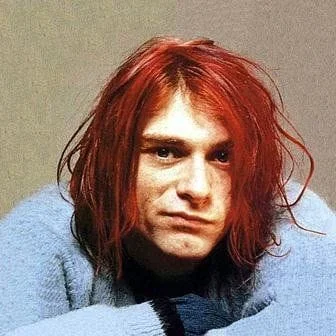
Kurt Cobain
Born20 Feb, 1967
Died05 Apr, 1994
NationalityAmerican
Age at time of death27
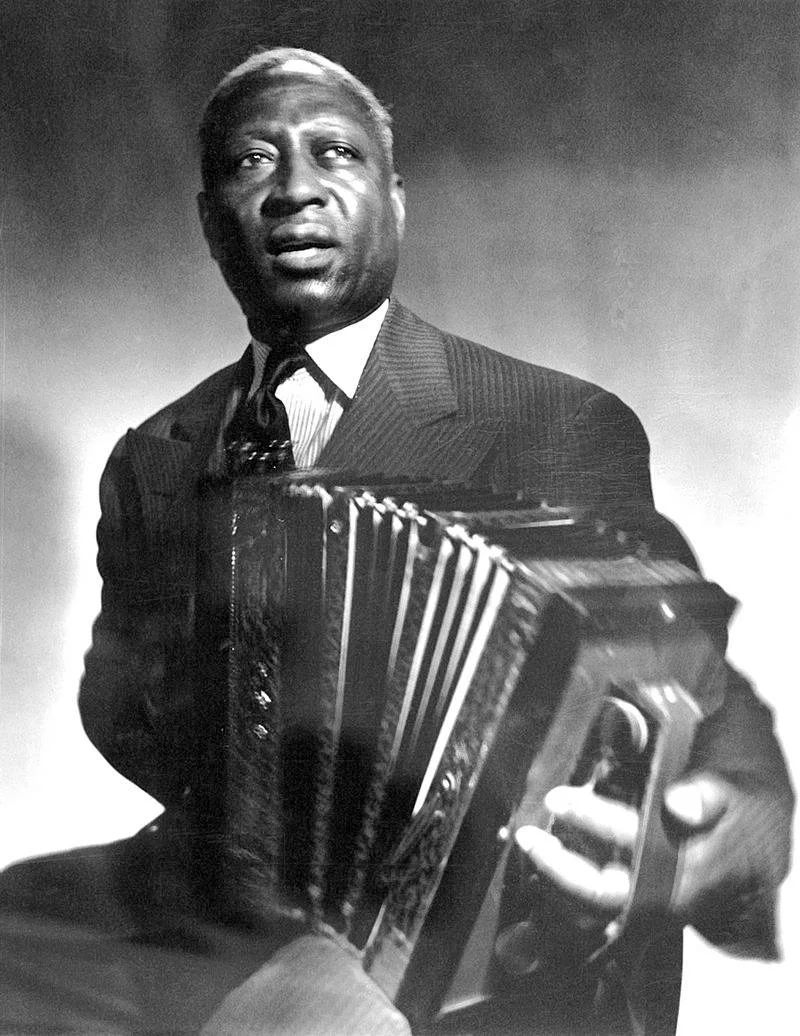
Lead Belly
Born20 Jan, 1888
Died06 Dec, 1949
NationalityAmerican
Age at time of death61
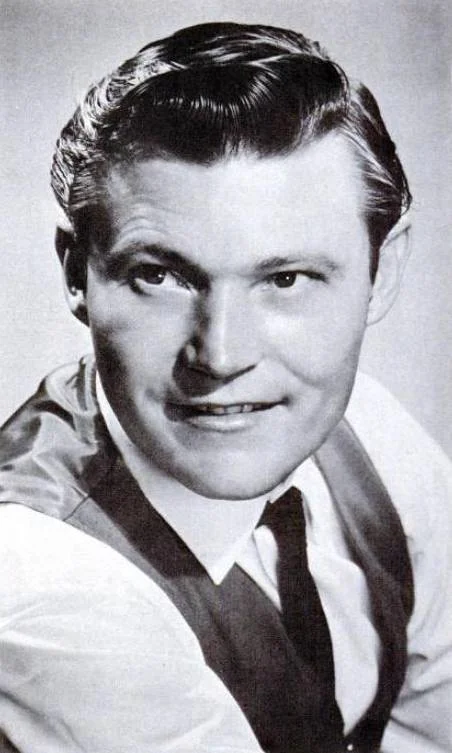
Stonewall Jackson
Born06 Nov, 1932
Died04 Dec, 2021
NationalityAmerican
Age at time of death89
Johnny Otis
Born28 Dec, 1921
Died17 Jan, 2012
NationalityAmerican
Age at time of death90
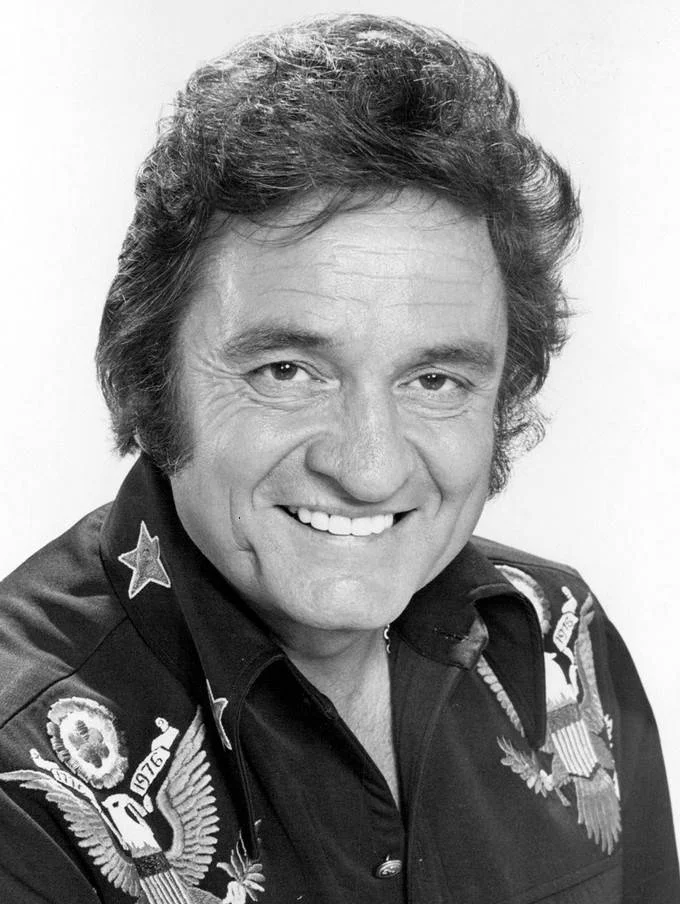
Johnny Cash
Born26 Feb, 1932
Died12 Sep, 2003
NationalityAmerican
Age at time of death71
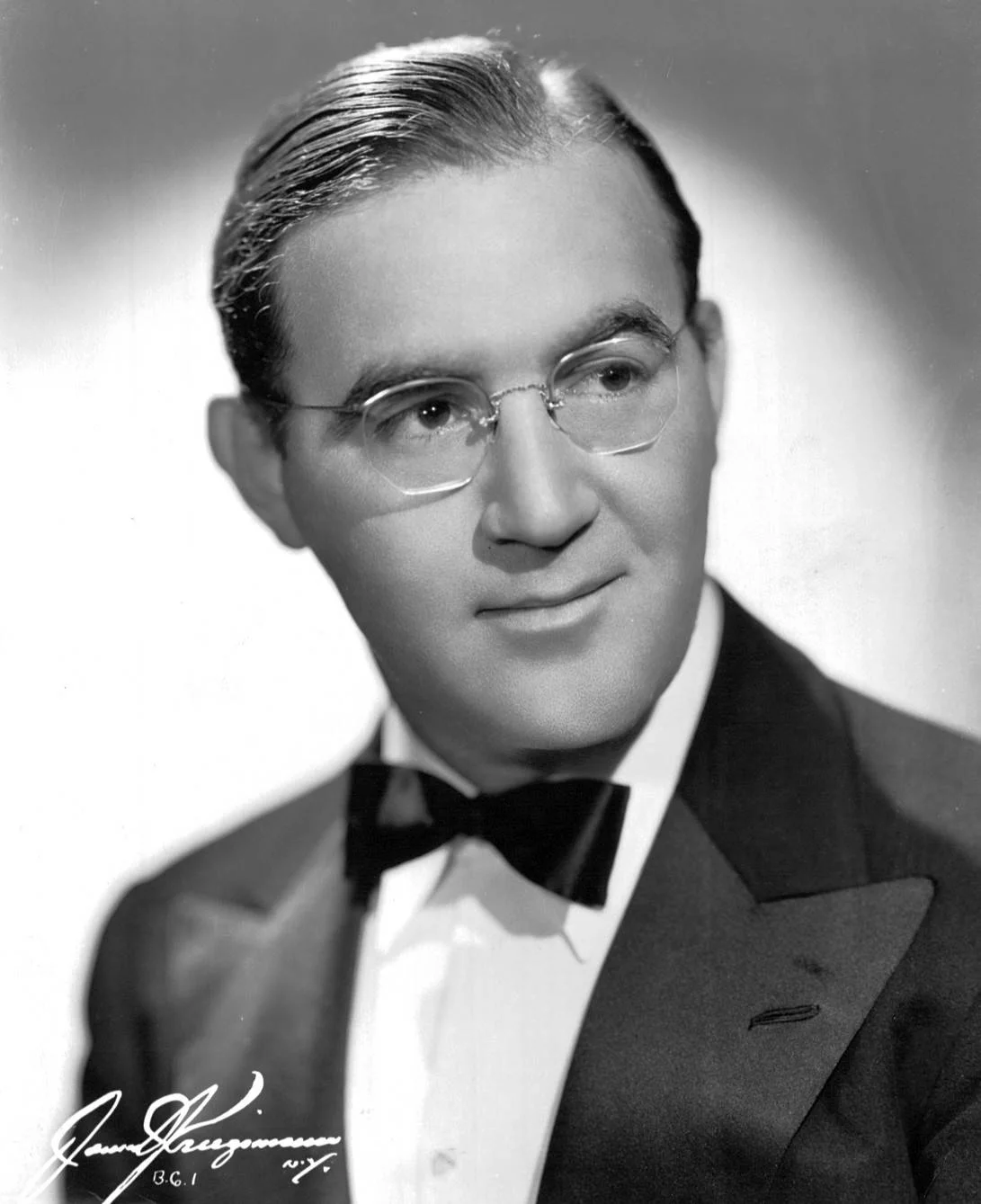
Benny Goodman
Born30 May, 1909
Died13 Jun, 1986
NationalityAmerican
Age at time of death77
Roger Miller
Born02 Jan, 1936
Died25 Oct, 1992
NationalityAmerican
Age at time of death56
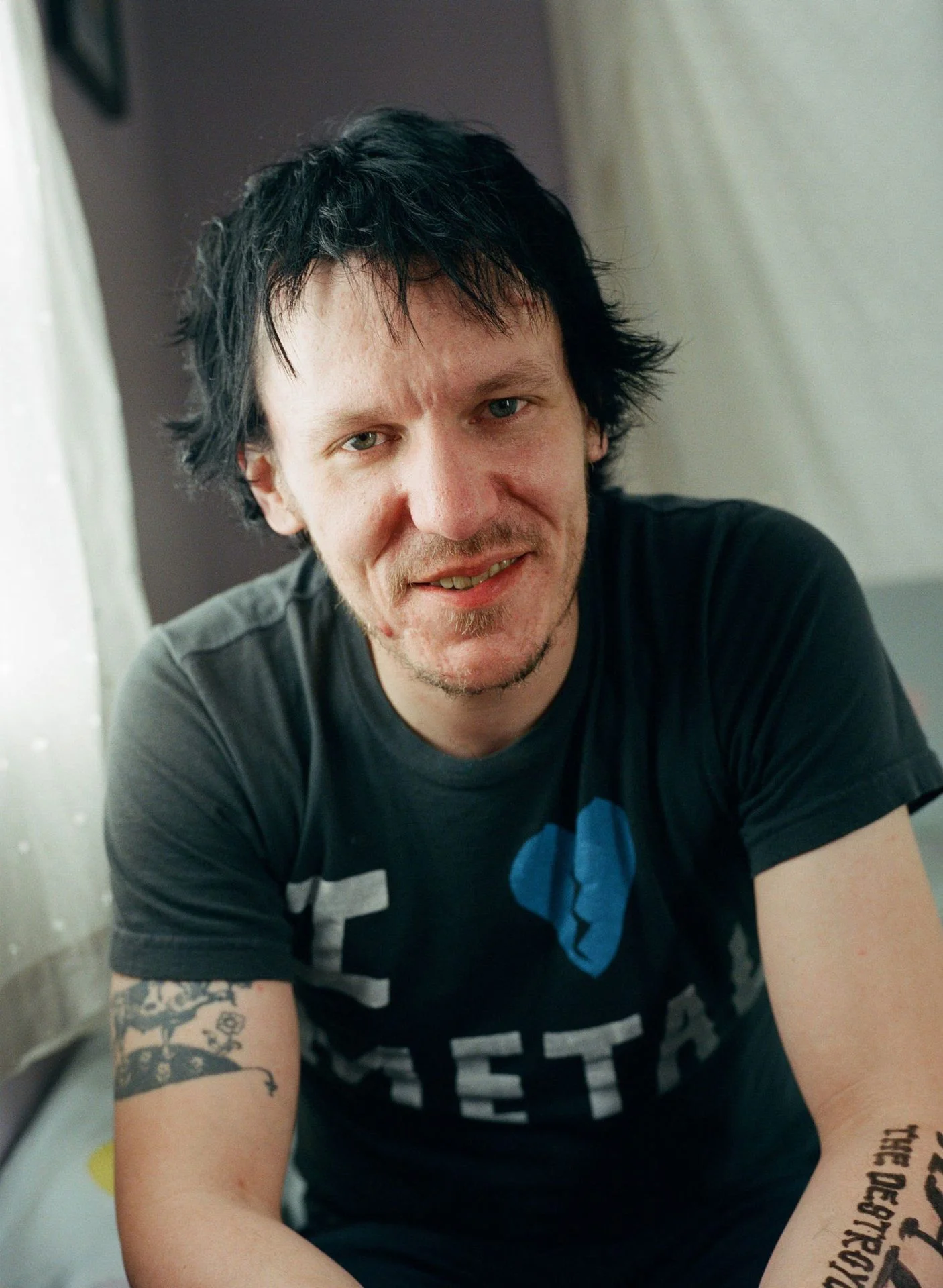
Elliot Smith
Born06 Aug, 1969
Died21 Oct, 2003
NationalityAmerican
Age at time of death34