Real Celebrities Never Die!
OR
Search For Past Celebrities Whose Birthday You Share
Died Age: 57
britannica.com
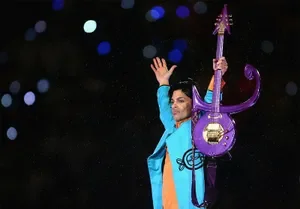
Prince
Birthday:
07 Jun, 1958
Date of Death:
21 Apr, 2016
Cause of death:
Accidental fentanyl overdose
Nationality:
American
Famous As:
Actor
Age at the time of death:
57
Prince Rogers Nelson 's Quote's
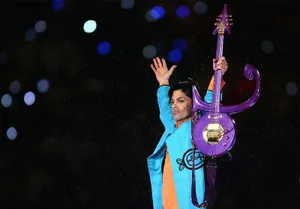
“Despite everything, no one can dictate who you are to other people.”
Prince Rogers Nelson
🔗 deadcelebrityhub.com
Early Life: A Prodigy Born of Pain and Piano Keys
Prince Rogers Nelson wasn’t just a musical icon—he was a revolution in human form. A kaleidoscopic artist who refused to be boxed in by genre, identity, or expectation, Prince turned funk into seduction, pop into prophecy, and stagecraft into spectacle. With a whisper or a scream, he could summon thunder. With a guitar lick, he could summon the divine. He didn’t just make music—he made art that shimmered with defiance, vulnerability, and soul. In a world that demanded definitions, Prince was the ultimate question mark. And that was his power.Born on June 7, 1958, in Minneapolis, Minnesota, Prince Rogers Nelson was named after his father’s stage name—Prince Rogers, a jazz musician with a flair for the dramatic. His mother, Mattie Shaw, was a jazz singer and social worker. Music pulsed in his veins from the beginning, but so did conflict. His parents divorced when he was ten, and Prince bounced between homes, often sleeping at friends’ houses or sneaking into the basement of his father’s old house to use the piano.
Prince taught himself how to play multiple instruments by ear—starting with piano, then drums, then guitar. By his teens, he had mastered over two dozen.
Trivia: Prince’s first band was called “Grand Central,” a high school group where he wore platform shoes and mimicked Sly Stone’s eccentricity.
Education: A Genius with No Need for a Classroom
Prince attended Central High School, where he stood out not just for his musical talent but for his intense individuality. He wasn’t a standout student, but he was deeply intellectual, with a particular fascination for metaphysics and philosophy. He didn’t pursue higher education—instead, he immersed himself in studios and jam sessions, crafting demo tapes and forging his own sonic identity.
He rejected the idea that education had to be formal. For Prince, every record, every concert, every heartbreak was its own kind of schooling.
Career Journey: From Minneapolis Sound to Global Royalty
Early Career: A One-Man Band
At just 19, Prince signed a three-album deal with Warner Bros., insisting on full creative control. He wrote, produced, arranged, and played every instrument on his 1978 debut, For You. The record didn’t chart high, but it made a quiet promise: a new force had entered the arena.
By 1980, Dirty Mind shocked the industry—erotic, unfiltered, and genre-defying. Prince fused funk, rock, and new wave with explicit sexuality and androgynous fashion. Critics didn't know what to make of him, but young audiences did. He wasn’t just pushing boundaries—he was erasing them.
Major Achievements: Purple Reign
Then came Purple Rain (1984)—both the album and the film. With hits like “When Doves Cry” and “Let’s Go Crazy,” it catapulted Prince into superstardom. The film showcased his real-life Minneapolis roots and mythologized him as “The Kid”—a tortured genius chasing perfection.
Purple Rain sold over 25 million copies, earned an Oscar for Best Original Song Score, and established Prince as a singular auteur—one who could rival Michael Jackson and Madonna but walk an entirely different path.
He followed it with a stream of groundbreaking albums: Around the World in a Day (psychedelic), Sign o’ the Times (political), Lovesexy (spiritual), Diamonds and Pearls (pop-funk revival). Each was different. Each was daring.
Trivia: Prince had a vault at Paisley Park rumored to contain hundreds of unreleased songs—enough music to fill decades of albums.
Turning Points: The Artist Formerly Known As…
In the 1990s, Prince waged war against his record label, scrawling the word “Slave” on his face and changing his name to an unpronounceable symbol. It wasn’t a publicity stunt—it was a protest against artistic ownership.
Though some mocked the move, Prince was ahead of his time, anticipating the artist-rights conversations now central to the music industry. He released music independently, embraced the internet early, and built Paisley Park, his own creative empire outside of Hollywood and New York.
Personal Life: Love, Loss, and Layers
Prince was famously private, enigmatic even to those close to him. He married twice—first to dancer Mayte Garcia, with whom he tragically lost a son to a rare disorder. Later, he married Canadian businesswoman Manuela Testolini.
Offstage, Prince was a deeply spiritual man. A devout Jehovah’s Witness in his later years, he would quietly visit people door-to-door in Minneapolis, sharing scripture in the same soft voice that once commanded stadiums.
Despite his flamboyant image, those who knew him described him as gentle, funny, and surprisingly shy. He was also intensely charitable—funding community programs, donating anonymously, and mentoring young artists without seeking credit.
Legacy: The Eternal Shape-Shifter
Prince died unexpectedly on April 21, 2016, from an accidental overdose of fentanyl. The world mourned not just the loss of a musician, but of a cultural compass. Tributes lit up buildings in purple across the globe. Fans danced in the streets. And millions revisited the music that had been the soundtrack to their most private moments.
He sold over 100 million records. He won 7 Grammys, a Golden Globe, and an Oscar. But awards barely skim the surface.
Prince redefined what it meant to be an artist. He blurred the lines between masculine and feminine, Black and white, sacred and profane. He proved that pop could be poetry, that funk could be philosophy, that you could wear heels and still stand taller than anyone in the room.
Trivia: When inducted into the Rock and Roll Hall of Fame in 2004, Prince’s guitar solo on “While My Guitar Gently Weeps” during the tribute to George Harrison left even Tom Petty in awe. The guitar? It disappeared mid-air—like Prince himself.
Conclusion: A Symbol, A Sound, A Spirit
Prince was more than a name, more than a sound. He was an idea—a fearless declaration of self in a world full of mirrors. He taught generations not just how to create, but how to exist without apology.
In a purple haze of velvet and voltage, Prince invited us to imagine something freer, bolder, and more beautiful. And though he’s gone, the echo of his falsetto, the fire of his guitar, and the shape of that mysterious symbol still live in the air.
Because Prince didn’t just play music.
He was music.
Profile Snapshot
Name:
Prince Rogers Nelson
Popular Name:
Prince
Gender:
Male
Cause of Death:
Accidental fentanyl overdose
Spouse:
Mayte Garcia
Manuela Testolini
Place of Birth:
Minneapolis, Minnesota, U.S.
Place of Death:
Chanhassen, Minnesota, U.S.
Occupation / Profession:
Actor
American singer
Musician
Songwriter
Personality Type
Architect: Prince was a visionary and fiercely independent artist, blending genius-level creativity with strategic precision, always in control of his artistic identity and unafraid to defy convention.
Prince Rogers Nelson 's Interesting Facts
His groundbreaking 1984 album Purple Rain won an Academy Award for Best Original Song Score and remains one of the most iconic albums in pop history.
Known for his fierce independence, Prince famously changed his name to an unpronounceable symbol in the 1990s during a contract dispute with his record label.
Prince was a musical prodigy who wrote his first song at age 7 and could play over 20 instruments by the time he became a global superstar.
Prince was inducted into the Rock and Roll Hall of Fame in 2004, and his genre-blending style continues to influence artists across pop, funk, rock, and R&B.
Achievements & Awards
He was also inducted into the Rock and Roll Hall of Fame in 2004, celebrated for his genre-defying music, electrifying performances, and cultural impact.
Prince won seven Grammy Awards, an Academy Award for Best Original Song Score for Purple Rain (1984), and a Golden Globe for the same film.
External Links
Latest Profiles
People also viewed
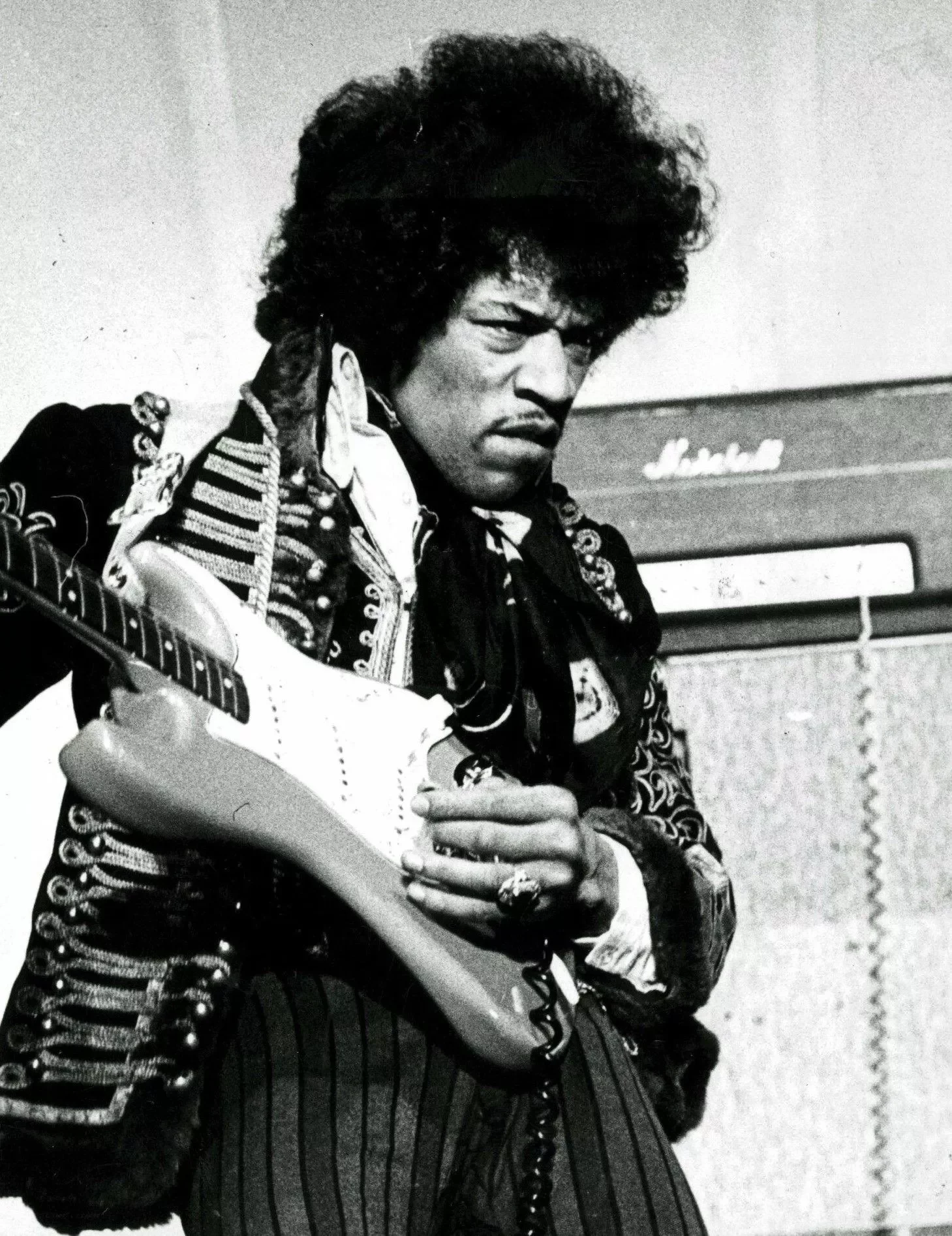
Jimi Hendrix
Born27 Nov, 1942
Died18 Sep, 1970
NationalityAmerican
Age at time of death27
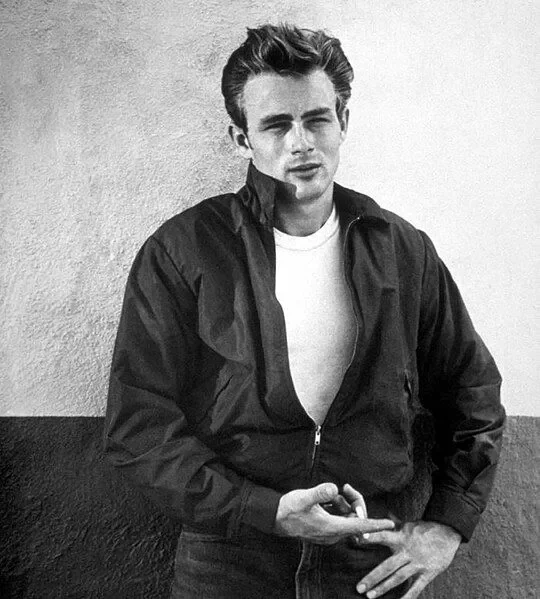
James Dean
Born08 Feb, 1931
Died30 Sep, 1955
NationalityAmerican
Age at time of death24
Irving Berlin
Born11 May, 1888
Died22 Sep, 1989
NationalityAmerican
Age at time of death101
Burt Reynolds
Born11 Feb, 1936
Died06 Sep, 2018
NationalityAmerican
Age at time of death82
Oliver Burgess Meredith
Born16 Nov, 1907
Died09 Sep, 1997
NationalityAmerican
Age at time of death89
Paul Walker
Born12 Sep, 1973
Died30 Nov, 2013
NationalityAmerican
Age at time of death40
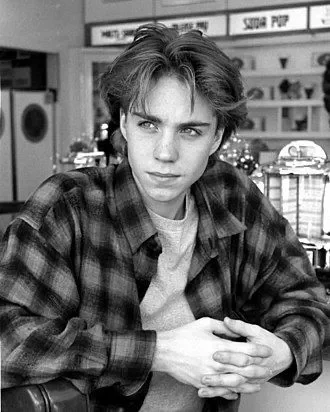
Jonathan Brandis
Born13 Apr, 1976
Died12 Nov, 2003
NationalityAmerican
Age at time of death27
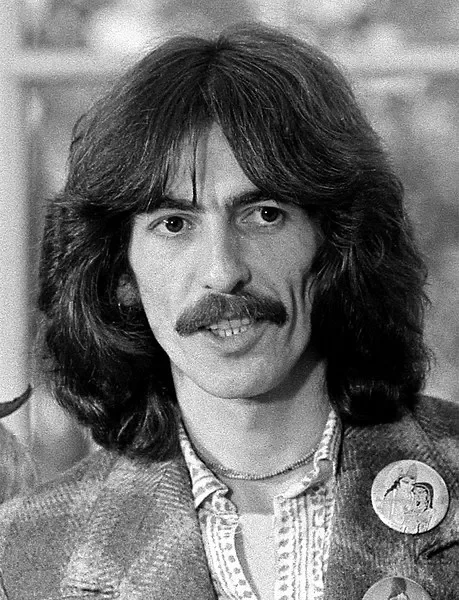
George Harrison
Born25 Feb, 1943
Died29 Nov, 2001
NationalityBritish
Age at time of death58
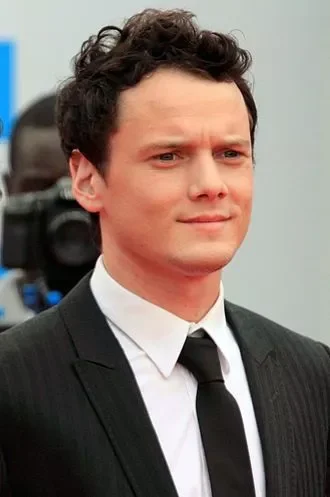
Anton Yelchin
Born11 Mar, 1989
Died19 Jun, 2016
NationalityAmerican
Age at time of death27
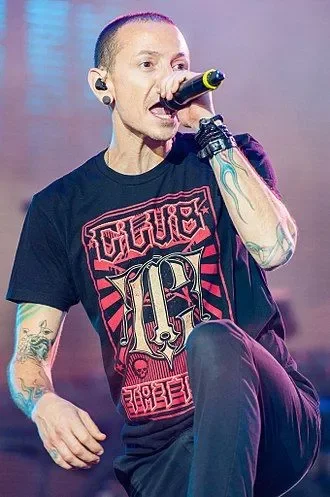
Chester Bennington
Born20 Mar, 1976
Died20 Jul, 2017
NationalityAmerican
Age at time of death41
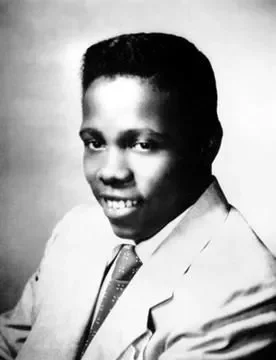
Johnny Ace
Born09 Jun, 1929
Died25 Dec, 1954
NationalityAmerican
Age at time of death25
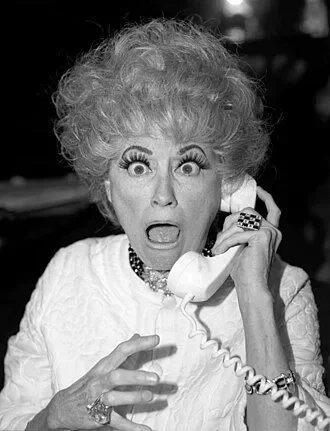
Phyllis Diller
Born17 Jul, 1917
Died20 Aug, 2012
NationalityAmerican
Age at time of death95
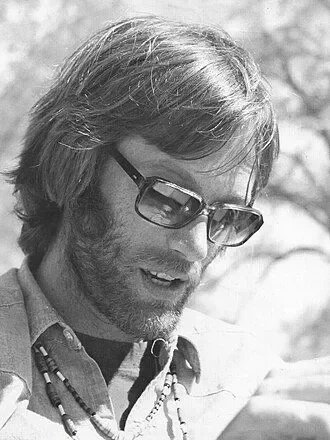
Peter Fonda
Born23 Feb, 1940
Died16 Aug, 2019
NationalityAmerican
Age at time of death79
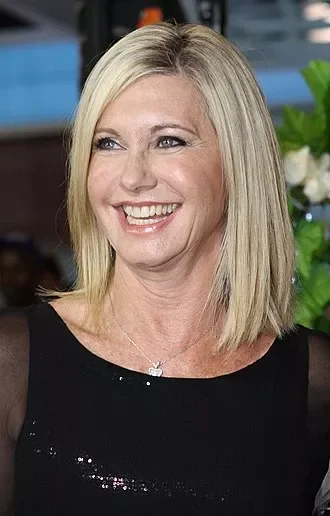
Olivia Newton-John
Born26 Sep, 1948
Died08 Aug, 2022
NationalityBritish, Australian
Age at time of death73
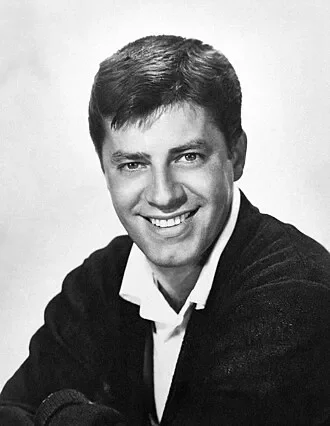
Jerry Lewis
Born16 Mar, 1926
Died20 Aug, 2017
NationalityAmerican
Age at time of death91
Marlon Brando
Born03 Apr, 1924
Died01 Jul, 2004
NationalityAmerican
Age at time of death80
Jim Morrison
Born08 Dec, 1943
Died03 Jul, 1971
NationalityAmerican
Age at time of death27
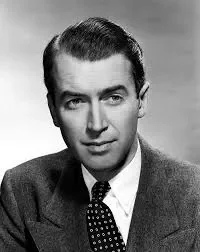
James Stewart
Born20 May, 1908
Died02 Jul, 1997
NationalityAmerican
Age at time of death89
Cory Monteith
Born11 May, 1982
Died13 Jul, 2013
NationalityCanadian
Age at time of death31
Christopher Lee
Born27 May, 1922
Died07 Jun, 2015
NationalityBritish
Age at time of death93