Real Celebrities Never Die!
OR
Search For Past Celebrities Whose Birthday You Share
Died Age: 100
latw.org
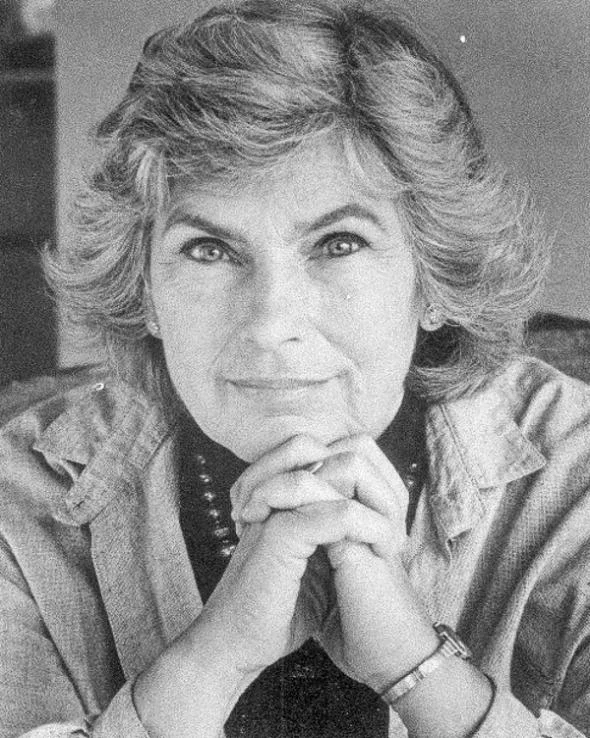
Priscilla Pointer
Birthday:
17 May, 1924
Date of Death:
27 Apr, 2025
Cause of death:
Natural Causes
Nationality:
American
Famous As:
Actress
Age at the time of death:
100
Priscilla Marie Pointer's Quote's
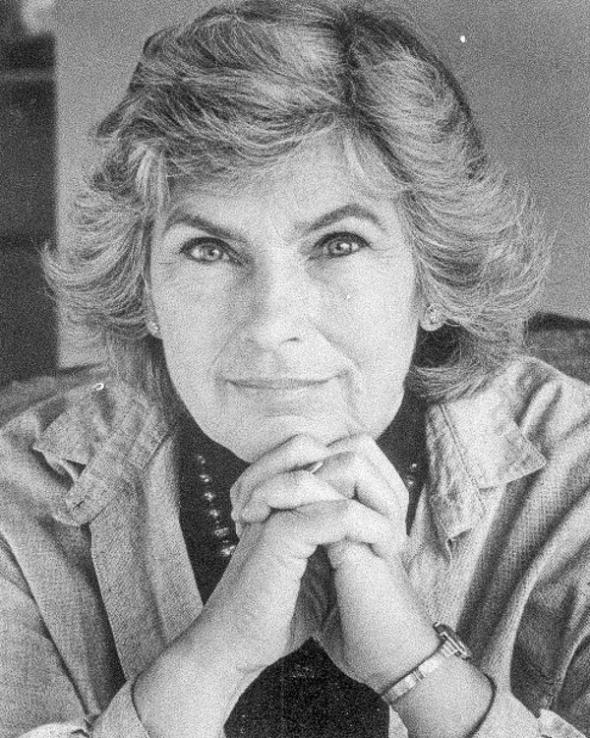
“"I'm here on the Lord's work, Mrs Snell; spreadin' the gospel of God's salvation through Christ's blood!”
Priscilla Marie Pointer
🔗 deadcelebrityhub.com
Early Life
Priscilla Pointer has always carried an unmistakable presence—an actress whose career spanned stage, film, and television with quiet resilience and grace. She may not have been a household name like some of her contemporaries, but she brought a depth and conviction to every role, whether in the spotlight of a hit film or in the intimate setting of live theatre. For Pointer, the craft of performance was never about celebrity; it was about truth, humanity, and the joy of storytelling.
Born on May 18, 1924, in New York City, Priscilla Marie Pointer grew up in a family that valued creativity and education. Her father, Kenneth Pointer, worked as an artist, while her mother, Augusta, nurtured her children’s love of the arts. This environment of encouragement planted the seeds for her lifelong devotion to acting. As a young girl, she found herself drawn to performance, fascinated by the power of theatre to transform both the performer and the audience.
The cultural richness of New York in the 1930s and 1940s exposed her to a vibrant world of literature, art, and stagecraft. It was here that Pointer began imagining a life beyond convention—a life shaped by performance.
Education and Training
Pointer’s education deepened her connection to the theater. She attended Sarah Lawrence College, a school renowned for its progressive approach to the arts and humanities. There, she honed her craft, studying drama and gaining the foundation that would carry her through decades in the profession. Sarah Lawrence wasn’t just about technique; it was about cultivating voice, perspective, and the courage to explore. For Pointer, these years crystallised her understanding of acting as both a discipline and an art.
Career Journey
Early Steps on Stage
Pointer’s early career was rooted in theatre, where she built her reputation as a thoughtful and dedicated actress. Like many of her generation, she began in regional productions, steadily gaining recognition for her poise and versatility. Theatre was her first love, and the lessons she learned under its demanding discipline shaped her later screen work.
Transition to Television and Film
In the 1950s and 1960s, television was rapidly becoming the dominant medium, and Pointer embraced it. She made her way into guest roles on popular shows, demonstrating her ability to inhabit characters with authenticity. By the 1970s, she began appearing more frequently on screen, often cast in roles that required both strength and vulnerability.
Her film career included memorable performances in movies such as Carrie (1976), where she played Eleanor Snell, the mother of Amy Irving’s character—an on-screen partnership that mirrored their real-life relationship. This connection added an extra dimension to her performance, grounding the horror classic in a deeply human mother-daughter dynamic.
Pointer’s television career was equally rich. She appeared in long-running shows like Dallas, where she played Rebecca Wentworth, the mother of Cliff Barnes and Pamela Ewing. Her role in the soap opera world cemented her status as a versatile actress capable of commanding the screen in ensemble casts.
Later Career and Collaborations
Pointer’s later career often saw her collaborating with her daughter, Amy Irving, and former son-in-law, director Steven Spielberg, through projects that bridged family and art. She appeared in several notable films across the 1980s and 1990s, continuing to balance supporting roles with the kind of nuanced character work that had defined her career.
Personal Life
Beyond the stage and screen, Priscilla Pointer’s life was deeply intertwined with family and artistry. She married literary scholar Jules Irving, and together they had three children: Amy, David, and Katie. The household was one where ideas, creativity, and art were part of daily life, and all three children went on to careers in the creative world. After losing Irving to death, she remarried Robert.
Pointer’s daughter, Amy Irving, became a celebrated actress in her own right, while David Irving pursued directing, and Katie Irving worked as a singer and teacher. In this way, Pointer’s legacy extended beyond her own career, flowing through the next generation of artists in her family.
Legacy
Priscilla Pointer’s career was never about chasing fame—it was about dedication to the craft. From her beginnings in New York theatre to her steady presence on television and film, she carved out a career that was at once understated and deeply impactful. Audiences may remember her most vividly as a mother—whether in Carrie, Dallas, or alongside her real-life daughter—but that motif reflects the strength she brought to her roles: nurturing, complex, and resolute.
Trivia adds another layer of charm: Pointer once played the on-screen mother of her daughter Amy Irving in not just one, but multiple projects, a rare occurrence in Hollywood. These roles, though fictional, mirrored the close-knit artistic bond between them.
Today, she is remembered not just as an actress but as a mentor, a mother, and a woman who dedicated her life to storytelling in its many forms. Her performances, marked by sincerity and depth, continue to resonate with those who revisit them. In the tapestry of American television and film, Priscilla Pointer’s thread is one of quiet elegance and enduring artistry.
Profile Snapshot
Name:
Priscilla Marie Pointer
Popular Name:
Priscilla Pointer
Gender:
Female
Cause of Death:
Natural Causes
Spouse:
Robert Symonds
Jules Irving
Place of Birth:
New York, New York, United States
Place of Death:
Ridgefield, Connecticut, United States
Occupation / Profession:
Actress
Personality Type
Virtuoso: Priscilla Pointer is a steadfast storyteller whose quiet grace and nurturing spirit brought depth to every role she played and every life she touched.
Priscilla Marie Pointer's Interesting Facts
Priscilla Pointer was the mother of actress Amy Irving and director David Irving, both of whom followed in her artistic footsteps.
She appeared in multiple films alongside her daughter, Amy Irving, including Carrie (1976) and Honeysuckle Rose (1980), highlighting their strong on-screen chemistry.
Pointer was married to director Jules Irving, who was the former artistic director of Lincoln Centre, and later to actor Robert Symonds.
Achievements & Awards
Priscilla Pointer's career spanned over six decades, during which she made significant contributions to theatre, film, and television.
Notably, she co-founded the San Francisco Actor's Workshop in 1952 with her husband, Jules Irving, and others, which was instrumental in bringing new American plays to the stage.
She also appeared in several acclaimed films, including Carrie (1976), Blue Velvet (1986), and The Falcon and the Snowman (1985), showcasing her versatility as an actress.
Additionally, Pointer received the Donostia Lifetime Achievement Award at the San Sebastián International Film Festival in 1994, recognizing her enduring impact on the film industry.
External Links
Latest Profiles
People also viewed
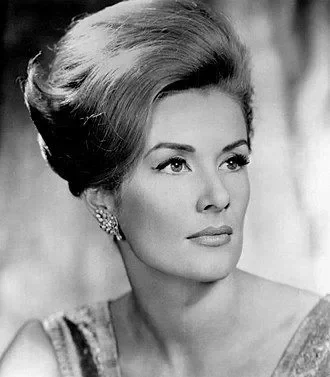
Sally Ann Howes
Born20 Jul, 1930
Died19 Dec, 2021
NationalityBritish, American
Age at time of death91
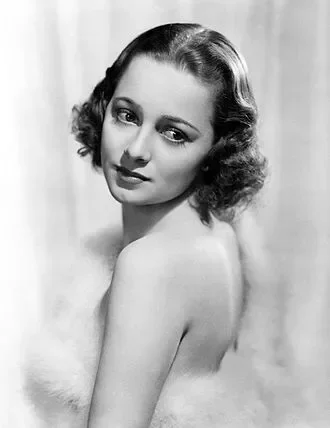
Olivia de Havilland
Born01 Jul, 1916
Died26 Jul, 2020
NationalityBritish, American
Age at time of death104
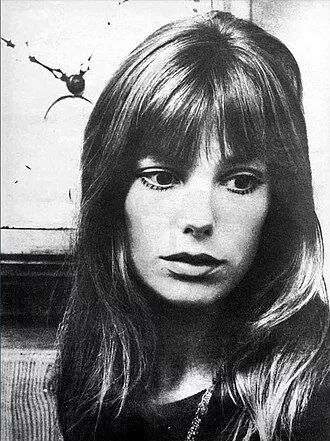
Jane Birkin
Born14 Dec, 1946
Died16 Jul, 2023
NationalityBritish, French
Age at time of death76
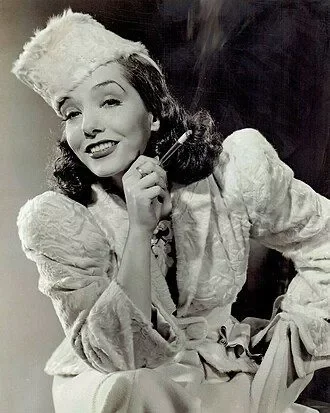
Lupe Vélez
Born18 Jul, 1908
Died14 Dec, 1944
NationalityMexican
Age at time of death36
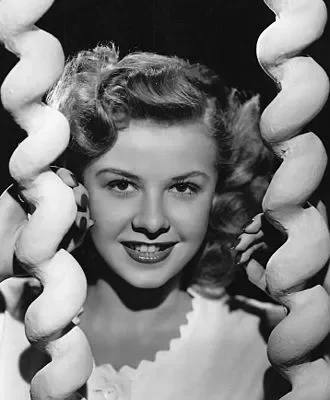
Vera-Ellen
Born16 Feb, 1921
Died30 Aug, 1981
NationalityAmerican German
Age at time of death60
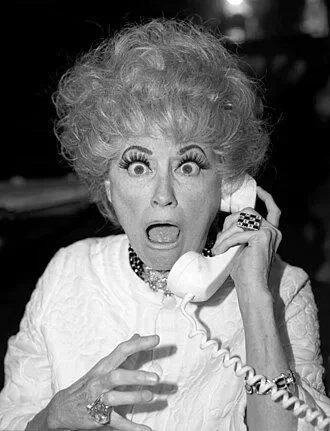
Phyllis Diller
Born17 Jul, 1917
Died20 Aug, 2012
NationalityAmerican
Age at time of death95
Olivia Newton-John
Born26 Sep, 1948
Died08 Aug, 2022
NationalityBritish, Australian
Age at time of death73
Mary Martin
Born01 Dec, 1913
Died03 Nov, 1990
NationalityAmerican
Age at time of death76
Tina Turner
Born26 Nov, 1939
Died24 May, 2023
NationalityAfrican, American
Age at time of death83
Tawny Kitaen
Born05 Aug, 1961
Died07 May, 2021
NationalityAmerican
Age at time of death59
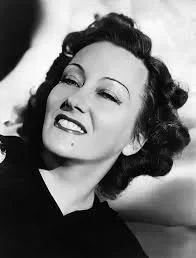
Gloria Swanson
Born27 Mar, 1899
Died04 Apr, 1983
NationalityAmerican
Age at time of death84
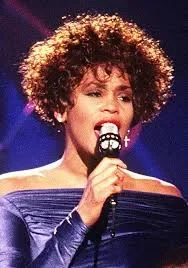
Whitney Houston
Born09 Aug, 1963
Died11 Feb, 2012
NationalityAmerican
Age at time of death48

Caroline Flack
Born09 Nov, 1979
Died15 Feb, 2020
NationalityBritish
Age at time of death40
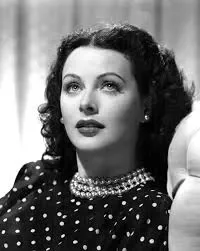
Hedy Lamarr
Born09 Nov, 1914
Died19 Jan, 2000
NationalityAmerican
Age at time of death85
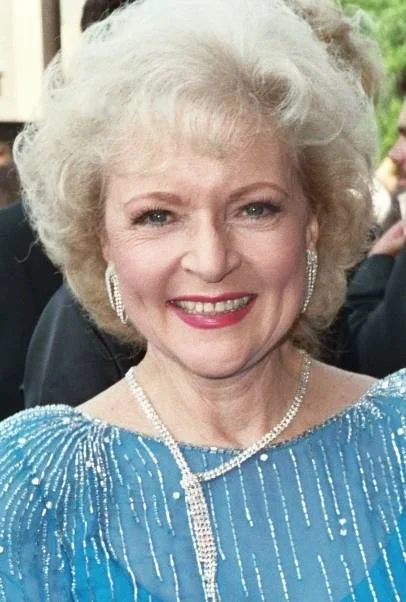
Betty White
Born30 Nov, 1922
Died31 Dec, 2021
NationalityAmerican
Age at time of death99
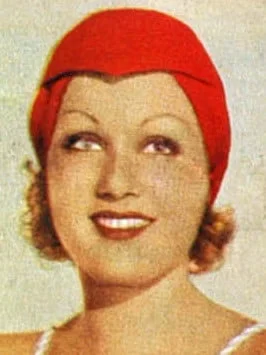
Grace Bradley
Born21 Sep, 1913
Died21 Sep, 2010
NationalityAmerican
Age at time of death97

Brittany Murphy
Born10 Nov, 1977
Died20 Dec, 2009
NationalityAmerican
Age at time of death32
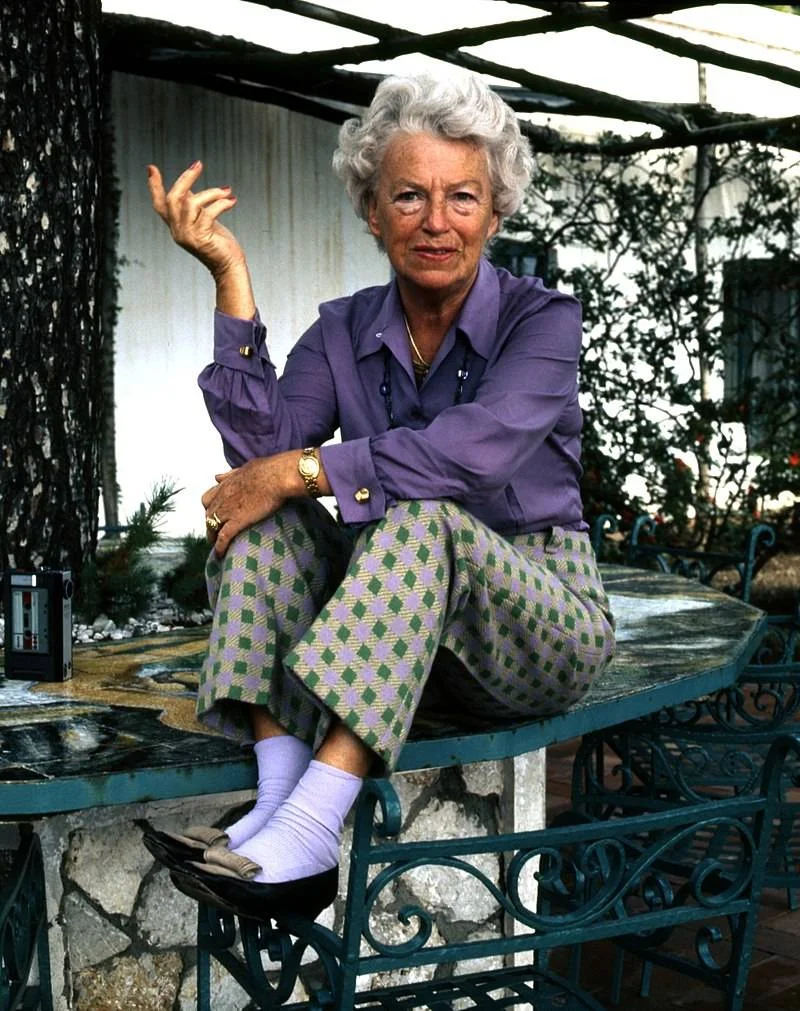
Gracie Fields
Born09 Jan, 1898
Died27 Sep, 1979
NationalityBritish, Italian
Age at time of death81
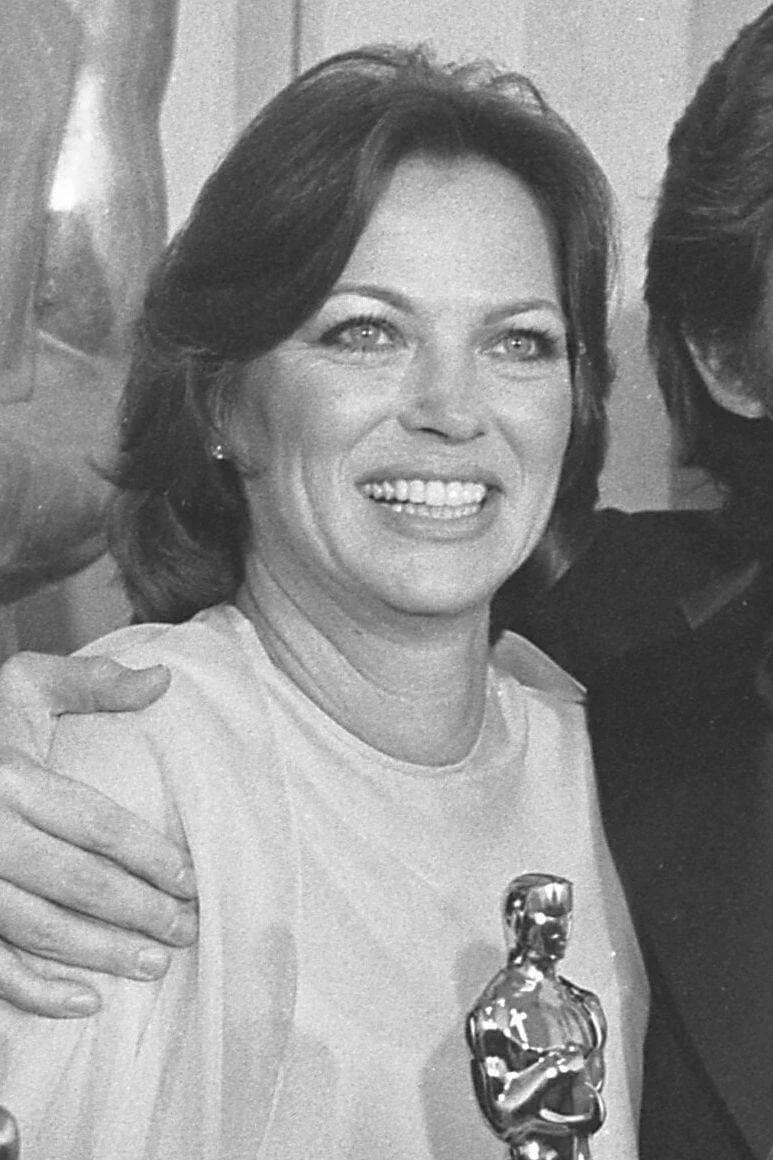
Louise Fletcher
Born22 Jul, 1934
Died23 Sep, 2022
NationalityAmerican
Age at time of death88
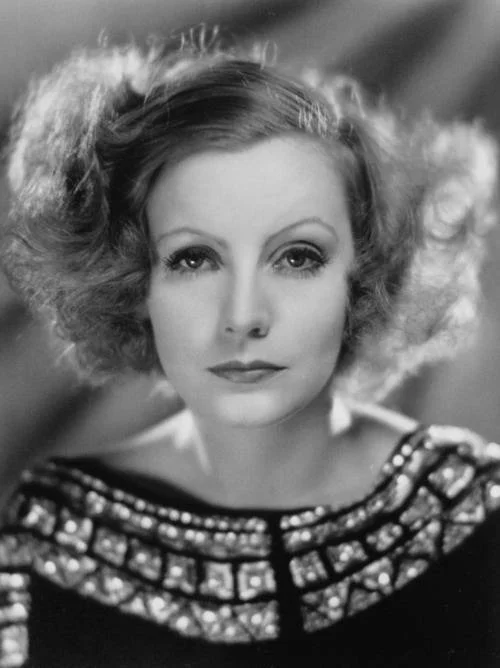
Greta Garbo
Born18 Sep, 1905
Died15 Apr, 1990
NationalitySwedish, American
Age at time of death84