Real Celebrities Never Die!
OR
Search For Past Celebrities Whose Birthday You Share
Died Age: 91
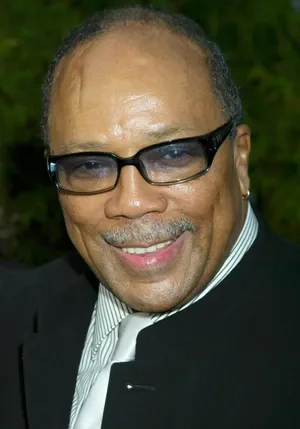
www.britannica.com
Quincy Jones
Birthday:
13 Mar, 1933
Date of Death:
02 Nov, 2024
Cause of death:
Pancreatic Cancer
Nationality:
American
Famous As:
American record producer
Age at the time of death:
91
Quincy Delight Jones Jr.'s Quote's

“Frank Sinatra took me to a whole new planet. I worked with him until he passed away in '98. He left me his ring. I never take it off. Now, when I go to Sicily, I don't need a passport. I just flash my ring.”
Quincy Delight Jones Jr.
🔗 deadcelebrityhub.com
Early Life: A Jazz-Born Soul from Chicago’s South Side
Few names echo through the corridors of music history like Quincy Jones. Composer, producer, arranger, trumpeter, and visionary, Jones didn’t just shape the sound of modern music—he revolutionized it. With a career spanning over seven decades, his fingerprints are on everything from jazz to pop, soul to hip-hop, film scores to humanitarian efforts. If American music had a Renaissance man, Quincy Jones would be it.
Behind every era-defining album and every iconic collaboration is a story—one of struggle, genius, reinvention, and unstoppable drive. His journey from the tough streets of Chicago to global stardom is the stuff of legend—and his legacy is one of timeless artistry and boundary-breaking excellence.
Born on March 14, 1933, in Chicago, Illinois, Quincy Delight Jones Jr. was raised in a world marked by both hardship and rhythm. His mother, a bank executive and religious woman, was eventually institutionalized due to mental illness, and his father worked as a carpenter for a prominent family. As a child, Jones saw both the cracks in the American Dream and the strength of those who persevered through it.
He found solace in music. At age 10, after moving to Seattle, he discovered a piano in a neighbor’s house and never looked back. “Once I touched that piano, I couldn’t get enough,” he later said.
He and his brother, Lloyd, grew up navigating a world of racial segregation and limited opportunity. But Quincy saw music not just as an escape—but as a way out.
Trivia: As a teenager, Jones met a young Ray Charles in Seattle, and the two began playing together—planting the seeds of a lifelong friendship and musical partnership.
Education: Forging Genius Through Study and Grit
Quincy won a scholarship to the Berklee College of Music in Boston, a major achievement for a Black musician in the 1950s. But opportunity knocked early: he left Berklee to tour with bandleader Lionel Hampton as a trumpeter and arranger—a bold move that quickly established him as a rising force in the jazz world.
Jones soaked up everything. He later studied in Paris with the legendary composer Nadia Boulanger, who had taught some of the greatest musicians of the 20th century. There, he refined his orchestration and deepened his classical foundations, giving him a compositional range few of his contemporaries possessed.
Career Journey: A Symphony in Three Acts
Act I: Jazz, Arrangements, and the First Black Executive
In the 1950s and ‘60s, Jones built his name arranging and conducting for stars like Duke Ellington, Count Basie, Dinah Washington, and Frank Sinatra. He recorded his own jazz albums and worked on European film scores—often blending classical structure with blues and soul.
In 1961, Jones made history as vice president of Mercury Records, becoming the first African American to hold such a high executive position at a major label.
Yet, success came at a cost. Financial struggles, long tours, and health issues nearly derailed him. But Jones refused to stop evolving.
Act II: Film Scores, TV, and the King of Pop
The 1970s brought a new chapter. Quincy transitioned into film and television scoring, becoming one of the most successful Black composers in Hollywood. He composed for shows like Sanford and Son, The Bill Cosby Show, and films like In the Heat of the Night and The Color Purple (which earned him an Oscar nomination).
But his most iconic collaboration began in the late 1970s—Michael Jackson.
Together, they produced Off the Wall (1979), Thriller (1982), and Bad (1987)—three albums that would forever change the music industry. Thriller remains the best-selling album of all time, with Jones’s lush, genre-defying production central to its success.
Fun Fact: When producing Thriller, Jones originally didn’t want “Billie Jean” on the album, believing it was too weak. Jackson insisted—and it became one of the biggest hits in pop history.
Act III: Global Humanitarian, Mentor, and Icon
In the 1980s and beyond, Jones used his platform for global causes. He co-produced the “We Are the World” charity single in 1985, gathering dozens of the biggest stars to fight famine in Africa. His message: “Check your egos at the door.”
He also founded Qwest Records, mentoring new talent and advocating for diversity in media. He produced films and television shows (including The Fresh Prince of Bel-Air), published a memoir, and continued to shape music’s future behind the scenes.
Personal Life: A Man of Complexity and Culture
Jones’s personal life is as multifaceted as his music. He has been married three times and has seven children, including actress Rashida Jones. Known for his magnetic charisma, sharp humor, and encyclopedic knowledge, Jones speaks multiple languages and has friends spanning royalty, presidents, and pop stars.
In 1974, he suffered a near-fatal brain aneurysm, an event that pushed him to reflect deeply on his life’s direction. Rather than slow down, he expanded his vision to include more advocacy, mentorship, and education.
Legacy: The Sound Architect of Modern Music
With 28 Grammy Awards, a Grammy Legend Award, a Kennedy Center Honor, and an induction into the Rock & Roll Hall of Fame, Quincy Jones’s accolades speak volumes. But his real legacy lies in how he broke barriers—racial, musical, and cultural.
He championed young Black artists when few others would. He blurred genres before it was trendy. He reminded the world that music isn’t just entertainment—it’s a force for change.
From Sinatra at the Sands to Thriller, from jazz clubs to White House galas, Quincy Jones has seen it all—and shaped it all. His influence ripples through every corner of the music industry today.
Profile Snapshot
Name:
Quincy Delight Jones Jr.
Popular Name:
Quincy Jones
Gender:
Male
Cause of Death:
Pancreatic Cancer
Spouse:
Jeri Caldwell
Ulla Andersson
Peggy Lipton
Place of Birth:
Chicago, Illinois, US
Place of Death:
Los Angeles, California, US
Occupation / Profession:
American record producer
Arranger
Bandleader
Composer
Conductor
Trumpeter
Personality Type
Entertainer: Quincy Jones was an empathetic, rhythm‑driven visionary who thrived in creative spontaneity, electrified collaborations, and meaningful humanitarian expression.
Quincy Delight Jones Jr.'s Interesting Facts
Quincy Jones has won 28 Grammy Awards, making him one of the most awarded artists in Grammy history.
He produced Michael Jackson’s iconic albums Off the Wall, Thriller, and Bad, helping shape the sound of modern pop.
In 1961, he became one of the first Black executives at a major American record label when he was named vice president of Mercury Records.
Jones composed the theme for The Fresh Prince of Bel-Air, blending hip-hop and jazz into one of TV’s most recognizable intros.
Achievements & Awards
Quincy Jones has won 28 Grammy Awards from 80 nominations, including a Grammy Legend Award in 1991, making him one of the most awarded artists in Grammy history. He also received an Emmy Award for the score of the TV miniseries Roots and was honored with the Jean Hersholt Humanitarian Award by the Academy in 1995 for his charitable efforts.
External Links
Additional Links
Latest Profiles
People also viewed
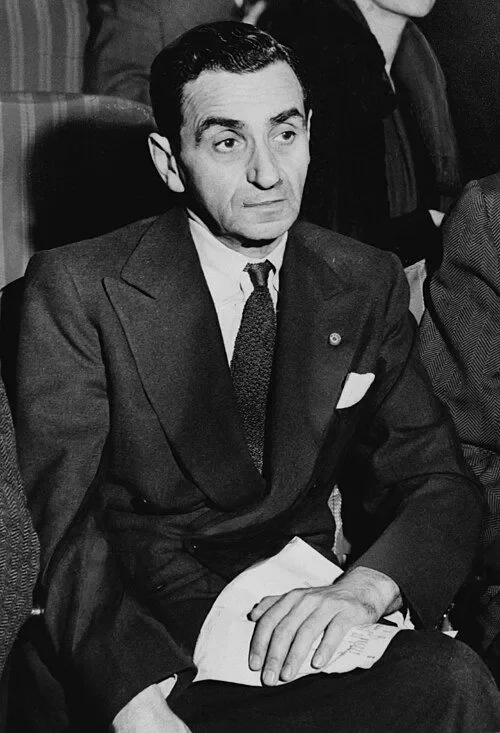
Irving Berlin
Born11 May, 1888
Died22 Sep, 1989
NationalityAmerican
Age at time of death101
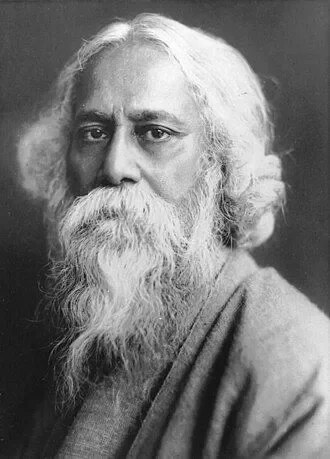
Rabindranath Tagore
Born07 May, 1861
Died08 Aug, 1941
NationalityIndian
Age at time of death80
Barry White
Born12 Sep, 1944
Died04 Jul, 2003
NationalityAmerican
Age at time of death58
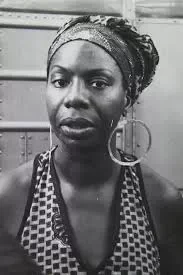
Nina Simone
Born21 Feb, 1933
Died21 Apr, 2003
NationalityAmerican
Age at time of death70
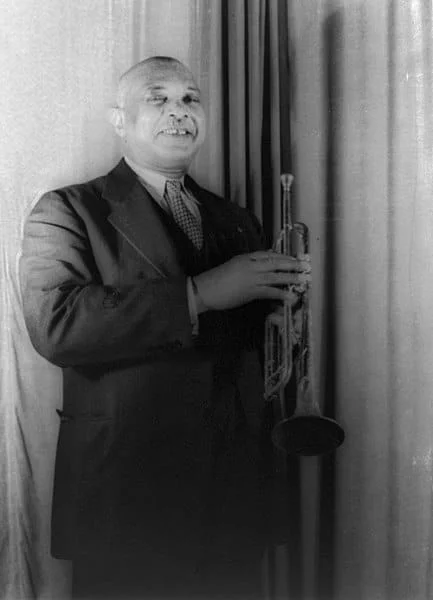
W.C. Handy
Born16 Nov, 1873
Died28 Mar, 1958
NationalityAmerican
Age at time of death84
Johnny Otis
Born28 Dec, 1921
Died17 Jan, 2012
NationalityAmerican
Age at time of death90

Lata Mangeshkar
Born28 Sep, 1929
Died06 Feb, 2022
NationalityIndian
Age at time of death92
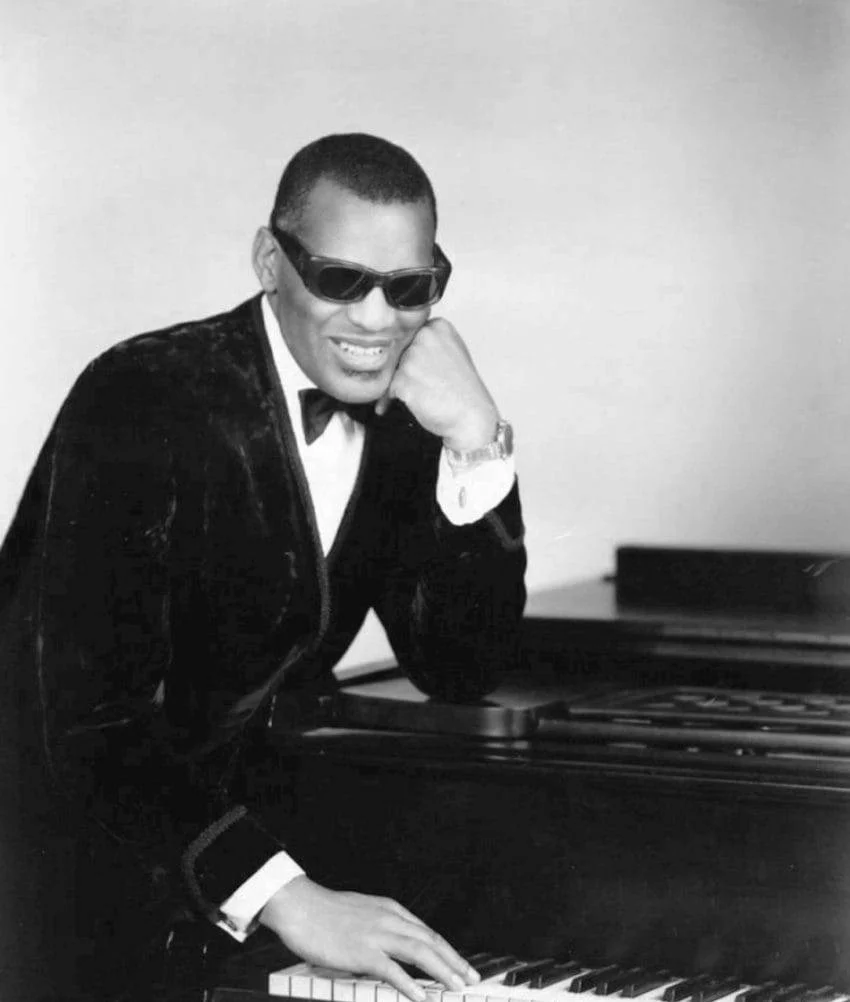
Ray Charles
Born23 Sep, 1930
Died10 Jun, 2004
NationalityAmerican
Age at time of death73
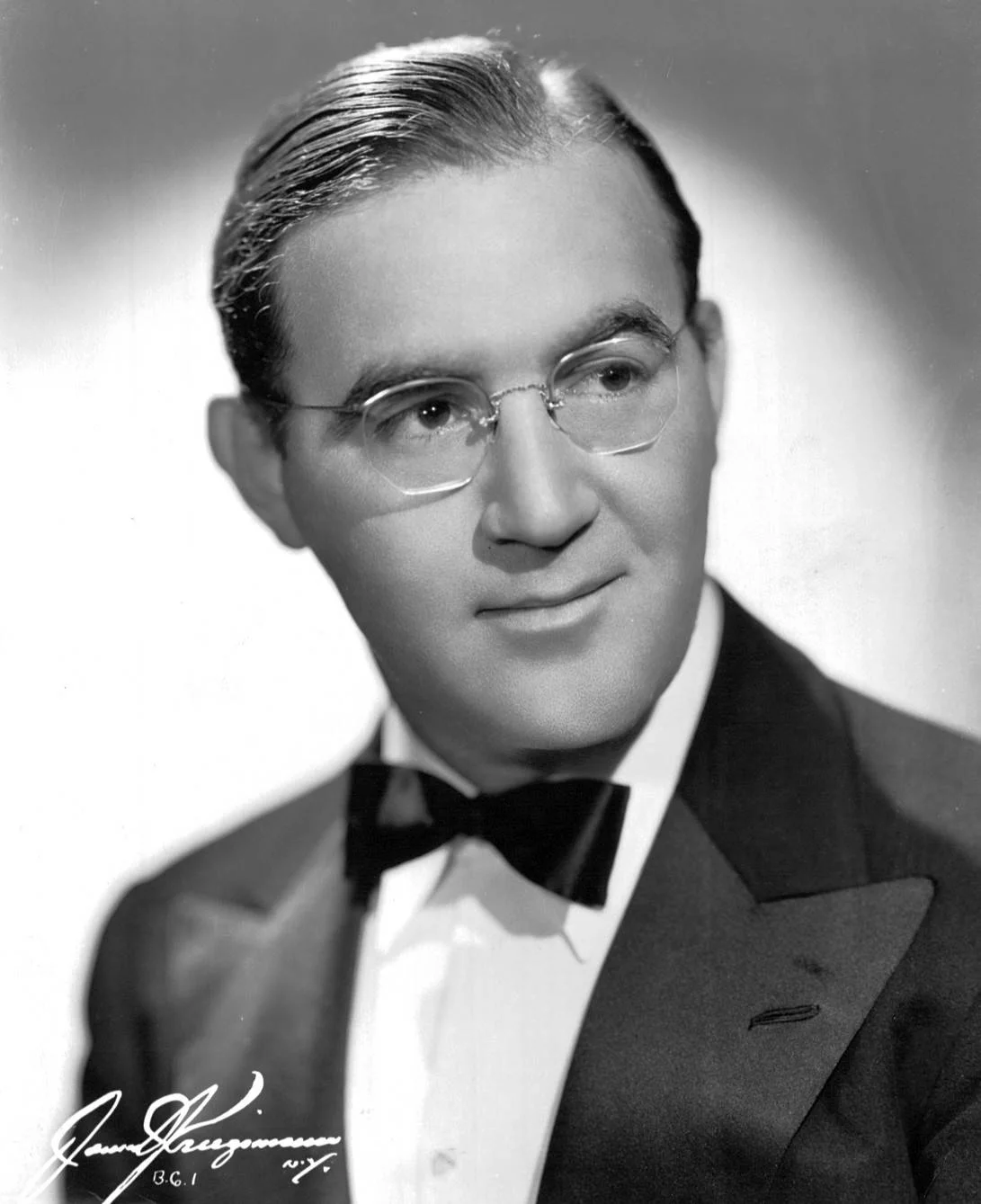
Benny Goodman
Born30 May, 1909
Died13 Jun, 1986
NationalityAmerican
Age at time of death77
Francis Hopkinson
Born02 Oct, 1737
Died09 May, 1791
NationalityAmerican
Age at time of death53
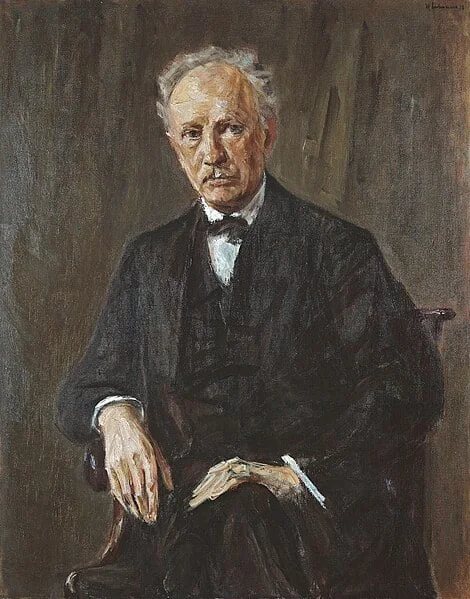
Richard Strauss
Born11 Jun, 1864
Died08 Sep, 1949
NationalityGerman
Age at time of death85
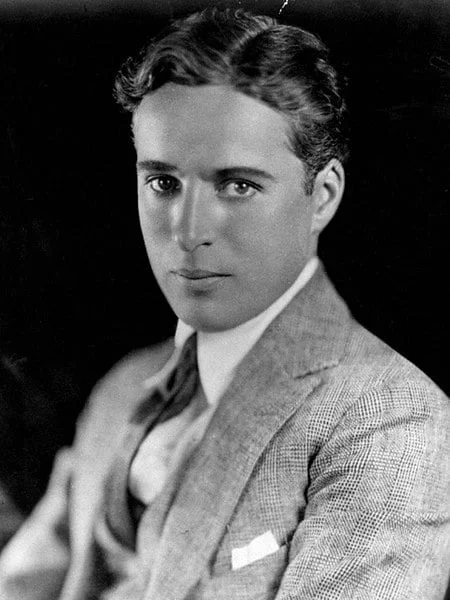
Charlie Chaplin
Born16 Apr, 1889
Died25 Dec, 1977
NationalityBritish
Age at time of death88
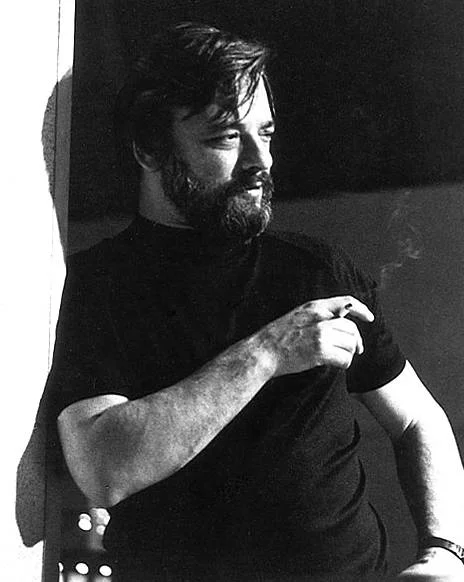
Stephen Sondheim
Born22 Mar, 1930
Died26 Nov, 2021
NationalityAmerican
Age at time of death91
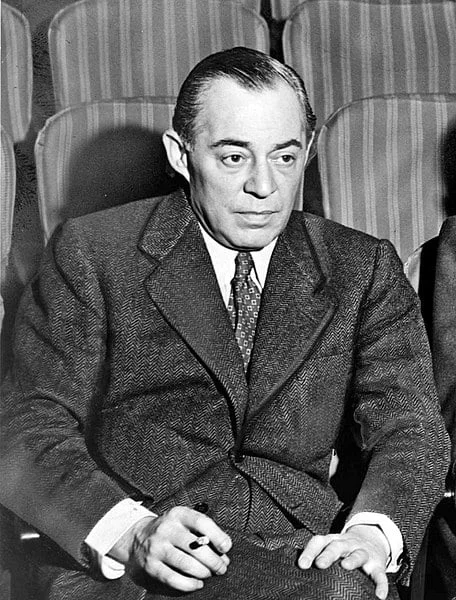
Richard Rodgers
Born28 Jun, 1902
Died30 Dec, 1979
NationalityAmerican
Age at time of death77
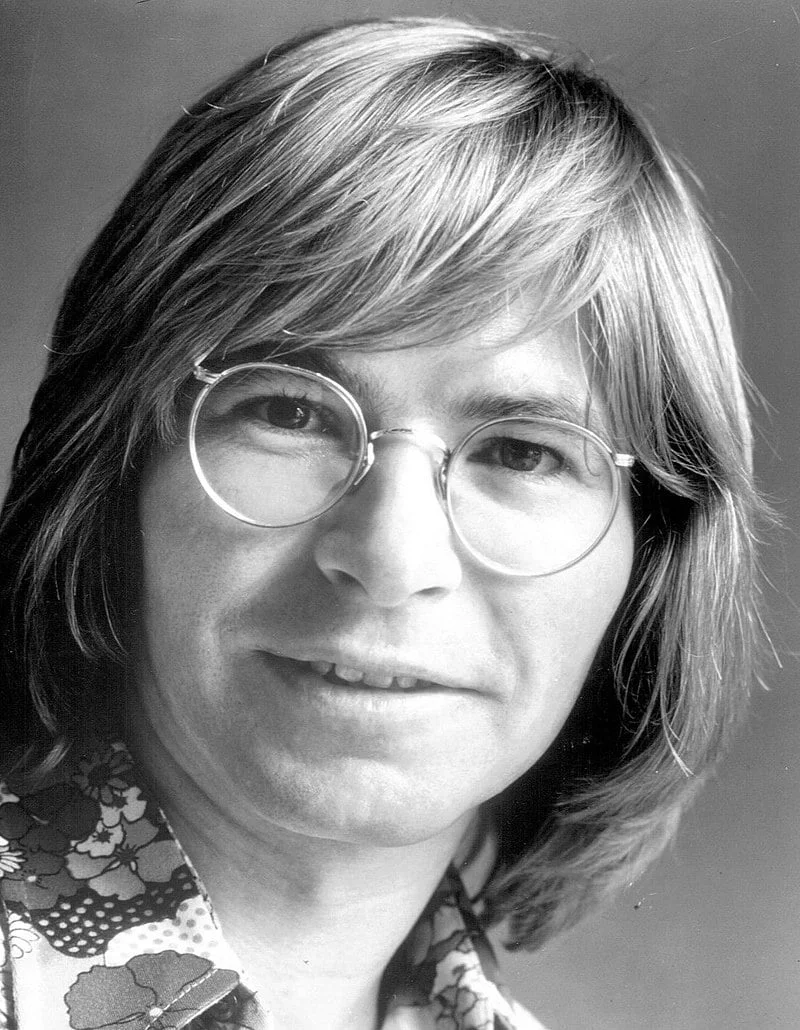
John Denver
Born31 Dec, 1943
Died12 Oct, 1997
NationalityAmerican
Age at time of death53
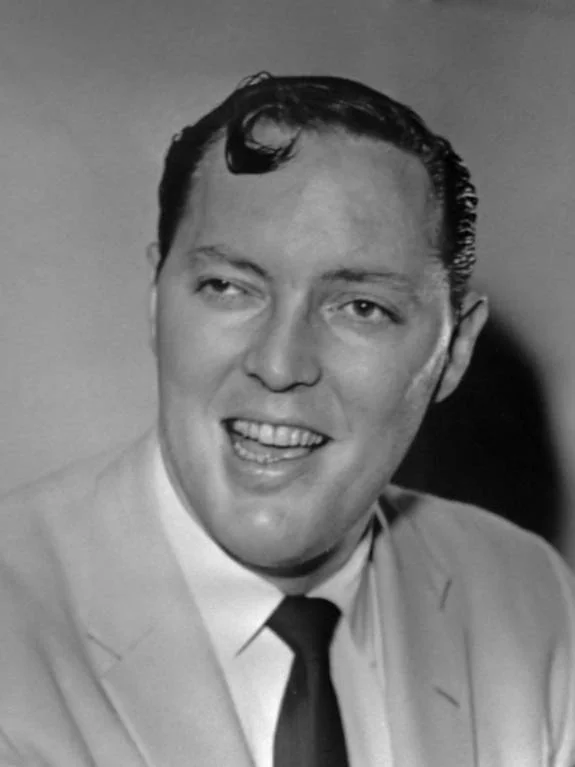
Bill Haley
Born06 Jul, 1925
Died09 Feb, 1981
NationalityAmerican
Age at time of death55
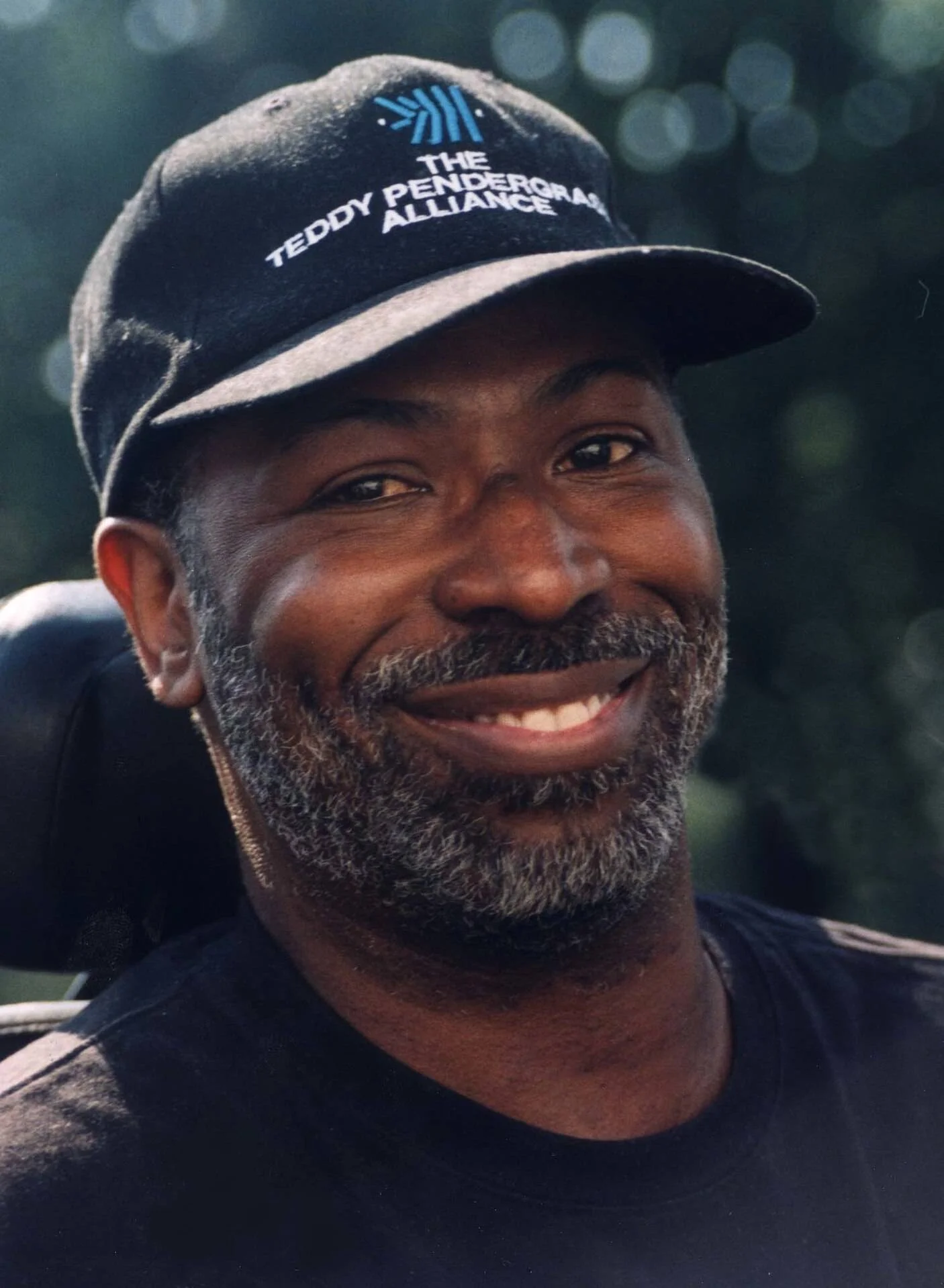
Teddy Pendergrass
Born26 Mar, 1950
Died13 Jan, 2010
NationalityAmerican
Age at time of death59
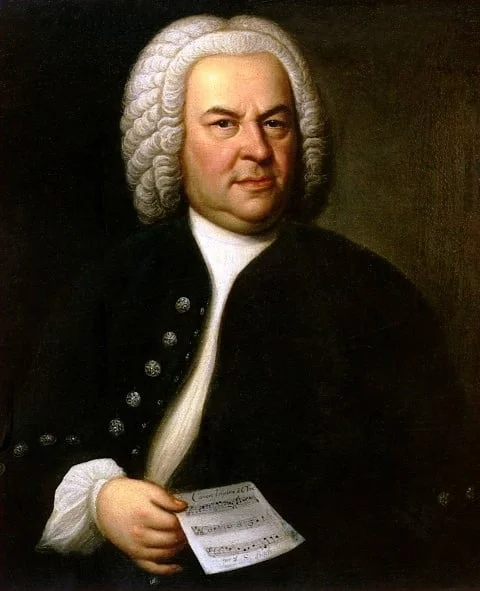
J S Bach
Born31 Mar, 1685
Died28 Jul, 1750
NationalityGerman
Age at time of death65
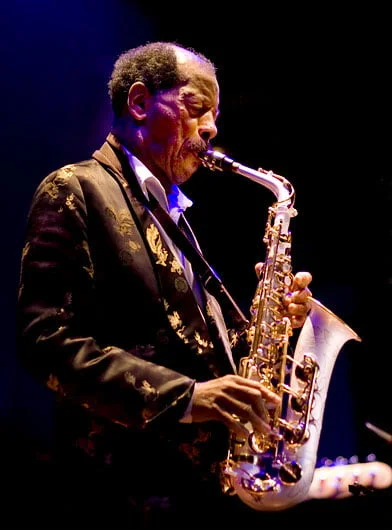
Ornette Coleman
Born09 Mar, 1930
Died11 Jun, 2015
NationalityAmerican
Age at time of death85
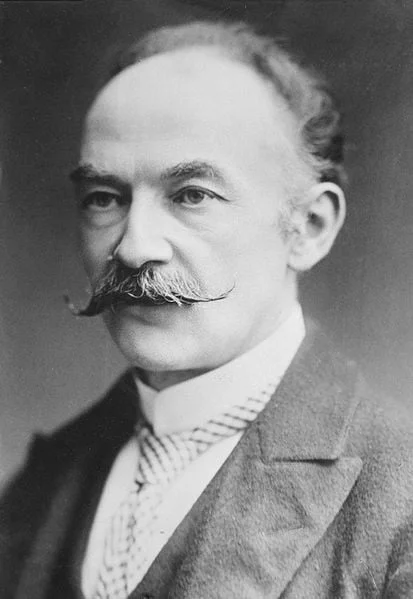
Thomas Hardy
Born02 Jun, 1840
Died11 Jan, 1928
NationalityBritish
Age at time of death87