Real Celebrities Never Die!
OR
Search For Past Celebrities Whose Birthday You Share
Died Age: 69
en.wikipedia.org
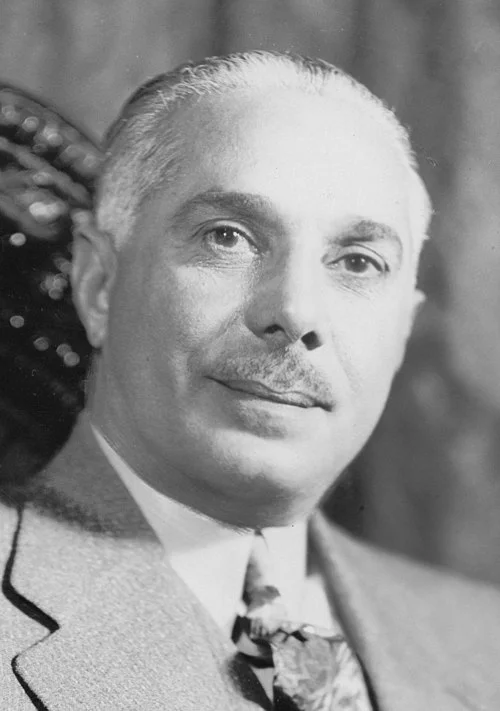
Rafael Trujillo
Birthday:
23 Oct, 1891
Date of Death:
30 May, 1961
Cause of death:
Assassination by gunshot
Nationality:
Dominican
Famous As:
Dictator
Age at the time of death:
69
Rafael Leónidas Trujillo Molina's Quote's

“The Dominican Republic is mine to shape.”
Rafael Leónidas Trujillo Molina
🔗 deadcelebrityhub.com
Rafael Trujillo: Early Life and Formative Years
Rafael Leónidas Trujillo Molina was born on October 24, 1891, in San Cristóbal, a small town in the Dominican Republic. His family was of mixed Spanish, Haitian, and Dominican descent, and he grew up in a modest household with ten siblings. Despite his middle-class background, Trujillo’s early education was sporadic and informal, often conducted in the homes of villagers. This rudimentary schooling left him with limited formal knowledge, though he would later rewrite his family history to portray a more distinguished lineage once he rose to power. In his youth, Trujillo worked as a telegraph operator, however, his life took a sinister turn when he became involved with a gang. He was arrested for forging checks, which led to the loss of his job. However, seeking stability by 1916, Trujillo started working at a sugar plantation as a weigher. He was promoted to private policeman on the plantation due to his leadership skills. From this point, he began his journey to become more disciplined and ambitious. In 1918, during the U.S. occupation of the Dominican Republic, Trujillo joined the newly established National Guard. He received training from U.S. Marines and quickly climbed the ranks due to his military aptitude. By 1927, he had become a brigadier general and commander-in-chief of the Dominican Army.
Personal Life
Trujillo married his first wife, Aminta Ledesima, in 1916. Two daughters were born to the couple before their marriage dissolved. Over the course of his life, Trujillo married multiple times; his most notable spouse was María Martínez Alba, whom he wed later in life. His flamboyant lifestyle helped Trujillo project an image of wealth and power impacting his personal life.
Rise to Power
Trujillo’s political career began in earnest in 1930 when President Horacio Vásquez faced revolts that destabilized his administration. Seizing this opportunity, Trujillo ran for president in an election marred by intimidation and violence orchestrated by his secret police force. Unsurprisingly, he won by a landslide and assumed office on August 16, 1930. Trujillo’s authoritarian tendencies were evident soon after he took office; he consolidated his power using fear and repression. He created the Military Intelligence Service (SIM), which became infamous for its atrocities against political opponents. His regime fostered a personality cult presenting him as a messianic figure who could lead the nation to prosperity.
Contributions and Controversies
During his three-decade rule—known as La Era de Trujillo—the Dominican Republic experienced significant economic growth and infrastructure development. Trujillo invested heavily in public services and attracted foreign investment while taking control of major industries for personal gain. However, these advancements came at an enormous human cost. One of the darkest chapters of Trujillo’s dictatorship was the Parsley Massacre of 1937, during which thousands of Haitian immigrants were slaughtered under his orders. This act of ethnic cleansing left an indelible mark on Dominican-Haitian relations and highlighted the brutal nature of his regime.
Assassination and Legacy
By the late 1950s, international pressure against Trujillo’s oppressive rule intensified following an assassination attempt on Venezuelan President Rómulo Betancourt. On May 30, 1961, Rafael Trujillo was ambushed and killed by armed conspirators near Ciudad Trujillo (now Santo Domingo). His death marked the end of one of Latin America’s most infamous dictatorships. Trujillo’s legacy remains deeply divisive. While some credit him with modernizing the Dominican Republic’s economy and infrastructure, others condemn him for his authoritarianism, human rights abuses, and systemic corruption. The scars left by his regime continue to shape Dominican society to this day
Profile Snapshot
Name:
Rafael Leónidas Trujillo Molina
Popular Name:
Rafael Trujillo
Gender:
Male
Cause of Death:
Assassination by gunshot
Spouse:
Aminta Ledesma Lachapelle
Bienvenida Ricardo Martínez
María de los Ángeles Martínez Alba
Place of Birth:
San Cristóbal, Dominican Republic
Place of Death:
Santo Domingo (then Ciudad Trujillo), Dominican Republic
Occupation / Profession:
Dictator
Military Officer
Politician
Personality Type
Commander: Bold, imaginative and strong-willed leaders, always finding a way – or making one. He was known for strategic leadership, dominance, and decisiveness.
Rafael Leónidas Trujillo Molina's Interesting Facts
He owned over 50 suits and 2,000 ties, reflecting his vanity.
He renamed mountains, cities, and even his birthday as a national holiday.
His assassination was plotted with CIA involvement.
Trujillo ordered the Parsley Massacre, killing up to 20,000 Haitians in 1937.
Achievements & Awards
Modernized infrastructure, including roads and schools.
Received the Order of Merit from the Dominican Republic.
Renamed the capital Santo Domingo to Ciudad Trujillo (1936–1961).
Ruled the Dominican Republic as dictator (1930–1961).
Stabilized the economy by paying off foreign debt in 1947.
External Links
Additional Links
https://www.biography.com/political-figures/rafael-trujillohttps://www.britannica.com/biography/Rafael-Trujillohttps://www.ebsco.com/research-starters/history/rafael-trujillohttps://www.imdb.com/name/nm0874231/bio/https://www.nypl.org/sites/default/files/blog_attachments/TrujilloBio.pdfhttps://www.wikiwand.com/en/articles/Rafael_Trujillo
Latest Profiles
People also viewed
Gerald Ford
Born14 Jul, 1913
Died26 Dec, 2006
NationalityAmerican
Age at time of death93
Colonel Sir Benjamin Thompson, Count Rumford
Born26 Mar, 1753
Died21 Aug, 1814
NationalityAmerican, British
Age at time of death61
James Stewart
Born20 May, 1908
Died02 Jul, 1997
NationalityAmerican
Age at time of death89
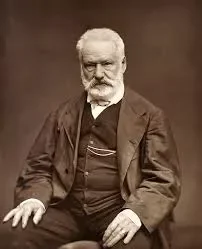
Victor Hugo
Born26 Feb, 1802
Died22 May, 1885
NationalityFrench
Age at time of death83
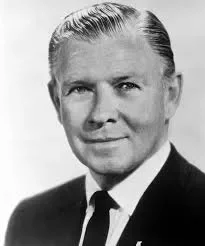
George Murphy
Born04 Jul, 1902
Died03 May, 1992
NationalityAmerican
Age at time of death89
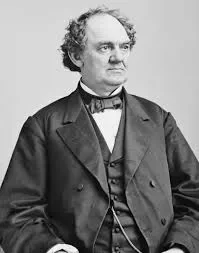
P. T. Barnum
Born05 Jul, 1810
Died07 Apr, 1891
NationalityAmerican
Age at time of death80
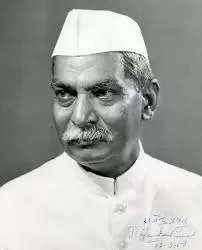
Rajendra Prasad
Born03 Dec, 1884
Died28 Feb, 1963
NationalityIndian
Age at time of death78
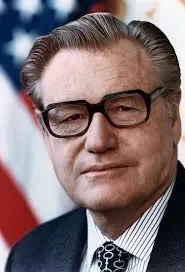
Nelson Rockefeller
Born08 Jul, 1908
Died26 Jan, 1979
NationalityAmerican
Age at time of death70

Ethan Allen
Born21 Jan, 1738
Died12 Feb, 1789
NationalityAmerican
Age at time of death51
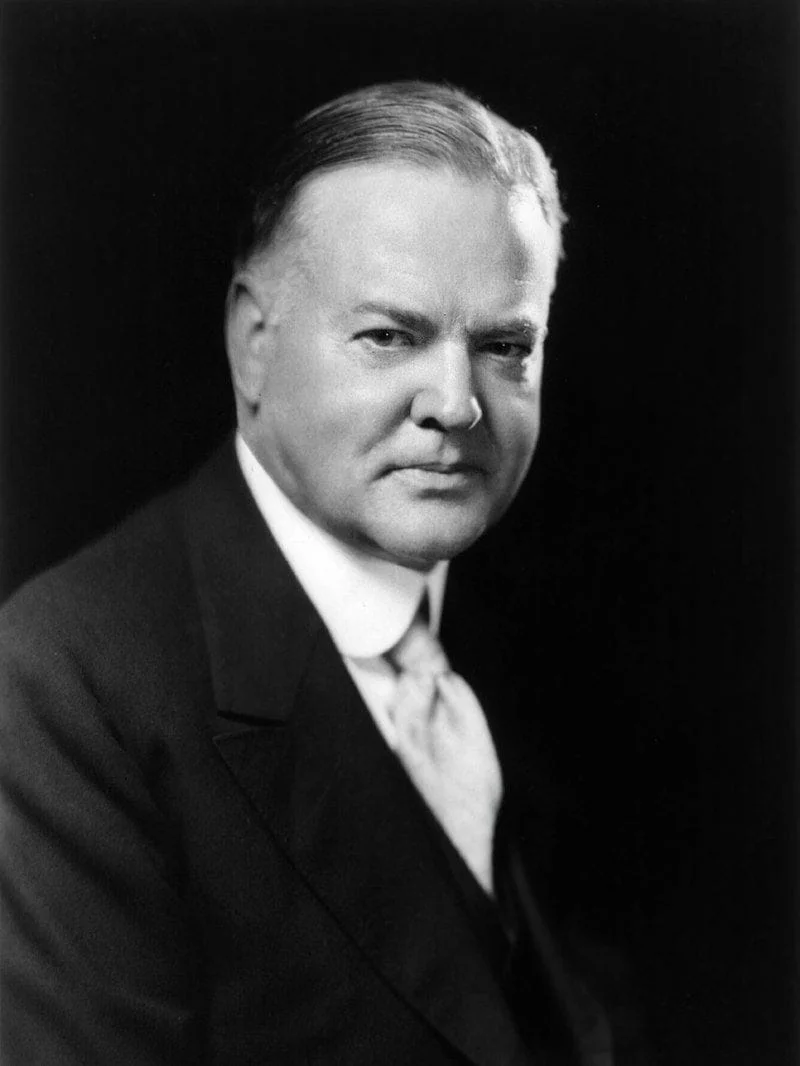
Herbert Hoover
Born10 Aug, 1874
Died20 Oct, 1964
NationalityAmerican
Age at time of death90
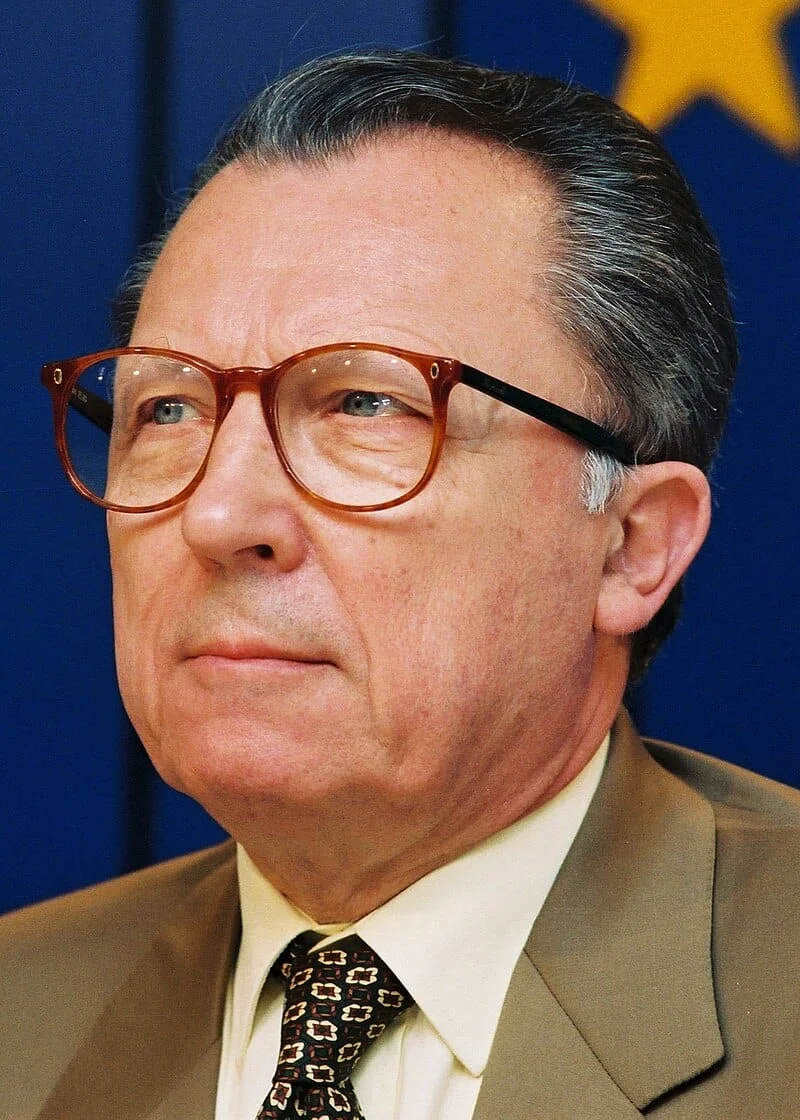
Jacques Delors
Born20 Jul, 1925
Died27 Dec, 2023
NationalityFrench
Age at time of death98
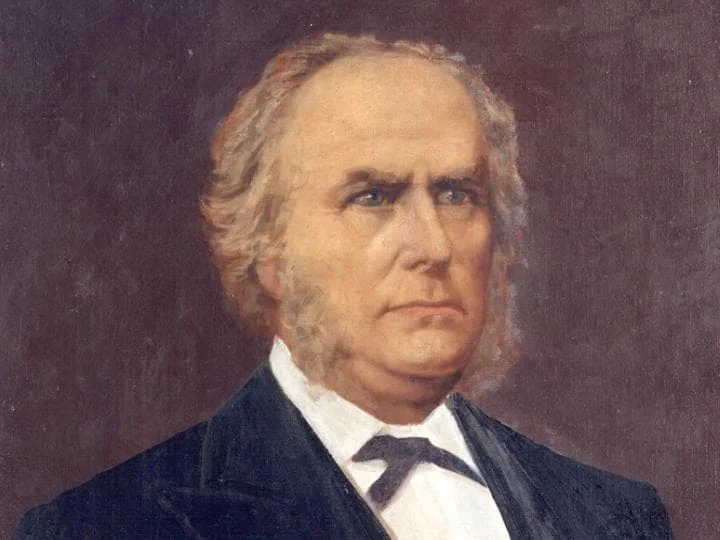
James Harrison
Born17 Apr, 1816
Died03 Sep, 1893
NationalityScottish,Australian
Age at time of death77
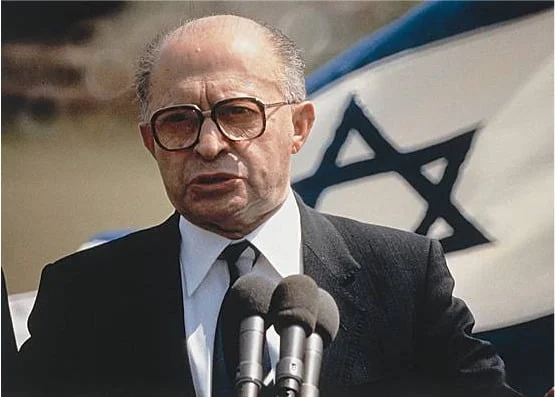
Menachem Begin
Born16 Aug, 1913
Died09 Mar, 1992
NationalityIsraeli
Age at time of death78
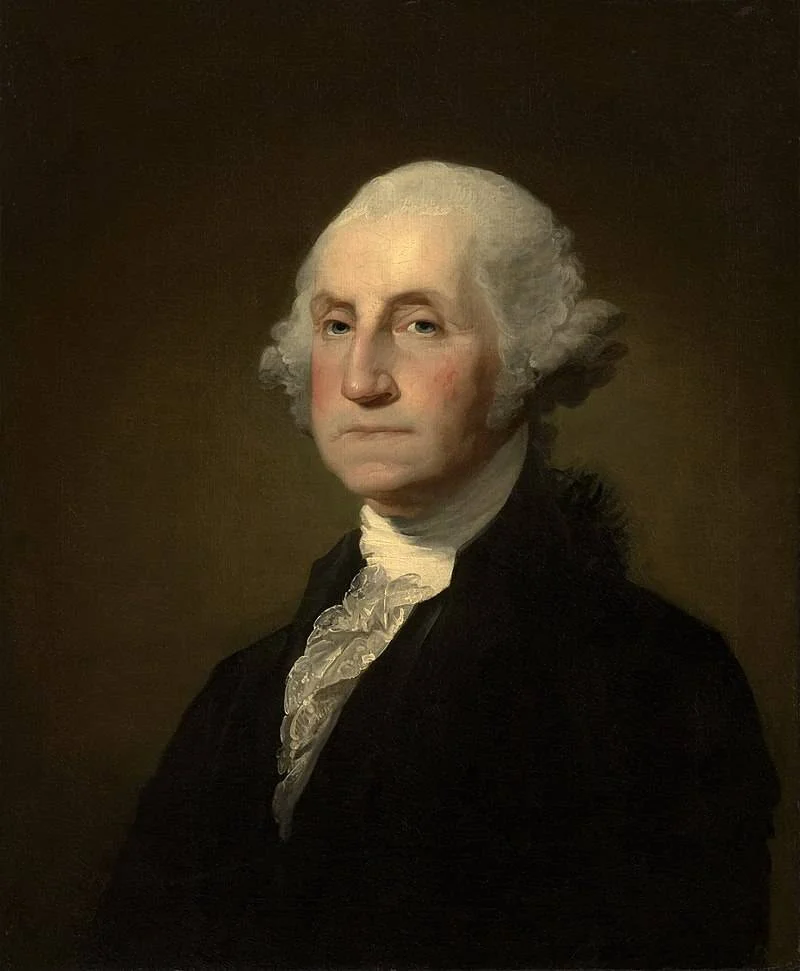
George Washington
Born22 Feb, 1732
Died14 Dec, 1799
NationalityAmerican
Age at time of death67
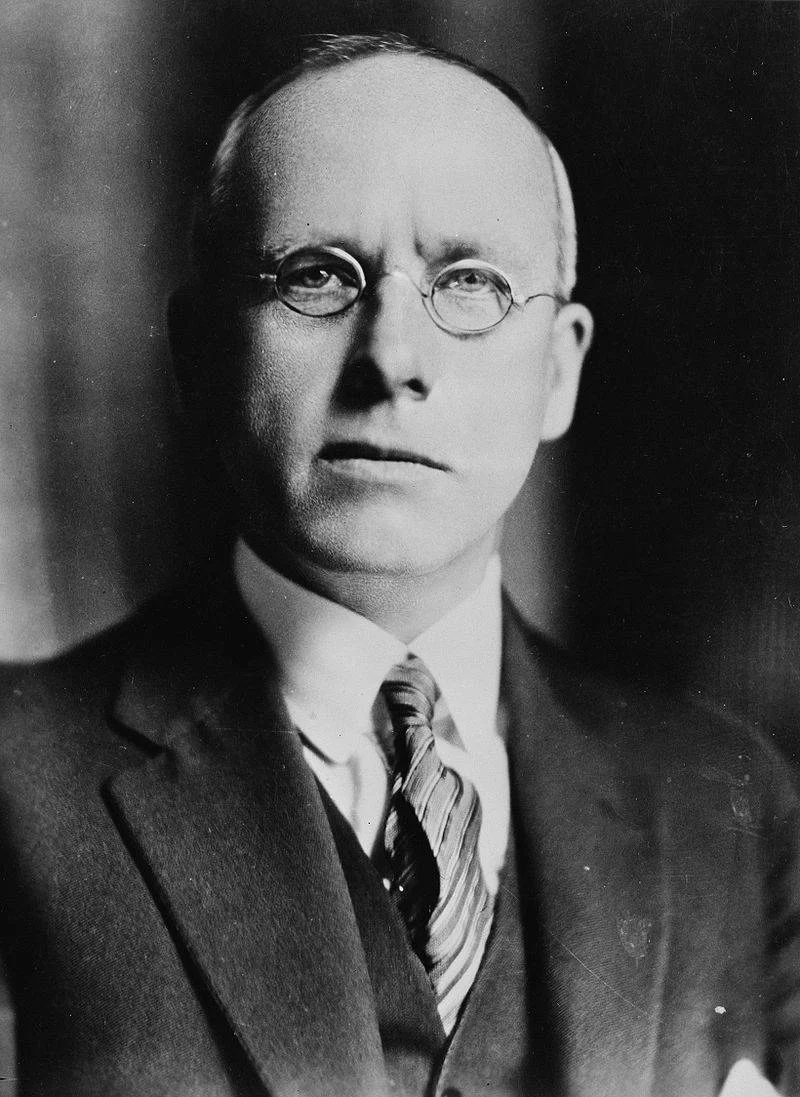
Peter Fraser
Born28 Aug, 1884
Died12 Dec, 1950
NationalityNew Zealand
Age at time of death66
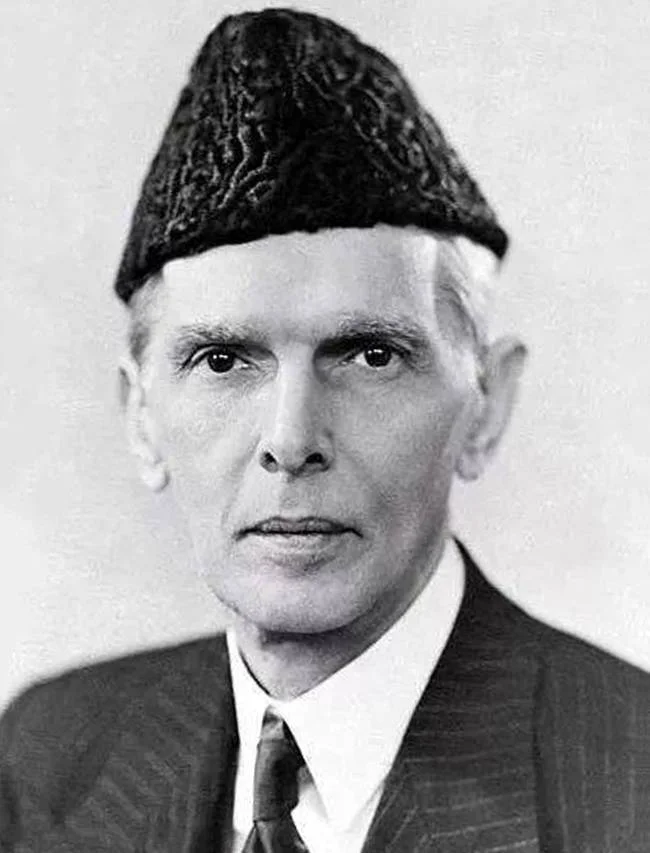
Muhammad Ali Jinnah
Born25 Dec, 1876
Died11 Sep, 1948
NationalityPakistani
Age at time of death71
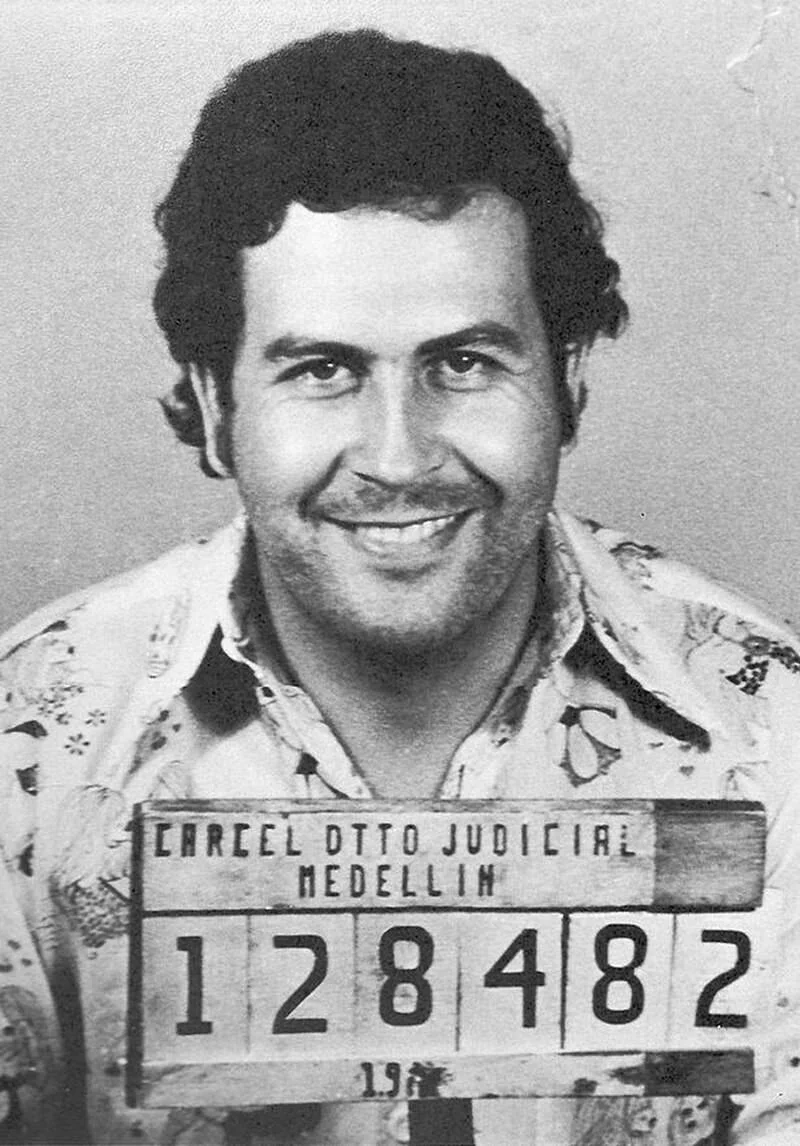
Pablo Escobar
Born01 Dec, 1949
Died02 Dec, 1993
NationalityColombian
Age at time of death44
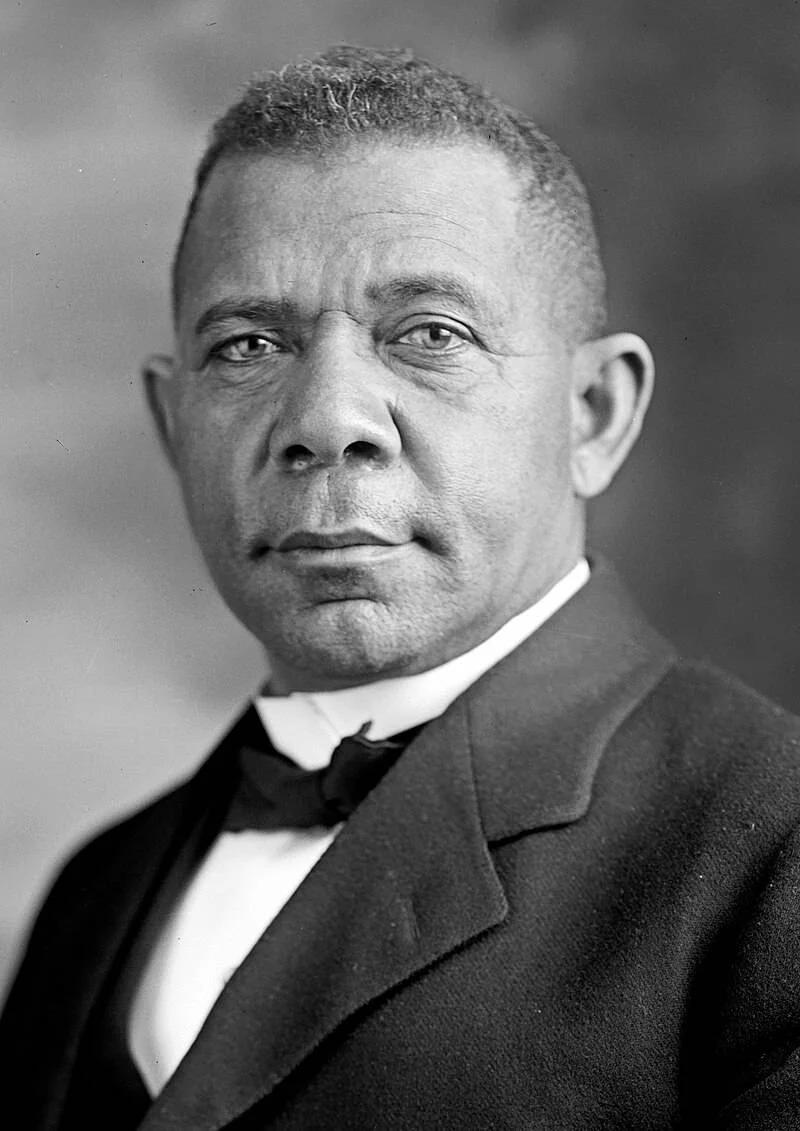
Booker T. Washington
Born05 Apr, 1856
Died14 Nov, 1915
NationalityAmerican
Age at time of death59
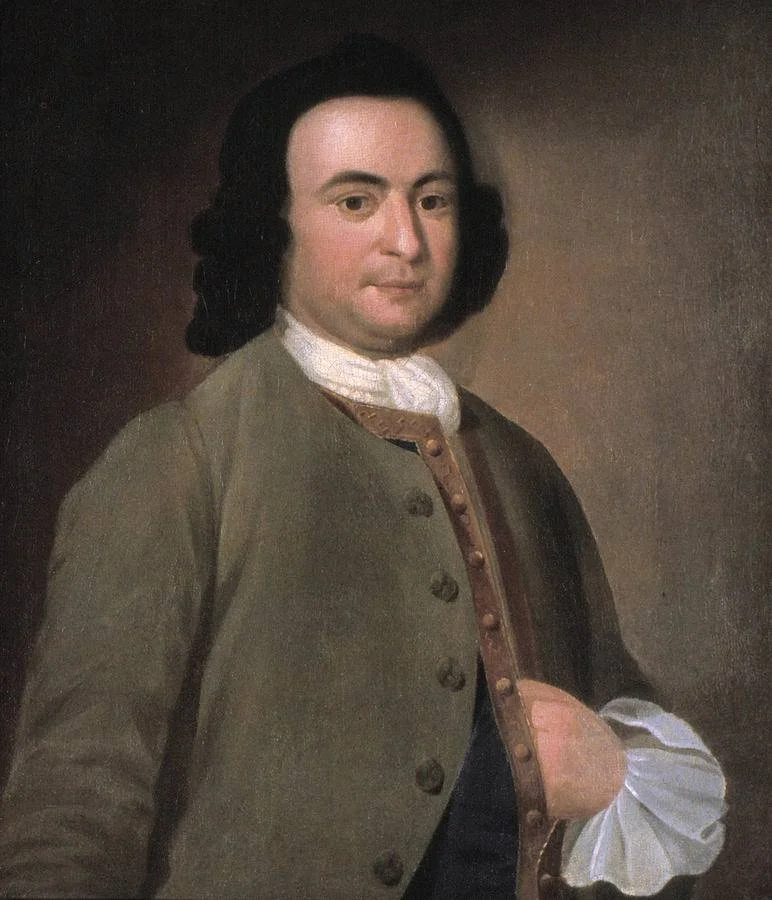
George Mason
Born11 Dec, 1725
Died07 Oct, 1792
NationalityAmerican, British
Age at time of death66
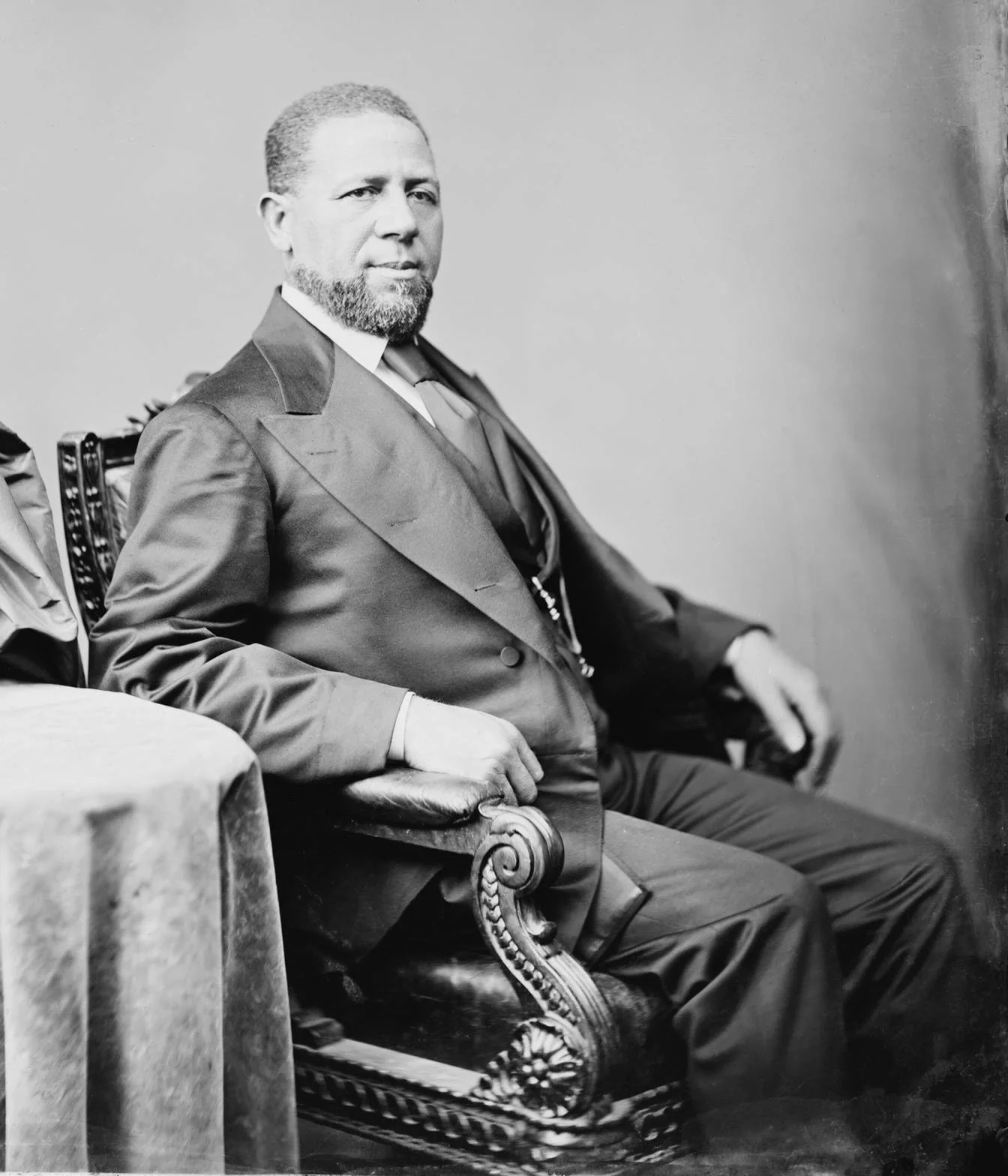
Hiram R. Revels
Born27 Sep, 1827
Died16 Jan, 1901
NationalityAmerican
Age at time of death73