Real Celebrities Never Die!
OR
Search For Past Celebrities Whose Birthday You Share
Died Age: 90
media.cnn.com
Richard Chamberlain
Birthday:
31 Mar, 1934
Date of Death:
29 Mar, 2025
Cause of death:
Stroke
Nationality:
American
Famous As:
American actor
Age at the time of death:
90
George Richard Chamberlain's Quote's
“I've learned, I think, to be able to distinguish between the necessary and the unnecessary as far as my limited outside time is concerned. Saying 'no' politely is a necessity if one wants to lead any kind of stable life.”
George Richard Chamberlain
🔗 deadcelebrityhub.com
Early Life: From Pasadena to Promise
For decades, Richard Chamberlain carried the aura of quiet intensity—his eyes capable of tenderness and torment in equal measure. Best known as television’s first true romantic idol, Chamberlain’s face once graced magazine covers worldwide. But behind the charming facade of Dr. Kildare and Father Ralph de Bricassart was an actor of surprising depth, a classically trained performer who longed for Shakespeare even as the world begged for more swoons.
In a career spanning more than six decades, Chamberlain didn’t just ride the waves of fame—he reinvented himself across genres and generations. With elegance, restraint, and profound sensitivity, he built a body of work that defied easy categorization. He is not just a former teen idol—he’s a survivor of Hollywood’s shifting tides and a symbol of the quiet strength it takes to live authentically in a world of illusion.
Born George Richard Chamberlain on March 31, 1934, in Beverly Hills, California, Chamberlain grew up in nearby Pasadena in a middle-class household. His father, Charles, was a salesman who struggled with alcoholism, while his mother, Elsa, was a homemaker who encouraged Richard’s creative leanings.
A shy and introspective child, Chamberlain found refuge in drawing and music. But it wasn’t until college that he discovered the stage—and his calling. Acting became a path toward self-expression, one that helped him navigate the insecurities of his youth and the rigid expectations of masculinity in mid-century America.
Trivia: Chamberlain was a gifted athlete in high school and considered becoming an artist before discovering theater at Pomona College.
Education: A Scholar of the Stage
After graduating from Pomona College in 1956 with a degree in art history, Chamberlain was drafted into the U.S. Army. He served for two years, much of it stationed in Korea. Upon returning, he began studying acting seriously, enrolling in classes at Jeff Corey’s drama school, a famed hub for up-and-coming performers in Los Angeles.
It was here he sharpened his craft, learning the tools of method acting and Shakespearean performance. His good looks made him a natural fit for screen roles, but Chamberlain was determined to be more than just a handsome face.
Career Journey: From Teen Idol to Theater Royalty
Act I: Dr. Kildare and the Rise of a Television Icon
Chamberlain’s breakthrough came in 1961, when he was cast as the title character in Dr. Kildare, a medical drama that would catapult him into superstardom. With his golden looks and earnest delivery, he quickly became a heartthrob, adored by millions. The show ran until 1966 and made Chamberlain one of television’s most recognizable faces.
But success came with a price. Chamberlain was typecast and longed for roles with more complexity and gravitas. He once said, “I loved acting, but I hated being a star.”
Fun Fact: His rendition of “Theme from Dr. Kildare (Three Stars Will Shine Tonight)” became a surprise hit, showing off his musical chops.
Act II: Reinvention in Exile—Stage and Shakespeare in England
Unwilling to settle for fame without fulfillment, Chamberlain moved to England in the late 1960s. There, he reinvented himself as a stage actor, performing classical roles including Hamlet, Richard II, and Cyrano de Bergerac. His performances were critically acclaimed, marking a turning point in how audiences and critics perceived him.
This phase of his career was about proving he was more than a matinee idol—it was about reclaiming his artistry.
Act III: The King of the Miniseries
In the 1970s and ’80s, Chamberlain returned to the screen with renewed purpose, becoming known as the “King of the Miniseries.” His roles in sprawling TV epics like The Count of Monte Cristo (1975), Centennial (1978), and Shōgun (1980) redefined his image and captivated audiences around the world.
His most iconic performance came in The Thorn Birds (1983), where he played the conflicted Father Ralph—a Catholic priest torn between ambition and forbidden love. The miniseries was a global phenomenon, watched by over 100 million viewers, and became a cultural landmark.
Trivia: Chamberlain initially hesitated to take on The Thorn Birds, concerned about playing another romantic lead—but it became one of his most acclaimed performances.
Later Career: Character Roles and Quiet Grace
In his later years, Chamberlain continued to act in film, television, and theater, taking on character roles that reflected his maturity and depth. He appeared in Twin Peaks, Desperate Housewives, and Brothers & Sisters, never shying away from reinvention.
He also published a memoir, Shattered Love (2003), where he candidly discussed his sexuality and journey toward self-acceptance after decades of keeping it hidden in a conservative industry.
Personal Life: Private Battles, Public Courage
For much of his career, Chamberlain lived as a closeted gay man, aware that coming out in the 1960s or ’70s could end his career. He maintained a private life with longtime partner Martin Rabbett, with whom he shared decades of companionship.
Coming out publicly in his 60s, Chamberlain became a symbol of quiet courage—proof that authenticity, even delayed, has the power to liberate and inspire.
He is also known for his interest in Eastern philosophy, painting, and music, living much of his life in Hawaii and later returning to California.
Legacy: The Actor Who Chose Integrity Over Image
Richard Chamberlain's legacy is one of transformation. He began as a reluctant icon of 1960s television and evolved into a respected actor of the stage and screen. His career is a testament to the long arc of artistic fulfillment—and the importance of owning one’s identity, no matter the cost.
He helped redefine masculinity on screen, portraying characters who were sensitive, intelligent, and emotionally complex at a time when Hollywood prized swagger over subtlety. Off-screen, he showed that living one’s truth, even late in life, is its own form of heroism.
Profile Snapshot
Name:
George Richard Chamberlain
Popular Name:
Richard Chamberlain
Gender:
Male
Cause of Death:
Stroke
Spouse:
Wesley Eure
Martin Rabbett
Place of Birth:
Los Angeles, California, U.S.
Place of Death:
Waimānalo, Hawaii, U.S.
Occupation / Profession:
American actor
Singer
Personality Type
Virtuoso Bold and practical experimenters, masters of all kinds of tools. Richard Chamberlain was a classic and quietly confident, adaptable craftsman whose pragmatic creativity and self-reliance made him a resilient and magnetic performer.
George Richard Chamberlain's Interesting Facts
Although he kept his sexuality private for much of his career, he came out as gay in his 2003 autobiography Shattered Love.
Chamberlain starred in the epic miniseries The Thorn Birds (1983), which became one of the most-watched shows in TV history.
He played iconic literary roles such as Edmond Dantès in The Count of Monte Cristo and the title character in The Man in the Iron Mask.
Richard Chamberlain became a 1960s heartthrob starring as Dr. Kildare in the hit TV series of the same name.
Achievements & Awards
Richard Chamberlain won the Golden Globe Award for Best TV Star – Male in 1963 for Dr. Kildare, and later earned two more Golden Globes for his performances in Shogun (1981) and The Thorn Birds (1984). He also received an award from the National Board of Review and has a star on the Hollywood Walk of Fame. His roles in epic miniseries during the '70s and '80s cemented his status as a major television icon.
External Links
Additional Links
Latest Profiles
People also viewed
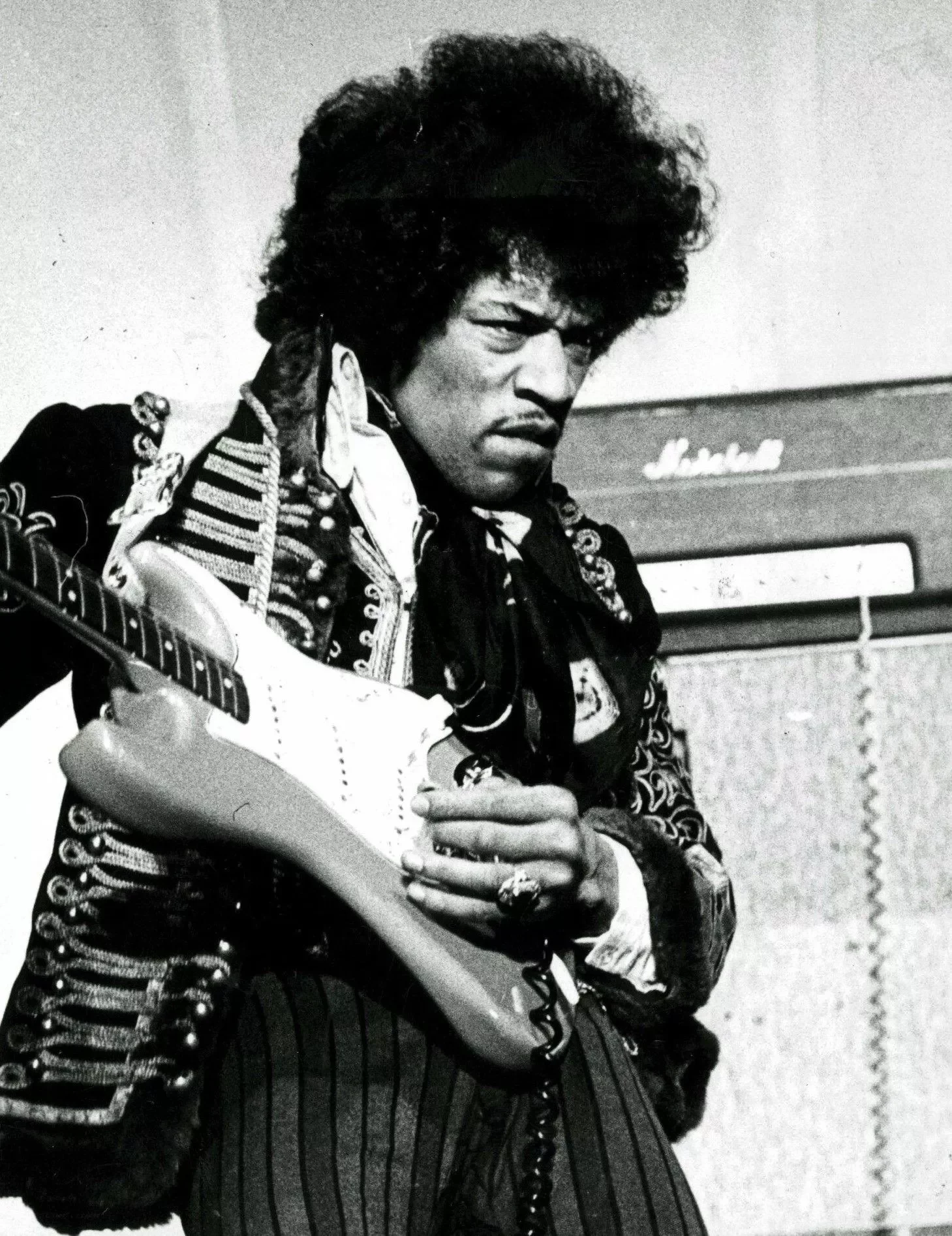
Jimi Hendrix
Born27 Nov, 1942
Died18 Sep, 1970
NationalityAmerican
Age at time of death27
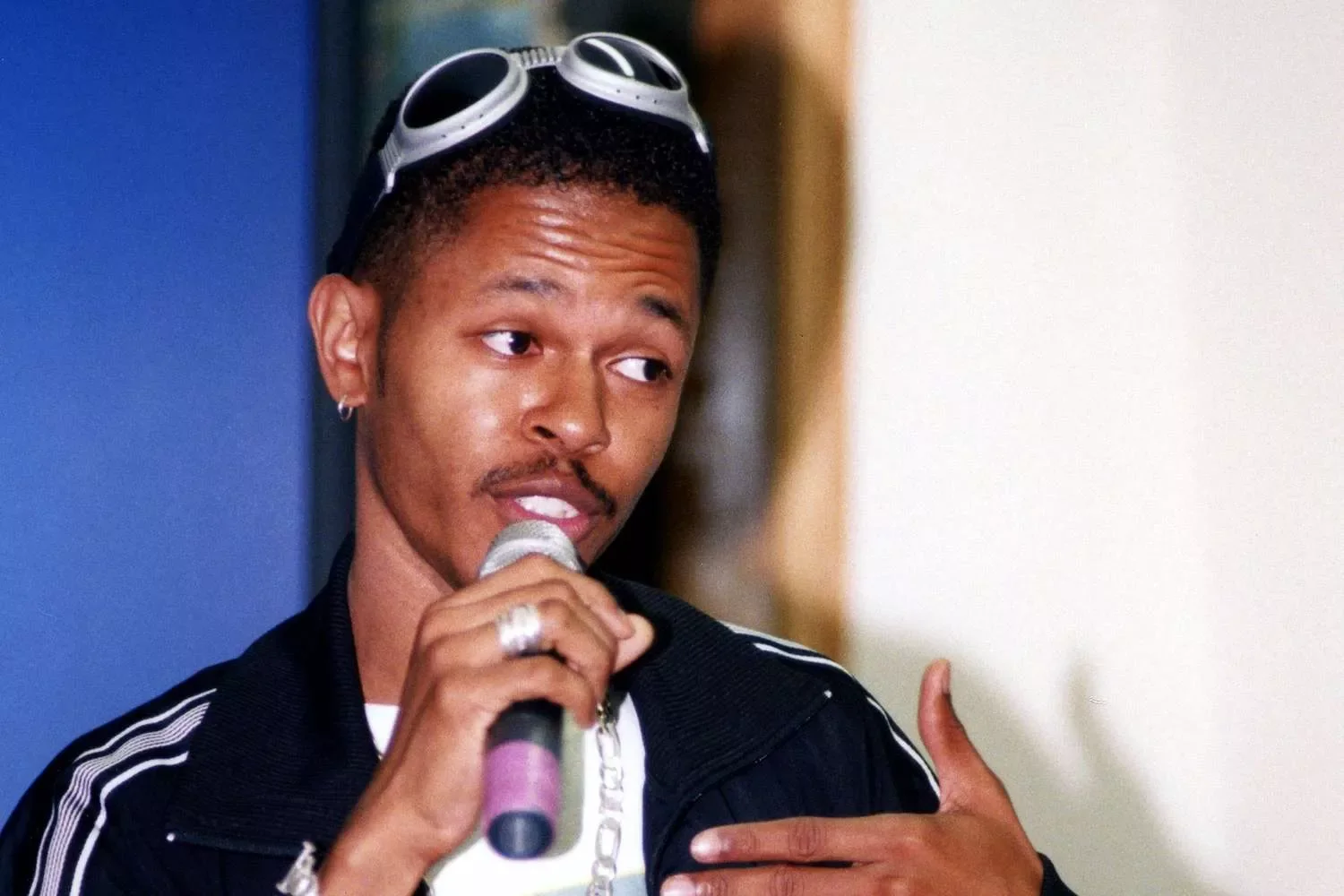
Jesse Powell
Born12 Sep, 1971
Died13 Sep, 2022
NationalityAmerican
Age at time of death51
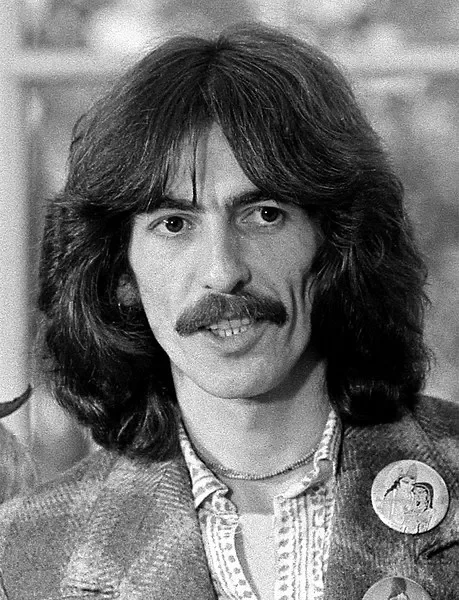
George Harrison
Born25 Feb, 1943
Died29 Nov, 2001
NationalityBritish
Age at time of death58
Tony Bennett
Born03 Aug, 1926
Died21 Jul, 2023
NationalityAmerican
Age at time of death96
Sally Ann Howes
Born20 Jul, 1930
Died19 Dec, 2021
NationalityBritish, American
Age at time of death91
Jane Birkin
Born14 Dec, 1946
Died16 Jul, 2023
NationalityBritish, French
Age at time of death76
Chester Bennington
Born20 Mar, 1976
Died20 Jul, 2017
NationalityAmerican
Age at time of death41
Lupe Vélez
Born18 Jul, 1908
Died14 Dec, 1944
NationalityMexican
Age at time of death36
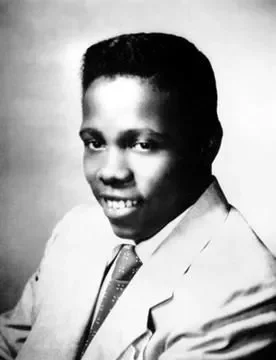
Johnny Ace
Born09 Jun, 1929
Died25 Dec, 1954
NationalityAmerican
Age at time of death25
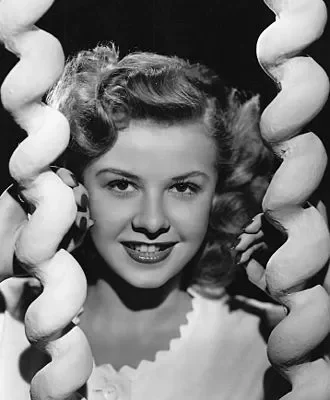
Vera-Ellen
Born16 Feb, 1921
Died30 Aug, 1981
NationalityAmerican German
Age at time of death60
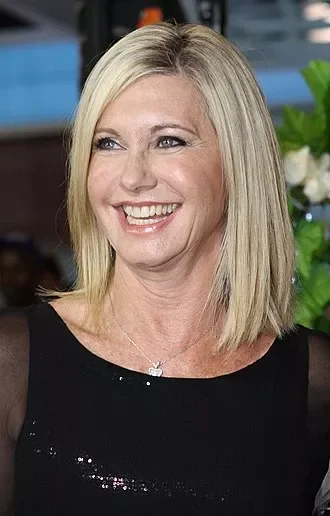
Olivia Newton-John
Born26 Sep, 1948
Died08 Aug, 2022
NationalityBritish, Australian
Age at time of death73
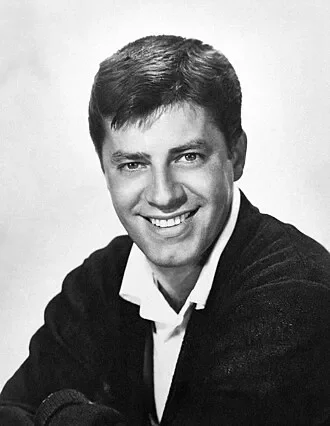
Jerry Lewis
Born16 Mar, 1926
Died20 Aug, 2017
NationalityAmerican
Age at time of death91
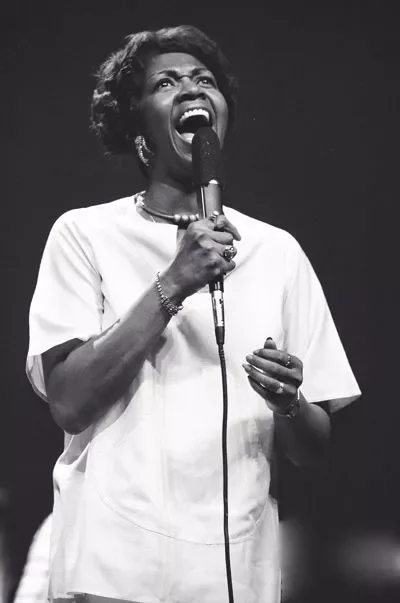
Cissy Houston
Born30 Sep, 1933
Died07 Oct, 2024
NationalityAmerican
Age at time of death91
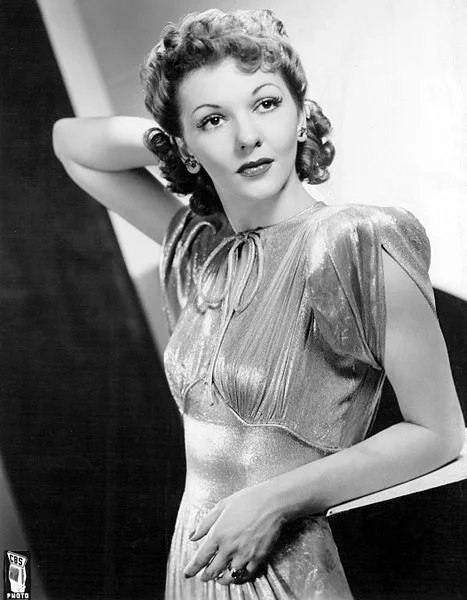
Mary Martin
Born01 Dec, 1913
Died03 Nov, 1990
NationalityAmerican
Age at time of death76
Jim Morrison
Born08 Dec, 1943
Died03 Jul, 1971
NationalityAmerican
Age at time of death27
Christopher Lee
Born27 May, 1922
Died07 Jun, 2015
NationalityBritish
Age at time of death93
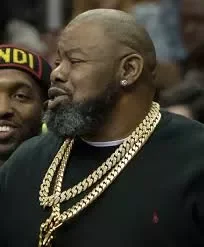
Biz Markie
Born08 Apr, 1964
Died16 Jul, 2021
NationalityAmerican
Age at time of death57
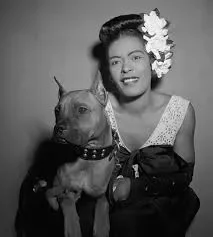
Billie Holiday
Born07 Apr, 1915
Died17 Jul, 1959
NationalityAmerican
Age at time of death44
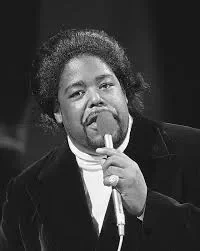
Barry White
Born12 Sep, 1944
Died04 Jul, 2003
NationalityAmerican
Age at time of death58
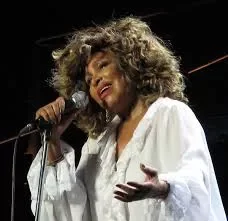
Tina Turner
Born26 Nov, 1939
Died24 May, 2023
NationalityAfrican, American
Age at time of death83