Real Celebrities Never Die!
OR
Search For Past Celebrities Whose Birthday You Share
Died Age: 81
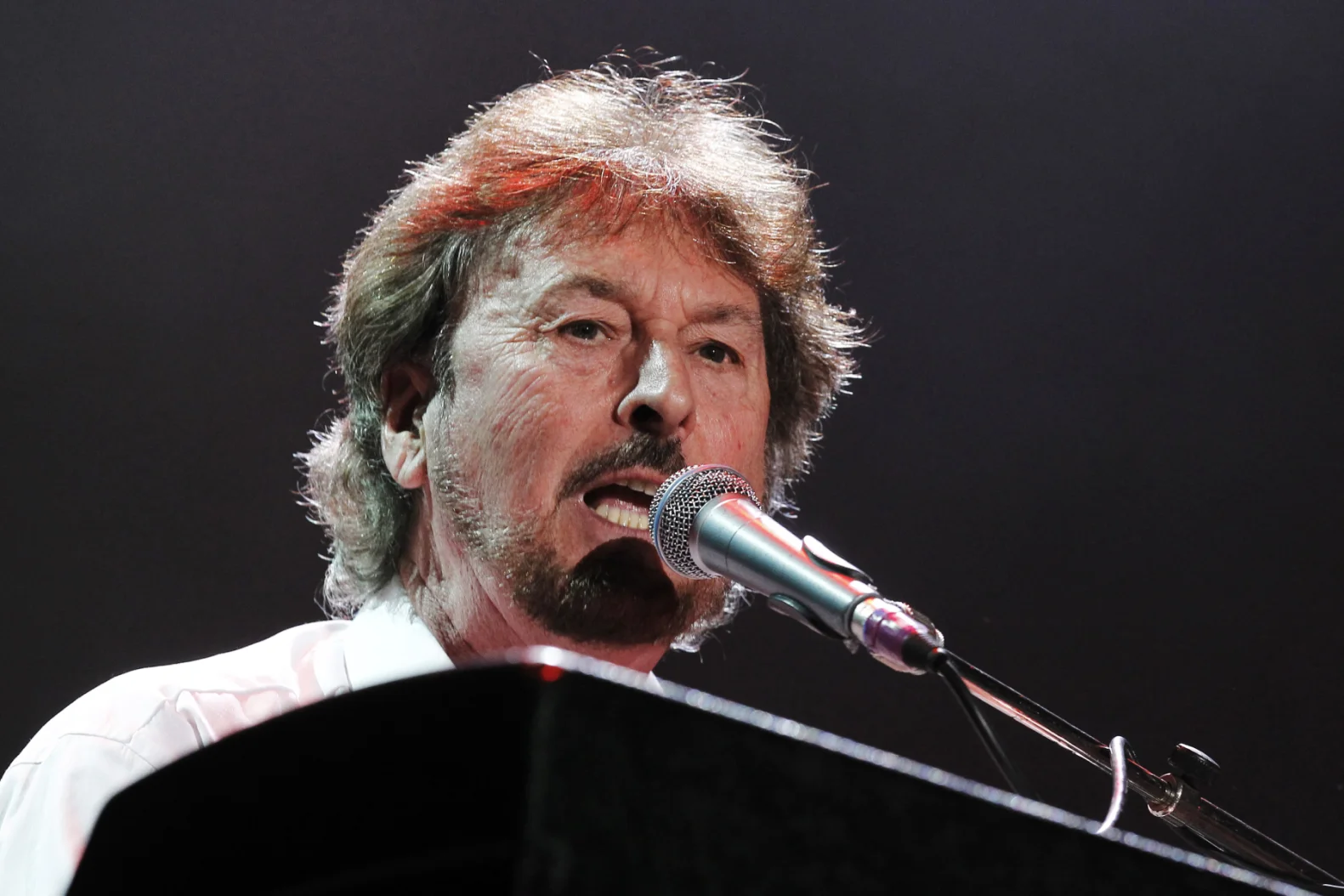
www.rollingstone.com
Rick Davies
Birthday:
21 Jul, 1944
Date of Death:
05 Sep, 2025
Cause of death:
Multiple myeloma
Nationality:
British
Famous As:
Musician
Age at the time of death:
81
Richard Davies's Quote's

“I’m not much for the spotlight—what matters is the music, not the person behind it.”
Richard Davies
🔗 deadcelebrityhub.com
Early Life: Rhythm in a Working-Class Town
Rick Davies was never the loudest voice in the room, yet his music spoke volumes. As the co-founder and creative backbone of Supertramp, he helped craft one of rock’s most distinctive sounds—a blend of pop precision, blues grit, and progressive ambition. Behind his reserved demeanour and soulful baritone was a musician who turned quiet determination into a lasting legacy that still hums through radios and memories worldwide.
Born in 1944 in Swindon, England, Richard “Rick” Davies grew up in a modest, working-class family. His father was a merchant seaman; his mother ran a small hair salon. Their home was humble, but music found its way in early. When Rick was a boy, his parents bought a used record player filled with old jazz and swing records. One in particular—Gene Krupa’s “Drummin’ Man”—changed everything. The young Davies played it over and over until the grooves nearly wore out.
He began drumming on anything he could find—pots, pans, biscuit tins—before joining a local brass band as a snare drummer. Those early experiences taught him rhythm, discipline, and an ear for nuance. Music wasn’t just a pastime for him; it was a way out, a way forward.
Education and Early Influences
At school, Rick wasn’t particularly academic. Teachers noted his talent in music but not much else. What formal education he lacked in theory, he made up for in instinct and relentless curiosity. He listened to rhythm and blues, jazz, and early rock ’n’ roll, drawn to artists who fused structure with soul. That fascination with both technical precision and emotional expression would later define his songwriting.
In his late teens, he switched from drums to keyboards—an instrument that allowed him to combine rhythm and melody. It became his voice, as expressive as any lyric.
The Road to Supertramp: Dreams and Determination
By the late 1960s, Davies was playing in local bands and trying to find his path. In 1969, he placed an advertisement in Melody Maker looking for musicians to form a new band. The ad led to a fateful meeting with Roger Hodgson, a young singer-songwriter with a contrasting voice and style. The chemistry was instant, if occasionally combustible. Together, they formed Supertramp—a name as whimsical as their sound.
The band’s early years were anything but glamorous. Their first two albums gained little attention, and financial struggles nearly ended them. But Rick, ever stoic, refused to quit. He believed in the music. That perseverance paid off when Supertramp released Crime of the Century in 1974—a breakthrough record that fused Davies’s bluesy grit with Hodgson’s melodic pop sensibility. Songs like “Bloody Well Right,” with Rick’s growling vocal and sharp piano riffs, marked his arrival as a distinctive voice in rock.
Rise to Fame: The Sound of the Seventies
From there, the momentum built. The mid-to-late 1970s saw Supertramp reach extraordinary heights. Albums like Crisis? What Crisis? and Even in the Quietest Moments... expanded their sound, layering thoughtful lyrics with lush instrumentation. Rick’s songwriting often leaned into the cynical or reflective—songs about working life, moral questions, or quiet resignation. His gravelly voice provided the perfect counterpoint to Hodgson’s ethereal tenor.
Then came Breakfast in America in 1979—a defining moment. The album became a global phenomenon, selling millions and filling arenas around the world. Davies’s “Goodbye Stranger,” with its infectious groove and bittersweet tone, became one of the band’s signature hits. Though fame was never his pursuit, Rick found himself at the centre of one of the most successful rock acts of the decade.
Transitions and Later Career
By the early 1980s, creative tensions between Davies and Hodgson grew. Their differences—musical and personal—eventually led Hodgson to leave the band in 1983. Many predicted Supertramp’s end. Instead, Rick quietly steered it forward. Under his leadership, the band continued recording and touring, releasing albums like Brother Where You Bound and Free as a Bird, which leaned into his jazz and blues influences.
In the 1990s, Rick revived Supertramp again, reuniting members and returning to the stage with fresh energy. His later albums, such as Some Things Never Change and Slow Motion, reflected a mature artist comfortable in his own skin—less focused on charts and more on craft.
A consummate musician, Rick never chased trends. He preferred authenticity to flash, substance to spectacle.
Personal Life: Partnership and Perseverance
Behind the scenes, Rick was known for his humility and wry humour. In 1977, he married Sue, who later became Supertramp’s manager. Together they formed a steady partnership that balanced his quiet artistry with her pragmatic strength. Friends describe their bond as both deep and grounding—a stable anchor through decades of touring and recording.
Even after being diagnosed with multiple myeloma in the mid-2010s, Rick continued to make music when he could, performing locally under the name “Ricky and the Rockets.” His resilience inspired those around him; illness never dimmed his spirit, only deepened his appreciation for the music that had shaped his life.
Legacy: The Soul of Supertramp
Rick Davies passed away in 2025 at the age of 81, leaving behind a catalogue of songs that continue to resonate across generations. His contributions to Supertramp were foundational: the rhythmic piano lines, the introspective lyrics, the unmistakable baritone that carried both melancholy and warmth.
He was, in many ways, the band’s grounding force—the anchor to Hodgson’s dreamlike melodies, the realist behind the romantic. While he shunned the spotlight, his artistry spoke clearly: in every chord progression, every verse, every moment of soulful restraint.
Today, when listeners hear the opening notes of “Bloody Well Right” or the wistful refrain of “Goodbye Stranger,” they’re hearing Rick Davies’s fingerprints—his sense of rhythm, his understated wit, his insistence on honesty in music.
Profile Snapshot
Name:
Richard Davies
Popular Name:
Rick Davies
Gender:
Male
Cause of Death:
Multiple myeloma
Spouse:
Sue Davies
Place of Birth:
Swindon, United Kingdom
Place of Death:
East Hampton, New York, United States
Occupation / Profession:
Musician
Personality Type
Entertainer: A visionary architect of sound who was strategic, introspective, and quietly relentless in his pursuit of musical perfection.
Richard Davies's Interesting Facts
Rick was originally a drummer before switching to piano, inspired by the rhythm of jazz and swing.
He loved blues music so much that early in his career, he was nicknamed “The Jazz Man” by local musicians.
He continued performing with small local bands in New York under the name “Ricky and the Rockets” long after Supertramp’s fame had peaked.
Achievements & Awards
Rick Davies co-founded Supertramp and guided the band to international fame, selling over 60 million albums worldwide.
Under his musical direction, the group’s 1979 album Breakfast in America won two Grammy Awards and became one of the best-selling records of its era.
His songwriting—on hits like “Bloody Well Right,” “Goodbye Stranger,” and “Crime of the Century”—cemented his reputation as one of rock’s most distinctive keyboardists and composers.
Even after decades, his work continues to influence musicians across genres for its blend of technical precision and emotional depth.
External Links
Latest Profiles
People also viewed
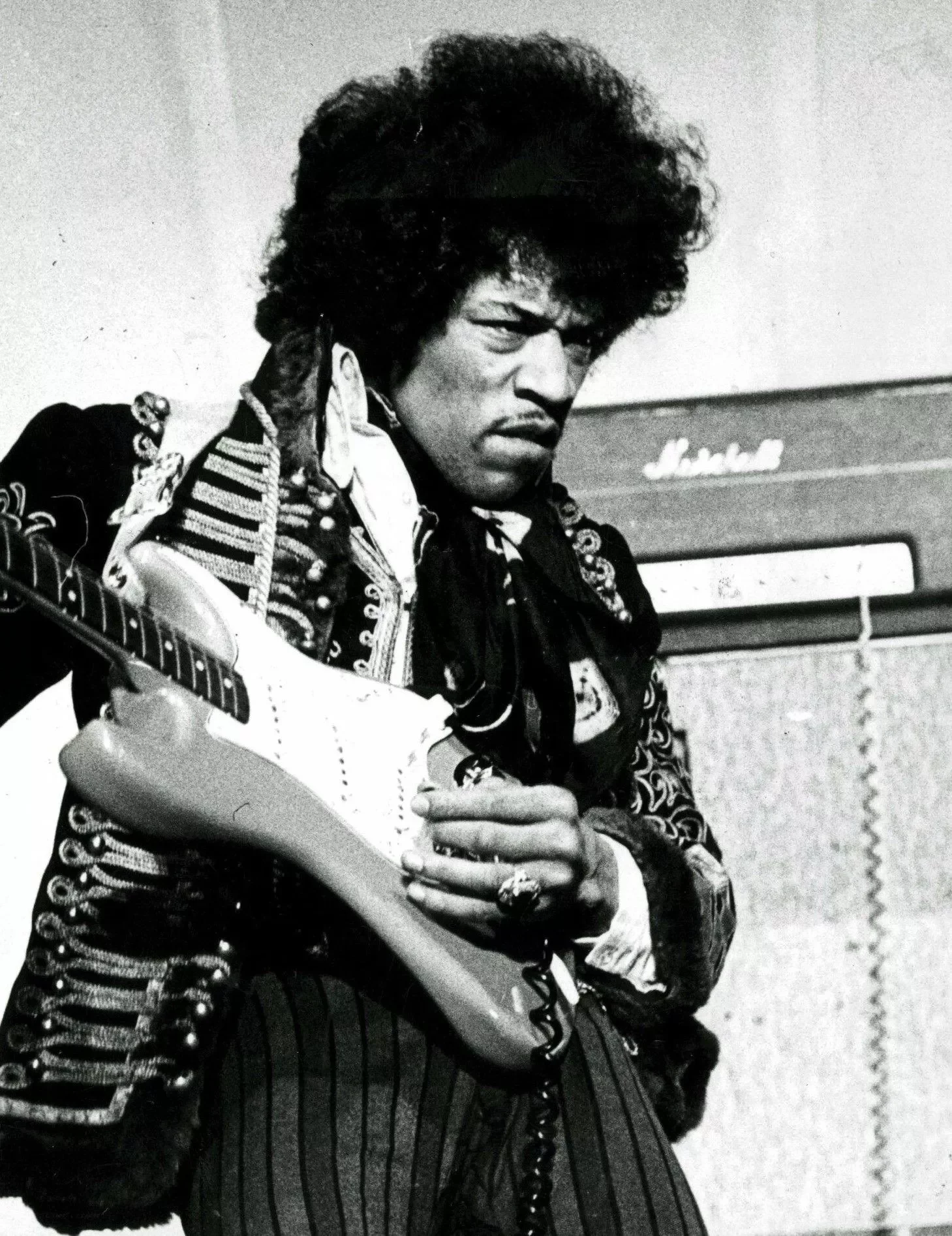
Jimi Hendrix
Born27 Nov, 1942
Died18 Sep, 1970
NationalityAmerican
Age at time of death27
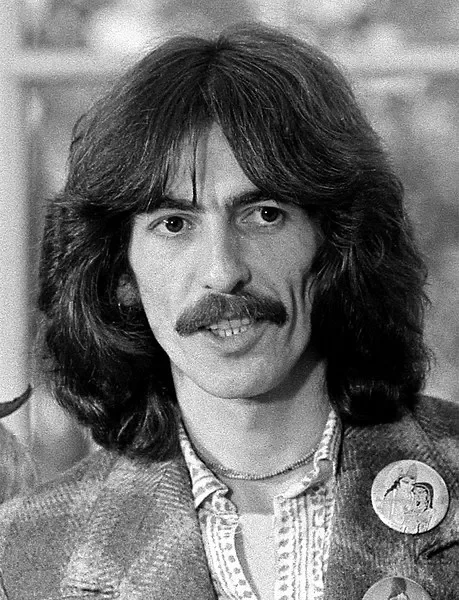
George Harrison
Born25 Feb, 1943
Died29 Nov, 2001
NationalityBritish
Age at time of death58
Johnny Ace
Born09 Jun, 1929
Died25 Dec, 1954
NationalityAmerican
Age at time of death25
Phyllis Diller
Born17 Jul, 1917
Died20 Aug, 2012
NationalityAmerican
Age at time of death95

Cory Monteith
Born11 May, 1982
Died13 Jul, 2013
NationalityCanadian
Age at time of death31
Adam Yauch
Born05 Aug, 1964
Died04 May, 2012
NationalityAmerican
Age at time of death47
Waylon Jennings
Born15 Jun, 1937
Died13 Feb, 2002
NationalityAmerican
Age at time of death64
Chuck Berry
Born18 Oct, 1926
Died18 Mar, 2017
NationalityAmerican
Age at time of death90
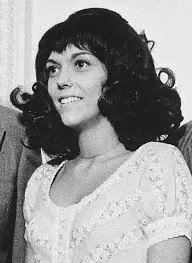
Karen Carpenter
Born02 Mar, 1950
Died04 Feb, 1983
NationalityAmerican
Age at time of death32
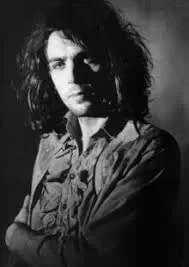
Syd Barrett
Born06 Jan, 1946
Died07 Jul, 2006
NationalityEnglish
Age at time of death60
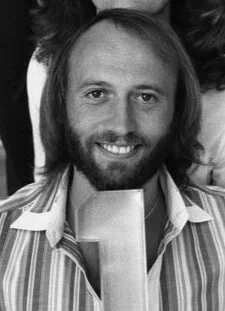
Maurice Gibb
Born22 Dec, 1949
Died12 Jan, 2003
NationalityBritish
Age at time of death53
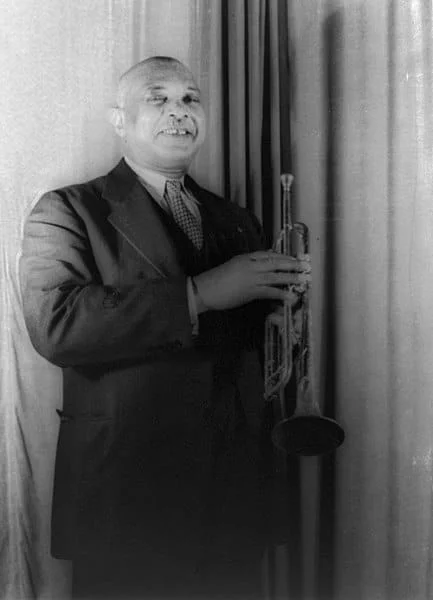
W.C. Handy
Born16 Nov, 1873
Died28 Mar, 1958
NationalityAmerican
Age at time of death84
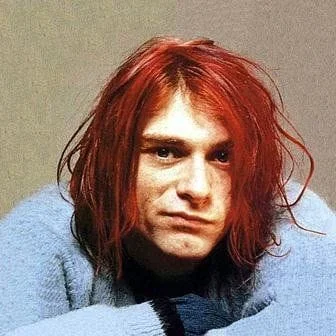
Kurt Cobain
Born20 Feb, 1967
Died05 Apr, 1994
NationalityAmerican
Age at time of death27
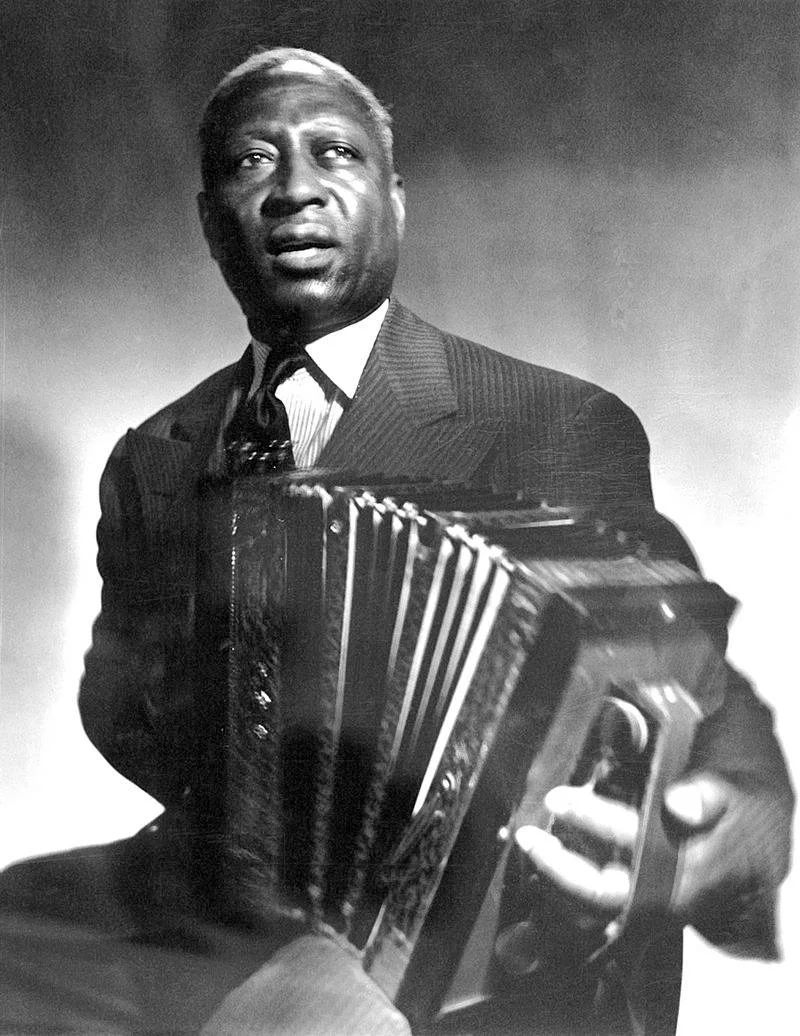
Lead Belly
Born20 Jan, 1888
Died06 Dec, 1949
NationalityAmerican
Age at time of death61
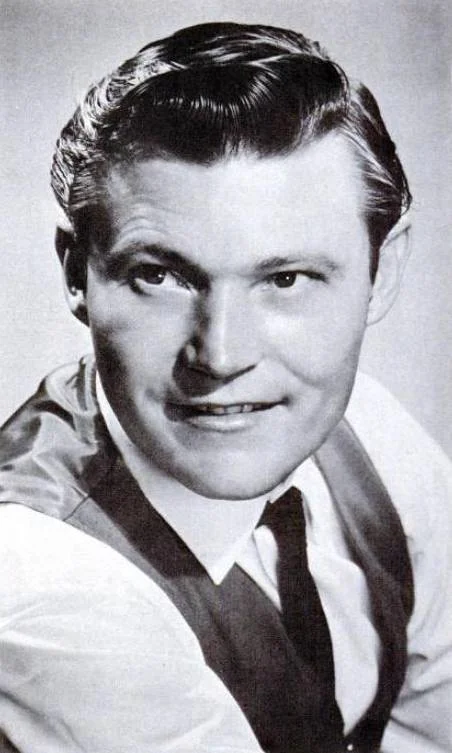
Stonewall Jackson
Born06 Nov, 1932
Died04 Dec, 2021
NationalityAmerican
Age at time of death89
Johnny Otis
Born28 Dec, 1921
Died17 Jan, 2012
NationalityAmerican
Age at time of death90
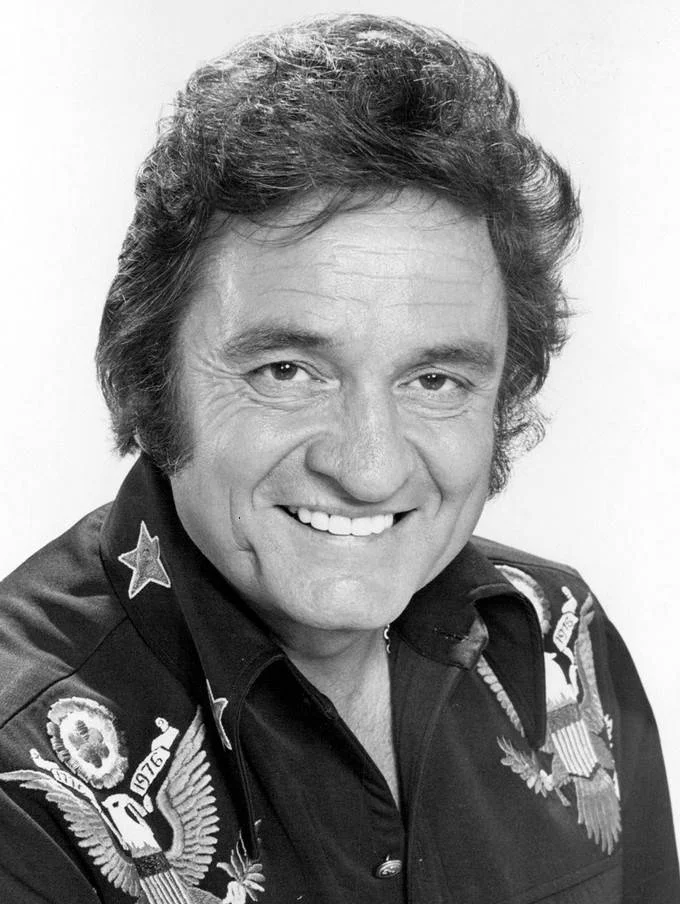
Johnny Cash
Born26 Feb, 1932
Died12 Sep, 2003
NationalityAmerican
Age at time of death71
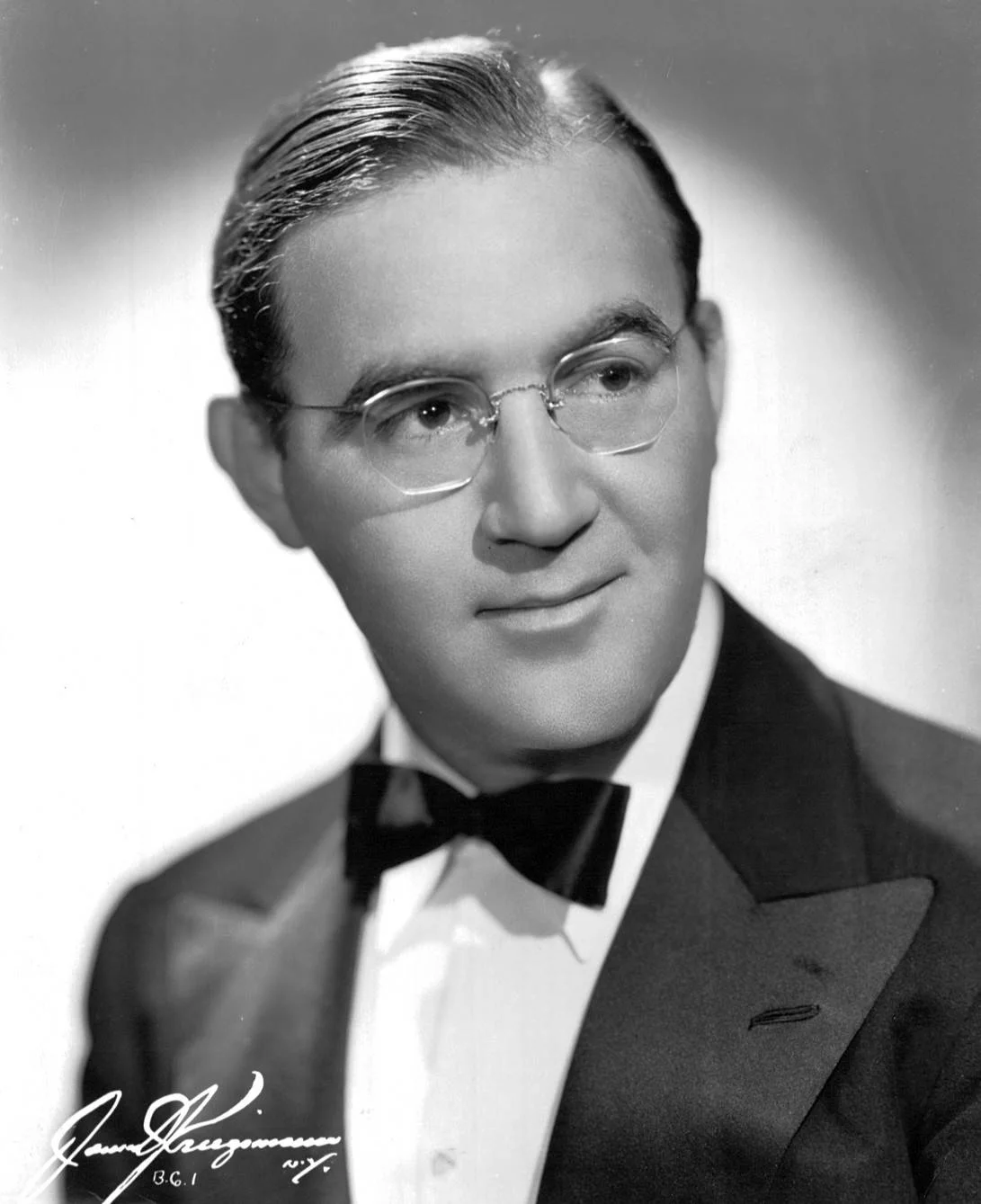
Benny Goodman
Born30 May, 1909
Died13 Jun, 1986
NationalityAmerican
Age at time of death77
Roger Miller
Born02 Jan, 1936
Died25 Oct, 1992
NationalityAmerican
Age at time of death56
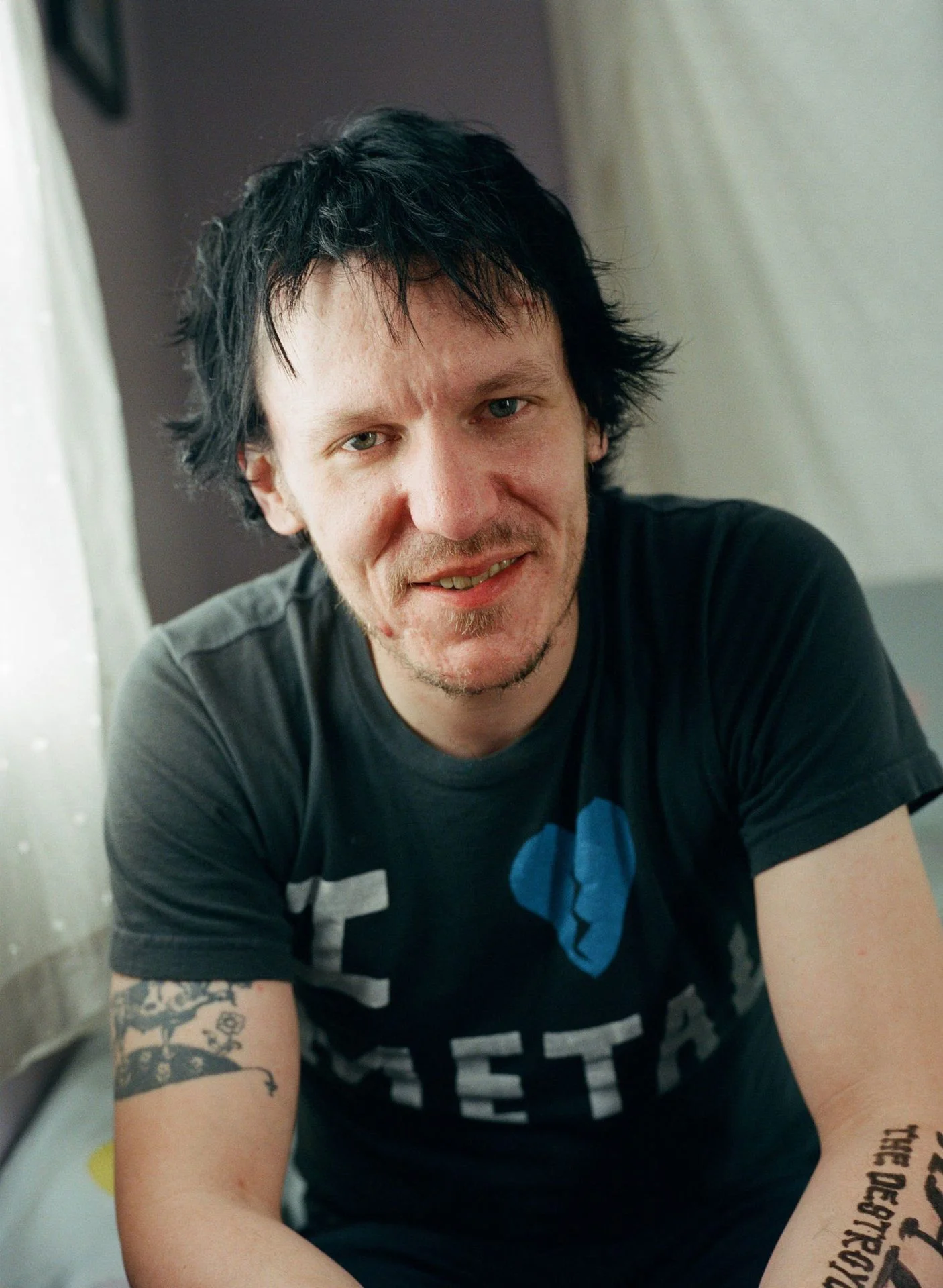
Elliot Smith
Born06 Aug, 1969
Died21 Oct, 2003
NationalityAmerican
Age at time of death34