Real Celebrities Never Die!
OR
Search For Past Celebrities Whose Birthday You Share
Died Age: 46
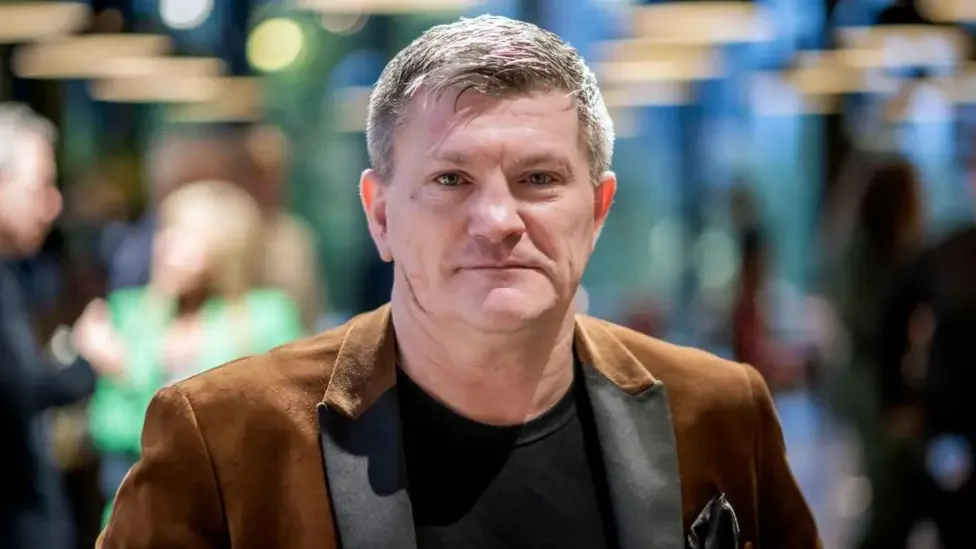
ichef.bbci.co.uk
Ricky Hatton
Birthday:
05 Oct, 1978
Date of Death:
13 Sep, 2025
Cause of death:
Undisclosed
Nationality:
British
Famous As:
Professional boxer
Age at the time of death:
46
Richard John Hatton's Quote's

“I’ve always been a fighter in the ring and in life.”
Richard John Hatton
🔗 deadcelebrityhub.com
Early Life: A Fighter from the Start
Ricky Hatton’s story reads like a working-class epic. Known affectionately as “The Hitman,” he wasn’t just a boxer; he was a man whose thunderous left hooks and self-effacing humour made him one of the most beloved figures in modern boxing. To the people of Manchester, he wasn’t merely a champion—he was one of their own, a local lad who carried their hopes into the ring with every fight.
Born on October 6, 1978, in Stockport, Greater Manchester, Ricky Hatton grew up in the tight-knit suburb of Hyde, where community and loyalty meant everything. His parents, Ray and Carol, nurtured a close family life, and it was his father who first introduced him to the boxing gym. From the beginning, Ricky’s natural aggression was balanced by a deep love for the sport’s discipline.
As a boy, Hatton idolised fellow Manchester icon Ryan Giggs, dreaming of football glory before realising his true talent lay in the ring. He played for his school team at St. Anne’s Primary, showing the same determination on the pitch that would later define his boxing career. When he wasn’t training, he was working behind the bar in his family’s pub, chatting with locals—a place where his humility and quick wit endeared him to everyone long before he became a star.
Education and Early Lessons
Hatton’s education was as much about life as it was about books. Though not academically driven, he absorbed lessons from his surroundings: respect, hard work, and loyalty. At a young age, he joined the Phoenix Camp boxing gym, where coach Paul Dunne refined his raw energy into a fighting style that combined relentless pressure with sharp technical ability. Those long days of sweat and repetition forged a fighter who never gave up ground easily—traits that would become his hallmark.
Career Journey: From Local Hero to World Champion
Early Career: The Rise of “The Hitman”
Ricky Hatton turned professional in 1997, quickly earning a reputation as a crowd-pleaser. His aggressive, body-focused style thrilled fans, and his humility outside the ring drew them closer. By 2000, he had captured his first major title—the British light-welterweight crown—setting the stage for his rise.
Major Achievements and Defining Battles
Hatton’s defining moment came in 2005 when he faced the formidable Kostya Tszyu, the reigning IBF light-welterweight champion. Few gave the Mancunian underdog a chance, but in a gruelling fight that stretched into the early hours, Hatton’s relentless pace forced Tszyu to retire on his stool. That night at the MEN Arena, Hatton didn’t just won a title and became a national hero.
He went on to unify titles and conquer Las Vegas, defeating big names like José Luis Castillo with a crushing body shot that remains one of his most celebrated knockouts. Tens of thousands of British fans would descend on the Vegas strip, waving flags and singing “Blue Moon,” transforming every Hatton fight into a festival of working-class pride.
Challenges and Turning Points
Hatton’s career wasn’t without heartbreak. His move up in weight to challenge Floyd Mayweather Jr. in 2007 was one of the most anticipated fights of the decade. Though he lost by knockout in the tenth round, his fearless effort against one of boxing’s all-time greats only cemented his popularity. A later defeat to Manny Pacquiao in 2009 signalled the beginning of the end of his professional journey, but not of his fighting spirit.
After a brief retirement, Hatton made an emotional comeback in 2012—more to find closure than glory. Though he lost to Vyacheslav Senchenko, the crowd’s adoration reminded everyone that Ricky’s legacy was built not on perfection, but on heart.
Personal Life: The Man Behind the Gloves
Outside the ring, Hatton remained the same down-to-earth lad from Hyde. He became a devoted father and remained deeply rooted in Manchester, where he still runs his own gym to train and mentor young fighters. Known for his self-deprecating humour and big personality, he often pokes fun at himself, whether recalling his weight fluctuations between fights or his love for English breakfasts.
However, fame brought its battles too. Hatton has spoken candidly about his struggles with depression and substance abuse, using his platform to raise awareness about mental health in sports. His openness has earned him renewed respect, not just as a boxer, but as a man willing to confront his vulnerabilities.
Legacy: The People’s Champion
Ricky Hatton’s story endures because it speaks to something deeper than titles and belts. He was never the biggest, fastest, or most polished fighter, but he fought with an honesty that transcended the sport. His bouts weren’t just contests; they were declarations of willpower, cheered on by legions of loyal fans who saw themselves in him.
Today, he is remembered as more than a two-weight world champion. He is the embodiment of Manchester’s fighting spirit—raw, relentless, and proud. From sold-out arenas to the quiet hum of his local gym, Ricky Hatton’s legacy lives on in every fighter who laces up their gloves with dreams of defying the odds, just as he did
Profile Snapshot
Name:
Richard John Hatton
Popular Name:
Ricky Hatton
Gender:
Male
Cause of Death:
Undisclosed
Spouse:
Unknown
Place of Birth:
Stockport, United Kingdom
Place of Death:
Hyde, United Kingdom
Occupation / Profession:
Professional boxer
Personality Type
Consul: Ricky Hatton is a spirited and down-to-earth entertainer at heart. He was a fearless fighter who lives to connect, inspire, and bring joy to those around him.
Richard John Hatton's Interesting Facts
Ricky Hatton is a lifelong Manchester City supporter and often entered the ring to the club’s anthem, “Blue Moon.”
He once performed as a stand-up comedian during his retirement, showing his trademark humor outside the ring.
Hatton has his own beer brand called Hitman Ale, celebrating his nickname and local pride.
Achievements & Awards
Ricky Hatton is a two-weight world champion, having held the IBF and WBA light-welterweight titles and later the WBA welterweight crown.
He was named Fighter of the Year in 2005 by The Ring magazine after his stunning victory over Kostya Tszyu.
Throughout his career, he achieved 45 wins out of 48 fights, earning recognition as one of Britain’s greatest boxers.
In 2009, Hatton was appointed a Member of the Order of the British Empire (MBE) for his services to boxing.
External Links
Latest Profiles
People also viewed
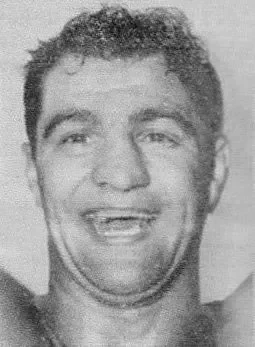
Rocky Marciano
Born01 Sep, 1923
Died31 Aug, 1969
NationalityAmerican
Age at time of death45
Tommy Morrison
Born02 Jan, 1969
Died01 Sep, 2013
NationalityAmerican
Age at time of death44
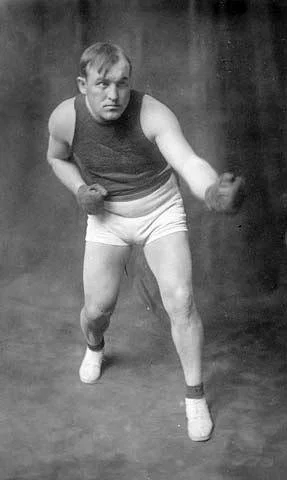
Tommy Burns
Born17 Jun, 1881
Died10 May, 1955
NationalityCanadian
Age at time of death73
Sonny Liston
Born22 Jul, 1930
Died30 Dec, 1970
NationalityAmerican
Age at time of death40
Dingaan Thobela
Born23 Sep, 1966
Died28 Apr, 2024
NationalitySouth African
Age at time of death57