Real Celebrities Never Die!
OR
Search For Past Celebrities Whose Birthday You Share
Died Age: 89
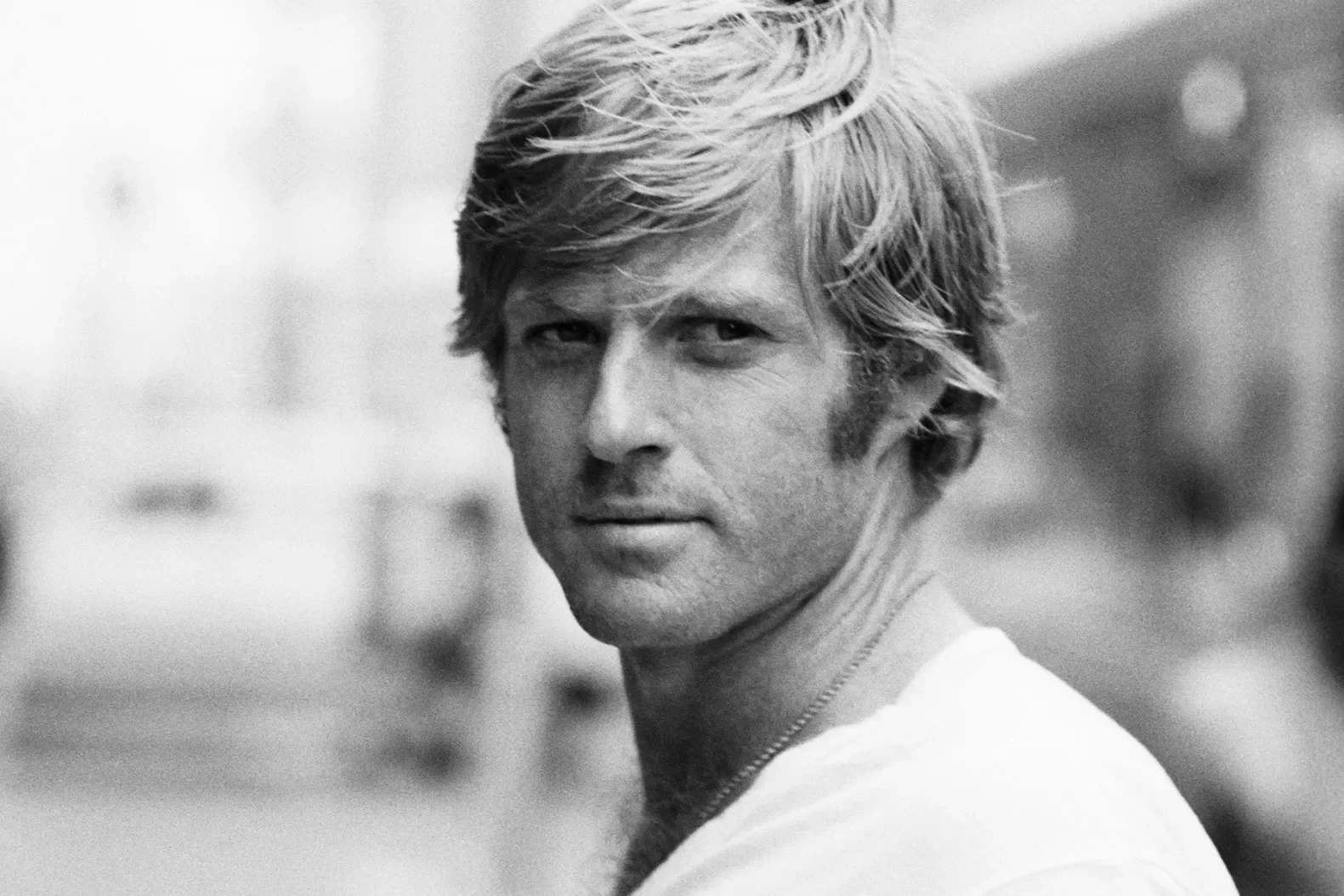
www.rollingstone.com
Robert Redford
Birthday:
17 Aug, 1936
Date of Death:
15 Sep, 2025
Cause of death:
Natural Causes
Nationality:
American
Famous As:
Actor
Age at the time of death:
89
Early Life
Robert Redford was a visionary, a rebel, and a storyteller who reshaped both Hollywood and independent cinema. With his sunlit charm, piercing blue eyes, and quiet defiance, Redford became a symbol of a new kind of leading man—one who could carry a blockbuster yet remain committed to art, truth, and causes larger than himself. His life unfolds like a film, full of risk, reinvention, and enduring impact.
Born Charles Robert Redford Jr. in Santa Monica, California, in 1936, he grew up in a working-class family that valued hard work over glamour. His father, an accountant for Standard Oil, instilled discipline, while his mother nurtured his creative streak. But Redford’s youth was marked as much by restlessness as by promise. He was an athlete in high school, excelling at baseball, but his real gift lay in his imagination—a gift not always understood in a community that prized conformity.
A defining moment came with the loss of his mother when he was just a teenager. It was a wound that left him untethered, and it set him adrift. He later described himself as a “bad student,” more interested in drawing and daydreaming than in schoolwork. Yet those early struggles carved out a hunger for experience and a determination to live life on his own terms.
Education and Awakening
Redford won a baseball scholarship to the University of Colorado, but after a brush with trouble and dissatisfaction with academic life, he left. His path turned unconventional: he travelled through Europe, immersing himself in art, painting, and the bohemian lifestyle of Paris and Florence. This period broadened his worldview and sharpened his creative instincts. Eventually, he found his way to New York, where he studied painting at the Pratt Institute and acting at the American Academy of Dramatic Arts.
That decision—to step onto the stage—would change everything.
Career Journey
The Early Years
Redford’s career began on television in the late 1950s, with appearances in shows like Maverick and The Twilight Zone. On Broadway, he gained notice in Barefoot in the Park, a Neil Simon comedy that showcased his charm and comedic timing. Hollywood soon followed.
Breakthrough and Stardom
The 1960s and 70s saw Redford rise to iconic status. Films like Butch Cassidy and the Sundance Kid (1969) and The Sting (1973) cemented his place as one of the most bankable stars of his generation. Unlike many of his contemporaries, Redford combined matinee-idol looks with a naturalistic acting style that felt fresh and authentic. He was equally at home in thrillers like Three Days of the Condor and in romantic dramas like The Way We Were.
A bit of trivia: Redford almost turned down the role of Sundance Kid, fearing it would typecast him as just another pretty face. Instead, it became one of his defining roles—and even lent its name to his later ventures.
Behind the Camera
Redford’s ambitions went beyond acting. In 1980, he directed Ordinary People, a quiet, devastating family drama that won four Academy Awards, including Best Director for Redford himself. His transition behind the camera signalled his belief that storytelling could—and should—explore human complexity.
Champion of Independent Film
Perhaps Redford’s greatest legacy came through his role as a mentor and advocate. In 1981, he founded the Sundance Institute, creating a space where emerging filmmakers could nurture their voices outside the constraints of Hollywood. The Sundance Film Festival, which grew from this vision, became the epicentre of American independent cinema, launching countless careers and reshaping the industry.
Later Career
Even as he aged out of conventional leading-man roles, Redford remained vital. Performances in films like All Is Lost (2013), where he carried an entire survival drama without dialogue, proved his artistry endured. announced his retirement from acting in 2018 after The Old Man & the Gun seemed fitting—a graceful exit from the spotlight he had never fully embraced.
Personal Life
Redford has lived much of his life close to nature, choosing Utah as his home long before it became a cultural hub. He was married twice, first to Lola Van Wagenen, with whom he had four children, and later to Sibylle Szaggars, a painter. His love for the outdoors shaped not only his personal world but also his activism; he has long been a passionate environmentalist, speaking out for conservation and sustainable living.
Trivia fans might enjoy knowing that Redford has always preferred to stay behind the camera at Sundance screenings, slipping quietly into the back of the theatre to watch young directors’ work. Fame, for him, was never the point—art was.
Legacy
Robert Redford’s story is one of reinvention and integrity. He began as a restless boy searching for meaning, became a star who defined an era, and then transformed into a patron of the arts who changed the landscape of film. He left behind not just unforgettable characters but an entire ecosystem that gives voice to new storytellers.
He is remembered not only as the Sundance Kid but as a man who gave generations of filmmakers—and audiences—the courage to believe in stories worth telling.
Profile Snapshot
Name:
Charles Robert Redford Jr.
Popular Name:
Robert Redford
Gender:
Male
Cause of Death:
Natural Causes
Spouse:
Sibylle Szaggars
Lola Van Wagenen
Place of Birth:
Santa Monica, California, United States
Place of Death:
Sundance Mountain Resort, Sundance, Utah, United States
Occupation / Profession:
Actor
Director
Producer
Personality Type
Architect: Robert Redford was an architect of cinema and culture—strategic and fiercely independent, and always driven by a deeper purpose beyond fame.
Charles Robert Redford Jr.'s Interesting Facts
He was once considered for the role of Benjamin Braddock in The Graduate, but was deemed “too good-looking” for the part.
He nearly pursued a career as a painter before turning to acting.
The Redford family has Scottish and Irish ancestry, a heritage he has spoken of with pride.
Achievements & Awards
Robert Redford’s achievements span acting, directing, and cultural leadership.
He won the Academy Award for Best Director for Ordinary People (1980), received an honorary Oscar in 2002 for his contributions to film, and earned the Presidential Medal of Freedom in 2016.
Beyond his own performances in classics like Butch Cassidy and the Sundance Kid and The Sting, he transformed the film industry by founding the Sundance Institute and Festival, which became the cornerstone of independent cinema worldwide.
His legacy is a rare blend of artistic excellence and visionary impact.
Latest Profiles
People also viewed
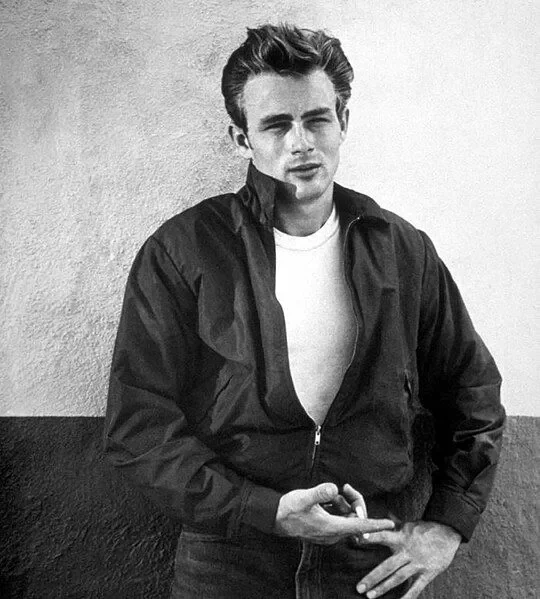
James Dean
Born08 Feb, 1931
Died30 Sep, 1955
NationalityAmerican
Age at time of death24
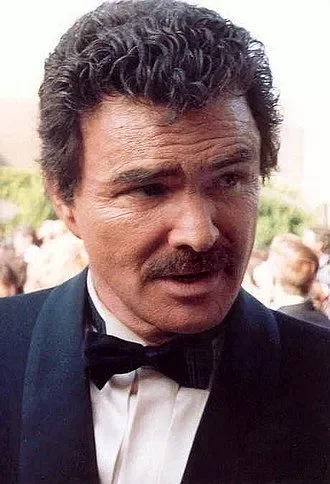
Burt Reynolds
Born11 Feb, 1936
Died06 Sep, 2018
NationalityAmerican
Age at time of death82
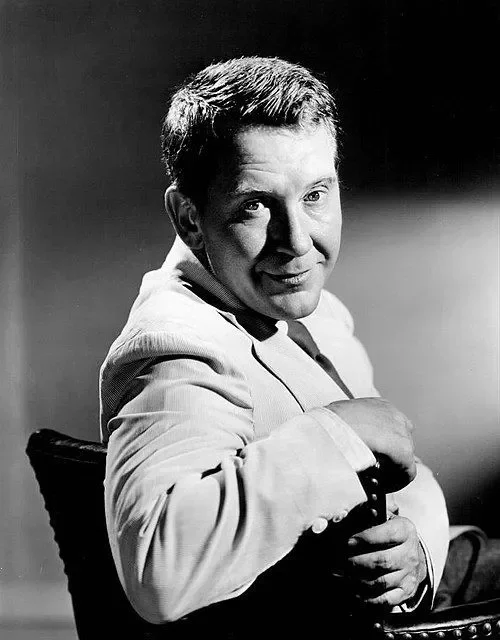
Oliver Burgess Meredith
Born16 Nov, 1907
Died09 Sep, 1997
NationalityAmerican
Age at time of death89
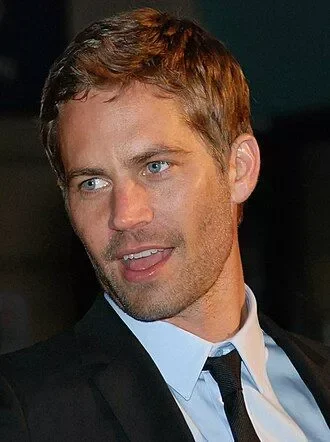
Paul Walker
Born12 Sep, 1973
Died30 Nov, 2013
NationalityAmerican
Age at time of death40
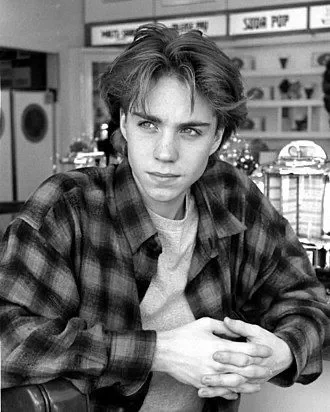
Jonathan Brandis
Born13 Apr, 1976
Died12 Nov, 2003
NationalityAmerican
Age at time of death27
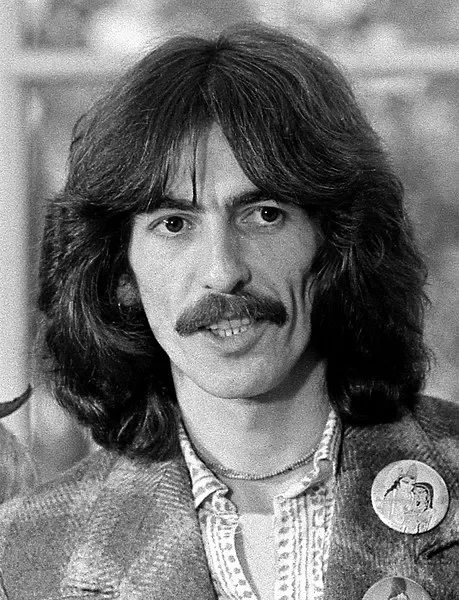
George Harrison
Born25 Feb, 1943
Died29 Nov, 2001
NationalityBritish
Age at time of death58
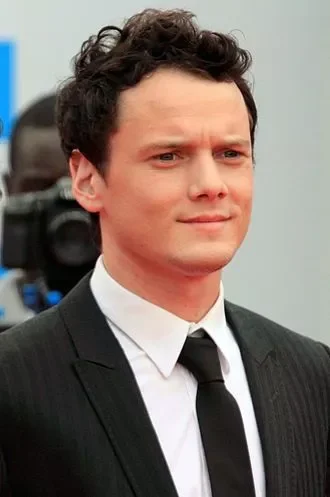
Anton Yelchin
Born11 Mar, 1989
Died19 Jun, 2016
NationalityAmerican
Age at time of death27
Chester Bennington
Born20 Mar, 1976
Died20 Jul, 2017
NationalityAmerican
Age at time of death41
Peter Fonda
Born23 Feb, 1940
Died16 Aug, 2019
NationalityAmerican
Age at time of death79
Jerry Lewis
Born16 Mar, 1926
Died20 Aug, 2017
NationalityAmerican
Age at time of death91
Marlon Brando
Born03 Apr, 1924
Died01 Jul, 2004
NationalityAmerican
Age at time of death80
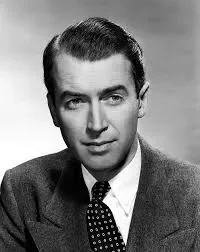
James Stewart
Born20 May, 1908
Died02 Jul, 1997
NationalityAmerican
Age at time of death89
Cory Monteith
Born11 May, 1982
Died13 Jul, 2013
NationalityCanadian
Age at time of death31
Christopher Lee
Born27 May, 1922
Died07 Jun, 2015
NationalityBritish
Age at time of death93
Paul Mooney
Born04 Aug, 1941
Died19 May, 2021
NationalityAmerican
Age at time of death79
George Murphy
Born04 Jul, 1902
Died03 May, 1992
NationalityAmerican
Age at time of death89
Fred Ward
Born30 Dec, 1942
Died08 May, 2022
NationalityAmerican
Age at time of death79
Frank Sinatra
Born12 Dec, 1915
Died14 May, 1998
NationalityAmerican
Age at time of death82
Eric Morecambe
Born14 May, 1926
Died28 May, 1984
NationalityBritish
Age at time of death58
DMX
Born18 Dec, 1970
Died09 Apr, 2021
NationalityAmerican
Age at time of death50