Real Celebrities Never Die!
OR
Search For Past Celebrities Whose Birthday You Share
Died Age: 88
rollingstone.com
Roberta Flack
Birthday:
10 Feb, 1937
Date of Death:
24 Feb, 2025
Cause of death:
Cardiac arrest
Nationality:
American
Famous As:
Singer
Age at the time of death:
88
Roberta Cleopatra Flack's Quote's
“When you sing, you want to move people. You want them to feel something.”
Roberta Cleopatra Flack
🔗 deadcelebrityhub.com
Early Life: A Gift Emerges in the Blue Ridge Shadows
Roberta Flack didn’t need to shout to be heard. Her velvety, haunting, and rich voice, laced with emotion, could silence a room. With a piano beneath her fingers and a truth in her lyrics, she transformed the quiet into something powerful. Known for timeless ballads like “Killing Me Softly with His Song” and “The First Time Ever I Saw Your Face,” Flack redefined what it meant to feel music. She was a classically trained virtuoso who brought grace and depth to soul, R&B, and pop, carving a place for herself not with flash, but with feeling.
Born on February 10, 1937, in the small town of Black Mountain, North Carolina, Roberta Cleopatra Flack grew up surrounded by the spiritual and musical rhythms of the American South. Her family soon moved to Arlington, Virginia, where she was raised in a modest but music-rich household. Her mother was a church organist; her father was a draftsman who loved jazz. Faith, discipline, and music were the pillars of her upbringing.
Even as a child, Flack’s gift was undeniable. By the time she was nine, she was already accompanying church choirs on piano. Her touch was precise, her musical instincts uncanny. Neighbours recall her playing Bach as easily as she sang gospel, a duality that would later define her career: the rigour of the classical world blended with the soul of the streets.
A defining moment came at age 15, when she won a music scholarship to Howard University, making her one of the youngest students to ever enrol there. It was a bold, early leap that would set the tone for her life.
Education: The Classical Roots of a Soul Pioneer
At Howard University, Flack initially studied piano with the dream of becoming a concert pianist. Her professors took note of her precision and sensitivity, but she was often seen slipping into jazz clubs and soaking in the harmonies of Ellington and Holiday. While her official training was rooted in the classical canon—Chopin, Schubert, Rachmaninoff—her soul leaned toward improvisation and storytelling.
Financial difficulties and the lack of opportunity for Black classical pianists in the mid-20th century redirected her path. After graduating, she became a music teacher in Washington, D.C., supplementing her income by performing at local nightclubs. One of those dimly lit lounges, Mr. Henry’s in Capitol Hill, would become the launchpad for her ascent.
Career Journey
The Early Days: A Voice Found in the Dark
It was in the intimate setting of Mr. Henry’s that Flack began to craft her unique sound. Her performances were quiet storms. Her songs were delivered with subtlety and emotional intensity that left audiences transfixed. She played piano and sang with such precision that she made every lyric feel like a whisper into your soul.
It was here that jazz legend Les McCann discovered her in 1968 and arranged for her to record a demo. Within a matter of weeks, she had a contract with Atlantic Records.
Her debut album, First Take, released in 1969, was a slow burn—until Clint Eastwood chose “The First Time Ever I Saw Your Face” for his 1971 film Play Misty for Me. The song soared to No. 1 and earned Flack a Grammy for Record of the Year in 1973. The overnight success, years in the making, introduced the world to a new kind of ballad singer who could devastate with restraint.
The Heights: Grammys, Duets, and Iconic Ballads
Flack followed her success with a string of albums that proved her artistry was no fluke. “Killing Me Softly with His Song,” released in 1973, became another smash hit and won her a second consecutive Grammy for Record of the Year, a feat previously achieved only by Simon & Garfunkel. The song’s subtle pain and gentle delivery would inspire artists for generations, from Lauryn Hill to Alicia Keys.
Her collaboration with Donny Hathaway was another highlight. Songs like “Where Is the Love” and “The Closer I Get to You” showcased their electric chemistry and became classics in their own right. The duo’s harmonies were like two souls in perfect conversation, full of longing, vulnerability, and warmth.
Later Work: The Quiet Continuum
Though her commercial peak was in the ’70s, Flack continued to record, perform, and mentor. She explored jazz, gospel, and even children’s music. In 1999, she founded the Roberta Flack School of Music in the Bronx, quietly nurturing a new generation of musicians, many of whom would never have otherwise had access to formal training.
In the 2010s, she worked on a Beatles tribute album and continued performing until health challenges, including a 2022 ALS diagnosis, ended her public performances. Still, her voice lingers in the culture, sampled by hip-hop artists and reimagined in covers, her influence woven into the fabric of contemporary music.
Personal Life: The Woman Behind the Voice
Roberta Flack has always been a deeply private person, preferring to let her music speak. She was briefly married to jazz bassist Steve Novosel, but the relationship ended early in her career. Her true love seemed to be her art, which she once described her piano as “the place where I feel most at home.”
She was known for her intellectual curiosity, once studying literature and African history in her spare time. She surrounded herself with books, plants, and instruments. Friends often spoke of her warmth, wit, and quiet intensity.
One lesser-known fact? She had a love for astrology and often consulted her star chart before making big decisions.
Legacy: A Soft-Spoken Force in Music History
Roberta Flack didn’t scream for attention, she whispered truths that stayed with you. She gave voice to love, heartbreak, and longing in a way that was deeply personal yet universally felt. A pioneer who melded classical training with the soul of the Black American experience, she opened doors for artists who didn’t fit the mould of a typical star.
Her music has been covered, sampled, and revered across generations. From hip-hop loops to wedding ballads, her songs continue to echo in moments of intimacy, heartbreak, and reflection.
Roberta Flack may not have sought the spotlight, but her artistry illuminated something lasting: the enduring power of elegance, subtlety, and emotional honesty. And in a world full of noise, her quiet voice still cuts through clear, graceful, unforgettable.
Profile Snapshot
Name:
Roberta Cleopatra Flack
Popular Name:
Roberta Flack
Gender:
Female
Cause of Death:
Cardiac arrest
Spouse:
Steve Novosel
Place of Birth:
Black Mountain, North Carolina, United States
Place of Death:
Manhattan, New York, United States
Occupation / Profession:
Singer
Songwriter
Personality Type
Advocate Quiet and mystical, yet very inspiring and tireless idealists. A quiet, soulful thinker who poured her heart into every note and led with grace behind the scenes.
Roberta Cleopatra Flack's Interesting Facts
Roberta was the first Black woman to receive a full music scholarship to Howard University at age 15.
She is fluent in German and once considered a career in opera before turning to soul and R&B.
She was once a high school music teacher before her breakthrough in music. One of her students was opera singer Denyce Graves.
Achievements & Awards
Across her career, she released multiple gold-certified albums and collaborated with legends like Donny Hathaway and Peabo Bryson.
Her breakout hit, “The First Time Ever I Saw Your Face,” stayed at No. 1 on the Billboard Hot 100 for six weeks and helped propel her to international fame.
Roberta Flack is a four-time Grammy Award winner, including back-to-back wins for Record of the Year—a rare feat she shares with very few artists.
She was also honoured with a Grammy Lifetime Achievement Award in 2020, recognising her enduring impact on music.
Latest Profiles
People also viewed
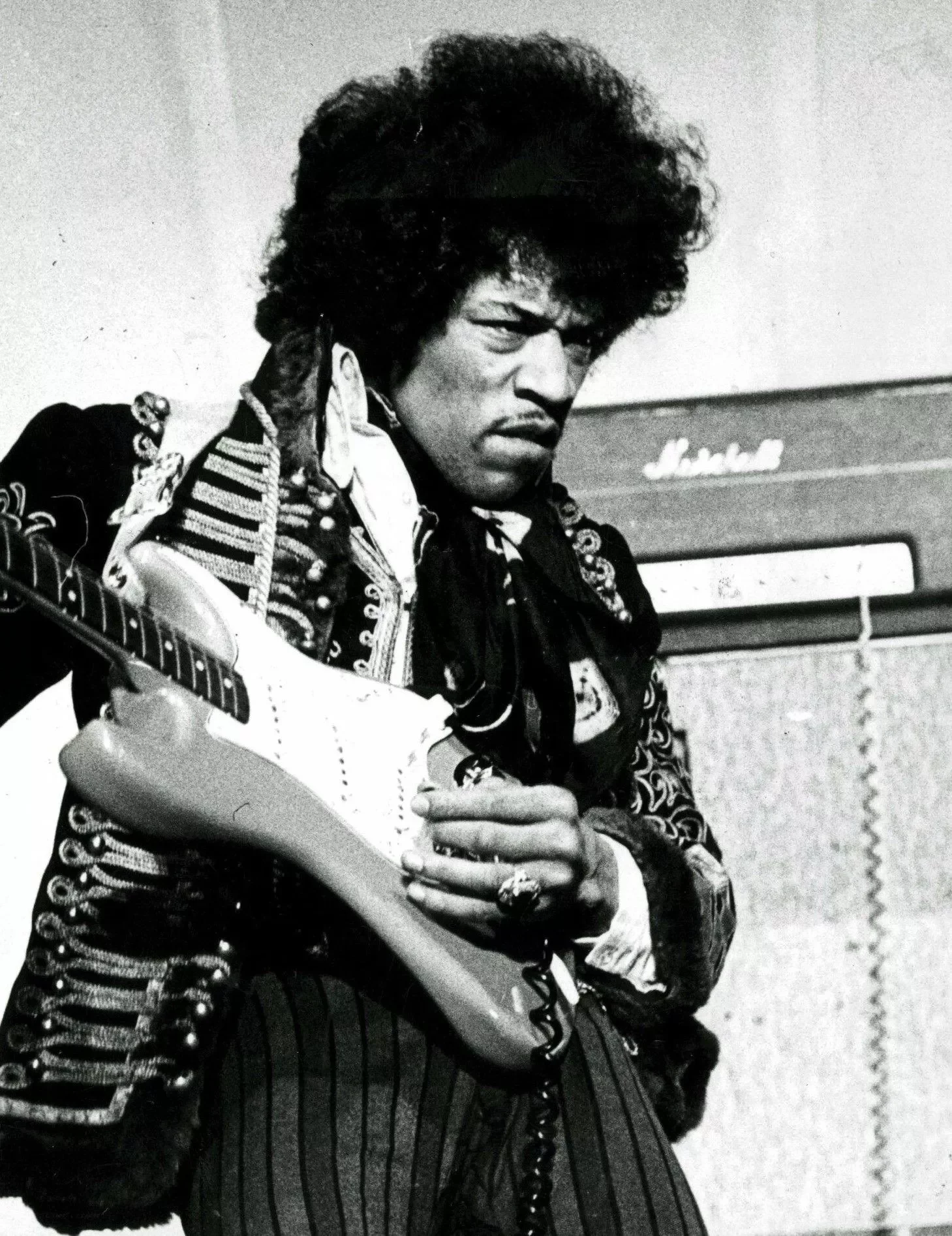
Jimi Hendrix
Born27 Nov, 1942
Died18 Sep, 1970
NationalityAmerican
Age at time of death27
Jesse Powell
Born12 Sep, 1971
Died13 Sep, 2022
NationalityAmerican
Age at time of death51
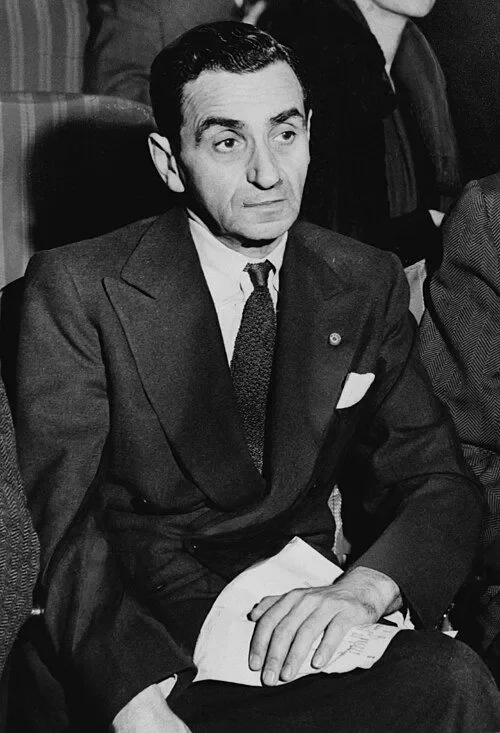
Irving Berlin
Born11 May, 1888
Died22 Sep, 1989
NationalityAmerican
Age at time of death101
George Harrison
Born25 Feb, 1943
Died29 Nov, 2001
NationalityBritish
Age at time of death58
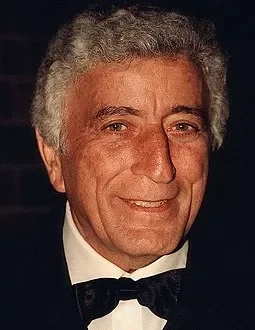
Tony Bennett
Born03 Aug, 1926
Died21 Jul, 2023
NationalityAmerican
Age at time of death96
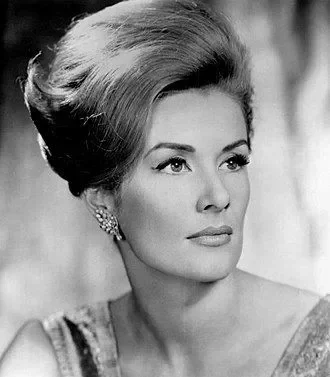
Sally Ann Howes
Born20 Jul, 1930
Died19 Dec, 2021
NationalityBritish, American
Age at time of death91
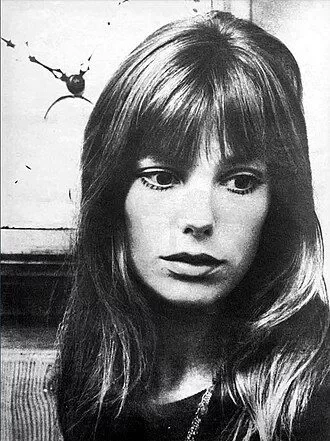
Jane Birkin
Born14 Dec, 1946
Died16 Jul, 2023
NationalityBritish, French
Age at time of death76
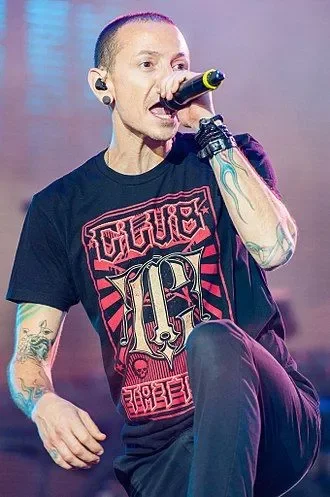
Chester Bennington
Born20 Mar, 1976
Died20 Jul, 2017
NationalityAmerican
Age at time of death41
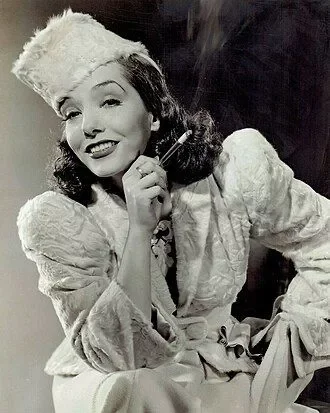
Lupe Vélez
Born18 Jul, 1908
Died14 Dec, 1944
NationalityMexican
Age at time of death36
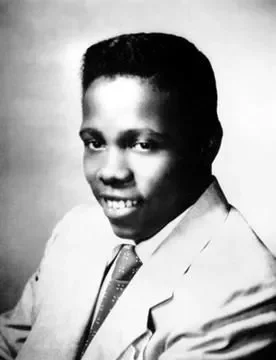
Johnny Ace
Born09 Jun, 1929
Died25 Dec, 1954
NationalityAmerican
Age at time of death25
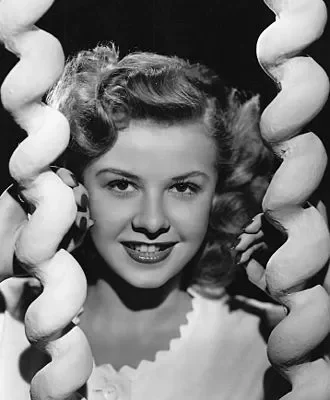
Vera-Ellen
Born16 Feb, 1921
Died30 Aug, 1981
NationalityAmerican German
Age at time of death60
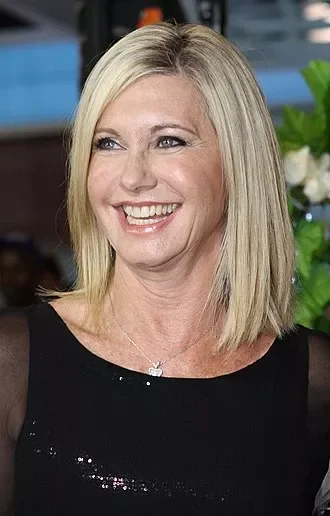
Olivia Newton-John
Born26 Sep, 1948
Died08 Aug, 2022
NationalityBritish, Australian
Age at time of death73
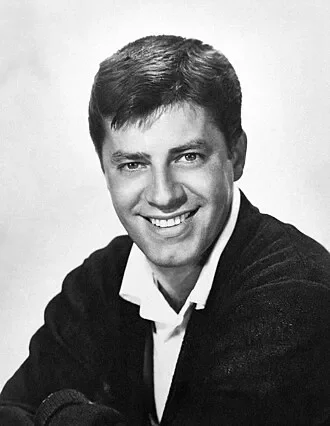
Jerry Lewis
Born16 Mar, 1926
Died20 Aug, 2017
NationalityAmerican
Age at time of death91
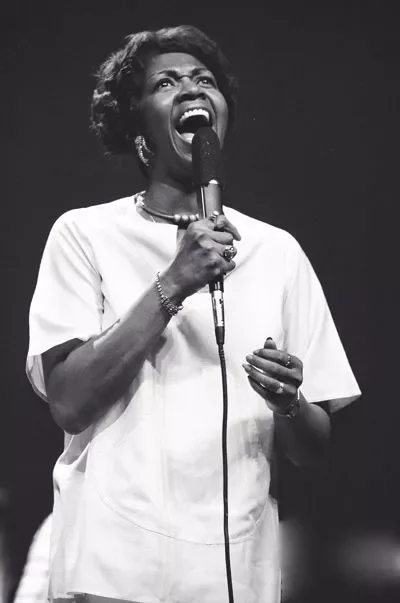
Cissy Houston
Born30 Sep, 1933
Died07 Oct, 2024
NationalityAmerican
Age at time of death91
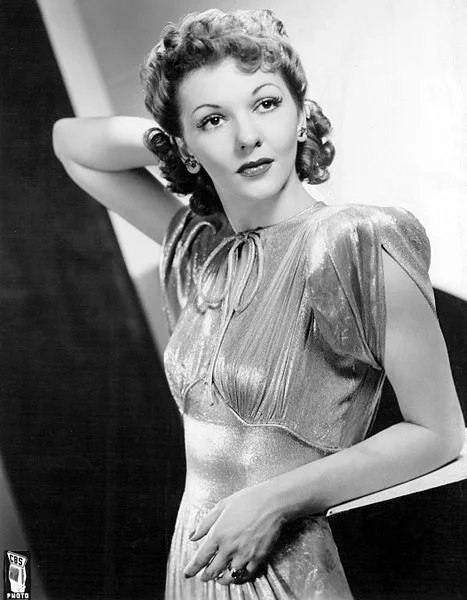
Mary Martin
Born01 Dec, 1913
Died03 Nov, 1990
NationalityAmerican
Age at time of death76
Jim Morrison
Born08 Dec, 1943
Died03 Jul, 1971
NationalityAmerican
Age at time of death27
Christopher Lee
Born27 May, 1922
Died07 Jun, 2015
NationalityBritish
Age at time of death93
Biz Markie
Born08 Apr, 1964
Died16 Jul, 2021
NationalityAmerican
Age at time of death57
Billie Holiday
Born07 Apr, 1915
Died17 Jul, 1959
NationalityAmerican
Age at time of death44
Barry White
Born12 Sep, 1944
Died04 Jul, 2003
NationalityAmerican
Age at time of death58