Real Celebrities Never Die!
OR
Search For Past Celebrities Whose Birthday You Share
Died Age: 98
wikimedia.org
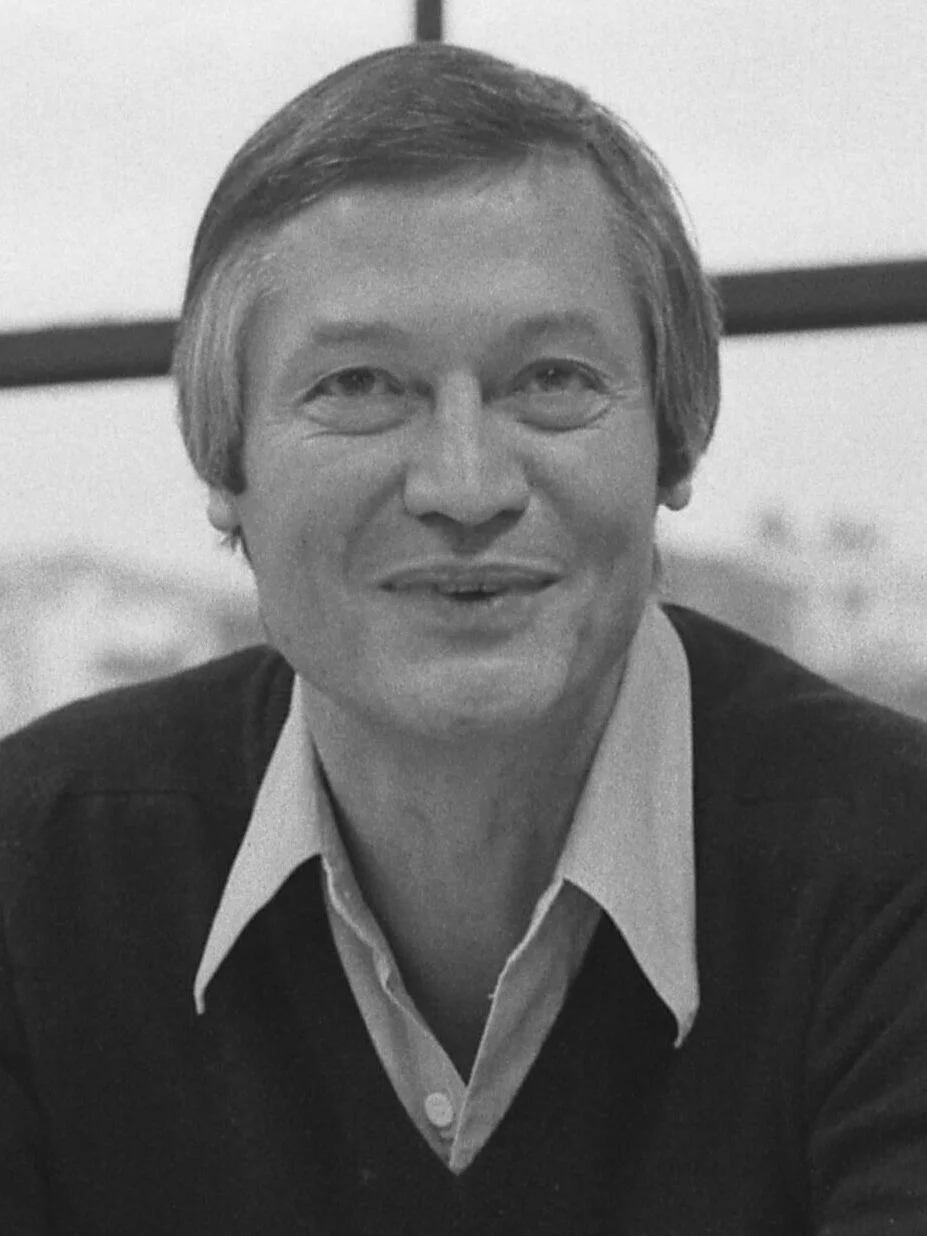
Roger Corman
Birthday:
05 Apr, 1926
Date of Death:
09 May, 2024
Cause of death:
Natural causes
Nationality:
American
Famous As:
Actor
Age at the time of death:
98
Roger William Corman's Quote's

“I think the essence of a good low-budget film is to take a limitation and turn it into an advantage.”
Roger William Corman
🔗 deadcelebrityhub.com
Roger Corman: Early Life and Family Background
Roger William Corman came into the world on April 5, 1926, in Detroit, Michigan. He grew into an American film director, producer, and actor who shook up the movie game, earning nicknames like “The King of B-Movies” and “The Pope of Pop Cinema.” Over seven decades, Roger turned independent filmmaking on its head, guided future Hollywood big shots, and left a mark that’s tough to erase. Roger was born to Anne High Corman, who kept the home running, and William Arst Corman, an engineer with Russian Jewish roots. Raised in his mom’s Catholic faith, he grew up in Detroit with his younger brother Gene, who’d later team up with him on film projects. In 1940, the family packed up and moved to Beverly Hills, California—landing Roger right near Hollywood’s beating heart and lighting a fire for movies that never went out. He went to Beverly Hills High School, then headed to Stanford University to study industrial engineering. There, he joined Sigma Alpha Epsilon and did great in his classes. But storytelling started tugging at him harder than engineering ever did. After snagging a Bachelor of Science in 1947, he tried the engineering gig for a bit before realizing his real path was somewhere else.
Formative Years and Career Beginnings
Roger’s filmmaking story kicked off small when he grabbed a messenger job at Twentieth Century Fox in 1948. Soon enough, he stepped up to script reader, soaking in how stories and films come together. After a stint at Oxford University studying modern English lit and wandering Europe, he came back to the U.S. with his sights set on breaking into movies. In 1953, he sold his first script, The House in the Sea, which turned into Highway Dragnet (1954). Frustrated with how others handled his ideas, Roger took the reins himself. His first solo producing gig was Monster from the Ocean Floor (1954), followed by The Fast and the Furious (1954), which landed him a deal with American Releasing Corporation (later American International Pictures). That’s when his career as a producer and director really took off.
Personal Life
Roger tied the knot with Julie Halloran on December 23, 1970. Julie jumped into his film world, often producing alongside him. They had four kids—Catherine, Roger Jr., Brian, and Mary. Off-screen, Roger kept things low-key, balancing his wild career with family time and staying tight with his wife and kids his whole life.
Professional Career and Achievements
Roger had a knack for making solid films without much cash. From 1955 to 1970, he directed over 50 movies and produced tons more. His lineup boasted cult hits like A Bucket of Blood (1959), The Little Shop of Horrors (1960), House of Usher (1960), and Death Race 2000 (1975). His takes on Edgar Allan Poe’s stories—the “Poe Cycle”—won praise for their moody, gripping vibes. Beyond churning out drive-in flicks, Roger shaped Hollywood’s future. He took young directors like Francis Ford Coppola, Martin Scorsese, Ron Howard, James Cameron, and Jonathan Demme under his wing—guys who’d later rule the industry. He also gave early breaks to actors like Jack Nicholson, Dennis Hopper, Peter Fonda, Bruce Dern, and William Shatner. Roger didn’t stop at genre stuff; he brought American audiences art-house gems from folks like Federico Fellini (*Amarcord*), Ingmar Bergman (*Cries and Whispers*), François Truffaut (*The Story of Adele H.*), and Akira Kurosawa (*Ran*). In 2009, the Academy tossed him an Honorary Oscar for “his rich engendering of films and filmmakers.”
Contributions and Legacy
Roger Corman’s legacy is a big, sprawling thing. He showed filmmakers everywhere that you don’t need deep pockets to make something great—a lesson still kicking around today. As a mentor and distributor, he launched careers and opened doors to world cinema. Called “The King of B-Movies,” Roger turned cheap exploitation flicks into cultural gold, sneaking in social jabs and fresh ideas. You can see his fingerprints on blockbusters like Star Wars and Jaws, built by folks who grew up on his stuff.
Death and Legacy
Roger passed away on May 9, 2024, at 98, in his Santa Monica, California home. No word on what took him. The film world lit up with tributes, calling him “generous,” “visionary,” and “a trailblazer who changed the game.” His legacy isn’t just in the hundreds of movies he made—it’s in the waves of filmmakers he fired up. His work still gets love for its smarts and lasting punch, proof one guy’s vision can stick around for good.
Profile Snapshot
Name:
Roger William Corman
Popular Name:
Roger Corman
Gender:
Male
Cause of Death:
Natural causes
Spouse:
Julie Halloran
Place of Birth:
Detroit, Michigan, USA
Place of Death:
Santa Monica, California, USA
Occupation / Profession:
Actor
Film director
Film producer
Personality Type
Logician Innovative inventors with an unquenchable thirst for knowledge. Corman’s creative problem-solving, frugal filmmaking, and mentorship of new talent align with this personality type.
Roger William Corman's Interesting Facts
Corman gave early breaks to many future superstars, including Jack Nicholson, Robert De Niro, Francis Ford Coppola, Martin Scorsese, and James Cameron.
He was best known for his quick, resourceful filmmaking style, creating cult favorites like Little Shop of Horrors (1960), which he famously shot in just two days.
Over his career, he directed more than 50 films and produced over 400, making him one of the most prolific figures in Hollywood history.
Roger Corman was a legendary American filmmaker, producer, and director, famous for his low-budget but highly influential films.
Though often associated with low-budget cinema, his impact on Hollywood was enormous. In 2009, he received an Honorary Academy Award for his contributions to the film industry.
Achievements & Awards
Directed Edgar Allan Poe adaptations like The Pit and the Pendulum (1961).
Produced over 400 films, including cult classics like Death Race 2000 (1975).
Received an Honorary Oscar for lifetime achievement (2009).
Won a Golden Eddie Filmmaker of the Year Award (2006).
External Links
Additional Links
https://abcnews.go.com/US/roger-corman-prolific-producer-mentored-hollywood-luminaries-dead/story?id=110142636https://www.britannica.com/biography/Roger-Cormanhttps://www.imdb.com/name/nm0000339/https://www.npr.org/2024/05/12/521916134/roger-corman-the-b-movie-legend-who-launched-a-list-careers-dies-at-98https://www.wired.com/2011/12/roger-corman/
Latest Profiles
People also viewed
James Dean
Born08 Feb, 1931
Died30 Sep, 1955
NationalityAmerican
Age at time of death24
Burt Reynolds
Born11 Feb, 1936
Died06 Sep, 2018
NationalityAmerican
Age at time of death82
Oliver Burgess Meredith
Born16 Nov, 1907
Died09 Sep, 1997
NationalityAmerican
Age at time of death89

Paul Walker
Born12 Sep, 1973
Died30 Nov, 2013
NationalityAmerican
Age at time of death40
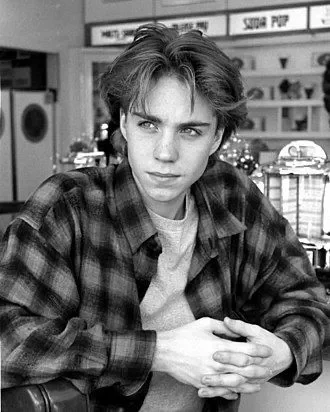
Jonathan Brandis
Born13 Apr, 1976
Died12 Nov, 2003
NationalityAmerican
Age at time of death27

Anton Yelchin
Born11 Mar, 1989
Died19 Jun, 2016
NationalityAmerican
Age at time of death27

Chester Bennington
Born20 Mar, 1976
Died20 Jul, 2017
NationalityAmerican
Age at time of death41
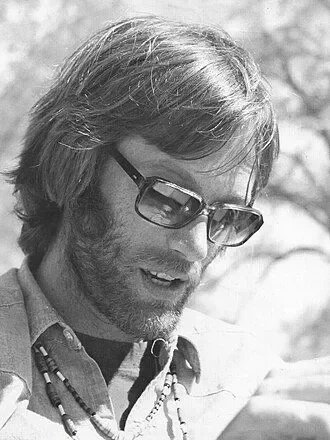
Peter Fonda
Born23 Feb, 1940
Died16 Aug, 2019
NationalityAmerican
Age at time of death79
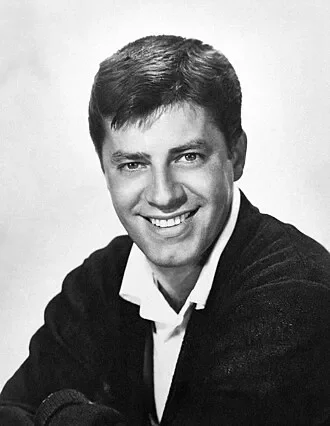
Jerry Lewis
Born16 Mar, 1926
Died20 Aug, 2017
NationalityAmerican
Age at time of death91
Marlon Brando
Born03 Apr, 1924
Died01 Jul, 2004
NationalityAmerican
Age at time of death80
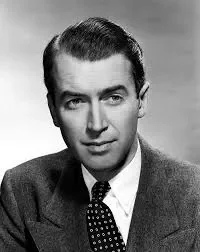
James Stewart
Born20 May, 1908
Died02 Jul, 1997
NationalityAmerican
Age at time of death89

Cory Monteith
Born11 May, 1982
Died13 Jul, 2013
NationalityCanadian
Age at time of death31
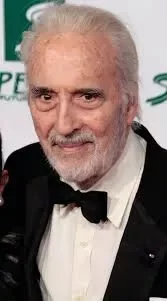
Christopher Lee
Born27 May, 1922
Died07 Jun, 2015
NationalityBritish
Age at time of death93
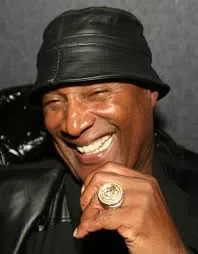
Paul Mooney
Born04 Aug, 1941
Died19 May, 2021
NationalityAmerican
Age at time of death79
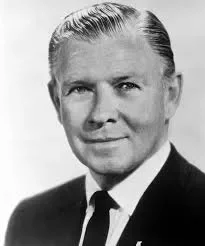
George Murphy
Born04 Jul, 1902
Died03 May, 1992
NationalityAmerican
Age at time of death89

Fred Ward
Born30 Dec, 1942
Died08 May, 2022
NationalityAmerican
Age at time of death79
Frank Sinatra
Born12 Dec, 1915
Died14 May, 1998
NationalityAmerican
Age at time of death82

Eric Morecambe
Born14 May, 1926
Died28 May, 1984
NationalityBritish
Age at time of death58

DMX
Born18 Dec, 1970
Died09 Apr, 2021
NationalityAmerican
Age at time of death50
Alfred Hitchcock
Born13 Aug, 1899
Died29 Apr, 1980
NationalityAmerican, British
Age at time of death80