Real Celebrities Never Die!
OR
Search For Past Celebrities Whose Birthday You Share
Died Age: 92
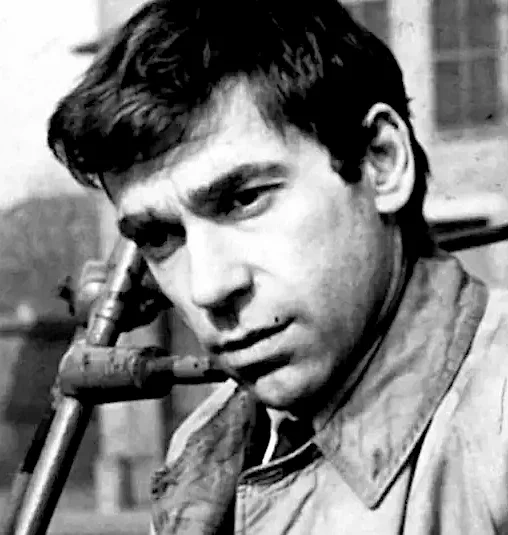
wikimedia.org
Roland Curram
Birthday:
06 Jun, 1932
Date of Death:
01 Jun, 2025
Cause of death:
Prostate Cancer
Nationality:
English
Famous As:
Author
Age at the time of death:
92
Roland Kingsford Bernard Curram's Quote's

“To enter the gay world after 21 years of a happy heterosexual marriage requires, to say the least, a little re‑adjustment.”
Roland Kingsford Bernard Curram
🔗 deadcelebrityhub.com
Early Life: Brighton Roots from Repertory to Recognition
Roland Curram was an actor whose elegance belied a rebellious spirit. With polished charm, emotional clarity, and intellectual poise, he transcended the confines of typecasting—taking roles that harbored nuance, identity, and quiet courage. His journey from classical actor to celebrated novelist mirrored a life defined by reinvention, integrity, and lifelong creativity.
Born in Brighton in 1932, Roland grew up raised by a pub-keeping mother and an insurance agent father who died when Roland was just seven. Evacuated to Scotland during the war, he developed early resilience before returning south for formal schooling. At 16, he earned a place at RADA and began performing in repertory theaters across England, laying the foundation for a versatile career in stage, screen, and beyond.
Education: From Belfast Repertory to Royal Shakespeare Company
There was little in Roland’s formal schooling that foreshadowed his future range. Yet each performance in repertory company—whether playing Brixton’s working-class dramatics or East End scrappy roles—shaped his instinct for character. His disciplined training and early touring experience underpinned a classical sensibility that made his transition into prestigious venues like the Royal Shakespeare Company and the West End both natural and inevitable.
Career Journey
Phase One: Film’s Subtext and Novels of Subversion
Roland first caught international attention in the mid-1960s with a tasteful portrayal of Malcolm, the effete photographer traveling with Julie Christie in a pivotal film that captured the mood of Swinging London. Though a supporting role, it revealed his acting range—and his capacity for emotional subtlety.
Phase Two: Television Trailblazer
On television, Roland was among the first on-screen Brits to portray gay characters with empathy and depth. As Freddie Martin in a 1990s soap, he embodied a reserved, middle-aged retiree grappling with identity—an early depiction that challenged mainstream norms and offered visibility during a period when representation was scarce.
His television roles spanned sitcoms, dramas, and comedies—from rigid neighbors in sitcoms to accident-prone eccentrics in cult series—each role informed by his light comedic touch and refined screen presence.
Phase Three: Stagecraft with Wit and Gravitas
His stage career was both varied and respected—from Tom Stoppard’s razor-sharp dialogue to Noël Coward’s urbane wit, he brought quiet authority to every role. Critics and directors praised the rare blend of intelligence and emotional sincerity he lent to classic and contemporary theatre alike.
Phase Four: Second Act as Novelist and Memoirist
After retiring from acting in the early 2000s, Roland turned to writing novels—exploring themes of family tension, sexuality, identity, and longing. He published several well-received books, including one candid memoir that recounts his personal journey of coming out after decades of marriage—a story both deeply honest and refreshingly humorous.
Personal Life: Grace, Courage, and Quiet Reinvention
Roland’s life lived at the intersection of personal transformation and public performance. Married for more than two decades to actress Sheila Gish, he fathered two daughters before later coming out as gay in the 1990s. He described the experience of navigating identity, love, and self-acceptance with a wry humor and generous spirit—qualities that moved readers and friends alike.
In later years he formed meaningful relationships, first entering a civil partnership, and later building a peaceful home life in west London with a longtime companion he met while traveling.
Final Chapter: A Gentle Goodbye
Roland Curram passed away at the age of 92 in mid 2025, leaving behind a lifetime of art, honesty, and adaptability. Even into his nineties, he remained engaged with theatre openings, literary circles, and admirers who called him “the theatre to his soul.” He left behind two daughters, grandchildren, and a legacy of roles that often challenged perceptions while honoring humanity.
Legacy: Elegance of Expression, Bravery of Truth
Roland Curram’s career reminds us that acting is as much about choosing roles as interpreting them. With emotional finesse, he navigated periods of rigid social norms and helped expand the portrayal of identity on screen. His books gave voice to personal evolutions—told with warmth and wit, even as they confronted loss and longing.
He taught that reinvention is not defeat, but an act of courage. That authenticity often begins later in life. And that representation—whether on stage, in film, or through memoir—can change expectations and open doors.
Roland Curram didn’t just play characters—he embodied questions, choices, and quiet courage. His life bridged eras, his work spanned genres, and his story reminds us that the richest roles can be lived offstage just as meaningfully as on.
Profile Snapshot
Name:
Roland Kingsford Bernard Curram
Popular Name:
Roland Curram
Gender:
Male
Cause of Death:
Prostate Cancer
Spouse:
Sheila Gish
Place of Birth:
London, England
Place of Death:
United Kingdom
Occupation / Profession:
Author
English actor
Personality Type
Mediator: Poetic, kind and altruistic people, always eager to help a good cause. Roland Curram is a thoughtful, expressive, and idealistic individual, guided by deep values and a desire to authentically connect through art and storytelling.
Roland Kingsford Bernard Curram's Interesting Facts
Besides acting, he is also an accomplished author, having written several novels.
He appeared in the classic film Alfie alongside Michael Caine.
Roland Curram is a British actor known for his role in the TV series Coronation Street.
Roland Curram was active in British television and theatre mainly during the 1960s and 1970s.
Achievements & Awards
He is best recognized for his acting roles in British film and television, particularly in the 1960s and 70s, rather than for formal accolades.
Roland Curram is not widely known for receiving major achievement awards in his career.
External Links
Additional Links
Latest Profiles
People also viewed
Eva Crane
Born12 Jun, 1912
Died06 Sep, 2007
NationalityBritish
Age at time of death95
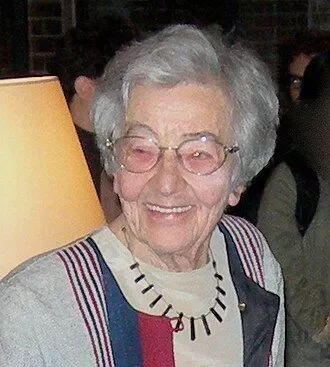
Ursula Franklin
Born16 Sep, 1921
Died22 Jul, 2016
NationalityGerman, Canadian
Age at time of death94
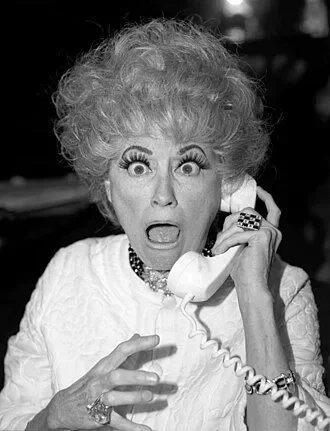
Phyllis Diller
Born17 Jul, 1917
Died20 Aug, 2012
NationalityAmerican
Age at time of death95
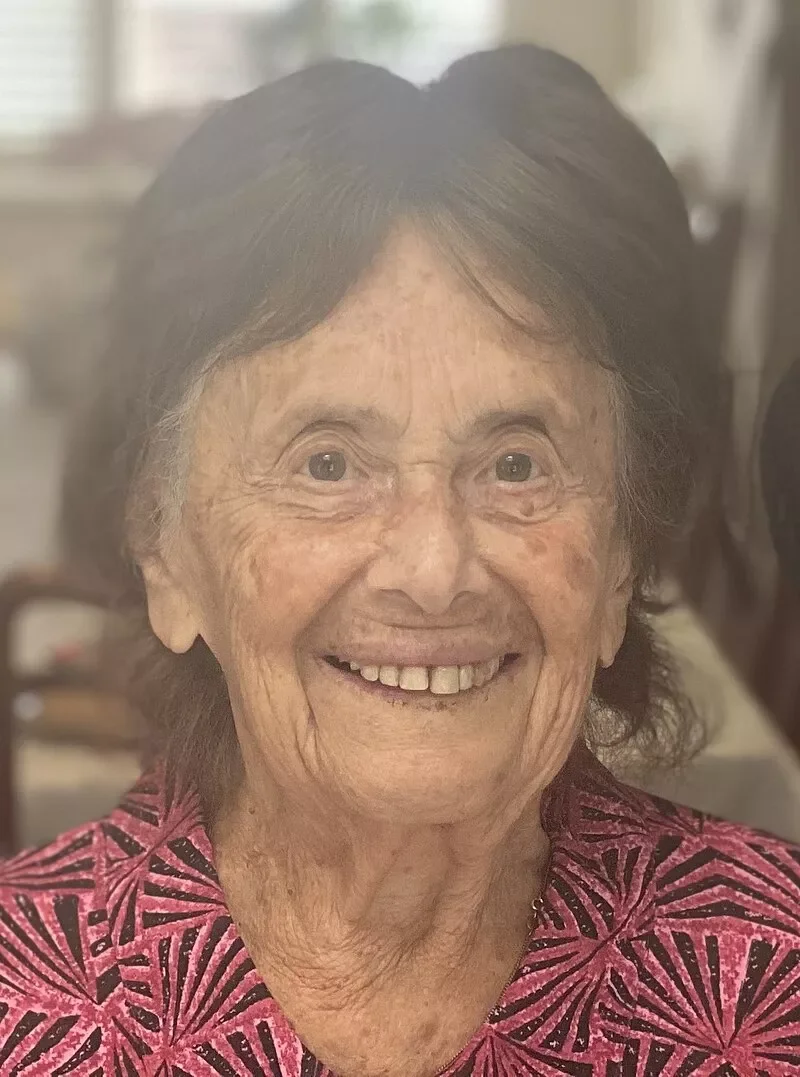
Lily Ebert
Born29 Dec, 1923
Died09 Oct, 2024
NationalityHungarian, British
Age at time of death100
Jonas Cohn
Born01 Dec, 1869
Died28 Jan, 1947
NationalityGerman
Age at time of death77
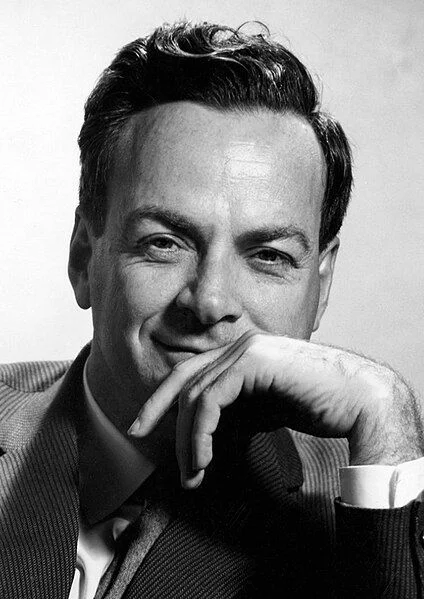
Richard Feynman
Born11 May, 1918
Died15 Feb, 1988
NationalityAmerican
Age at time of death69
Marshall Brain
Born17 May, 1961
Died20 Nov, 2024
NationalityAmerican
Age at time of death63
Tina Turner
Born26 Nov, 1939
Died24 May, 2023
NationalityAfrican, American
Age at time of death83
Eric Morecambe
Born14 May, 1926
Died28 May, 1984
NationalityBritish
Age at time of death58
A. W. Tozer
Born21 Apr, 1897
Died12 May, 1963
NationalityAmerican, Canadian
Age at time of death66
P. T. Barnum
Born05 Jul, 1810
Died07 Apr, 1891
NationalityAmerican
Age at time of death80
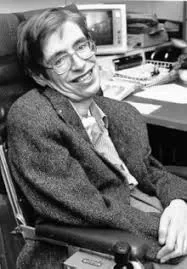
Stephen Hawking
Born08 Jan, 1942
Died14 Mar, 2018
NationalityEnglish
Age at time of death76
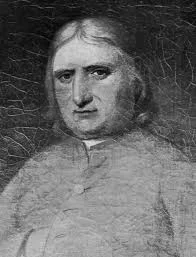
George Fox
Born04 Jul, 1624
Died13 Jan, 1691
NationalityEnglish
Age at time of death66
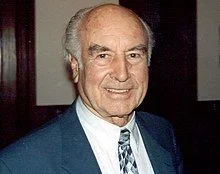
Albert Hofmann
Born11 Jan, 1906
Died29 Apr, 2008
NationalitySwiss
Age at time of death102
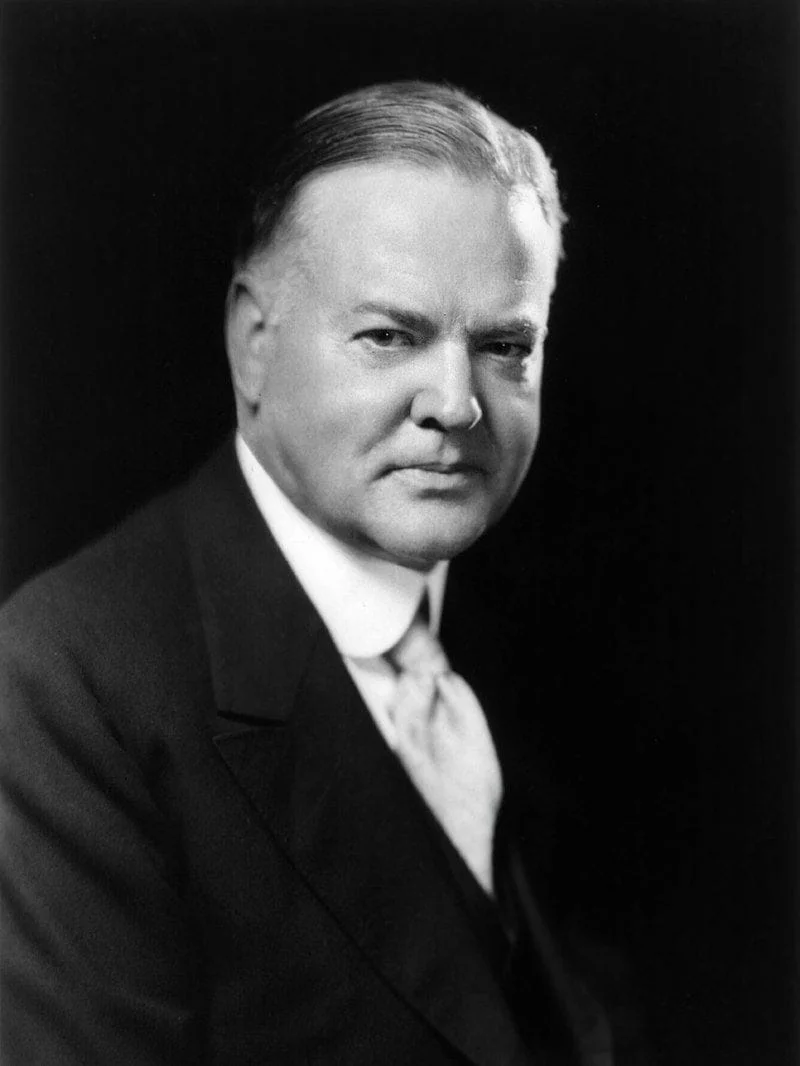
Herbert Hoover
Born10 Aug, 1874
Died20 Oct, 1964
NationalityAmerican
Age at time of death90
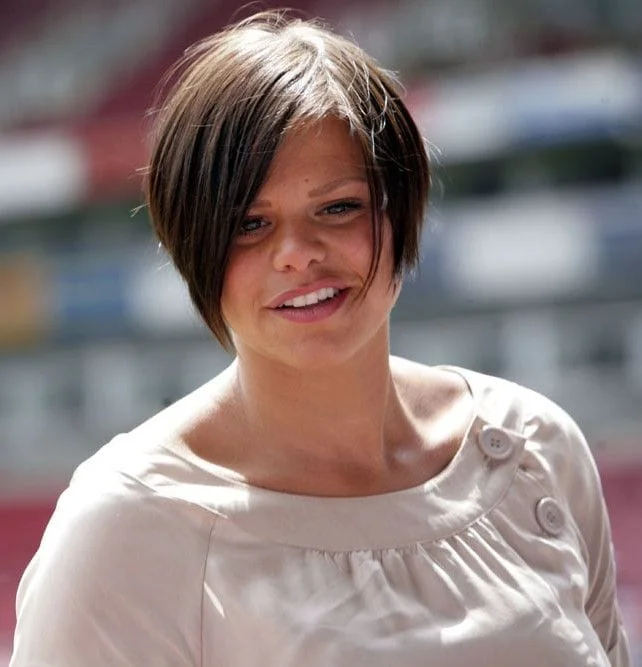
Jade Goody
Born05 Jun, 1981
Died22 Mar, 2009
NationalityBritish
Age at time of death27
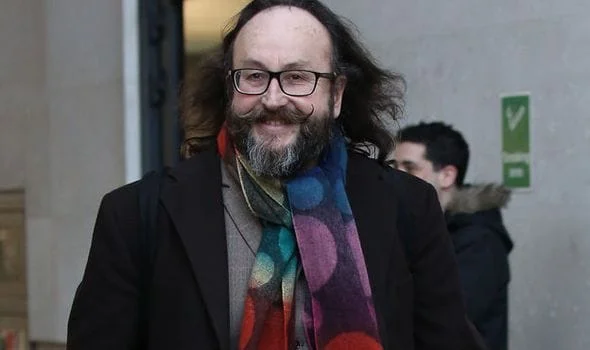
Dave Myers
Born08 Sep, 1967
Died28 Feb, 2024
NationalityBritish
Age at time of death56
Larry King
Born19 Nov, 1933
Died23 Jan, 2021
NationalityAmerican
Age at time of death87
Ruth Wakefield
Born17 Jun, 1903
Died10 Jan, 1977
NationalityAmerican
Age at time of death73
Carolyn Keene
Born20 Oct, 1925
Died28 May, 2002
NationalityAmerican
Age at time of death76