Real Celebrities Never Die!
OR
Search For Past Celebrities Whose Birthday You Share
Died Age: 69
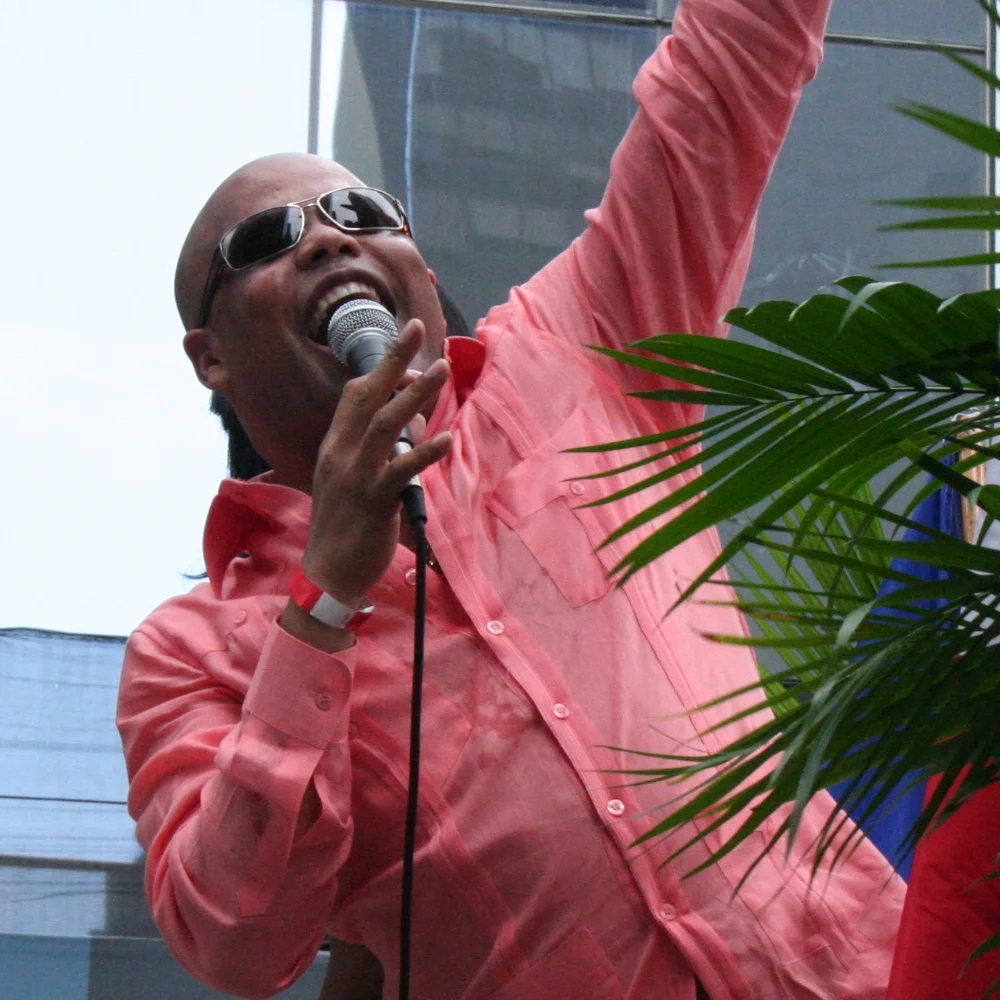
wikipedia
Rubby Pérez
Birthday:
08 Mar, 1956
Date of Death:
08 Apr, 2025
Cause of death:
Roof Collapse
Nationality:
Dominican
Famous As:
Singer
Age at the time of death:
69
Roberto Antonio Pérez Herrera's Quote's

“On stage, I forget everything except the love of the people.”
Roberto Antonio Pérez Herrera
🔗 deadcelebrityhub.com
Early Life: A Future Rewritten by Tragedy
In the electrifying world of merengue, few voices soar with as much power, soul, and resilience as that of Rubby Pérez. Known for his velvet tenor and infectious charisma, Rubby isn’t just a star of Dominican music—he's a symbol of triumph over adversity. With every note, he carries the rhythms of his homeland, the weight of personal struggle, and the joy of a people who dance through hardship.
From his days as a standout voice in Wilfrido Vargas’s legendary band to a solo career that redefined modern merengue, Rubby Pérez didn’t just perform—he elevated, inspired, and united. His music has crossed oceans and generations, but his story begins with a life-altering twist of fate.
Born Roberto Antonio Pérez Herrera on March 8, 1956, in Haina, Dominican Republic, Rubby’s early life was shaped by modest surroundings and dreams of athletic glory. As a teenager, he was a promising baseball player—a natural athlete with professional potential. But a devastating car accident changed everything. The crash left him with a severe leg injury, ending his sports aspirations permanently.
Yet where one dream ended, another unexpectedly began.
Trivia: Despite his eventual fame as a singer, Rubby initially pursued accounting after the accident, thinking music was too far-fetched a career.
Education: Finding His Voice at the Conservatory
After his injury, Rubby turned his energy toward music, enrolling at the National Conservatory of Music in Santo Domingo. There, he discovered not only his passion but his purpose. He trained rigorously in vocal performance and music theory, developing a rare control and range that would later define his signature sound.
The conservatory became a place of reinvention—a sanctuary where Rubby traded the bat for the microphone and began the slow, determined rise toward stardom.
Career Journey: From Ensemble Stardom to Merengue Royalty
The Wilfrido Vargas Years: A Star is Born
In the late 1970s, Rubby joined Wilfrido Vargas y sus Beduinos, one of the most influential merengue bands of the time. With his striking vocals, Rubby quickly became a standout, lending his voice to iconic hits like “El Africano,” “Volveré,” and “Cobarde Cobarde.” His interpretations weren’t just technically strong—they were emotionally charged, fusing joy and pain into every verse.
It was in this era that Rubby Pérez became a household name in the Dominican Republic and beyond.
Fun Fact: “Volveré,” with Rubby on vocals, became one of the first Dominican merengue songs to break into broader Latin American markets, signaling the genre’s global potential.
Solo Ascent: Voice of the People
In 1987, Rubby Pérez launched his solo career—an ambitious move that would ultimately cement his legend. His debut solo album was a critical and commercial success, featuring heartfelt hits like “Buscando Tus Besos” and “Enamorado De Ella.” These songs fused classic merengue rhythms with romantic lyricism, giving birth to a more melodic, emotional brand of merengue.
Throughout the 1990s and early 2000s, Rubby released a string of beloved albums and earned recognition not just as a performer but as a storyteller and cultural ambassador.
Later Career: Awards, Activism, and Continued Impact
Rubby’s later years saw him evolve into a respected elder statesman of merengue. He received numerous accolades, including Premios Casandra and international honors for lifetime achievement. He has also spoken out on issues like disability awareness and perseverance, often drawing from his own story to inspire others.
Despite changes in the music industry, Rubby has remained relevant—releasing new music, collaborating with younger artists, and performing across Latin America and the U.S.
Personal Life: Faith, Family, and Quiet Strength
Rubby is known for his deep faith and his commitment to family. He has often credited his Christian beliefs as a source of strength and healing after his accident and throughout the challenges of fame. Away from the spotlight, he lives a relatively private life, preferring quiet reflection over the glitz of celebrity.
He is also an advocate for accessibility and has spoken about the challenges faced by people with disabilities, always reinforcing the power of persistence and inner belief.
Legacy: More Than a Voice—A Survivor, a Symbol, a Star
Rubby Pérez’s legacy is defined not only by his music but by his message. He proved that tragedy does not mean defeat—that the human voice, when filled with heart and purpose, can transcend any obstacle. For fans of merengue, he is a pillar of the genre; for fellow Dominicans, a source of national pride; and for those who have faced setbacks, a beacon of what’s possible.
Profile Snapshot
Name:
Roberto Antonio Pérez Herrera
Popular Name:
Rubby Pérez
Gender:
Male
Cause of Death:
Roof Collapse
Spouse:
Inés Lizardo
Place of Birth:
Bajos de Haina, San Cristóbal Province, Dominican Republic
Place of Death:
Santo Domingo, Dominican Republic
Occupation / Profession:
Singer
Personality Type
Entertainer Spontaneous, energetic and enthusiastic people – life is never boring around them. Rubby Pérez was a charismatic, energetic entertainer who lit up every stage with his vibrant presence, heartfelt passion, and effortless connection with audiences.
Roberto Antonio Pérez Herrera's Interesting Facts
He lost vision in one eye due to a car accident, but that didn't stop him from pursuing his passion for music.
His solo hits like "Love Her" and "Volveré" made him one of the most recognized merengue artists in Latin America.
Rubby Pérez was the lead vocalist for the famous Dominican merengue band Wilfrido Vargas before launching a successful solo career.
Rubby studied music at the National Conservatory of Santo Domingo, showing his dedication to mastering his craft.
Achievements & Awards
Rubby Pérez has received several prestigious honors, including awards for “Orchestra of the Year” and “Merengue of the Year,” recognizing his impact on merengue music in the Dominican Republic. His debut solo album Buscando Tus Besos achieved gold and platinum status in Venezuela, and he found success on Billboard’s Latin and Tropical charts with both albums and singles.
External Links
Latest Profiles
People also viewed
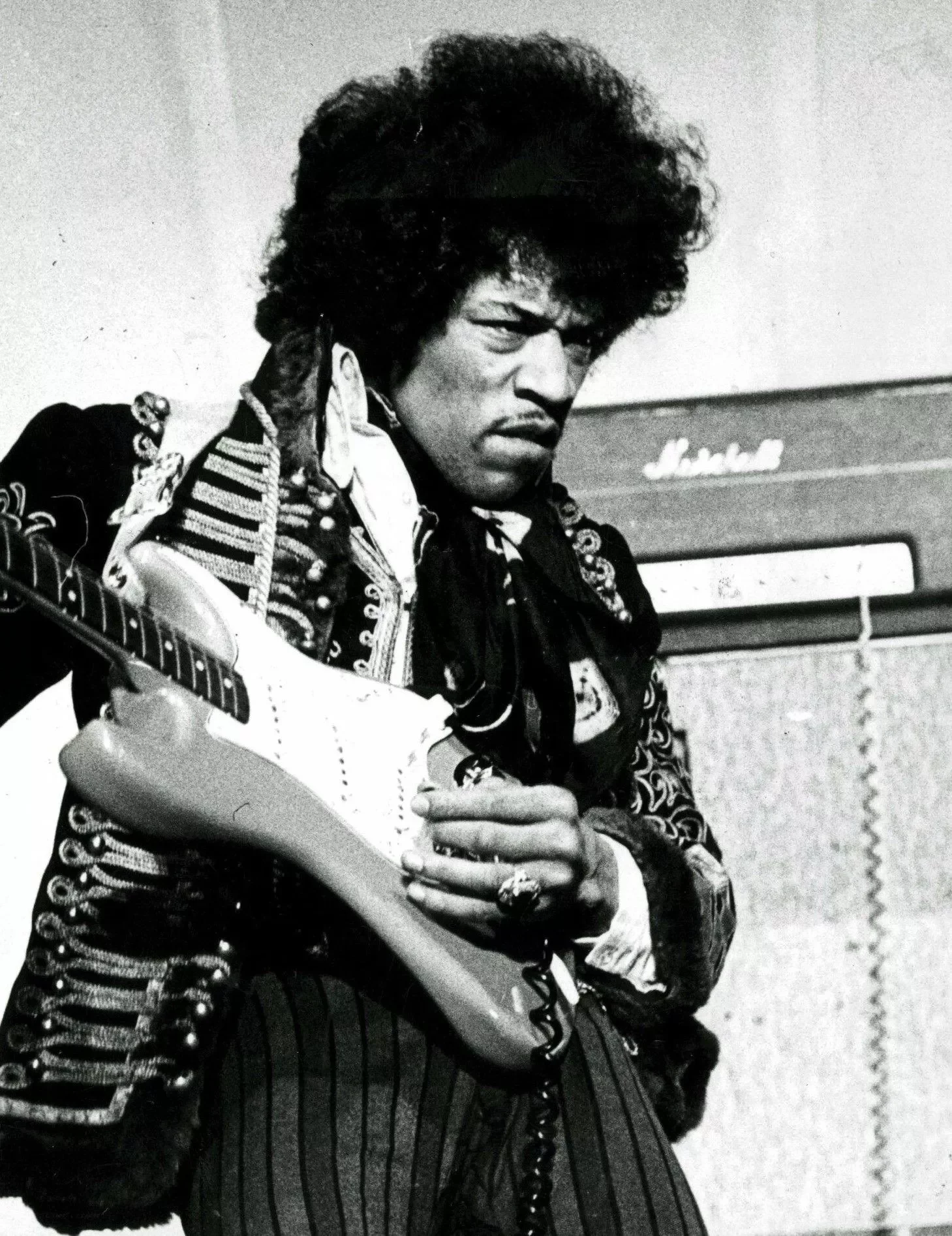
Jimi Hendrix
Born27 Nov, 1942
Died18 Sep, 1970
NationalityAmerican
Age at time of death27
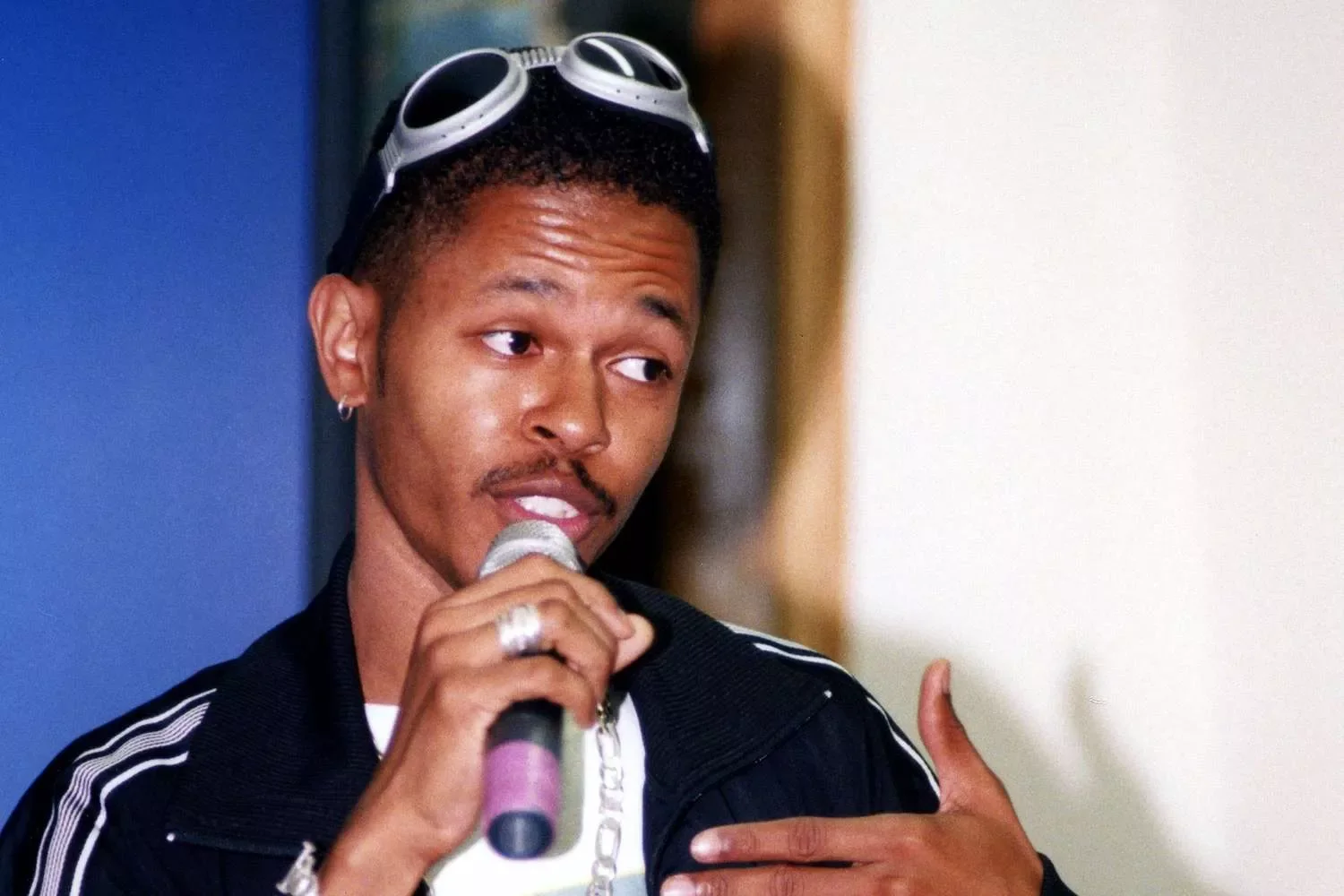
Jesse Powell
Born12 Sep, 1971
Died13 Sep, 2022
NationalityAmerican
Age at time of death51
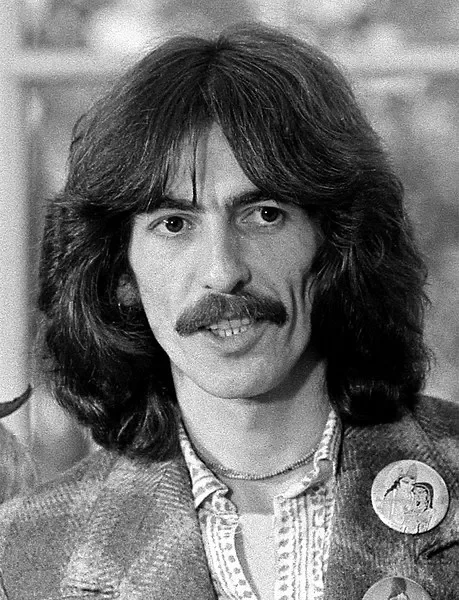
George Harrison
Born25 Feb, 1943
Died29 Nov, 2001
NationalityBritish
Age at time of death58
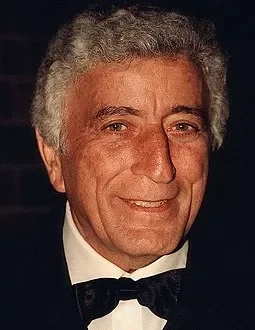
Tony Bennett
Born03 Aug, 1926
Died21 Jul, 2023
NationalityAmerican
Age at time of death96
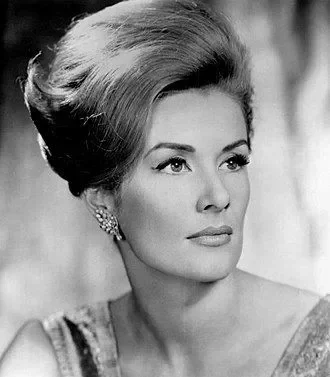
Sally Ann Howes
Born20 Jul, 1930
Died19 Dec, 2021
NationalityBritish, American
Age at time of death91
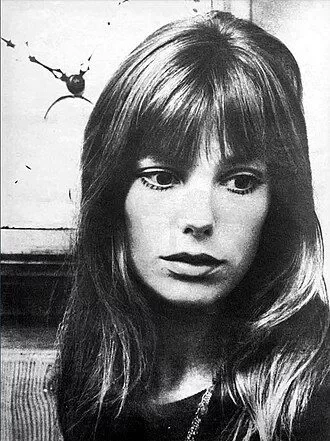
Jane Birkin
Born14 Dec, 1946
Died16 Jul, 2023
NationalityBritish, French
Age at time of death76
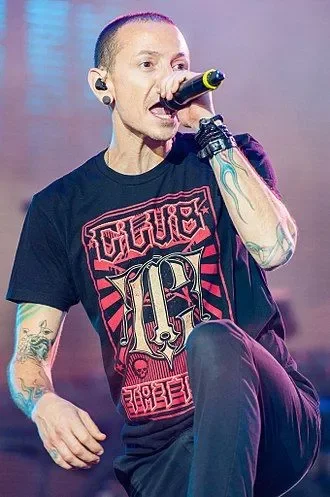
Chester Bennington
Born20 Mar, 1976
Died20 Jul, 2017
NationalityAmerican
Age at time of death41

Lupe Vélez
Born18 Jul, 1908
Died14 Dec, 1944
NationalityMexican
Age at time of death36
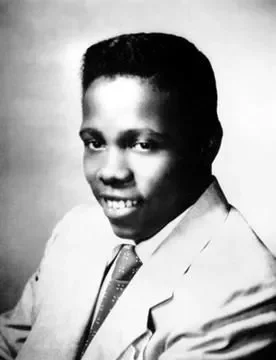
Johnny Ace
Born09 Jun, 1929
Died25 Dec, 1954
NationalityAmerican
Age at time of death25

Vera-Ellen
Born16 Feb, 1921
Died30 Aug, 1981
NationalityAmerican German
Age at time of death60
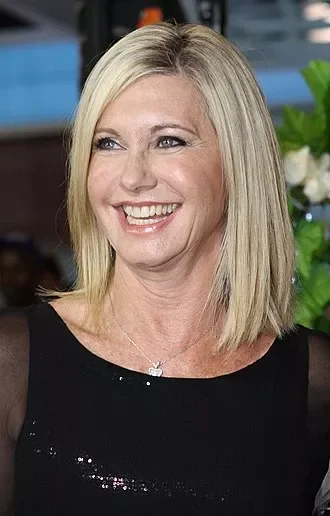
Olivia Newton-John
Born26 Sep, 1948
Died08 Aug, 2022
NationalityBritish, Australian
Age at time of death73
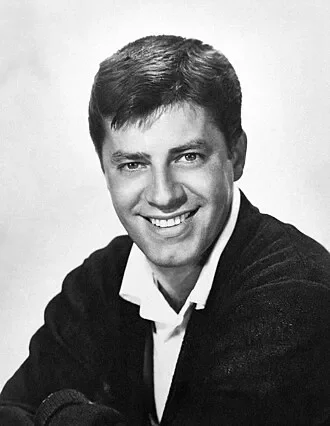
Jerry Lewis
Born16 Mar, 1926
Died20 Aug, 2017
NationalityAmerican
Age at time of death91
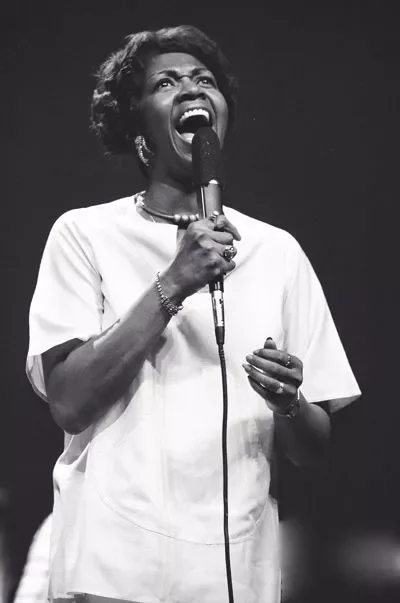
Cissy Houston
Born30 Sep, 1933
Died07 Oct, 2024
NationalityAmerican
Age at time of death91

Mary Martin
Born01 Dec, 1913
Died03 Nov, 1990
NationalityAmerican
Age at time of death76
Jim Morrison
Born08 Dec, 1943
Died03 Jul, 1971
NationalityAmerican
Age at time of death27

Christopher Lee
Born27 May, 1922
Died07 Jun, 2015
NationalityBritish
Age at time of death93
Biz Markie
Born08 Apr, 1964
Died16 Jul, 2021
NationalityAmerican
Age at time of death57
Billie Holiday
Born07 Apr, 1915
Died17 Jul, 1959
NationalityAmerican
Age at time of death44
Barry White
Born12 Sep, 1944
Died04 Jul, 2003
NationalityAmerican
Age at time of death58
Tina Turner
Born26 Nov, 1939
Died24 May, 2023
NationalityAfrican, American
Age at time of death83