Real Celebrities Never Die!
OR
Search For Past Celebrities Whose Birthday You Share
Died Age: 81
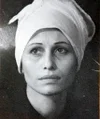
mubi.com
Rumena Trifonova
Birthday:
17 May, 1944
Date of Death:
21 Jul, 2025
Cause of death:
Unknown
Nationality:
Bulgarian
Famous As:
Actress
Age at the time of death:
81
Early Life and Beginnings
Rumena Trifonova was a Bulgarian actress whose warmth, versatility, and enduring dedication made her a beloved presence both on stage and in film. With a career spanning decades and a talent for inhabiting a wide range of characters, she built a legacy rooted in commitment, craft, and quiet charisma.
Rumena Georgieva Trifonova was born on May 18, 1944, in the small town of Gabrovo, Bulgaria. Growing up in a modest Bulgarian setting of the post-war era, her early surroundings likely instilled in her a grounded sense of identity. Though detailed public records don’t dwell heavily on her childhood memories, what emerges clearly is a young woman drawn to the performing arts — a calling that would shape the rest of her life.
Her decision to pursue acting suggests that from an early age she gravitated toward expression and storytelling — whether driven by curiosity, natural talent, or a love for human drama. That quiet pull toward performing would define her path.
Education: Entering the World of Art
In 1970, Rumena Trifonova graduated from the Krastyo Sarafov National Academy for Theatre and Film Arts in Sofia, earning a degree in acting. This milestone marked her formal entry into the world of theatre and film, equipping her with the craft and discipline to bring characters to life.
Her time at the Academy would have immersed her in classical and contemporary theatre traditions, shaping both her technique and her understanding of dramatic storytelling — foundations that would serve her throughout her long career.
Career Journey
Early Career: From Stage to Screen
After graduating, Rumena began her professional journey in theatre. Between 1970 and the mid-1970s, she worked in various regional theatres — from the Drama Theatre in Lovech to the Puppet Theatre in Pazardzhik. These early years saw her honing her skills across different formats, learning the rhythms of stage work, and experimenting with roles that tested her versatility.
Her initial theatre experience laid the groundwork for a transition to film — a move many actors find challenging, but one she navigated with ease.
Major Breakthrough: Film Success and Recognition
A defining moment came with her role as the singing teacher Dilyanska in the 1971 film Porcupines Are Born Without Bristles. That role introduced her to a broader audience and demonstrated her ability to capture subtlety and presence on film.
Over the years, she built a substantial filmography, appearing in titles like Measure for Measure (1981), The Guardian of the Dead, Return, Death of a Rabbit, and many others.
At the same time, she never left the theatre entirely: she returned to the stage at various points, performing in plays such as At the Crossroads, Vacation in Arco Iris, Albena and The Prosecutor — works that showcased her dramatic depth and ability to navigate both comedic and serious roles.
Later Career — Sustained Craft and Respect
Through the 1980s, 1990s, and into the 2000s, Rumena maintained a steady presence in both Bulgarian theatre and cinema. Her continued work in film and theatre speaks to her resilience in a challenging profession and to her commitment to art regardless of fame or acclaim. Even decades after her debut, she remained a credible, vital actress — a testament to her talent and perseverance.
Personal Life
Beyond her public life on stage and screen, Rumena’s personal story was quieter and more private. She was once married to fellow actor Dimitar Elenov; together they had at least one child.
While details of her personal hobbies or daily life remain sparing in public records, one senses in her long career — and in her willingness to shift between theatre and film — a person deeply devoted to her craft, perhaps more at home under stage lights than in public spotlight. That devotion suggests a life lived with integrity, passion, and dignity.
Legacy: What Rumena Trifonova Leaves Behind
When Rumena Trifonova passed away on July 22, 2025, at age 81, the Bulgarian arts community lost a quiet stalwart — a woman who carried decades of theatrical and cinematic history in her voice, her presence, and her craft.
She is remembered not only for iconic film roles like in Porcupines Are Born Without Bristles, but also for her breadth of work — from small regional theatres to major films. Her journey from a modest upbringing in Gabrovo to the stages and screens of Bulgaria stands as a testament to the power of dedication, training, and artistic integrity.
Rumena’s legacy lies in the sincerity of her performances, her enduring presence in Bulgarian culture, and the inspiration she offers to those who believe in theatre and cinema as more than entertainment — as vehicles for empathy, reflection, and connection.
In the end, Rumena Trifonova’s story is one of a life devoted to art, marked by perseverance, dignity, and a quiet brilliance that continues to resonate long after her final curtain.
Profile Snapshot
Name:
Rumena Georgieva Trifonova
Popular Name:
Rumena Trifonova
Gender:
Female
Cause of Death:
Unknown
Spouse:
Dimitar Elenov
Place of Birth:
Gabrovo, Bulgaria
Place of Death:
Sofya (Sofia), Bulgaria
Occupation / Profession:
Actress
Personality Type
Entertainer: Rumena Trifonova carried her craft with quiet dedication, letting the sincerity of her performances speak louder than any need for fame or spotlight.
Rumena Georgieva Trifonova's Interesting Facts
The 1971 film in which she had a notable part, Porcupines Are Born Without Bristles, served as Bulgaria’s official submission to the Academy Awards for Best Foreign Language Film (44th Academy Awards).
Achievements & Awards
She is widely remembered for her film role as the singing teacher Dilyanska in the 1971 comedy Porcupines Are Born Without Bristles, a film that was entered at the 1972 Melbourne International Film Festival and selected as Bulgaria’s submission for the 44th Academy Awards.
Across decades, she returned repeatedly to the stage, performing in regional and national theatres and in plays such as Albena, At the Crossroads, and The Prosecutor, demonstrating a range from comedy to serious drama.
Her recognition is primarily reflected in the longevity and breadth of her stage and screen work.
External Links
Additional Links
Latest Profiles
People also viewed
Sally Ann Howes
Born20 Jul, 1930
Died19 Dec, 2021
NationalityBritish, American
Age at time of death91
Olivia de Havilland
Born01 Jul, 1916
Died26 Jul, 2020
NationalityBritish, American
Age at time of death104
Jane Birkin
Born14 Dec, 1946
Died16 Jul, 2023
NationalityBritish, French
Age at time of death76
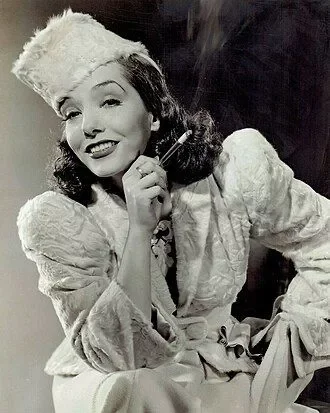
Lupe Vélez
Born18 Jul, 1908
Died14 Dec, 1944
NationalityMexican
Age at time of death36
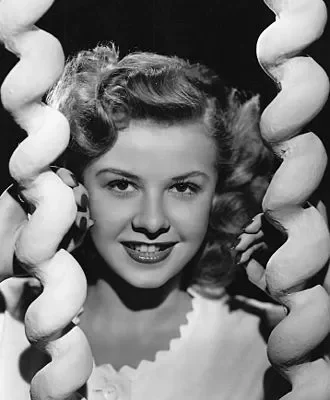
Vera-Ellen
Born16 Feb, 1921
Died30 Aug, 1981
NationalityAmerican German
Age at time of death60
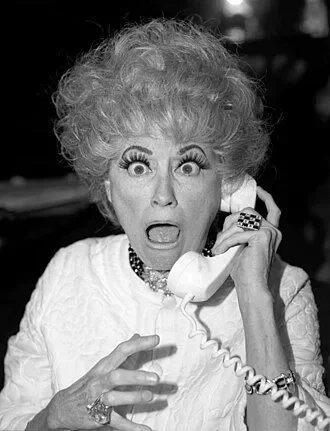
Phyllis Diller
Born17 Jul, 1917
Died20 Aug, 2012
NationalityAmerican
Age at time of death95
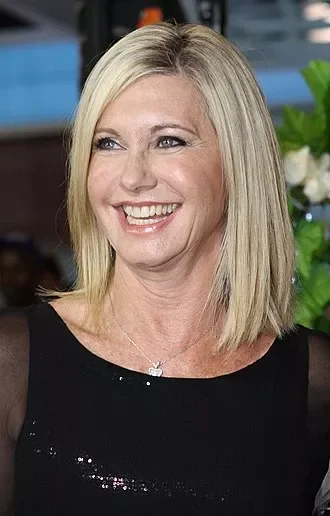
Olivia Newton-John
Born26 Sep, 1948
Died08 Aug, 2022
NationalityBritish, Australian
Age at time of death73
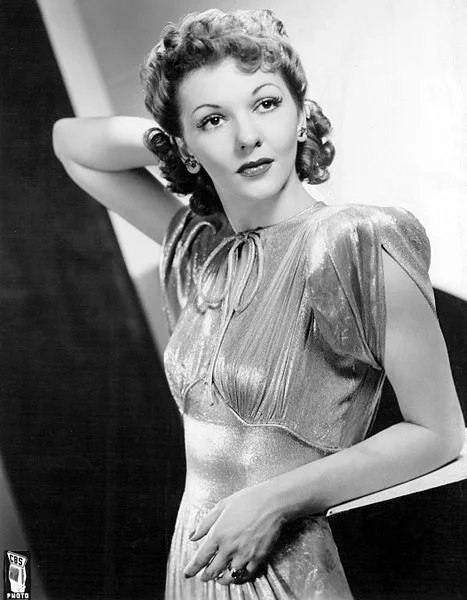
Mary Martin
Born01 Dec, 1913
Died03 Nov, 1990
NationalityAmerican
Age at time of death76
Tina Turner
Born26 Nov, 1939
Died24 May, 2023
NationalityAfrican, American
Age at time of death83
Tawny Kitaen
Born05 Aug, 1961
Died07 May, 2021
NationalityAmerican
Age at time of death59
Gloria Swanson
Born27 Mar, 1899
Died04 Apr, 1983
NationalityAmerican
Age at time of death84
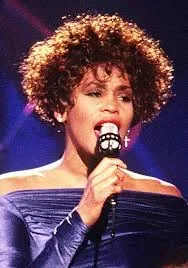
Whitney Houston
Born09 Aug, 1963
Died11 Feb, 2012
NationalityAmerican
Age at time of death48

Caroline Flack
Born09 Nov, 1979
Died15 Feb, 2020
NationalityBritish
Age at time of death40
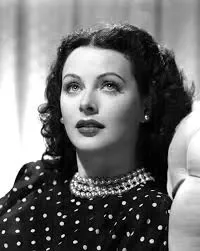
Hedy Lamarr
Born09 Nov, 1914
Died19 Jan, 2000
NationalityAmerican
Age at time of death85
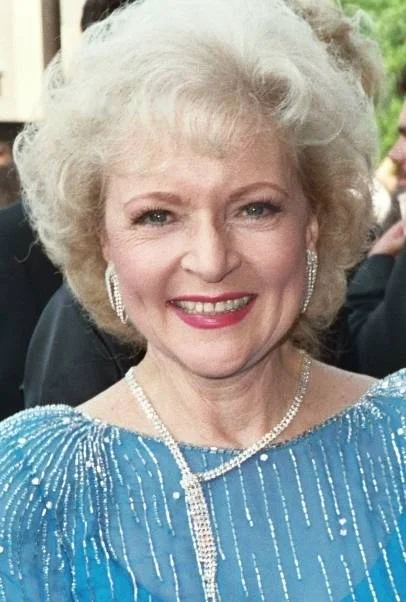
Betty White
Born30 Nov, 1922
Died31 Dec, 2021
NationalityAmerican
Age at time of death99

Grace Bradley
Born21 Sep, 1913
Died21 Sep, 2010
NationalityAmerican
Age at time of death97

Brittany Murphy
Born10 Nov, 1977
Died20 Dec, 2009
NationalityAmerican
Age at time of death32
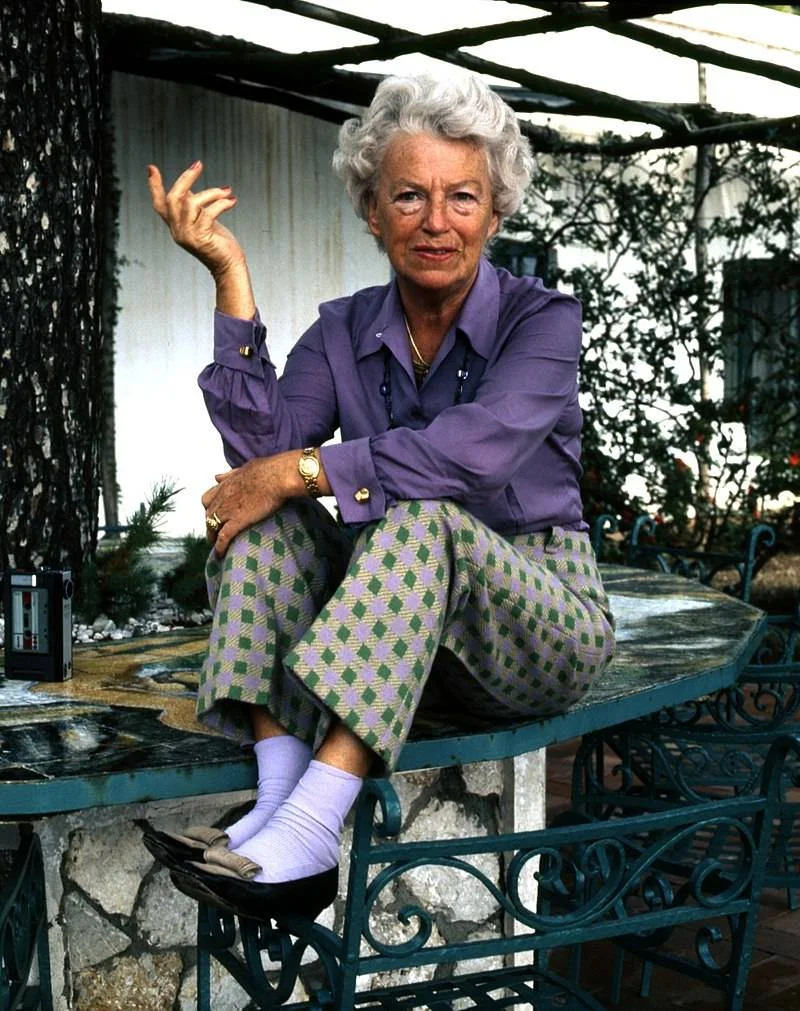
Gracie Fields
Born09 Jan, 1898
Died27 Sep, 1979
NationalityBritish, Italian
Age at time of death81
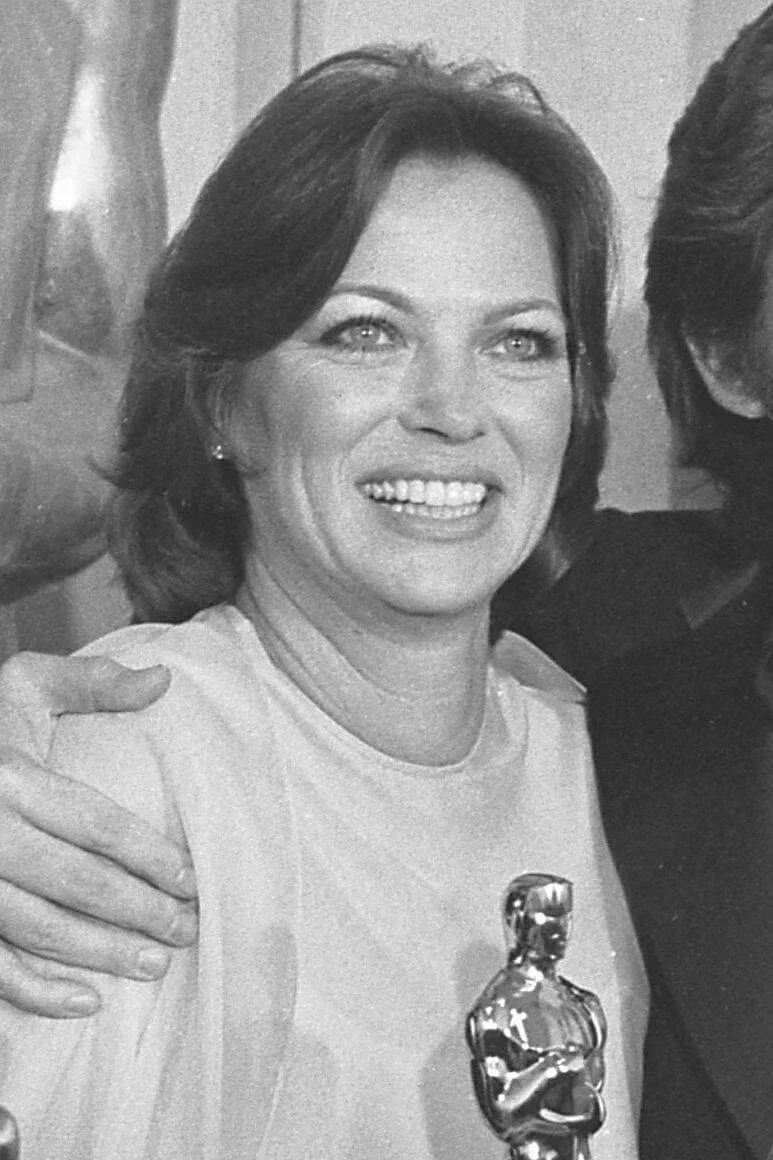
Louise Fletcher
Born22 Jul, 1934
Died23 Sep, 2022
NationalityAmerican
Age at time of death88
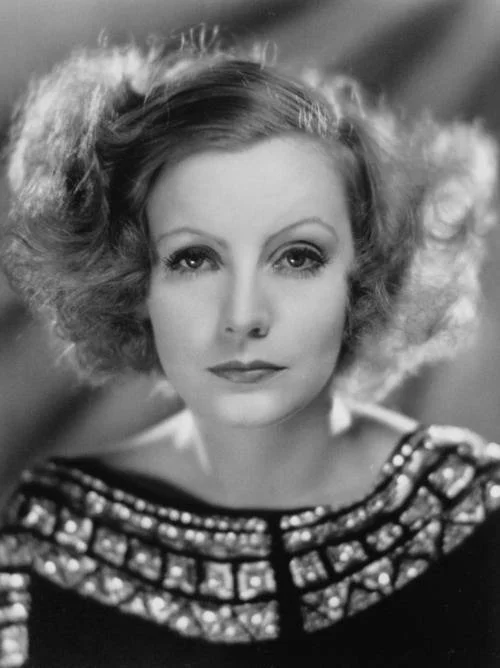
Greta Garbo
Born18 Sep, 1905
Died15 Apr, 1990
NationalitySwedish, American
Age at time of death84