Real Celebrities Never Die!
OR
Search For Past Celebrities Whose Birthday You Share
Died Age: 83
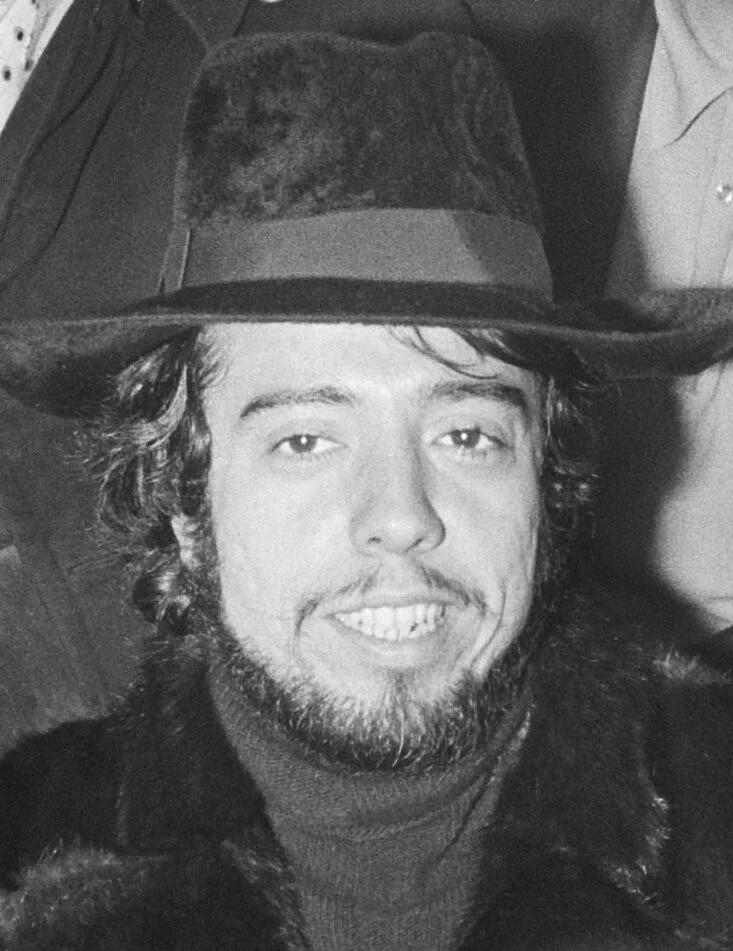
wikimedia.org
Sérgio Mendes
Birthday:
11 Feb, 1941
Date of Death:
05 Sep, 2024
Cause of death:
COVID-19
Nationality:
Brazilian
Famous As:
Bandleader
Age at the time of death:
83
Sérgio Santos Mendes's Quote's

“The joy of creating is what keeps me going.”
Sérgio Santos Mendes
🔗 deadcelebrityhub.com
Sérgio Mendes: Early Life and Family Background
Sérgio Santos Mendes came into the world on February 11, 1941, in Niterói, Brazil. He grew into a musical legend whose career stretched over six incredible decades. Famous for mixing bossa nova, samba, jazz, and pop into a sound that reached every corner of the globe, Mendes became a giant in Brazilian music. His path from a small Brazilian town to worldwide stardom is all about grit, fresh ideas, and sharing his culture with the world. Mendes grew up in a well-off family in Niterói, right across Guanabara Bay from Rio de Janeiro. His dad, a strict doctor, was all about discipline, while his mom sparked his love for music early on. Even though scoliosis forced him into a body cast for much of his childhood, Mendes found comfort at the piano. Stuck in that cast, he’d spend hours playing, honing the skills that would carry him far. He started out studying classical piano at the local conservatory, dreaming of being a concert pianist. But then he heard Dave Brubeck’s Take Five, and jazz flipped his world upside down. That moment lit a fire in him, pulling him into Rio de Janeiro’s buzzing music scene just as bossa nova was taking off.
Formative Years and Musical Beginnings
As a teen, Mendes started jamming with friends like bassist Tião Neto, forming jazz combos and playing around Niterói. He’d sneak off to Rio’s hot clubs, soaking up new sounds and rubbing elbows with icons like Antônio Carlos Jobim and João Gilberto. In 1961, he dropped his first album, Dance Moderno, showing off his knack for weaving Brazilian beats with jazz vibes. Things really took off when he played Carnegie Hall’s bossa nova festival in 1962. After that, he hit the road through Europe and the U.S., cutting records with jazz legends like Cannonball Adderley and Herbie Mann. In 1964, with Brazil’s military dictatorship stirring up trouble, Mendes packed up and moved to the States, kicking off his global adventure.
Personal Life
Sérgio Mendes tied the knot with Gracinha Leporace in 1964. She wasn’t just his wife—she was his musical partner in crime, singing with him in Brasil ’66 and lending her voice to tons of his work. They had two kids, Tiago and Gustavo, and Mendes had three more—Bernardo, Rodrigo, and Isabella—from an earlier marriage. Offstage, he was all warmth and down-to-earth charm. Mendes often said Gracinha’s steady support and talent were everything to him. He called their bond “magical” in interviews, and you could feel it.
Professional Career and Achievements
Mendes hit the big time in 1966 when he put together Brasil ’66 with singers Lani Hall and Karen Philipp. Their smash hit “Mas Que Nada” took the world by storm, opening doors for Brazilian music in the West. With Herb Alpert backing him at A&M Records, Brasil ’66 soared with albums like Herb Alpert Presents Sergio Mendes & Brasil ’66. Their take on “The Look of Love” just sealed the deal. Over his career, Mendes put out more than 35 albums—lots of them went gold or platinum in the U.S. He snagged several Grammys, including Best World Music Album for Brasileiro in 1992. The guy could work with anyone, from Quincy Jones to will.i.am, always tweaking his sound for new fans. In 2006, he teamed up with the Black Eyed Peas to redo “Mas Que Nada” on Timeless, with Stevie Wonder and Justin Timberlake jumping in too. He even dipped into movie music, landing an Oscar nod in 2012 for “Real in Rio” from the animated flick Rio. Mendes had a gift for connecting cultures through his rhythms, making him Brazil’s musical ambassador to the world.
Contributions and Legacy
Sérgio Mendes shook up music big time. He brought bossa nova and samba to the global stage, mixing them effortlessly with jazz and pop. His tunes opened millions of ears to Brazilian culture and fired up musicians everywhere. His knack for teaming up across styles showed he could keep evolving without losing his roots. Beyond the notes, Mendes became a living emblem of Brazil’s vibrant heritage.
Death and Legacy
Sérgio Mendes left us on September 5, 2024, at 83, passing away at his Los Angeles home after a tough fight with long COVID. His family was by his side when he went, leaving behind a musical legacy that’s hard to top. After he passed, fans and fellow artists poured out love. Herb Alpert called him “a brother from another mother” who shared Brazil’s sound with such grace. Mendes’ last shows in late 2023—sellouts in Paris, London, and Barcelona—proved he still had that magic touch. His legacy shines on through classics like “Mas Que Nada,” timeless reminders of Brazilian music’s beauty and energy.
Profile Snapshot
Name:
Sérgio Santos Mendes
Popular Name:
Sérgio Mendes
Gender:
Male
Cause of Death:
COVID-19
Spouse:
Gracinha Leporace
Marci Porto
Place of Birth:
Niterói, Rio de Janeiro, Brazil
Place of Death:
Los Angeles, California, USA
Occupation / Profession:
Bandleader
Composer
Musician
Pianist
Personality Type
Campaigner Enthusiastic, creative and sociable free spirits, who can always find a reason to smile. Mendes’ innovative musical fusions, charisma, and collaborative spirit align with this personality type.
Sérgio Santos Mendes's Interesting Facts
He received an Academy Award nomination for Best Original Song for Real in Rio from the animated film Rio (2011).
He rose to international stardom with his group Brasil ’66, blending Brazilian rhythms with American pop and jazz, producing hits like Mas Que Nada.
Mendes has worked with a wide range of artists, from Frank Sinatra to Stevie Wonder, and even modern stars like The Black Eyed Peas, showing his cross-generational appeal.
Mendes originally trained to be a classical pianist.
Sérgio Mendes is a world-renowned Brazilian musician, composer, and bandleader best known for popularizing bossa nova and samba across the globe.
With a career spanning over six decades, Mendes remains one of Brazil’s most successful cultural ambassadors, bringing Latin music to audiences worldwide.
Achievements & Awards
Earned two Latin Grammys for Timeless (2006) and Bom Tempo (2010).
Led Brasil '66 to international fame with "Mas Que Nada" in 1966.
Nominated for an Oscar for "Real in Rio" (2012).
Won a Grammy for Best World Music Album for Brasileiro (1992).
External Links
Additional Links
https://biography.jrank.org/pages/3403/Mendes-S-rgio-1941-Musician.htmlhttps://jazziz.com/sergio-mendes-the-brazilian-maestro-who-transformed-global-music-1941-2024/https://www.last.fm/music/S%C3%A9rgio+Mendes+&+Brasil+'66/+wikihttps://www.latimes.com/entertainment-arts/music/story/2024-09-06/sergio-mendes-deadhttps://www.npr.org/2024/09/06/nx-s1-5103911/brazilian-music-legend-sergio-mendes-dies-at-83https://www.sergiomendesmusic.com/timelinehttps://www.sportskeeda.com/us/music/who-sergio-mendes-married-to-all-wife-50-years-kids-brazilian-legend-dies-aged-83
Latest Profiles
People also viewed
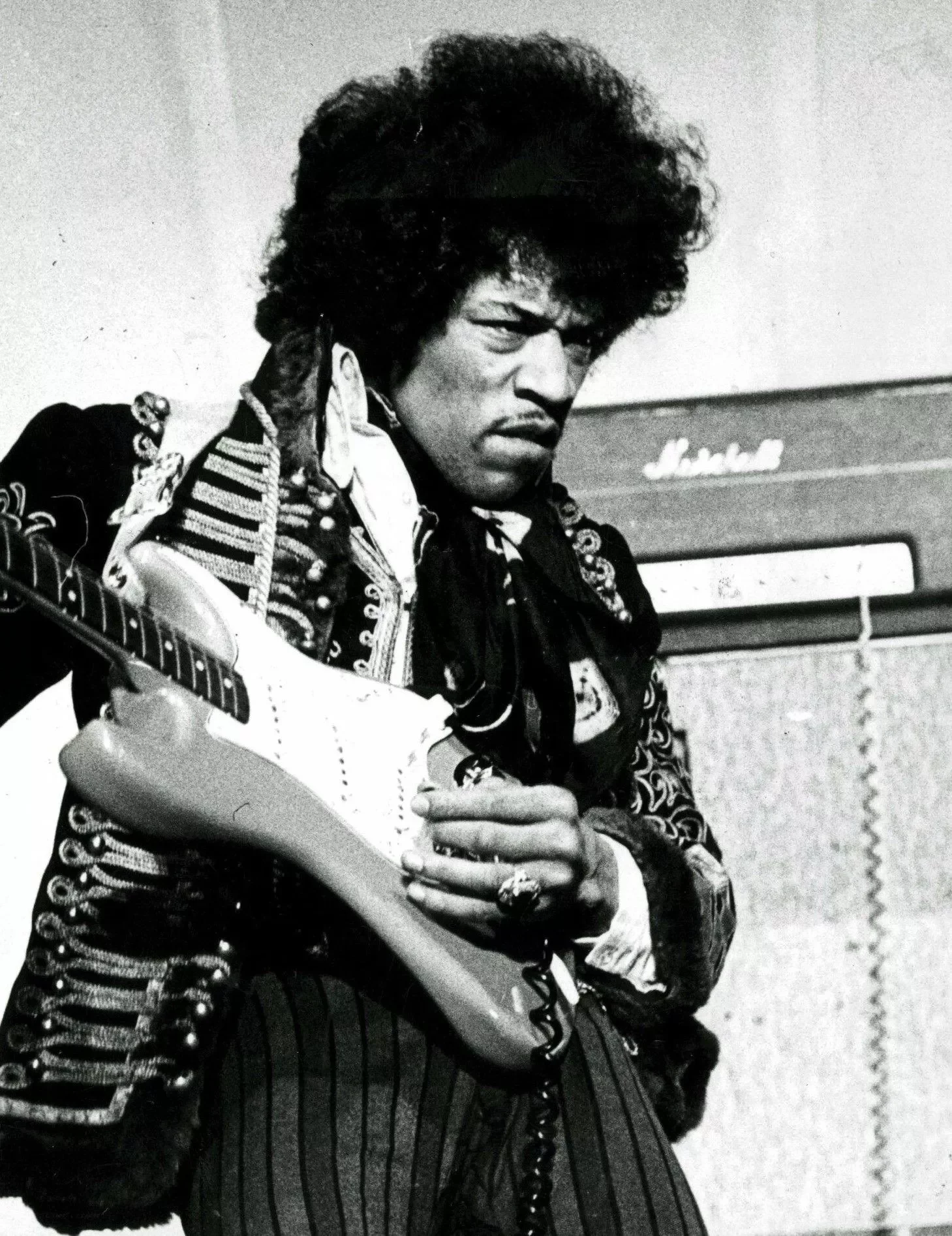
Jimi Hendrix
Born27 Nov, 1942
Died18 Sep, 1970
NationalityAmerican
Age at time of death27
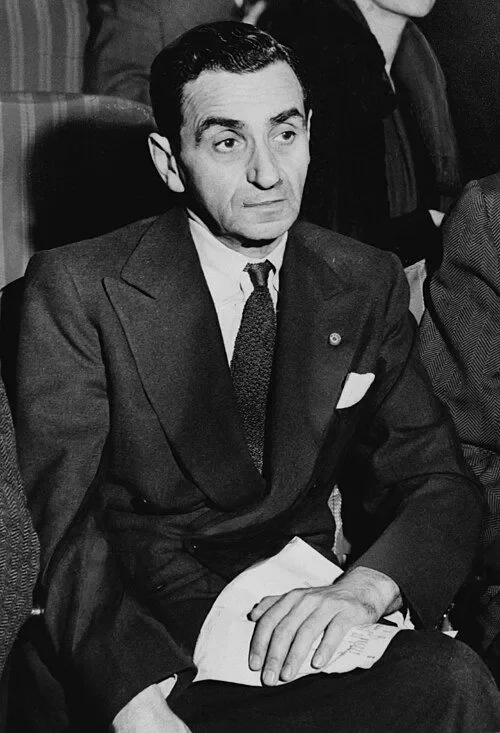
Irving Berlin
Born11 May, 1888
Died22 Sep, 1989
NationalityAmerican
Age at time of death101
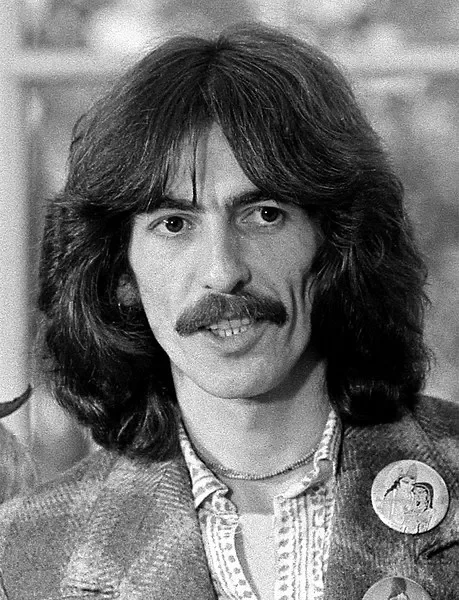
George Harrison
Born25 Feb, 1943
Died29 Nov, 2001
NationalityBritish
Age at time of death58
Johnny Ace
Born09 Jun, 1929
Died25 Dec, 1954
NationalityAmerican
Age at time of death25
Phyllis Diller
Born17 Jul, 1917
Died20 Aug, 2012
NationalityAmerican
Age at time of death95
Rabindranath Tagore
Born07 May, 1861
Died08 Aug, 1941
NationalityIndian
Age at time of death80

Cory Monteith
Born11 May, 1982
Died13 Jul, 2013
NationalityCanadian
Age at time of death31
Barry White
Born12 Sep, 1944
Died04 Jul, 2003
NationalityAmerican
Age at time of death58
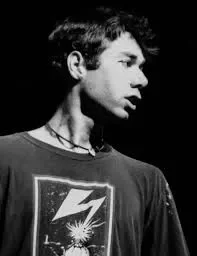
Adam Yauch
Born05 Aug, 1964
Died04 May, 2012
NationalityAmerican
Age at time of death47
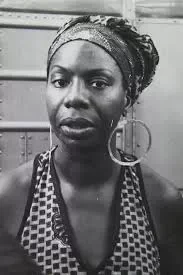
Nina Simone
Born21 Feb, 1933
Died21 Apr, 2003
NationalityAmerican
Age at time of death70
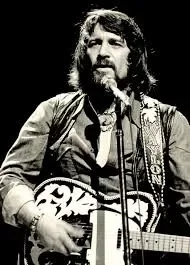
Waylon Jennings
Born15 Jun, 1937
Died13 Feb, 2002
NationalityAmerican
Age at time of death64
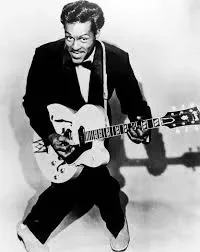
Chuck Berry
Born18 Oct, 1926
Died18 Mar, 2017
NationalityAmerican
Age at time of death90
Liberace
Born16 May, 1919
Died04 Feb, 1987
NationalityAmerican
Age at time of death67
Karen Carpenter
Born02 Mar, 1950
Died04 Feb, 1983
NationalityAmerican
Age at time of death32
Syd Barrett
Born06 Jan, 1946
Died07 Jul, 2006
NationalityEnglish
Age at time of death60
Maurice Gibb
Born22 Dec, 1949
Died12 Jan, 2003
NationalityBritish
Age at time of death53
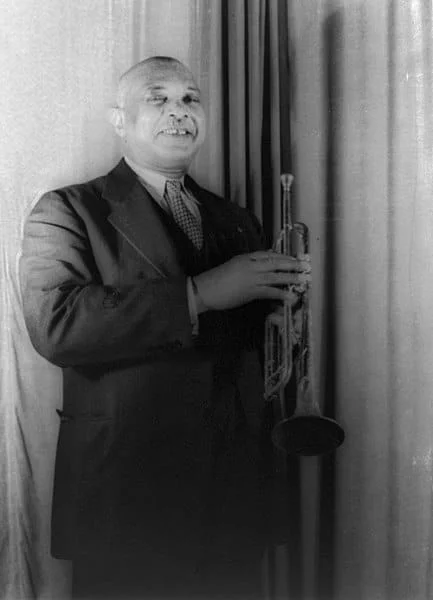
W.C. Handy
Born16 Nov, 1873
Died28 Mar, 1958
NationalityAmerican
Age at time of death84
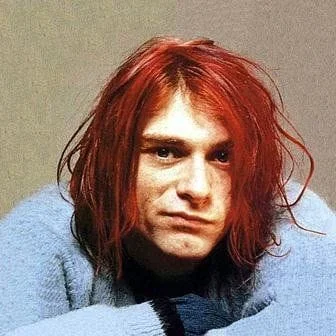
Kurt Cobain
Born20 Feb, 1967
Died05 Apr, 1994
NationalityAmerican
Age at time of death27
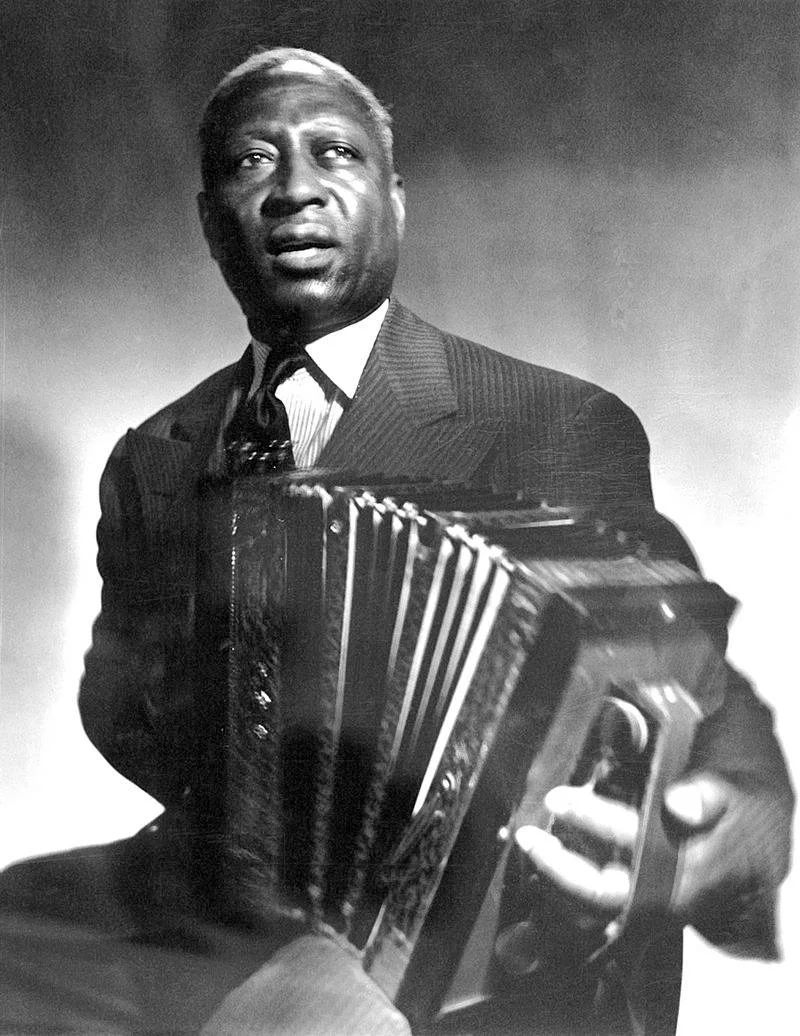
Lead Belly
Born20 Jan, 1888
Died06 Dec, 1949
NationalityAmerican
Age at time of death61
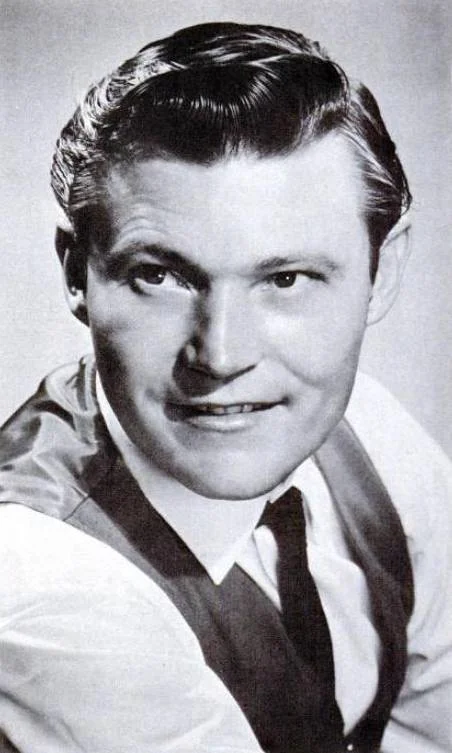
Stonewall Jackson
Born06 Nov, 1932
Died04 Dec, 2021
NationalityAmerican
Age at time of death89