Real Celebrities Never Die!
OR
Search For Past Celebrities Whose Birthday You Share
Died Age: 69

wikimedia.org
Saddam Hussein
Birthday:
28 Apr, 1937
Date of Death:
30 Dec, 2006
Cause of death:
Execution by hanging
Nationality:
Iraqi
Famous As:
Politician
Age at the time of death:
69
Saddam Hussein Abd al-Majid al-Tikriti's Quote's

“Women are the grass and the men are the mowers.”
Saddam Hussein Abd al-Majid al-Tikriti
🔗 deadcelebrityhub.com
Saddam Hussein: Early Life and Family Background
Saddam Hussein came into the world on April 28, 1937, in the small village of Al-Awja near Tikrit, Iraq. He grew up to become Iraq’s fifth president, ruling from 1979 to 2003 with an iron fist that left deep scars across Iraq and the Middle East. His life was a wild ride of ambition, power, and a dramatic fall from grace. Born into a struggling Sunni Arab family, Saddam never knew his father, Hussein ‘Abd al-Majid, who vanished before he was born. His mother, Subha Tulfah al-Mussallat, spiraled into a dark depression after losing Saddam’s older brother to cancer soon after his birth. Overwhelmed, she sent baby Saddam to live with his uncle Khairallah Tulfah in Baghdad. Tulfah, a staunch Sunni Muslim and Arab nationalist, shaped the young boy’s worldview in a big way. Years later, Saddam went back to his mom, but life took a rough turn under an abusive stepfather. He eventually bolted back to Baghdad to stay with his uncle for good. Those tough early days forged his toughness and lit a fire of ambition that would push him forward.
Education and Formative Years
Saddam hit the books at al-Karh Secondary School in Baghdad, soaking up nationalist vibes before jumping into the Arab Socialist Ba’ath Party in 1957 at age 20. The party’s push for Arab unity and socialism clicked with his beliefs. In 1959, he got tangled up in a botched assassination attempt on Prime Minister Abd al-Karim Qasim. Wounded but scrappy, he slipped away to Syria and then Egypt. While kicking around in Egypt, Saddam studied at Cairo Law School from 1962 to 1963. He headed back to Iraq when the Ba’ath Party grabbed power in 1963, only to land in jail when the regime got toppled later that year. Busting out in 1967, he climbed the party ladder fast and helped pull off a successful coup in 1968—his ticket to the big leagues.
Personal Life
Following old-school Iraqi tribal ways, Saddam wed his first cousin Sajida Tulfah in 1963. She gave him five kids: sons Uday and Qusay, and daughters Raghad, Rana, and Hala. Sajida stayed his official wife through thick and thin, though word has it he had a few mistresses he kept hush-hush. Saddam was all about his image—dyeing his hair jet black, rocking that famous mustache, and skipping glasses in public even though he needed them to read. Standing over six feet, he wore sharp, tailored suits to ooze authority.
Professional Career and Achievements
Saddam officially took Iraq’s presidency on July 16, 1979, after strong-arming Ahmed Hassan al-Bakr out of the job. Right off the bat, he cleaned house in the Ba’ath Party with executions and scare tactics. Early on, he rode oil money to modernize the country—nationalizing the oil industry in 1972 and pouring cash into roads, schools, and farms. But things got ugly fast. In 1980, he kicked off an eight-year war with Iran that wrecked both countries. Then in 1990, he rolled into Kuwait over oil beefs, sparking the Gulf War when the U.S. and its allies hit back. His rule turned brutal. The Anfal campaign against Kurdish rebels during the Iran-Iraq War saw mass killings and chemical attacks—like the horrific Halabja massacre in 1988. After losing the Gulf War, his forces crushed Shiite and Kurd uprisings with no mercy.
Downfall and Death
Saddam’s hold on power started slipping after the U.S.-led invasion in March 2003, sparked by shaky claims of weapons of mass destruction that never panned out. Baghdad fell on April 9, 2003, and his regime crumbled. He went on the run but got nabbed by U.S. troops on December 13 that year. An Iraqi tribunal put him on trial for crimes against humanity tied to the 1982 Dujail massacre, where he’d ordered 148 Shiites killed. Sentenced to hang, he faced the noose on December 30, 2006, at Camp Justice in Baghdad, with sectarian shouts ringing out as he went.
Legacy
Saddam Hussein’s a lightning rod in history. To tons of Iraqis who lived through his terror, he’s the dictator who tanked the country with wars and oppression. Yet some Arabs see him as a gutsy nationalist who thumbed his nose at the West. His legacy continues to fuel sectarian tensions within Iraq and across the Middle East. While some see him as a cautionary tale about unchecked authoritarianism, others debate whether his removal ultimately destabilized Iraq further.
Profile Snapshot
Name:
Saddam Hussein Abd al-Majid al-Tikriti
Popular Name:
Saddam Hussein
Gender:
Male
Cause of Death:
Execution by hanging
Spouse:
Sajida Talfah
Samira Shahbandar
Place of Birth:
Al-Awja, near Tikrit, Saladin Governorate, Iraq
Place of Death:
Camp Justice, Kadhimiya, Baghdad, Iraq
Occupation / Profession:
Politician
President of Iraq
Revolutionary
Personality Type
Commander Bold, imaginative and strong-willed leaders, always finding a way – or making one. Saddam’s bold leadership, long-term planning, and domineering personality align with this type.
Saddam Hussein Abd al-Majid al-Tikriti's Interesting Facts
In 1990, he ordered the invasion of Kuwait, sparking the Gulf War. The defeat by U.S.-led forces and subsequent UN sanctions crippled Iraq’s economy throughout the 1990s.
Saddam Hussein ruled Iraq as president from 1979 until 2003, establishing one of the most powerful but authoritarian regimes in the Middle East.
After the 2003 U.S.-led invasion of Iraq, Saddam was captured, tried for crimes against humanity, and executed by hanging on December 30, 2006.
A member of the Ba’ath Party, he played a key role in its 1968 coup before consolidating power and becoming Iraq’s undisputed leader.
He led Iraq into the bloody Iran–Iraq War (1980–1988), which caused massive casualties on both sides and devastated the region.
Achievements & Awards
Received the Key to the City of Detroit in 1980 (for donations to a church).
Became President of Iraq in 1979.
Developed Iraq’s infrastructure during early rule.
Led Iraq’s nationalization of the oil industry in 1972.
External Links
Additional Links
https://www.thenation.com/article/archive/how-saddam-husseins-execution-contributed-to-the-rise-of-sectarianism-in-the-middle-east/https://biographics.org/saddam-hussein-biography-president-of-iraq-and-the-butcher-of-baghdad/https://www.biography.com/political-figures/saddam-husseinhttps://www.britannica.com/biography/Saddam-Husseinhttps://www.sfgate.com/politics/article/Saddam-Hussein-s-family-2661669.phphttps://www.vedantu.com/biography/saddam-hussein
Latest Profiles
People also viewed
Gerald Ford
Born14 Jul, 1913
Died26 Dec, 2006
NationalityAmerican
Age at time of death93
Victor Hugo
Born26 Feb, 1802
Died22 May, 1885
NationalityFrench
Age at time of death83
George Murphy
Born04 Jul, 1902
Died03 May, 1992
NationalityAmerican
Age at time of death89
P. T. Barnum
Born05 Jul, 1810
Died07 Apr, 1891
NationalityAmerican
Age at time of death80
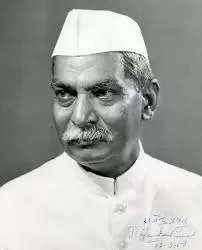
Rajendra Prasad
Born03 Dec, 1884
Died28 Feb, 1963
NationalityIndian
Age at time of death78
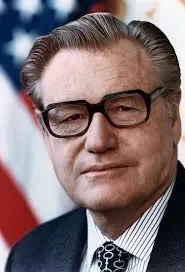
Nelson Rockefeller
Born08 Jul, 1908
Died26 Jan, 1979
NationalityAmerican
Age at time of death70

Ethan Allen
Born21 Jan, 1738
Died12 Feb, 1789
NationalityAmerican
Age at time of death51
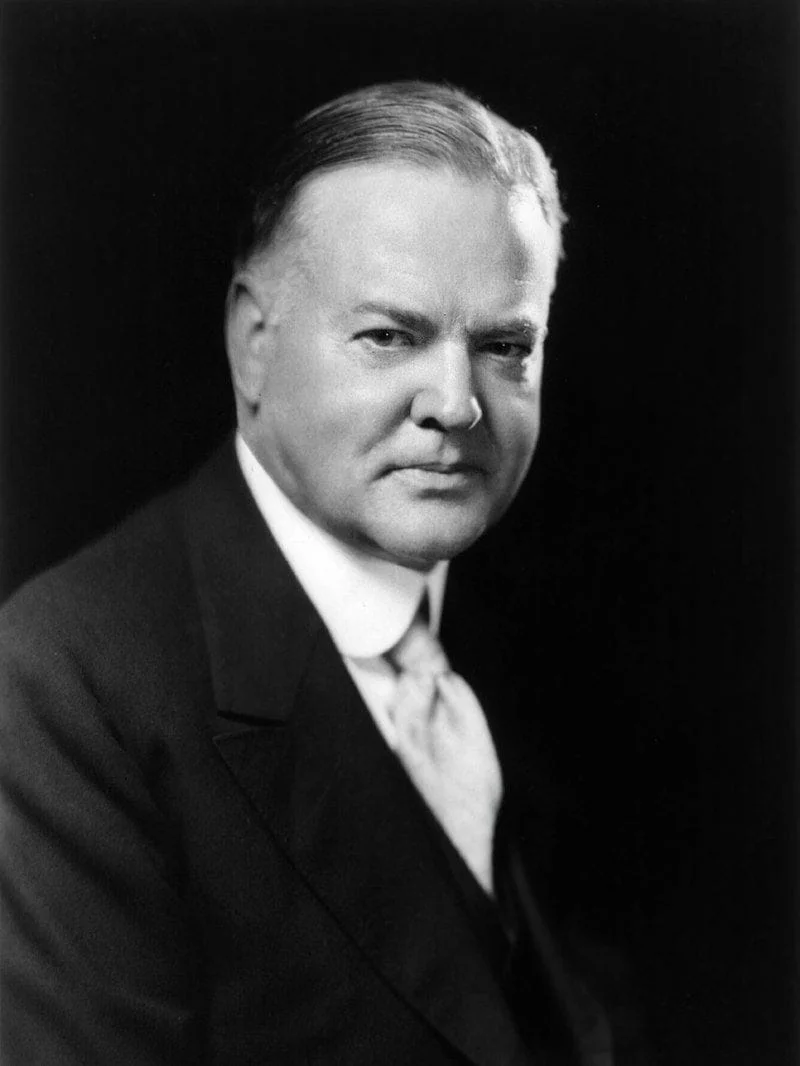
Herbert Hoover
Born10 Aug, 1874
Died20 Oct, 1964
NationalityAmerican
Age at time of death90
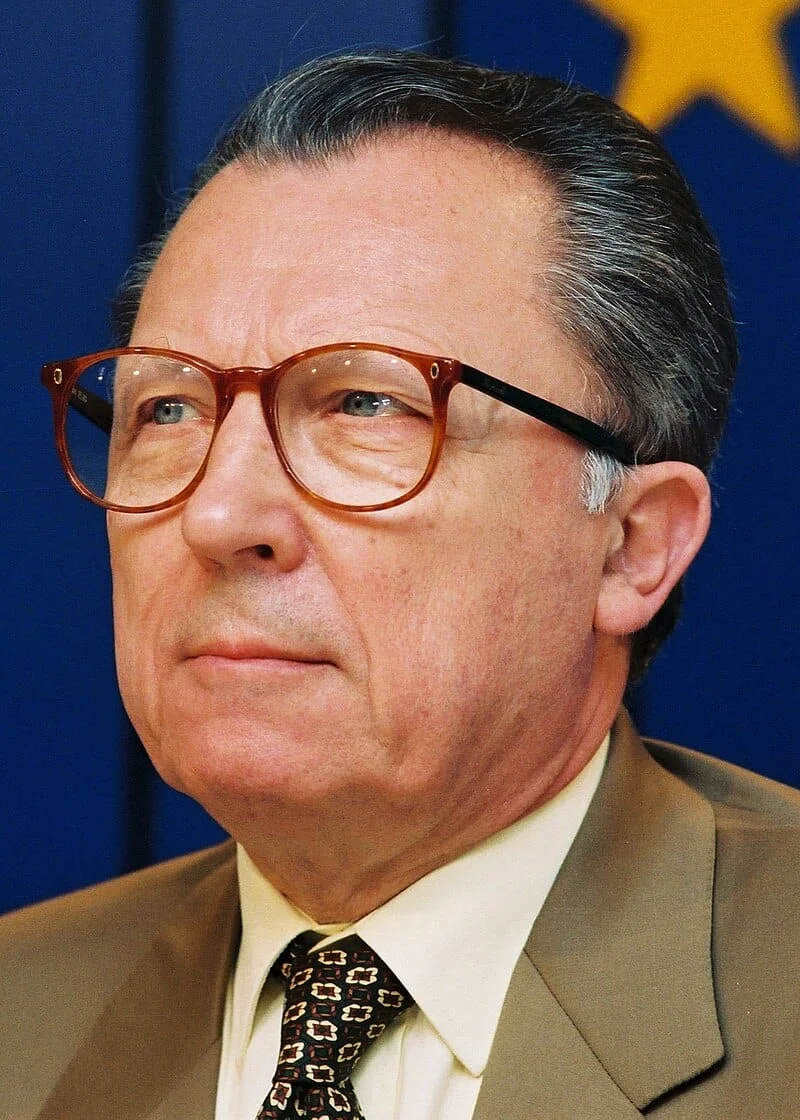
Jacques Delors
Born20 Jul, 1925
Died27 Dec, 2023
NationalityFrench
Age at time of death98
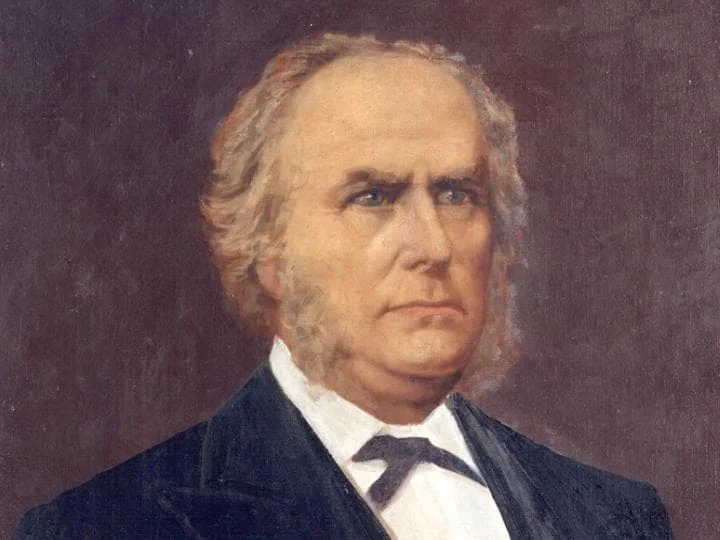
James Harrison
Born17 Apr, 1816
Died03 Sep, 1893
NationalityScottish,Australian
Age at time of death77
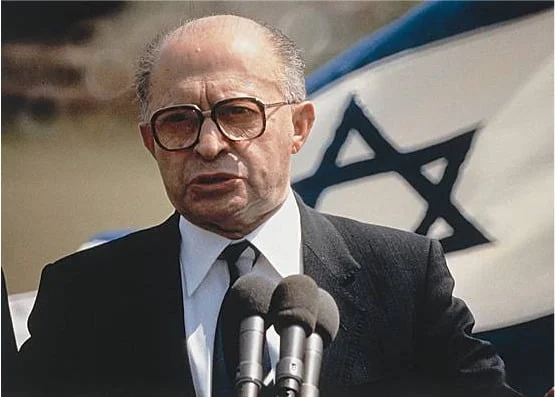
Menachem Begin
Born16 Aug, 1913
Died09 Mar, 1992
NationalityIsraeli
Age at time of death78
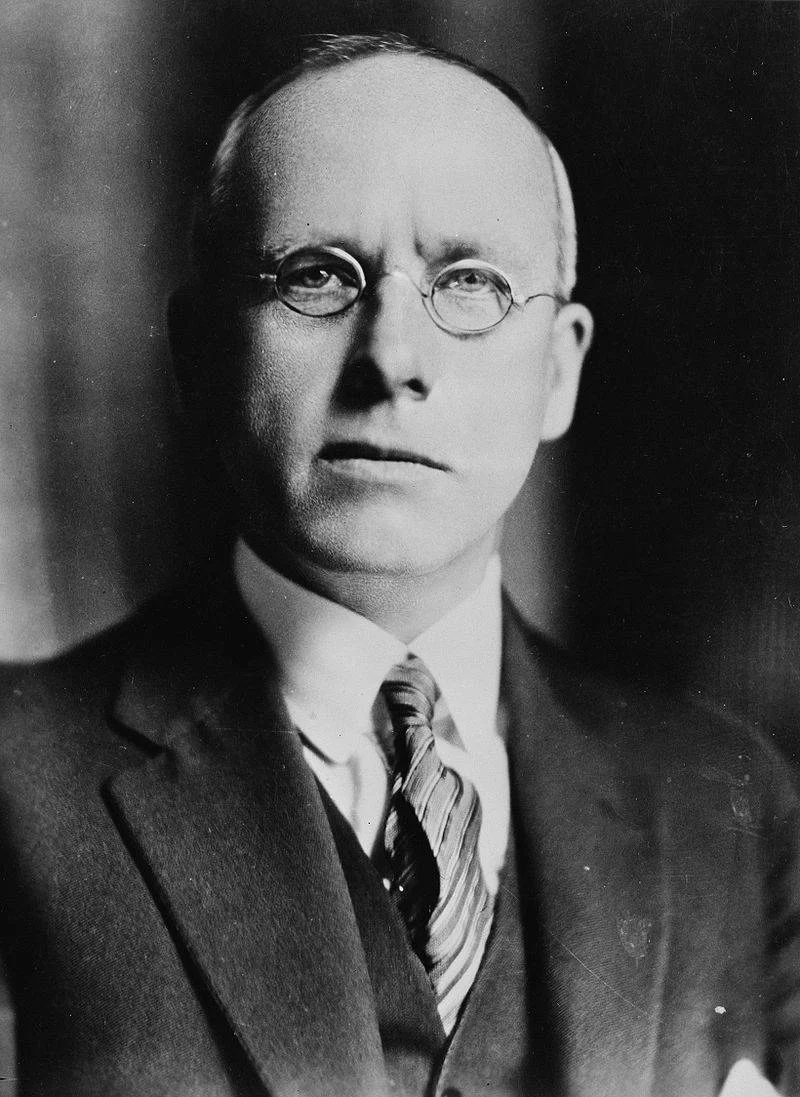
Peter Fraser
Born28 Aug, 1884
Died12 Dec, 1950
NationalityNew Zealand
Age at time of death66
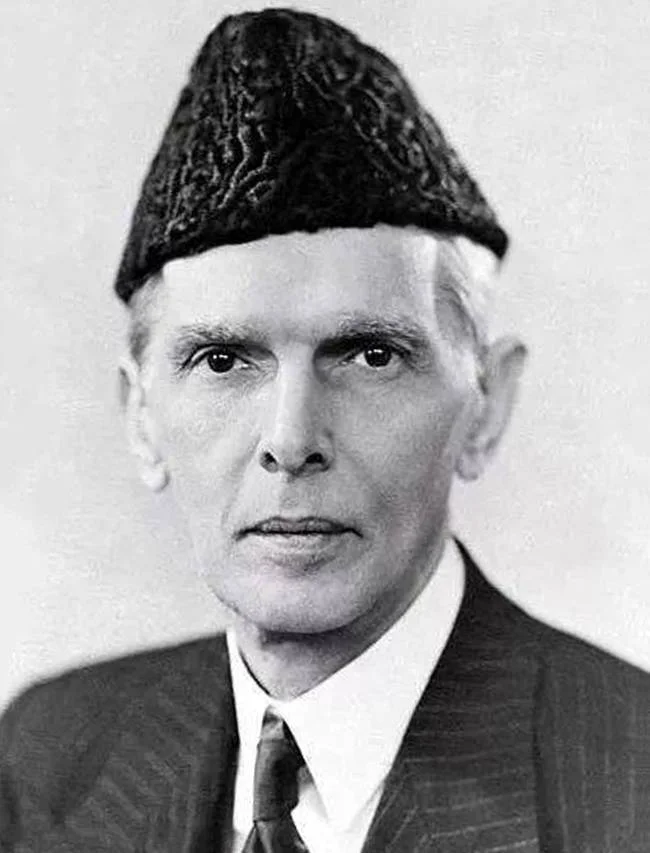
Muhammad Ali Jinnah
Born25 Dec, 1876
Died11 Sep, 1948
NationalityPakistani
Age at time of death71
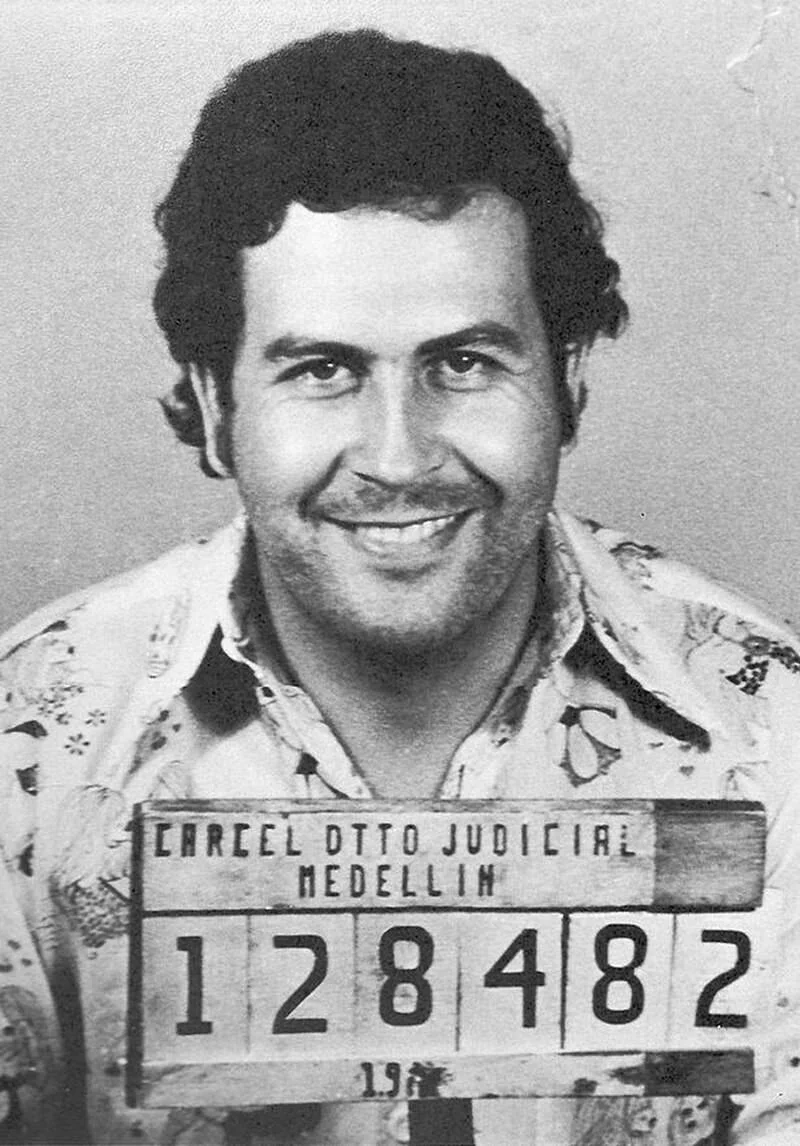
Pablo Escobar
Born01 Dec, 1949
Died02 Dec, 1993
NationalityColombian
Age at time of death44
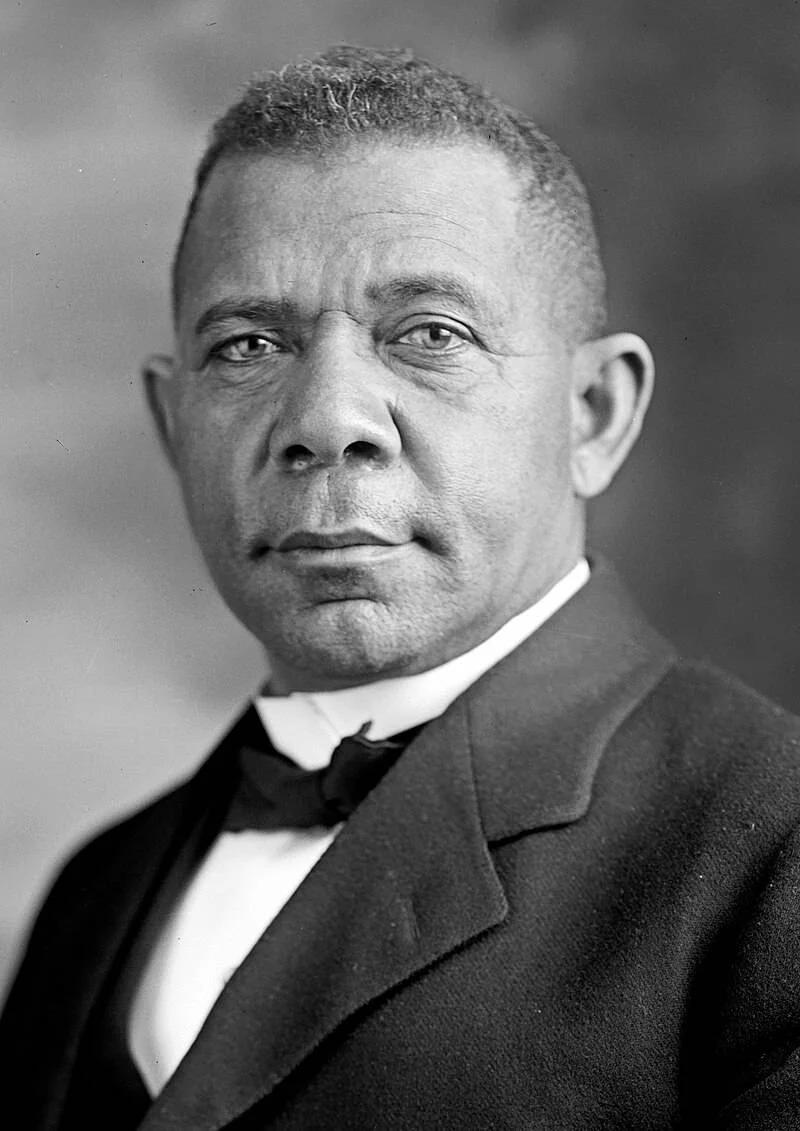
Booker T. Washington
Born05 Apr, 1856
Died14 Nov, 1915
NationalityAmerican
Age at time of death59
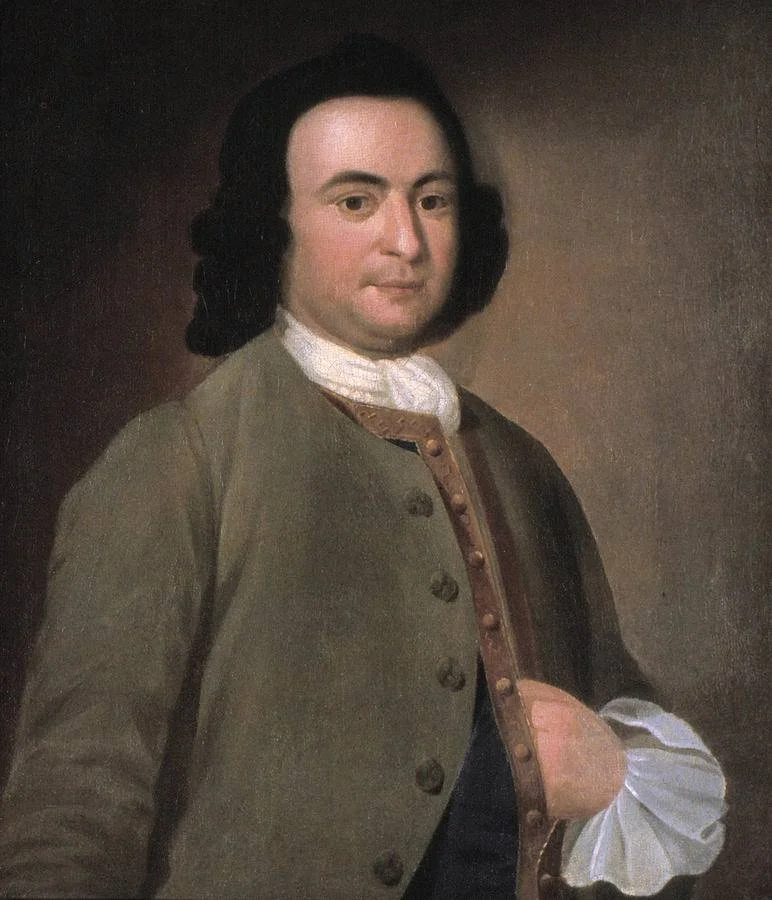
George Mason
Born11 Dec, 1725
Died07 Oct, 1792
NationalityAmerican, British
Age at time of death66
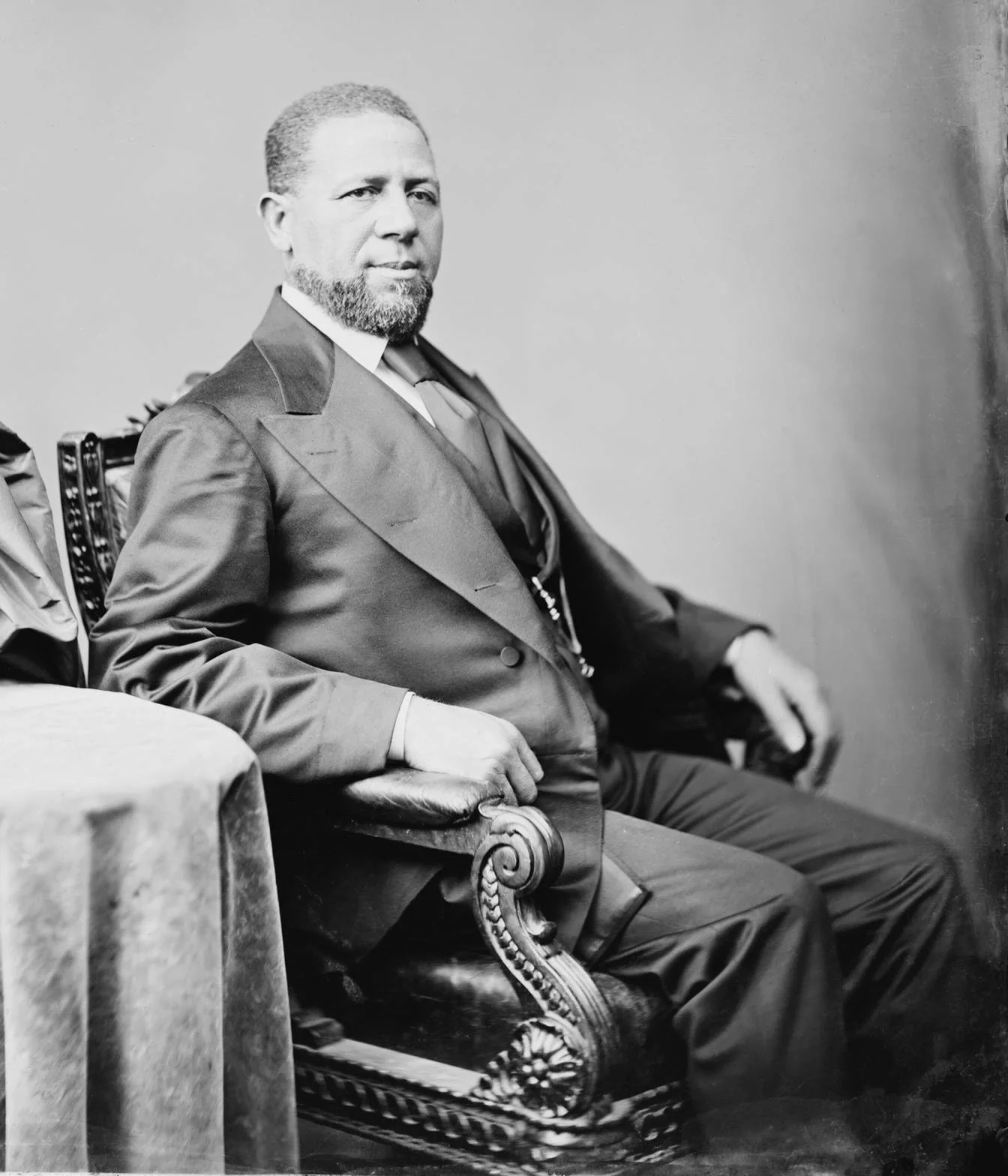
Hiram R. Revels
Born27 Sep, 1827
Died16 Jan, 1901
NationalityAmerican
Age at time of death73
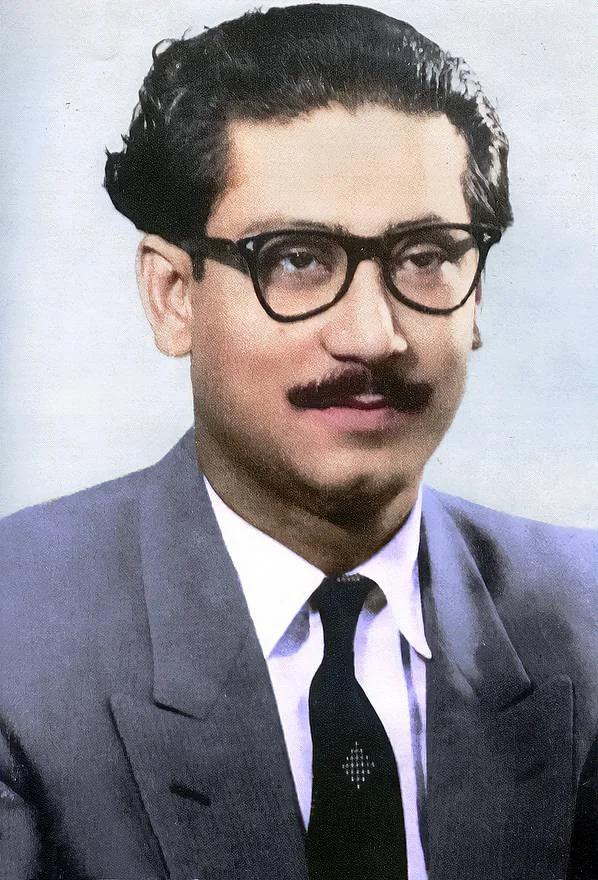
Sheikh Mujibur Rahman
Born17 Mar, 1920
Died15 Aug, 1975
NationalityIndian, Pakistani, Bangladeshi
Age at time of death55

Ronald Reagan
Born06 Feb, 1911
Died05 Jun, 2004
NationalityAmerican
Age at time of death93
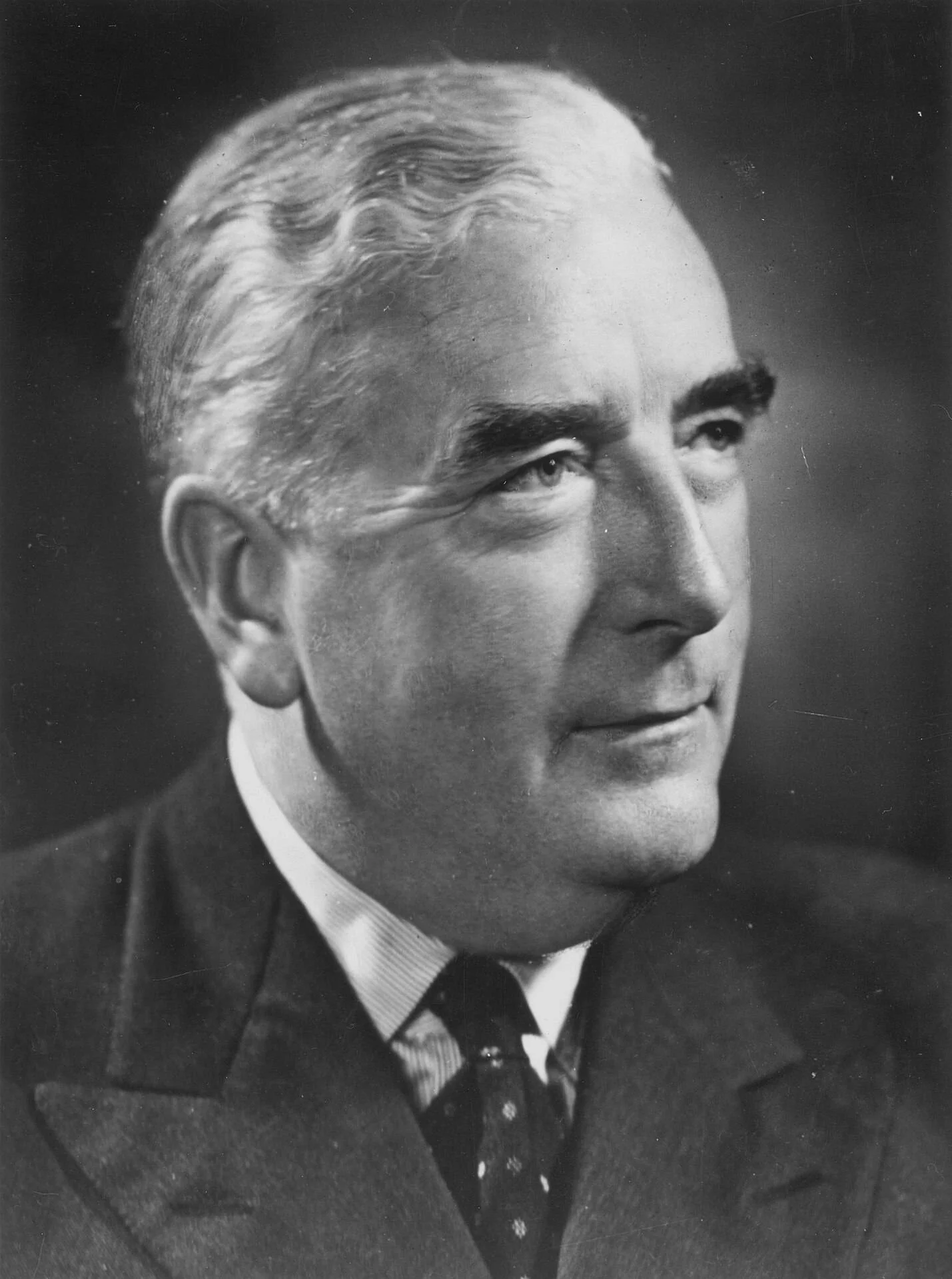
Robert Menzies
Born20 Dec, 1894
Died15 May, 1978
NationalityAustralian
Age at time of death83