Real Celebrities Never Die!
OR
Search For Past Celebrities Whose Birthday You Share
Died Age: 48

encrypted-tbn0.gstatic.com
Sam Rivers
Birthday:
01 Sep, 1977
Date of Death:
17 Oct, 2025
Cause of death:
Cardiac arrest
Nationality:
American
Famous As:
Musician
Age at the time of death:
48
Samuel Robert Rivers's Quote's

“I like to just feel the music and let it take me where it wants to go.”
Samuel Robert Rivers
🔗 deadcelebrityhub.com
Early Life
Sam Rivers has long been the force driving one of the most recognizable sounds of the late ’90s and early 2000s. As the bassist of Limp Bizkit, his low-end lines shaped the backbone of a band that helped define an era. Reserved offstage yet commanding within the music, Rivers built a reputation as the member whose steady musical instincts grounded the group’s explosive energy.
Born on September 2, 1977, in Jacksonville, Florida, Sam Rivers grew up in a city whose rising alternative music scene would later become central to his career. Music arrived early for him. He first picked up a guitar at fourteen before a natural affinity for rhythm pulled him toward the bass, the instrument that would become his signature.
A defining thread in his early life was family. Rivers is cousins with drummer John Otto, and their bond—not just familial but musical—became a key ingredient in everything that followed. The two played together from a young age, forming a creative partnership that would one day help anchor one of the most commercially successful nu-metal acts of its time.
One lesser-known detail: before his career took off, Rivers spent time not only playing music but also working in local restaurants in Jacksonville—an early glimpse of his grounded, pragmatic nature.
Education and Musical Foundation
While details of Rivers’s formal education are not widely public, what is well-documented is the musical education he gave himself. As a teenager, he immersed himself in the craft—playing with local musicians, absorbing influences ranging from rock to funk to hip-hop, and honing the precision and tone that would become his hallmark. His early years were defined less by classrooms and more by countless hours of practice, rehearsals, and live shows throughout Jacksonville’s tight-knit music circles.
Career Journey
Early Career and the Rise of Limp Bizkit
Rivers’s defining career breakthrough came in the mid-1990s when he, John Otto, guitarist Wes Borland, and frontman Fred Durst formed Limp Bizkit. Jacksonville’s underground scene was buzzing at the time, and the band’s blend of metal, hip-hop, and raw attitude quickly set them apart.
Rivers’s bass work became a central pillar of the band’s sound—clean, rhythmic, and often deceptively simple in a way that glued their contrasting styles together. When Limp Bizkit released Three Dollar Bill, Y’all$ in 1997, Rivers’s playing powered hits like “Counterfeit,” showcasing his ability to create momentum without overshadowing the band’s explosive front line.
Breakthrough and Global Success
As Limp Bizkit skyrocketed with albums like Significant Other (1999) and Chocolate Starfish and the Hot Dog Flavored Water (2000), Rivers found himself thrust into the global spotlight. The band became a cultural phenomenon, headlining major festivals, topping charts, and captivating a generation with a sound that captured the volatile energy of the era.
Despite the chaos swirling around the band—controversies, lineup changes, and unprecedented fame—Rivers remained the steady, reliable presence. Fans often cited him as the “quiet anchor” of the group: a musician deeply committed to his craft rather than the spectacle around it.
Later Career, Challenges, and New Projects
Health challenges marked an important turning point. In 2015, Rivers stepped away from Limp Bizkit due to a degenerative spinal condition, a difficult pause in a career built on physical performance and relentless touring.
But he didn’t step away from music. In 2019, Rivers co-founded Sleepkillers, a hard-rock project that allowed him to channel his creativity into a new environment. The band’s self-titled debut showcased a heavier, darker sonic palette—another demonstration of his versatility as a bassist and songwriter.
Though his role in Limp Bizkit lessened during periods of recovery, Rivers’s influence on the band’s identity remains unmistakable.
Personal Life
Compared to many of his contemporaries, Rivers has kept his personal life largely private. He’s known among fans and colleagues as soft-spoken, grounded, and deeply loyal to his friends and bandmates. His long-running creative partnership with John Otto is one of the band’s most enduring relationships, and their cousin bond remains a meaningful part of their story.
A fun bit of trivia: despite his central role in a band renowned for its aggressive sound, Rivers is often described as one of the calmest personalities in the group—a contrast that has only added to his mystique.
Legacy
Sam Rivers’s legacy is felt not only in the millions of albums sold or the festivals conquered but in the sound he helped shape—one that defined a cultural moment. His basslines, understated yet essential, are woven into the DNA of late-’90s rock history. More than a performer, he became a stabilizing force in a band known for volatility, anchoring both the music and the moment.
Today, he is remembered as a musician whose quiet determination left a loud and lasting mark. Whether onstage with Limp Bizkit or forging new paths with Sleepkillers, Sam Rivers remains the pulse behind the music—steady, unmistakable, and enduring.
Profile Snapshot
Name:
Samuel Robert Rivers
Popular Name:
Sam Rivers
Gender:
Male
Cause of Death:
Cardiac arrest
Spouse:
Kinter Atkins
Place of Birth:
Jacksonville, Florida, United States
Place of Death:
St. Johns County, Florida.
Occupation / Profession:
Musician
Personality Type
Entertainer: Sam is calm and focused, always letting his music lead the way and holding everything together without needing the spotlight.
Samuel Robert Rivers's Interesting Facts
Rivers is cousins with drummer John Otto, a connection that goes back to their early music collaborations in Jacksonville.
Despite being in a high-profile band, he is known for being one of the most private and low-key members of Limp Bizkit.
He initially started on guitar before fully committing to bass, which shaped his melodic approach to the instrument.
Achievements & Awards
Sam Rivers, as the bassist of Limp Bizkit, played a central role in the band achieving multi-platinum album status, with Significant Other and Chocolate Starfish and the Hot Dog Flavored Water dominating charts worldwide.
He helped the band earn multiple MTV Video Music Awards and nominations, and Limp Bizkit became one of the defining acts of the nu-metal era.
Rivers’s musicianship has been celebrated for its precision and groove, anchoring some of the most iconic tracks of late-’90s and early-2000s rock.
His later work with Sleepkillers demonstrates his continued influence and evolution as a creative artist
External Links
Latest Profiles
People also viewed
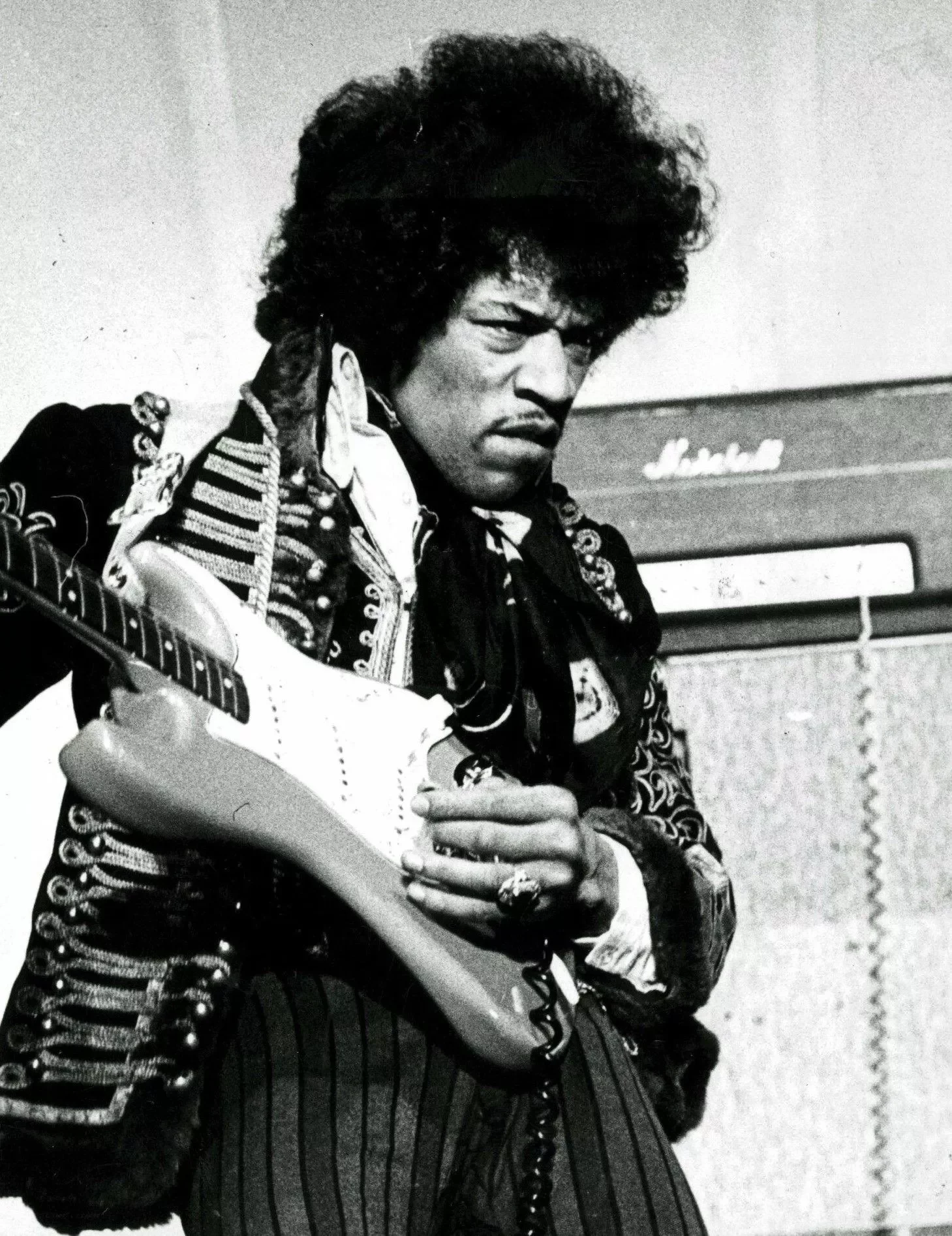
Jimi Hendrix
Born27 Nov, 1942
Died18 Sep, 1970
NationalityAmerican
Age at time of death27
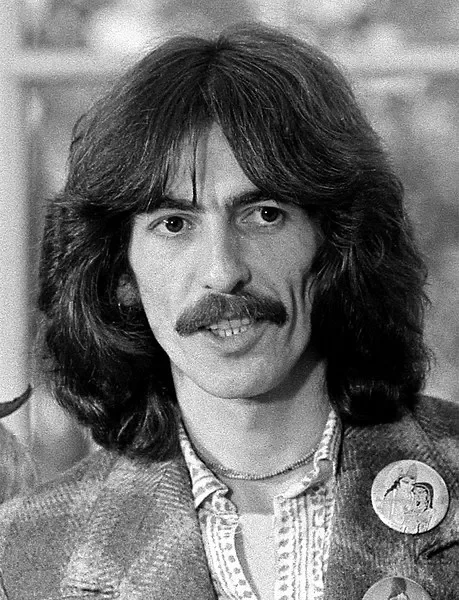
George Harrison
Born25 Feb, 1943
Died29 Nov, 2001
NationalityBritish
Age at time of death58
Johnny Ace
Born09 Jun, 1929
Died25 Dec, 1954
NationalityAmerican
Age at time of death25
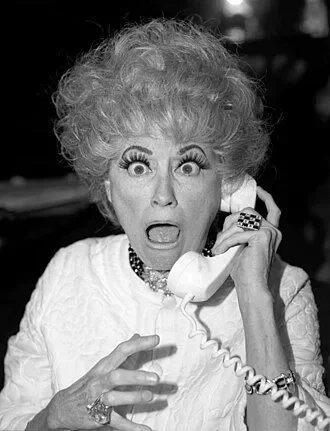
Phyllis Diller
Born17 Jul, 1917
Died20 Aug, 2012
NationalityAmerican
Age at time of death95

Cory Monteith
Born11 May, 1982
Died13 Jul, 2013
NationalityCanadian
Age at time of death31
Adam Yauch
Born05 Aug, 1964
Died04 May, 2012
NationalityAmerican
Age at time of death47
Waylon Jennings
Born15 Jun, 1937
Died13 Feb, 2002
NationalityAmerican
Age at time of death64
Chuck Berry
Born18 Oct, 1926
Died18 Mar, 2017
NationalityAmerican
Age at time of death90
Karen Carpenter
Born02 Mar, 1950
Died04 Feb, 1983
NationalityAmerican
Age at time of death32

Syd Barrett
Born06 Jan, 1946
Died07 Jul, 2006
NationalityEnglish
Age at time of death60
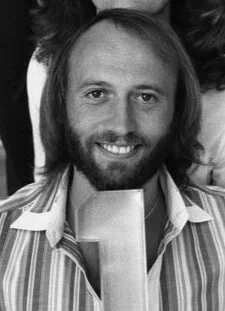
Maurice Gibb
Born22 Dec, 1949
Died12 Jan, 2003
NationalityBritish
Age at time of death53
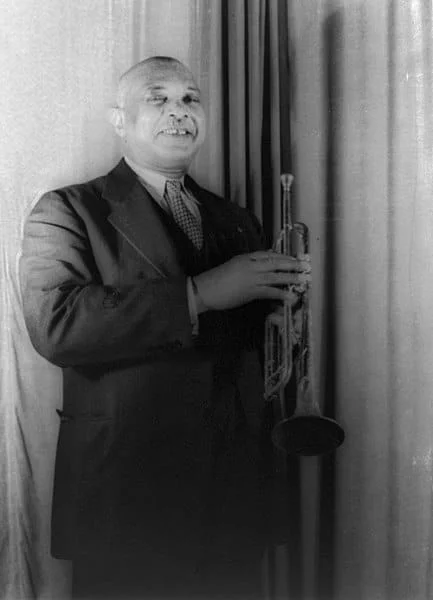
W.C. Handy
Born16 Nov, 1873
Died28 Mar, 1958
NationalityAmerican
Age at time of death84
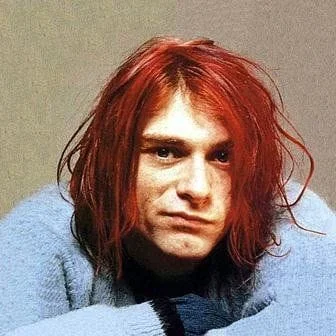
Kurt Cobain
Born20 Feb, 1967
Died05 Apr, 1994
NationalityAmerican
Age at time of death27
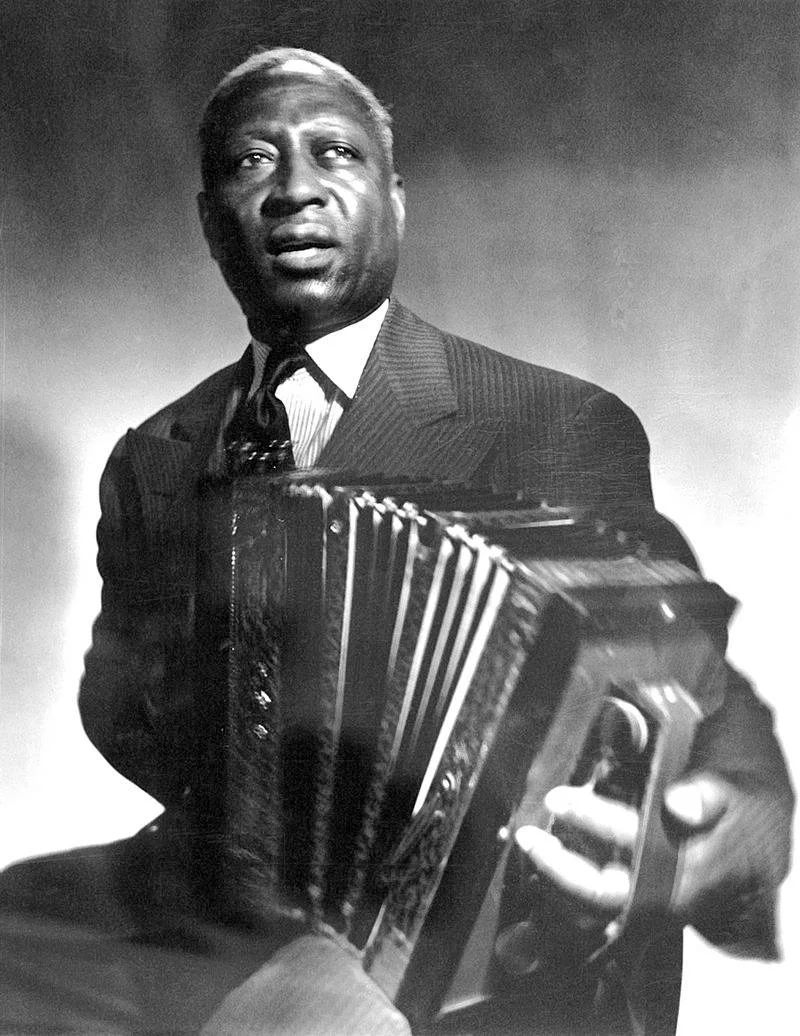
Lead Belly
Born20 Jan, 1888
Died06 Dec, 1949
NationalityAmerican
Age at time of death61
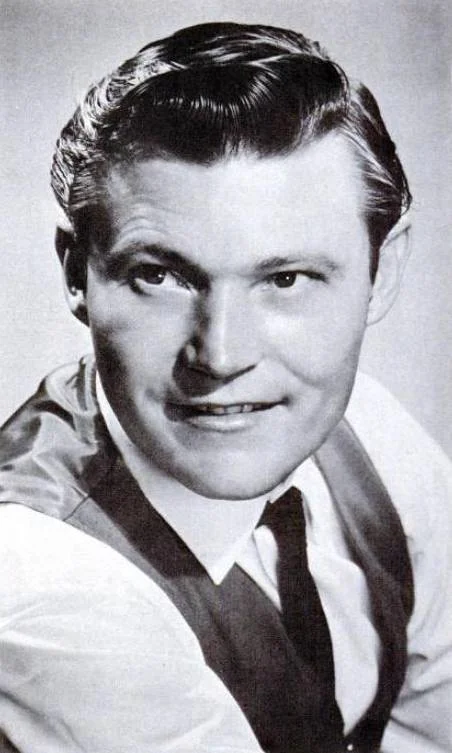
Stonewall Jackson
Born06 Nov, 1932
Died04 Dec, 2021
NationalityAmerican
Age at time of death89
Johnny Otis
Born28 Dec, 1921
Died17 Jan, 2012
NationalityAmerican
Age at time of death90
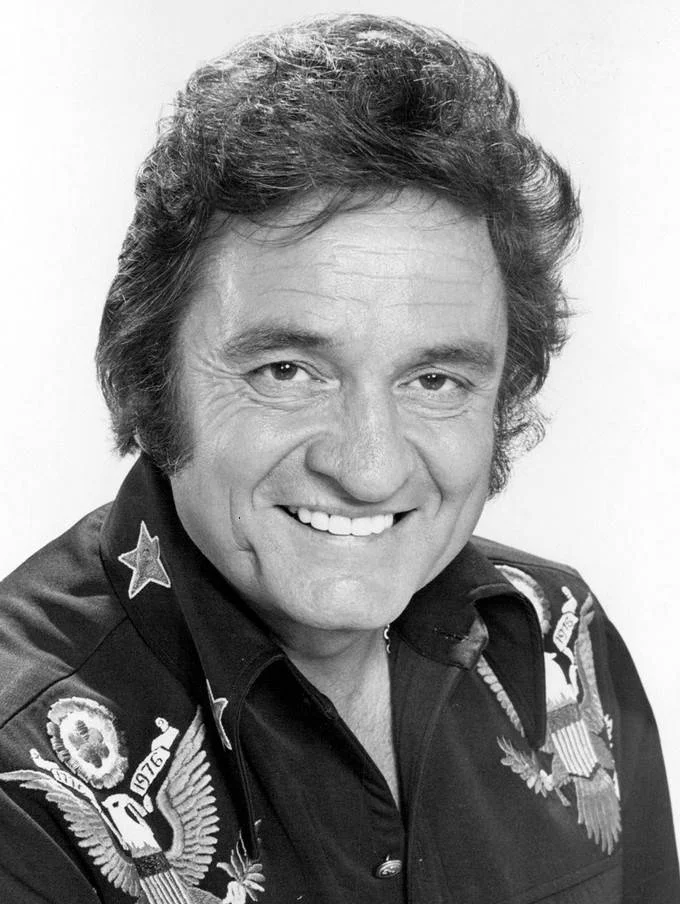
Johnny Cash
Born26 Feb, 1932
Died12 Sep, 2003
NationalityAmerican
Age at time of death71
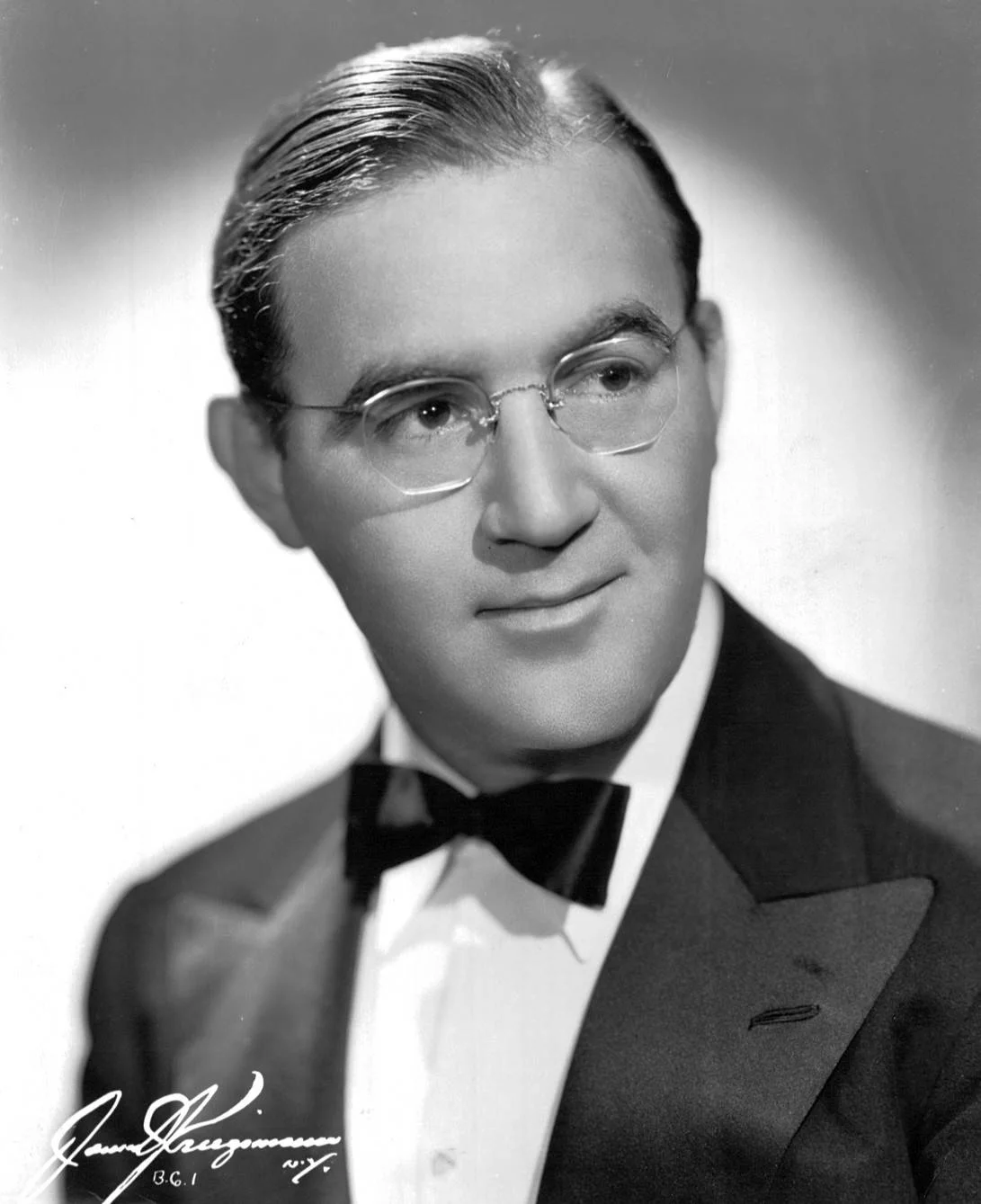
Benny Goodman
Born30 May, 1909
Died13 Jun, 1986
NationalityAmerican
Age at time of death77
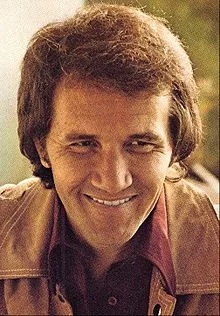
Roger Miller
Born02 Jan, 1936
Died25 Oct, 1992
NationalityAmerican
Age at time of death56

Elliot Smith
Born06 Aug, 1969
Died21 Oct, 2003
NationalityAmerican
Age at time of death34