Real Celebrities Never Die!
OR
Search For Past Celebrities Whose Birthday You Share
Died Age: 65
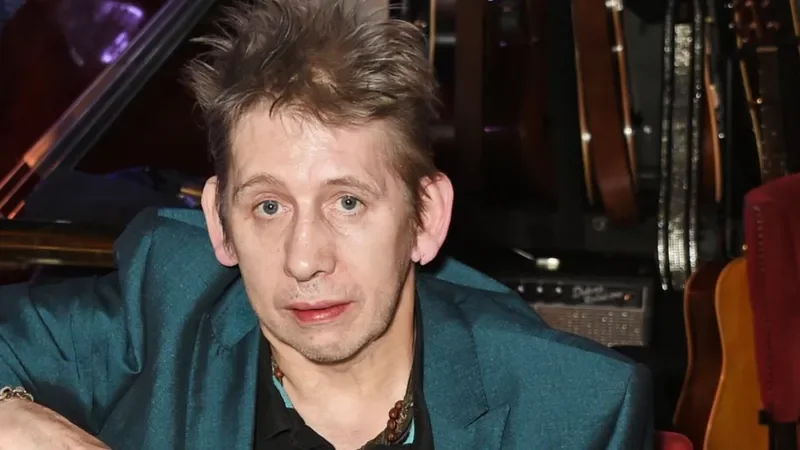
ichef.bbci.co.uk
Shane MacGowan
Birthday:
25 Dec, 1957
Date of Death:
30 Nov, 2023
Cause of death:
Pneumonia
Nationality:
Irish
Famous As:
Musician
Age at the time of death:
65
Shane Patrick Lysaght MacGowan's Quote's

“The British press have been giving me six months to live for the past twenty years - they must be getting pissed off interviewing me by now.”
Shane Patrick Lysaght MacGowan
🔗 deadcelebrityhub.com
Early Life: Between Two Worlds, Born on Christmas
Shane MacGowan transformed cacophony into catharsis. With a voice as rough as turf and lyrics steeped in exile, he fused punk’s fury with the sorrow and beauty of Irish folk, forging a sound that felt equal parts riot and elegy. As frontman of The Pogues and a lyrical maestro, he helped write the soundtrack for a lost generation—its longing, its anger, and its hope.
Born on December 25, 1957, in Kent to Irish parents, Shane’s childhood straddled rural Ireland and London’s edgy margins. Summers in Tipperary immersed him in traditional music and ancestral tales; winters in the city exposed him to punk venues and literary ferment. An early scholarship, literary talent, and expelled status from Westminster School all pointed to a restless, gifted soul—one who would bring poetry to the pub and pain to pop.
Education: From Pub Scribbles to Punk Prose
Shane didn’t study in lecture halls—he scribbled in notebooks between gigs and bar fights. His years overlapping punk’s rise offered him raw lessons in rebellion, imagery, and emotional economy. He exchanged vinyls, fanzines, and stories in shops like Rocks Off, absorbing the lore of streets and songs. By his late teens he was already composing what would become enduring legends.
Career Journey
Phase One: From Punk Beginnings to Pogues Founder (1977–1984)
Starting out under the name Shane O’Hooligan, he formed punk bands like The Nipple Erectors before co-founding The Pogues in 1982. With banjos, accordions, and MacGowan’s sardonic poetry, they smashed folk traditions open. Their first album captured a raw urgency—a blueprint for Celtic punk that felt both nostalgic and immediate.
Phase Two: Crowd Surging Classics and “Fairytale of New York” (1985–1989)
Albums like Rum Sodomy & the Lash showcased MacGowan as a balladeer of backstreets and heartbreaks. Then came “Fairytale of New York” (1987)—a duet brimming with beauty, regret, and grit. It became a perennial holiday anthem, as much a bittersweet confession as a carol. His ability to paint immigrant longing in poetic detail struck chords across generations.
Phase Three: Decline, Schism, and Reinvention (1990–2001)
As his addictions intensified, MacGowan became unreliable. In 1991, he was dismissed from the band. Still, he founded Shane MacGowan and the Popes, releasing albums steeped in haunting melodies and raw honesty. Yet the old chemistry beckoned, and after a decade apart, The Pogues reunited in 2001, touring passionately through until 2014—even if no new records followed.
Phase Four: Legacy Builder and Cultural Icon (2001–2023)
Later years found MacGowan reflecting more than roaring. Documentaries, memoirs, and a celebrated 60th birthday concert featuring Bono, Nick Cave, Sineád O’Connor, and Johnny Depp honored his impact. Irish President Michael D. Higgins awarded him a lifetime achievement accolade, calling him one of music’s greatest lyricists. Though his health declined—with injuries and hospital stays—his words and music refused to fade.
Personal Life: Troubled Heart, Tender Soul
MacGowan’s life was an odyssey of self-contradiction: vibrant performer, vulnerable man. He battled addiction, shattered health, and public breakdowns—but displayed moments of raw confession, gentle humor, and loyalty. After decades together, he married journalist Victoria Mary Clarke in 2018. Their love was fierce, enduring, and literary—she would later describe him as “the measure of my dreams.”
Final Chapter: November’s Shadow, December’s Memory
MacGowan died peacefully on November 30, 2023, in Dublin at age 65, with family by his side. His widow shared a message of loss, love, and enduring light. In a fitting echo, Fairytale of New York surged back to the top of the Irish charts during his funeral—36 years after its original release and the day of his farewell.
Ireland’s president and global music icons paid tribute, recalling his lyrics as poems that captured the immigrant struggle, dreams, and disillusionments. Thousands remembered him not just as an artist, but as a cultural conscience.
Profile Snapshot
Name:
Shane Patrick Lysaght MacGowan
Popular Name:
Shane MacGowan
Gender:
Male
Cause of Death:
Pneumonia
Spouse:
Victoria Mary Clarke
Place of Birth:
Pembury, Kent, England
Place of Death:
Dublin, Ireland
Occupation / Profession:
Musician
Singer-songwriter
Personality Type
Mediator: Poetic, kind and altruistic people, always eager to help a good cause. Shane MacGowan was a poetic, introspective, and deeply feeling soul who channeled his ideals and pain into raw, evocative music that touched the hearts of outsiders and dreamers alike.
Shane Patrick Lysaght MacGowan's Interesting Facts
Despite his rough lifestyle, he has a remarkable talent for blending traditional Irish music with punk rock.
He once played a cameo role in the film Straight to Hell alongside other punk and alternative musicians.
MacGowan’s distinctive voice and poetic lyrics have made him an iconic figure in both Irish music and punk culture.
Shane MacGowan is best known as the lead singer and songwriter for the Celtic punk band The Pogues.
Achievements & Awards
He also received tributes through various music events and documentaries celebrating his iconic songwriting and impact.
Shane MacGowan, best known as the frontman of The Pogues, received widespread acclaim for his contributions to music, especially in blending punk and traditional Irish folk. In 2018, he was honored with a Lifetime Achievement Award by the Irish President for his influence on Irish culture.
External Links
Additional Links
Latest Profiles
People also viewed
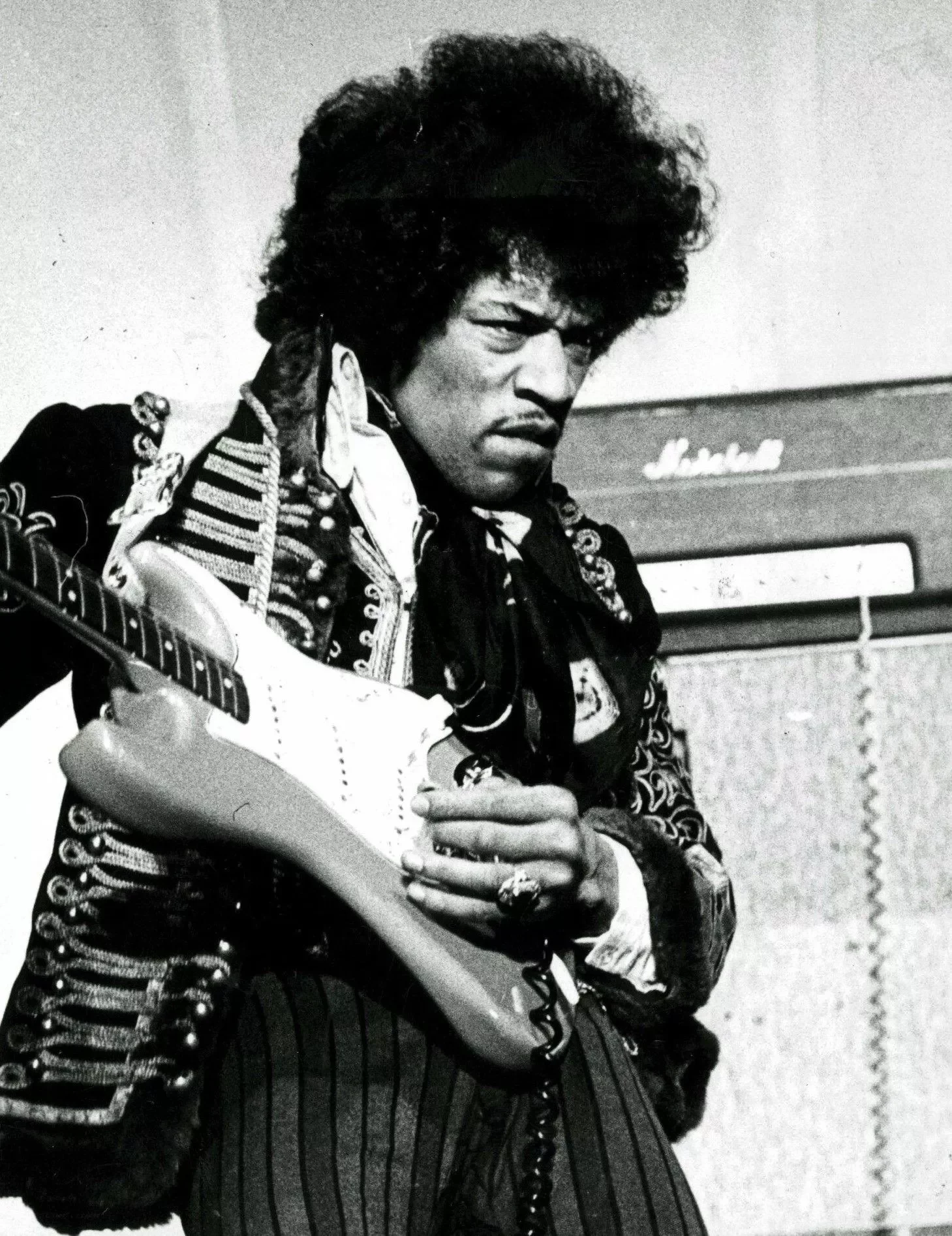
Jimi Hendrix
Born27 Nov, 1942
Died18 Sep, 1970
NationalityAmerican
Age at time of death27
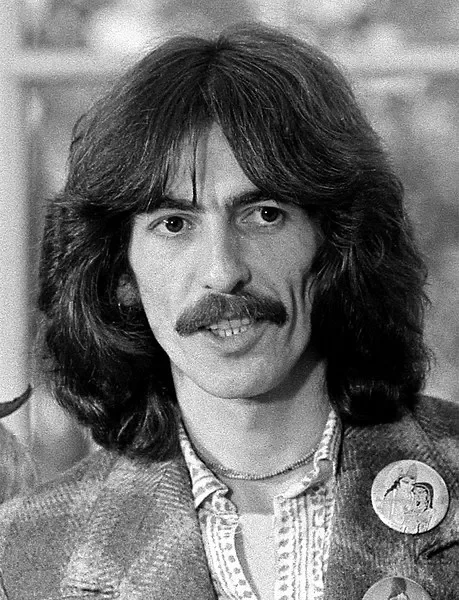
George Harrison
Born25 Feb, 1943
Died29 Nov, 2001
NationalityBritish
Age at time of death58
Johnny Ace
Born09 Jun, 1929
Died25 Dec, 1954
NationalityAmerican
Age at time of death25
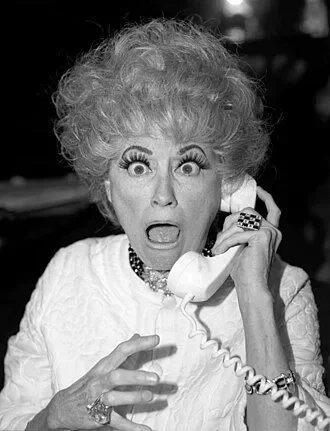
Phyllis Diller
Born17 Jul, 1917
Died20 Aug, 2012
NationalityAmerican
Age at time of death95
Cory Monteith
Born11 May, 1982
Died13 Jul, 2013
NationalityCanadian
Age at time of death31
Adam Yauch
Born05 Aug, 1964
Died04 May, 2012
NationalityAmerican
Age at time of death47
Waylon Jennings
Born15 Jun, 1937
Died13 Feb, 2002
NationalityAmerican
Age at time of death64
Chuck Berry
Born18 Oct, 1926
Died18 Mar, 2017
NationalityAmerican
Age at time of death90
Karen Carpenter
Born02 Mar, 1950
Died04 Feb, 1983
NationalityAmerican
Age at time of death32
Syd Barrett
Born06 Jan, 1946
Died07 Jul, 2006
NationalityEnglish
Age at time of death60
Maurice Gibb
Born22 Dec, 1949
Died12 Jan, 2003
NationalityBritish
Age at time of death53
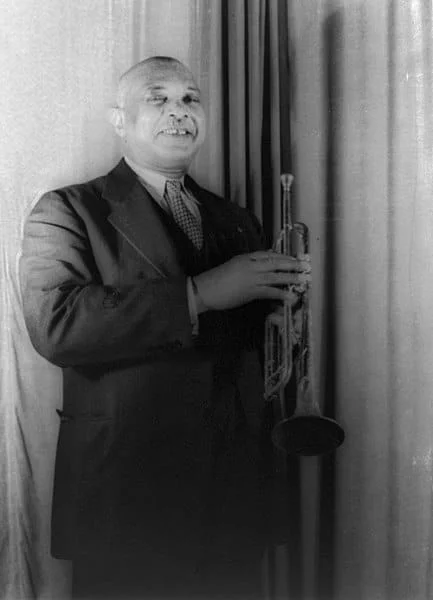
W.C. Handy
Born16 Nov, 1873
Died28 Mar, 1958
NationalityAmerican
Age at time of death84
Kurt Cobain
Born20 Feb, 1967
Died05 Apr, 1994
NationalityAmerican
Age at time of death27
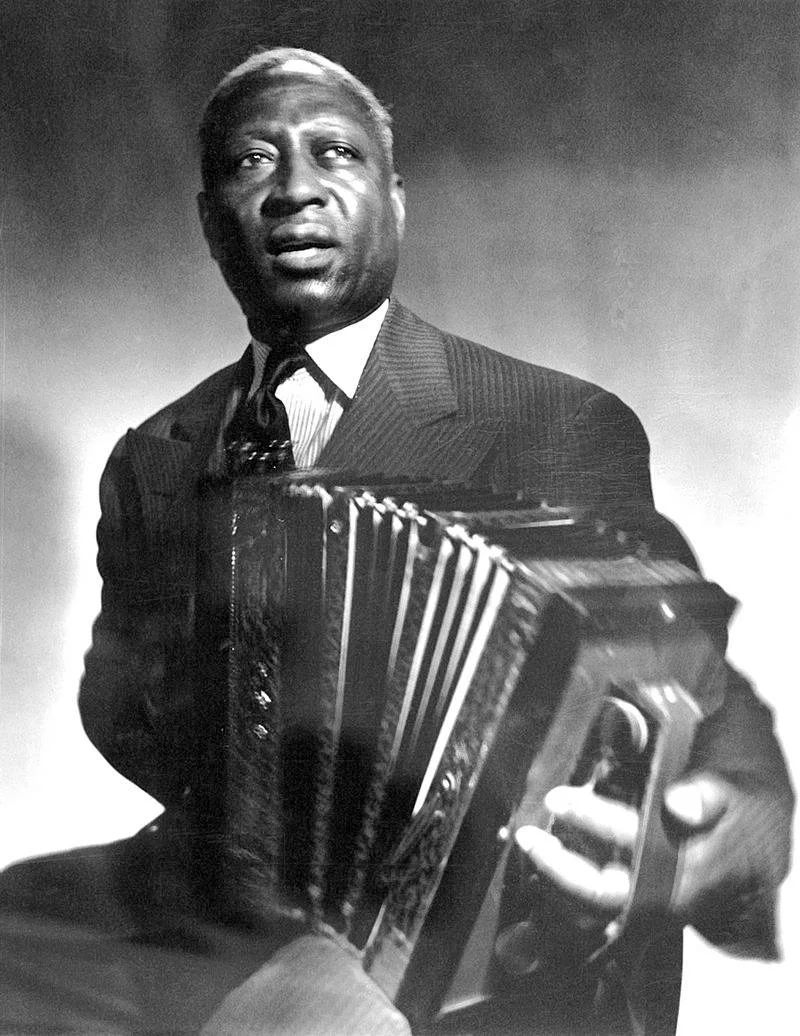
Lead Belly
Born20 Jan, 1888
Died06 Dec, 1949
NationalityAmerican
Age at time of death61
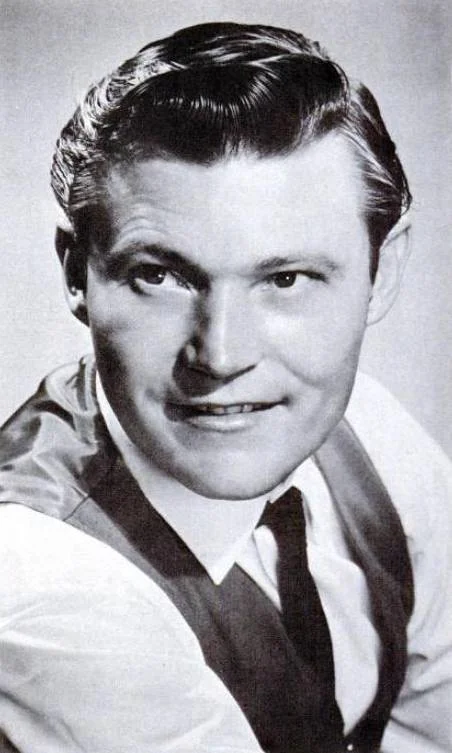
Stonewall Jackson
Born06 Nov, 1932
Died04 Dec, 2021
NationalityAmerican
Age at time of death89
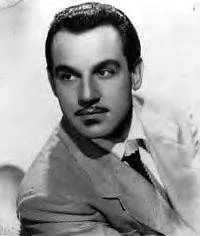
Johnny Otis
Born28 Dec, 1921
Died17 Jan, 2012
NationalityAmerican
Age at time of death90
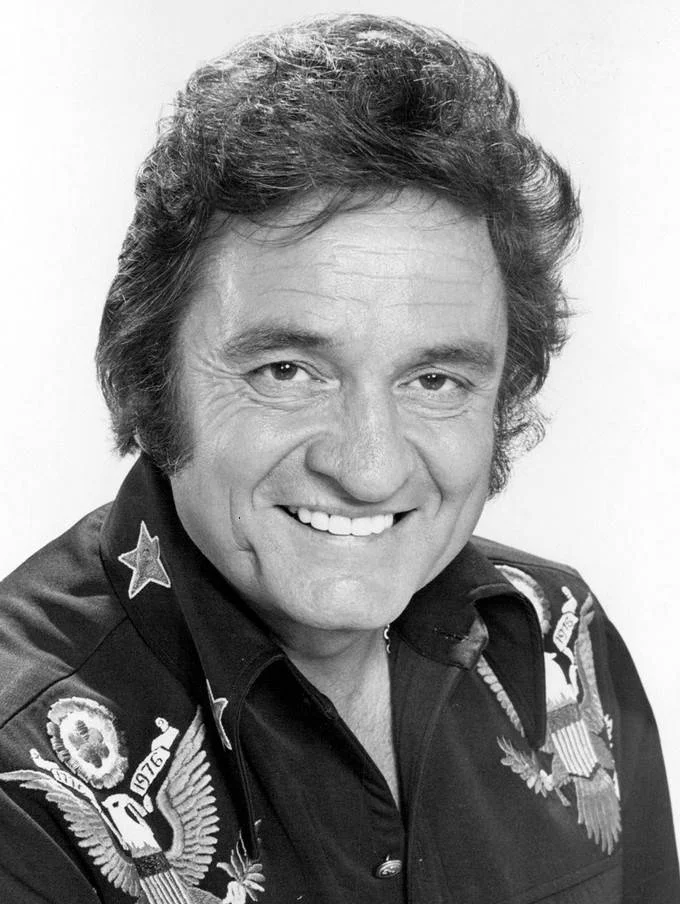
Johnny Cash
Born26 Feb, 1932
Died12 Sep, 2003
NationalityAmerican
Age at time of death71
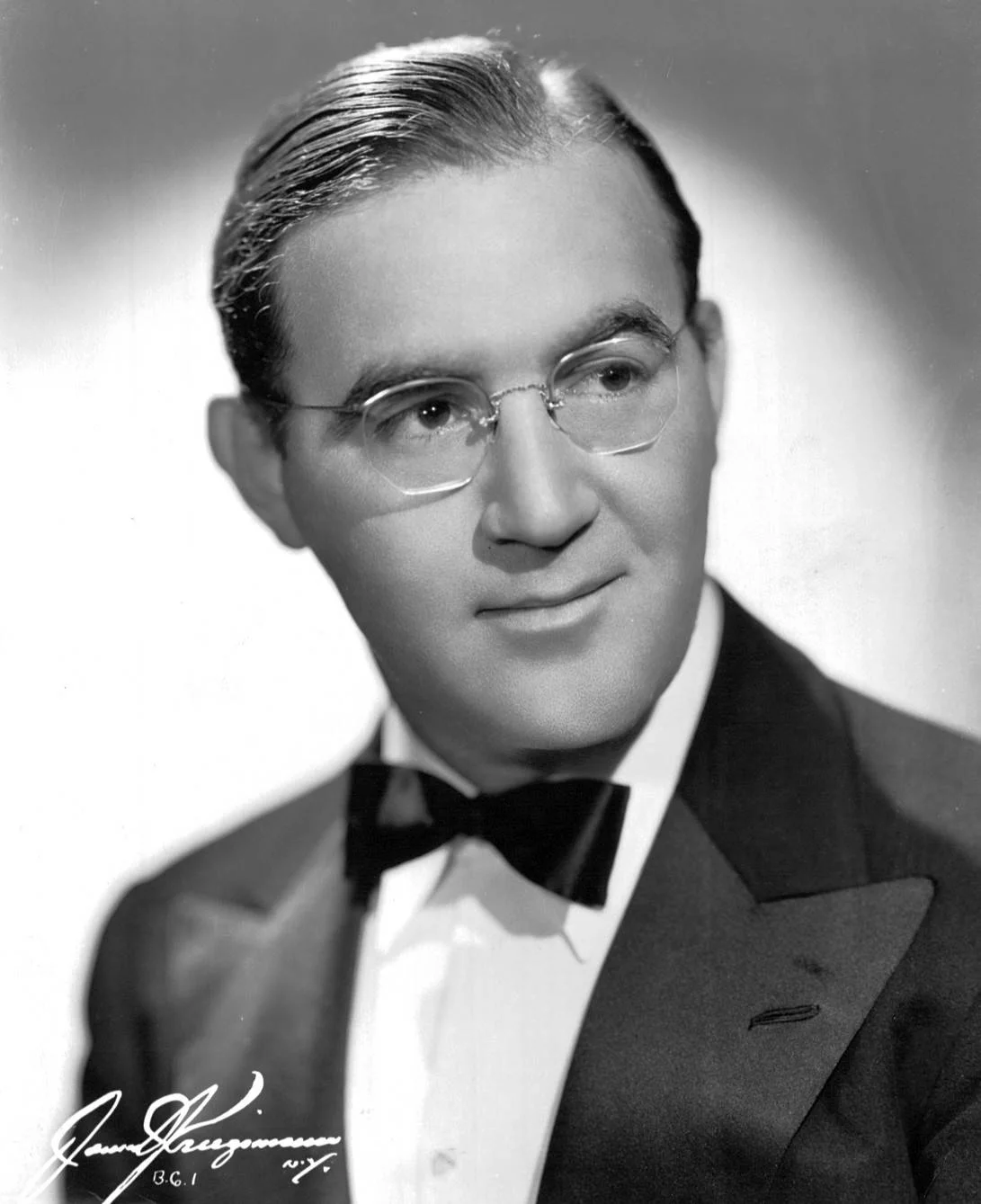
Benny Goodman
Born30 May, 1909
Died13 Jun, 1986
NationalityAmerican
Age at time of death77
Roger Miller
Born02 Jan, 1936
Died25 Oct, 1992
NationalityAmerican
Age at time of death56
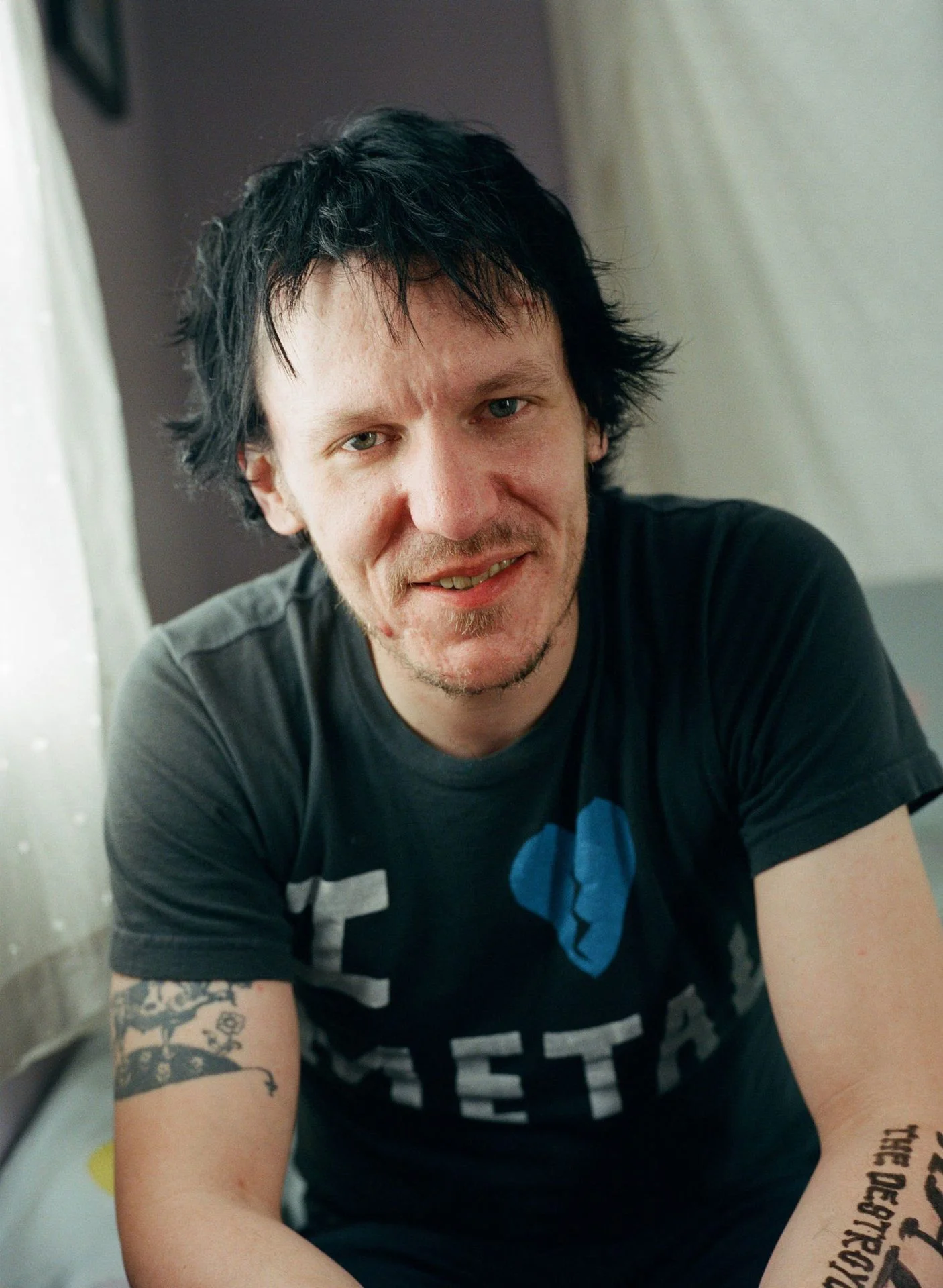
Elliot Smith
Born06 Aug, 1969
Died21 Oct, 2003
NationalityAmerican
Age at time of death34