Real Celebrities Never Die!
OR
Search For Past Celebrities Whose Birthday You Share
Died Age: 96
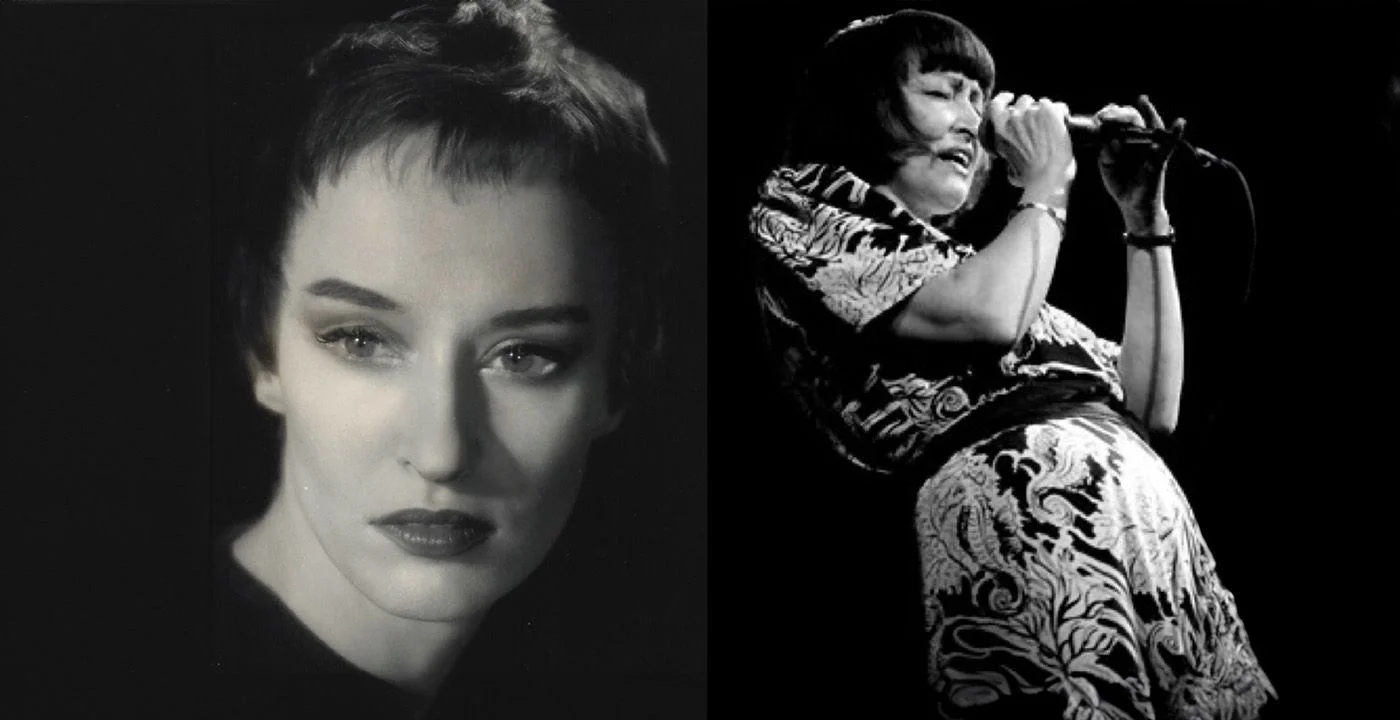
thisisbeirut.com.lb
Sheila Jordan
Birthday:
17 Nov, 1928
Date of Death:
10 Aug, 2025
Cause of death:
Unknown
Nationality:
American
Famous As:
Singer
Age at the time of death:
96
Sheila Jeanette Dawson's Quote's

“I never want to sound like anyone else. I want to sound like myself.”
Sheila Jeanette Dawson
🔗 deadcelebrityhub.com
Early Life: Roots in Quiet Hardship
Sheila Jordan was a fearless improviser and a lifelong devotee of bebop. Her voice, light and fluttering yet rooted in deep emotional wells, became synonymous with an unorthodox musical courage. Over nearly eight decades, she carved out a singular space in jazz: a world where voice and bass spoke intimately, improvisation danced with quiet wisdom, and teaching became as important as performing.
Sheila Jeanette Dawson was born on November 18, 1928, in Detroit, Michigan, but her earliest memories were shaped in a very different world — the coal mining hills of Pennsylvania. She was raised by her grandparents in a modest, hard scrabble home. Life there was not easy: the house lacked indoor plumbing, food was scarce, and struggles with alcoholism haunted her extended family. Still, amid all the hardship, young Sheila found refuge in song. She sang when she was sad, scared, or joyful — it was her way of speaking when words failed.
In her youth, she even sang on amateur radio shows, letting her voice reach beyond her cramped surroundings. Music became not just an escape, but a lifeline.
Discovery and Education: Falling in Love with Bebop
As a teenager, Sheila returned to Detroit to live with her mother. There, fate intervened in the form of a jukebox. One day, she dropped a nickel in and heard Charlie “Bird” Parker’s “Now’s the Time.” That moment changed everything. She later said that she knew — right then — that this was the music she would dedicate her life to.
In Detroit, she also mingled with budding jazz musicians: Tommy Flanagan, Kenny Burrell, Barry Harris — names that would go on to shape modern jazz. She sang as part of a vocal trio called Skeeter, Mitch, and Jean, performing bebop takes on Parker’s solos long before such vocal interpretations became common.
Career Journey
Early Career: New York, Parker, and Struggle
In the early 1950s, Sheila moved to New York City — hungry for music, and chasing her idol. She balanced day jobs, including a secretarial position, with late-night gigs. She studied with Lennie Tristano, a teacher who helped her shape her distinctive phrasing and encouraged her to embrace her quirks.
Around that time, she crossed paths with Charles Mingus, Herbie Nichols, and Charlie Parker, who became a personal and artistic mentor. Parker famously called her “the lady with the million-dollar ears.” In 1952, she married Duke Jordan, Parker’s pianist — a relationship born out of mutual respect for Bird, but one that would eventually unravel.
Breakthrough and Innovation
Her recording breakthrough came in the early 1960s. In 1962, she lent her voice to George Russell’s The Outer View, stretching out a haunting, ten-minute rendition of “You Are My Sunshine.” With Russell’s support, she released her debut album Portrait of Sheila on Blue Note Records — making her one of the first female vocalists on that venerated label. The album didn’t soar commercially, but it hinted at the radical, space-embracing approach that would become her hallmark.
At a time when most jazz singing was backed by piano, drums, or full band, Sheila began exploring a sparser, more intimate setting: voice and upright bass. This format became her signature. Over the years, she collaborated with bassists like Arild Andersen, Harvie S, and Cameron Brown — forming musical duos so telepathic you'd believe they shared one mind.
Turning Point: Personal Struggles and Teaching
Sheila also faced deep personal challenges. During the 1960s and 70s, she battled addiction and lived through a difficult divorce, becoming a single mother to her daughter Tracey. She spent years working at a day job while quietly carving out her place in the jazz world.
In 1978, she began a new chapter: teaching. She joined the faculty of City College of New York, leading vocal workshops until 2005. Outside the classroom, she helped nurture young talent through programs across the U.S. Her work as an educator became as vital to her legacy as her singing.
Later Career: Recognition and Legacy
As jazz audiences matured, they grew to understand and cherish her uncompromising style. She continued releasing albums — nearly thirty overall — exploring free jazz, bebop, avant-garde, and ballads. Her live performances became legendary, particularly her duets with bassists, where she embraced silence as much as sound.
In recognition of her lifetime contributions, she was awarded the National Endowment for the Arts Jazz Masters Fellowship in 2012 — one of the highest honours in jazz. Even in her 90s, she remained active, performing around the world and inspiring generations of musicians.
Personal Life
Sheila’s personal life was shaped by love, loss, and resilience. Her marriage to Duke Jordan was deeply tied to her musical world, but it was also fraught: he struggled with addiction, and they separated. As a single mother, Sheila balanced her day job with her nights on stage — demonstrating a quiet strength and fierce devotion to her daughter.
Beyond music, she had a warm sense of humour and a generous spirit. She opened her New York loft to visiting musicians, creating an informal haven for out-of-town artists in need of a place to stay.
Legacy
Sheila Jordan’s legacy is profound and multifaceted. She wasn’t just a distinctive voice in jazz — she was a pioneer. By championing the duo of voice and upright bass, she reshaped how singers could interact with instrumentation. Her improvisational lyricism and emotional honesty inspired both fellow artists and students. As a teacher, she passed on her deep love for bebop, her belief in authenticity, and her conviction that music could heal.
At her core, Sheila was a messenger: of emotion, of memory, of jazz itself. She survived poverty, personal demons, heartbreak, and self-doubt, yet she kept returning to music — as a sanctuary, a vocation, and a gift. When she passed away on August 11, 2025, she left behind not just a discography but a spirit that will continue to guide singers and jazz lovers for generations.
Her life reminds us that innovation need not come with fireworks; sometimes it comes quietly, in the space between notes, in the bond between a voice and a bass, in the unwavering commitment to one’s art. Sheila Jordan’s voice may have rested, but her legacy sings on.
Profile Snapshot
Name:
Sheila Jeanette Dawson
Popular Name:
Sheila Jordan
Gender:
Female
Cause of Death:
Unknown
Spouse:
Duke Jordan
Place of Birth:
Detroit, Michigan, United States
Place of Death:
New York, New York, United States
Occupation / Profession:
Singer
Songwriter
Personality Type
Advocate: Sheila Jordan’s personality radiated quiet courage and curiosity, authenticity, and a warmth that invited both music and people into her world.
Sheila Jeanette Dawson's Interesting Facts
Sheila often credited her improvisational style to listening to Charlie Parker’s solos repeatedly and “singing the lines” before she could read music.
She had a quirky habit of carrying a small notebook to jot down lyrical ideas, even in the middle of performances.
Despite her legendary career, she worked for years in an ad agency to support herself and her daughter before jazz fully sustained her.
Achievements & Awards
Sheila Jordan was a trailblazer in jazz, particularly known for pioneering the intimate duet of voice and bass, reshaping how vocalists interact with instruments.
She released nearly thirty albums over her career, spanning bebop, free jazz, and avant-garde, and became one of the first female vocalists signed to Blue Note Records.
In 2012, she received the prestigious National Endowment for the Arts Jazz Masters Fellowship, recognising her lifetime contributions to jazz and mentorship of younger musicians.
She also influenced generations of singers through her decades of teaching at City College of New York and international workshops.
External Links
Additional Links
Latest Profiles
People also viewed
Jimi Hendrix
Born27 Nov, 1942
Died18 Sep, 1970
NationalityAmerican
Age at time of death27
Jesse Powell
Born12 Sep, 1971
Died13 Sep, 2022
NationalityAmerican
Age at time of death51
Irving Berlin
Born11 May, 1888
Died22 Sep, 1989
NationalityAmerican
Age at time of death101
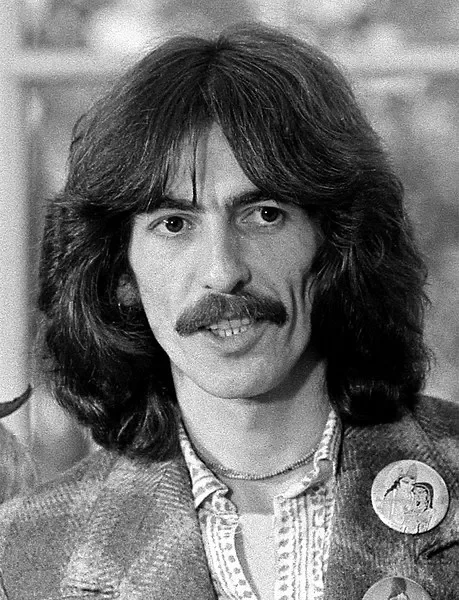
George Harrison
Born25 Feb, 1943
Died29 Nov, 2001
NationalityBritish
Age at time of death58
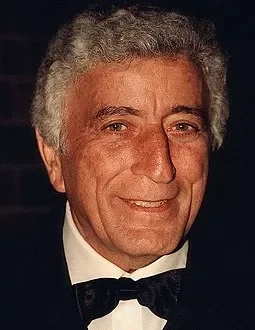
Tony Bennett
Born03 Aug, 1926
Died21 Jul, 2023
NationalityAmerican
Age at time of death96
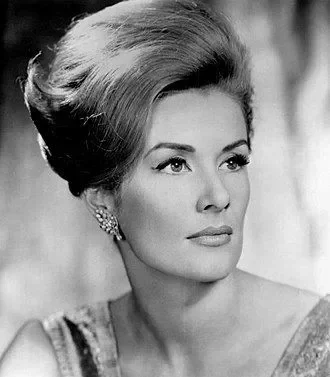
Sally Ann Howes
Born20 Jul, 1930
Died19 Dec, 2021
NationalityBritish, American
Age at time of death91
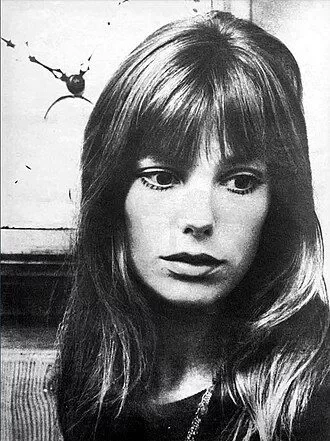
Jane Birkin
Born14 Dec, 1946
Died16 Jul, 2023
NationalityBritish, French
Age at time of death76

Chester Bennington
Born20 Mar, 1976
Died20 Jul, 2017
NationalityAmerican
Age at time of death41
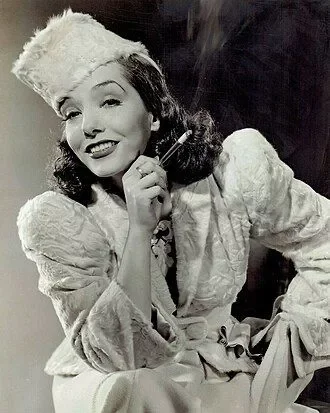
Lupe Vélez
Born18 Jul, 1908
Died14 Dec, 1944
NationalityMexican
Age at time of death36
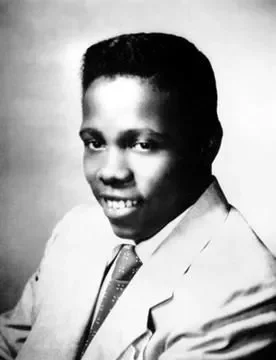
Johnny Ace
Born09 Jun, 1929
Died25 Dec, 1954
NationalityAmerican
Age at time of death25
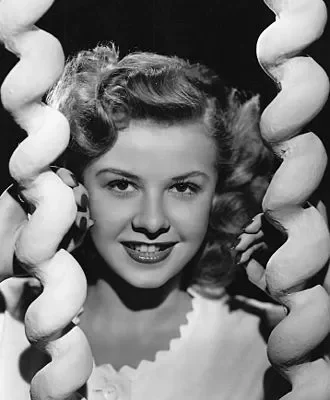
Vera-Ellen
Born16 Feb, 1921
Died30 Aug, 1981
NationalityAmerican German
Age at time of death60
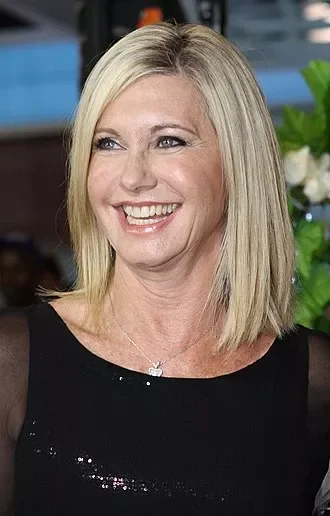
Olivia Newton-John
Born26 Sep, 1948
Died08 Aug, 2022
NationalityBritish, Australian
Age at time of death73
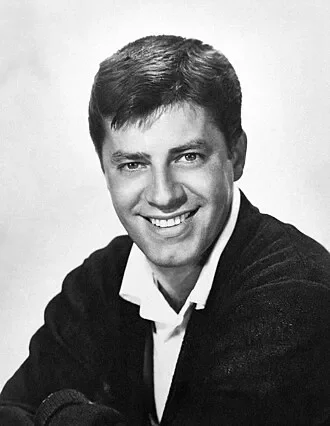
Jerry Lewis
Born16 Mar, 1926
Died20 Aug, 2017
NationalityAmerican
Age at time of death91
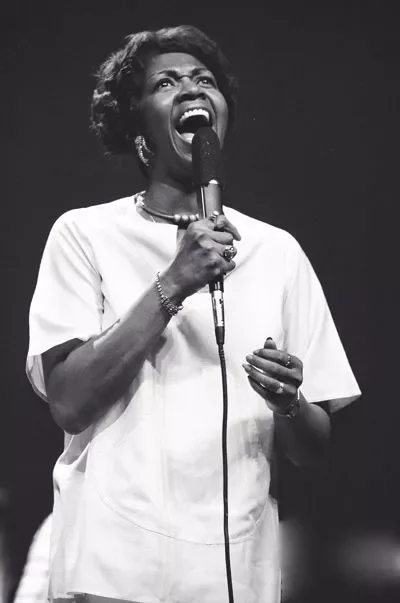
Cissy Houston
Born30 Sep, 1933
Died07 Oct, 2024
NationalityAmerican
Age at time of death91
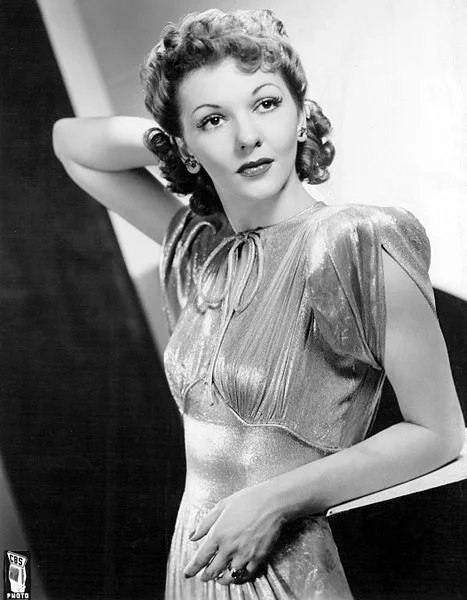
Mary Martin
Born01 Dec, 1913
Died03 Nov, 1990
NationalityAmerican
Age at time of death76
Jim Morrison
Born08 Dec, 1943
Died03 Jul, 1971
NationalityAmerican
Age at time of death27
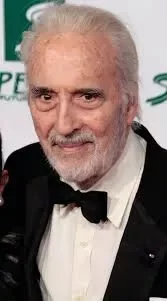
Christopher Lee
Born27 May, 1922
Died07 Jun, 2015
NationalityBritish
Age at time of death93
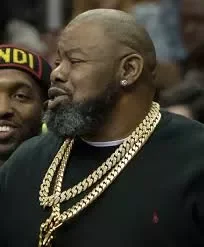
Biz Markie
Born08 Apr, 1964
Died16 Jul, 2021
NationalityAmerican
Age at time of death57
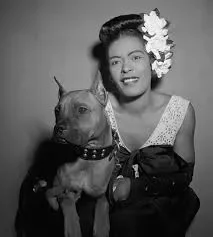
Billie Holiday
Born07 Apr, 1915
Died17 Jul, 1959
NationalityAmerican
Age at time of death44
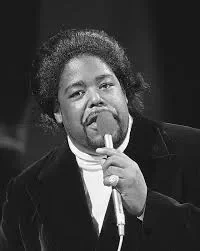
Barry White
Born12 Sep, 1944
Died04 Jul, 2003
NationalityAmerican
Age at time of death58