Real Celebrities Never Die!
OR
Search For Past Celebrities Whose Birthday You Share
Died Age: 86
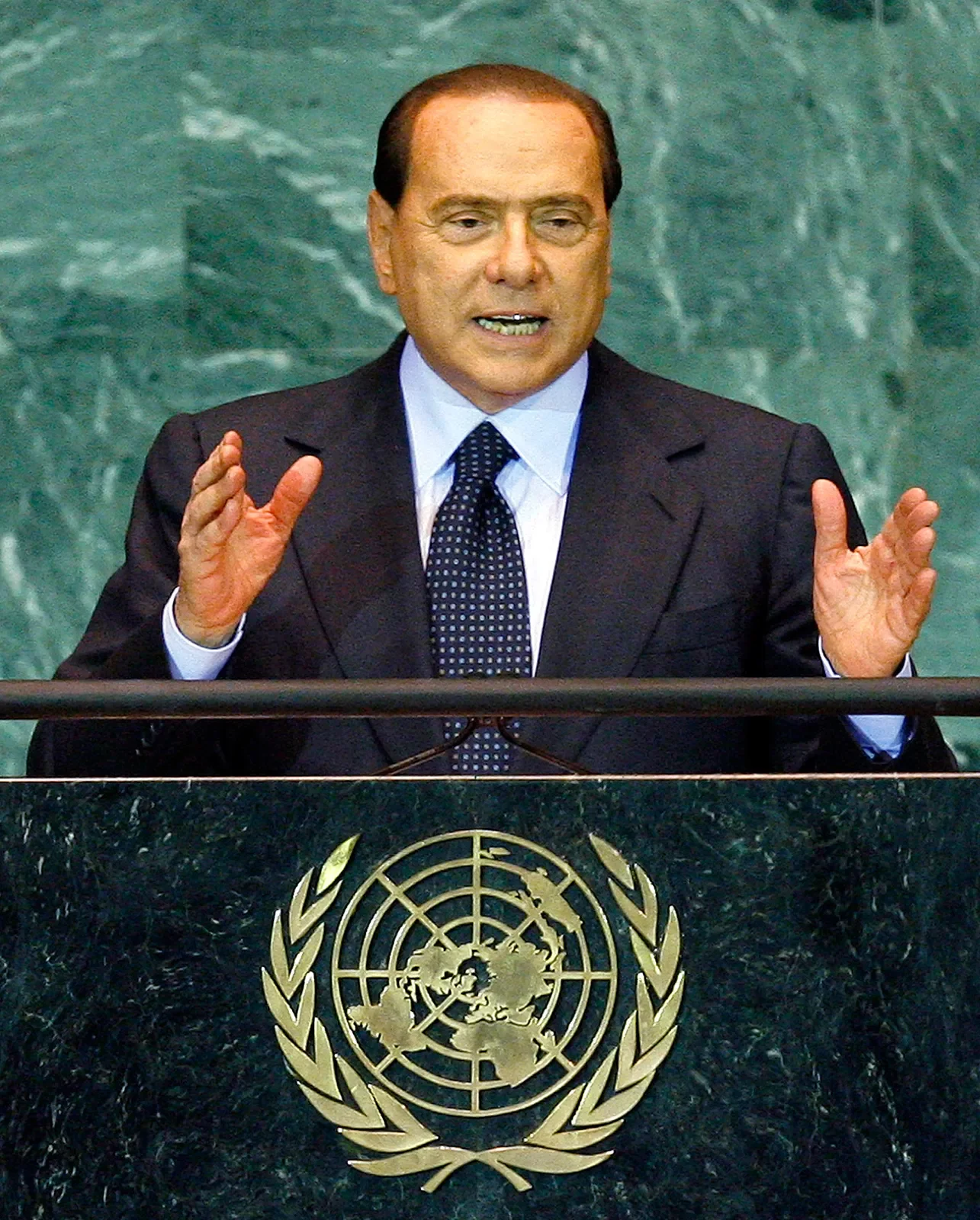
britannica.com
Silvio Berlusconi
Birthday:
29 Sep, 1936
Date of Death:
12 Jun, 2023
Cause of death:
Chronic myelomonocytic leukemia
Nationality:
Italian
Famous As:
Italian media tycoon
Age at the time of death:
86
Silvio Berlusconi's Quote's

“[on appointing fifty deputies to government from his advertising company] I'm like Prince Charming. They were pumpkins and I turned them into parliamentarians.”
Silvio Berlusconi
🔗 deadcelebrityhub.com
Early Life: Milan Roots and Entrepreneurial Beginnings
Silvio Berlusconi was never merely a politician—he was a showman, a mogul, and a force of personality who reshaped the contours of Italian public life. With the magnetism of a performer and the savvy of a businessman, he transformed entertainment into influence, and influence into political dominance. His journey from Milanese entrepreneur to one of Europe’s most polarizing leaders is a story of ambition, reinvention, and enduring controversy.
Born in Milan in 1936, Berlusconi grew up in a modest household that prized hard work and education. His father worked in banking, his mother instilled discipline, and together they nurtured a son with relentless drive. After earning a law degree from the University of Milan, Berlusconi quickly veered toward real estate, sensing opportunity in postwar Italy’s building boom. His first developments were modest, but his vision was anything but. He built entire neighborhoods, complete with shopping centers and entertainment, offering not just homes, but lifestyles.
The Media Empire: Entertainment as a Platform
In the 1970s, Berlusconi pivoted to broadcasting—at a time when most Italians relied solely on state television. He launched private TV stations that featured variety shows, imported soap operas, cartoons, and game shows—content that resonated with ordinary people. This media revolution made him not only wealthy but influential. By the 1980s, he owned a vast media conglomerate that included television networks, publishing houses, advertising firms, and even a top-tier football club.
His media empire didn't just reflect Italian culture—it began to shape it.
Career Journey
Phase One: Political Ascent (1994–1995)
When traditional political parties collapsed amid corruption scandals in the early 1990s, Berlusconi stepped in. He formed a new party, Forza Italia, almost overnight. Riding on national frustration and his immense name recognition from television, he presented himself as the outsider who would clean up the system. In 1994, he won the election and became prime minister—an unprecedented rise for a man with no prior political experience.
His first government was brief, falling apart within months. But he had made his point: he could command both the screen and the state.
Phase Two: Consolidation and Conflict (2001–2006)
Re-elected in 2001, Berlusconi now had time to push through reforms. He focused on tax cuts, pension reform, and ambitious infrastructure projects. He also modernized parts of the economy, encouraging privatization and deregulation. But his second term was shadowed by legal troubles—multiple investigations into financial misconduct, media monopolies, and conflicts of interest.
He fought back not only in courtrooms but through television and public speeches, often painting himself as a victim of a biased judiciary. His supporters saw resilience; critics saw impunity.
Phase Three: Crisis and Resignation (2008–2011)
Berlusconi returned once more to power in 2008. But by then, Italy was sliding into a debt crisis, and political allies began to fracture. His leadership during the financial turmoil drew criticism at home and abroad. Mounting scandals—including revelations about his personal life—further weakened his grip. In 2011, under immense political and market pressure, he resigned.
Still, he remained in the public eye—commenting on politics, leading his party from behind the scenes, and even staging a comeback in later years.
Phase Four: The Final Act
Even after being banned from public office due to a conviction for tax fraud, Berlusconi returned to politics. He served in the European Parliament and later re-entered the Italian Senate, refusing to fade quietly. In his final years, despite serious health problems, he maintained a visible role in political discourse and remained the honorary leader of his party.
Personal Life: A Man of Glamour and Scandal
Berlusconi's personal life mirrored his public image: extravagant, theatrical, and endlessly talked about. He was married twice and had five children, many of whom became involved in his businesses. He famously hosted opulent gatherings, collected villas and luxury properties, and surrounded himself with celebrities.
His lifestyle and conduct often sparked scandal—particularly in his later years—but to his loyal supporters, these were just further proof of his independence from convention and elite judgment.
Legacy: Charisma, Controversy, and a Changed Nation
Silvio Berlusconi left a legacy that is as complex as it is undeniable. He revolutionized Italy’s media landscape and used that dominance to vault himself into the highest office, redefining the relationship between politics and entertainment. His tenure introduced a new style of populist leadership—media-driven, personality-focused, and divisive.
To some, he was a self-made success story who defied the establishment. To others, he eroded democratic norms and blurred the line between private interest and public service.
But whether loved or loathed, Berlusconi changed the rules of the game—and played to win.
Silvio Berlusconi didn’t just lead Italy—he performed Italy. And in doing so, he left a mark that will echo through its politics, its television screens, and its history books for generations.
Profile Snapshot
Name:
Silvio Berlusconi
Popular Name:
Silvio Berlusconi
Gender:
Male
Cause of Death:
Chronic myelomonocytic leukemia
Spouse:
Carla Dall'Oglio
Veronica Lario
Place of Birth:
Milan, Italy
Place of Death:
Milan, Italy
Occupation / Profession:
Italian media tycoon
Politician
Personality Type
Commander: Bold, imaginative and strong-willed leaders, always finding a way – or making one. Silvio Berlusconi was a bold, strategic, and strong-willed leader who thrived on power, influence, and finding a way to win — or creating one himself.
Silvio Berlusconi's Interesting Facts
Before politics, he built a media empire, founding the major Italian TV network Mediaset.
Berlusconi once owned the famous football club AC Milan for over 30 years.
He is known for his charismatic but controversial style, often making headlines for both politics and personal scandals.
Silvio Berlusconi was Italy’s Prime Minister three times, making him one of the longest-serving leaders in the country’s history.
Achievements & Awards
He was also honored with international awards like the Cavaliere di Gran Croce and received distinctions from countries such as Poland and France for his political and business influence.
Silvio Berlusconi received several notable awards during his lifetime, including the Order of Merit for Labour in Italy, which recognizes significant contributions to industry.
External Links
Additional Links
Latest Profiles
People also viewed
Gerald Ford
Born14 Jul, 1913
Died26 Dec, 2006
NationalityAmerican
Age at time of death93
Victor Hugo
Born26 Feb, 1802
Died22 May, 1885
NationalityFrench
Age at time of death83
George Murphy
Born04 Jul, 1902
Died03 May, 1992
NationalityAmerican
Age at time of death89
P. T. Barnum
Born05 Jul, 1810
Died07 Apr, 1891
NationalityAmerican
Age at time of death80
Rajendra Prasad
Born03 Dec, 1884
Died28 Feb, 1963
NationalityIndian
Age at time of death78
Nelson Rockefeller
Born08 Jul, 1908
Died26 Jan, 1979
NationalityAmerican
Age at time of death70

Ethan Allen
Born21 Jan, 1738
Died12 Feb, 1789
NationalityAmerican
Age at time of death51
Herbert Hoover
Born10 Aug, 1874
Died20 Oct, 1964
NationalityAmerican
Age at time of death90
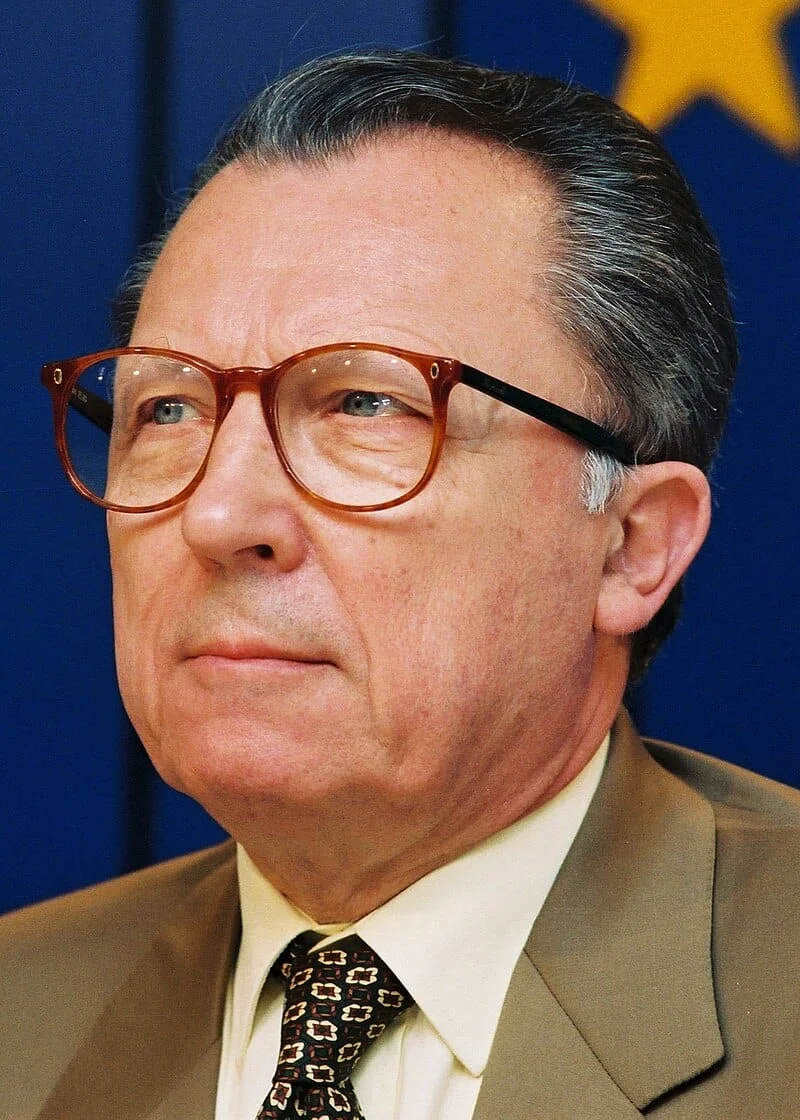
Jacques Delors
Born20 Jul, 1925
Died27 Dec, 2023
NationalityFrench
Age at time of death98
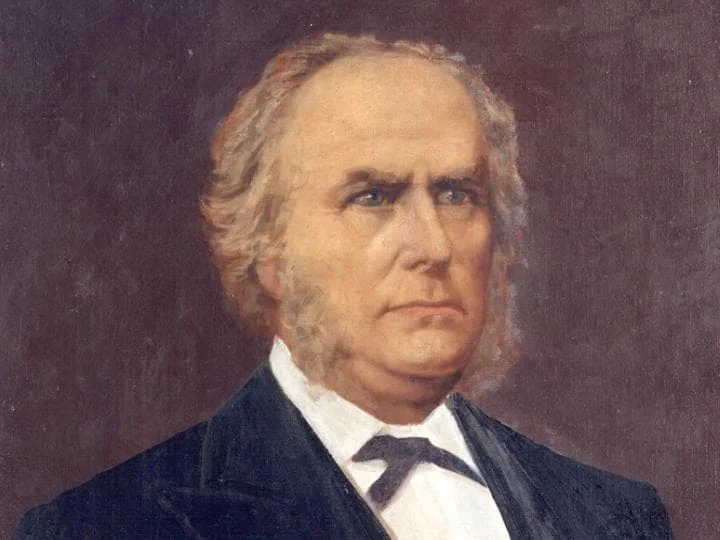
James Harrison
Born17 Apr, 1816
Died03 Sep, 1893
NationalityScottish,Australian
Age at time of death77
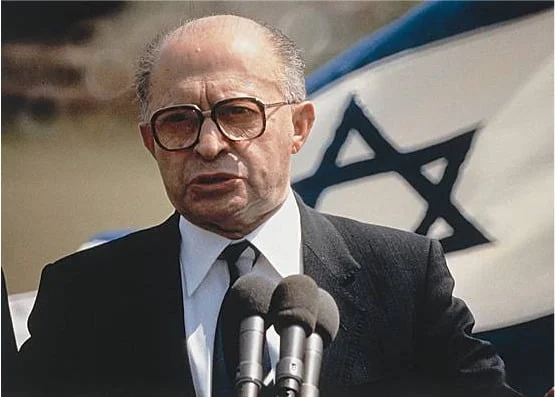
Menachem Begin
Born16 Aug, 1913
Died09 Mar, 1992
NationalityIsraeli
Age at time of death78
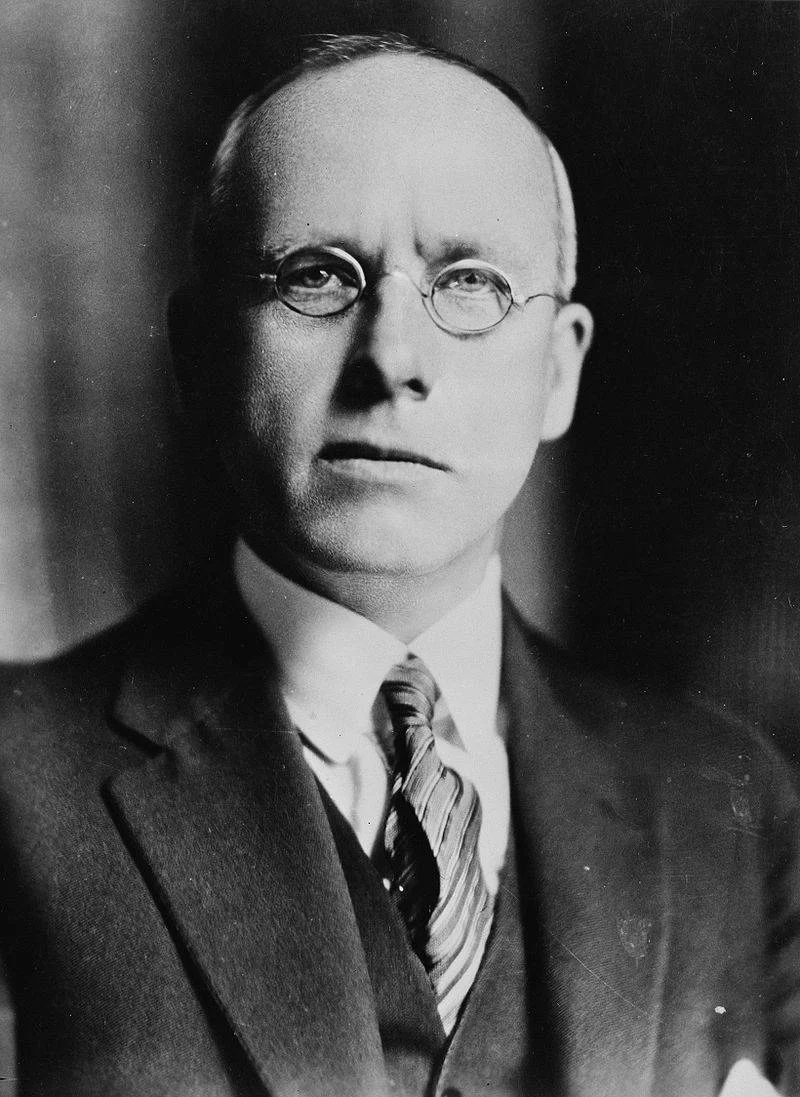
Peter Fraser
Born28 Aug, 1884
Died12 Dec, 1950
NationalityNew Zealand
Age at time of death66
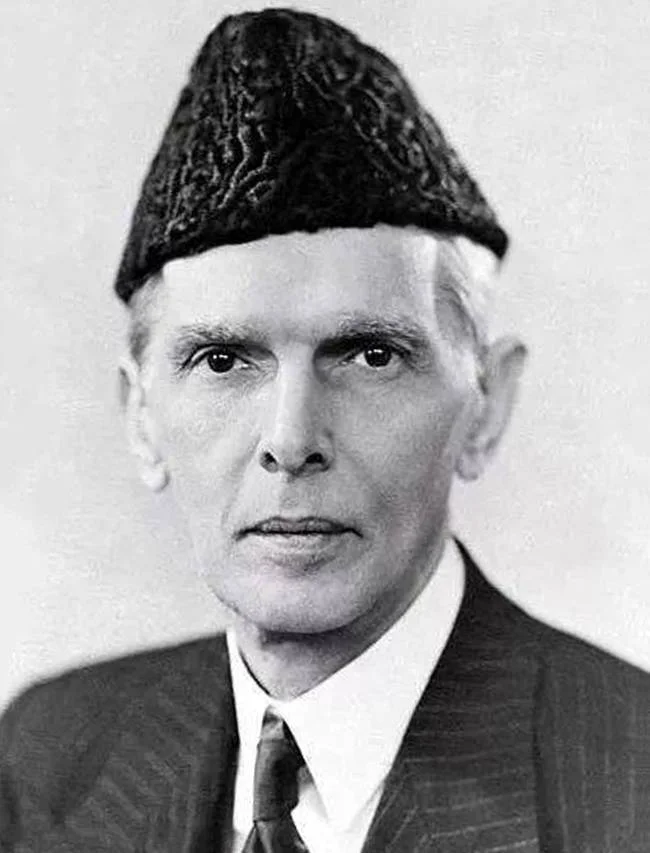
Muhammad Ali Jinnah
Born25 Dec, 1876
Died11 Sep, 1948
NationalityPakistani
Age at time of death71
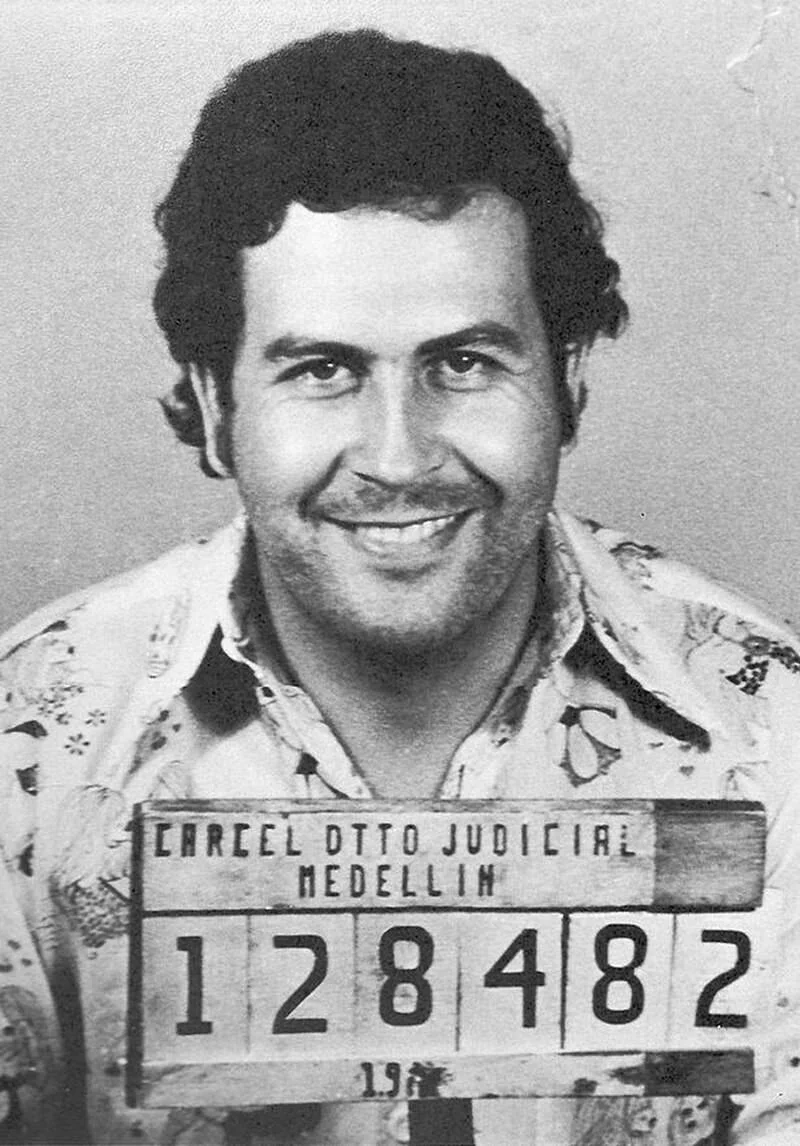
Pablo Escobar
Born01 Dec, 1949
Died02 Dec, 1993
NationalityColombian
Age at time of death44
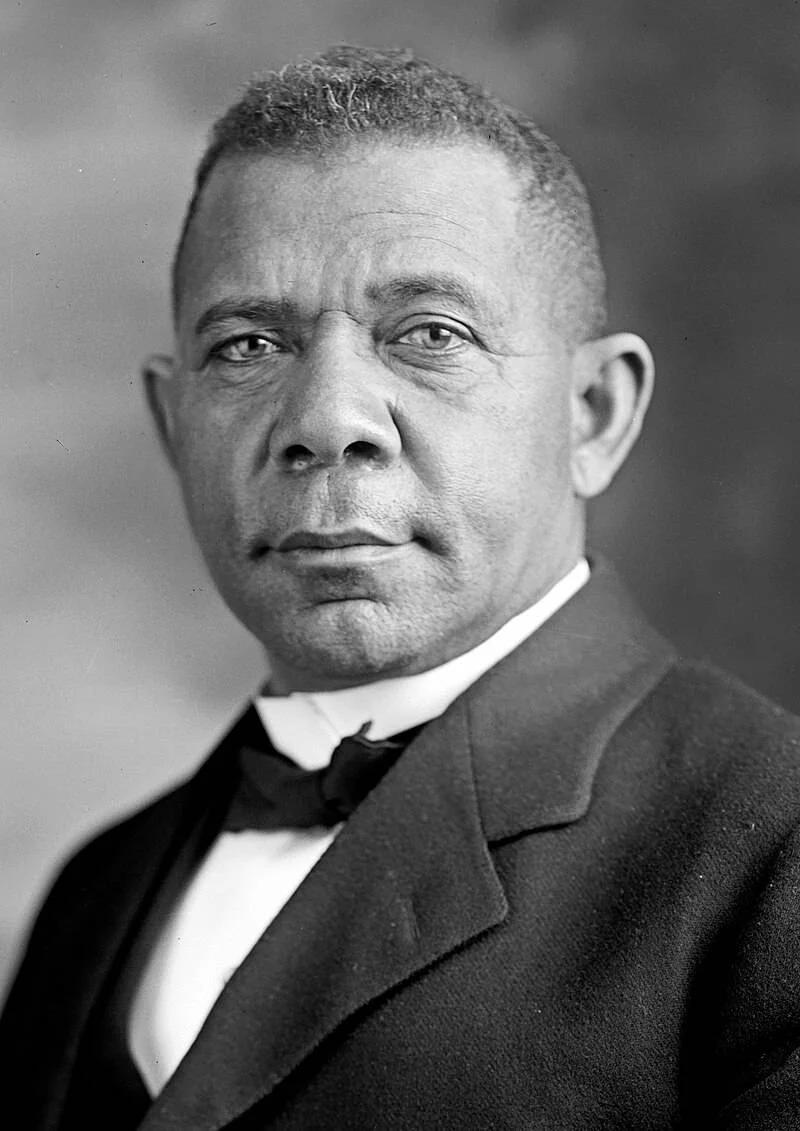
Booker T. Washington
Born05 Apr, 1856
Died14 Nov, 1915
NationalityAmerican
Age at time of death59
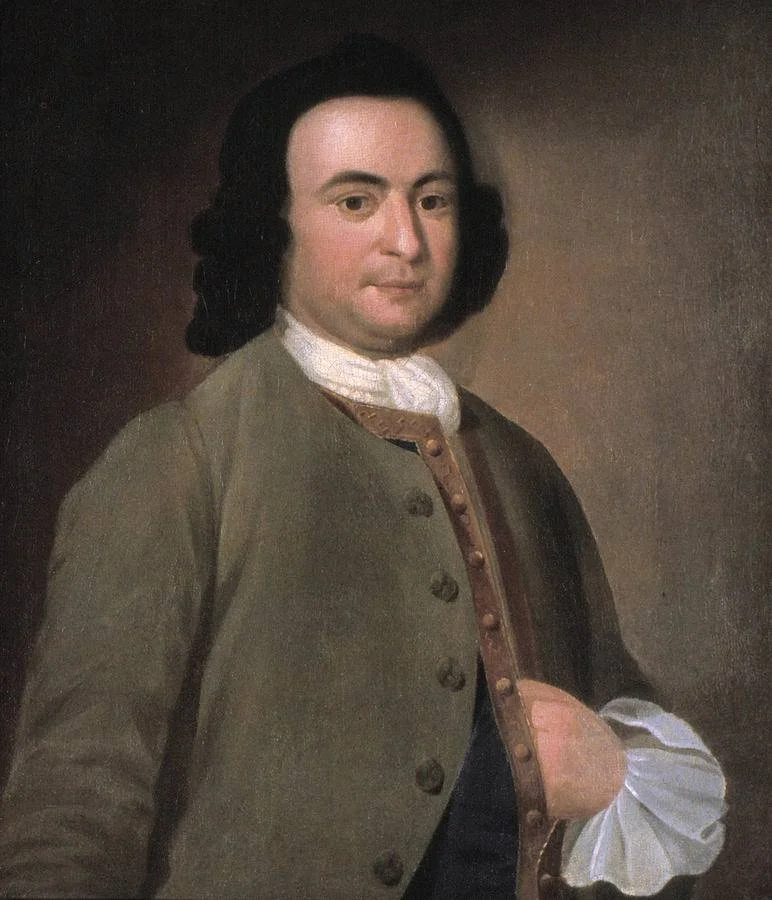
George Mason
Born11 Dec, 1725
Died07 Oct, 1792
NationalityAmerican, British
Age at time of death66
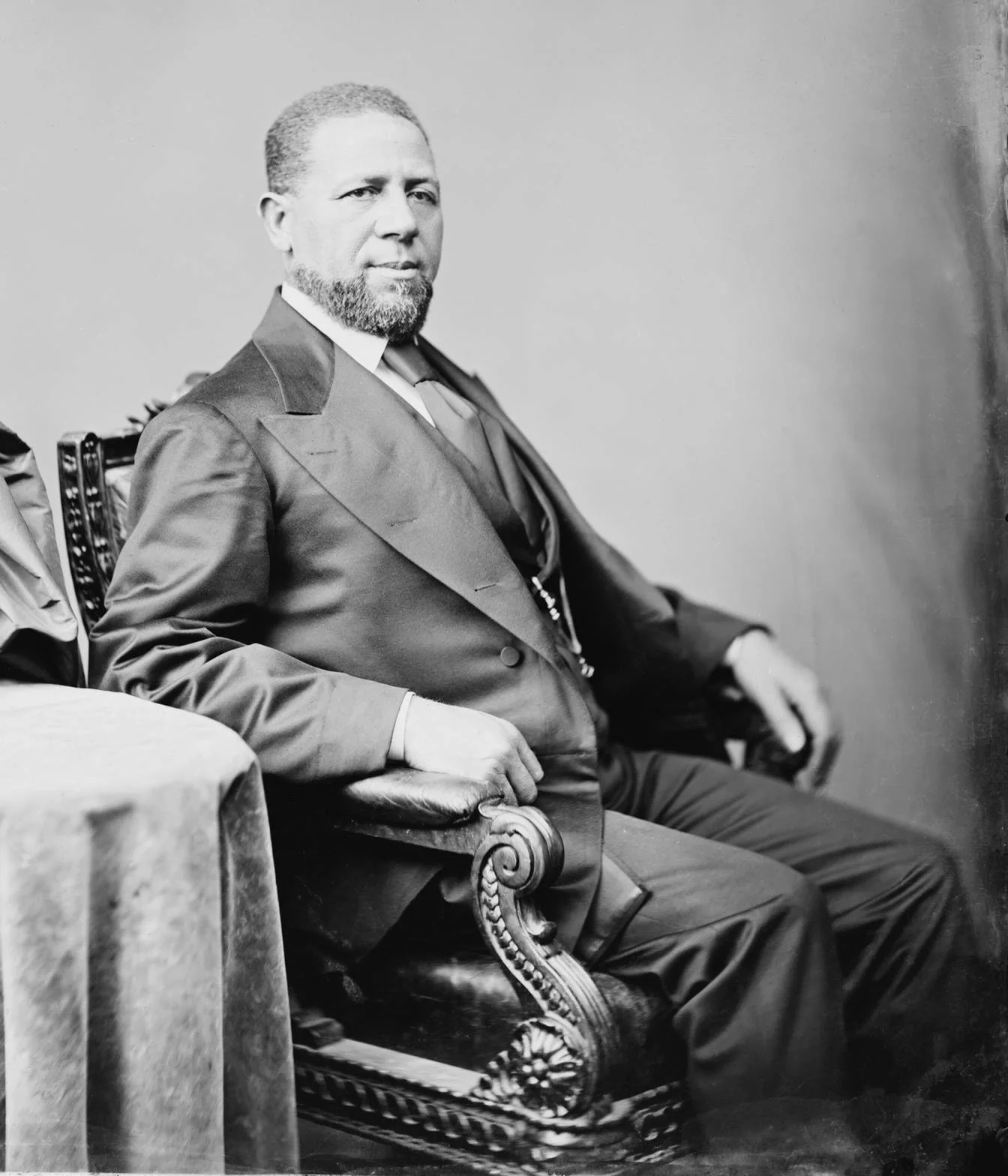
Hiram R. Revels
Born27 Sep, 1827
Died16 Jan, 1901
NationalityAmerican
Age at time of death73
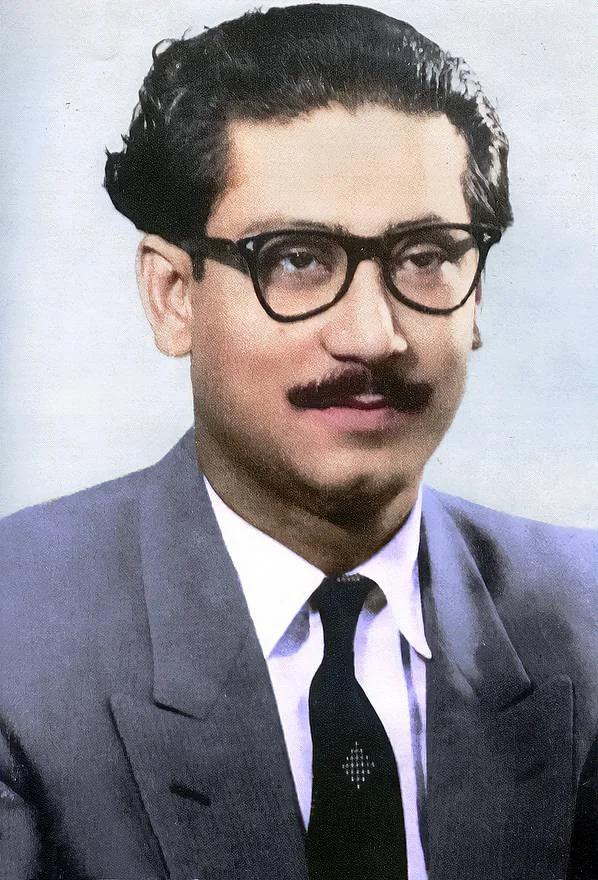
Sheikh Mujibur Rahman
Born17 Mar, 1920
Died15 Aug, 1975
NationalityIndian, Pakistani, Bangladeshi
Age at time of death55
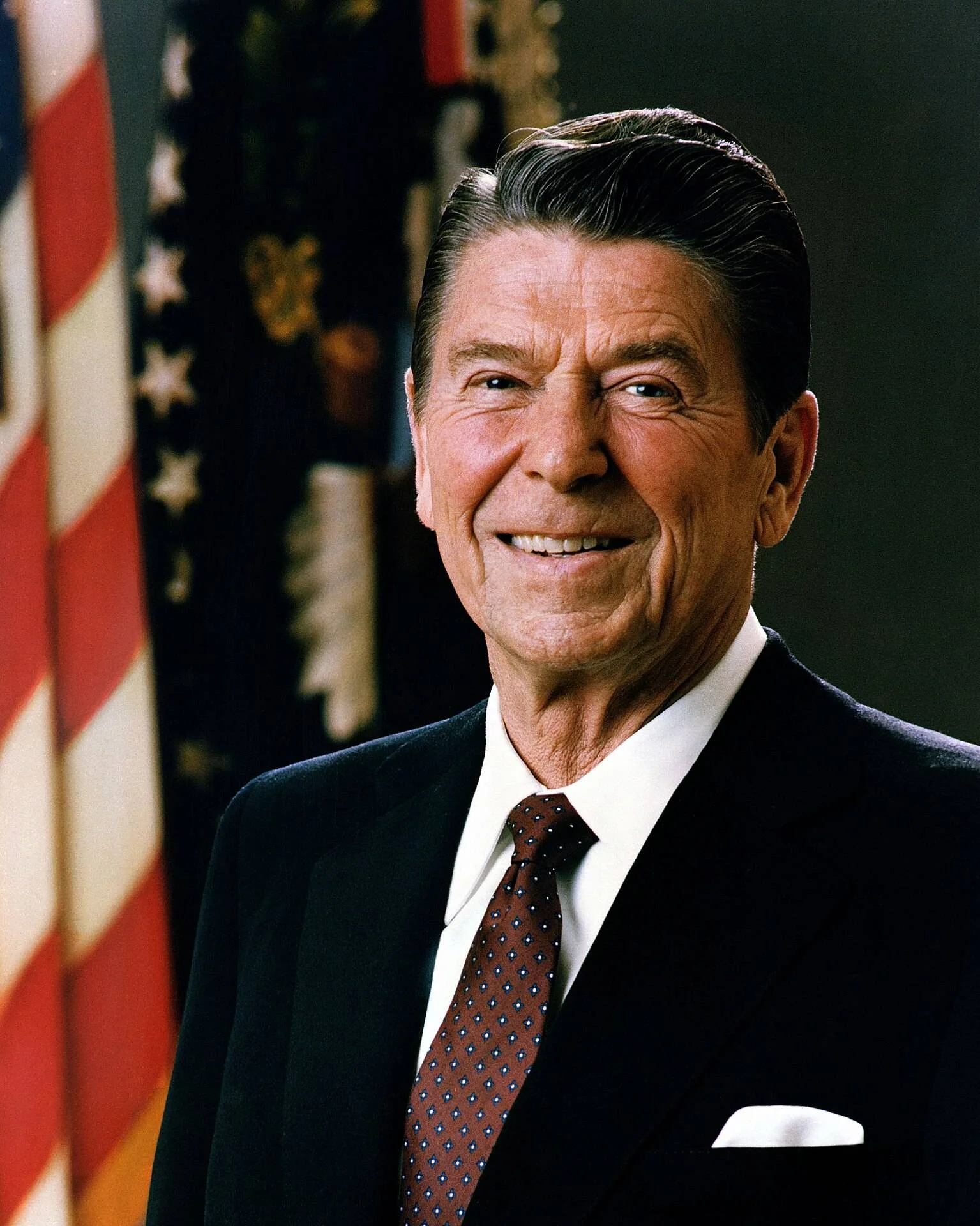
Ronald Reagan
Born06 Feb, 1911
Died05 Jun, 2004
NationalityAmerican
Age at time of death93
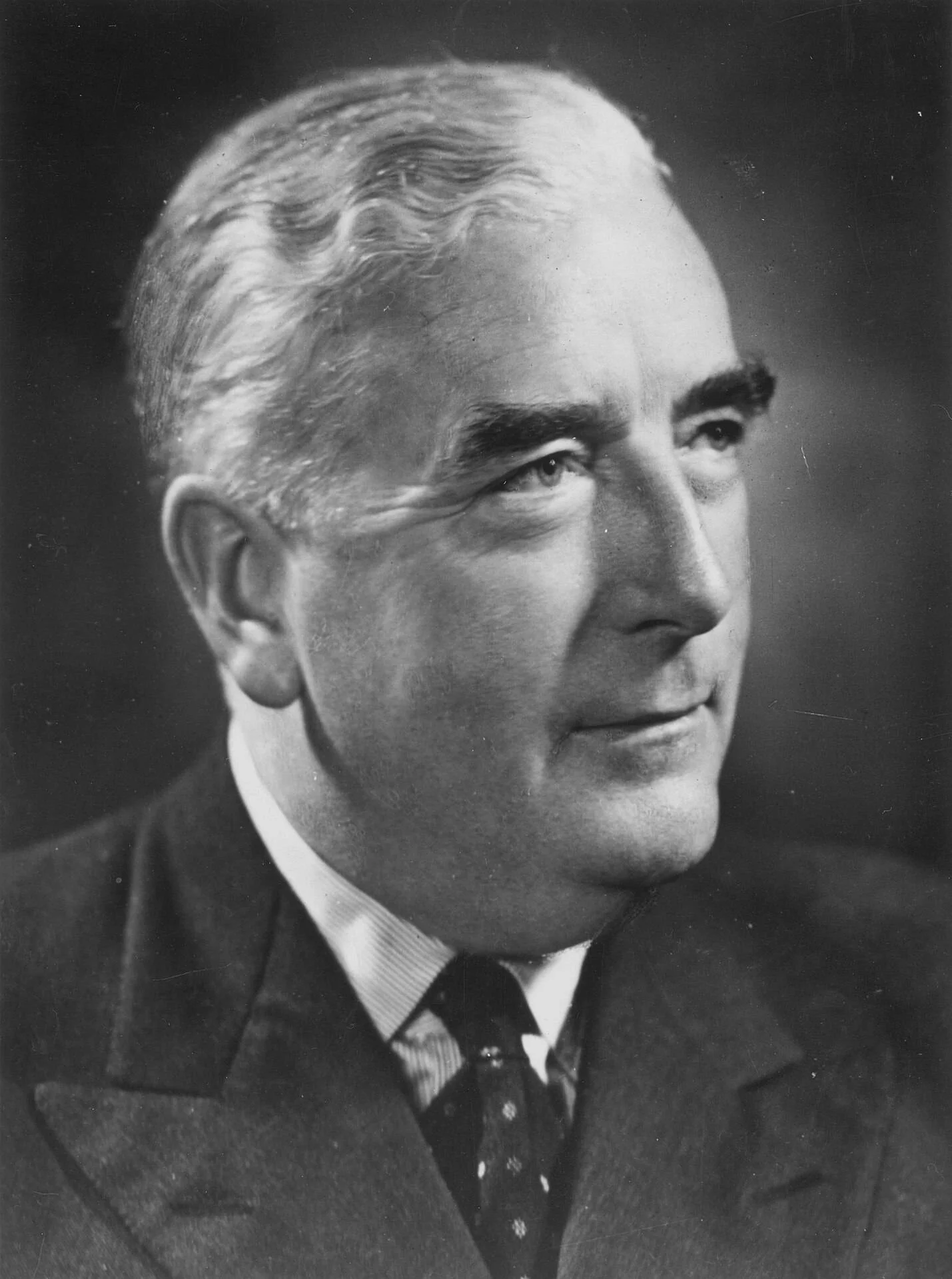
Robert Menzies
Born20 Dec, 1894
Died15 May, 1978
NationalityAustralian
Age at time of death83