Real Celebrities Never Die!
OR
Search For Past Celebrities Whose Birthday You Share
Died Age: 56
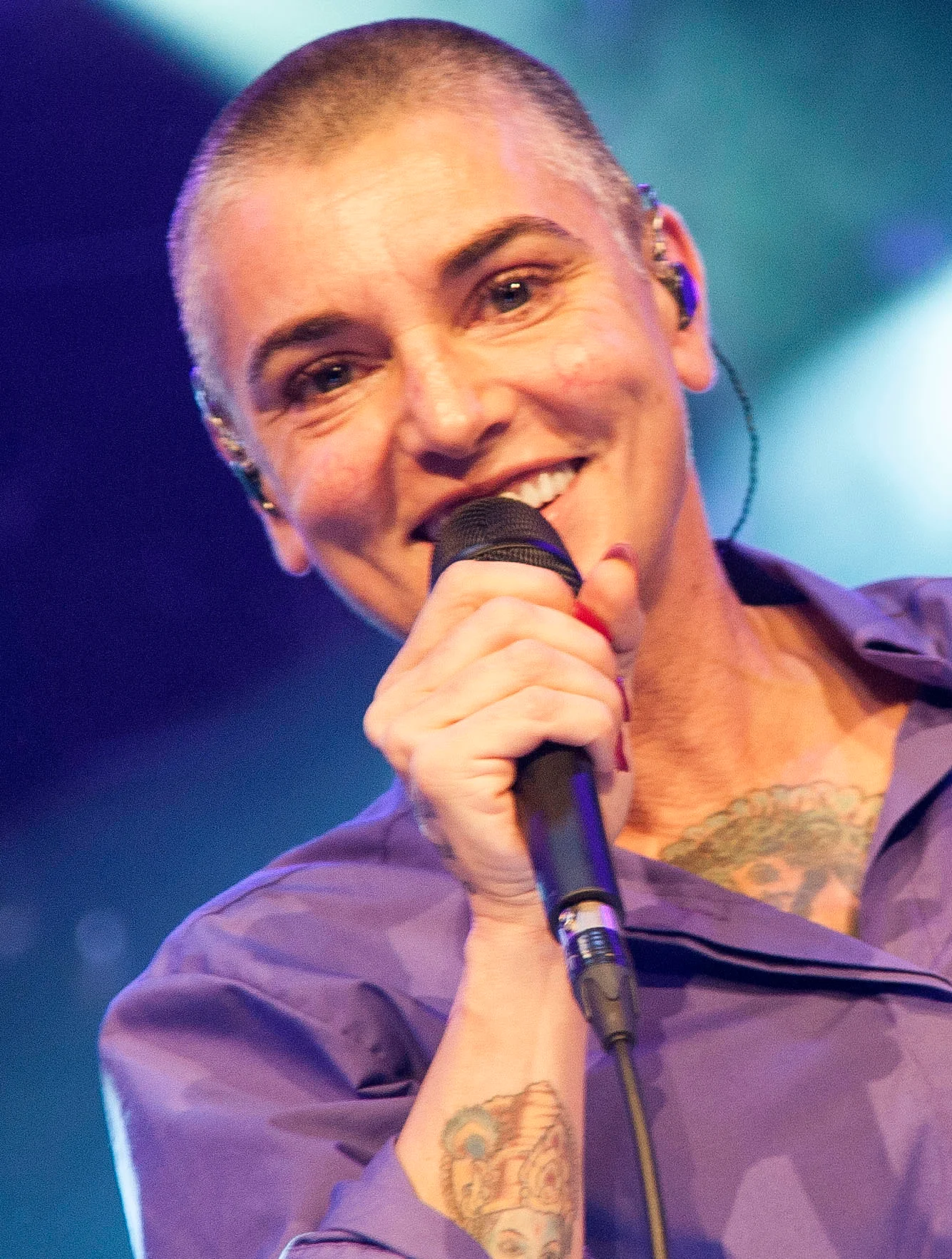
wikimedia.org
Sinéad O’Connor
Birthday:
08 Dec, 1966
Date of Death:
26 Jul, 2023
Cause of death:
Chronic obstructive pulmonary disease and bronchial asthma
Nationality:
Irish
Famous As:
Activist
Age at the time of death:
56
Shuhada' Sadaqat's Quote's

“All what we know as rock and pop music came from blues when you trace it back, it's history came from blues and in its time blues was pretty much like rap in so far as it had the same format which meant anybody could write a song. It wasn't too complicated, it was 12 bars, you had three verses, the first three lines were the same, the last line was different, you had a bridge.”
Shuhada' Sadaqat
🔗 deadcelebrityhub.com
Early Life: A Turbulent Beginning
Sinéad O’Connor wasn’t just a singer—she was a force of feeling. Her haunting voice, shaved head, and defiant stare became symbols of artistic vulnerability and rebellion. Through music, protest, and pain, she carved out a space where truth—no matter how uncomfortable—could be heard. Raw, unfiltered, and often misunderstood, she was never afraid to risk everything for what she believed was right. Her life was not just a career—it was a declaration.
Born in Dublin in 1966, Sinéad Marie Bernadette O’Connor grew up in a household fractured by divorce and marked by emotional turmoil. She would later speak openly about the abuse she experienced in her childhood—memories that shaped not just her lyrics but her worldview.
At fifteen, after being caught shoplifting, she was placed in a Magdalene asylum—a grim institution run by the Catholic Church. While the experience was traumatic, it was also formative. It was there that a nun discovered her voice and encouraged her to pursue music. Pain and poetry had found each other.
Education and Escape into Music
Sinéad found refuge in art. She studied at Newtown School and later joined the band Ton Ton Macoute, honing her songwriting and performance style. Her breakthrough came when she moved to London and began work on her debut album. She was young, pregnant, and determined—and when The Lion and the Cobra was released in 1987, critics were stunned. Her voice was ethereal, but her delivery was fierce. It was clear: she wasn’t here to please. She was here to express.
Career Journey
Phase One: Stardom and Sound (Late 1980s – Early 1990s)
Her sophomore album, I Do Not Want What I Haven’t Got, featured the Prince-penned “Nothing Compares 2 U.” The track became a global anthem of heartbreak, propelled by a stark music video where a single tear streamed down her face. Sinéad was suddenly a star, but not a conventional one. While most chased fame, she recoiled from it, skeptical of its costs and contradictions.
Phase Two: Outcry and Exile (1992 and Beyond)
In 1992, she appeared on live television and tore up a photo of Pope John Paul II in protest of the Catholic Church’s role in covering up abuse. The backlash was swift and severe. She was booed at concerts, blacklisted by some networks, and dismissed by many in the industry.
But Sinéad didn’t apologize. She had always seen music as a vehicle for truth—not popularity. The gesture, vilified then, is now viewed by many as prophetic.
Phase Three: Reinvention and Resistance
Over the next decades, Sinéad released a dozen more albums—each one personal, often spiritual, sometimes experimental. She sang reggae, traditional Irish songs, and even covered gospel hymns. Her 2000 album Faith and Courage felt like a diary set to music—a testament to survival.
She took breaks, converted to Islam (changing her name to Shuhada’ Sadaqat), and continually challenged the roles society tried to assign her. She spoke out on issues of mental health, institutional abuse, and trauma, often ahead of her time—and often at great personal cost.
Personal Life: Wounds, Wisdom, and Fierce Love
Sinéad’s life was marked by highs and heartbreaking lows. She was married four times and had four children, including her beloved son Shane, whose tragic passing in 2022 left her shattered. Throughout her life, she openly discussed her struggles with bipolar disorder, PTSD, and depression, advocating for mental health awareness when few others did.
She was quirky, deeply spiritual, and fiercely protective of the vulnerable. Her sense of humor was dry, her heart open. Friends and fans described her as kind, humble, and unpretentious—often misunderstood but deeply loved by those who truly listened.
Legacy: A Voice That Echoes Still
Sinéad O’Connor changed what it meant to be a woman in music. She rejected the industry’s expectations and demanded to be heard on her own terms—bare-faced, head-shaven, and soul-baring. She sang about pain, politics, faith, and fury with a voice that could raise the dead or quiet a room.
Though she often lived in the margins of the mainstream, her influence runs deep. Artists from all genres cite her as a trailblazer. Audiences now look back and see not a provocateur, but a prophet.
She died in 2023, but her voice—both literal and metaphorical—has never fallen silent.
Sinéad O’Connor didn’t just sing songs—she sang truths. Uncomfortable, unpolished, and often unwelcome, but always necessary. In a world that rewards silence and conformity, she chose the harder path: to feel, to speak, and to heal. Her story reminds us that some voices don’t fade—they echo.
Profile Snapshot
Name:
Shuhada' Sadaqat
Popular Name:
Sinéad O’Connor
Gender:
Female
Cause of Death:
Chronic obstructive pulmonary disease and bronchial asthma
Spouse:
John Reynolds
Nick Sommerlad
Steve Cooney
Barry Herridge
Place of Birth:
Dublin, Ireland
Place of Death:
London, England
Occupation / Profession:
Activist
Record producer
Singer
Songwriter
Personality Type
Advocate: Quiet and mystical, yet very inspiring and tireless idealists. Sinéad O’Connor was a deeply introspective, passionate, and principled soul who used her voice — both musically and politically — to fight for truth, justice, and human dignity.
Shuhada' Sadaqat's Interesting Facts
She was known for her distinctive shaved head, which challenged traditional beauty standards in the music industry.
She won a Grammy Award for Best Alternative Music Performance in 1991 for her album I Do Not Want What I Haven’t Got.
Sinéad O’Connor became internationally famous with her hit cover of Prince’s song "Nothing Compares 2 U."
Sinéad publicly spoke out on many social and political issues, often sparking controversy.
Achievements & Awards
She won a Grammy Award in 1991 for Best Alternative Music Performance and also received multiple MTV Video Music Awards, including Best Video by a Female Artist for “Nothing Compares 2 U.” Throughout her career, she was honored for her bold artistry and fearless activism in music and beyond.
Sinéad O’Connor was a critically acclaimed Irish singer known for her powerful voice and emotional depth.
External Links
Additional Links
Latest Profiles
People also viewed
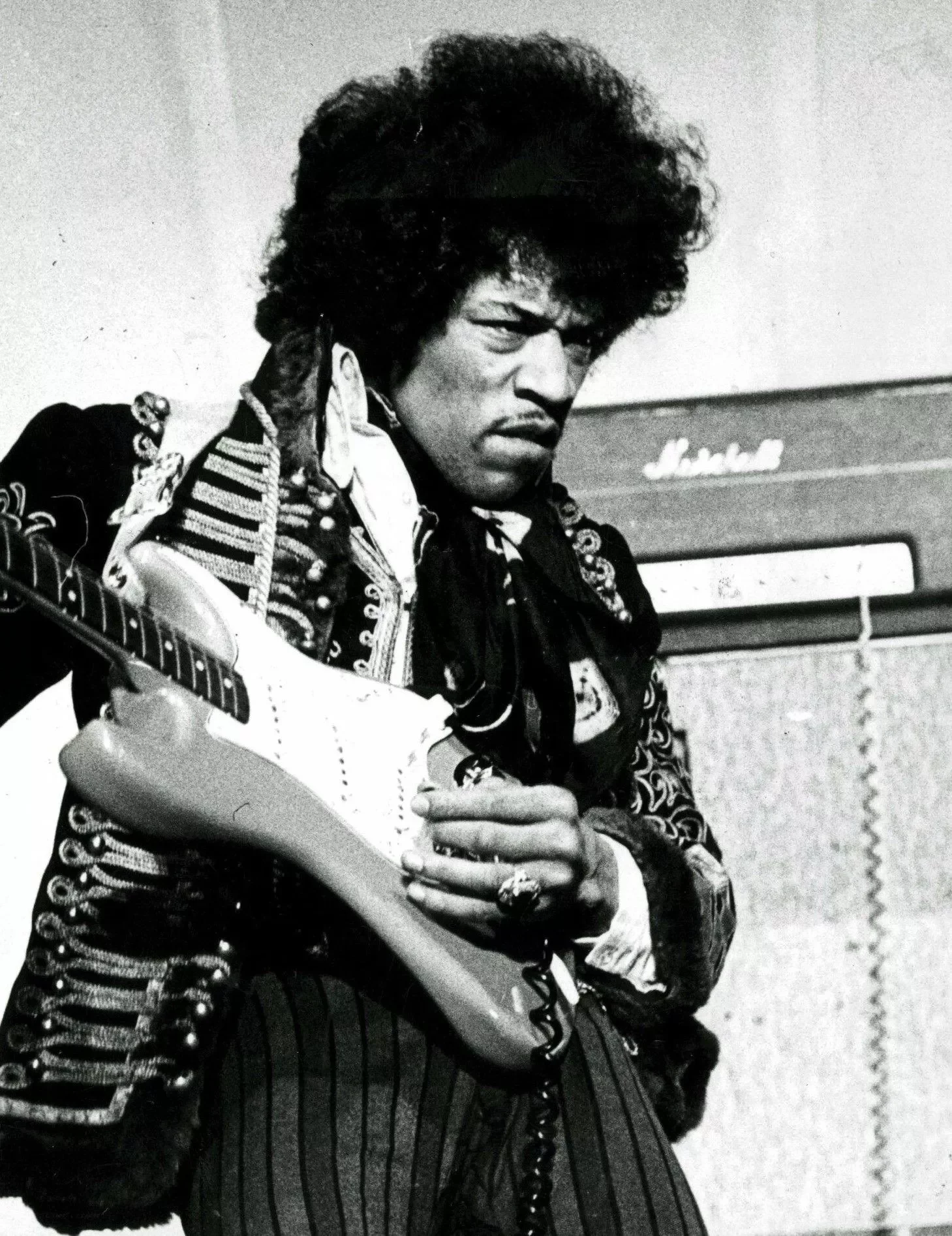
Jimi Hendrix
Born27 Nov, 1942
Died18 Sep, 1970
NationalityAmerican
Age at time of death27
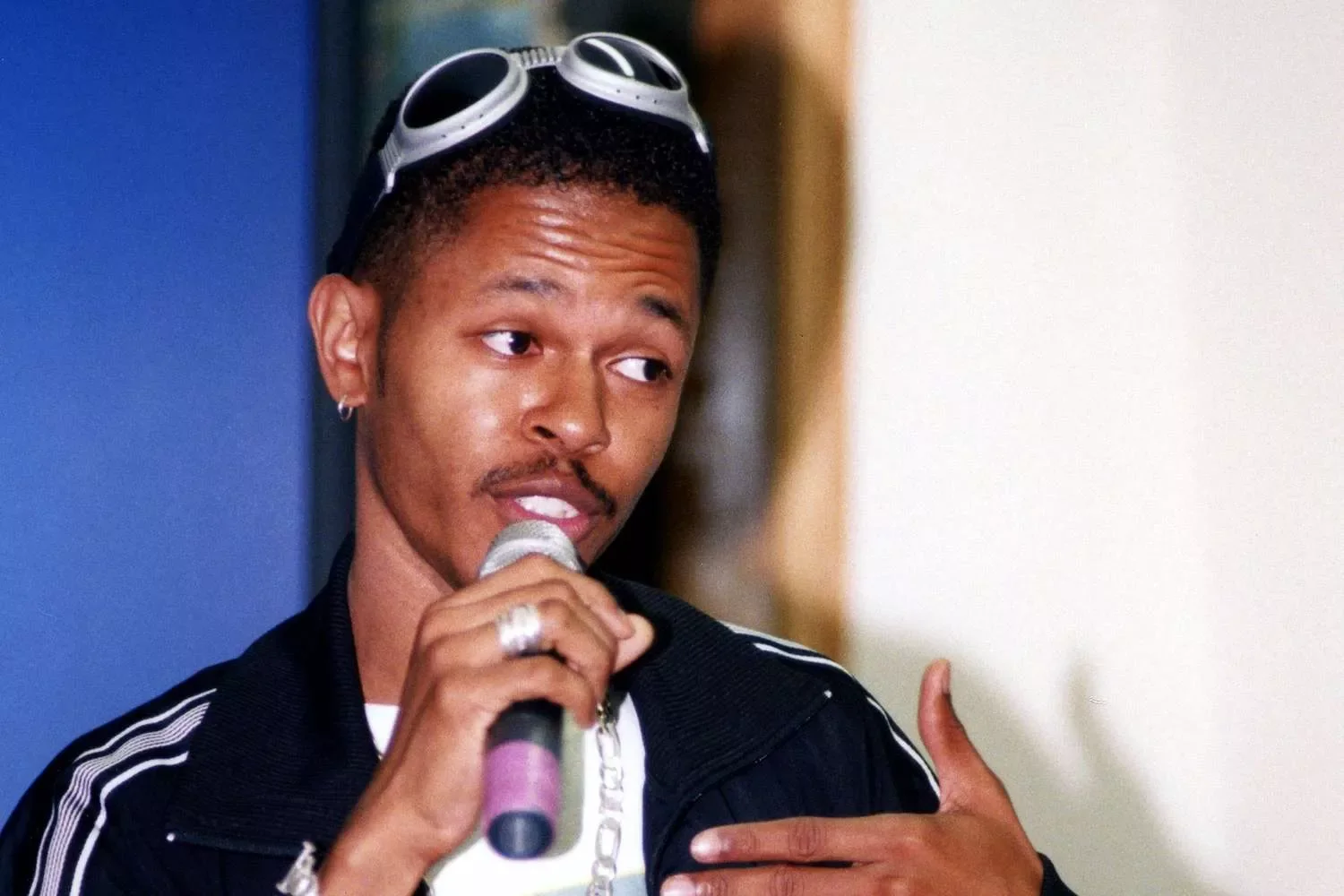
Jesse Powell
Born12 Sep, 1971
Died13 Sep, 2022
NationalityAmerican
Age at time of death51
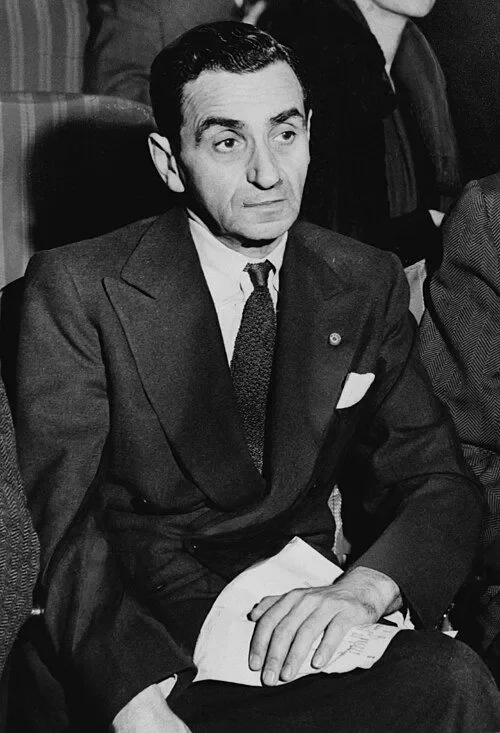
Irving Berlin
Born11 May, 1888
Died22 Sep, 1989
NationalityAmerican
Age at time of death101
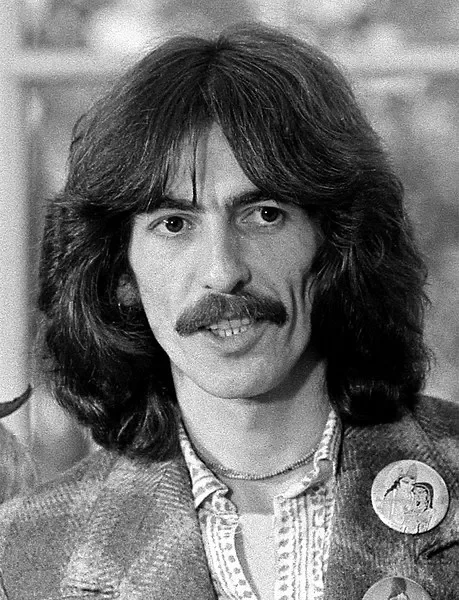
George Harrison
Born25 Feb, 1943
Died29 Nov, 2001
NationalityBritish
Age at time of death58
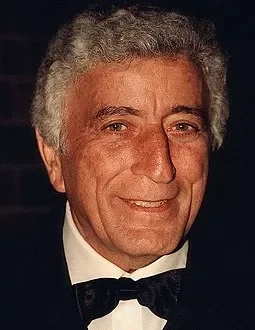
Tony Bennett
Born03 Aug, 1926
Died21 Jul, 2023
NationalityAmerican
Age at time of death96
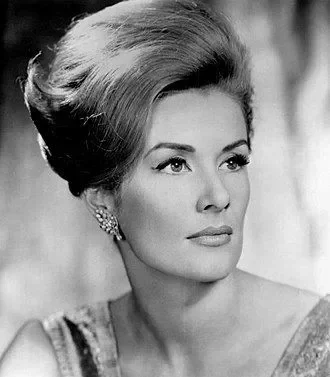
Sally Ann Howes
Born20 Jul, 1930
Died19 Dec, 2021
NationalityBritish, American
Age at time of death91
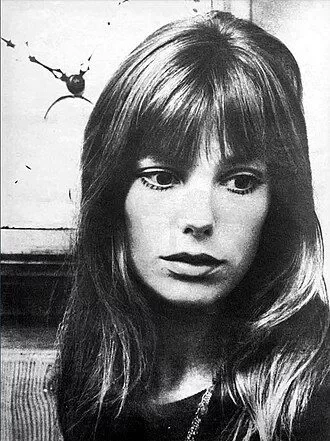
Jane Birkin
Born14 Dec, 1946
Died16 Jul, 2023
NationalityBritish, French
Age at time of death76
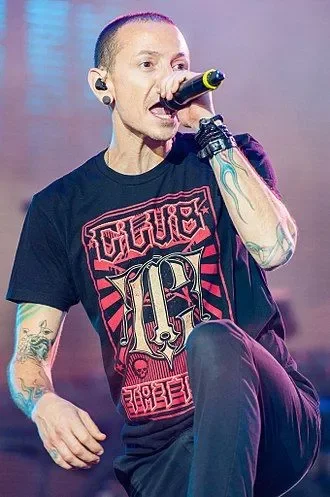
Chester Bennington
Born20 Mar, 1976
Died20 Jul, 2017
NationalityAmerican
Age at time of death41
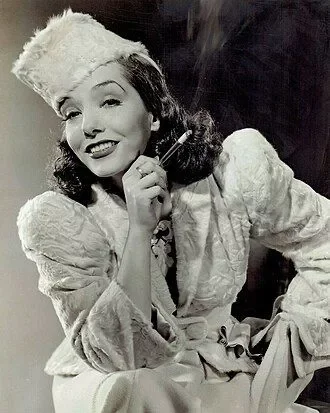
Lupe Vélez
Born18 Jul, 1908
Died14 Dec, 1944
NationalityMexican
Age at time of death36
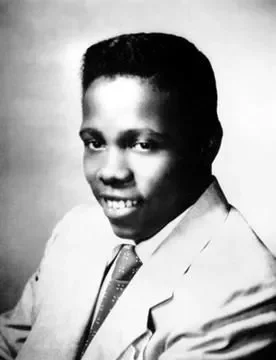
Johnny Ace
Born09 Jun, 1929
Died25 Dec, 1954
NationalityAmerican
Age at time of death25
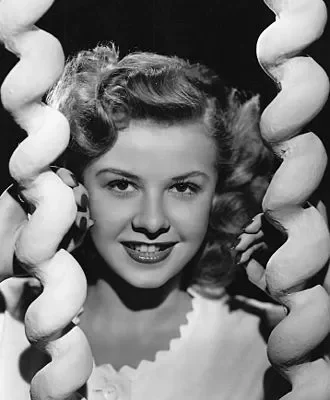
Vera-Ellen
Born16 Feb, 1921
Died30 Aug, 1981
NationalityAmerican German
Age at time of death60
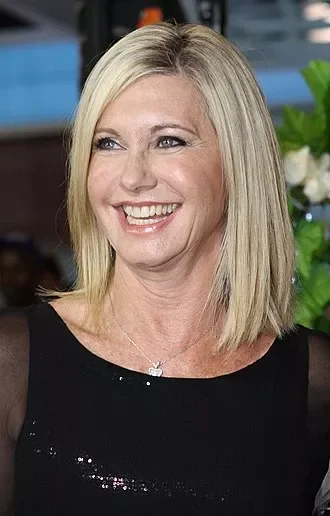
Olivia Newton-John
Born26 Sep, 1948
Died08 Aug, 2022
NationalityBritish, Australian
Age at time of death73
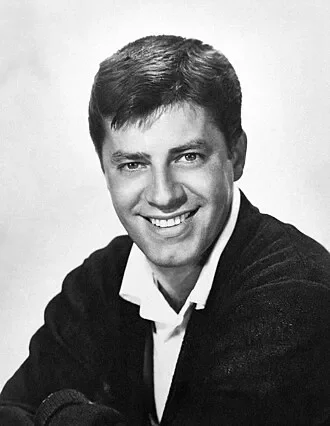
Jerry Lewis
Born16 Mar, 1926
Died20 Aug, 2017
NationalityAmerican
Age at time of death91
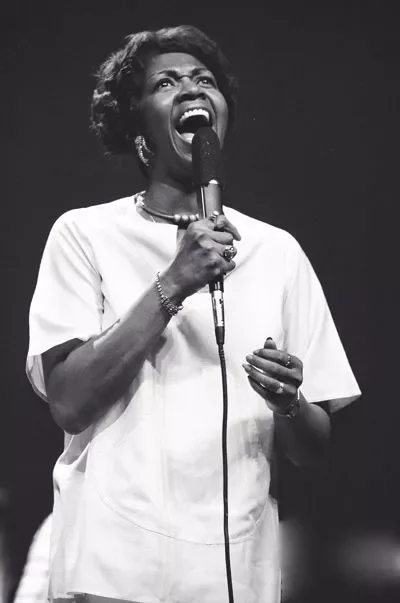
Cissy Houston
Born30 Sep, 1933
Died07 Oct, 2024
NationalityAmerican
Age at time of death91
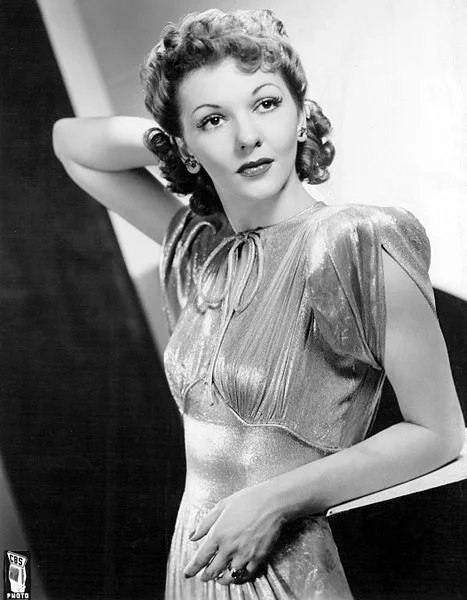
Mary Martin
Born01 Dec, 1913
Died03 Nov, 1990
NationalityAmerican
Age at time of death76
Marlon Brando
Born03 Apr, 1924
Died01 Jul, 2004
NationalityAmerican
Age at time of death80
Jim Morrison
Born08 Dec, 1943
Died03 Jul, 1971
NationalityAmerican
Age at time of death27
Christopher Lee
Born27 May, 1922
Died07 Jun, 2015
NationalityBritish
Age at time of death93
Biz Markie
Born08 Apr, 1964
Died16 Jul, 2021
NationalityAmerican
Age at time of death57
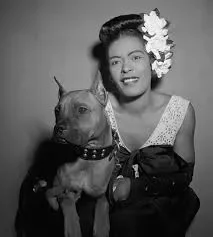
Billie Holiday
Born07 Apr, 1915
Died17 Jul, 1959
NationalityAmerican
Age at time of death44