Real Celebrities Never Die!
OR
Search For Past Celebrities Whose Birthday You Share
Died Age: 64
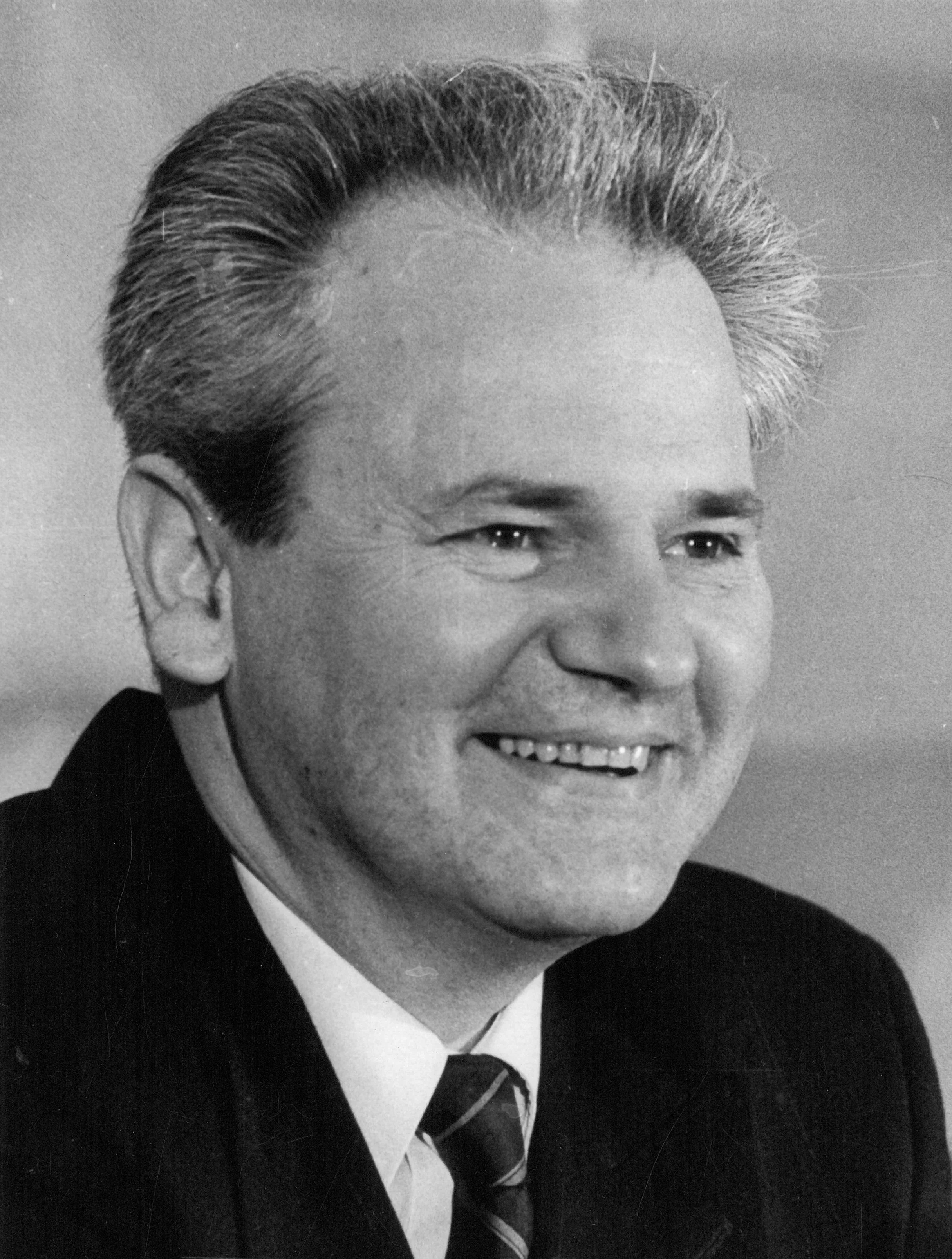
wikimedia.org
Slobodan Milošević
Birthday:
20 Aug, 1941
Date of Death:
11 Mar, 2006
Cause of death:
Heart attack
Nationality:
Yugoslav, Serbian
Famous As:
Business Administrator
Age at the time of death:
64
Slobodan Milošević's Quote's

“No one has the right to beat you!”
Slobodan Milošević
🔗 deadcelebrityhub.com
Slobodan Milošević: Early Childhood and Family Background
Slobodan Milošević, a name that stirs up strong feelings as one of modern Europe’s most debated figures, was a Yugoslav and Serbian politician who had a huge hand in Yugoslavia’s messy breakup. He came into the world on August 29, 1941, in Požarevac, a quiet little town in Serbia—back then part of Yugoslavia—right in the thick of World War II’s Axis occupation. His roots stretched back to Montenegro, tied to the proud Vasojevići clan. Life threw some tough punches his way early on, blending personal heartache with the political currents that would steer him later. He grew up in a family steeped in Serbian and Montenegrin ways. His dad, Svetozar Milošević, was a Serbian Orthodox thinker who took his own life in 1962, and his mom, Stanislava Koljenšić, a teacher hooked into the Communist Party, followed suit in 1972. Those losses hit young Slobodan hard and left a deep mark. He had an older brother, Borislav, who’d go on to be a diplomat. Even with all that weight, Slobodan showed a spark of drive and grit from the start.
Education and Formative Years
Milošević headed to the University of Belgrade Faculty of Law and wrapped up his degree in 1964. While there, he got tight with the League of Socialist Youth of Yugoslavia and struck up a key friendship with Ivan Stambolić, a big political player who’d help him climb the ladder. That connection opened doors for Slobodan in the Communist Party after school. Once he graduated, he started out advising Belgrade’s mayor on economic stuff, then slid into top jobs at big state companies. By 1978, he was running Beobanka, one of Yugoslavia’s major banks. Trips to Paris and New York gave him a chance to polish his English and pick up some global business know-how.
Personal Life
In 1965, Slobodan tied the knot with Mirjana Marković, a friend from way back who’d become his brainy sidekick. Mirjana jumped deep into politics too, heading up the Yugoslav United Left party in the ‘90s. They had two kids, Marko and Marija. She wasn’t just his wife—she was a big influence, often calling shots behind the scenes during his time in charge. Their bond was as much about power as it was personal.
Professional Career and Rise to Power
Milošević’s political star really started rising in the 1980s when he climbed high in the League of Communists of Serbia. In 1987, he took over as Serbia’s top dog after nudging out his old pal Stambolić. That move lined up with a wave of nationalist vibes sweeping Yugoslavia. As Serbia’s president from 1989 to 1997, he shook things up with constitutional changes that tightened Serbia’s grip and cut loose provinces like Kosovo and Vojvodina. He rode that nationalist wave hard, firing up crowds with speeches about old wounds and Serbian pride—like at the 1989 Gazimestan Rally for the Battle of Kosovo anniversary. It won him a ton of fans among Serbs, but it pushed other groups in Yugoslavia away. From 1997 to 2000, he ran the Federal Republic of Yugoslavia—Serbia and Montenegro together. Those years were rough, with the world turning its back because of wars like Bosnia’s (1992–1995) and Kosovo’s (1998–1999). NATO even bombed Serbia during the Kosovo mess, a blow that loosened his hold.
Contributions and Controversies
Milošević’s story splits people right down the middle. Some see him as a guy who stood up for Serbian rights when Yugoslavia was falling apart. But plenty more blame him for sparking wars that turned ugly fast. He got pinned for driving ethnic cleansing against Bosniaks, Croats, and Albanians in the Yugoslav Wars—fights that took countless lives. His moves pretty much broke Yugoslavia into pieces. In 2001, after folks flooded the streets fed up with his corruption and iron rule, he got nabbed and shipped off to The Hague to face war crimes charges at the International Criminal Tribunal for the former Yugoslavia (ICTY).
Death and Legacy
Slobodan Milošević passed away on March 11, 2006, at 64, in his cell at The Hague while waiting for the court to decide on his genocide and crimes-against-humanity rap. A heart attack, worsened by long-time health troubles like high blood pressure, did him in. People still argue over whether he got proper care or if something shady went down. His legacy’s a hot mess. To a lot of Serbs, he’s a patriot who tried his best under tough odds; to the rest of the world, he’s “the butcher of the Balkans” for the war crimes tied to his name. What he did redrew Southeast Europe’s map, but the wounds he left haven’t healed yet..
Profile Snapshot
Name:
Slobodan Milošević
Popular Name:
Slobodan Milošević
Gender:
Male
Cause of Death:
Heart attack
Spouse:
Mirjana Marković
Place of Birth:
Požarevac, Kingdom of Yugoslavia (now Serbia)
Place of Death:
The Hague, Netherlands
Occupation / Profession:
Business Administrator
Lawyer
Politician
Personality Type
Commander Bold, imaginative and strong-willed leaders, always finding a way – or making one. Milošević’s authoritarian style, focus on control, and pragmatic decision-making reflect the “Commander” type, known for strong leadership and adherence to structure.
Slobodan Milošević's Interesting Facts
He rose to power by fueling Serbian nationalism in the late 1980s, playing a key role in the breakup of Yugoslavia and the violent conflicts that followed.
In 2001, he became the first former head of state to be tried for genocide and crimes against humanity by an international tribunal—the ICTY in The Hague.
Milošević died of a heart attack in 2006 while still on trial, leaving the court unable to deliver a final verdict on the charges against him.
Milošević was a central figure in the Balkan Wars of the 1990s, including the Bosnian and Kosovo conflicts, and was widely accused of supporting ethnic cleansing and war crimes.
Slobodan Milošević was a Serbian and Yugoslav politician who served as President of Serbia (1989–1997) and later as President of the Federal Republic of Yugoslavia (1997–2000).
Achievements & Awards
Became President of Serbia in 1989.
Led the Socialist Party of Serbia from 1990.
Received the Order of the Yugoslav Star.
Served as President of the Federal Republic of Yugoslavia in 1997.
Signed the Dayton Peace Accords in 1995.
External Links
Additional Links
https://thetexasorator.com/2018/10/22/slobodan-milosevics-balkan-legacy/https://www.britannica.com/biography/Slobodan-Milosevichttps://www.ca1.uscourts.gov/sites/ca1/files/citations/Milosevic%20-%20Wikipedia.pdfhttps://www.cnn.com/interactive/profiles/milosevic/frameset.exclude.htmlhttps://www.nbcnews.com/id/wbna11777120
Latest Profiles
People also viewed
Gerald Ford
Born14 Jul, 1913
Died26 Dec, 2006
NationalityAmerican
Age at time of death93
Victor Hugo
Born26 Feb, 1802
Died22 May, 1885
NationalityFrench
Age at time of death83
George Murphy
Born04 Jul, 1902
Died03 May, 1992
NationalityAmerican
Age at time of death89
P. T. Barnum
Born05 Jul, 1810
Died07 Apr, 1891
NationalityAmerican
Age at time of death80
Rajendra Prasad
Born03 Dec, 1884
Died28 Feb, 1963
NationalityIndian
Age at time of death78
Thurgood Marshall
Born02 Jul, 1908
Died24 Jan, 1993
NationalityAmerican
Age at time of death84
Nelson Rockefeller
Born08 Jul, 1908
Died26 Jan, 1979
NationalityAmerican
Age at time of death70

Ethan Allen
Born21 Jan, 1738
Died12 Feb, 1789
NationalityAmerican
Age at time of death51
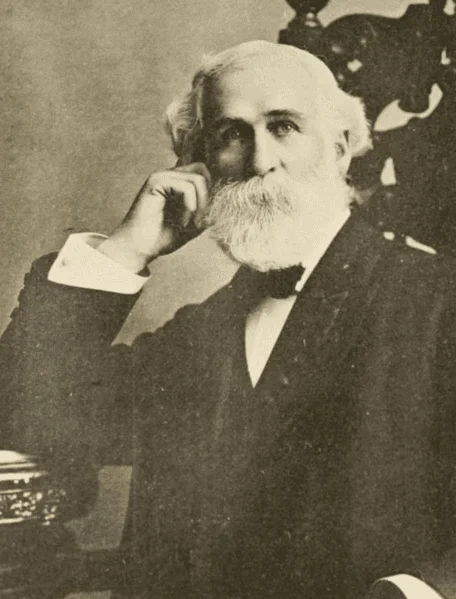
John Loud
Born02 Nov, 1844
Died10 Aug, 1916
NationalityAmerican
Age at time of death71
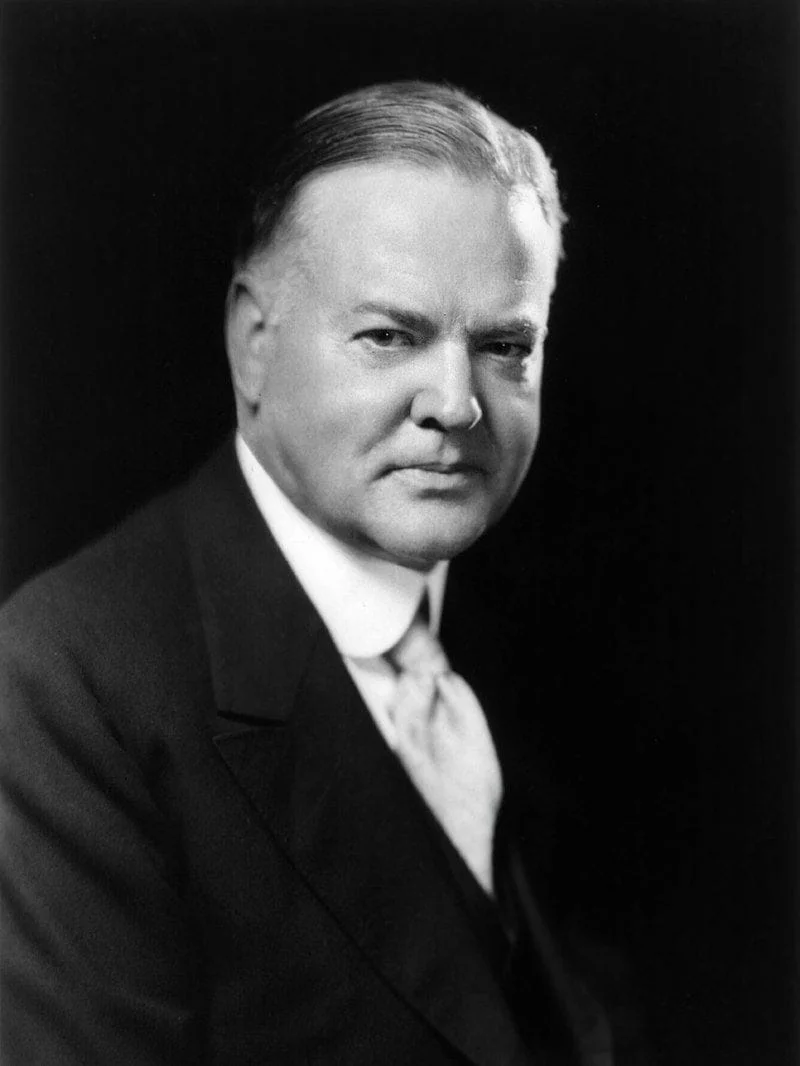
Herbert Hoover
Born10 Aug, 1874
Died20 Oct, 1964
NationalityAmerican
Age at time of death90
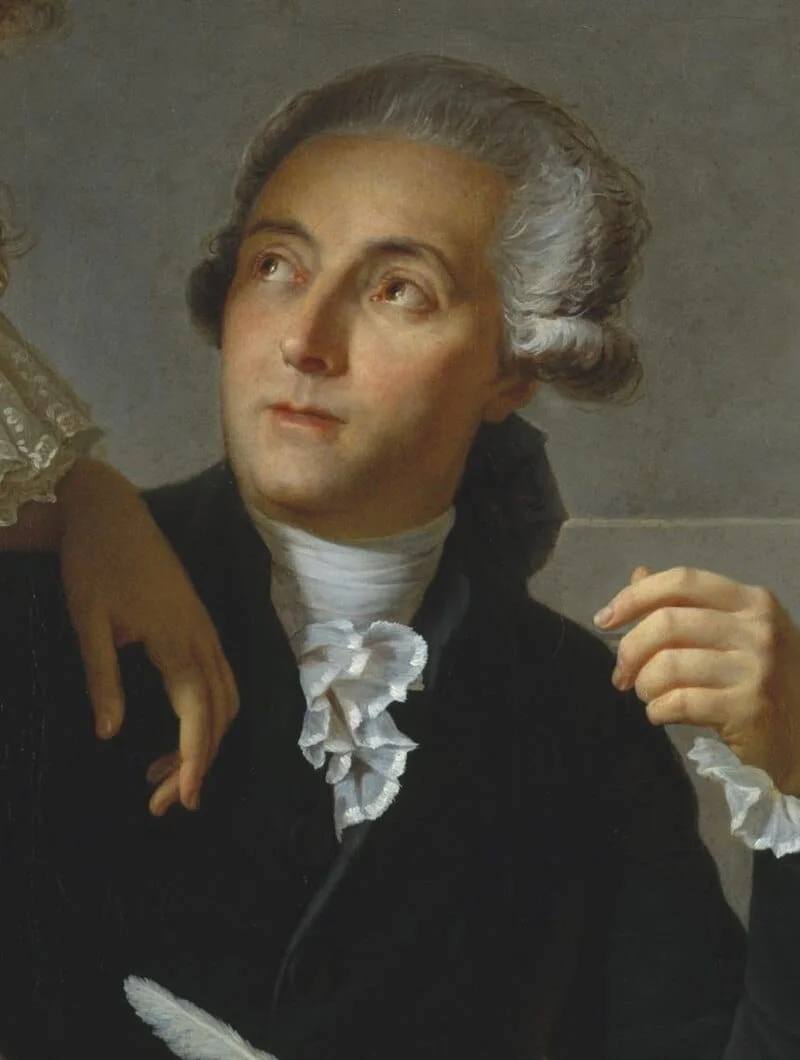
Antoine Lavoisier
Born26 Aug, 1743
Died08 May, 1794
NationalityFrench
Age at time of death50
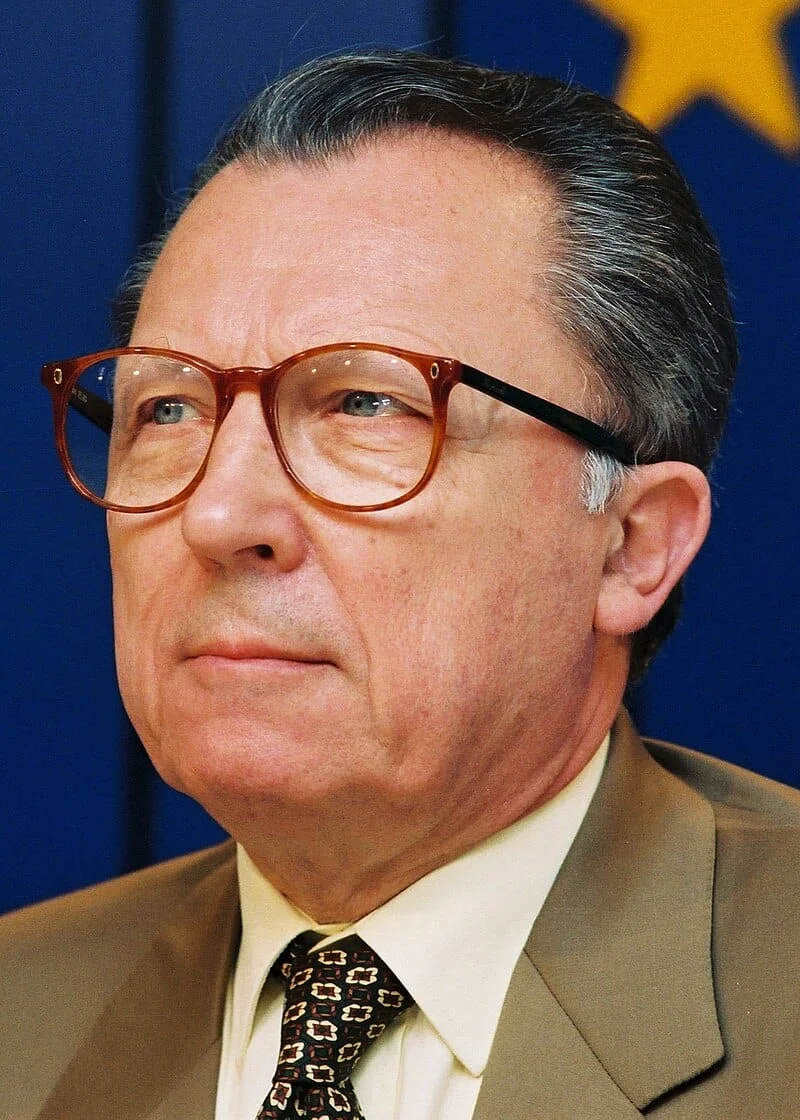
Jacques Delors
Born20 Jul, 1925
Died27 Dec, 2023
NationalityFrench
Age at time of death98
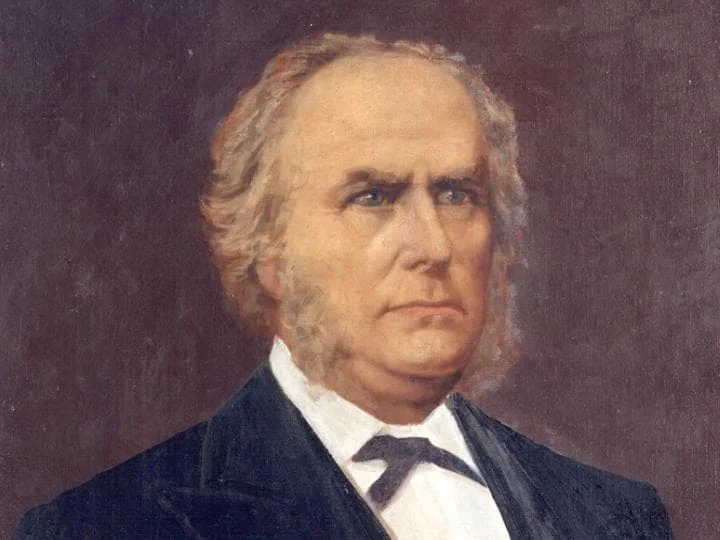
James Harrison
Born17 Apr, 1816
Died03 Sep, 1893
NationalityScottish,Australian
Age at time of death77
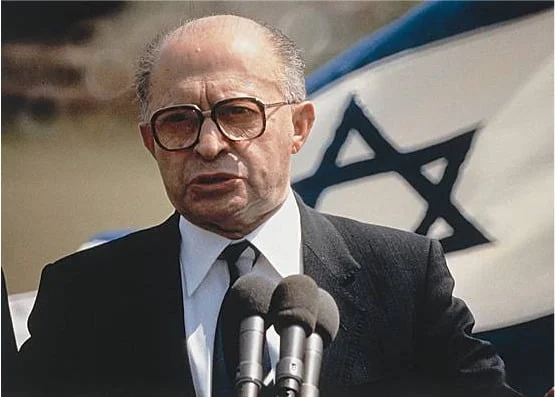
Menachem Begin
Born16 Aug, 1913
Died09 Mar, 1992
NationalityIsraeli
Age at time of death78
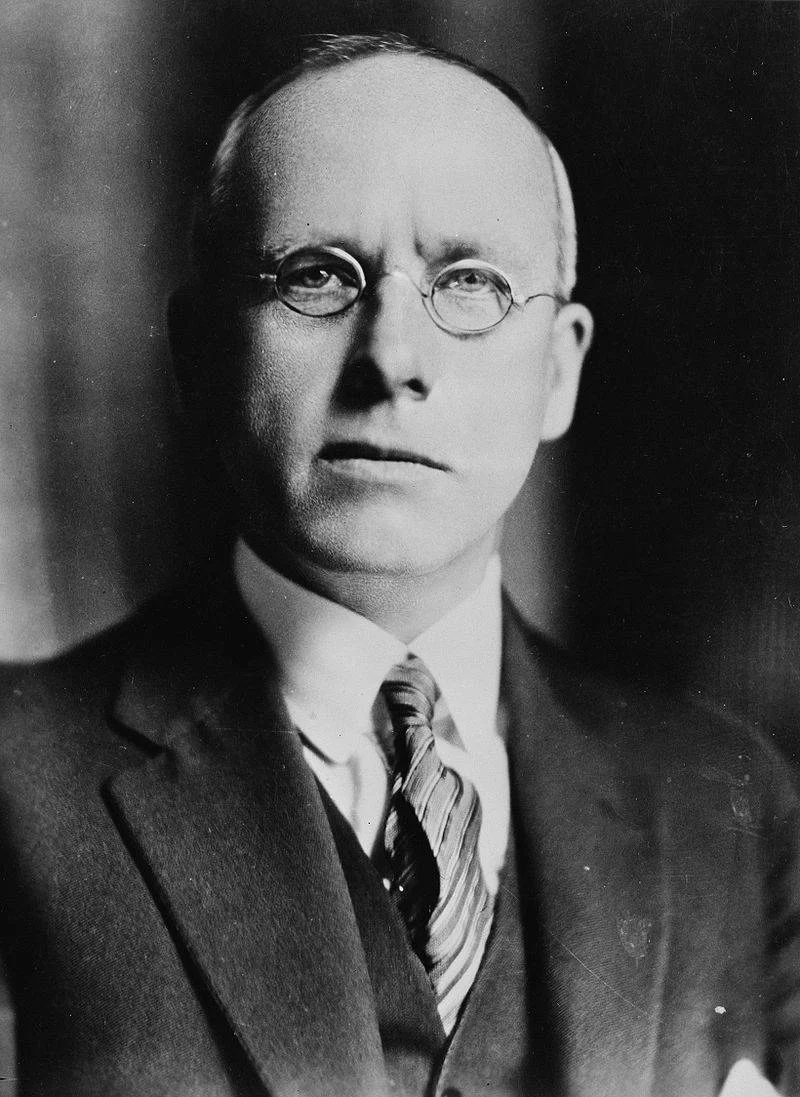
Peter Fraser
Born28 Aug, 1884
Died12 Dec, 1950
NationalityNew Zealand
Age at time of death66
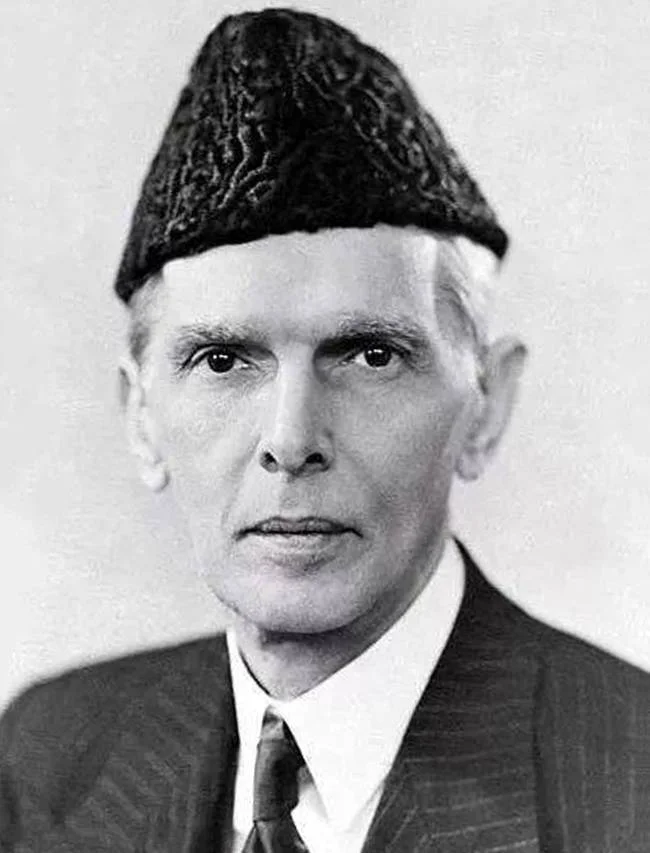
Muhammad Ali Jinnah
Born25 Dec, 1876
Died11 Sep, 1948
NationalityPakistani
Age at time of death71
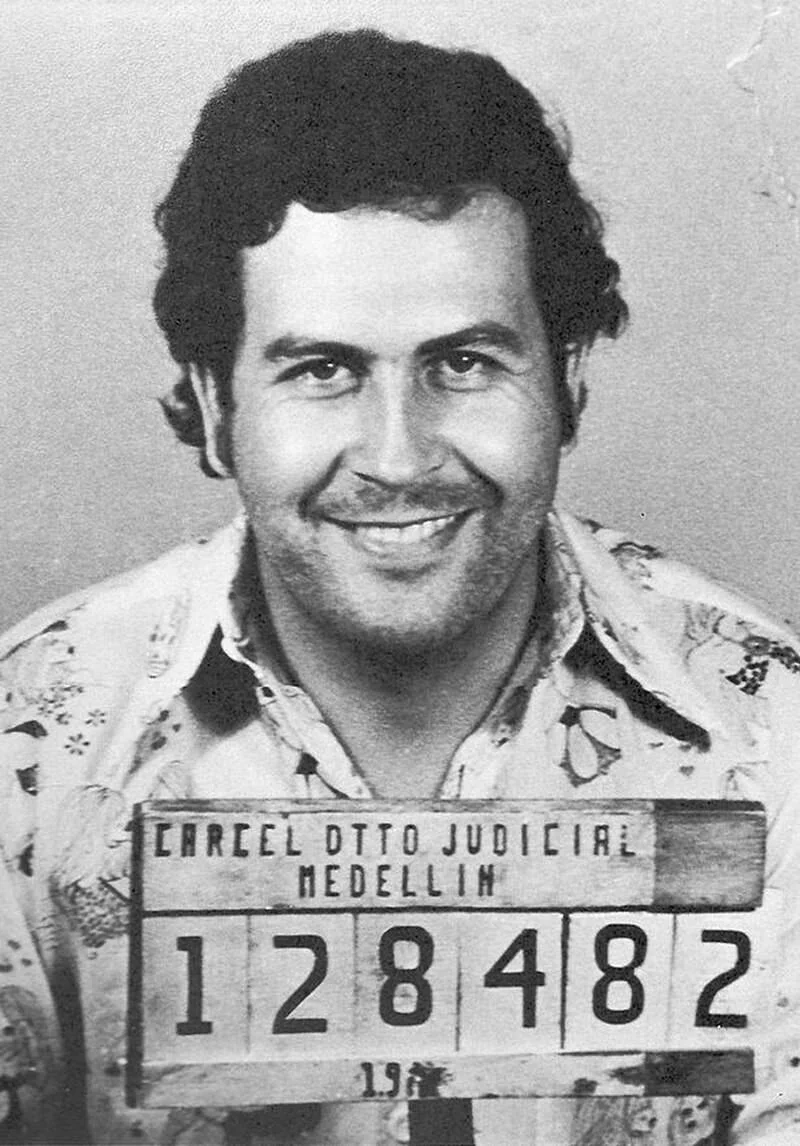
Pablo Escobar
Born01 Dec, 1949
Died02 Dec, 1993
NationalityColombian
Age at time of death44
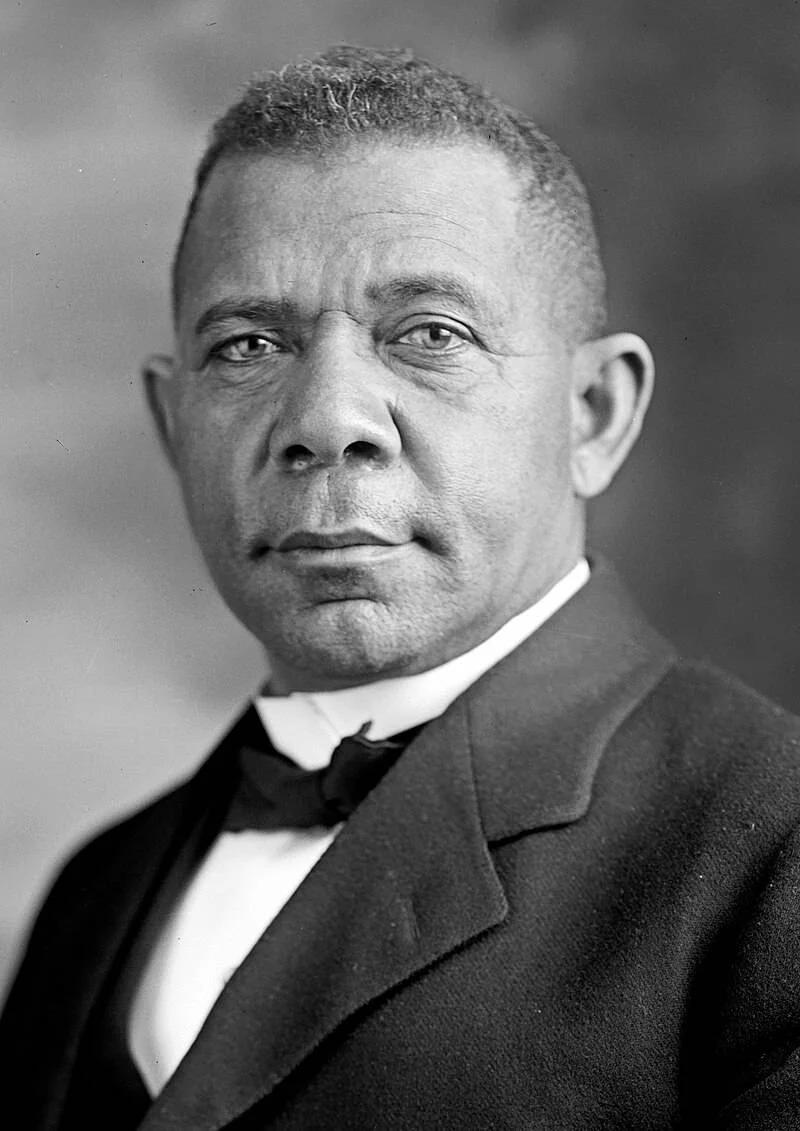
Booker T. Washington
Born05 Apr, 1856
Died14 Nov, 1915
NationalityAmerican
Age at time of death59
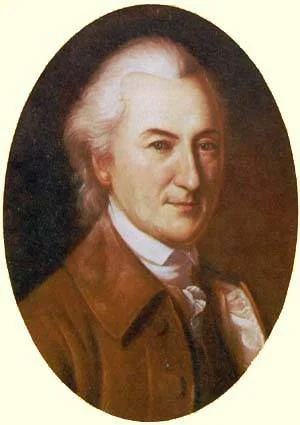
John Dickinson
Born13 Nov, 1732
Died14 Feb, 1808
NationalityAmerican
Age at time of death75
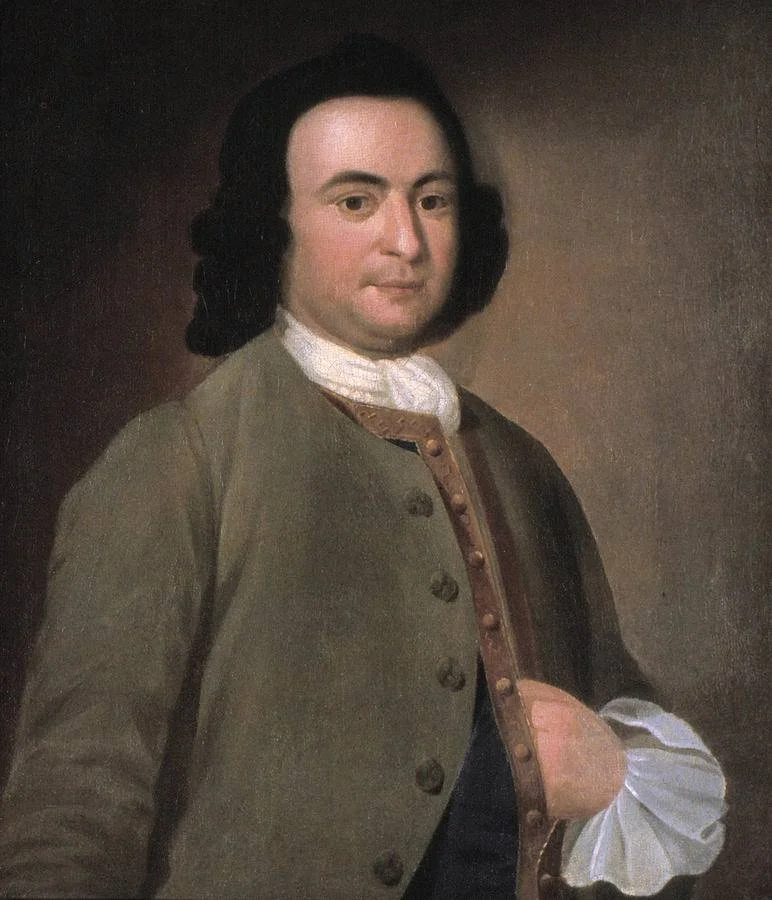
George Mason
Born11 Dec, 1725
Died07 Oct, 1792
NationalityAmerican, British
Age at time of death66