Real Celebrities Never Die!
OR
Search For Past Celebrities Whose Birthday You Share
Died Age: 95
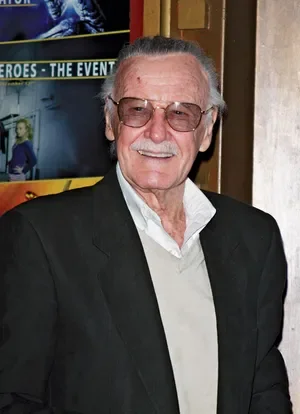
britannica.com
Stan Lee
Birthday:
28 Dec, 1922
Date of Death:
12 Nov, 2018
Cause of death:
Cardiac Arrest
Nationality:
American
Famous As:
American comic book writer
Age at the time of death:
95
Stanley Martin Lieber's Quote's

“I have never had a lap dance in Tampa or any other part of Florida. If I ever did have a lap dance, I don't think I would be discussing television ideas with the girl that was giving it to me.”
Stanley Martin Lieber
🔗 deadcelebrityhub.com
Early Life: From Depression-Era Bronx to Daydreamer-in-Chief
Stan Lee didn’t just create superheroes—he made them feel real. With a pen, boundless imagination, and a knack for tapping into the struggles of everyday people, Lee revolutionized comic books and pop culture. His characters weren't flawless gods; they were fallible, funny, brave, and broken—all at once.
From Spider-Man swinging through New York’s skyscrapers to the X-Men grappling with prejudice, Stan Lee's world was one where fantasy met reality in the most unforgettable ways. To millions, he wasn't just a writer—he was the man who made believing in heroes cool again.
Stan Lee was born Stanley Martin Lieber on December 28, 1922, in Manhattan, New York, to Romanian Jewish immigrants. His father, a dress cutter, often struggled to find steady work during the Great Depression. In their cramped apartment, young Stanley found escape in books, Errol Flynn films, and Saturday matinees—where tales of daring and justice planted seeds of storytelling early on.
As a child, he devoured Shakespeare, pulp fiction, and adventure novels. He dreamed not of superheroes, but of being a great novelist. But fate had a more colorful path in store.
Trivia: Lee originally planned to save his real name, “Stanley Lieber,” for serious writing. He used “Stan Lee” as a pen name for comics—only for that pseudonym to become his legacy.
Education: The Comic Book Apprenticeship
Lee graduated from DeWitt Clinton High School in the Bronx at just 16. He wasn’t college-bound—instead, he was eager to work, to write, to be someone. Thanks to an uncle's connection, he landed a job in 1939 at Timely Publications (the company that would eventually become Marvel Comics). His job? Filling inkwells, fetching lunches, proofreading, and—eventually—writing filler stories.
By 1941, at just 19, he was made interim editor. A few months later, he wrote a Captain America story where Cap throws his shield like a boomerang—a signature move that became canon. The kid from the Bronx was already reshaping heroes.
Career Journey: The Marvel of Reinvention
The Early Years: From Utility Writer to Visionary Voice
In the 1940s and ‘50s, Lee wrote everything—romance, horror, Westerns, even talking animal comics. But by the late 1950s, he was burnt out, considering leaving the industry altogether. It was his wife, Joan, who told him: “If you’re going to quit anyway, why not write one comic the way you really want to?”
That challenge led to the birth of the Fantastic Four in 1961—a group of flawed heroes who bickered, worried about rent, and felt painfully human.
That one risk became the start of a revolution.
The Golden Era: Building the Marvel Universe
In a burst of creative lightning throughout the 1960s, Lee—with artists like Jack Kirby and Steve Ditko—co-created a pantheon: Spider-Man, Iron Man, The X-Men, Thor, The Hulk, Doctor Strange, Black Panther, and many more. But it wasn’t just the powers that made them iconic—it was the problems. Peter Parker worried about girls and exams. The X-Men were ostracized. Tony Stark battled inner demons.
Lee's approach—dubbed the "Marvel Method"—let artists plot stories visually first, after which he’d write dialogue. It made the comics feel dynamic, spontaneous, alive.
Trivia: Spider-Man was initially rejected by his publisher, who thought teenagers couldn't be leads and no one liked spiders. The character debuted anyway in Amazing Fantasy #15—and sold out.
Later Years: The Face of Marvel and the Pop Culture Prophet
Though Lee stopped writing monthly comics in the 1970s, he became Marvel’s public ambassador. With his trademark tinted glasses, bombastic voice, and catchphrase “Excelsior!”, he spoke at colleges, appeared on TV, and wrote columns that made fans feel part of a family.
By the 2000s, the Marvel Cinematic Universe reignited his characters—and Lee himself—into superstardom. He became beloved for his cameos, popping up in every Marvel film like a wink from the godfather of superheroes.
Personal Life: Love, Loyalty, and Loss
Stan married Joan Boocock in 1947—a British model and the love of his life. They were married for nearly 70 years, a rare feat in any world, let alone Hollywood. She was his muse and champion, encouraging him to follow his instincts, even when the industry doubted him.
They had two daughters, though one died in infancy. His surviving daughter, J.C. Lee, remained close to him throughout his life.
In later years, Lee faced legal and financial issues, including accusations of elder abuse and exploitation by business associates—adding a tragic note to his final chapter.
Legacy: The Immortal Maker of Heroes
Stan Lee passed away on November 12, 2018, at the age of 95. The outpouring of grief and gratitude was global—from comic shops in Tokyo to theaters in New York. He was mourned not only as a creator but as a storyteller who gave people someone to look up to when they felt down.
He made the impossible seem possible. He turned mutants, misfits, and masked vigilantes into symbols of hope. He showed that heroes could be lonely, anxious, and unsure—and still do the right thing. In doing so, he helped a generation understand empathy, courage, and resilience.
Even now, his characters dominate the box office, inspire protests, decorate bedrooms, and teach lessons about power and responsibility.
Conclusion: The Pen Behind the Power
Stan Lee’s legacy isn’t just the millions of comics sold or the blockbuster films made. It’s the hearts he stirred. He once said, “I used to be embarrassed because I was just a comic book writer while other people were building bridges or going on to medical careers. And then I began to realize: entertainment is one of the most important things in people's lives.”
He was right. And his stories didn’t just entertain—they inspired, comforted, and connected.
Stan Lee didn’t just change comics. He changed culture. And in every “true believer,” in every whispered “Excelsior,” and in every young dreamer sketching a superhero in the margins of their notebook, his story still lives on.
Profile Snapshot
Name:
Stanley Martin Lieber
Popular Name:
Stan Lee
Gender:
Male
Cause of Death:
Cardiac Arrest
Spouse:
Joan Boocock
Place of Birth:
New York City, U.S.
Place of Death:
Los Angeles, California, U.S.
Occupation / Profession:
American comic book writer
Editor
Producer.
Publisher
Personality Type
Debater: Stan Lee was an imaginative and charismatic innovator, whose boundless creativity and empathetic storytelling redefined the comic book industry and left an indelible mark on popular culture.
Stanley Martin Lieber's Interesting Facts
He served as the editor-in-chief of Marvel Comics for nearly two decades, helping shape the company into the powerhouse it is today.
Known for his catchphrase "Excelsior!" Stan Lee was also a passionate advocate for the rights of creators, often fighting for recognition and fair compensation.
Lee made cameo appearances in nearly every Marvel Cinematic Universe (MCU) film, becoming a beloved Easter egg for fans.
Stan Lee co-created iconic Marvel superheroes like Spider-Man, the X-Men, Iron Man, and the Hulk, revolutionizing the comic book industry.
Achievements & Awards
He was honored with multiple lifetime achievement awards for his pioneering work in comic books, revolutionizing the industry with characters like Spider-Man, the X-Men, and the Avengers.
Stan Lee, the legendary co-creator of Marvel Comics superheroes, received numerous awards, including a star on the Hollywood Walk of Fame and the National Medal of Arts in 2008.
Latest Profiles
People also viewed
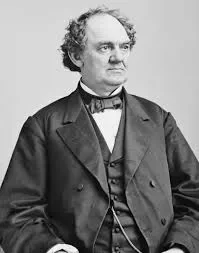
P. T. Barnum
Born05 Jul, 1810
Died07 Apr, 1891
NationalityAmerican
Age at time of death80
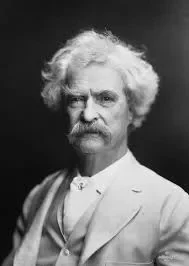
Mark Twain
Born30 Nov, 1835
Died21 Apr, 1910
NationalityAmerican
Age at time of death74
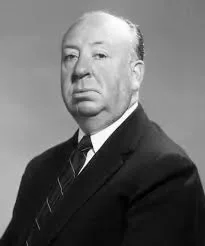
Alfred Hitchcock
Born13 Aug, 1899
Died29 Apr, 1980
NationalityAmerican, British
Age at time of death80

Caresse Crosby
Born20 Apr, 1891
Died24 Jan, 1970
NationalityAmerican
Age at time of death78
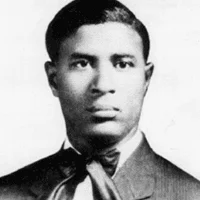
Garrett Morgan
Born04 Mar, 1877
Died27 Jul, 1963
NationalityAmerican
Age at time of death86
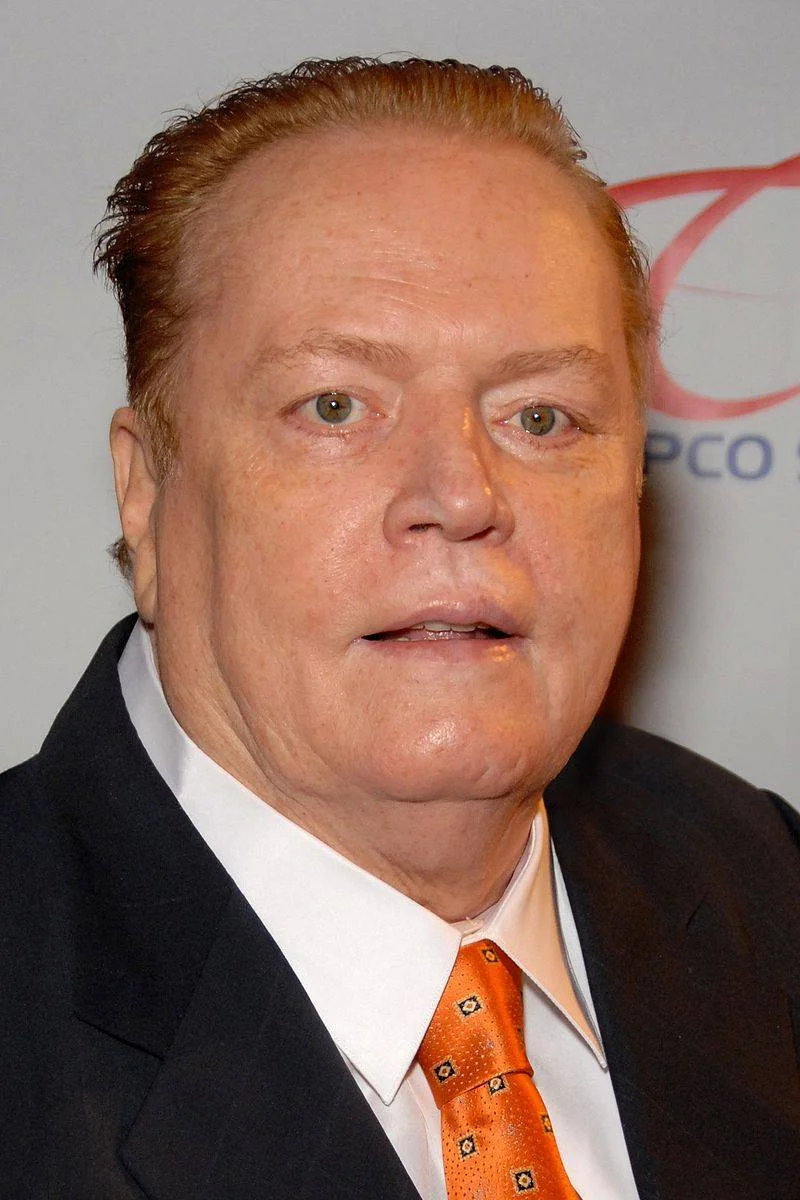
Larry Flynt
Born01 Nov, 1942
Died10 Feb, 2021
NationalityAmerican
Age at time of death78
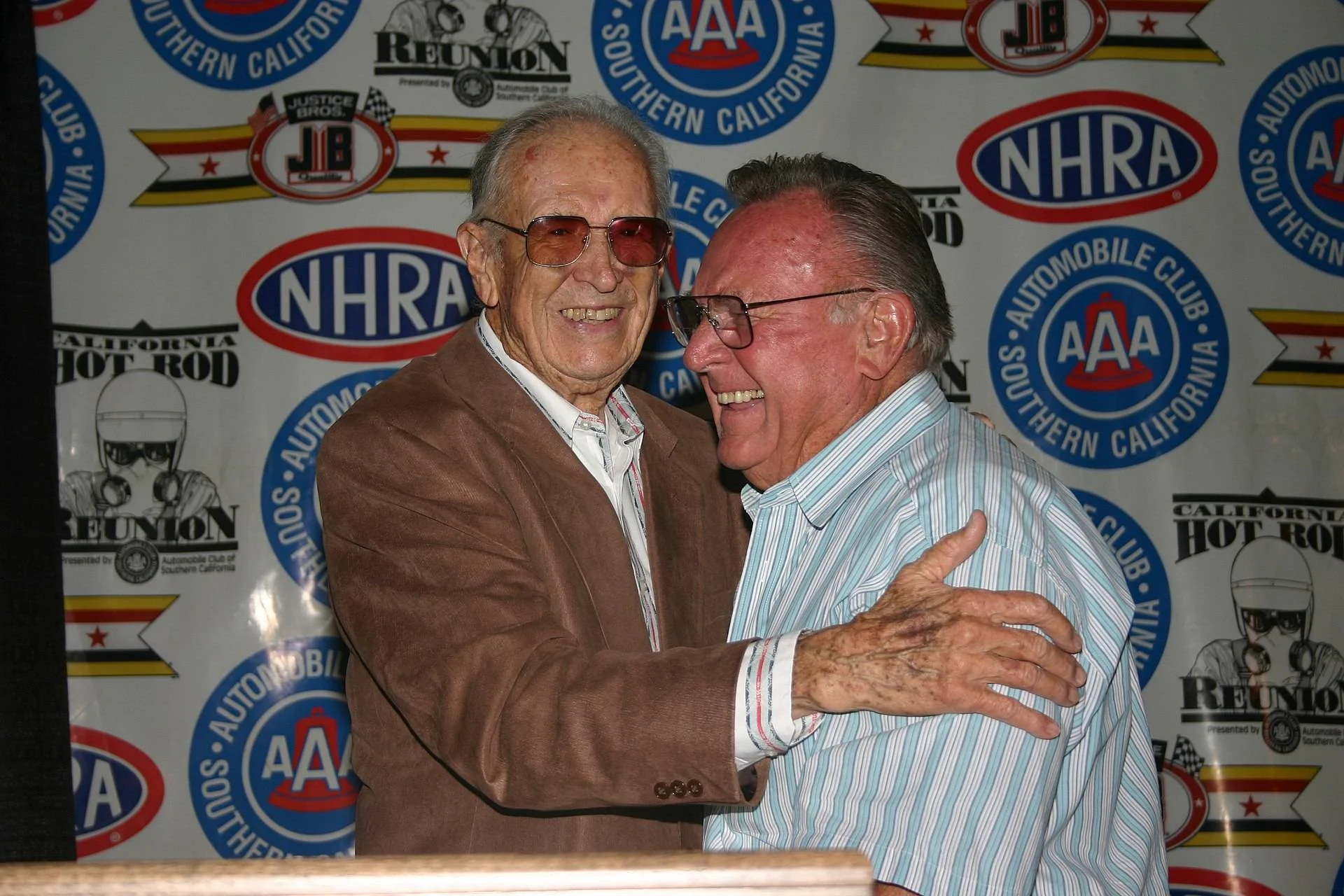
Wally Parks
Born23 Jan, 1913
Died28 Sep, 2007
NationalityAmerican
Age at time of death94
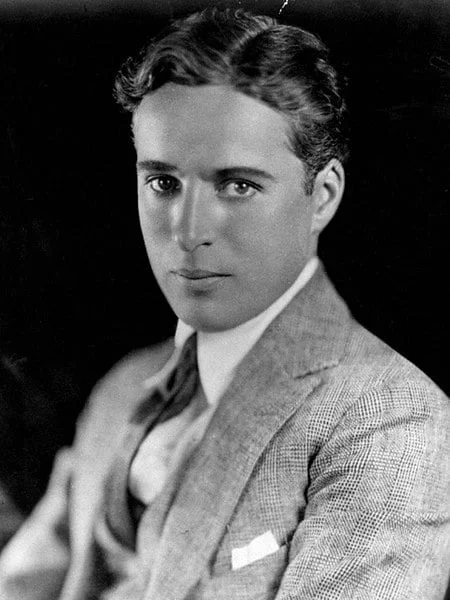
Charlie Chaplin
Born16 Apr, 1889
Died25 Dec, 1977
NationalityBritish
Age at time of death88
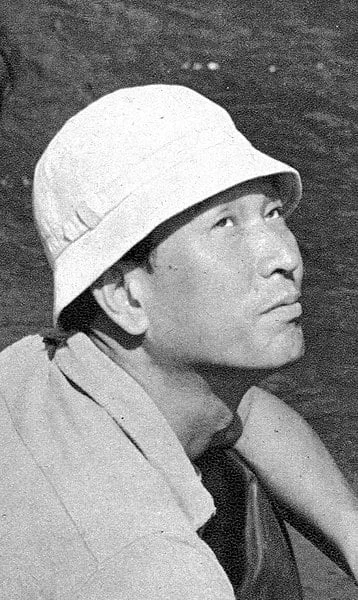
Akira Kurosawa
Born23 Mar, 1910
Died06 Sep, 1998
NationalityJapanese
Age at time of death88
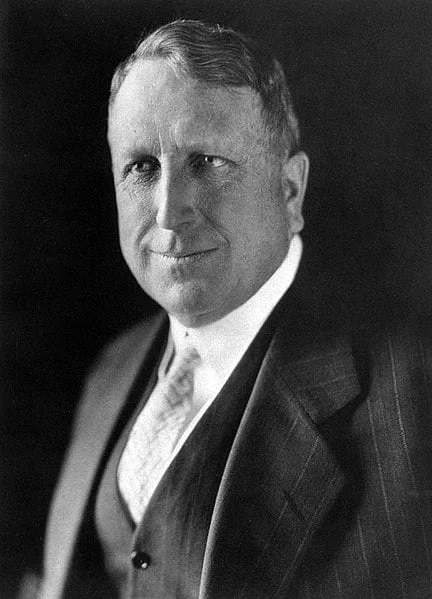
William Randolph Hearst Sr.
Born29 Apr, 1863
Died14 Aug, 1951
NationalityAmerican
Age at time of death88
René Goscinny
Born14 Aug, 1926
Died05 Nov, 1977
NationalityFrench
Age at time of death51
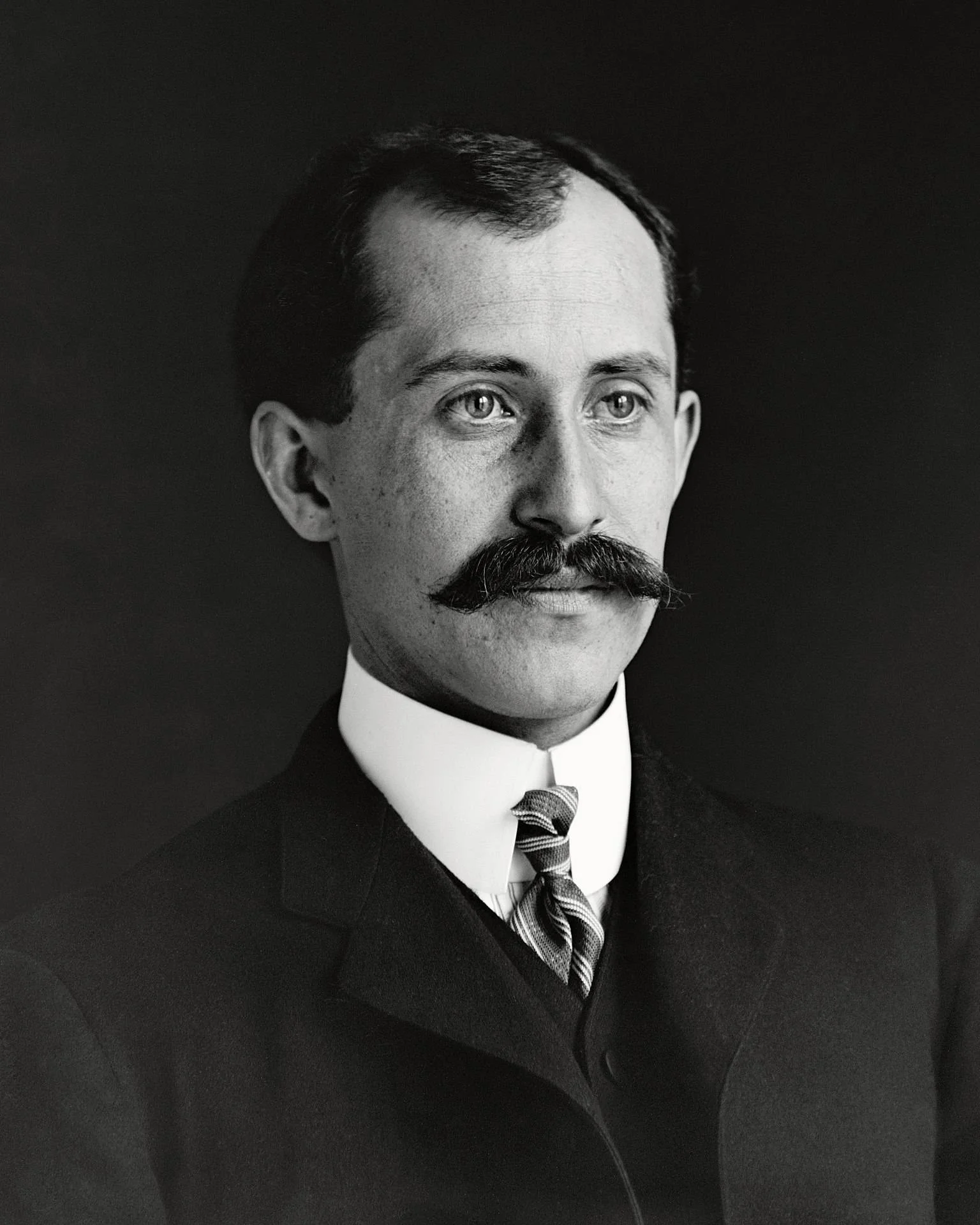
Orville Wright
Born19 Aug, 1871
Died30 Jan, 1948
NationalityAmerican
Age at time of death76
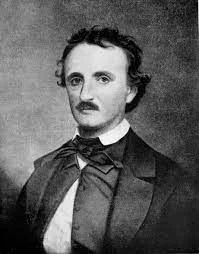
Edgar Allan Poe
Born19 Jan, 1809
Died07 Oct, 1849
NationalityAmerican
Age at time of death40
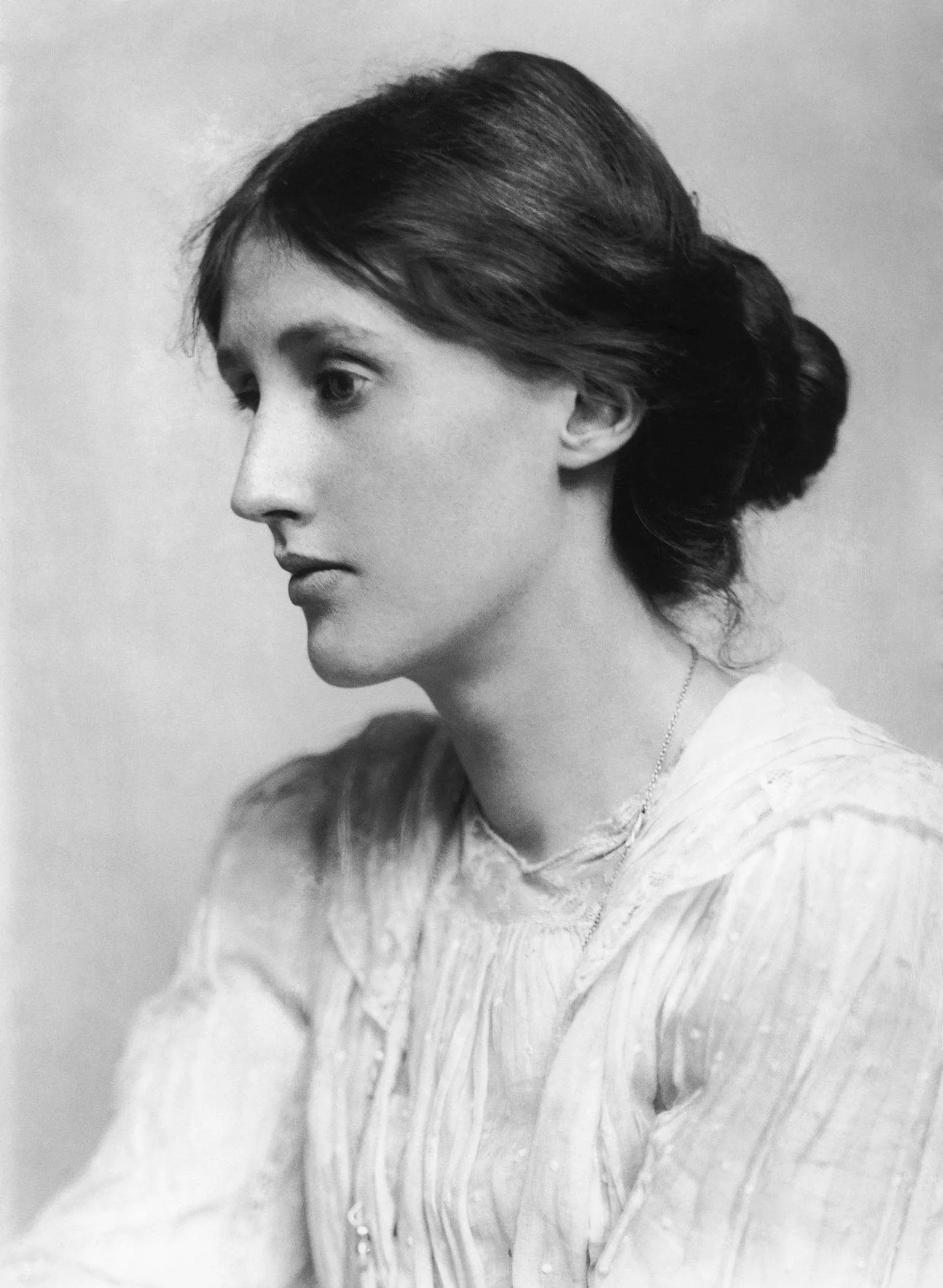
Virginia Woolf
Born25 Jan, 1882
Died28 Mar, 1941
NationalityBritish
Age at time of death59
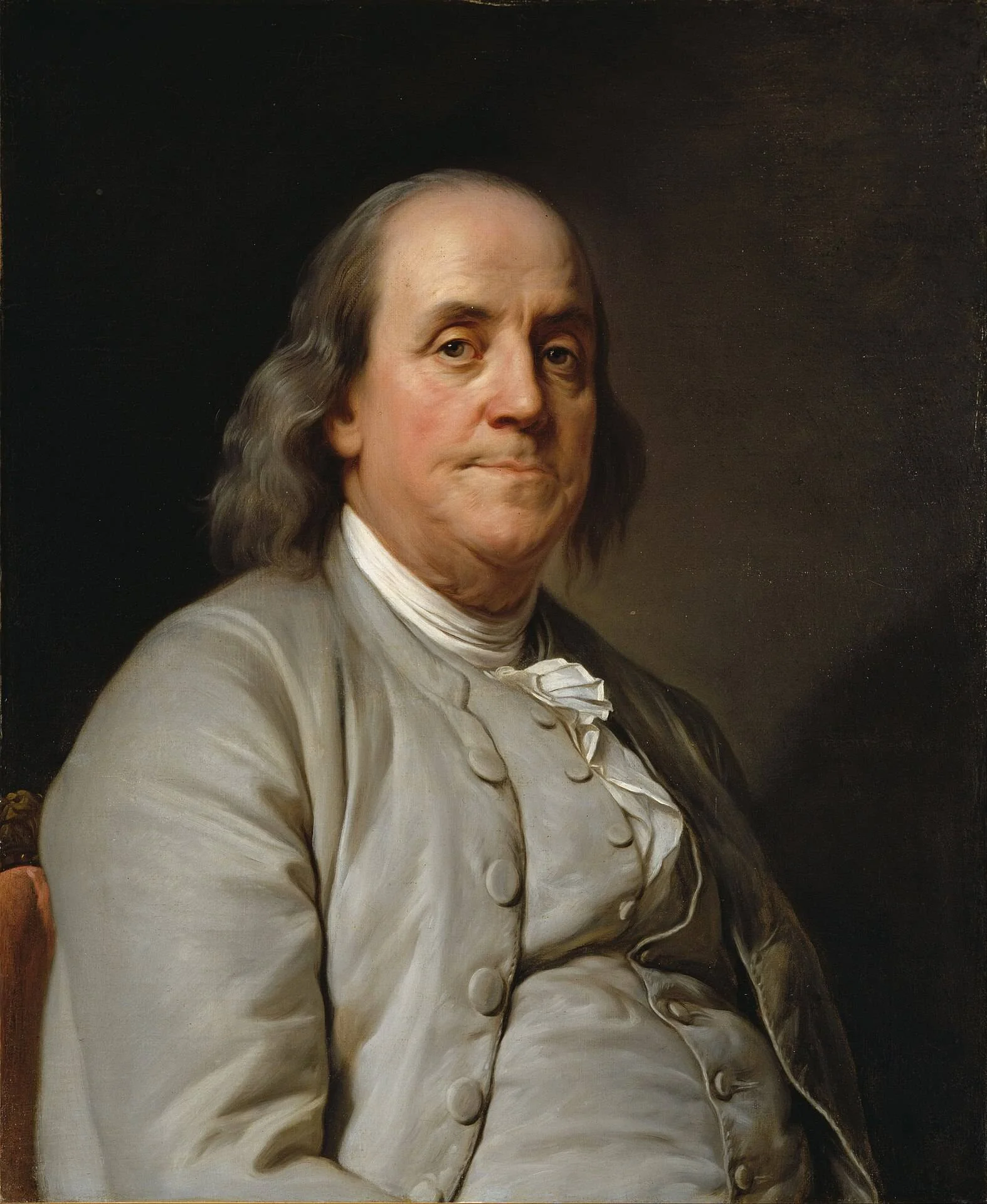
Benjamin Franklin
Born06 Jan, 1705
Died17 Apr, 1790
NationalityAmerican
Age at time of death85
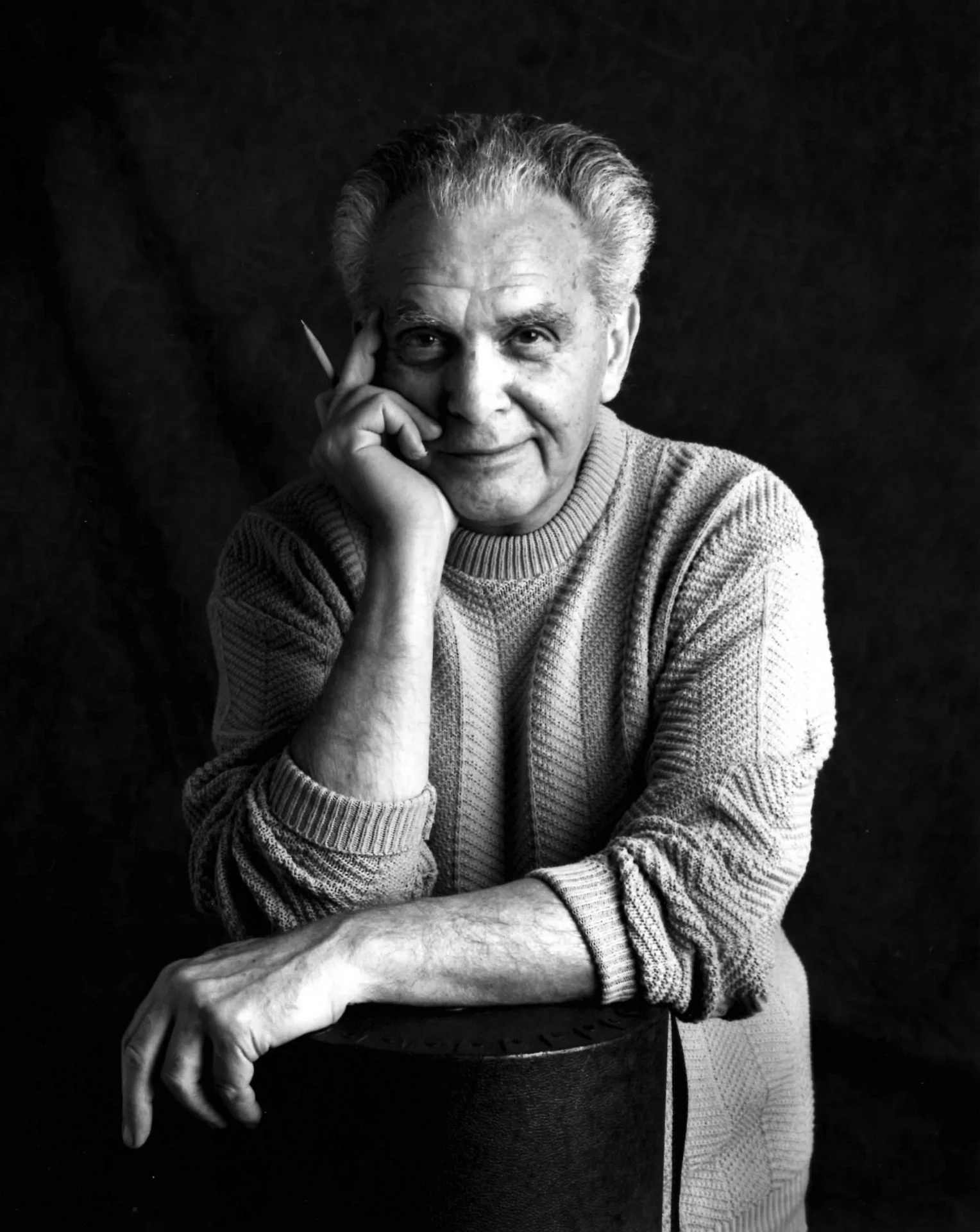
Jack Kirby
Born28 Aug, 1917
Died06 Feb, 1994
NationalityAmerican
Age at time of death76