Real Celebrities Never Die!
OR
Search For Past Celebrities Whose Birthday You Share
Died Age: 50
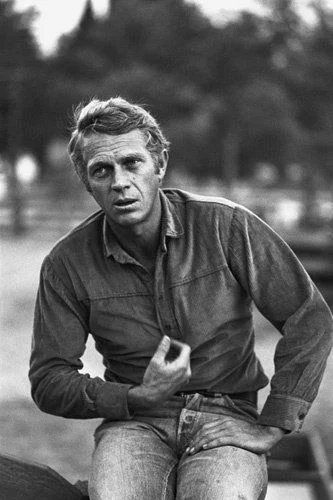
pinterest.com
Stephen McQueen
Birthday:
24 Mar, 1930
Date of Death:
07 Nov, 1980
Cause of death:
Heart Failure
Nationality:
American
Famous As:
Actor
Age at the time of death:
50
Terrence Stephen McQueen's Quote's

“I live for myself and I answer to nobody.”
Terrence Stephen McQueen
🔗 deadcelebrityhub.com
Early Life: Rough Roads
Steve McQueen embodied rebellion. A cigarette dangling from his lips, eyes cloaked in defiance, he was Hollywood’s answer to the American outlaw: unpolished, magnetic, and real. On screen, he moved like a man with nothing to lose; off it, he lived like one who never intended to stop. McQueen's life was a roaring engine of grit, speed, and defiance from juvenile reformatories to box office royalty.
Born Terence Steven McQueen on March 24, 1930, in Beech Grove, Indiana, his start in life was anything but smooth. His father, a stunt pilot, abandoned the family before Steve could walk. His mother, a young alcoholic, was ill-equipped for parenthood and frequently left Steve in the care of others. He was eventually sent to live on a Missouri farm with his great-uncle Claude, who was a gentle man whose steady presence gave the young boy some semblance of stability. McQueen later credited this period with teaching him the value of hard work and self-reliance.
But adolescence didn’t come quietly. McQueen was drawn to trouble like metal to magnet. By his teens, he’d joined street gangs, clashed with authority, and been sent to the California Junior Boys Republic, a reform school in Chino. He later donated generously to the institution, never forgetting the discipline and redemption it gave him. In a twist of fate, the rebellious teen would eventually become the hero millions would root for on the silver screen.
From the Marines to the Method
McQueen’s path to acting was anything but direct. He enlisted in the U.S. Marine Corps in 1947, finding in military service a structure that both constrained and challenged him. He was demoted several times for insubordination, but also earned respect for saving fellow Marines during a training accident. He was a rule-breaker with a moral code—A paradox that would become central to his screen persona.
After leaving the Marines, he used the GI Bill to study acting at the Neighbourhood Playhouse in New York City, training under Sanford Meisner. McQueen’s performances were visceral and unpolished. He also studied at the Actors Studio under Lee Strasberg, rubbing shoulders with Marlon Brando and James Dean. Yet while others leaned into theatrical gravitas, McQueen leaned into silence, often letting his eyes do the talking. His education didn’t polish him; it sharpened his instincts.
Shifting Gears: From TV Westerns to Movie Stardom
McQueen's early career saw him land small roles in theatre and television, but it was the TV series Wanted: Dead or Alive (1958–61) that gave him national exposure. As bounty hunter Josh Randall, he wore his contradictions like a badge: cold yet compassionate, cool yet unpredictable.
Hollywood took notice, and soon McQueen roared onto the big screen in The Magnificent Seven (1960), stealing scenes with nothing more than a glance or a shrug. But it was The Great Escape (1963) that cemented his legend. That motorcycle stunt, though largely performed by a double, became iconic. The image of McQueen jumping barbed wire was more than cinematic—it was symbolic of his real-life refusal to be fenced in.
He followed with a string of hits that defined a generation: The Cincinnati Kid, Bullitt, The Thomas Crown Affair, Le Mans, and Papillon. Bullitt (1968), with its legendary car chase through the streets of San Francisco, changed the way action films were shot. McQueen insisted on doing many of his own stunts, adding authenticity that thrilled audiences and terrified studios.
Lesser known is McQueen’s obsession with detail. He often tinkered with scripts, costumes, and camera angles, pushing for realism, even if it meant butting heads with directors. He once delayed filming to personally inspect a car for Le Mans. For him, style was substance.
Personal Life: The Man Behind the Mystique
Off-screen, McQueen was just as enigmatic. He was intensely private, sometimes difficult, and often contradictory. He married three times, most famously to actress Ali MacGraw, whom he met on the set of The Getaway. Despite his rugged exterior, he was prone to insecurity, hoarding possessions like motorcycles and watches, and demanding his films have equal billing with his co-stars, even Paul Newman.
He loved fast cars and motorcycles. He once raced professionally and had a standing offer to drive in the Indianapolis 500. McQueen also collected over 200 vintage vehicles, some of which still fetch millions at auction. He wasn’t just playing the cool guy, He was a cool guy.
Yet he was also deeply spiritual in his final years. After being diagnosed with mesothelioma in 1979, McQueen sought treatment in Mexico, converting to evangelical Christianity before his death. He passed away on November 7, 1980, at just 50 years old.
The Legacy of a Rebel
Steve McQueen didn’t fade into memory, he burned into it. Dubbed "The King of Cool," his influence reverberates through generations of actors, from Brad Pitt to Ryan Gosling. His minimalist acting style (spare, instinctive, and simmering with inner life) redefined masculinity in cinema. More than that, he made it okay for heroes to be flawed, for strength to come without speeches.
He remains a fashion icon decades after his death, with his signature Persol sunglasses, Barbour jackets, and rugged swagger immortalised in style circles. His films continue to be studied for their tension, pacing, and authenticity.
But perhaps his greatest legacy is this: Steve McQueen showed that greatness doesn’t come from a perfect path but from refusing to be anyone but yourself. He didn’t conquer Hollywood by fitting in; he did it by standing apart.
Profile Snapshot
Name:
Terrence Stephen McQueen
Popular Name:
Stephen McQueen
Gender:
Male
Cause of Death:
Heart Failure
Spouse:
Barbara Minty
Ali MacGraw
Neile Adams
Place of Birth:
Beech Grove, Indiana, United States
Place of Death:
Ciudad Juárez, Mexico
Occupation / Profession:
Actor
Producer
Personality Type
Virtuoso: A fiercely independent, thrill-seeking icon who lived by instinct, trusted his hands more than words, and made cool look effortless.
Terrence Stephen McQueen's Interesting Facts
A committed motorcycle enthusiast, he helped fund and ride for the U.S. team in the 1964 International Six Days Trial (ISDT), a gruelling off-road competition in Europe.
He was offered the lead roles in Apocalypse Now and Close Encounters of the Third Kind, but turned them down.
McQueen demanded and got personal items like razors and jeans written into his film contracts.
Achievements & Awards
He received an Academy Award nomination for The Sand Pebbles (1966) and won a Golden Globe for the same role.
In 1974, he was the world’s highest-paid actor, a testament to his box office dominance.
Steve McQueen became one of the highest-paid and most bankable stars of the 1960s and 70s, known for hits like Bullitt, The Great Escape, and The Thomas Crown Affair.
Though he avoided traditional Hollywood glamour, his anti-hero charisma left an indelible mark on American cinema.
External Links
Additional Links
https://faroutmagazine.co.uk/why-steve-mcqueen-hated-paul-newman-during-the-making-of-the-towering-inferno/ https://www.onthisday.com/people/steve-mcqueenhttps://www.britannica.com/biography/Steve-McQueen-American-actorhttps://www.imdb.com/name/nm0000537/quotes/https://www.pinterest.com/pin/432416001698711170/
Latest Profiles
People also viewed
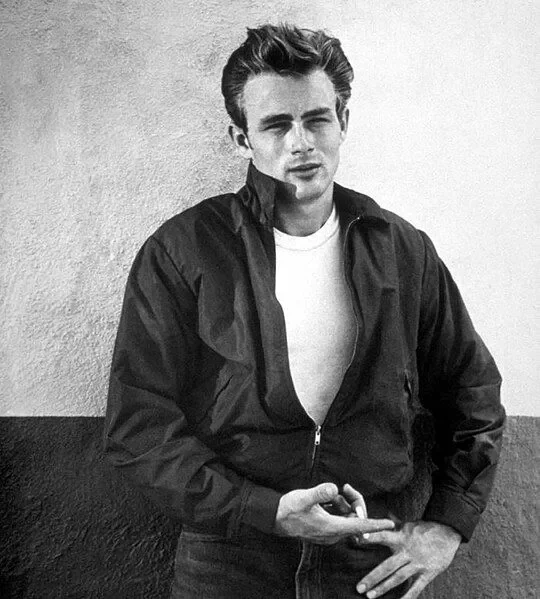
James Dean
Born08 Feb, 1931
Died30 Sep, 1955
NationalityAmerican
Age at time of death24
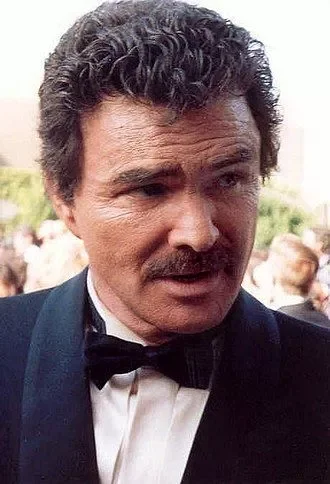
Burt Reynolds
Born11 Feb, 1936
Died06 Sep, 2018
NationalityAmerican
Age at time of death82
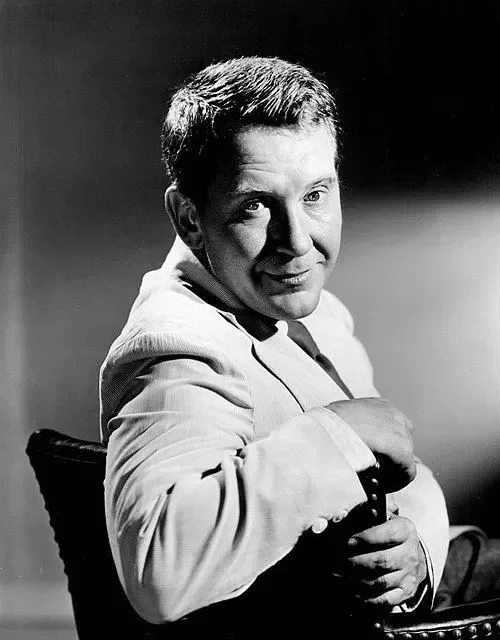
Oliver Burgess Meredith
Born16 Nov, 1907
Died09 Sep, 1997
NationalityAmerican
Age at time of death89
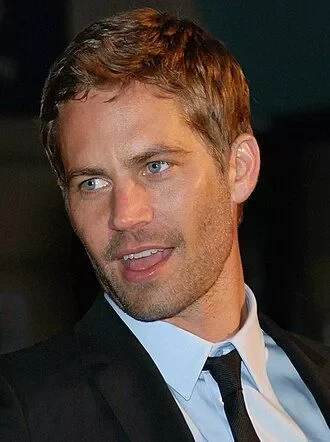
Paul Walker
Born12 Sep, 1973
Died30 Nov, 2013
NationalityAmerican
Age at time of death40
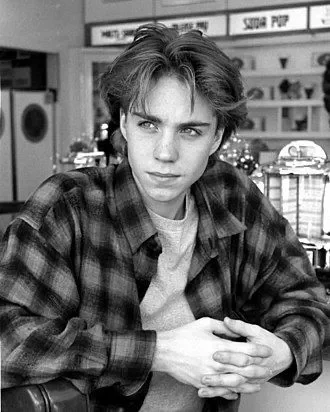
Jonathan Brandis
Born13 Apr, 1976
Died12 Nov, 2003
NationalityAmerican
Age at time of death27
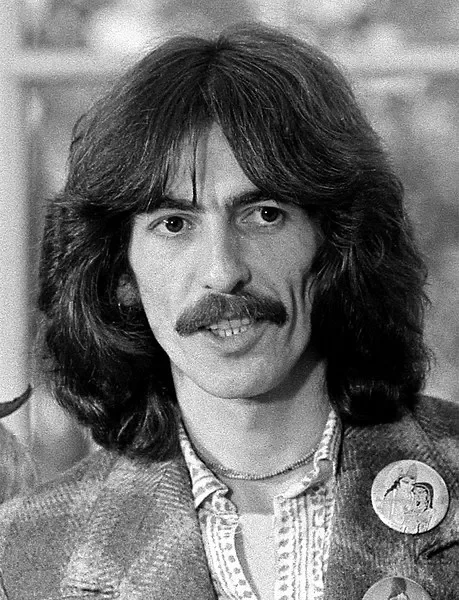
George Harrison
Born25 Feb, 1943
Died29 Nov, 2001
NationalityBritish
Age at time of death58
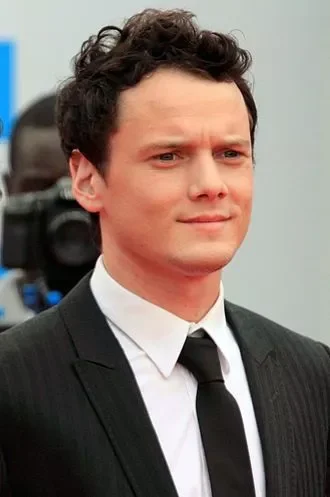
Anton Yelchin
Born11 Mar, 1989
Died19 Jun, 2016
NationalityAmerican
Age at time of death27
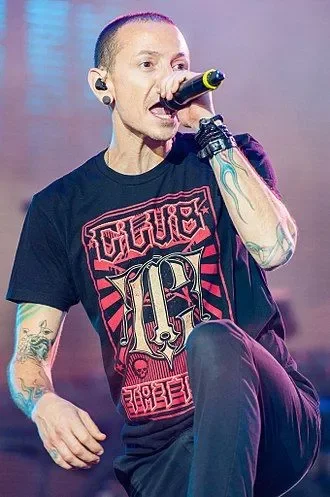
Chester Bennington
Born20 Mar, 1976
Died20 Jul, 2017
NationalityAmerican
Age at time of death41
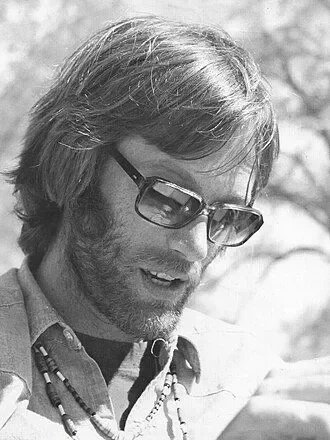
Peter Fonda
Born23 Feb, 1940
Died16 Aug, 2019
NationalityAmerican
Age at time of death79
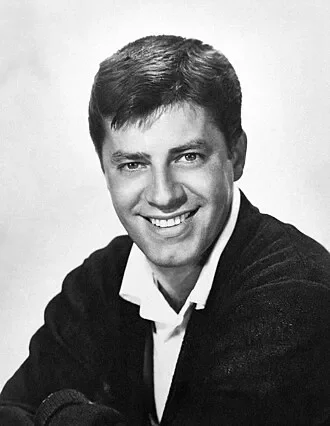
Jerry Lewis
Born16 Mar, 1926
Died20 Aug, 2017
NationalityAmerican
Age at time of death91
Marlon Brando
Born03 Apr, 1924
Died01 Jul, 2004
NationalityAmerican
Age at time of death80
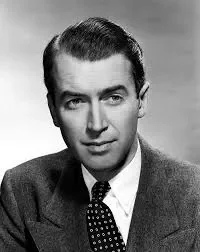
James Stewart
Born20 May, 1908
Died02 Jul, 1997
NationalityAmerican
Age at time of death89

Cory Monteith
Born11 May, 1982
Died13 Jul, 2013
NationalityCanadian
Age at time of death31
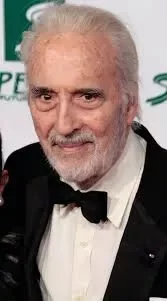
Christopher Lee
Born27 May, 1922
Died07 Jun, 2015
NationalityBritish
Age at time of death93
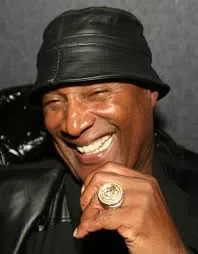
Paul Mooney
Born04 Aug, 1941
Died19 May, 2021
NationalityAmerican
Age at time of death79
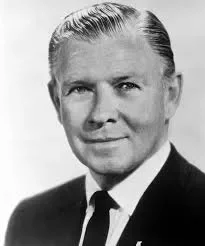
George Murphy
Born04 Jul, 1902
Died03 May, 1992
NationalityAmerican
Age at time of death89
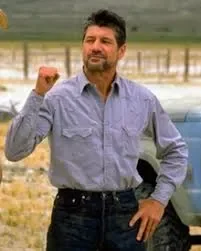
Fred Ward
Born30 Dec, 1942
Died08 May, 2022
NationalityAmerican
Age at time of death79
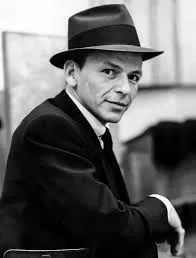
Frank Sinatra
Born12 Dec, 1915
Died14 May, 1998
NationalityAmerican
Age at time of death82
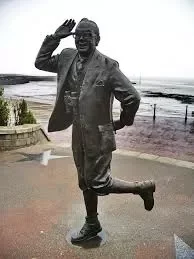
Eric Morecambe
Born14 May, 1926
Died28 May, 1984
NationalityBritish
Age at time of death58
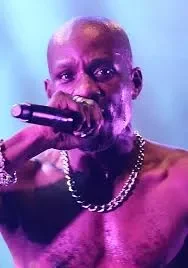
DMX
Born18 Dec, 1970
Died09 Apr, 2021
NationalityAmerican
Age at time of death50