Real Celebrities Never Die!
OR
Search For Past Celebrities Whose Birthday You Share
Died Age: 92
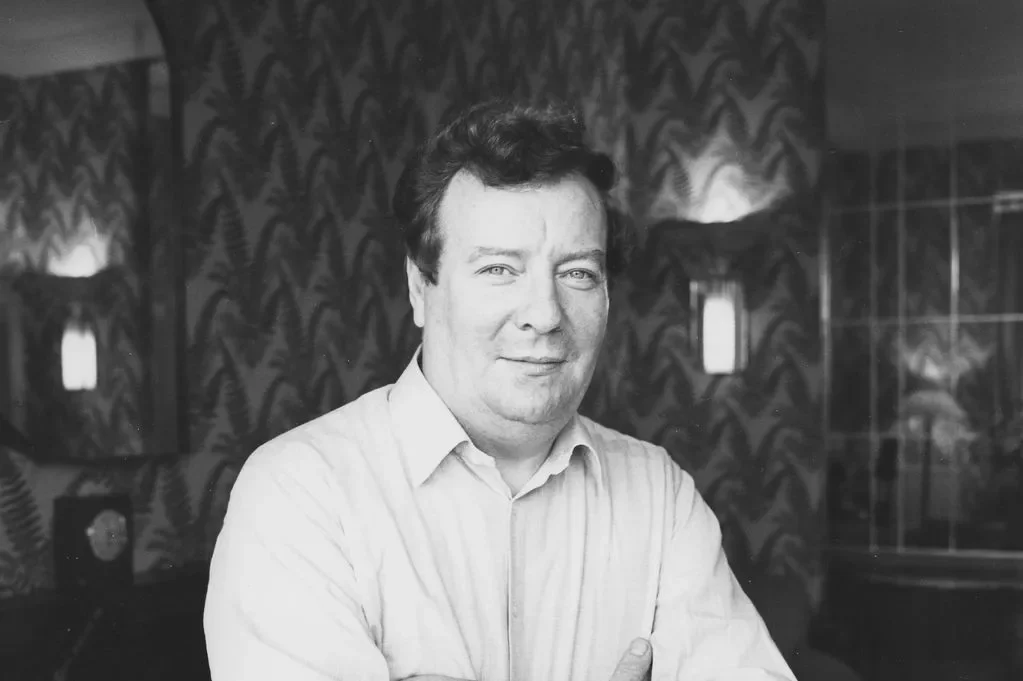
walesonline.co.uk
Stuart Burrows
Birthday:
07 Feb, 1933
Date of Death:
29 Jun, 2025
Cause of death:
Short Illness
Nationality:
Welsh
Famous As:
Welsh operatic tenor
Age at the time of death:
92
James Stuart Burrows's Quote's
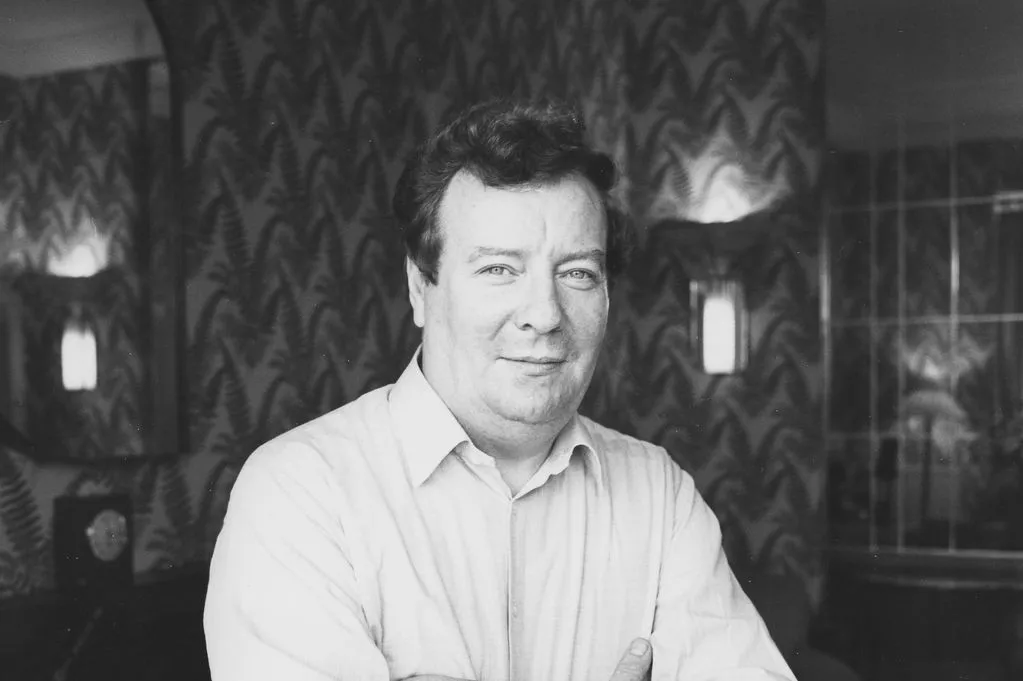
“One of the greatest Mozart tenors in the world… the beauty of his voice, his sensitivity, lyricism and refined musicianship was unsurpassed.”
James Stuart Burrows
🔗 deadcelebrityhub.com
Early Life: A Voice Formed in the Valleys
Stuart Burrows was more than a voice—he was an ambassador of Welsh soul. With a tone as pure as mountain air and phrasing that felt like poetry, he captivated audiences across the globe. From modest beginnings in the Welsh Valleys to the grandest opera houses of Europe and America, his story is one of quiet brilliance, cultural pride, and lasting resonance in the world of classical music.
Born in 1933 in the small mining town of Cilfynydd, near Pontypridd in South Wales, Stuart Burrows grew up immersed in the rich choral traditions of his homeland. In post-war Wales, music wasn’t a luxury—it was a communal heartbeat. Singing came naturally to him, not as performance, but as part of life: in chapel, in school, in gatherings that filled the valley air with song.
He came from a working-class family, and though music was present, a life on stage wasn’t something people like him dared to expect. His early ambition was to become a teacher, and for a time, he followed that path. But the voice—clear, expressive, and unmistakably lyrical—could not be ignored.
Education: A Teacher Turned Tenor
Burrows studied education and began working as a schoolteacher. But during this time, he also continued training and performing. His voice began to attract attention beyond local circles. Encouraged by mentors and driven by quiet conviction, he transitioned from teaching children to teaching hearts—through music.
He trained formally, honing his technique while preserving the clarity and sincerity that had made his sound so distinctive. His early performances in competitions and concerts across Wales caught the ears of influential figures in the classical music world.
Career Journey
Phase One: A Rising Star in British Opera
Burrows’s professional debut came in the 1960s, and it wasn’t long before major houses took notice. Glyndebourne, Covent Garden, and the English National Opera became stages where his lyric tenor shone. He was admired not only for vocal precision but for the emotional depth he brought to roles. Whether singing Mozart, Verdi, or Puccini, he gave each phrase a sense of lived truth.
One of his signature roles was Ferrando in Così fan tutte, which he performed with exceptional delicacy and warmth. His interpretations were often praised for their sincerity—he was a singer who never overreached, letting the music speak naturally through him.
Phase Two: International Acclaim
By the 1970s and ’80s, Stuart Burrows had become one of the most respected lyric tenors of his generation. He performed with the New York Metropolitan Opera, La Scala in Milan, and the Vienna State Opera. His collaborations with conductors like Carlo Maria Giulini and Sir Georg Solti elevated his standing even further.
Despite this international acclaim, he remained grounded. He never abandoned his Welsh identity; on the contrary, he celebrated it. He often returned to Wales, gave recitals in local communities, and supported young artists from the region.
Phase Three: Mentor and Cultural Guardian
As his stage career slowed, Burrows turned to teaching and mentoring. He became a passionate supporter of vocal education, offering masterclasses and guiding the next generation of tenors. He also founded the Stuart Burrows International Voice Award, a platform to spotlight emerging talent and preserve the traditions of classical vocal performance.
He remained active in broadcasting and concerts well into his later years, earning accolades for his contributions to music and Welsh culture.
Personal Life: Humble Heart, Quiet Strength
Burrows was known for his humility. Despite performing at the highest levels, he never sought the spotlight for its own sake. Friends and colleagues describe him as kind, disciplined, and deeply proud of his roots. He enjoyed reading, had a quiet sense of humor, and found joy in simplicity—especially in returning to the Welsh hills that first shaped his voice.
Legacy: A Voice of Wales, A Master of Song
Stuart Burrows left behind more than recordings and reviews—he left a legacy of excellence defined by grace. He showed that greatness didn’t need to shout. In an era of vocal showmanship, he stood out by honoring the music itself. His interpretations were revered for their musicality and depth, and his advocacy for Welsh talent ensured that the valleys continued to echo with song.
To this day, he is remembered not only as a world-class tenor, but as one of Wales’s most treasured cultural figures.
Stuart Burrows sang with a voice that seemed to carry the soul of a nation. Pure, unpretentious, and enduring—his legacy is a melody that lingers.
Profile Snapshot
Name:
James Stuart Burrows
Popular Name:
Stuart Burrows
Gender:
Male
Cause of Death:
Short Illness
Spouse:
Enid Lewis
Place of Birth:
Cilfynydd, Pontypridd, Wales
Place of Death:
Cardiff, Wales
Occupation / Profession:
Welsh operatic tenor
Personality Type
Defender: Very dedicated and warm protectors, always ready to defend their loved ones. Stuart Burrows was a devoted, sensitive, and steadfast presence—his lyrical voice and nurturing spirit touched hearts globally
James Stuart Burrows's Interesting Facts
Burrows was not only admired for his operatic roles but also for his concert and oratorio work, especially his interpretations of sacred music.
Despite global acclaim, he remained deeply connected to his Welsh roots and often promoted music education and young talent in Wales.
He gained international fame in the 1960s and 70s, performing in major opera houses like the Royal Opera House, Covent Garden, and the Metropolitan Opera in New York.
Stuart Burrows is a renowned Welsh tenor celebrated for his pure tone and exceptional performances in operas by Mozart, Verdi, and Puccini.
Achievements & Awards
He was awarded the Officer of the Order of the British Empire (OBE) and received honorary degrees from several universities.
His achievements also include international recognition and accolades for his outstanding performances on the world stage.
Stuart Burrows, the acclaimed Welsh tenor, received numerous honors throughout his career for his exceptional contributions to opera and classical music.
External Links