Real Celebrities Never Die!
OR
Search For Past Celebrities Whose Birthday You Share
Died Age: 90
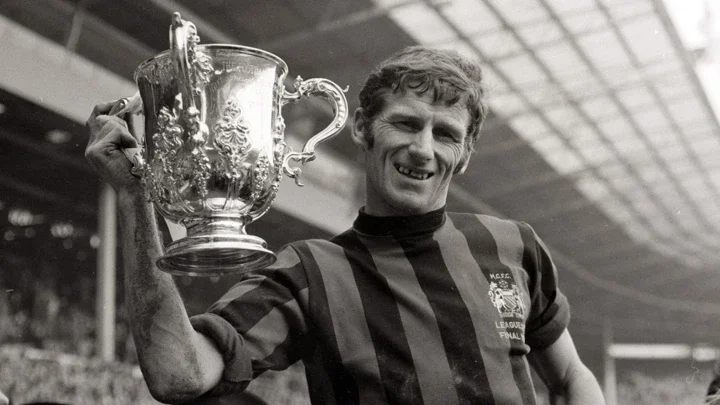
mancity.com
Tony Book
Birthday:
04 Sep, 1934
Date of Death:
13 Jan, 2025
Cause of death:
Natural Causes
Nationality:
English
Famous As:
Coach
Age at the time of death:
90
Anthony Keith Book 's Quote's
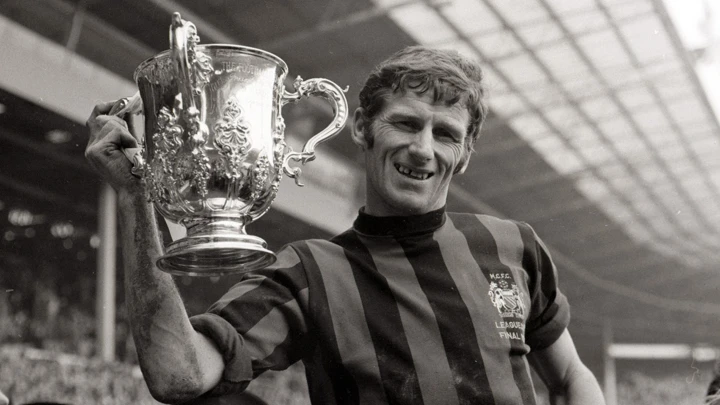
“We were from different worlds, and if you took away the football we would never have spoken or worked together in our lives. I was never close to him, despite the respect I had for him.”
Anthony Keith Book
🔗 deadcelebrityhub.com
Early Life: Humble Beginnings in Somerset
Tony Book wasn’t born into football fame—he carved his way into it, one brick, one tackle, one quiet act of leadership at a time. Rising from the modest trades of post-war England to captain and manage one of the country’s top football clubs, he defied every conventional timeline. His story is one of perseverance, loyalty, and a quiet charisma that came to define an era at Manchester City.
Born in Bath in 1934, Tony Book’s early years were steeped in simplicity. With wartime Britain as his backdrop and discipline instilled by his father’s military service, young Tony found joy and escape in football. Yet the idea of playing professionally seemed distant. Like many boys of his generation, he took up a trade—bricklaying—while playing part-time football for local clubs. His days were long: laying bricks at dawn, training at dusk. But something within him was quietly building too—a resilience that would one day shape his legacy.
Education: Learning on the Job, in Boots and Overalls
Tony never studied at elite academies or footballing institutions. Instead, his education came through routine, repetition, and responsibility. Working in construction taught him the value of teamwork, timing, and precision—lessons that would later echo in his footballing style. His development as a player was unconventional but steady, proving that formal training isn’t the only route to greatness.
Career Journey
Phase One: The Late Bloomer
Most professional players peak in their twenties. Book, however, didn’t enter top-tier football until his thirties—a late start that defied all odds. After years playing semi-professionally, his big break came when a manager saw in him not just skill, but leadership and grit. He joined a major club in his early thirties and quickly proved that age was no barrier to ambition. His performances on the field were marked by intelligence, calm under pressure, and a tireless work ethic.
Phase Two: Captain of a Golden Era
Within a few seasons, Tony Book was handed the captain’s armband. Under his leadership, his team soared to unprecedented heights, winning league titles, national cups, and even conquering Europe. He wasn’t flashy or loud—he led by example. His teammates respected him not only for his footballing talent but for his steadiness, humility, and ability to unite the squad. He became the heartbeat of a team that would define an era.
Phase Three: The Man on the Sidelines
After retiring as a player, Book stepped seamlessly into coaching and eventually management. In the dugout, he maintained the same principles that guided him on the pitch: discipline, preparation, and respect. He led the club to more silverware and came agonizingly close to a league title as manager. While the spotlight often shone on players, insiders knew Book was the foundation of the club’s stability.
Phase Four: A Lifelong Servant of the Club
Even after his managerial days ended, Book never left the club. He took on behind-the-scenes roles, mentored young talent, and continued to be a steady presence through decades of change. To generations of supporters and staff, he was a symbol of what the club stood for—loyalty, humility, and quiet excellence.
Personal Life: Grounded in Love and Simplicity
Off the pitch, Book was a devoted husband, father, and grandfather. Married for decades to his childhood sweetheart, he preferred a quiet life—gardening, family meals, and the occasional pint with old friends. He wasn’t one for headlines or drama. Instead, he cherished the same values that defined his football: commitment, steadiness, and kindness.
Legacy: “Mr. Manchester City”
When people speak of club legends, they often mention those with flair or fire. But Tony Book’s legacy is more enduring. He was the scaffolding on which greatness was built. As a captain, he lifted trophies. As a manager, he nurtured talent. And as a lifelong presence, he bridged generations.
His journey—from building sites to European finals—proved that it’s never too late to dream, and that true greatness doesn’t need glamour. It only needs grit, grace, and the willingness to show up, day after day, with quiet determination.
Tony Book didn’t just play for a club—he helped define it. His story is not just one of footballing success, but of character, and the powerful legacy of a life well-lived.
Profile Snapshot
Name:
Anthony Keith Book
Popular Name:
Tony Book
Gender:
Male
Cause of Death:
Natural Causes
Spouse:
Sylvia Book
Place of Birth:
Bath, Somerset, England
Place of Death:
United Kingdom
Occupation / Profession:
Coach
English football player
Personality Type
Logistician: Practical and fact-minded individuals, whose reliability cannot be doubted. Tony Book is a dependable, disciplined, and pragmatic leader whose calm consistency and strong sense of duty made him a pillar of stability both on the field and on the sidelines.
Anthony Keith Book 's Interesting Facts
After retiring as a player, Book went on to manage Manchester City and led them to a League Cup win in 1976.
Before becoming a footballer, he worked as a bricklayer and played non-league football in his spare time.
He began his professional football career unusually late, signing his first league contract at the age of 30.
Tony Book captained Manchester City to four major trophies between 1968 and 1970, including the First Division title and the FA Cup.
Achievements & Awards
He was named the Football Writers' Association Footballer of the Year in 1969, a rare honor for a defender.
He won the First Division title, FA Cup, League Cup, and the European Cup Winners' Cup with the team. Individually,
Sylvia Book had an impressive football career, especially with Manchester City.
External Links
Additional Links
Latest Profiles
People also viewed
Luis Tiant
Born23 Nov, 1940
Died08 Oct, 2024
NationalityCuban
Age at time of death83
James Naismith
Born06 Nov, 1861
Died28 Nov, 1939
NationalityCanadian, American
Age at time of death78
Don Shula
Born04 Jan, 1930
Died04 May, 2020
NationalityAmerican
Age at time of death90

Billy Hunter
Born03 Jun, 1928
Died02 Jul, 2025
NationalityAmerican
Age at time of death97

Ryne Sandberg
Born07 Sep, 1959
Died27 Jul, 2025
NationalityAmerican
Age at time of death65