Real Celebrities Never Die!
OR
Search For Past Celebrities Whose Birthday You Share
Died Age: 85
rollingstone.com
Tony Roberts
Birthday:
22 Oct, 1939
Date of Death:
07 Feb, 2025
Cause of death:
Lung cancer
Nationality:
American
Famous As:
Actor
Age at the time of death:
85
David Anthony Roberts 's Quote's
“You don’t just call the game, you feel it, live it, and let others hear it through you.”
David Anthony Roberts
🔗 deadcelebrityhub.com
Early Life: A Midwest Beginning
Tony Roberts became a beloved constant in the ever-changing world of sports broadcasting. For decades, he wasn’t just describing the game; he was shaping how it was remembered. To fans of college football, particularly Notre Dame, he was more than a broadcaster—he was the soundtrack of autumn Saturdays, a storyteller with a stopwatch, and the man who could make even the smallest plays feel like history in the making.
Born in Chicago in 1928, Tony Roberts grew up in the cradle of American sports culture. Raised in the post-Depression Midwest, where radios crackled with baseball games and boxing matches, Roberts found his passion not on the field but beside it with a voice box full of ambition and ears tuned to the likes of Red Barber and Mel Allen.
His father, a factory worker with a deep baritone voice of his own, often read the newspaper aloud at the kitchen table, unknowingly planting seeds of cadence and pacing that would one day bloom in the broadcast booth. As a boy, Tony would imitate the announcers he admired, sometimes turning down the sound on his family’s radio just to call the game himself.
A defining moment came when, at the age of 12, he snuck into a Chicago Cardinals football game and spent the entire afternoon mesmerised not by the players, but by the man describing them in the press box.
Education: Finding a Voice
Roberts attended Columbia College Chicago, a school known for its strong media and arts programs. There, he honed not just his voice but his discipline while learning the technical side of broadcasting and developing a style that would later become his signature: smooth, confident, and effortlessly engaging.
He paid his way through college doing part-time radio work, cutting his teeth on everything from jazz programs to minor league baseball. One quirky fact: Tony used to practice reading the phone book aloud in different emotional tones, an exercise in modulation that would serve him well when games took unexpected turns.
Career: Calling the Big Game
Early Career: Climbing the Airwaves
Roberts began his professional broadcasting career in Iowa, calling local high school games before moving up to minor league baseball and small college sports. His big break came in the 1960s when he was hired by Mutual Broadcasting System to cover college football—a pairing that would define the next four decades of his life.
He had a knack for rising to the moment. Whether it was a thrilling overtime or a blowout in the rain, Roberts knew how to find the heartbeat of the game. “He never made the game about himself,” said a fellow broadcaster. “But somehow, he became part of its soul.”
The Notre Dame Years: A Voice for the Irish
From 1980 to 2006, Tony Roberts became synonymous with Notre Dame football. His broadcasts weren’t just listened to but were experienced. Listeners tuned in not just to know the score, but to feel the pulse of the stadium through Roberts’ voice.
He called some of the program’s most iconic games, including the legendary 1988 upset over Miami. Roberts had a gift for balancing excitement with clarity, knowing when to rise with the roar and when to let the silence speak volumes.
A beloved tradition among fans was Roberts’ meticulous game preparation; he often compiled 30+ pages of handwritten notes before each game. It’s said that his prep binders were so detailed, they could have doubled as media guides.
Later Career: Passing the Torch
Even after stepping back from full-time broadcasting, Roberts remained active in the sports community, mentoring young announcers and occasionally returning for special appearances. His voice, always rich with memory, continued to evoke the golden days of radio—a time when voices alone carried the weight of entire seasons.
In 2006, he was inducted into the National Radio Hall of Fame, a fitting tribute to a career built on consistency, craft, and character.
Personal Life: The Man Behind the Mic
Away from the booth, Tony Roberts was a quiet, thoughtful man with a dry wit and a love of jazz records. He was known to carry a pocket notebook where he jotted down unusual words or phrases he might one day use on-air. A devoted husband and father, he kept his family life mostly private, though friends recall his deep pride in his children’s achievements outside of sports.
He loved gardening, crossword puzzles, and had a minor obsession with classic Western films. His favourite? The Man Who Shot Liberty Valance—a story, much like his own, about legacy and voice.
Legacy: A Golden Voice, an Enduring Echo
Tony Roberts may have stepped out of the spotlight, but his voice echoes on. To generations of fans, he wasn’t just part of the game; he was the game. His storytelling turned tackles into turning points and touchdowns into legend. In an era increasingly filled with noise, Roberts stood out for his clarity, class, and command of language.
His legacy is more than a résumé of games called but a catalogue of moments lived, relived, and immortalised through sound. Today, young broadcasters study his tapes not just for technique, but for tone, for the sense of presence he brought to the booth.
Tony Roberts is remembered not just as a great sportscaster but as one of the last great radio voices and the humble narrator of countless Saturdays.
Profile Snapshot
Name:
David Anthony Roberts
Popular Name:
Tony Roberts
Gender:
Male
Cause of Death:
Lung cancer
Spouse:
Jennifer Lyons
Place of Birth:
Manhattan, New York, United States
Place of Death:
New York, New York, United States
Occupation / Profession:
Actor
Personality Type
Architect Imaginative and strategic thinkers, with a plan for everything. A quiet perfectionist who always had a plan, spoke with purpose, and let his work speak louder than his words.
David Anthony Roberts 's Interesting Facts
Despite his professional polish, he never used a teleprompter or scripted commentary; everything was delivered live and from the heart.
He once broadcast a college football game during a snowstorm with no visibility, relying entirely on binoculars and memory of formations.
Roberts had a personal tradition of writing the first and last sentence of each broadcast in advance to ensure a strong open and close.
Achievements & Awards
He was inducted into the National Radio Hall of Fame in 2006 and received the prestigious Chris Schenkel Award from the College Football Hall of Fame for excellence in broadcasting.
His legacy includes work with Mutual, Westwood One, and ABC Radio, making him a central figure in American sports media.
Over his career, he called thousands of games across multiple sports, earning respect as one of the most trusted voices in radio.
Tony Roberts was the voice of Notre Dame football for 26 seasons, bringing unparalleled clarity and emotion to national broadcasts.
External Links
Latest Profiles
People also viewed
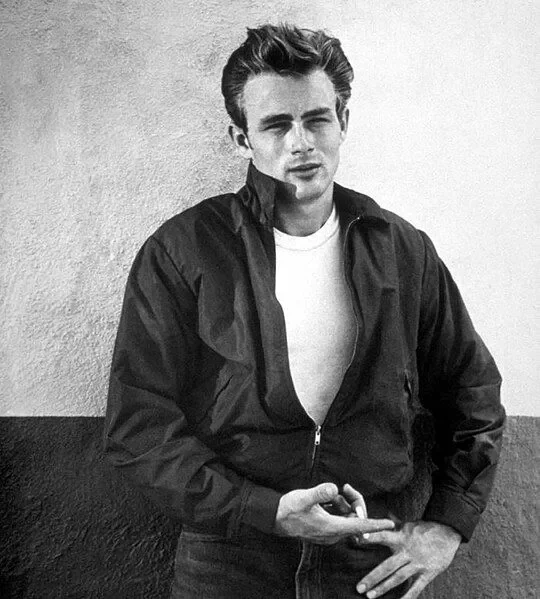
James Dean
Born08 Feb, 1931
Died30 Sep, 1955
NationalityAmerican
Age at time of death24
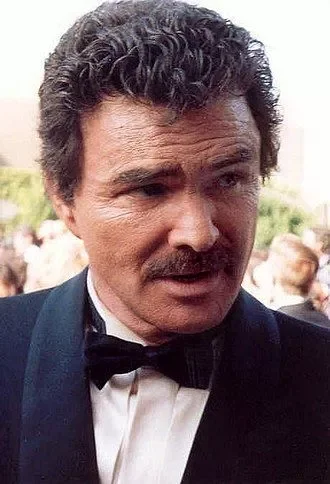
Burt Reynolds
Born11 Feb, 1936
Died06 Sep, 2018
NationalityAmerican
Age at time of death82
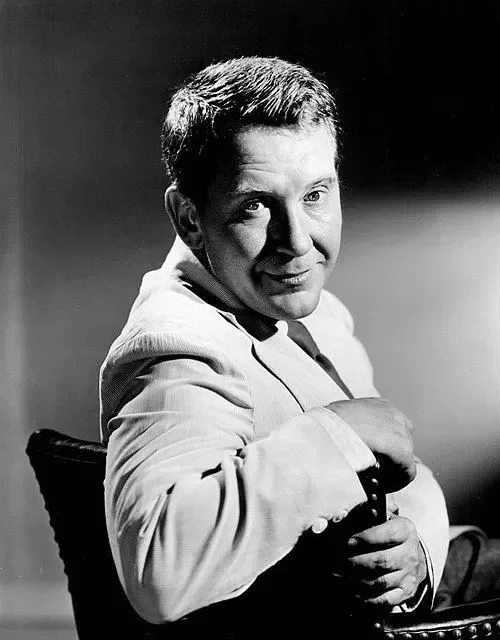
Oliver Burgess Meredith
Born16 Nov, 1907
Died09 Sep, 1997
NationalityAmerican
Age at time of death89
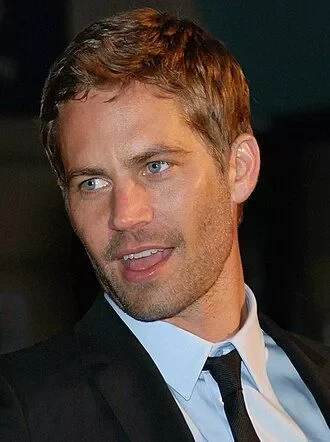
Paul Walker
Born12 Sep, 1973
Died30 Nov, 2013
NationalityAmerican
Age at time of death40
Jonathan Brandis
Born13 Apr, 1976
Died12 Nov, 2003
NationalityAmerican
Age at time of death27

Anton Yelchin
Born11 Mar, 1989
Died19 Jun, 2016
NationalityAmerican
Age at time of death27

Chester Bennington
Born20 Mar, 1976
Died20 Jul, 2017
NationalityAmerican
Age at time of death41
Peter Fonda
Born23 Feb, 1940
Died16 Aug, 2019
NationalityAmerican
Age at time of death79
Jerry Lewis
Born16 Mar, 1926
Died20 Aug, 2017
NationalityAmerican
Age at time of death91
Marlon Brando
Born03 Apr, 1924
Died01 Jul, 2004
NationalityAmerican
Age at time of death80
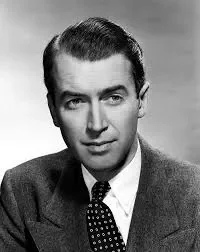
James Stewart
Born20 May, 1908
Died02 Jul, 1997
NationalityAmerican
Age at time of death89

Cory Monteith
Born11 May, 1982
Died13 Jul, 2013
NationalityCanadian
Age at time of death31
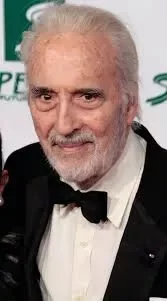
Christopher Lee
Born27 May, 1922
Died07 Jun, 2015
NationalityBritish
Age at time of death93
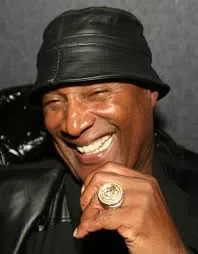
Paul Mooney
Born04 Aug, 1941
Died19 May, 2021
NationalityAmerican
Age at time of death79
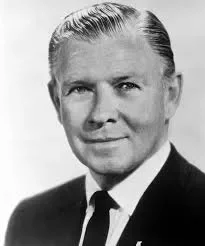
George Murphy
Born04 Jul, 1902
Died03 May, 1992
NationalityAmerican
Age at time of death89
Fred Ward
Born30 Dec, 1942
Died08 May, 2022
NationalityAmerican
Age at time of death79
Frank Sinatra
Born12 Dec, 1915
Died14 May, 1998
NationalityAmerican
Age at time of death82
Eric Morecambe
Born14 May, 1926
Died28 May, 1984
NationalityBritish
Age at time of death58
DMX
Born18 Dec, 1970
Died09 Apr, 2021
NationalityAmerican
Age at time of death50
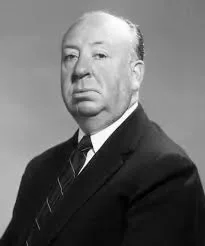
Alfred Hitchcock
Born13 Aug, 1899
Died29 Apr, 1980
NationalityAmerican, British
Age at time of death80